Where This Job Goes Sideways
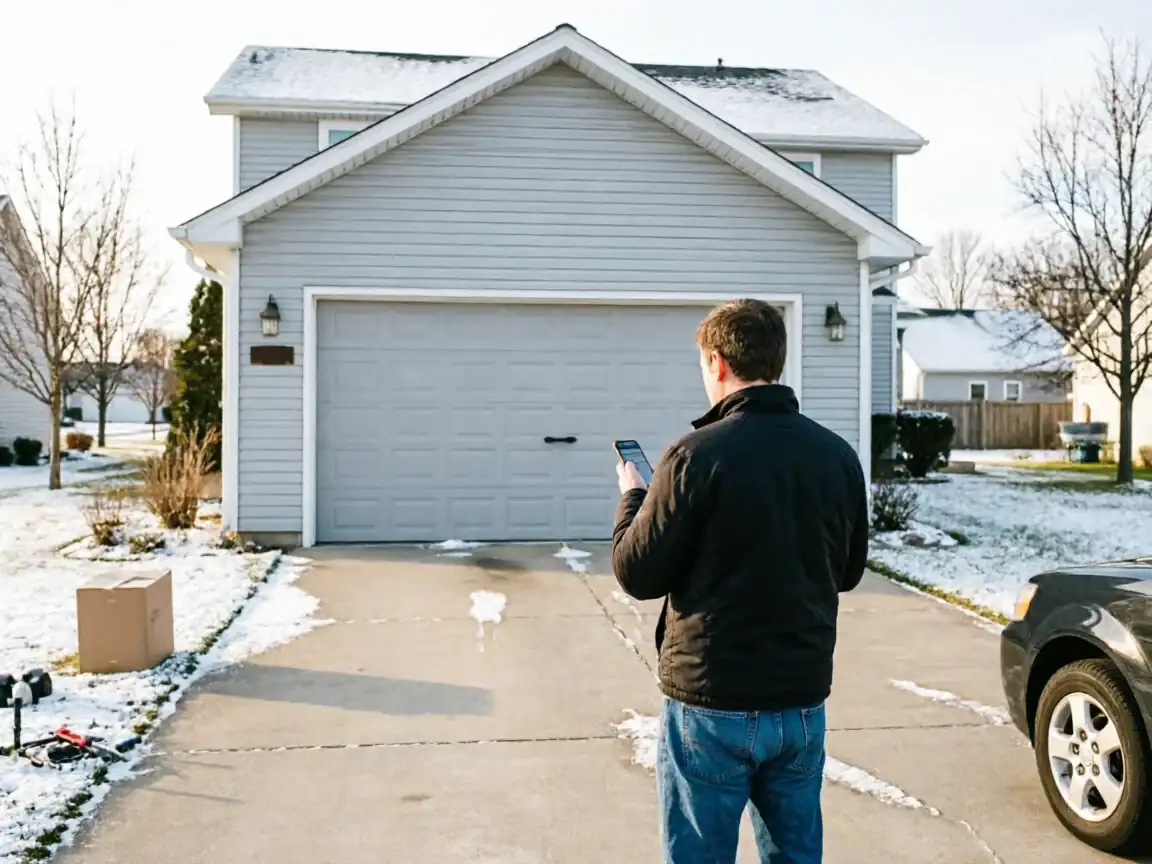
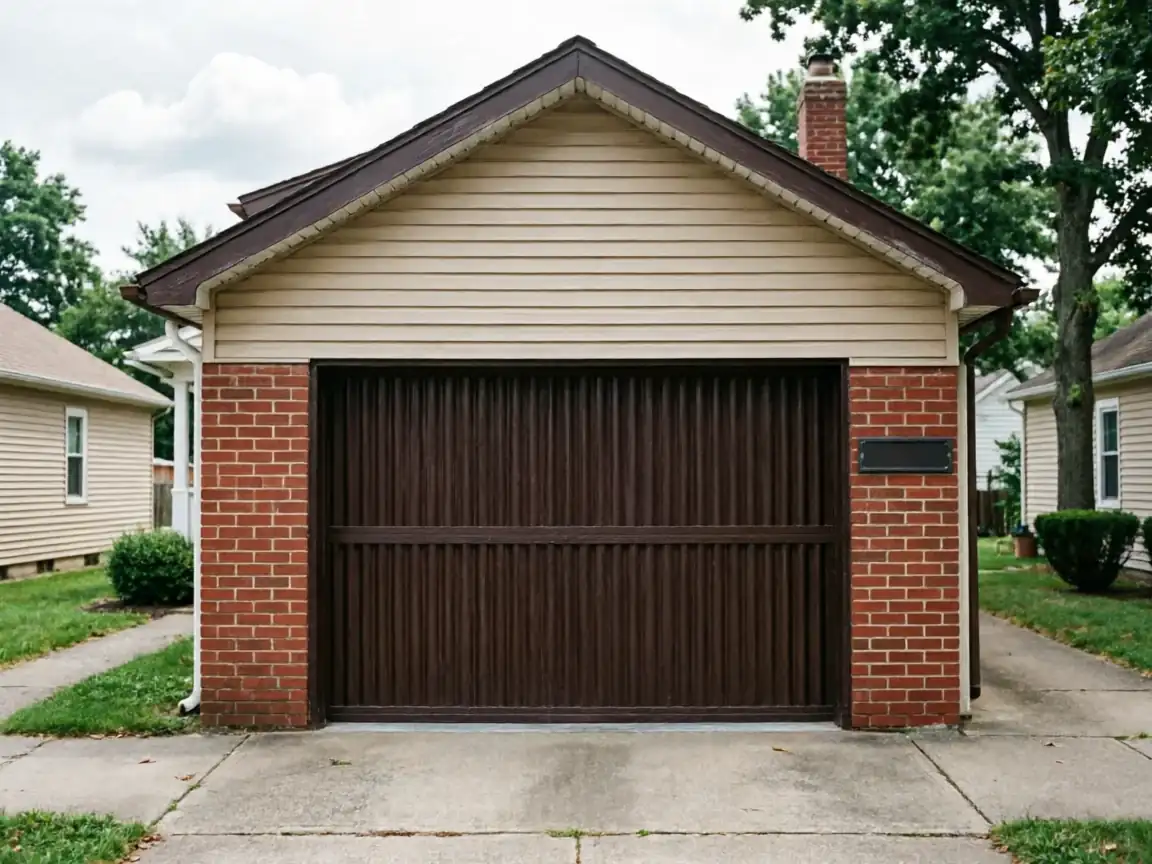
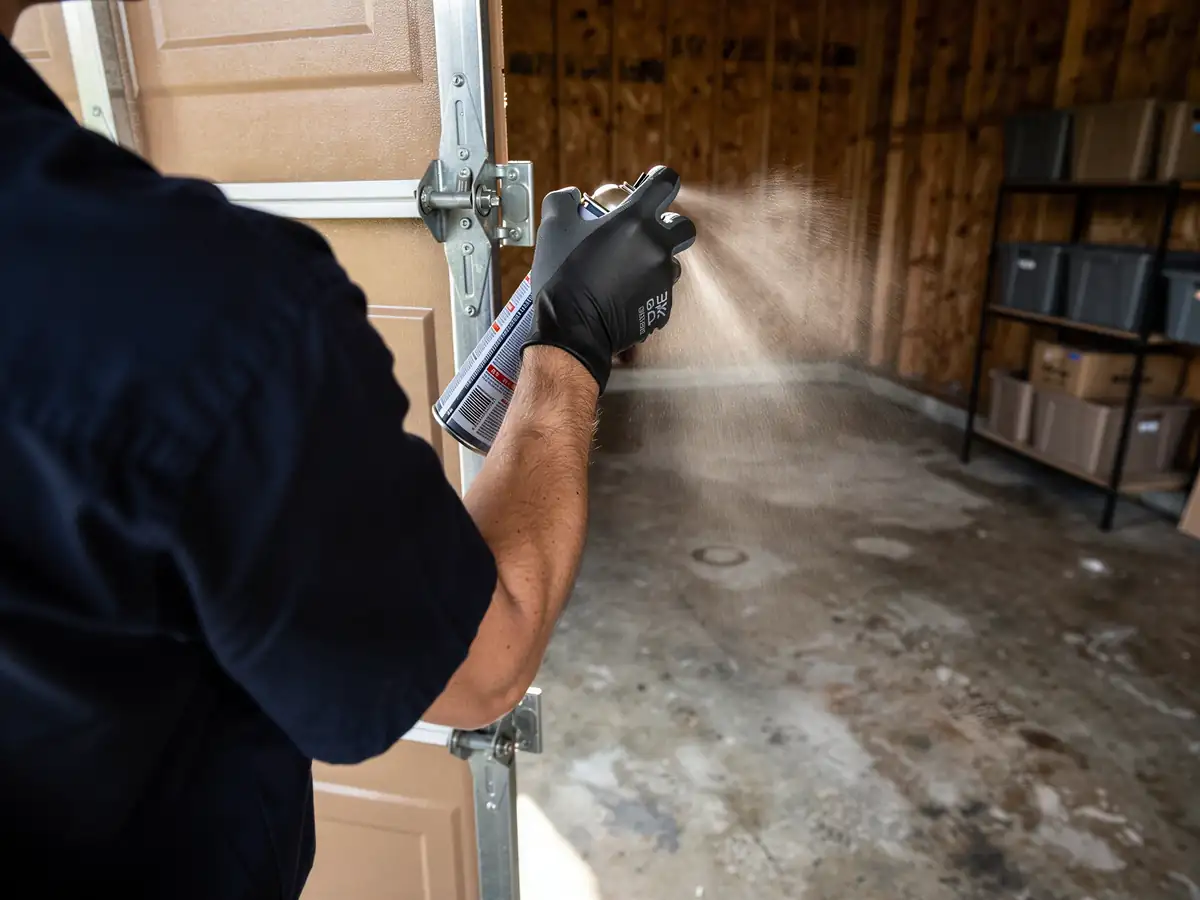
The call usually starts the same way: the door grinds instead of rolls, or it hops in the track on the way up. In Pontiac that's rarely a cheap fix-the-roller problem on its own. Most houses here went up around 1960, and the doors on those openings were built for steel rollers riding in narrow, unlubricated track. That track has worn a groove over sixty years, and a fresh roller - even a good nylon one - has to fight that groove instead of riding smooth in it.
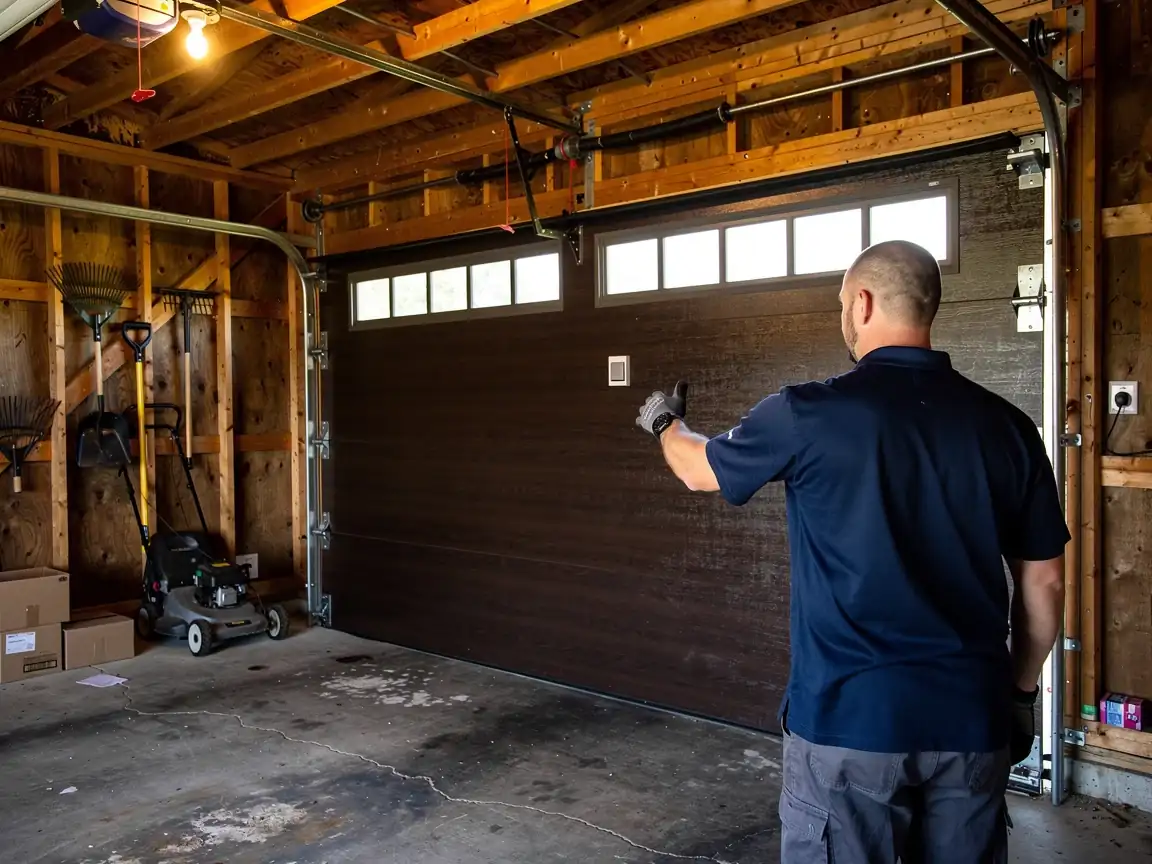
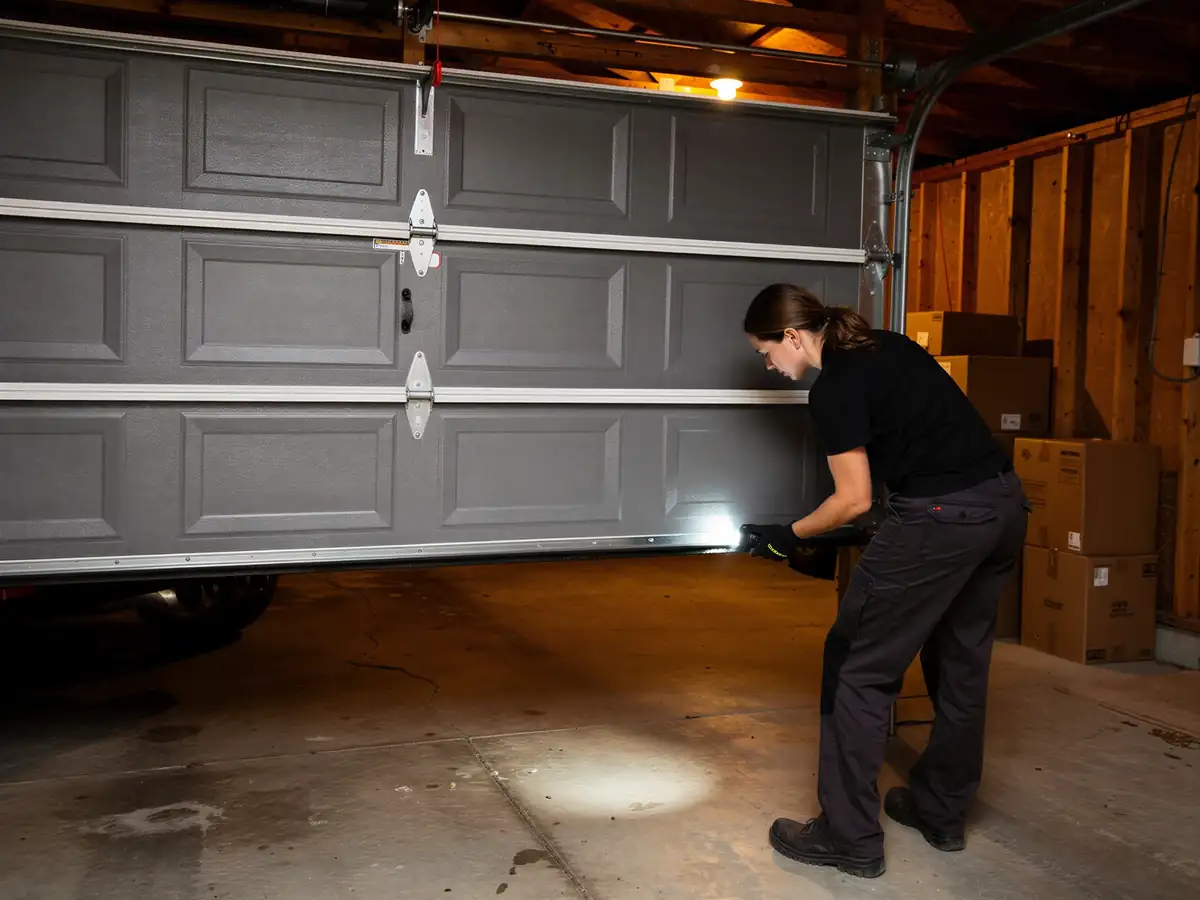
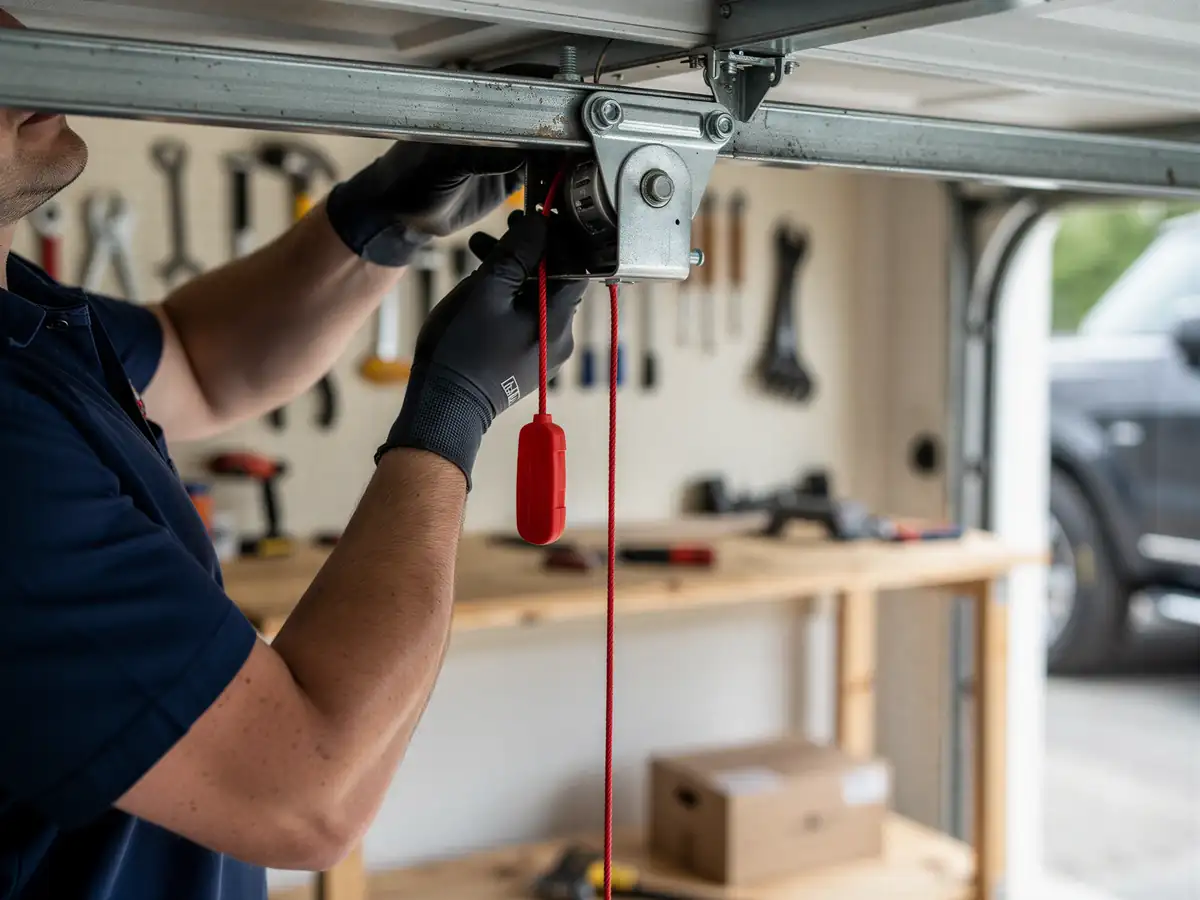
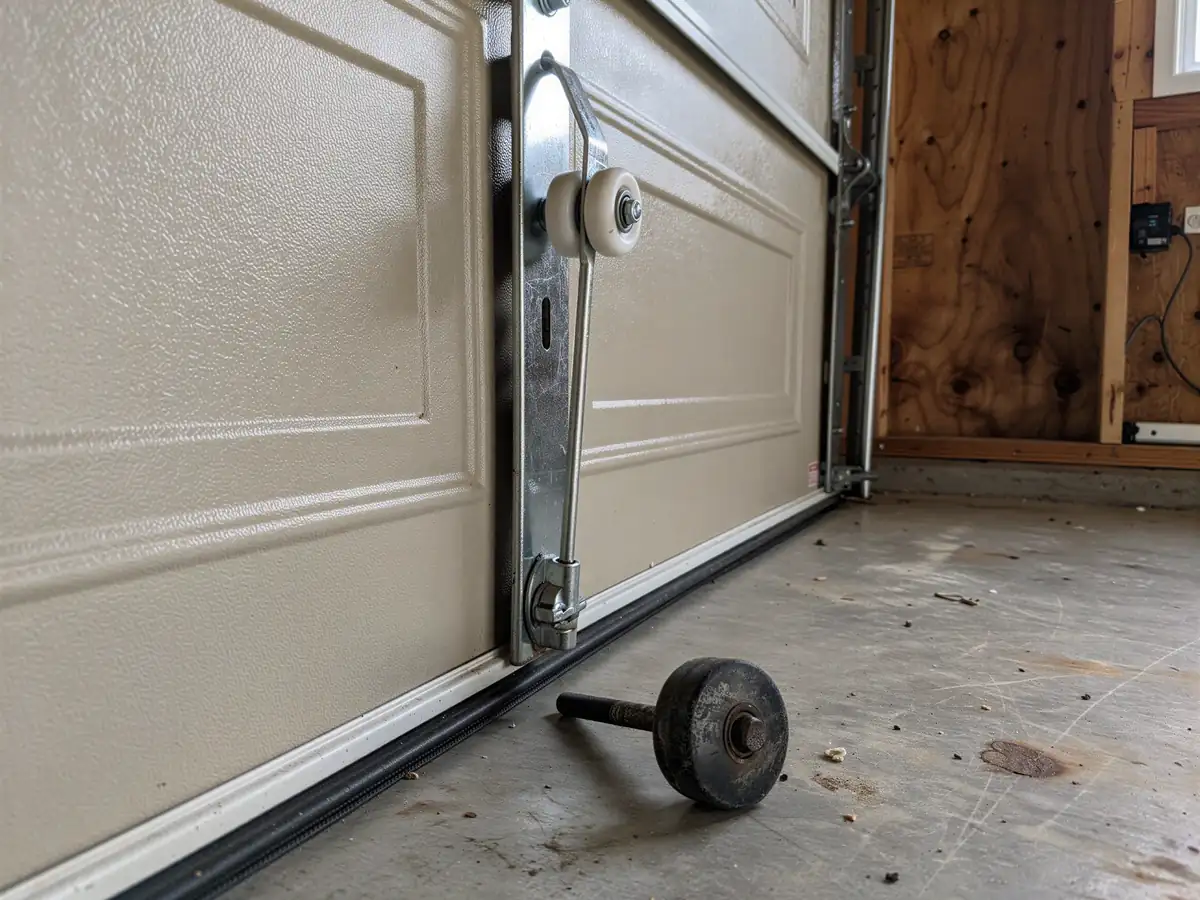
We see this fail two ways. First, the roller itself seizes or chips, and the door starts walking sideways instead of straight up, which stresses the hinges and eventually a panel. Second, and more common on original hardware, the stem bends before the roller gives out, so swapping the roller alone doesn't fix the noise - the stem and sometimes the bracket need to come with it. On a 1960-built door we check the whole roller-stem-bracket chain before we quote anything, because replacing one piece and leaving the other worn just means a second call in six months.
What You Pay
We don't post a flat number for roller jobs because the real cost swings on two things: how many rollers are shot (sometimes it's two, sometimes it's all ten plus the stems) and whether the track itself needs straightening or replacing alongside them. Pontiac's median household income sits at $42,791, noticeably below the wider Waterford service area's $102,333 median - and in practice that means a lot of Pontiac homeowners ask us to phase the work: fix the three worst rollers now, do the rest next visit, rather than replace the full set in one pass.
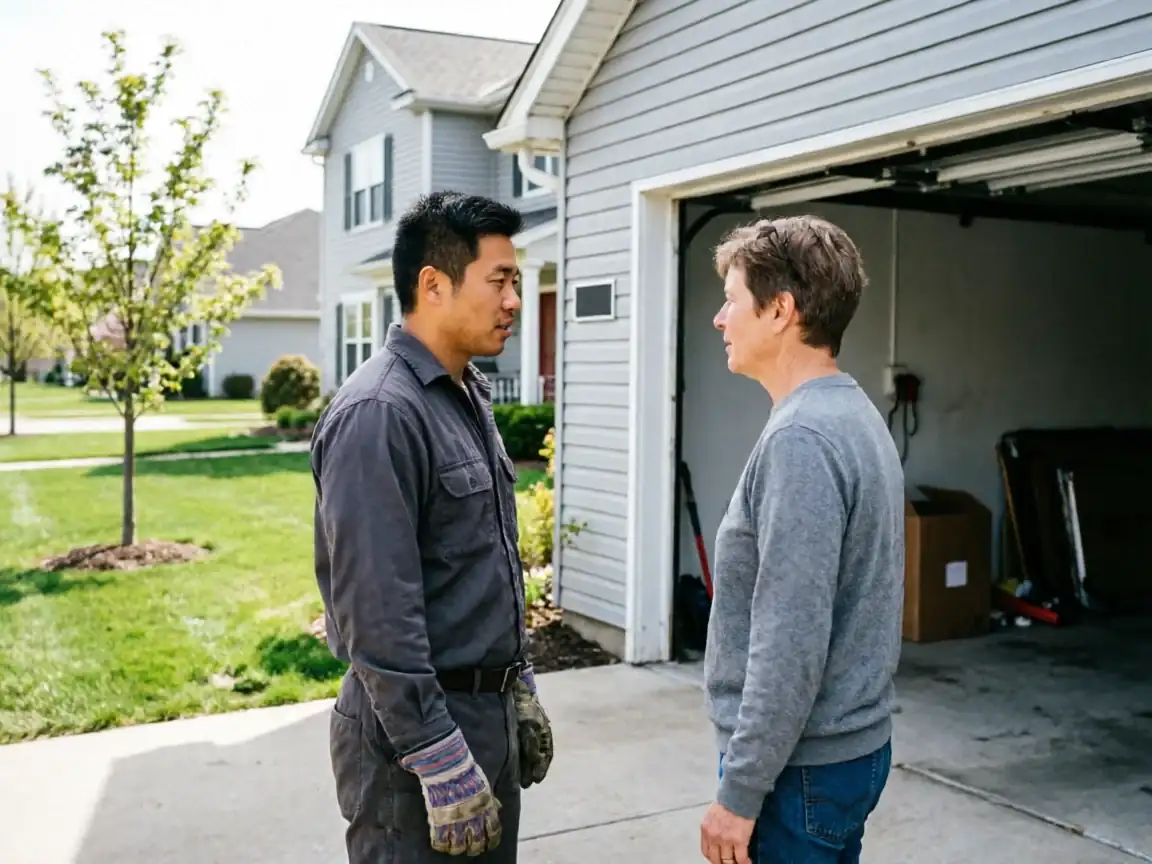
That's a reasonable way to handle it if the door isn't binding badly yet. It's a bad way to handle it if the door is already walking off-track, because a partial roller job on a warped track just moves the grinding to a different spot. We quote on-site after we look at the actual wear, not over the phone, and travel from Waterford - about 7 miles - is built into the visit, not added as a surprise line item.
Why It Happens Here
Cold does the real damage
Michigan winters are severe enough that cheap or aged rollers - plastic or nylon - go brittle and crack rather than wear down gradually, and that failure mode shows up hard and fast, usually on the coldest morning of the month when the door won't come off the ground at all. On a house framed in 1960, that cold-snap failure lands on top of a track that's already sixty-plus years into its service life, so the two problems compound instead of showing up one at a time.
Across Pontiac's 25,605 households, the pattern holds pretty consistently by block
Homes built in the same few years tend to fail in the same few years, because the original hardware all came from the same era of manufacturing. We don't get surprised much by a Pontiac roller call - the surprise is usually how much track wear is hiding under a roller that still looked fine from the driveway.
- 25,605 households
Doing It Yourself
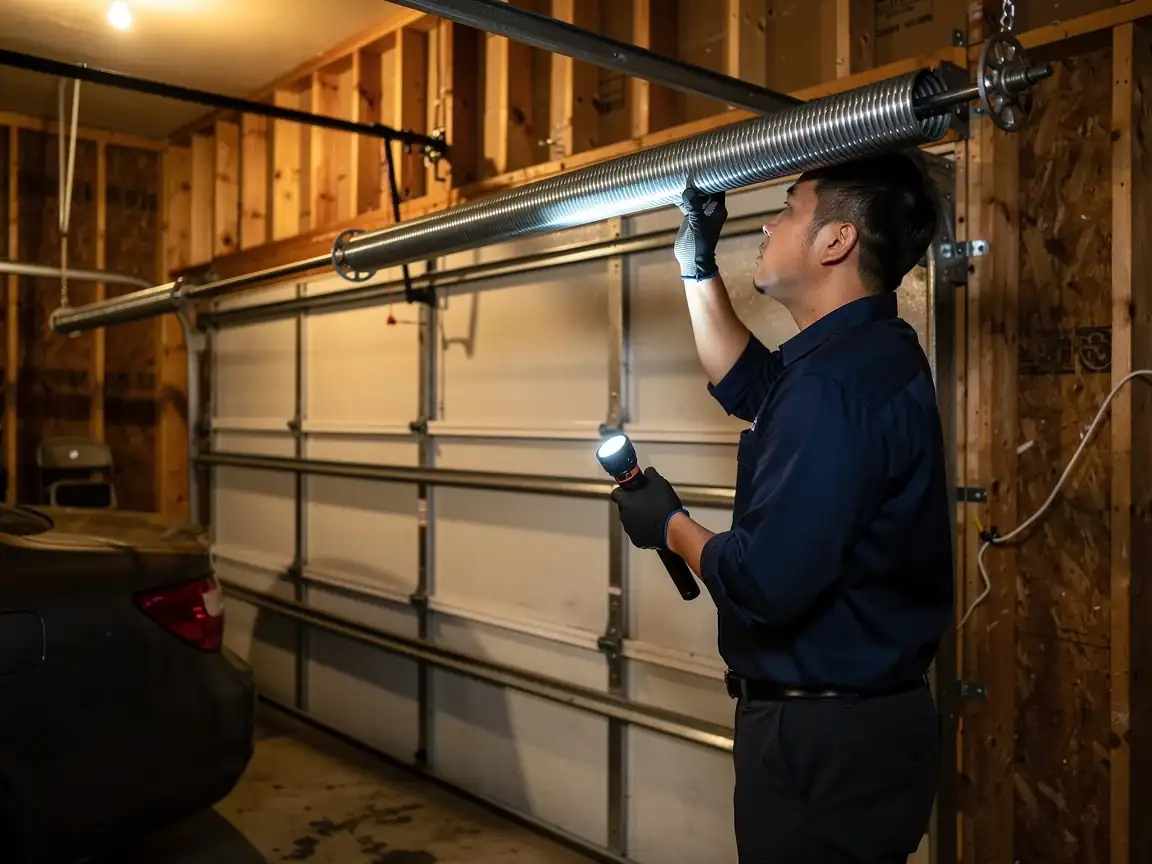
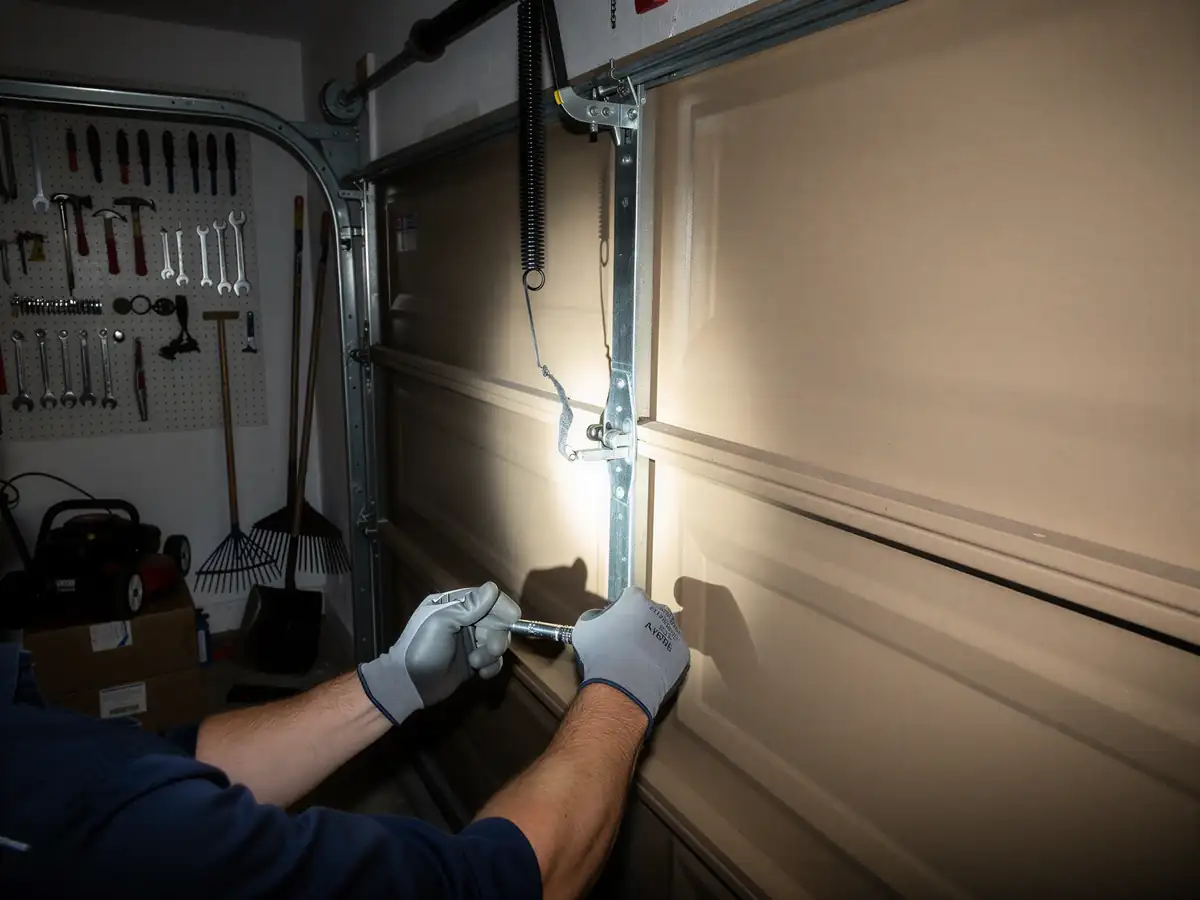
Swapping a roller on an unloaded section of track - the door down, spring tension not in play - is doable with the right roller-removal tool and some patience. Where people get hurt is on the bottom rollers near a wound torsion spring, or when they try to pull a roller out of a bent or grooved track section and the whole bracket lets go unexpectedly.
Our honest limit here: we won't talk anyone through torsion spring work over the phone, and if your track is as worn as most 1960-era track in this area, a roller-only fix from a hardware store kit usually buys you a few months, not a few years. If you're set on doing it yourself, stick to top rollers, keep the door's weight supported, and call if the track itself looks grooved rather than just dirty - that part isn't a DIY fix.