Where This Job Goes Sideways
Pontiac's median household income sits at $42,791, well under the $102,333 median across the wider service area we cover from Waterford. That gap matters more than it sounds like it should, because it changes the math on every opener call. In towns where income runs higher, we'll often just tell a homeowner to replace a dying opener and move on. Here, that answer doesn't always hold. A chain-drive opener from the 1990s with a bad logic board might still be worth fixing if the motor and rail are sound, because a full replacement eats a bigger share of a tighter budget. We look at what's actually failed before we quote a number, not at what year is stamped on the unit.
Most houses in Pontiac went up around 1960, earlier than the 1973 median for the broader area we serve. That matters for openers specifically: a lot of these homes have had at least one replacement unit installed since the original build, sometimes two, which means the bracket holes in the header are already chewed up from prior mounts and the travel limits on a new unit won't match the old habits built into that door. We check the header before we hang anything new.
What You Pay
We don't have a Pontiac-specific price list to post here, and we won't invent one. What we can tell you is how the decision gets made. On a $42,791 median income, a $600 repair bill lands differently than it does in a town twice that median, so we try to fix the part that's actually broken rather than defaulting to a full unit swap. If your opener runs on an older chain-drive mechanism with a board failure, a new logic board or capacitor is often cheaper than a whole new motor head, and we'll say so plainly before we start work.
Where replacement does make sense: if the gear set is stripped, the motor windings are shot, or the unit is the kind of 1980s or 1990s model where parts simply aren't manufactured anymore. At that point further repair is throwing money at a dead end, and we'll tell you that instead of running up a bill chasing parts that don't exist.
Why It Happens Here
Pontiac sits in a cold-severe climate band
And that cuts straight into opener reliability in houses built around 1960. Garages from that era were rarely insulated to any modern standard, which means the opener's motor and gear housing see the full swing of a Michigan winter. Cold grease stiffens, drive gears bind on startup, and capacitors that are already marginal fail on the first hard freeze of the season rather than lasting into spring. We see more opener calls here in the first deep cold snap than at any other point in the year.
The other piece is the housing stock itself
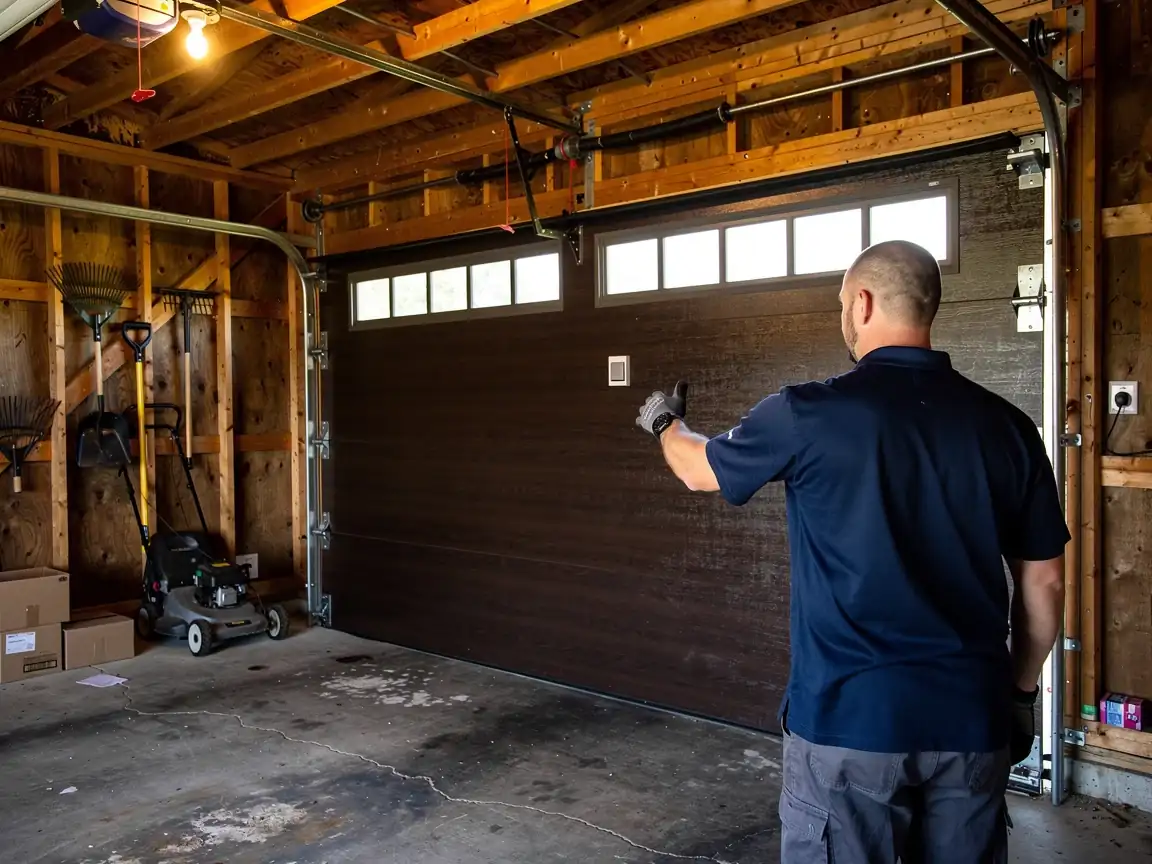
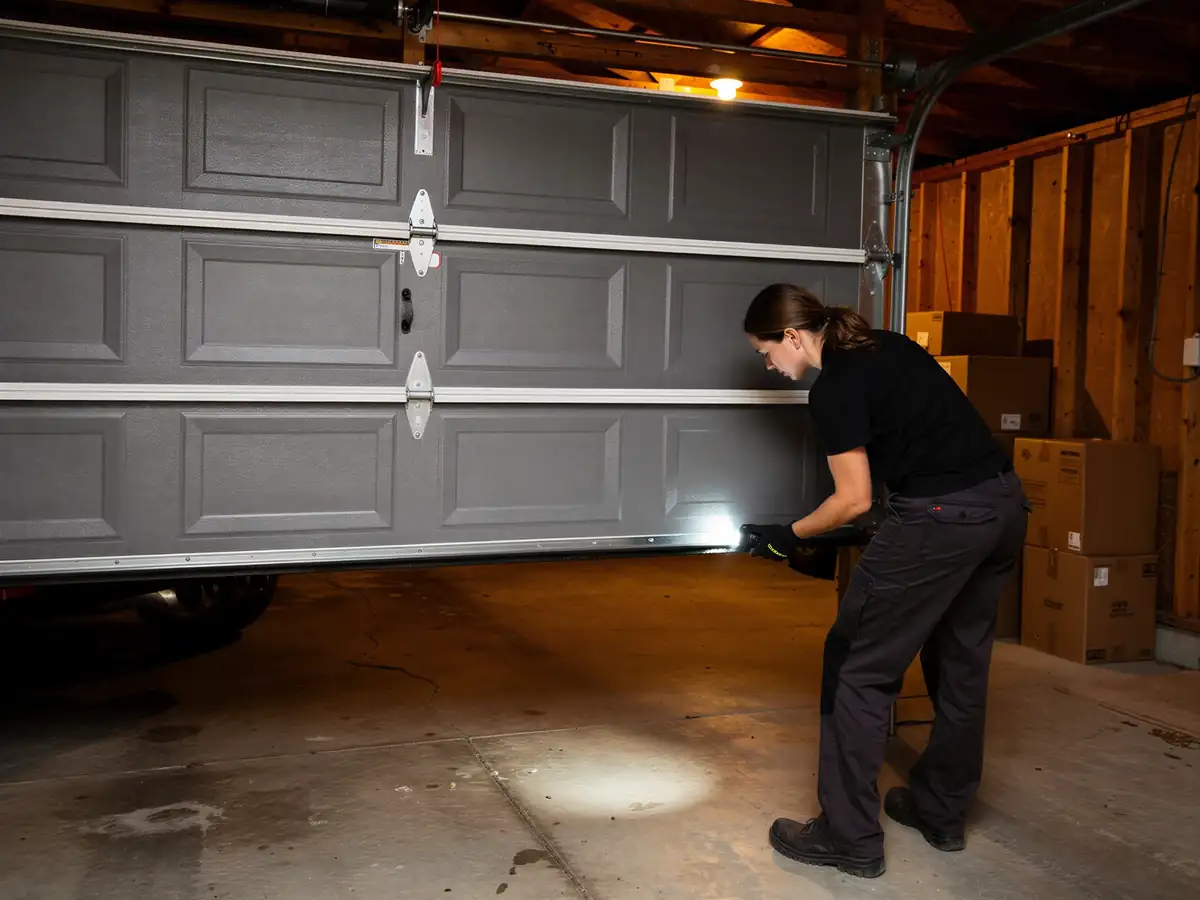
A 1960-built garage in this area was likely fitted with its first automatic opener well after construction, often in the 1970s or 80s, and reworked at least once since. That means mismatched hardware is common: a newer opener head on an older rail, or a safety sensor retrofit that was never quite aligned right. We check the whole chain, not just the motor, before calling a repair done.
Doing It Yourself
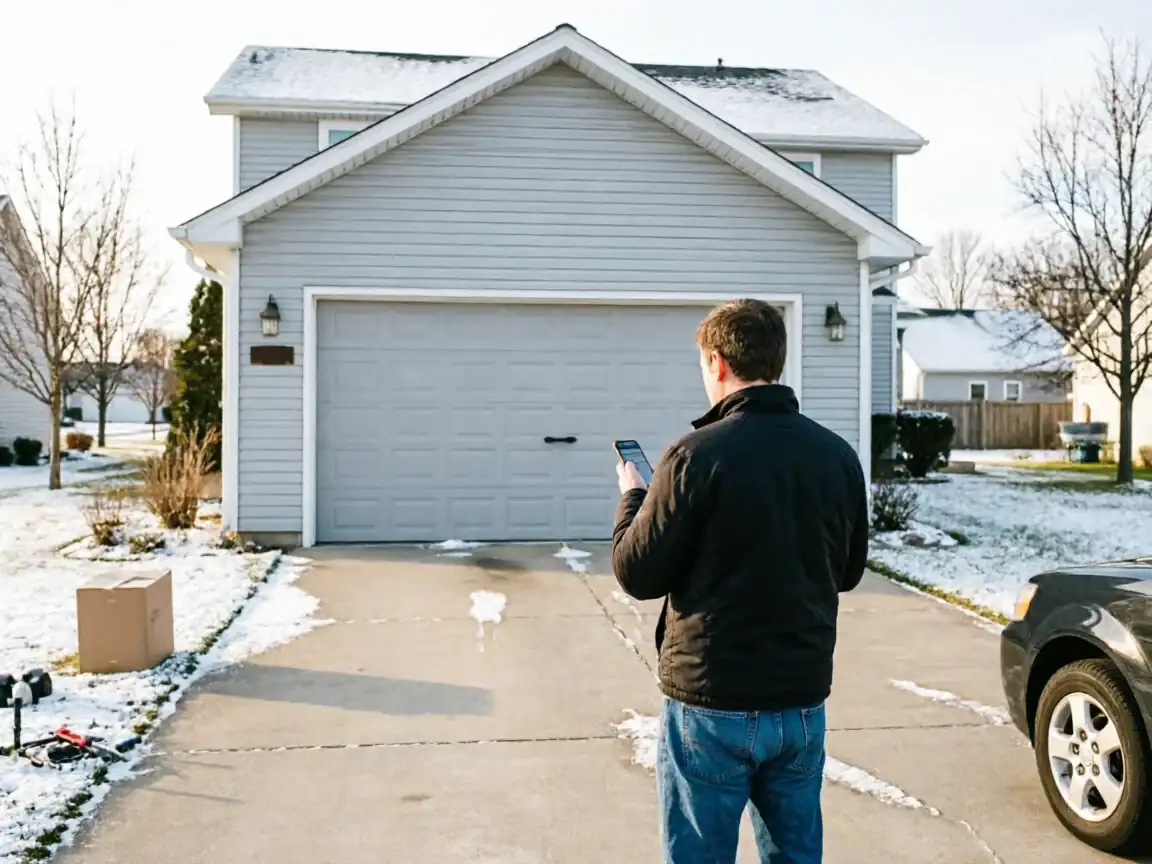
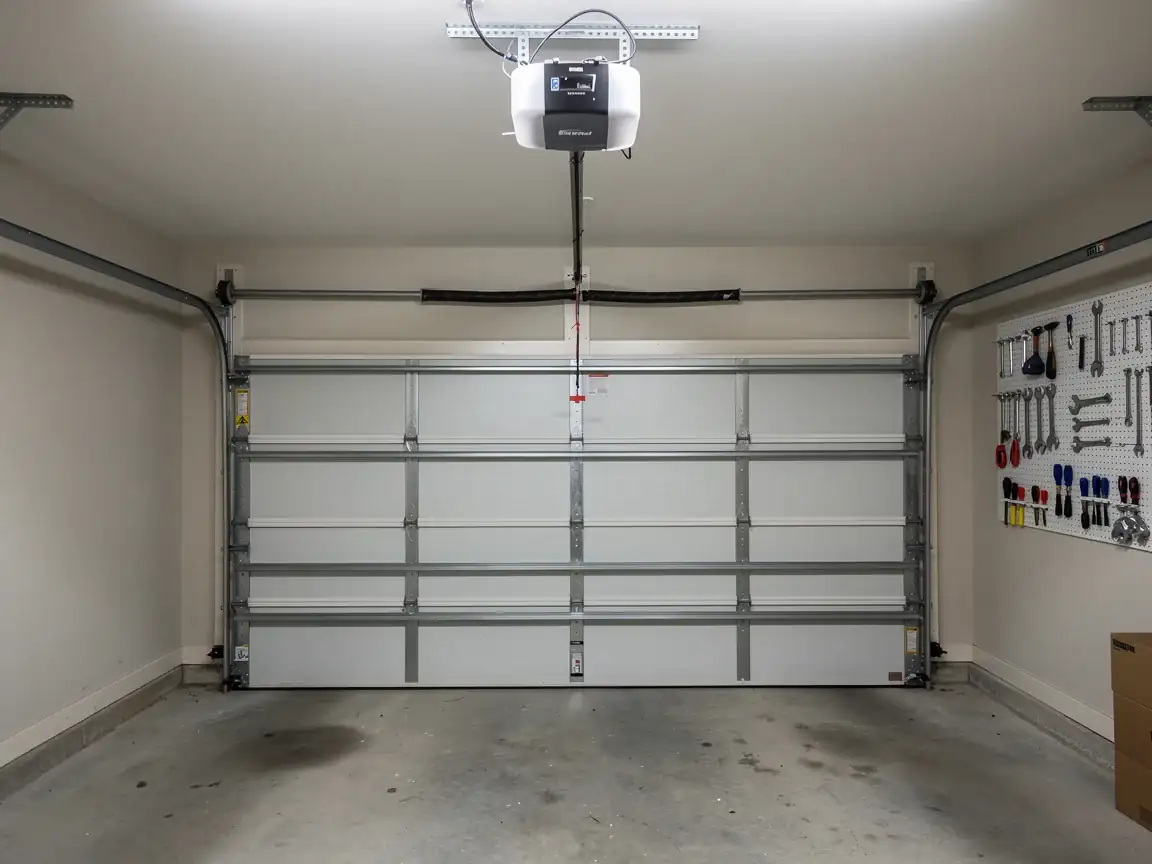
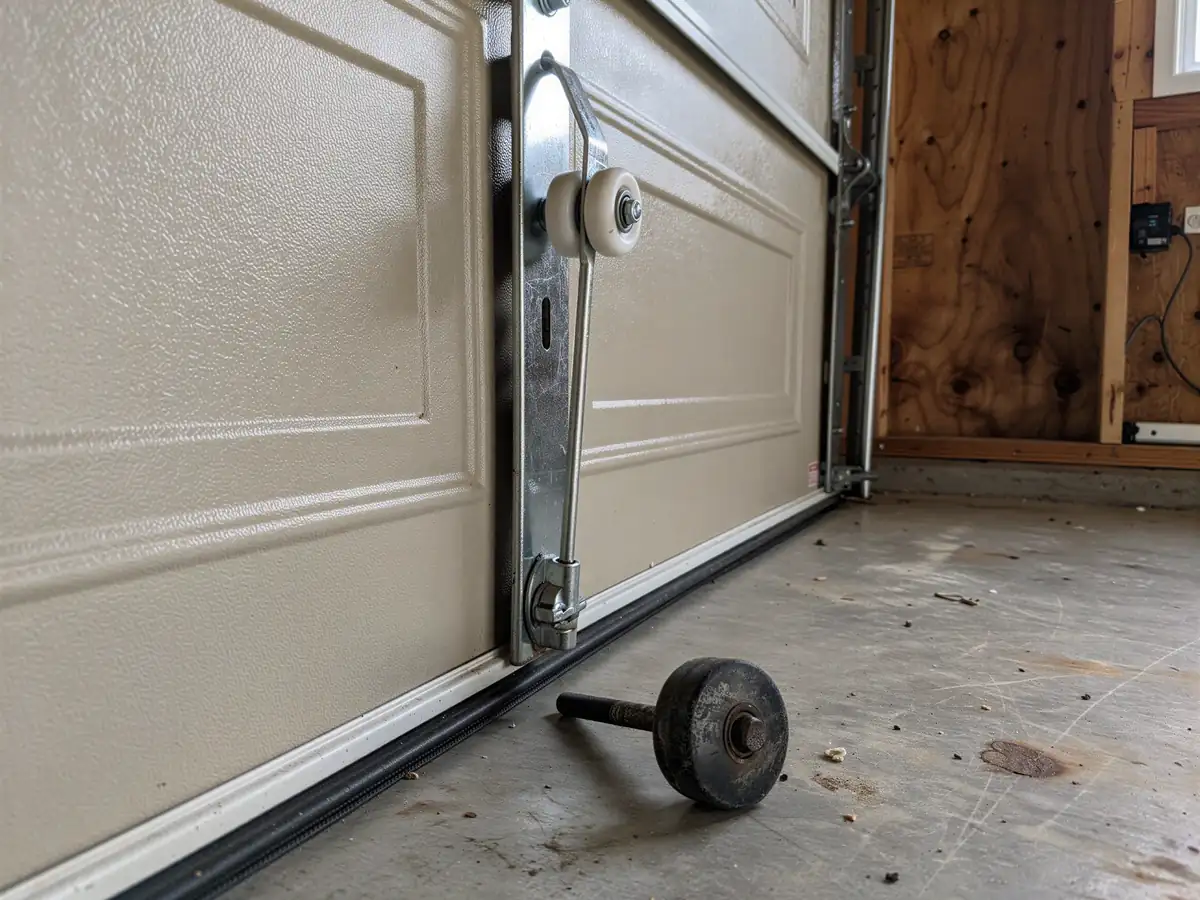
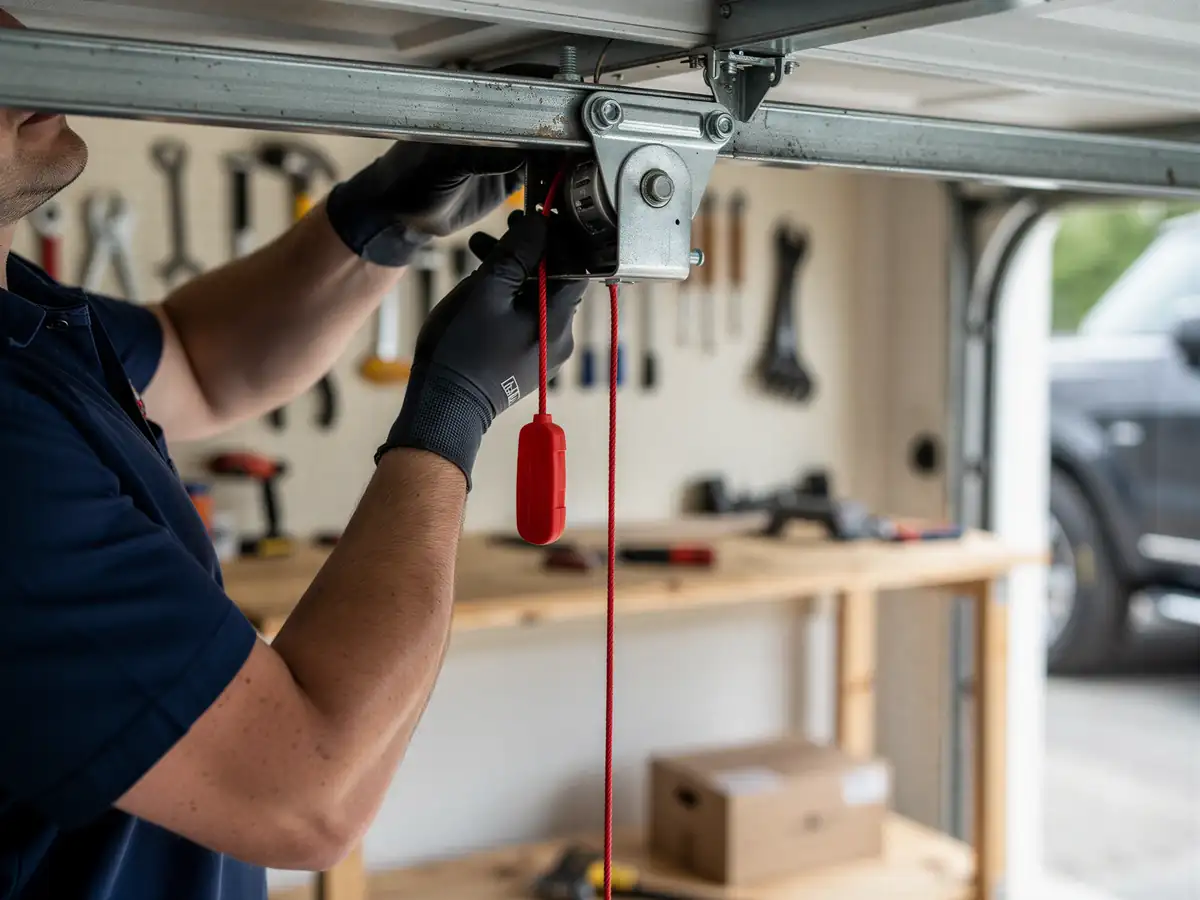
Some opener problems in a Pontiac home are worth troubleshooting yourself before you call anyone. If the opener runs but the door won't move, check that the manual release cord hasn't been pulled, and look at the safety sensors near the floor for a blinking light that signals misalignment. Both are five-minute fixes most people can do without tools.
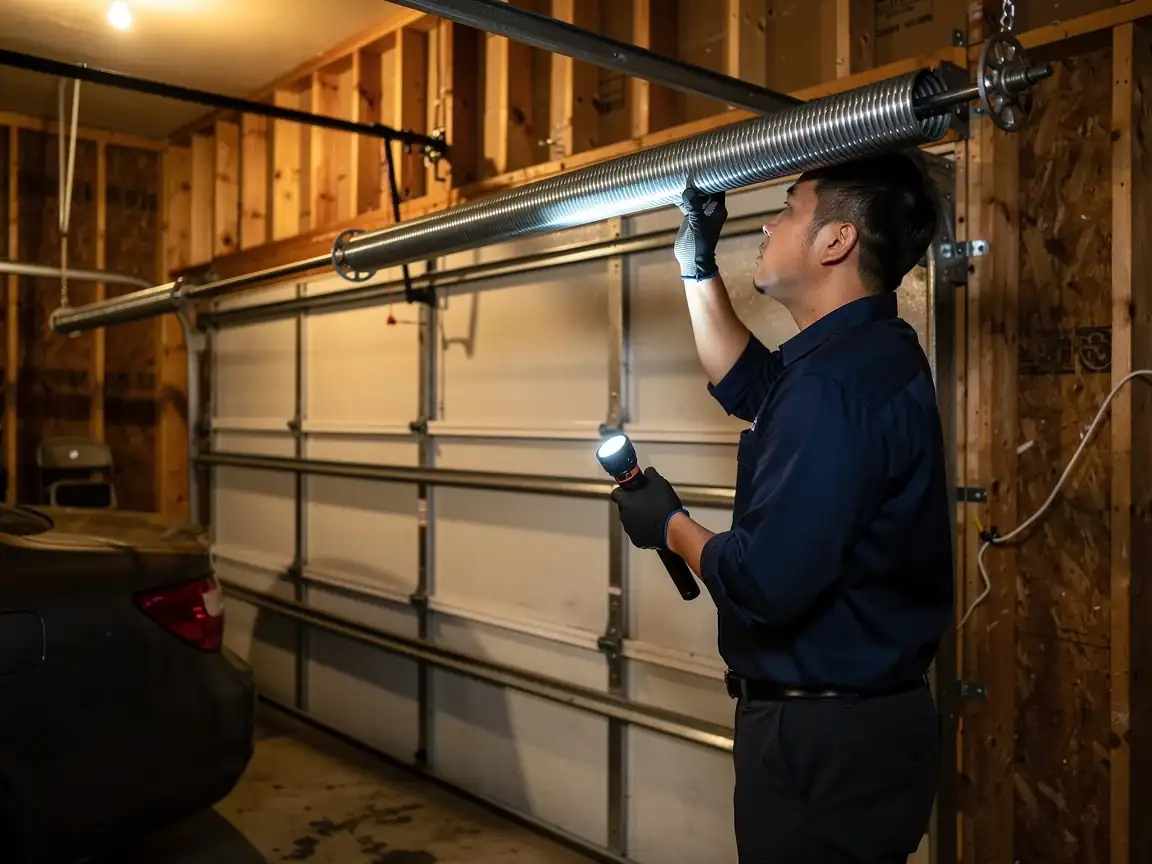
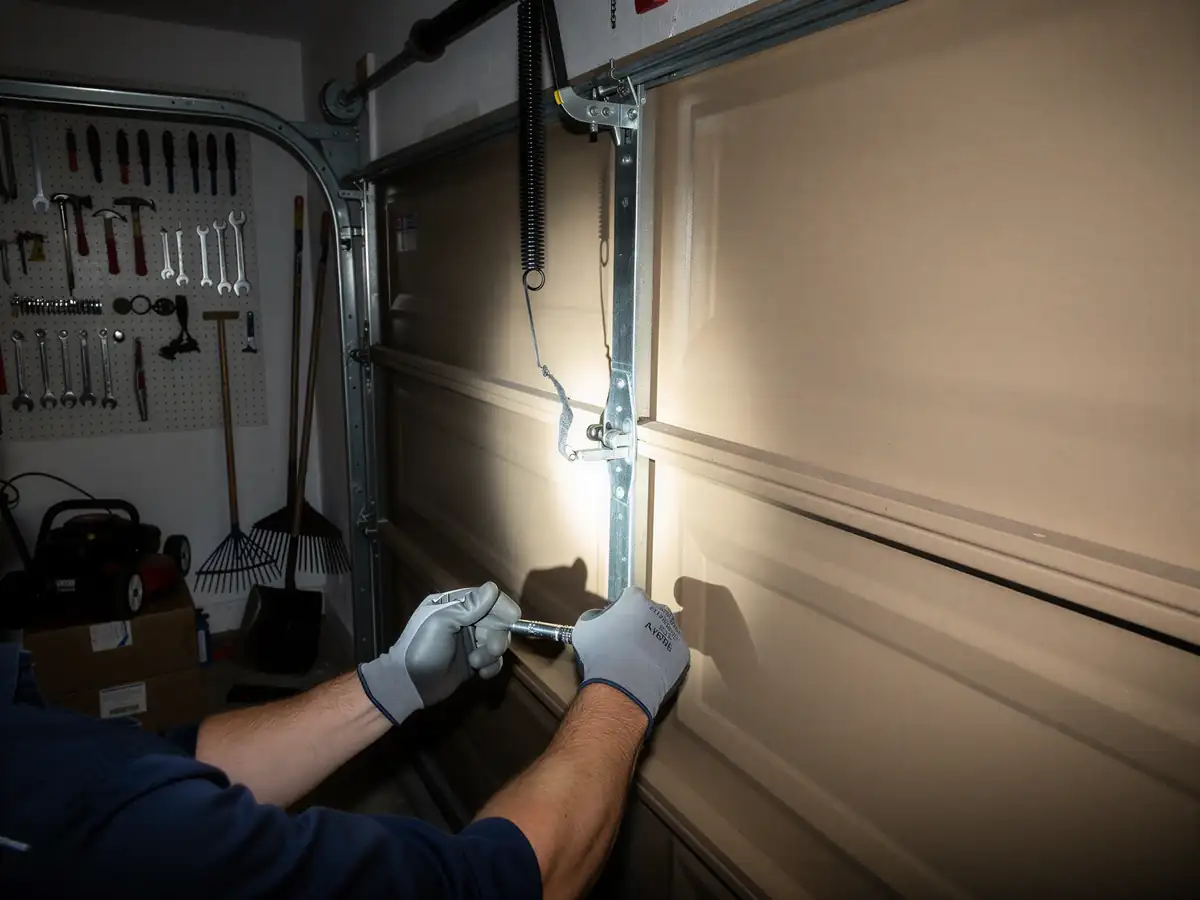
What we don't recommend tackling on your own: anything involving the high-tension spring system above the door, or opening the motor housing on an older chain-drive unit. Those units, especially ones installed before more recent safety standards, can have capacitors that hold a charge even unplugged. If your opener is original to a 1960s-era install, treat the housing as sealed and call for the labor instead of guessing at it.