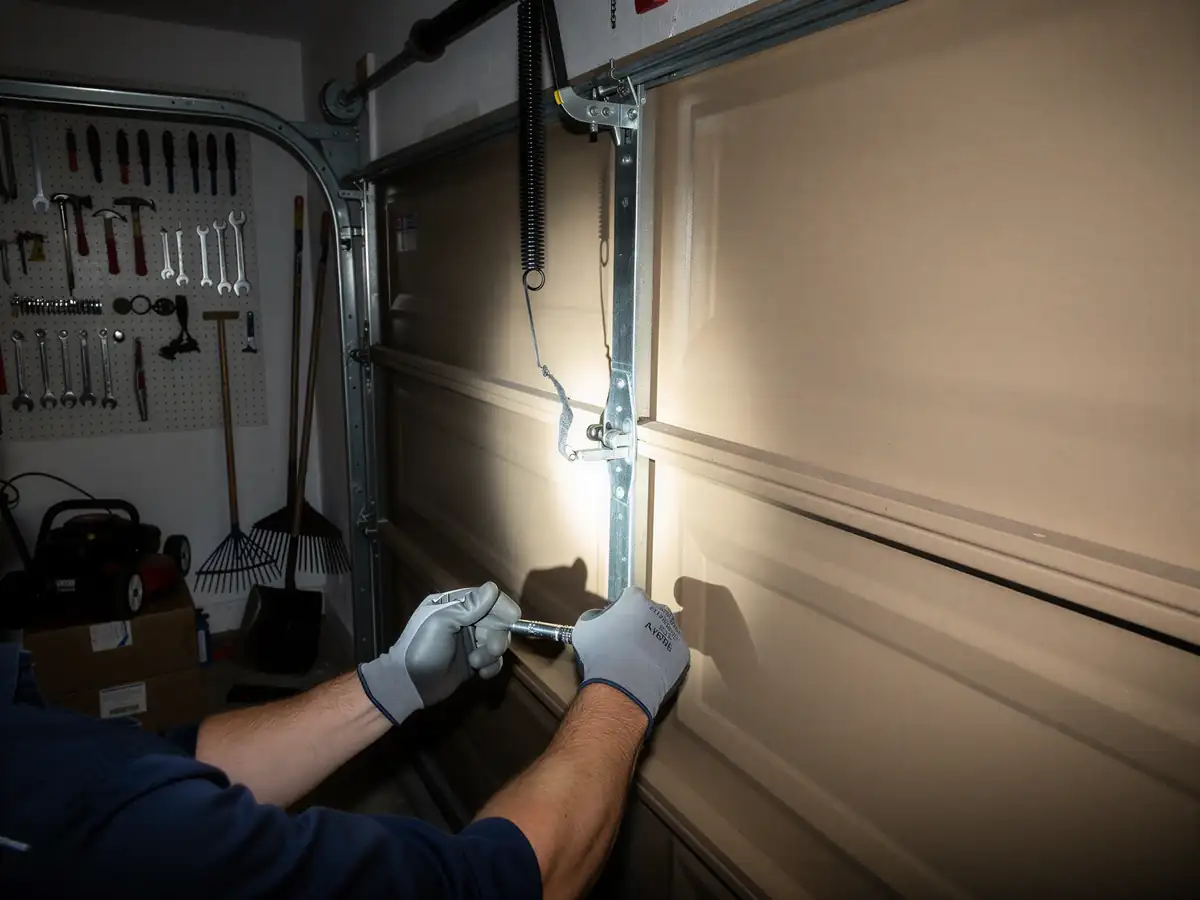
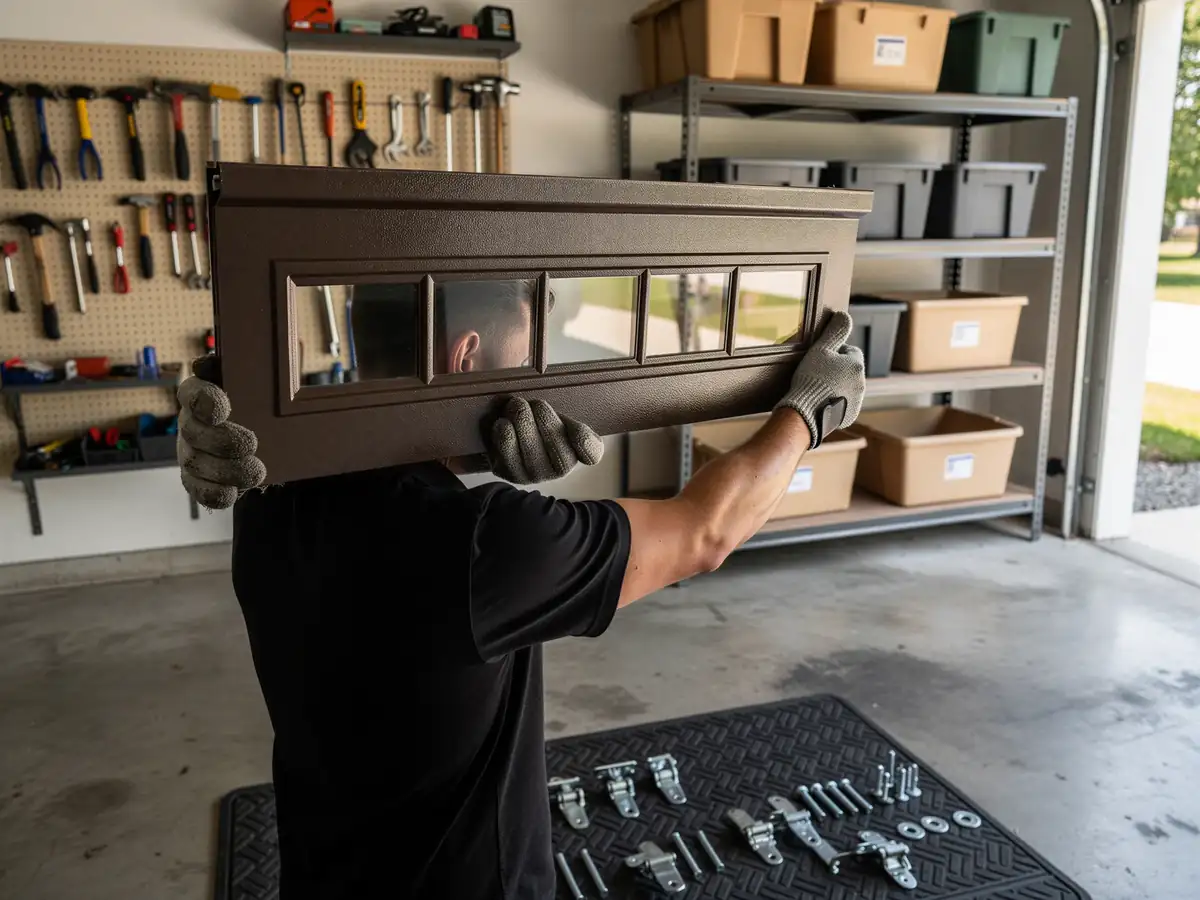
Where This Job Goes Sideways
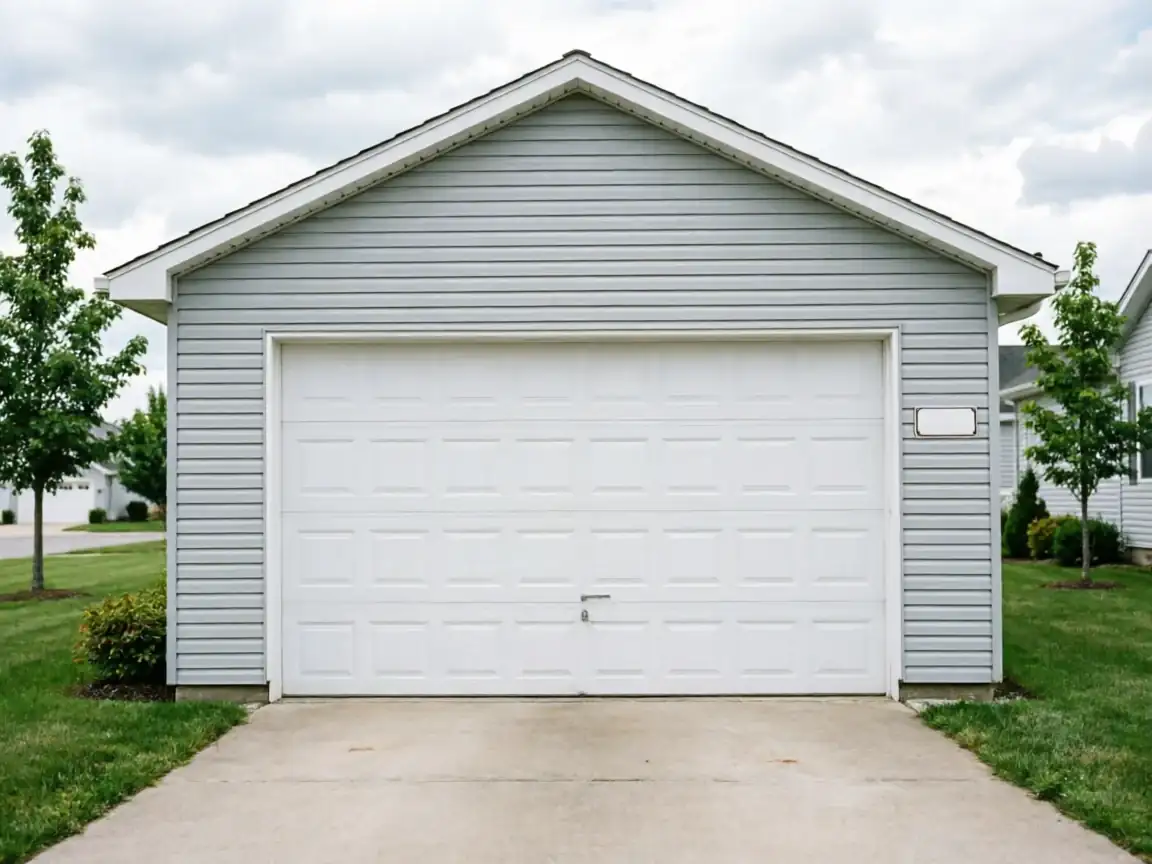
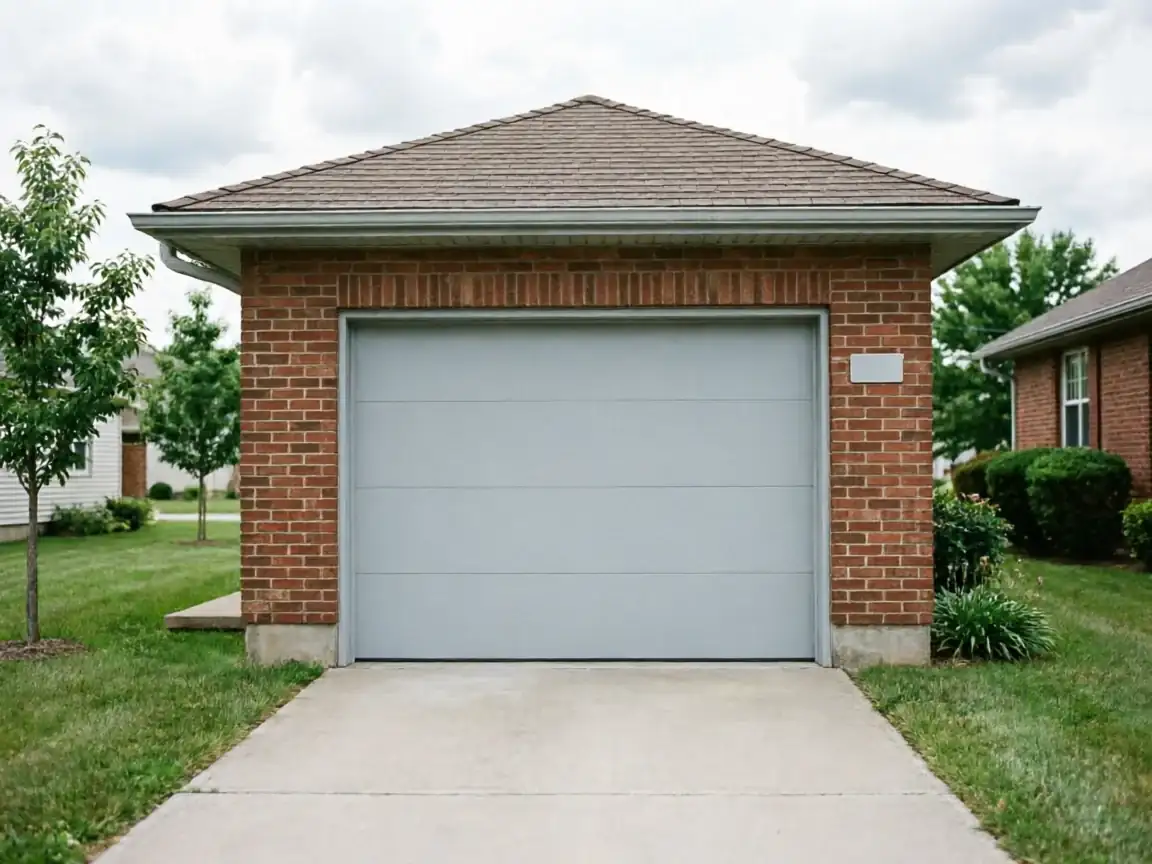
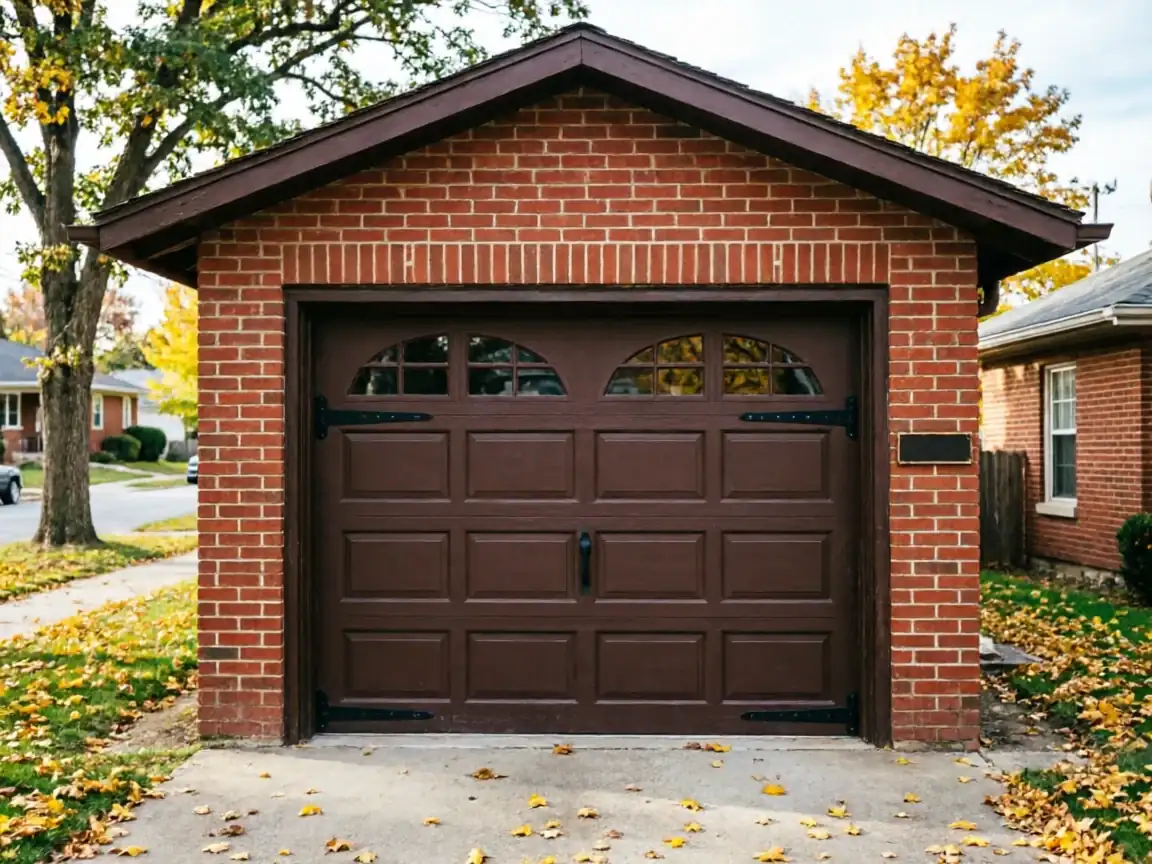
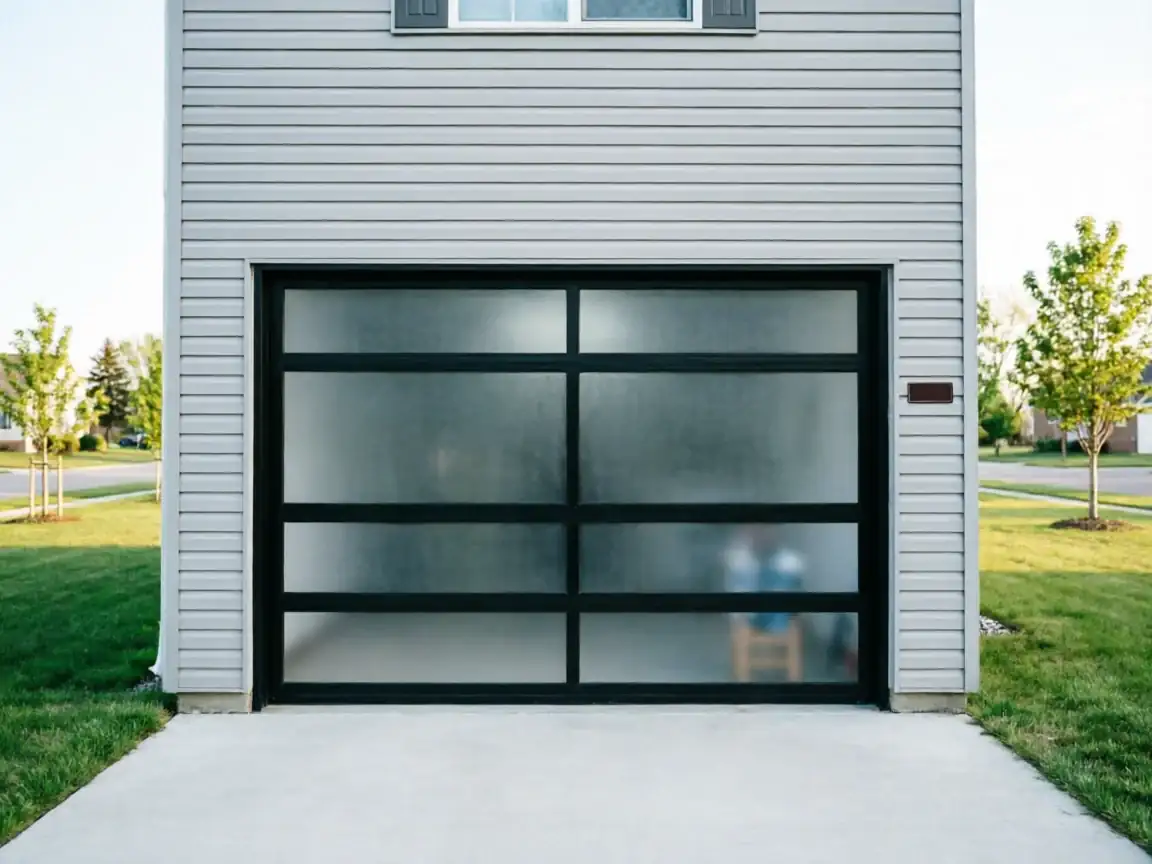
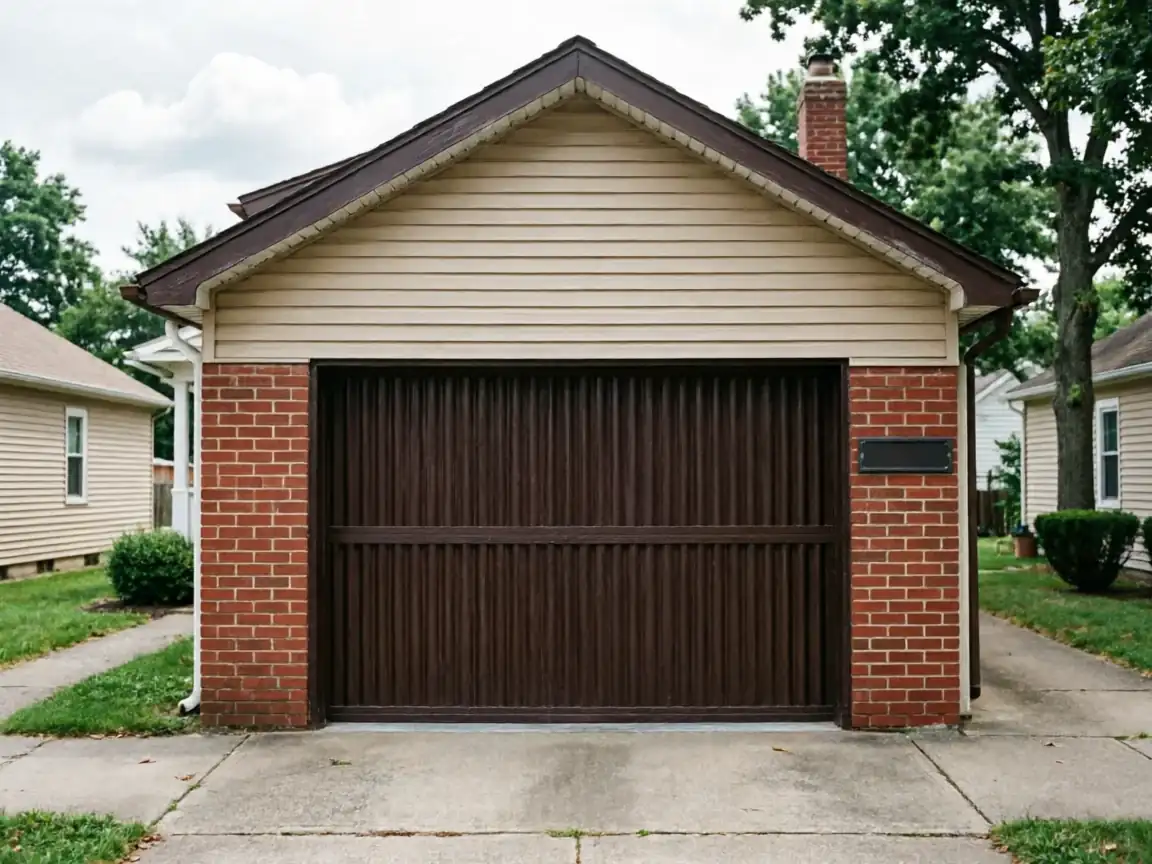
Pontiac's housing runs older than the rest of the area we cover out of Waterford. The typical home here was built around 1960, well ahead of the service area's overall median build year of 1973. That gap matters on a panel job. A door installed in the early 1960s is more likely to carry a non-standard panel height, an older steel gauge, or a section profile that the current manufacturers don't stock as a direct match anymore.
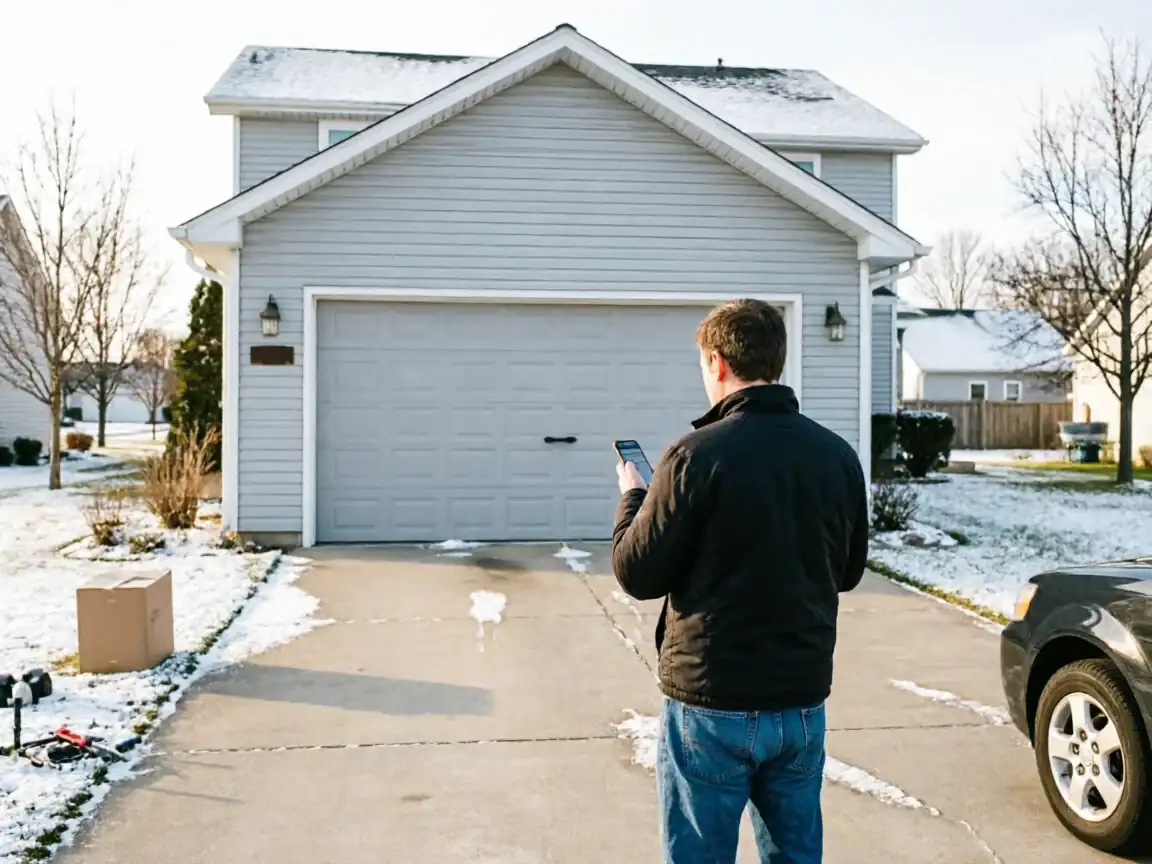
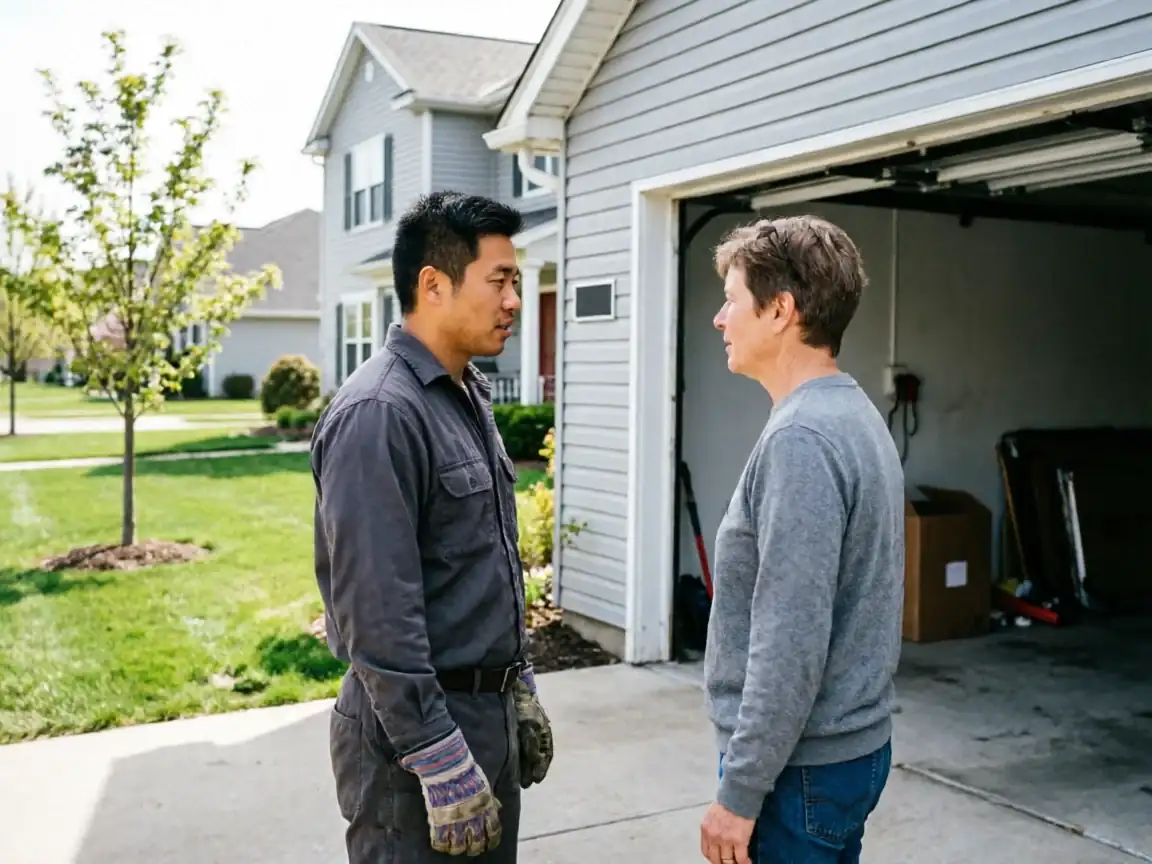
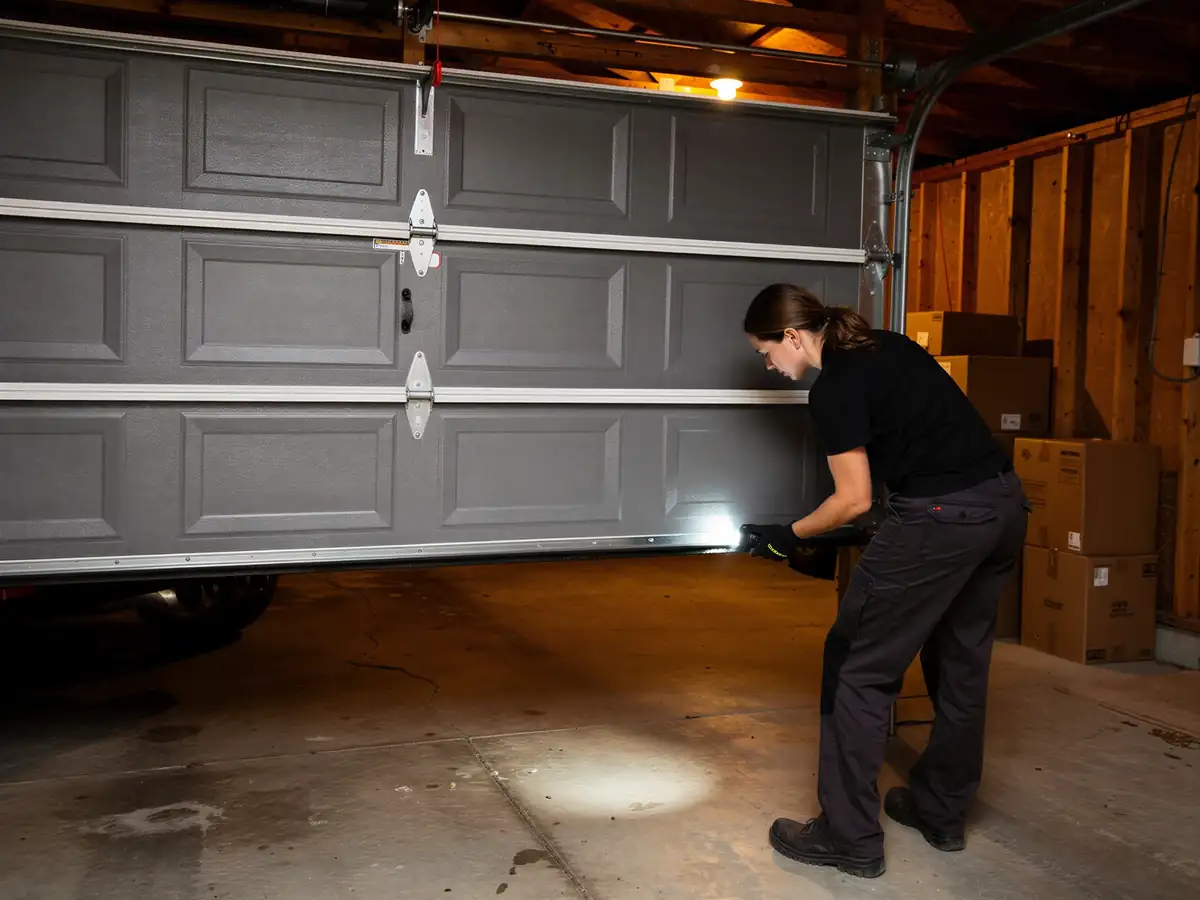
When we get a call from a Pontiac address, the first question isn't the color of the dent. It's whether the rest of the door is original. If three sections are 1960s steel and the fourth took storm damage, bolting on a modern retail panel can leave you with a door that doesn't sit flush in the track, because the modern section is a hair thinner or a different rib spacing than what's next to it. On a door this old, sometimes the honest fix is matching sections from a salvage panel set instead of a new one, and sometimes it's telling you the whole door needs to go. We're 7 miles out from Waterford on this call, so we plan the panel order before we load the truck, not after we're standing in your driveway.
What You Pay
We don't post a price list for panel work because the number depends on how many sections need matching and whether the track and hinges come with it, not just the square footage of steel. What we can tell you is what shapes the decision in Pontiac specifically: the area's median household income sits at $42,791, noticeably below the broader service area's median of $102,333. That's not a judgment, it's context for how we quote. We'll give you the repair-versus-replace math up front, including whether a single-panel patch is worth doing on a door old enough that the rest of it may be a few years from needing work anyway.
One limitation worth saying plainly: if your door is a size or panel style that's been discontinued, sourcing a true match can take longer than a same-week retail panel would, and we'll tell you that before you commit, not after you've waited two weeks.
Why It Happens Here
Doors built around 1960 in this part of Michigan were sized and hung for a climate that hasn't gotten any gentler
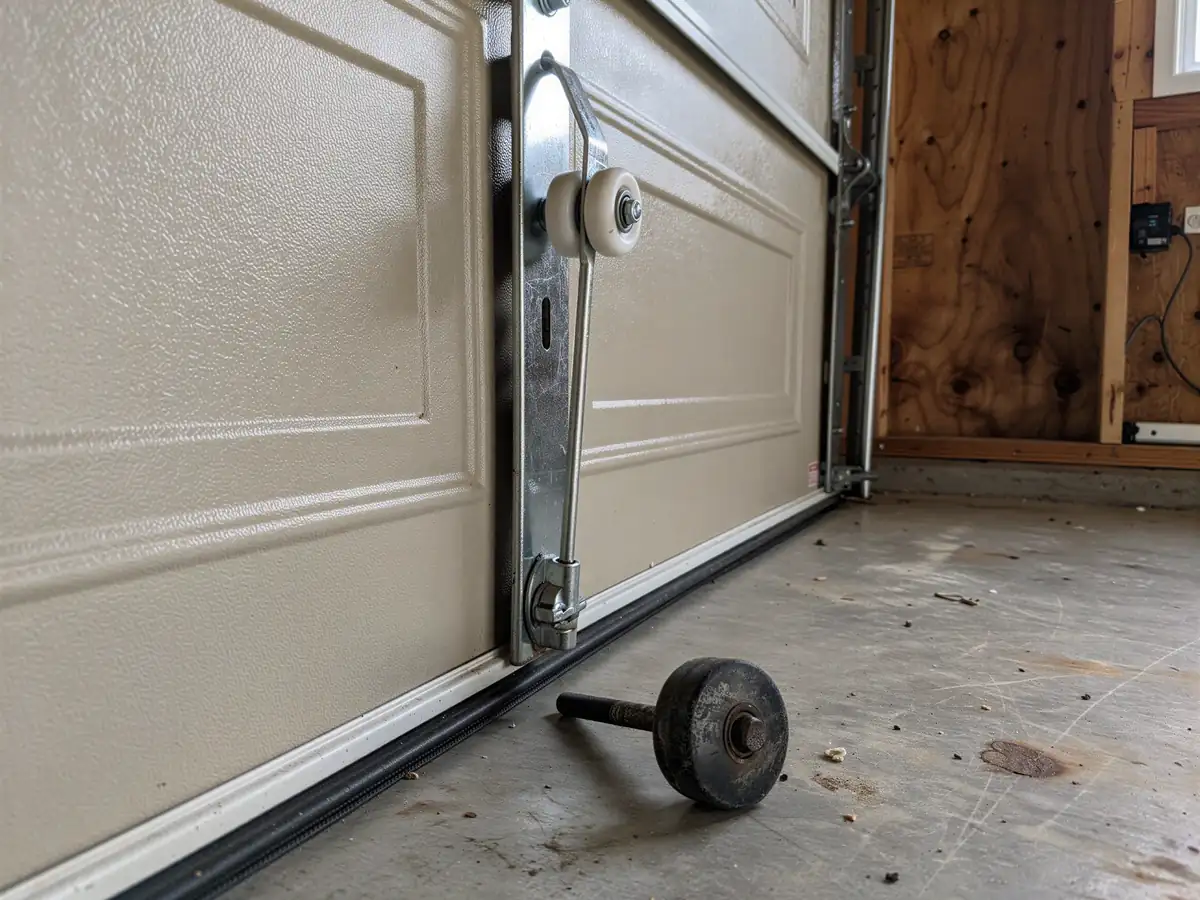
This region sits in a severe cold climate band, and steel panels from that era were rarely built with the insulation cores that later code and buyer expectations pushed into the market. Over sixty winters of freeze-thaw cycling, the seams between sections work loose, the foam gasket between panels dries out, and the bottom section - the one that takes road salt spray and snow load off a plow pile - is usually the first to need replacing.
Across the wider area we drive, there are 63,421 owner-occupied houses out of 127,814 households total
And a meaningful share of that stock dates to the same mid-century build wave. Pontiac's concentration of 1960-era homes just puts it on the earlier end of that curve, which is why panel mismatches show up here more than on newer streets closer to the center of our coverage.
- 63,421 owner-occupied
- 127,814 households
Doing It Yourself
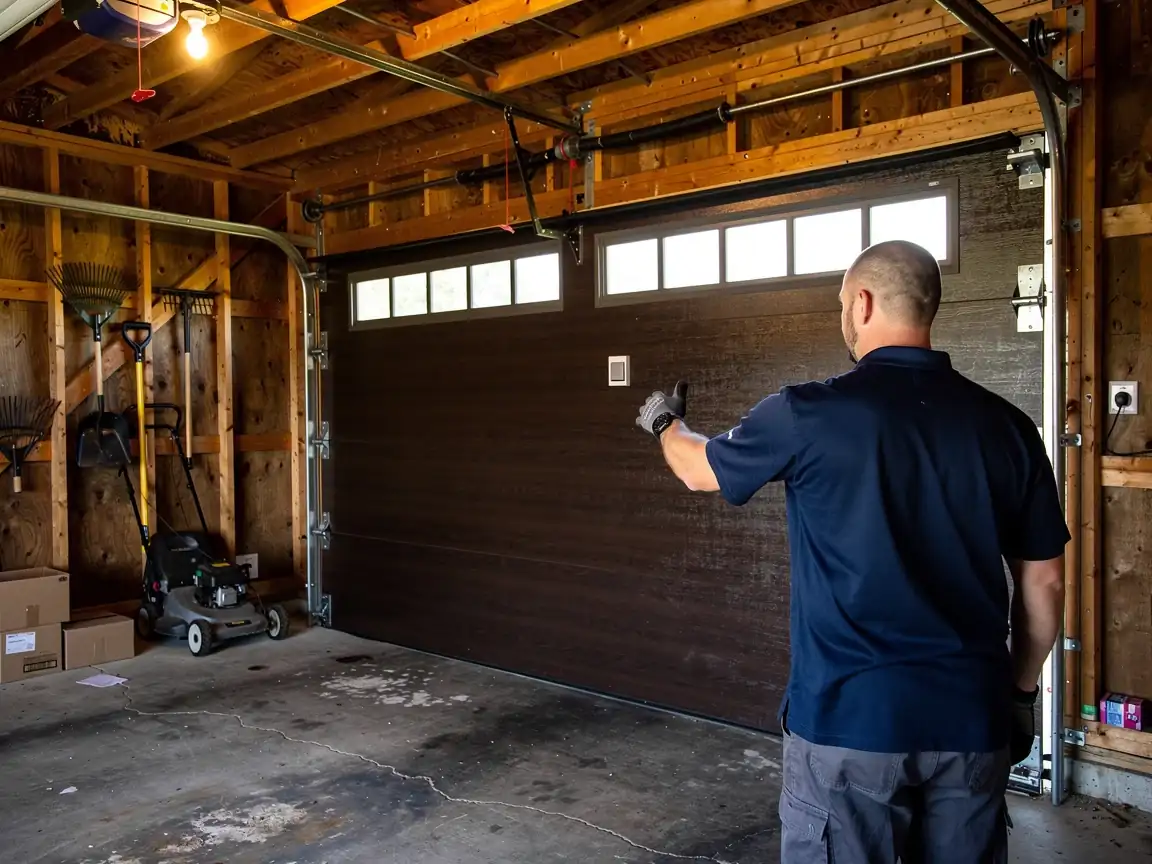
If one panel on a 1960s-era door is dented but the hardware still runs smooth, you can sometimes pull the bolts, swap a single section, and reseal the edge yourself - if you can find a matching panel. That's the real obstacle, not the wrench work. Original rib spacing and panel height on doors this age often don't match what's sold off the shelf today, so a DIY swap can mean hunting a salvage yard or a specialty supplier before you touch a tool.
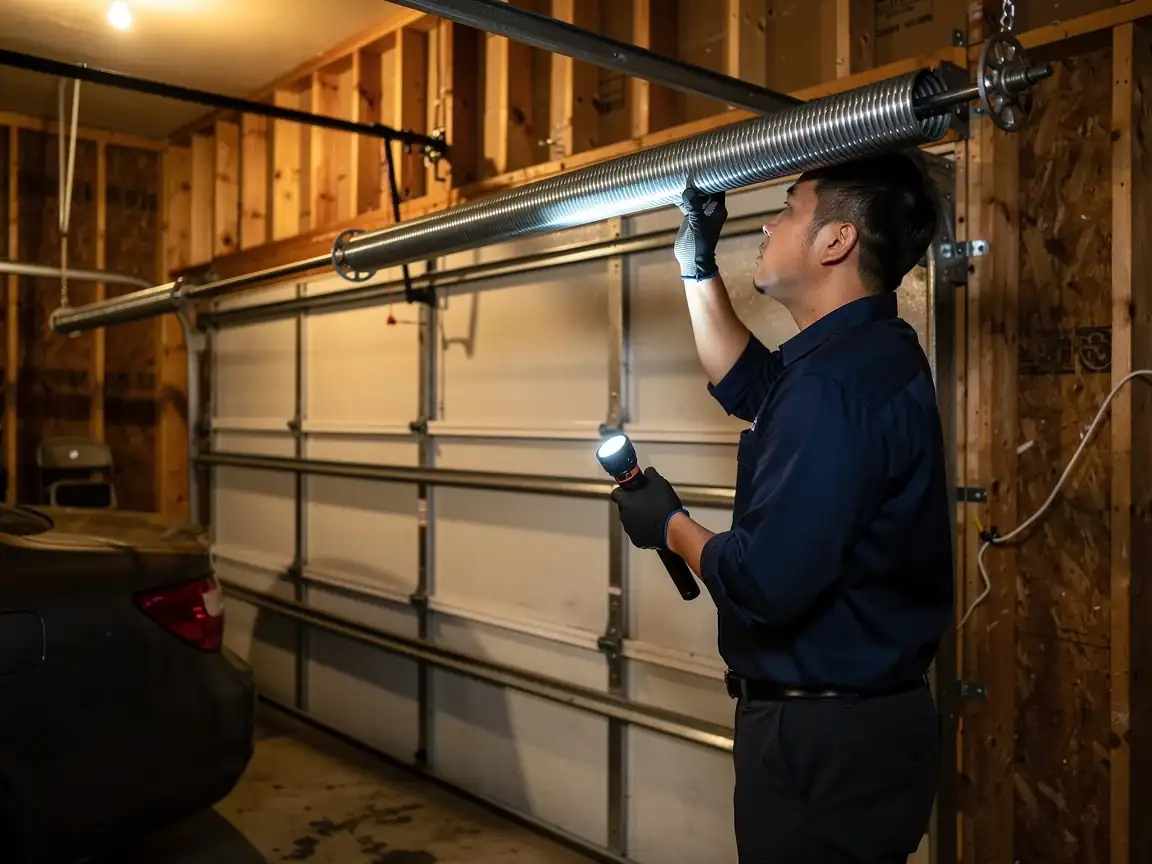
What we'd tell you to skip doing yourself: pulling an entire section on a door where the torsion spring is still under tension, or replacing a bottom panel without supporting the door on both sides first. Those aren't panel problems, they're the way panel jobs turn into trips to urgent care. If you get partway in and the new section doesn't sit flush, stop there - that's usually the sign the match was wrong, not that your work was sloppy.