Serving Waterford, MI & nearby
(248) 793-5206
Waterford, MI

Why Garage Doors Here Still Fight Decades-Old Insulation Gaps

Most Waterford homes were built between 1949 and 1993, before insulation codes existed, which still shapes how garage doors perform in cold Michigan winters.

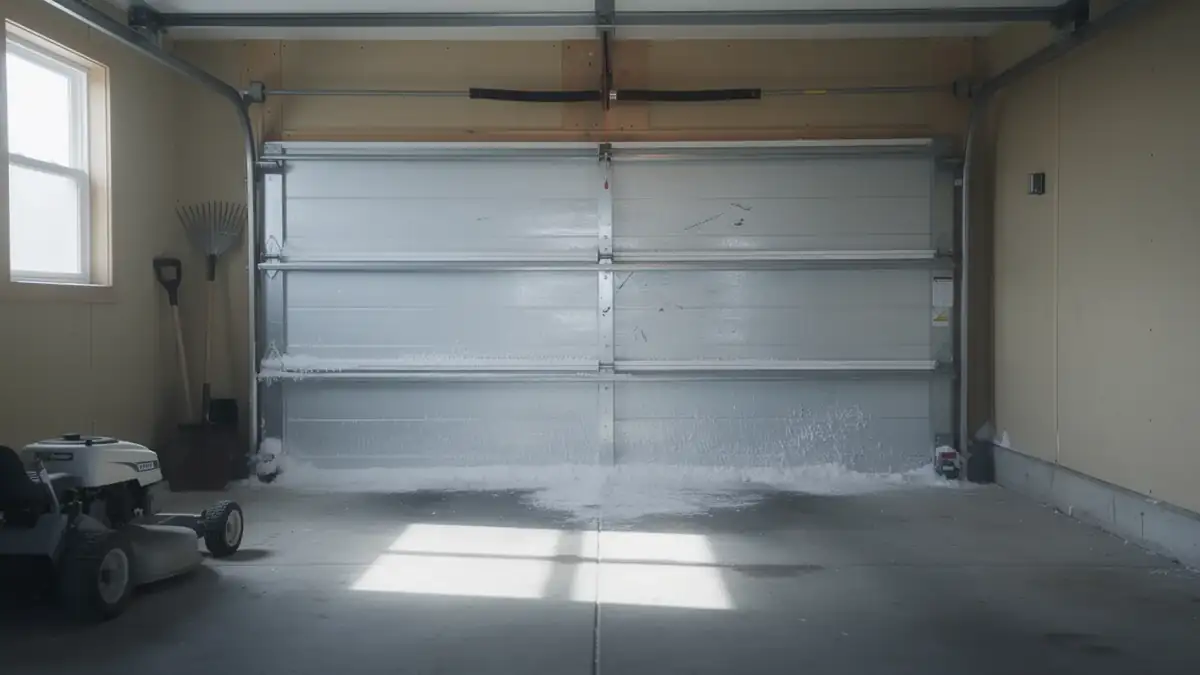
A white garage door has ice and snow on the bottom panels and floor.

What You Pay

Waterford's housing stock mostly went up between 1949 and 1993, with the median build year sitting around 1973. That matters for your wallet because doors from that era were sized and insulated to whatever standard existed at the time - which, before insulation codes tightened, often meant none at all. A single, uninsulated steel or wood panel door built in the 1960s or '70s doesn't retrofit cheaply: the track spacing, the header clearance, and the spring sizing were all set for a lighter, uninsulated panel. Swap in a modern insulated door and you're often also replacing the track and sometimes the header bracket, not just the door slab.

We don't have a flat number to give you here - we haven't been given pricing to quote on this page, and job cost depends on what's actually behind your current door once we're on site. What we can tell you is the honest trade-off: a repair on a door from this era often buys you a few more years, but once the steel skin is delaminating from the foam (or there was never foam to begin with), patch jobs stop making sense and full replacement is the better use of money. We'll tell you straight which side of that line your door is on before we touch a wrench.

What Local Conditions Do

Waterford sits in a cold-climate band with severe winter conditions, and that pressure lands hardest on doors that were never built with insulation in mind. A door with no thermal break lets the steel skin match outdoor temperature almost exactly - so on the kind of nights this area gets, the inside face of the door can run cold enough to pull condensation out of garage air, especially if you park a warm car in there after a drive. That moisture doesn't just fog things up. It works into the bottom seal, the track, and any exposed fasteners, and over a winter or two it shows up as rust on rollers and hinges that should have another decade left in them.

Freeze-thaw cycling is the other half of it. A door without insulation flexes more with temperature swings than an insulated one, and on an older panel that's already lost some of its structural stiffness, that flex is what eventually cracks a seam or pops a hinge screw loose. None of this is dramatic - it's slow, and it's exactly the kind of wear that gets ignored until a spring finally lets go on a January morning.

Where People Go Wrong

  1. The most common mistake we see on houses built before insulation rules existed is a homeowner buying a foam insulation kit and sticking it to the inside of the original panel

    On a door designed with a lighter, non-insulated panel in mind, the added weight changes the balance point - and because the spring was sized for the original door, the opener now has to work harder to lift it, which shortens the life of both. It's a reasonable idea applied to the wrong door.

  2. The other mistake is weatherstripping that doesn't match the gap

    A lot of the doors we see in houses from this era have tracks and jambs that have shifted slightly over fifty-plus years of settling, so a generic bottom seal from a hardware store often doesn't close the gap it's supposed to. People replace the seal every fall and still get the same draft and the same waterline on the garage floor, because the seal was never the actual problem - the frame alignment was.

  3. If your door is original to a house from the 1960s or '70s, the fix usually isn't a kit

    It's either a proper insulated replacement sized to the opening as it exists now, or a track and seal correction that accounts for the shift.

What Is Going On

Put it together and the picture is pretty consistent across this area: a housing stock that's mostly 1949 to 1993, concentrated in dozens of neighborhoods that were built out before insulation codes tightened, sitting in a climate that punishes any gap in that insulation twice a year - once in the deep cold and once in the spring thaw. With 63,421 owner-occupied houses across the service area and a median household income of $102,333, a lot of these homes are solidly maintained, but the garage door is often the one component nobody's touched since the house was built.

That's not a criticism - garage doors aren't visible from inside the house, and they don't fail gradually in a way anyone notices until a spring goes or a panel finally buckles. What we're describing isn't an emergency. It's a maintenance category that most of this area's housing stock is due for, whether that means better weatherstripping and a spring check, or, for doors that were never insulated to begin with, a full swap to something built for how cold it actually gets here.
How it works

From “it’s stuck” to “it’s fixed”

A man stands in a snowy driveway, looking at his phone in front of a garage.

Tell us what’s wrong

Describe the symptom - won’t open, loud bang, opener runs but the door won’t move.

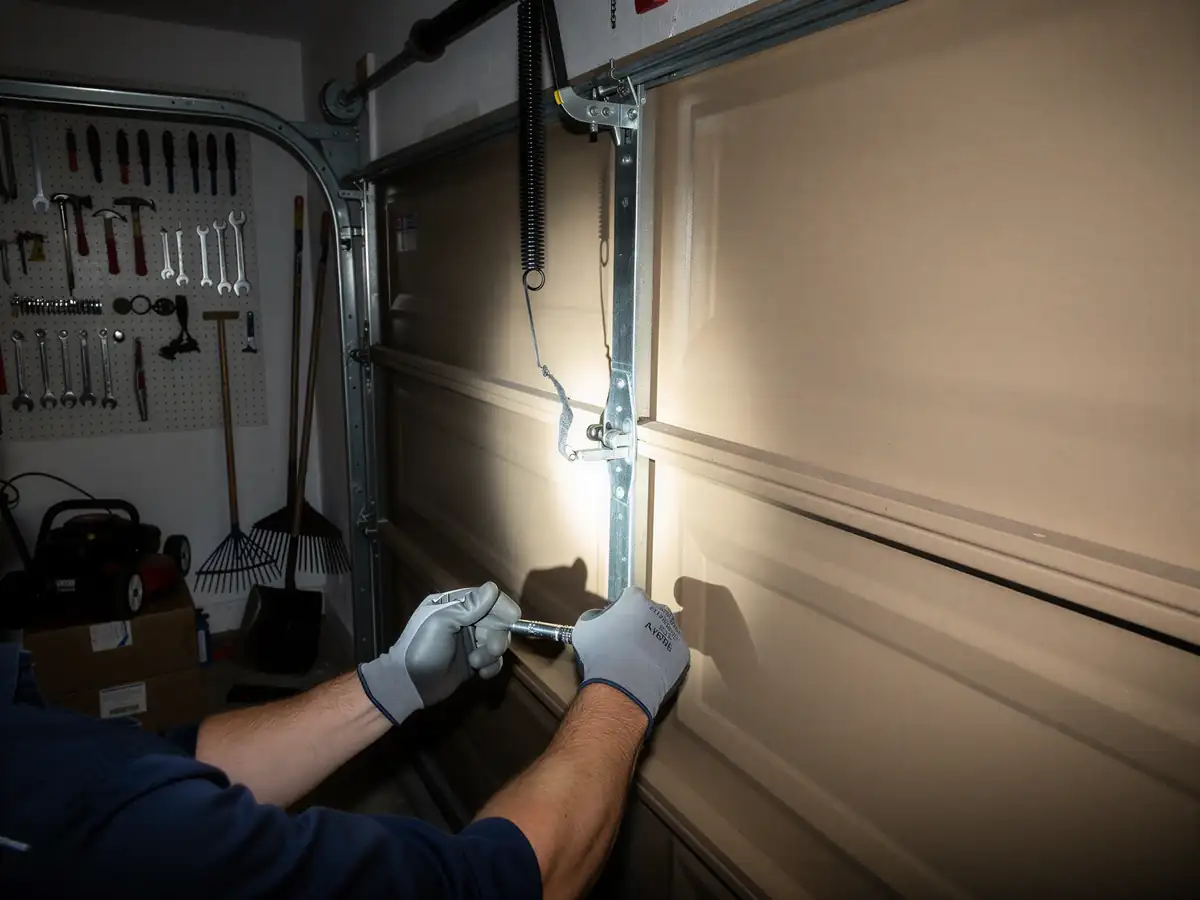
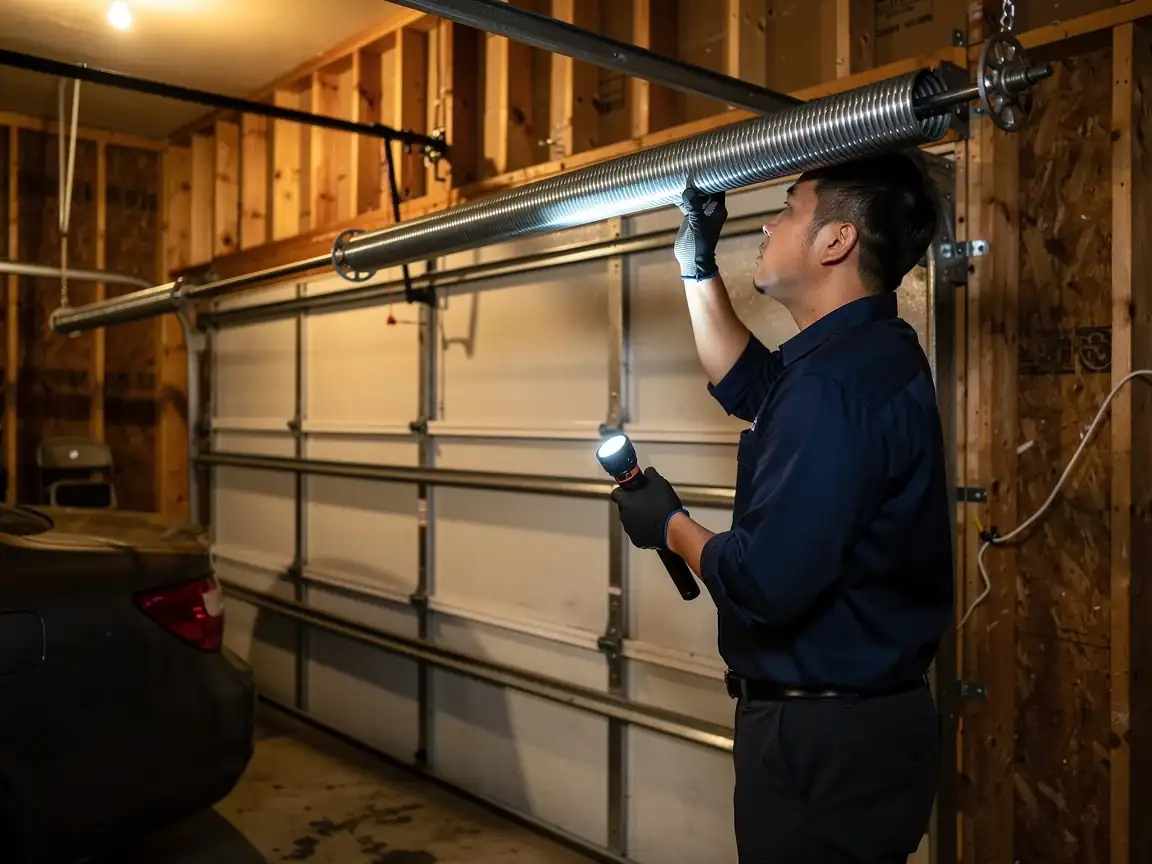
A technician with a flashlight inspects a garage door torsion spring.

On-site diagnosis

A technician tests the door under power and by hand and finds what actually failed.

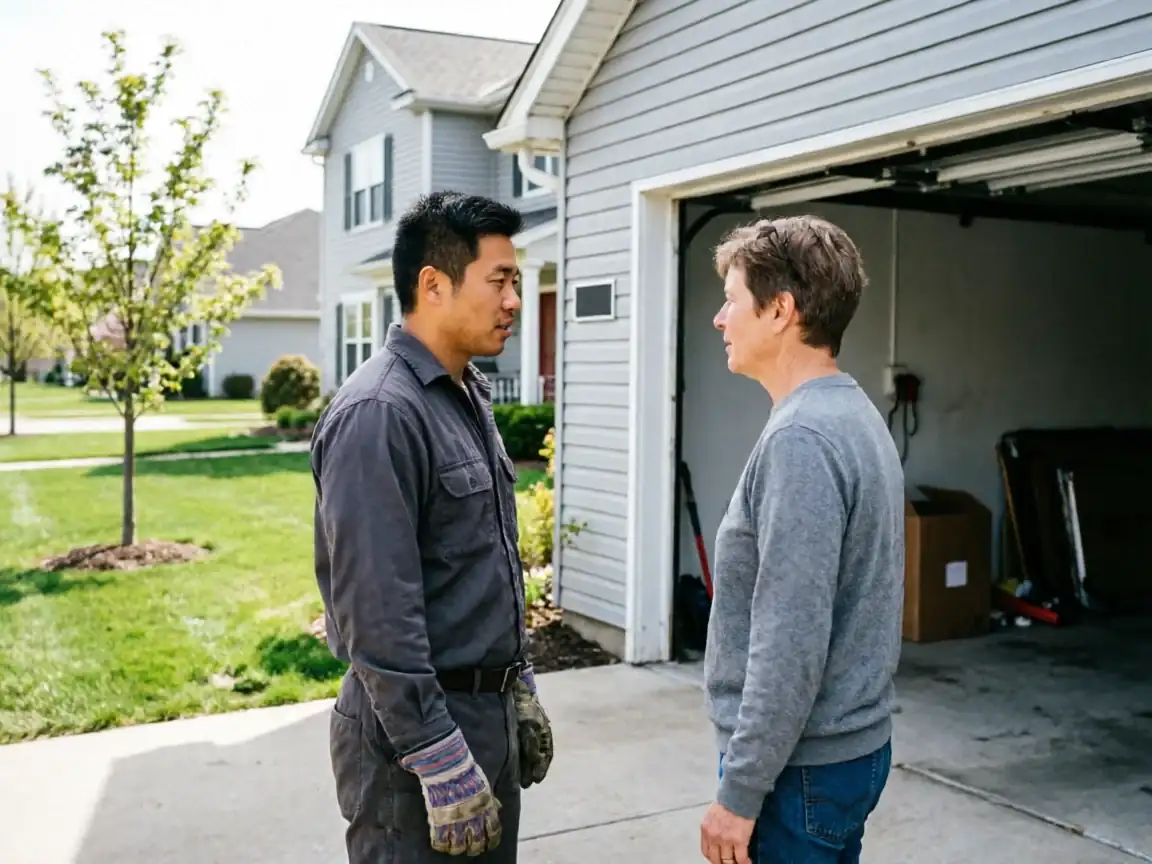
A technician in a gray uniform talks to a woman in front of a garage.

Clear, up-front plan

You get the fix that’s needed and what drives the cost - before any work starts.

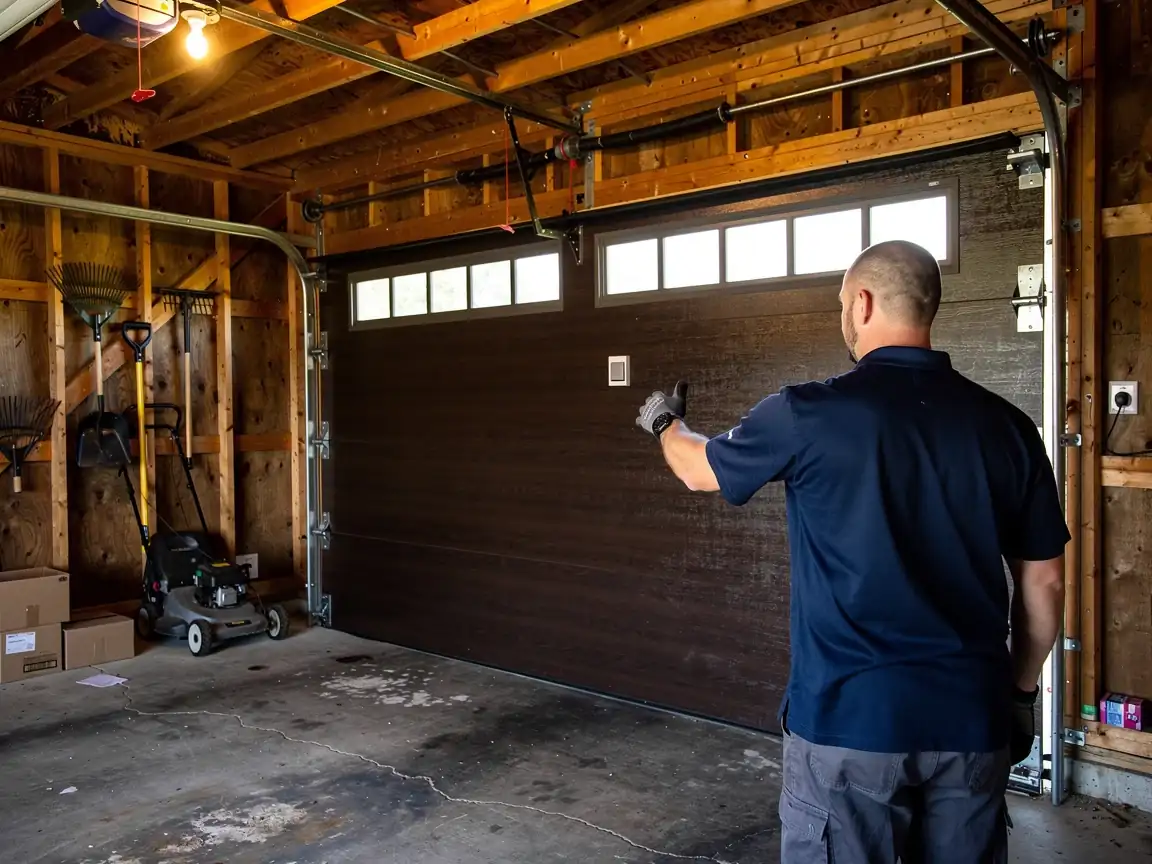
A technician gives a thumbs up to a brown garage door with windows.

Repaired & tested

The repair is done, the door is set true and tested, and the work area left clean.

Not sure which repair your door needs in Waterford, MI? Describe what it’s doing - every job starts with a diagnosis.

How we work

What to expect

  • Diagnosis firstEvery visit starts by finding what actually failed - not a pre-written parts list.
  • The right part for the doorSprings and openers matched to the door’s weight and age, so the fix holds up.
  • Straight answersWhen a repair makes more sense than a replacement - or the reverse - you hear it plainly.
  • Clean, careful workTension released safely, hardware set true, the door tested under power before we leave.
What we do

Garage Door Services

Repair and installation work for Waterford homes and businesses.

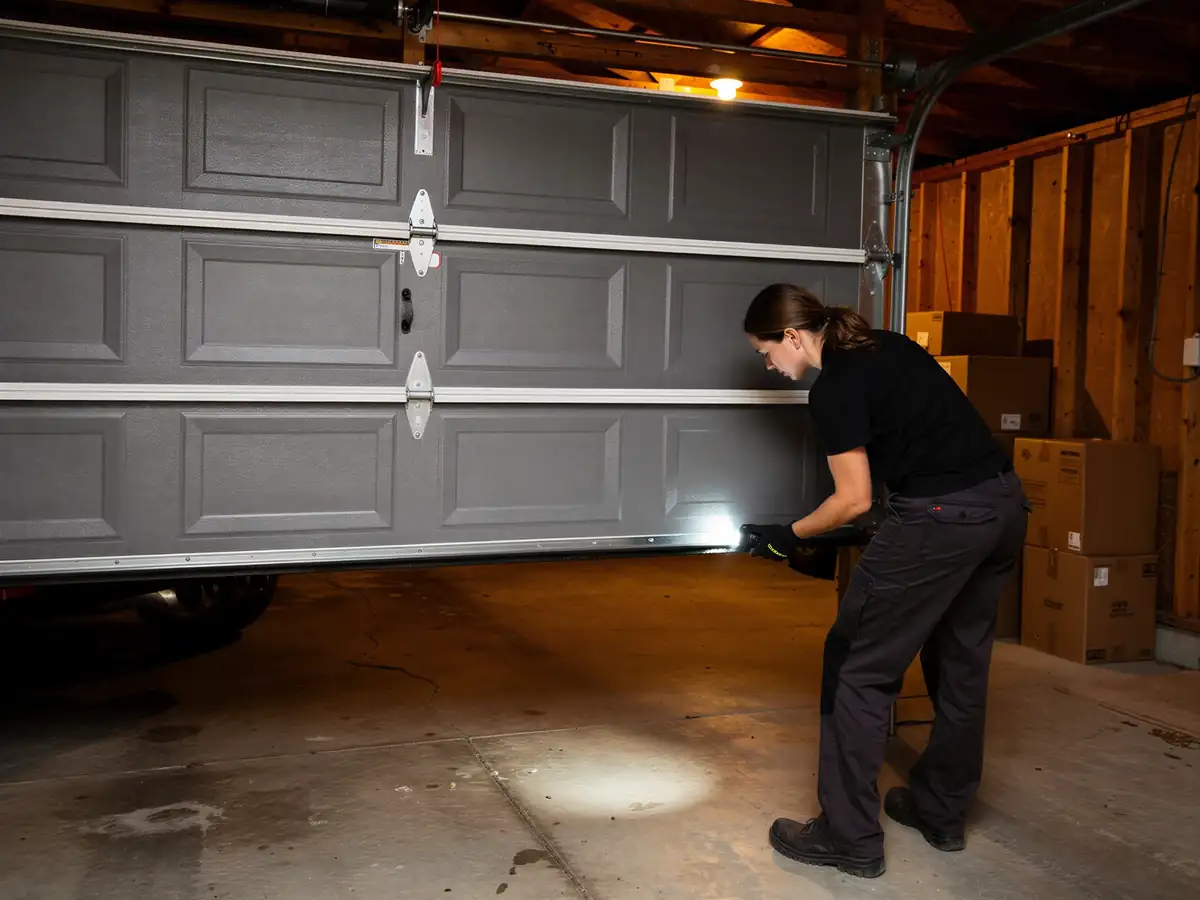
A technician shines a flashlight on the bottom of a gray garage door.

Garage Door Repair

Torsion springs on 1960s-70s Waterford homes fail from age and cold-severe winters. Local repair for broken springs, stuck doors, and worn rollers.

Learn more
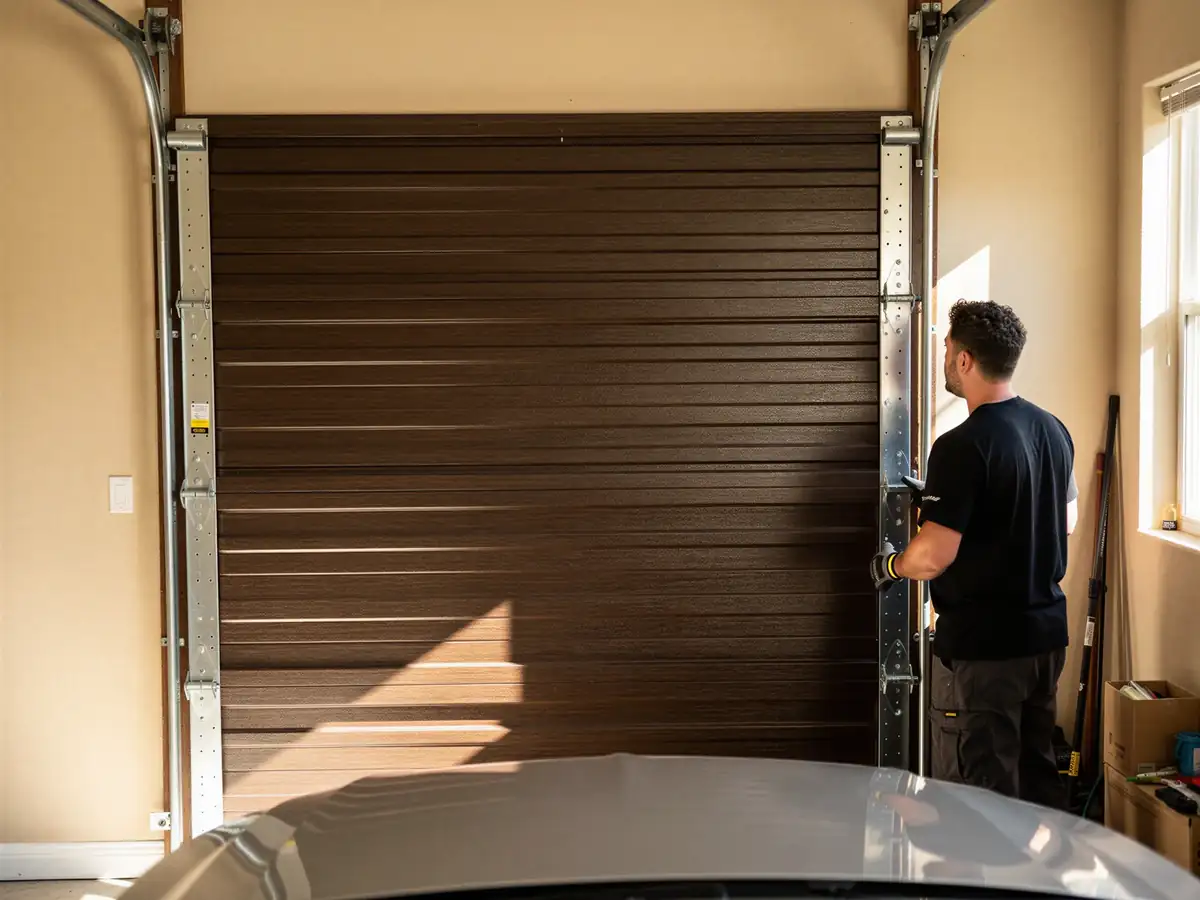
A technician stands next to a closed brown garage door.

Garage Door Installation

Garage door installation sized for Waterford, MI homes built mostly 1949-1993, matched to original rough openings and rated for Michigan's severe cold winters.

Learn more
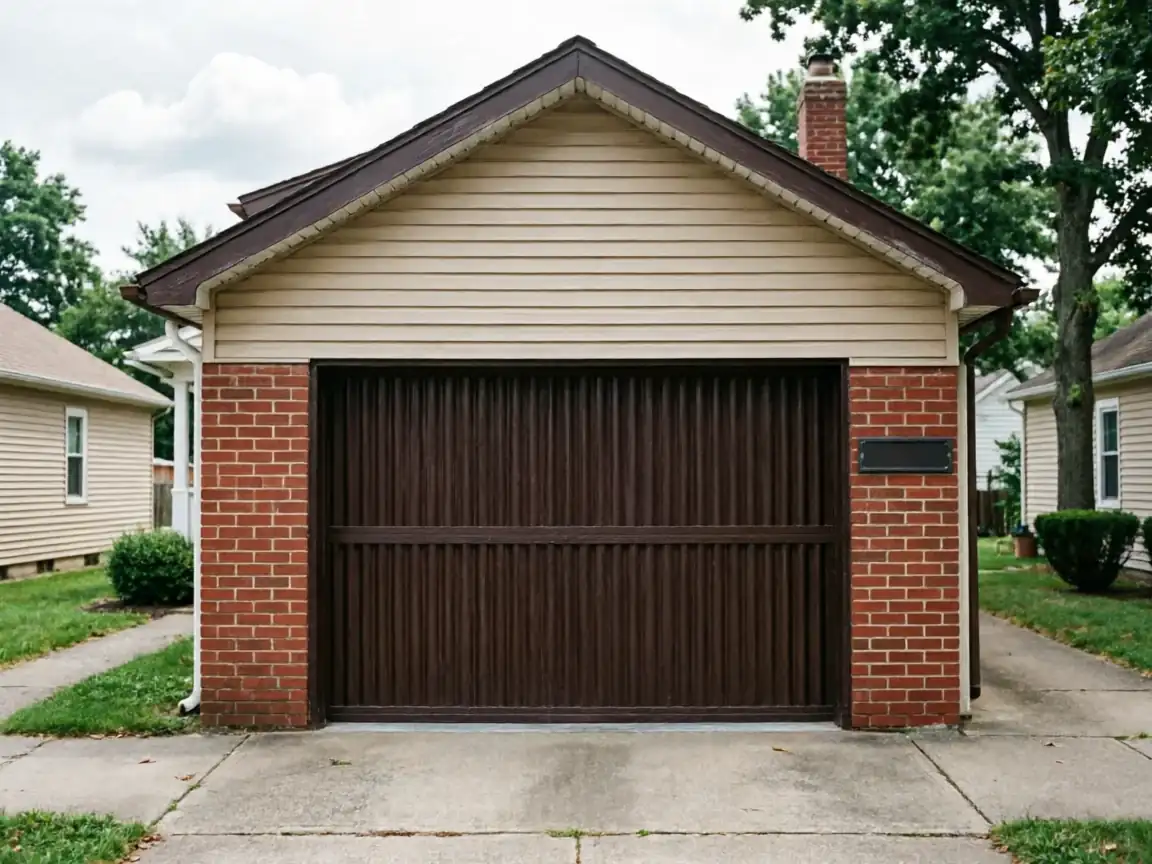
A brown garage door is on a brick and tan siding garage.

Garage Door Service

Waterford homes built between 1949 and 1993 carry original torsion hardware that fights the cold. Here's why springs and openers fail here, and how we fix them right.

Learn more
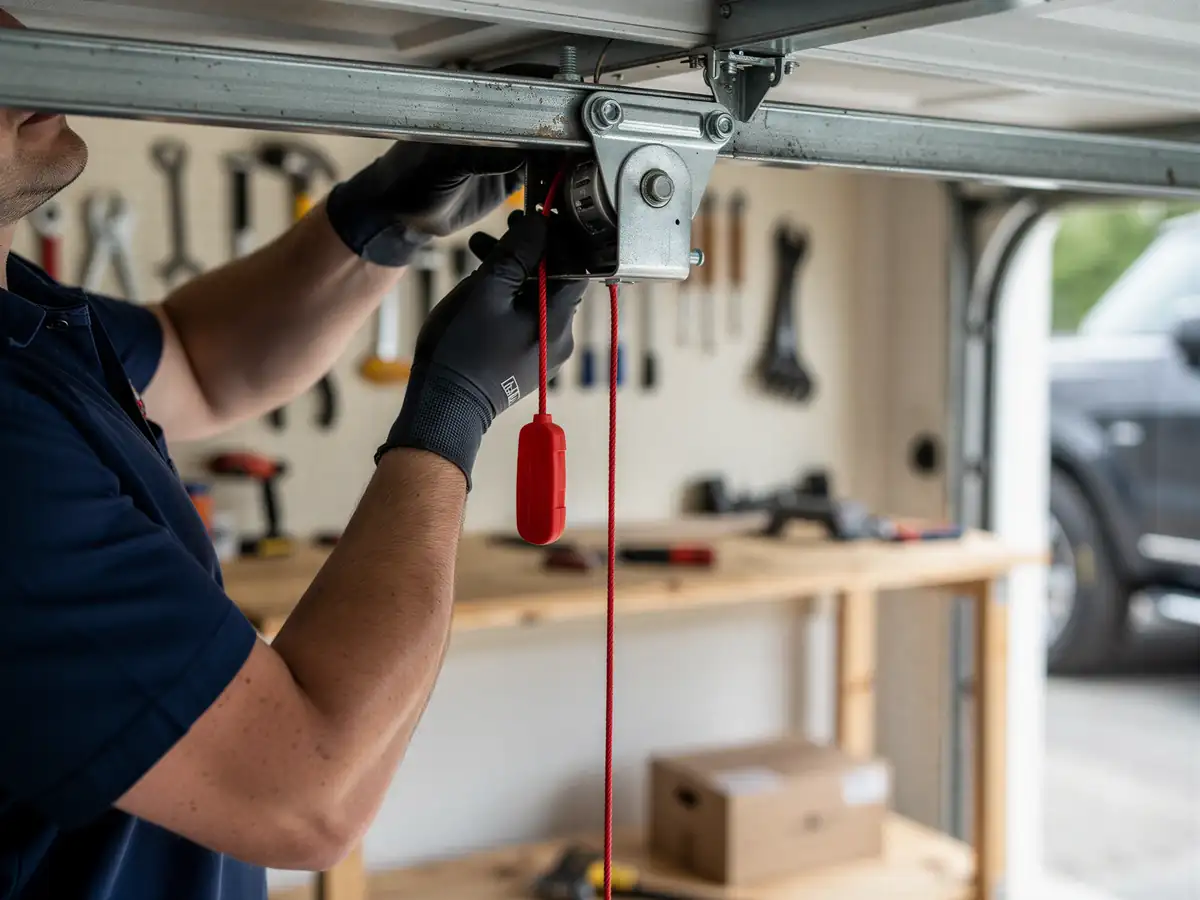
A technician in gloves adjusts the red emergency release cord on a garage door opener.

Opener Repair

Waterford houses built mostly from 1949 to 1993 put real strain on garage door openers once winter sets in. We diagnose and repair openers across the service area.

Learn more
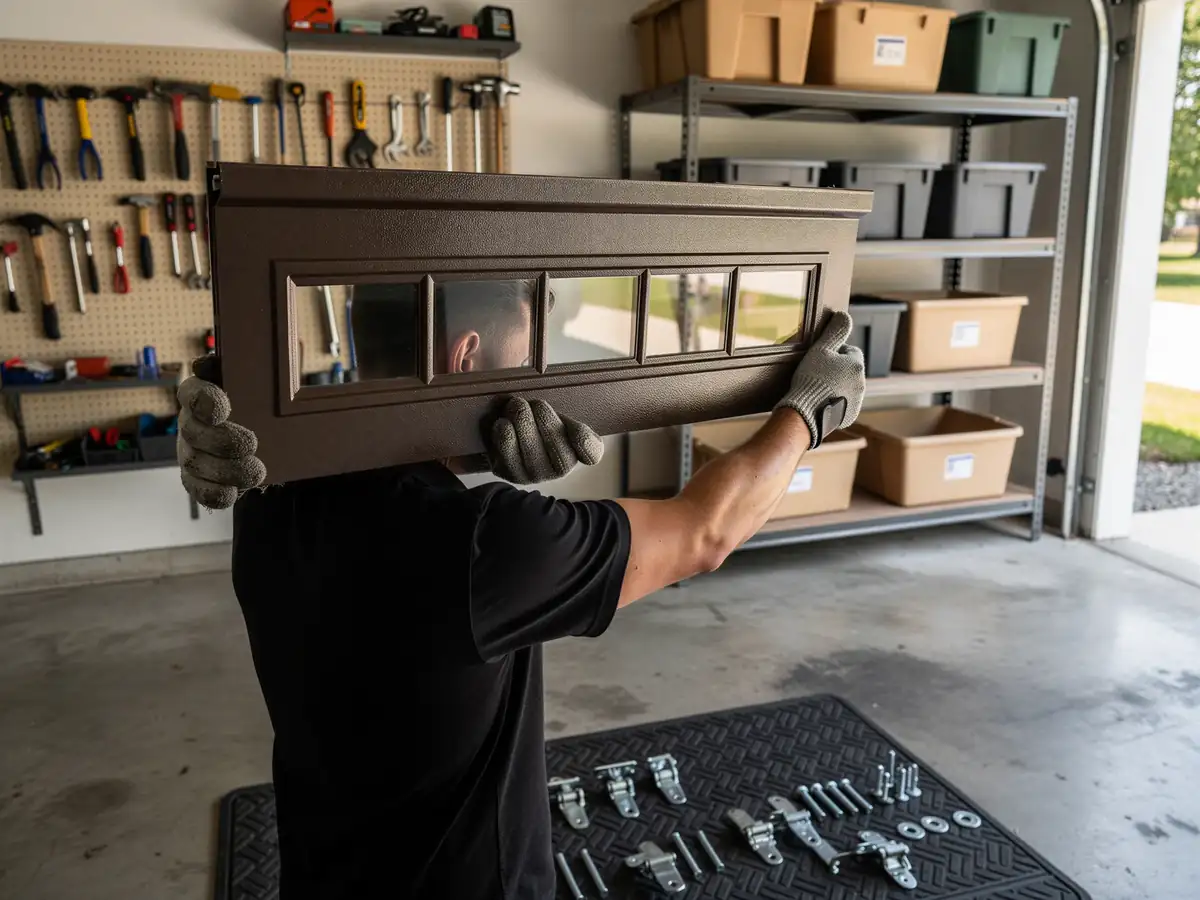
A technician holds a brown garage door panel with windows in a garage.

Panel Replacement

Dented or cracked garage door panels are common on Waterford's 1949-1993 housing stock. We match panels and replace what's actually broken, not the whole door.

Learn more
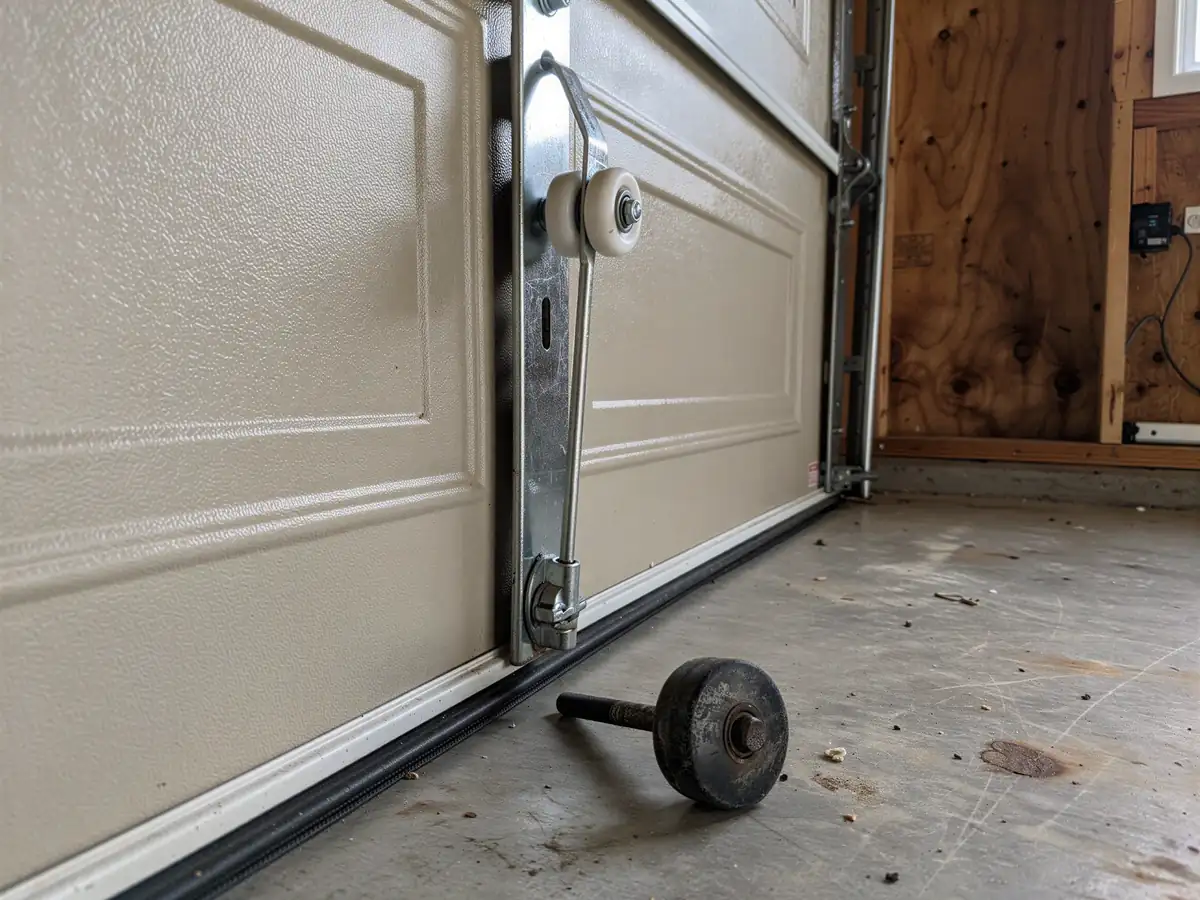
A garage door with a detached roller on the concrete floor.

Roller Replacement

Rollers failing on a house built in the 70s? Waterford's housing stock and cold winters wear out steel and nylon rollers fast. Here's why, and how we fix it right.

Learn more
A technician sprays lubricant on a garage door hinge.

Maintenance

Waterford homes built 1949-1993 carry original hardware into Michigan winters. Seasonal maintenance tuned to that housing stock and our cold climate, from Clarkston to Pontiac.

Learn more
A technician in gloves repairs a beige garage door with a tool.

Emergency Garage Door Repair

Broken spring or dead opener in Waterford? We explain why this area's 1960s-70s housing stock and cold winters push doors to fail, and how we fix it fast.

Learn more
Questions

Frequently asked

Straight answers about garage door repair in Waterford. Still unsure? Ask us directly.

Is my garage door probably original if my Waterford house was built in the 1960s or '70s?

It's possible, since most housing here dates from 1949 to 1993 and the median build year is around 1973. Original doors from that period were rarely insulated and were sized for lighter panels, so if yours still has the original hardware, it's worth a look before you assume a repair is the right call.

Why does my garage feel so much colder than it used to?

If the door was never insulated, it tracks outdoor temperature closely, which in a cold-climate area like this means condensation, rust on rollers, and more flex in the panel during freeze-thaw swings. That's typical wear for a door this age in this climate, not a sign anything was installed wrong.

Can I just add a foam insulation kit to my old door?

Usually not without consequences. Adding weight to a panel whose spring was sized for an uninsulated door makes the opener work harder and shortens the life of both. On doors from this era we usually recommend either a proper insulated replacement or a track and seal correction instead.

Ready to get your garage door sorted?

Tell us what it’s doing and where you are in Waterford - we’ll take it from there.

Request a QuoteCall