Serving Waterford, MI & nearby
(248) 793-5206
Waterford, MI

Weather Seals and Draughts in Waterford Homes

How Waterford's 1949-1993 housing stock and cold climate affect garage door seals, springs, and what you actually pay to fix draughts and worn weatherstripping.

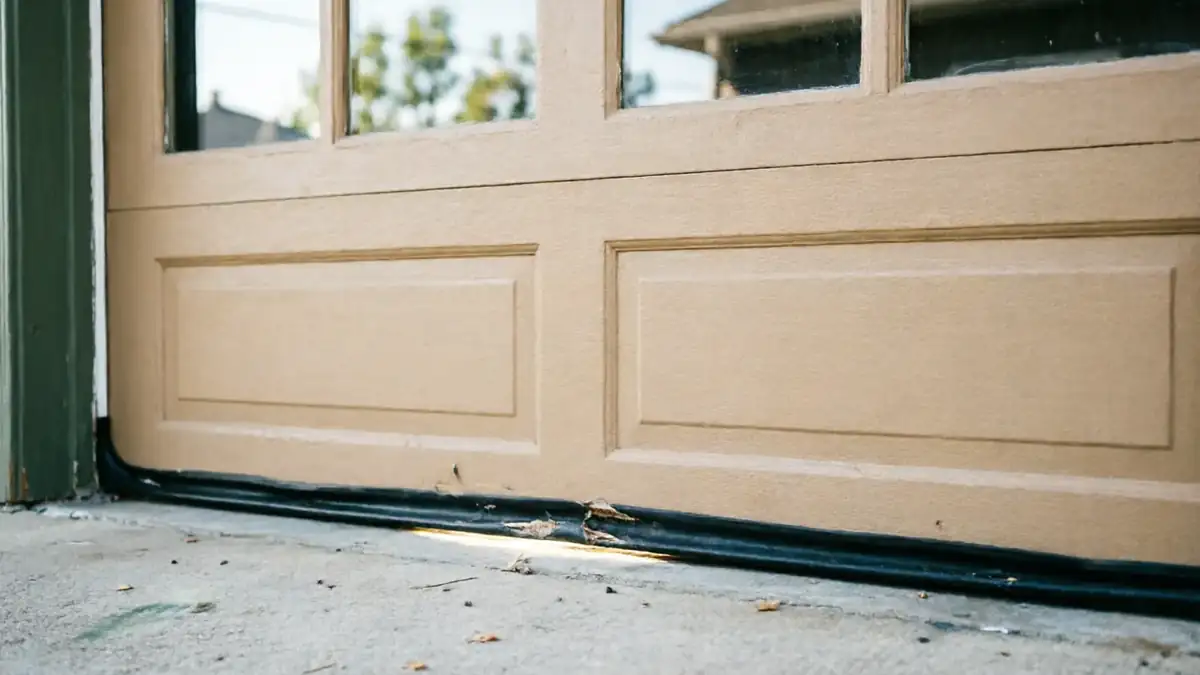
The bottom of a beige garage door has a damaged weather seal.

What You Pay

We can't quote a number here without knowing your door, but we can tell you what drives the cost in this area. Waterford's housing stock runs 1949 to 1993, with a median build year of 1973, and that matters because a door from that era was built to a different sizing standard and a different weatherstrip profile than what's sold today. If your bottom seal or side weatherstripping has gone brittle, replacing it on a door that old sometimes means special-ordering a retainer track instead of snapping in a universal kit, and that adds labor time. Newer doors, closer to a standard size, run faster and cheaper to reseal. The other cost driver is how long the draught has been ignored. A seal that's been letting cold air in for a season or two is a straightforward swap. One that's been open long enough for moisture to reach the bottom panel or the track is a different job, sometimes a panel job, not a seal job. We'll tell you straight which one you've got before we touch anything, and if the door itself is failing rather than just the seal, we'll say so instead of selling you weatherstripping that won't fix the real problem.

What Local Conditions Do

Waterford sits in a cold-severe climate band, and that's the whole reason weather seals and draughts matter here more than in milder places. Repeated freeze-thaw cycles work on rubber and vinyl seals the same way they work on pavement: they harden, crack, and pull away from the track a little more each winter. On a house built in the 1960s or 70s, which describes a lot of the 32 named areas in this service territory, the original seal channel is often narrower than what newer doors use, so even a fresh seal can work loose faster if it's not matched to the track width. Cold also stiffens springs and tightens tolerances on rollers, which is why a door that closed fine in October can start binding or leaving a visible gap in January. We're not just talking comfort here - a gap at the bottom of a garage door in a severe cold climate lets wind-driven air push past the threshold, and on an attached garage that air finds its way into the house. The fix isn't always the seal. Sometimes it's a track that's shifted slightly from decades of thermal movement, and seal alone won't close that gap.

Where People Go Wrong

The most common mistake we see on service calls in this area is buying a generic weatherstrip kit from a hardware store and jamming it into a retainer that doesn't match. On the older end of Waterford's housing stock - homes from the 1949-1993 range - the bottom seal retainer is sometimes a shape that modern universal kits weren't designed for, and the seal pops out again within a season, right when the cold sets back in. The second mistake is treating every draught as a seal problem. If the gap is even along the whole bottom edge, it's probably the seal. If it's wider on one side than the other, that's usually the door hanging unevenly on its track, often from a worn roller or a cable that's stretched, and no amount of new weatherstripping closes an uneven gap. Third, people wait. A seal that's cracked in October and ignored through a Michigan winter doesn't just let in cold air - the cycling in and out of temperature keeps working the crack wider, and by spring what would've been a seal swap can turn into a seal plus a bottom panel. None of this is unique to any one house, but it shows up constantly in a service area built mostly in the 1960s and 70s.

What Is Going On

Here's the short version: your door's age and this region's winters are working against each other, and the weatherstripping is the part that shows it first. With median household income in this service area at $102,333 and roughly 63,421 owner-occupied houses among 127,814 total households, a lot of what we see is well-maintained homes where the garage door just hasn't been looked at in years - not neglect, just the lowest-priority item on a long list. That's normal. The seal is cheap, it's not glamorous, and it's easy to miss until the draught is bad enough to notice standing in the garage. If you're within a few miles of the Village of Clarkston or out toward Keego Harbor, you're in the same climate band and roughly the same housing-age mix we see across the rest of this territory, so the same pattern holds. One honest limitation: we don't stock every discontinued retainer profile on the truck, and if your door needs an obsolete part, there can be a short wait to get it in. We'd rather tell you that up front than have you wait on us guessing.
How it works

From “it’s stuck” to “it’s fixed”

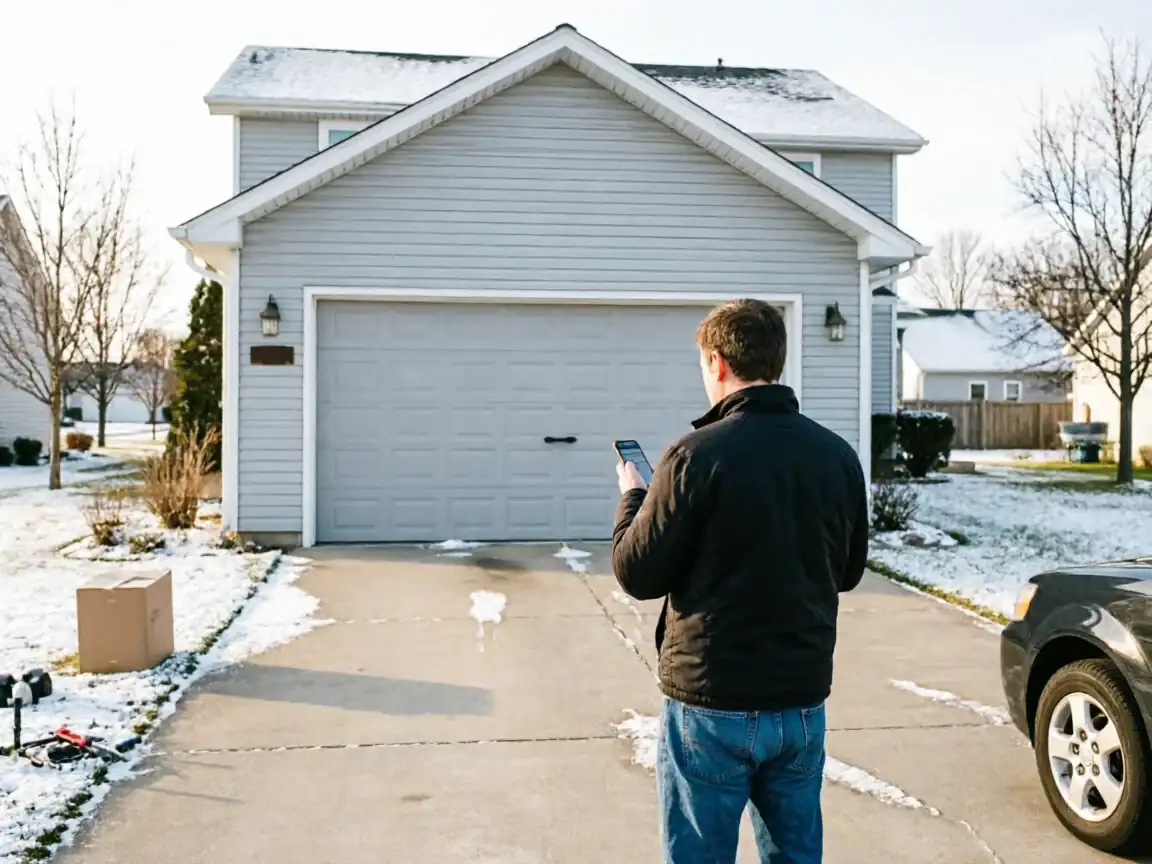
A man stands in a snowy driveway, looking at his phone in front of a garage.

Tell us what’s wrong

Describe the symptom - won’t open, loud bang, opener runs but the door won’t move.

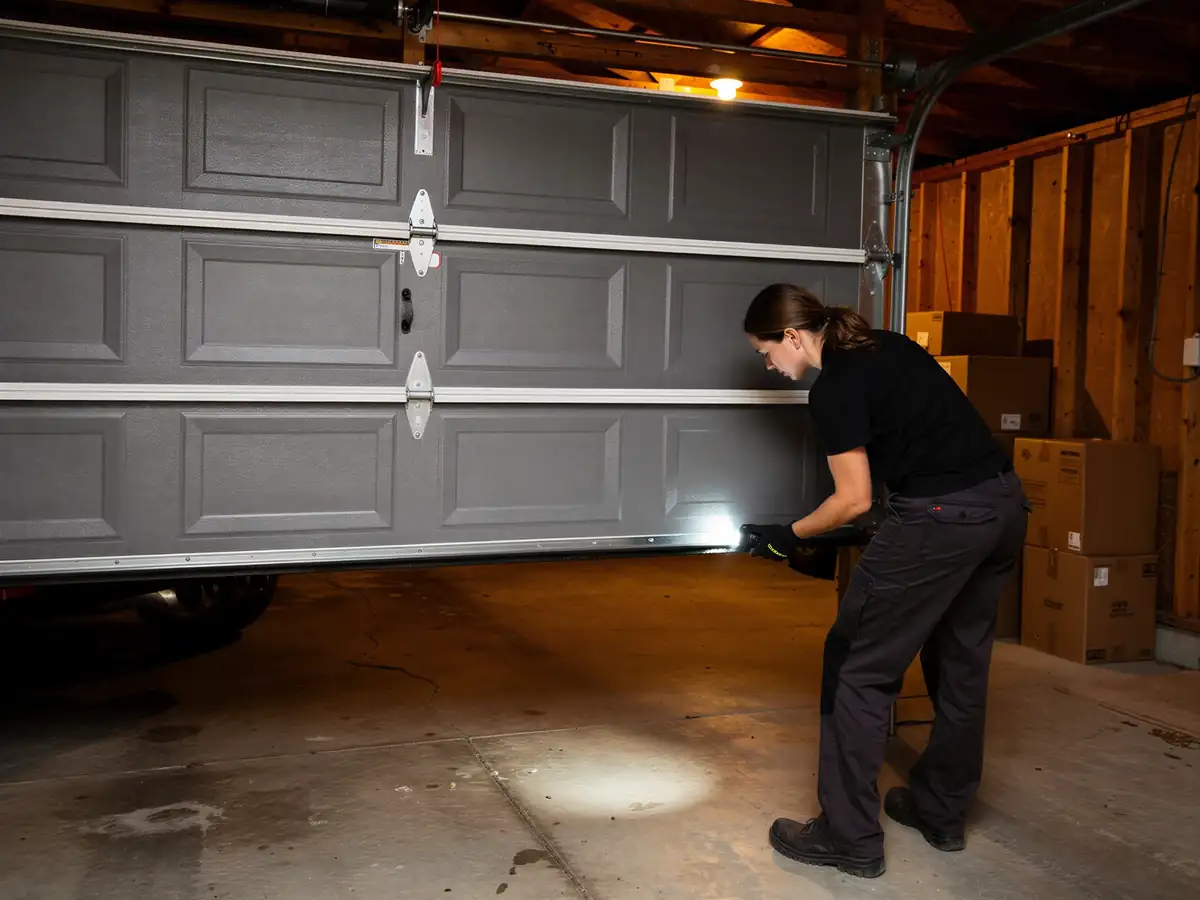
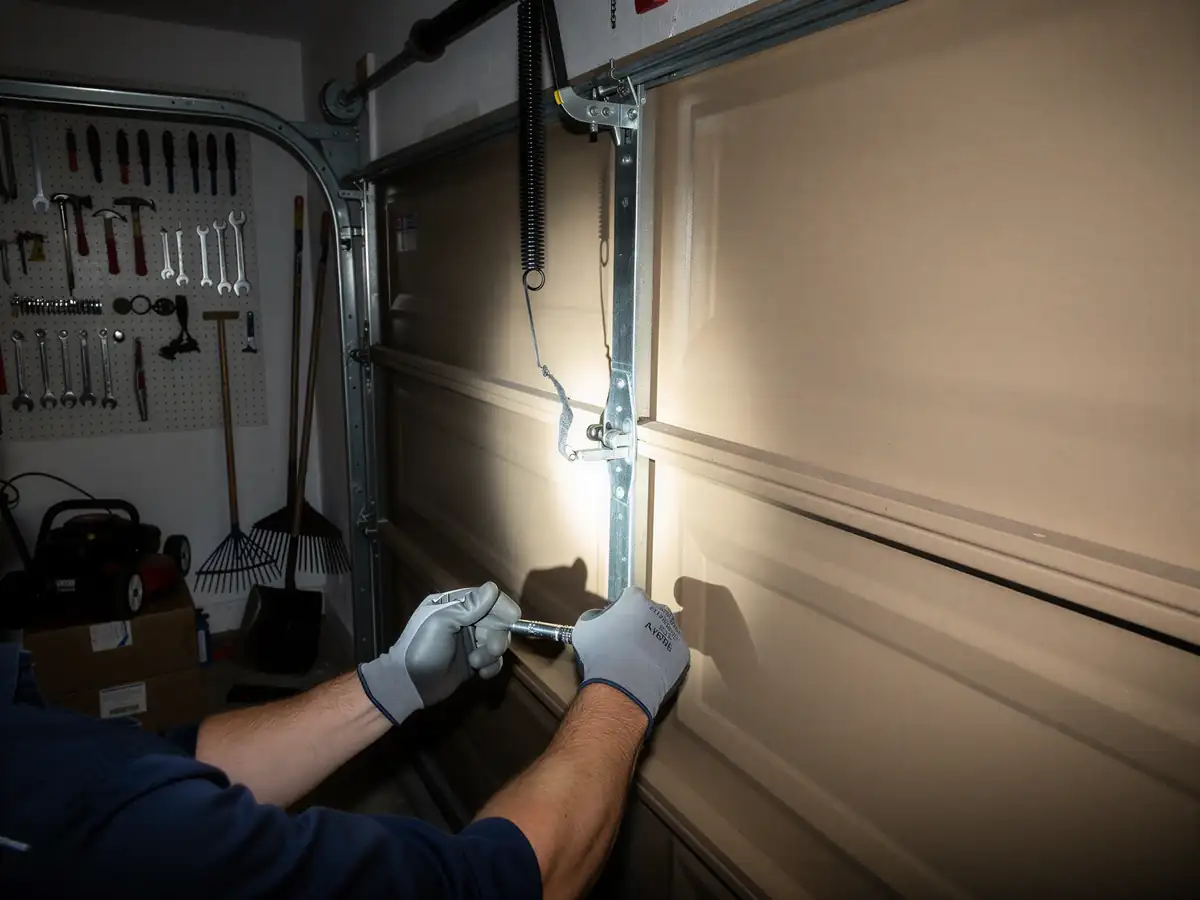
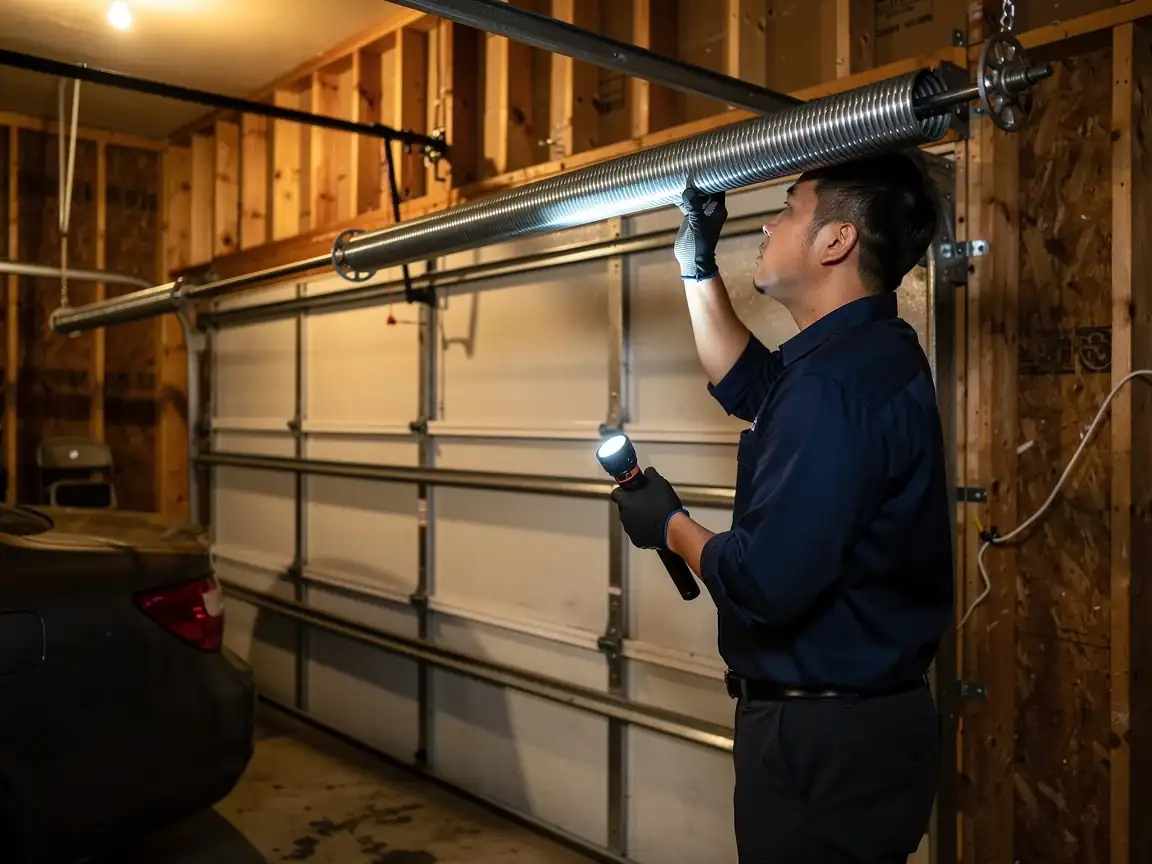
A technician with a flashlight inspects a garage door torsion spring.

On-site diagnosis

A technician tests the door under power and by hand and finds what actually failed.

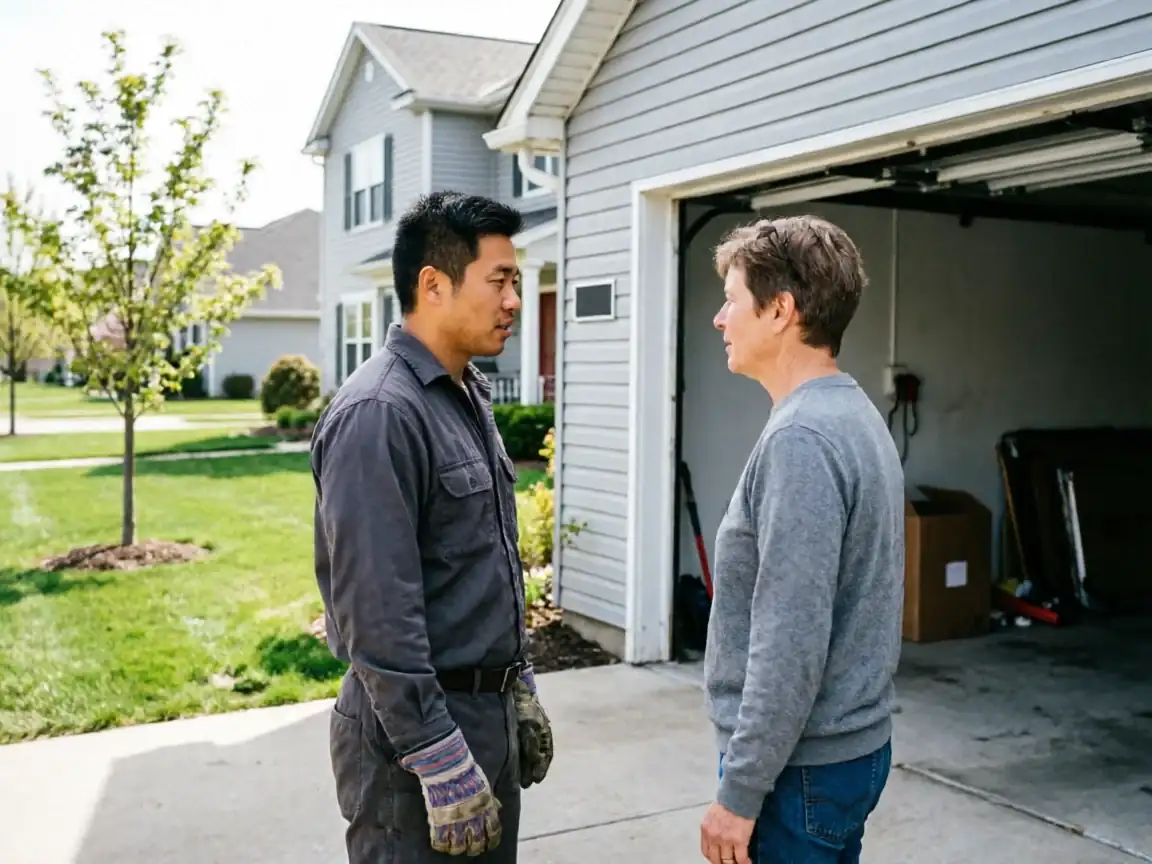
A technician in a gray uniform talks to a woman in front of a garage.

Clear, up-front plan

You get the fix that’s needed and what drives the cost - before any work starts.

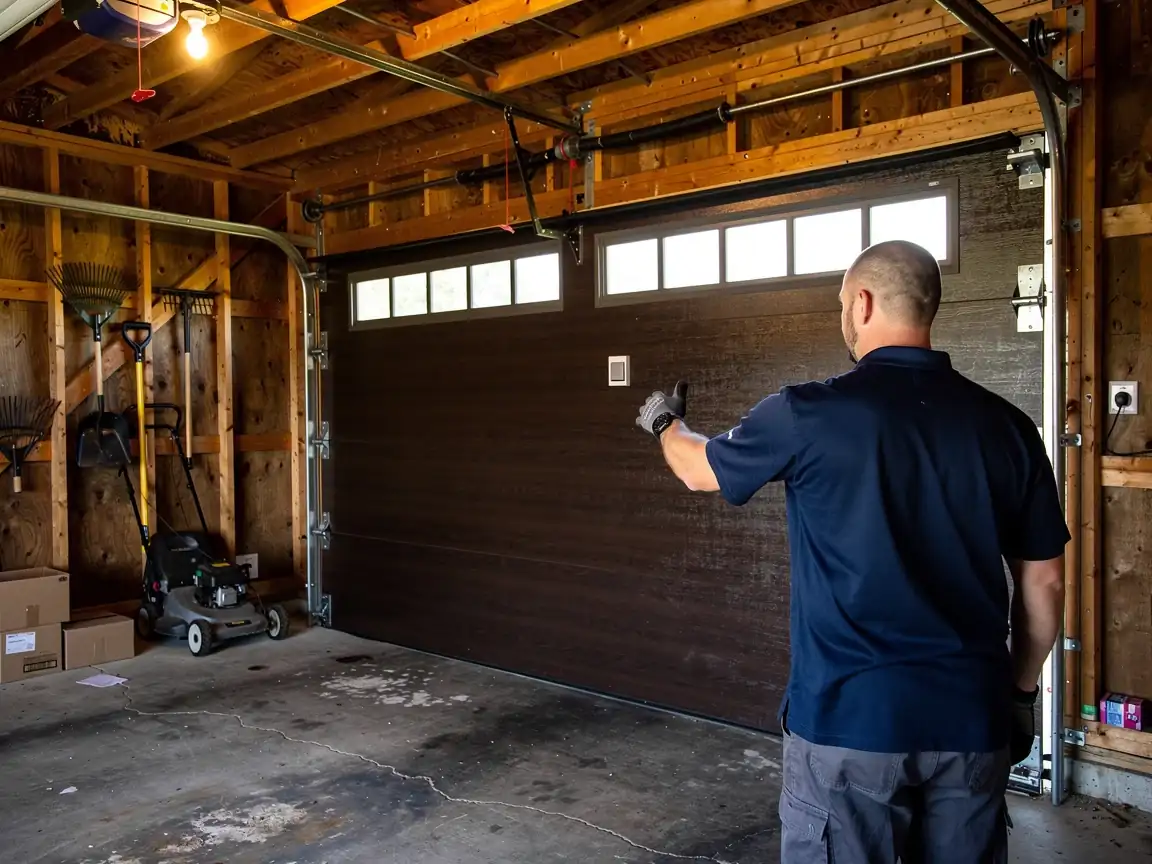
A technician gives a thumbs up to a brown garage door with windows.

Repaired & tested

The repair is done, the door is set true and tested, and the work area left clean.

Not sure which repair your door needs in Waterford, MI? Describe what it’s doing - every job starts with a diagnosis.

How we work

What to expect

  • Diagnosis firstEvery visit starts by finding what actually failed - not a pre-written parts list.
  • The right part for the doorSprings and openers matched to the door’s weight and age, so the fix holds up.
  • Straight answersWhen a repair makes more sense than a replacement - or the reverse - you hear it plainly.
  • Clean, careful workTension released safely, hardware set true, the door tested under power before we leave.
What we do

Garage Door Services

Repair and installation work for Waterford homes and businesses.

A technician shines a flashlight on the bottom of a gray garage door.

Garage Door Repair

Torsion springs on 1960s-70s Waterford homes fail from age and cold-severe winters. Local repair for broken springs, stuck doors, and worn rollers.

Learn more
A technician stands next to a closed brown garage door.

Garage Door Installation

Garage door installation sized for Waterford, MI homes built mostly 1949-1993, matched to original rough openings and rated for Michigan's severe cold winters.

Learn more
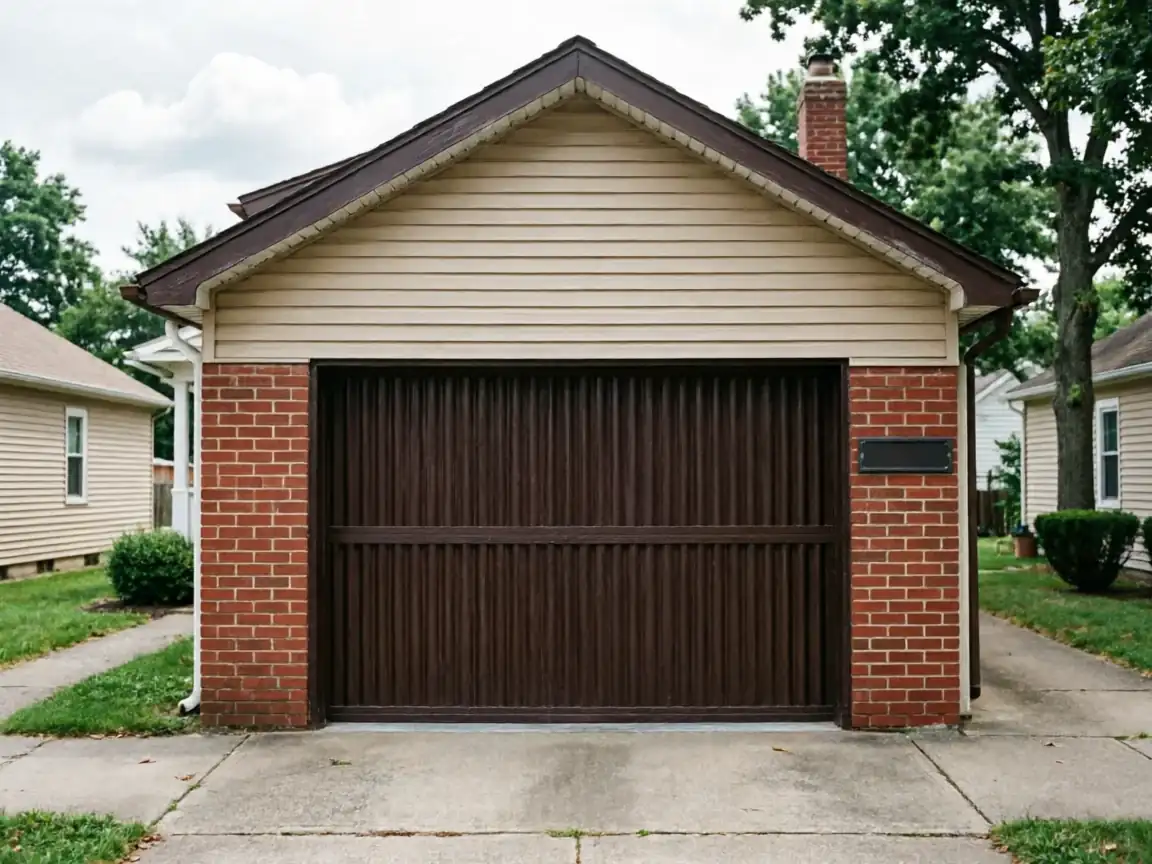
A brown garage door is on a brick and tan siding garage.

Garage Door Service

Waterford homes built between 1949 and 1993 carry original torsion hardware that fights the cold. Here's why springs and openers fail here, and how we fix them right.

Learn more
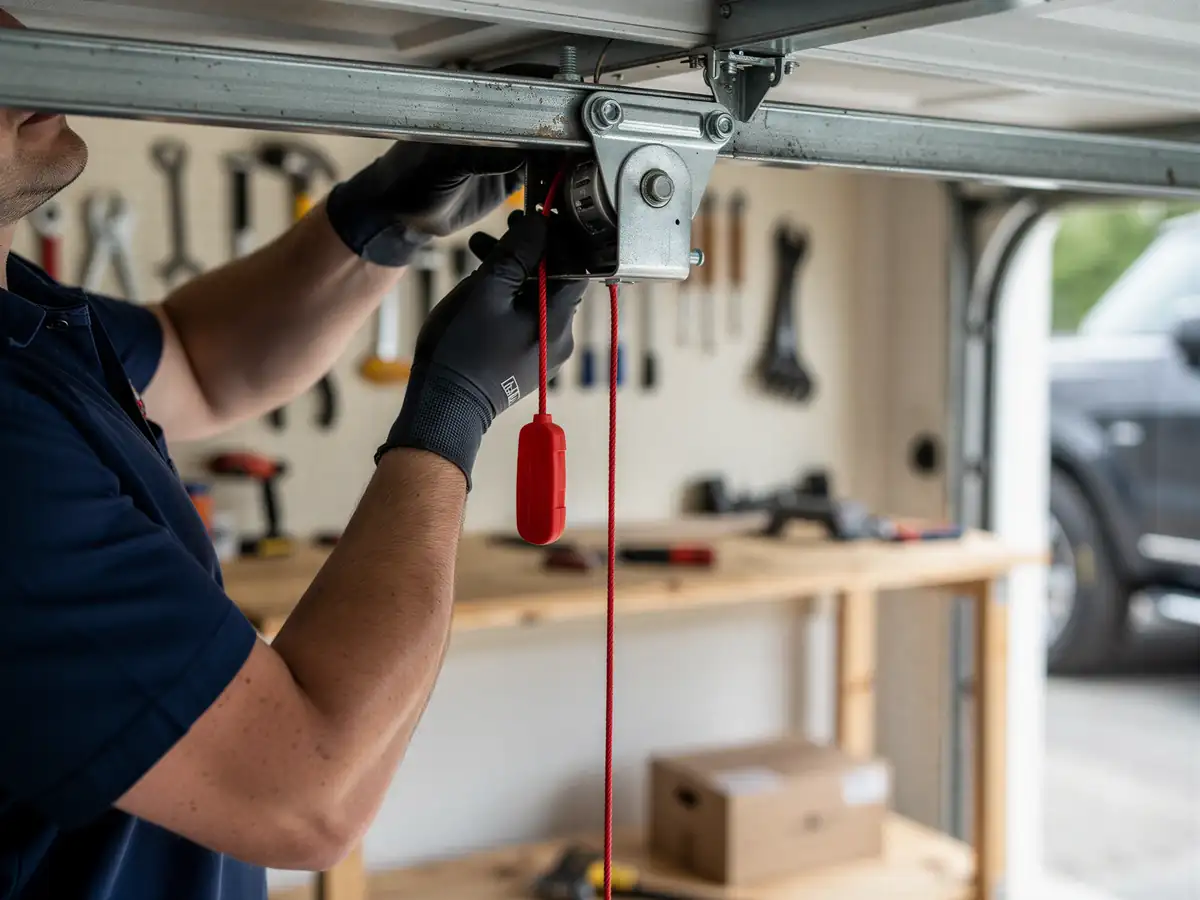
A technician in gloves adjusts the red emergency release cord on a garage door opener.

Opener Repair

Waterford houses built mostly from 1949 to 1993 put real strain on garage door openers once winter sets in. We diagnose and repair openers across the service area.

Learn more
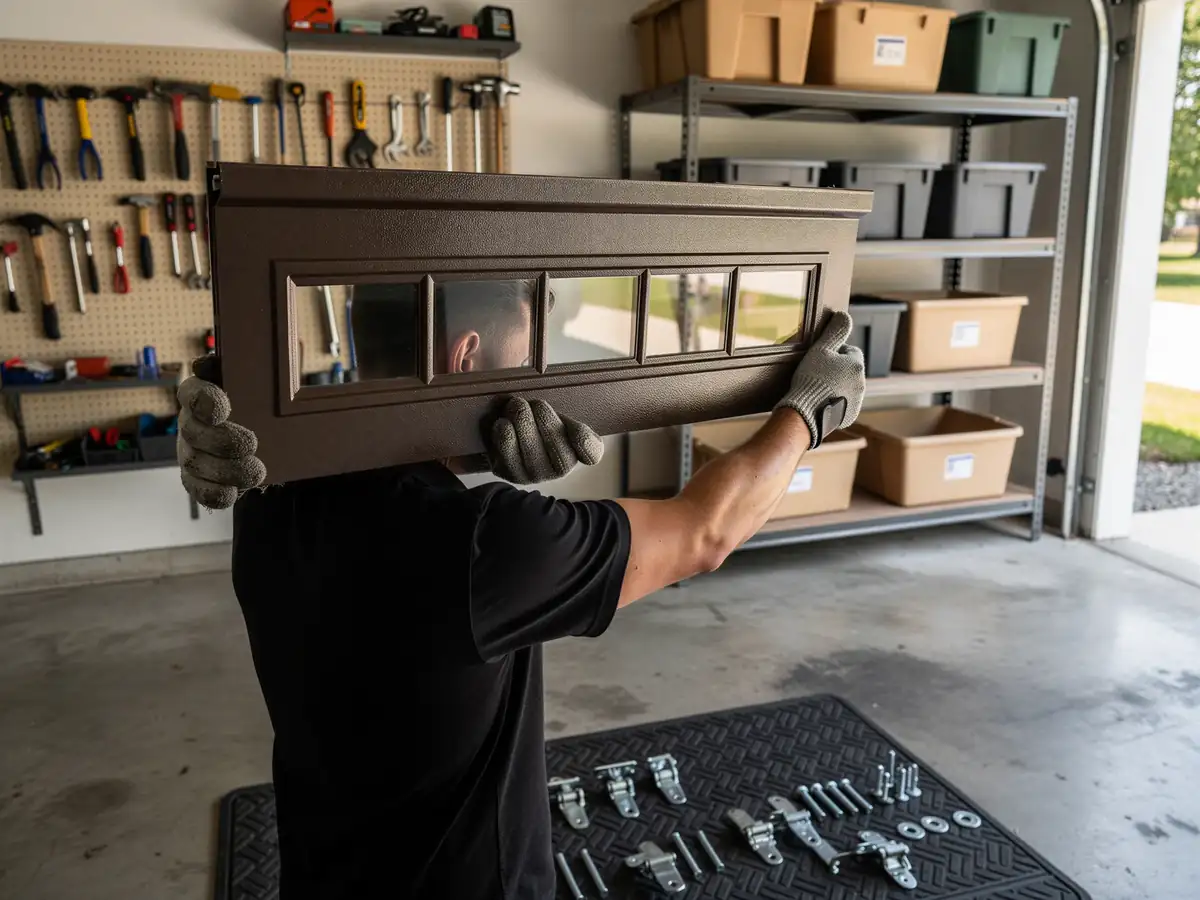
A technician holds a brown garage door panel with windows in a garage.

Panel Replacement

Dented or cracked garage door panels are common on Waterford's 1949-1993 housing stock. We match panels and replace what's actually broken, not the whole door.

Learn more
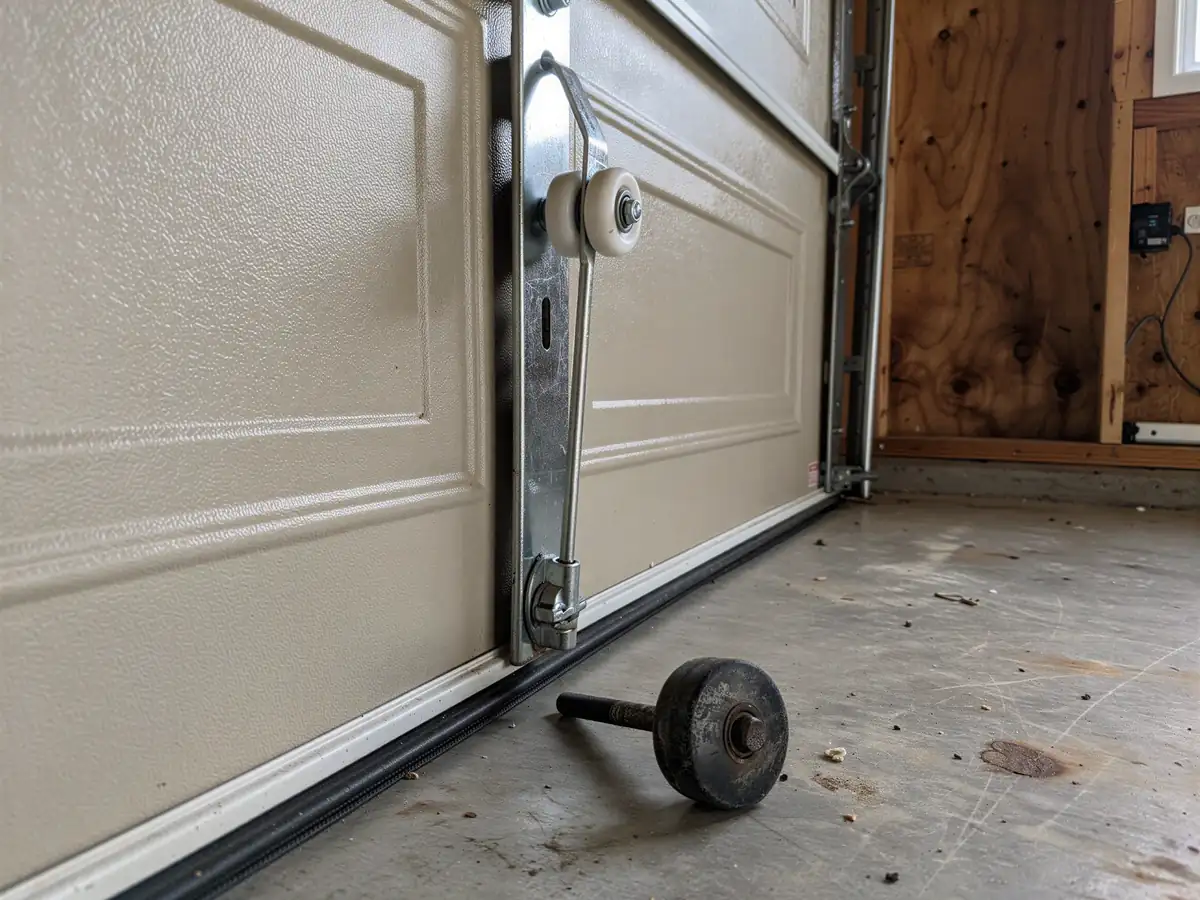
A garage door with a detached roller on the concrete floor.

Roller Replacement

Rollers failing on a house built in the 70s? Waterford's housing stock and cold winters wear out steel and nylon rollers fast. Here's why, and how we fix it right.

Learn more
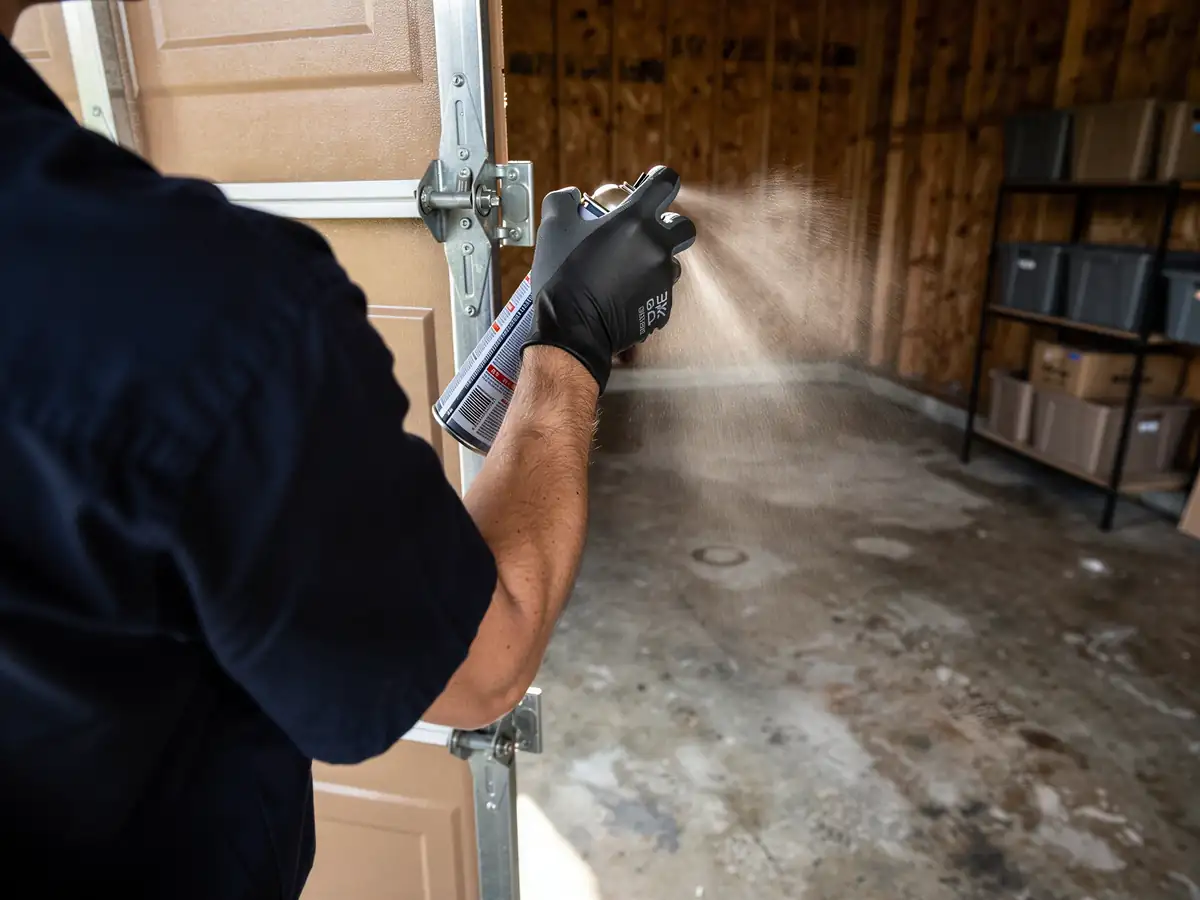
A technician sprays lubricant on a garage door hinge.

Maintenance

Waterford homes built 1949-1993 carry original hardware into Michigan winters. Seasonal maintenance tuned to that housing stock and our cold climate, from Clarkston to Pontiac.

Learn more
A technician in gloves repairs a beige garage door with a tool.

Emergency Garage Door Repair

Broken spring or dead opener in Waterford? We explain why this area's 1960s-70s housing stock and cold winters push doors to fail, and how we fix it fast.

Learn more
Questions

Frequently asked

Straight answers about garage door repair in Waterford. Still unsure? Ask us directly.

Why does my garage door let in more cold air in winter than it did last year?

In a cold climate like this one, rubber and vinyl seals harden and crack from repeated freeze-thaw cycles. A seal that worked fine last winter can shrink or split by this one, especially on an older door where the seal channel doesn't quite match newer universal replacement kits.

Is a new weatherstrip seal enough to stop a draught, or do I need more?

Depends on the gap. An even gap along the bottom usually means the seal alone is the fix. An uneven gap, wider on one side, usually points to a worn roller or stretched cable pulling the door off-level, and a new seal won't fix that by itself.

My house was built in the 1960s or 70s - does that matter for garage door repairs?

It does. A lot of houses in this area were built in that era, and the seal retainer tracks and door sizing from that period sometimes don't match generic parts sold today. We check what you've actually got before ordering anything.

Ready to get your garage door sorted?

Tell us what it’s doing and where you are in Waterford - we’ll take it from there.

Request a QuoteCall