Why It Happens Here
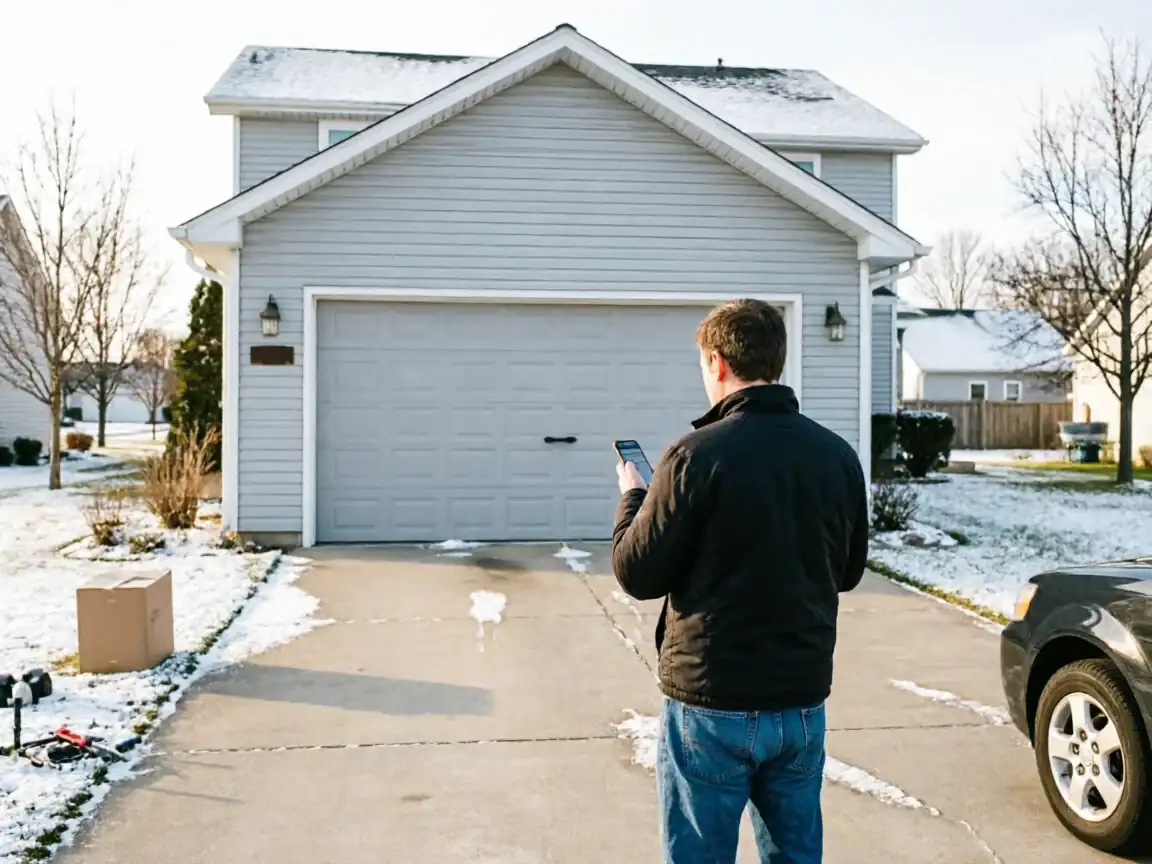
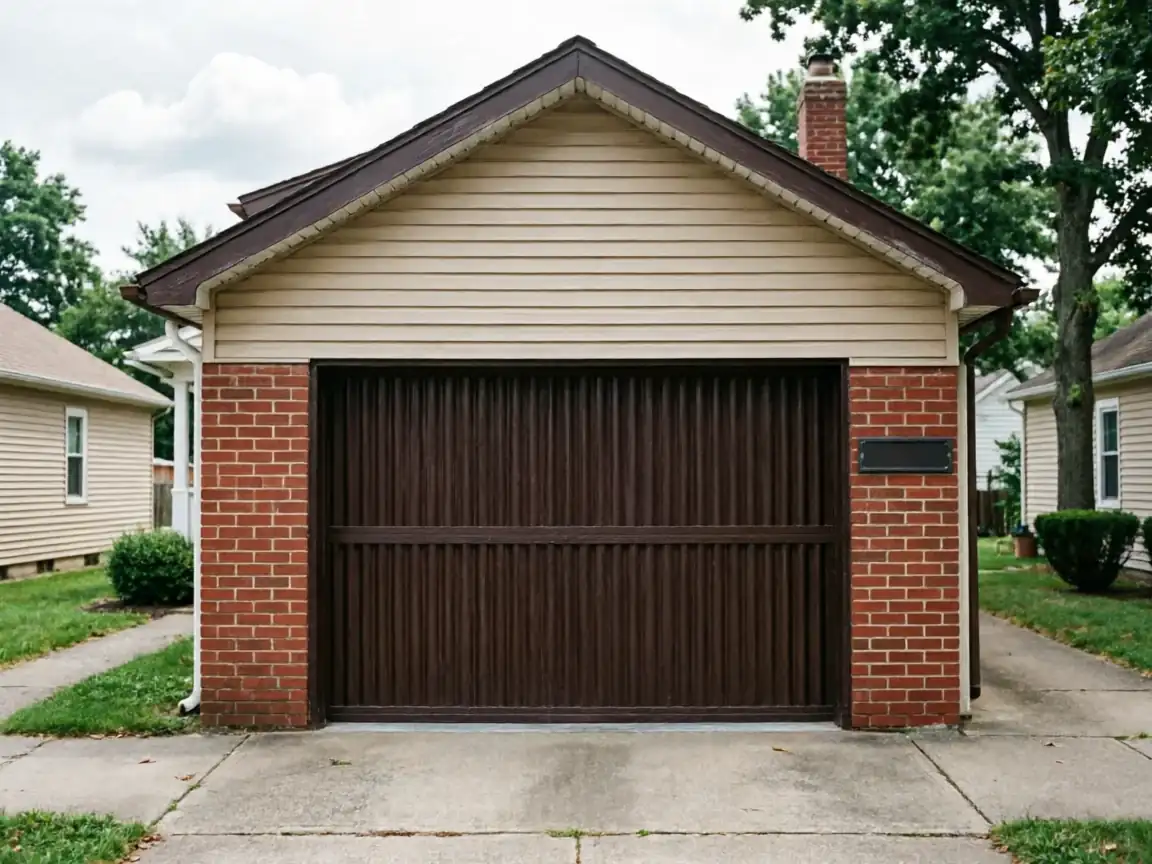
Most of the garage doors we're called out to in this service area went up somewhere between 1949 and 1993, with a lot of that stock clustered in the 1960s and 70s across the 32 named communities we work in. Steel sectional doors from that era used thinner gauge panels than what's sold today, and after fifty-plus winters of expansion and contraction, the seams between panels and the hardware holding them get brittle. Add in a climate band that sits firmly in the severe-cold category, and you get a specific failure pattern: panels that crack along the bottom rail where road salt and slush sit against the steel all winter, and panels that dent from the inside out when a door that's lost its balance starts dragging against the track. A door built in 1973 wasn't engineered for forty-degree temperature swings in a single week, and that's exactly what this region gets every spring and fall. We see the same wear pattern on doors from Waterford itself out through Clarkston, Keego Harbor, and the rest of the 32 areas we cover - it's a housing-stock problem and a weather problem stacked on top of each other, not a one-house fluke.
Where This Job Goes Sideways
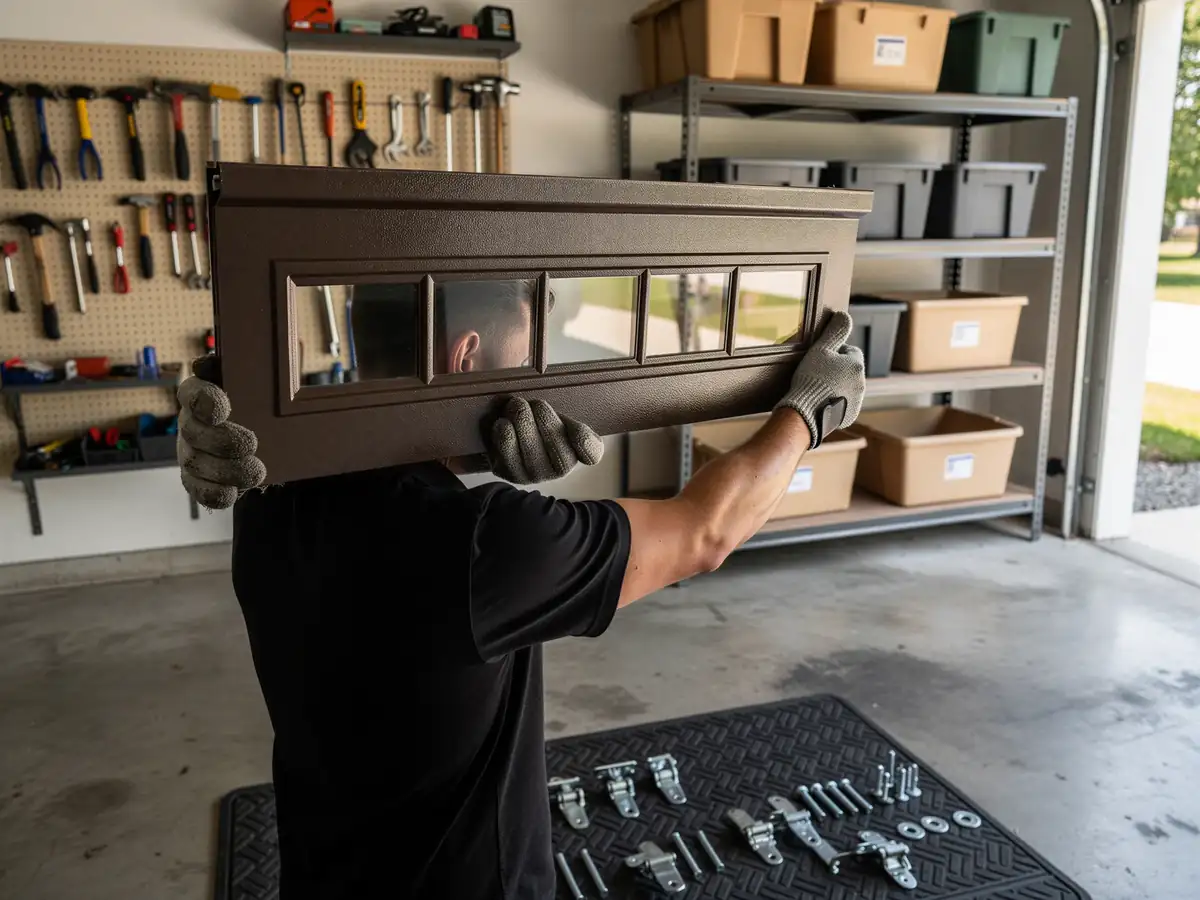
Panel replacement sounds simple until you try to match an obsolete profile. A lot of the doors from the 1960s and 70s run groove widths and panel heights that current manufacturers stopped making years ago, so a single cracked panel can turn into a full-door conversation fast if the color or ribbing doesn't line up with what's still available. We've also seen homeowners order a panel online by model number alone, only to find the mounting holes don't match because the door was reinforced or modified at some point in its life. Another spot where this goes wrong: a dented panel is sometimes a symptom, not the problem. If the door is out of balance or a cable is fraying, replacing just the dented panel without fixing the root cause means you're back out here in six months with a second dent. We won't sell you a panel swap on a door that's actually failing structurally - that's a case where full replacement is the honest answer, even though it costs more up front.
How We Fix It
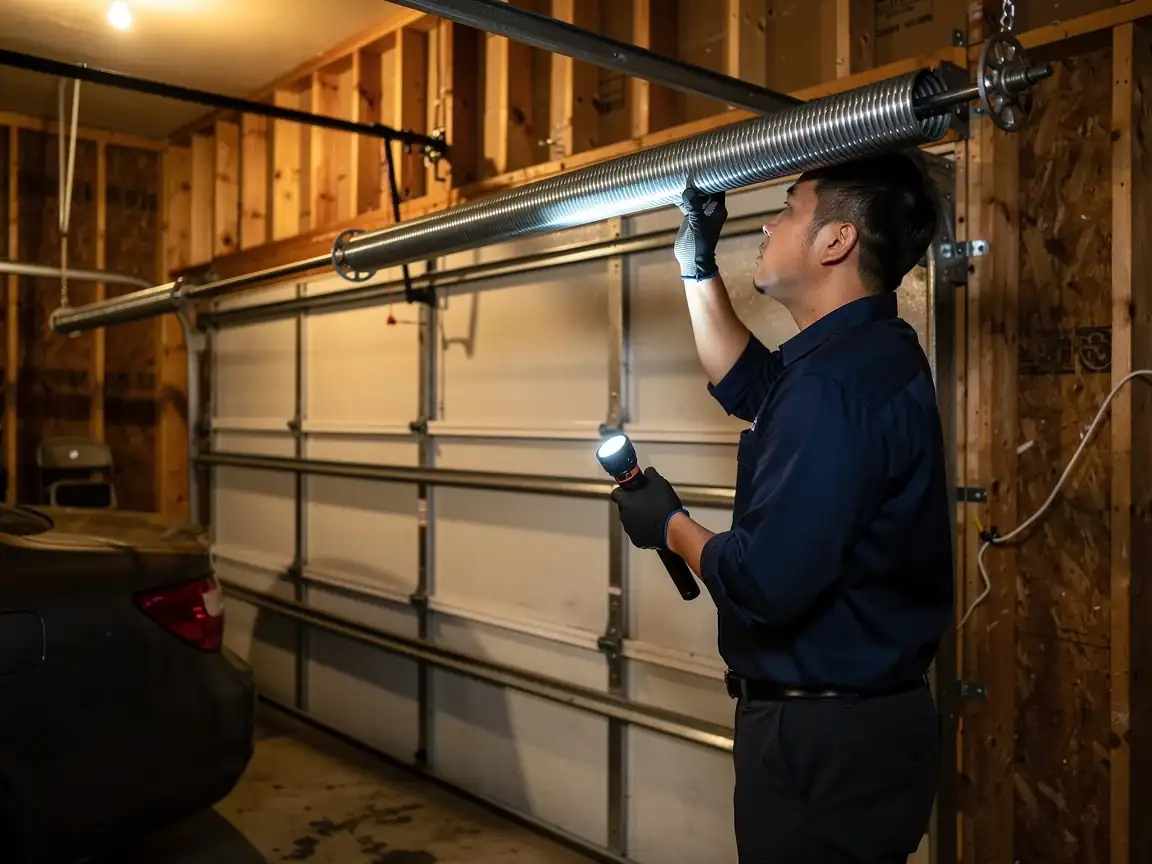
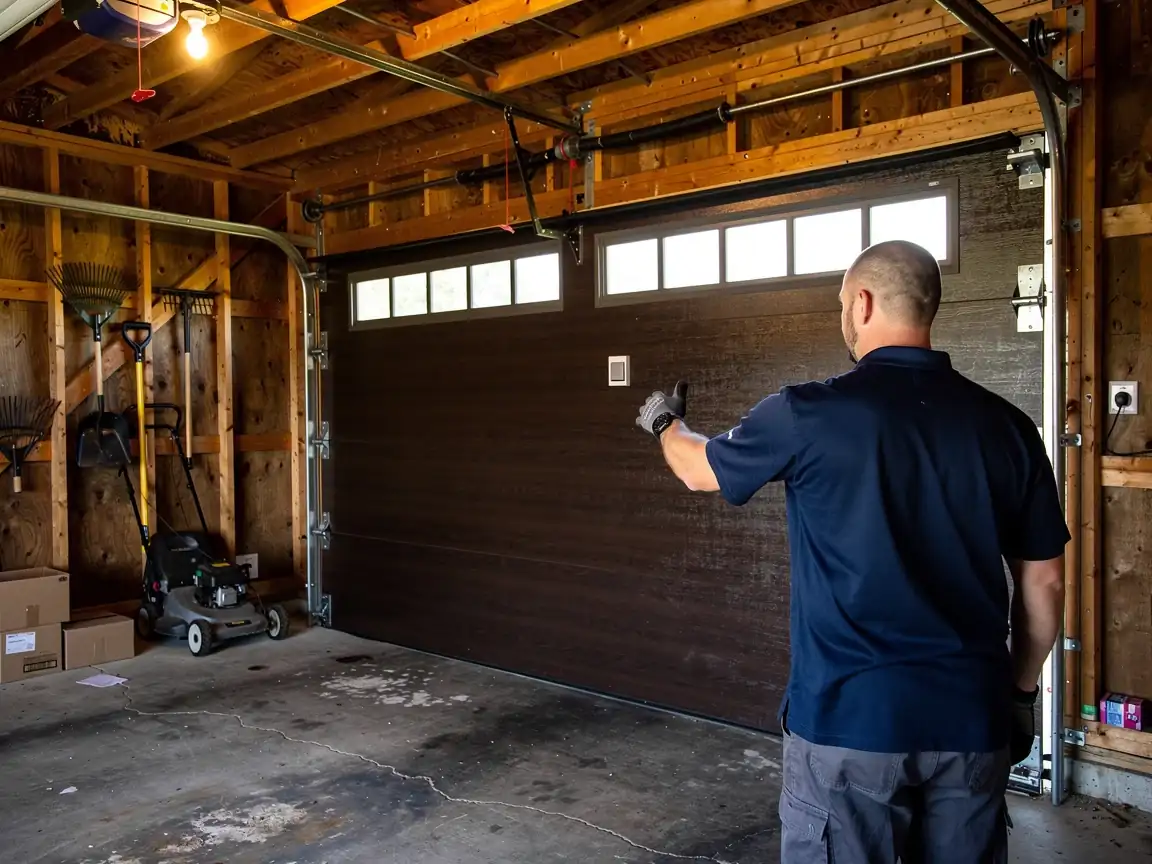
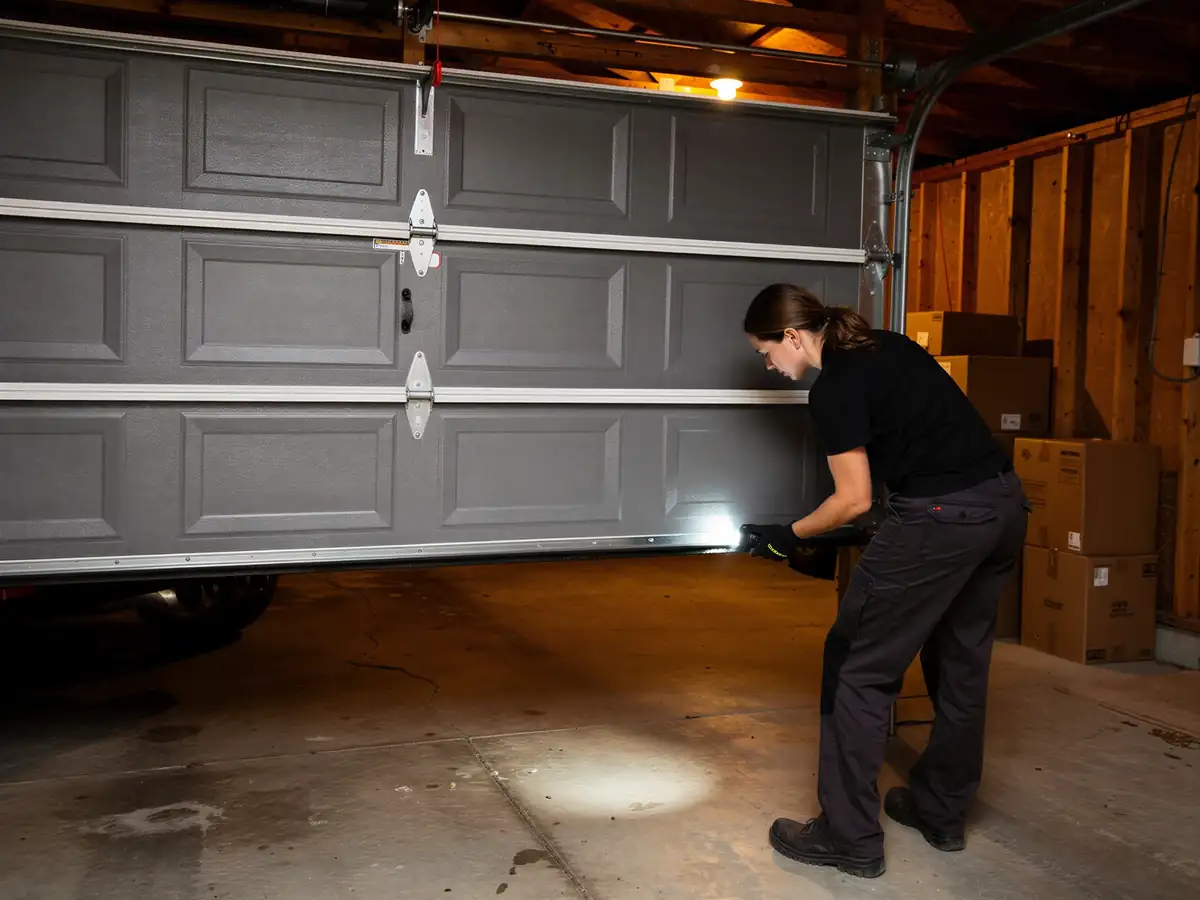
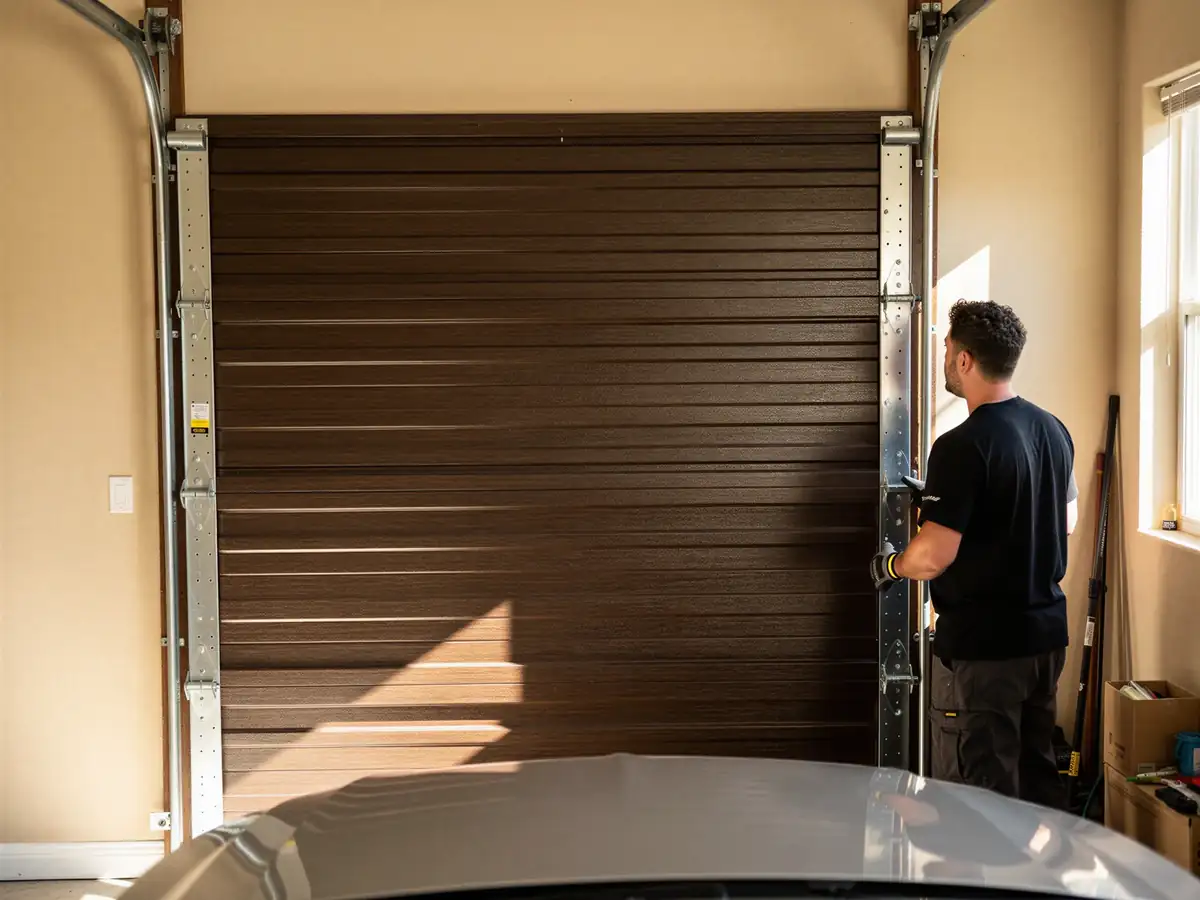
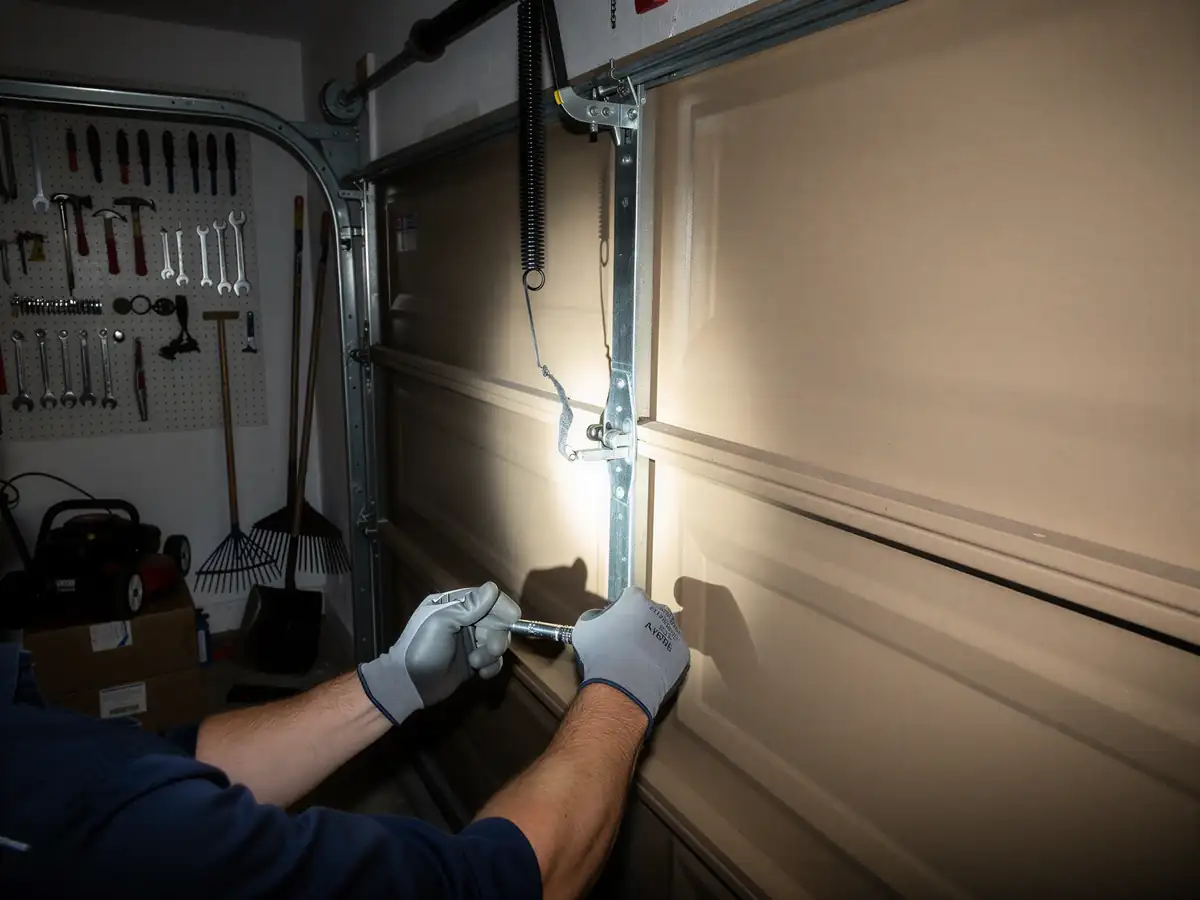
We start by identifying the panel profile and checking whether it's still manufactured or needs a compatible match - on doors built before the 1990s, that's not always a given. If the rest of the door is sound, we replace the damaged section, check the hinges and rollers on either side of it, and re-test the door's balance before we leave, since a new panel on an unbalanced door will just dent again. If the door's track, hardware, or multiple panels are compromised, we'll tell you straight that panel replacement isn't worth the cost and full door replacement makes more sense long-term - we'd rather give you that answer up front than sell a patch job that doesn't hold. One limitation worth knowing: on the oldest doors in this housing stock, exact panel matches sometimes aren't available at all, and the honest fix is a new door rather than a mismatched repair.