The Houses Here
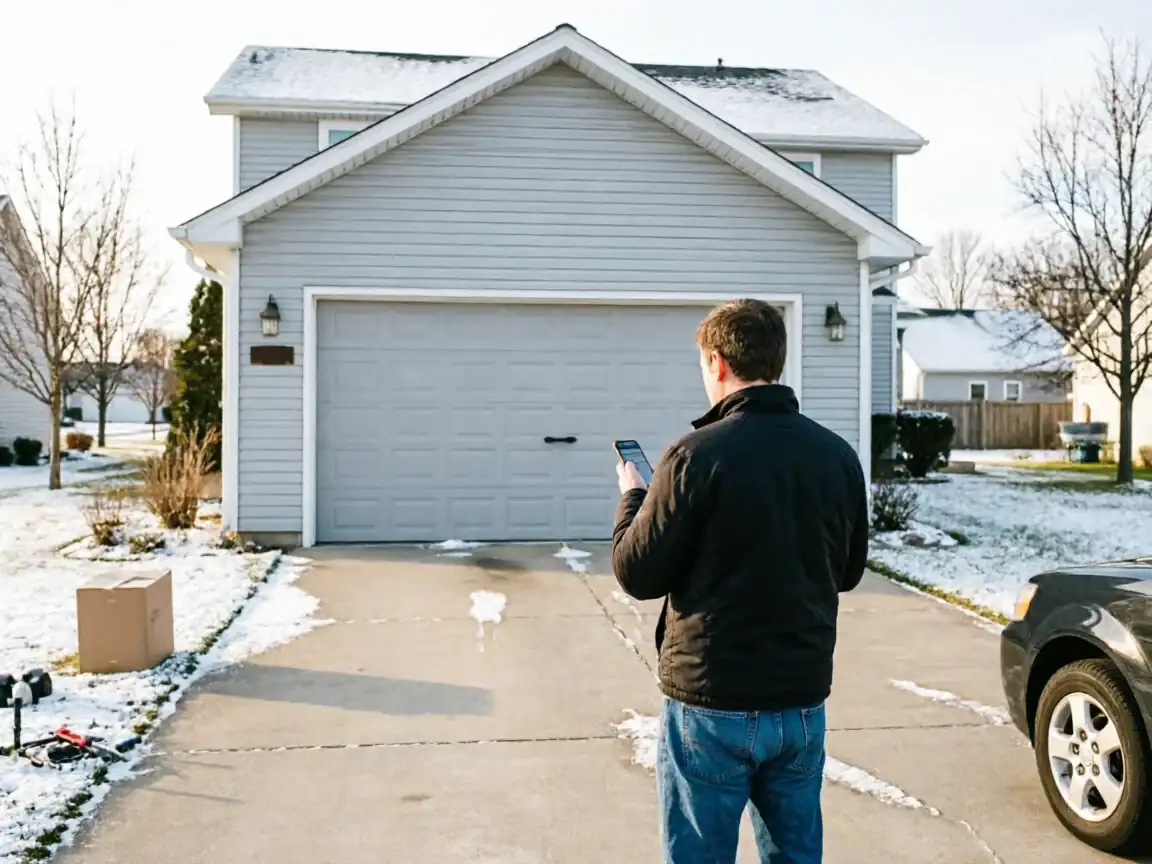
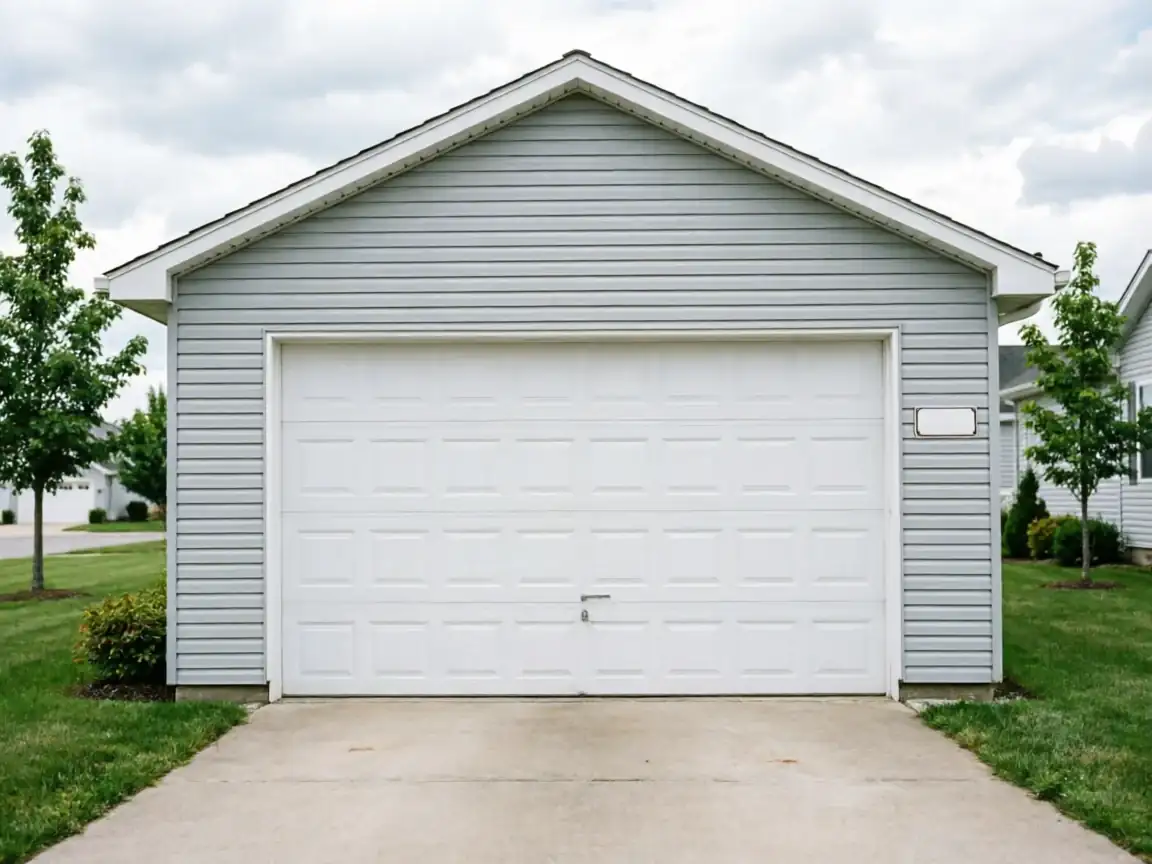
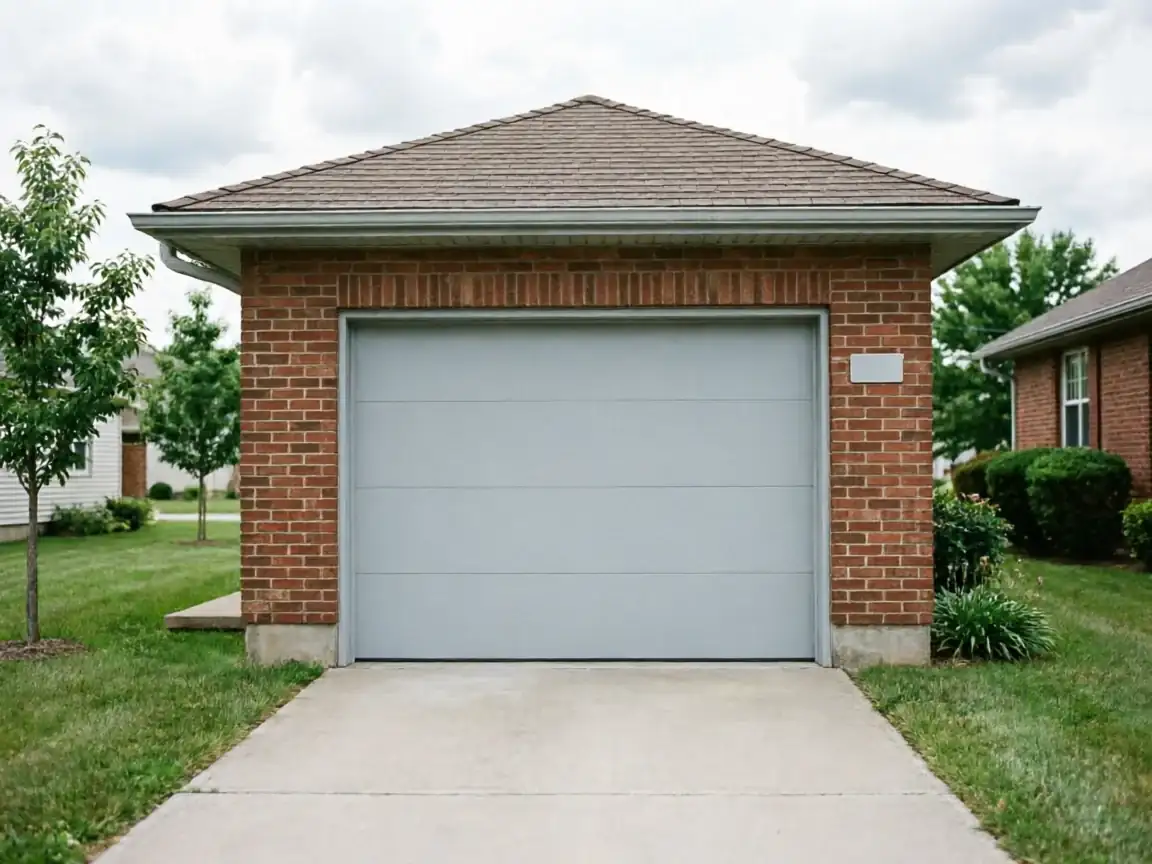
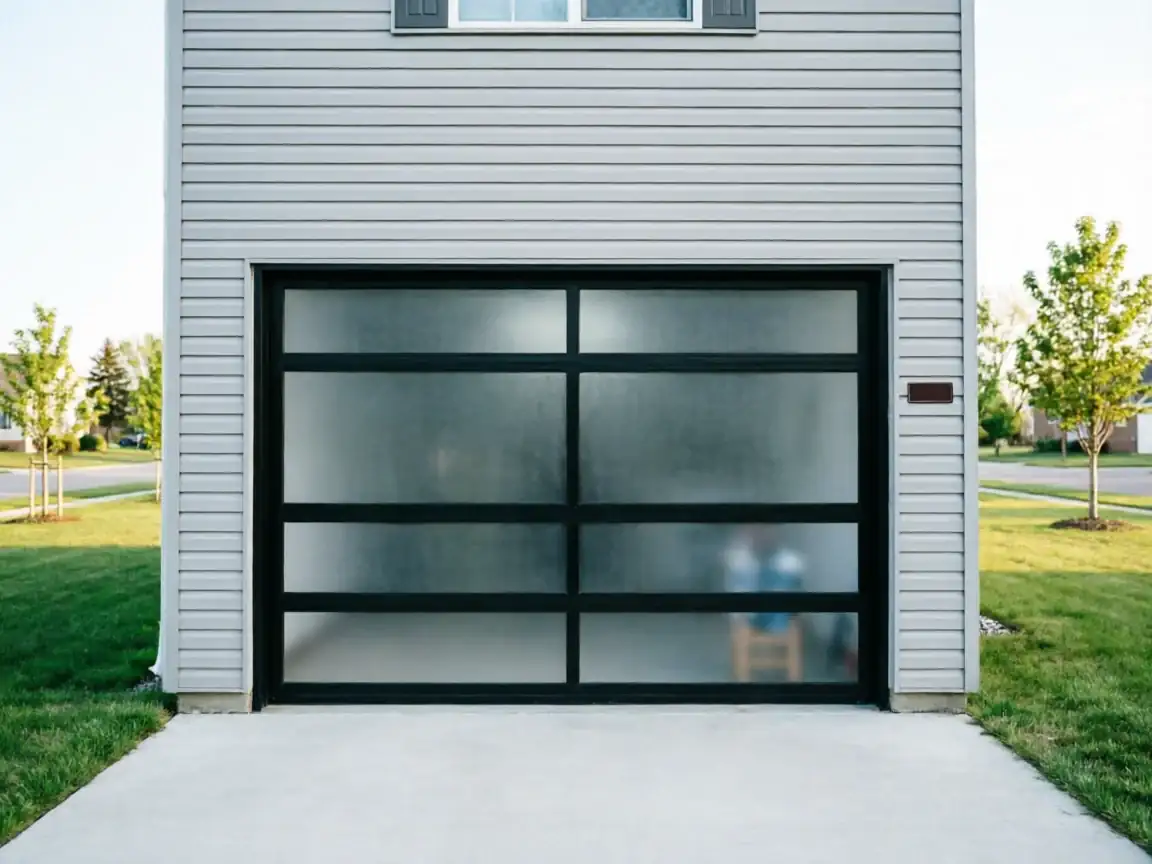
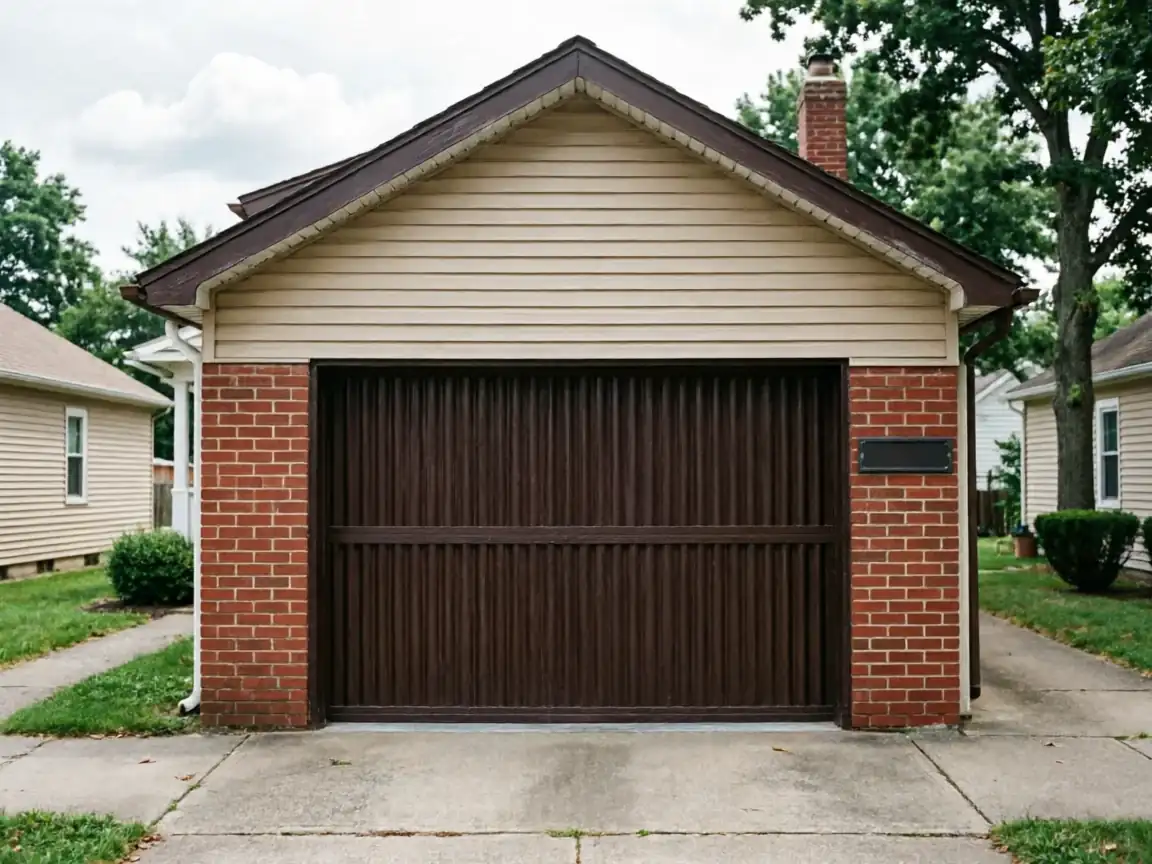
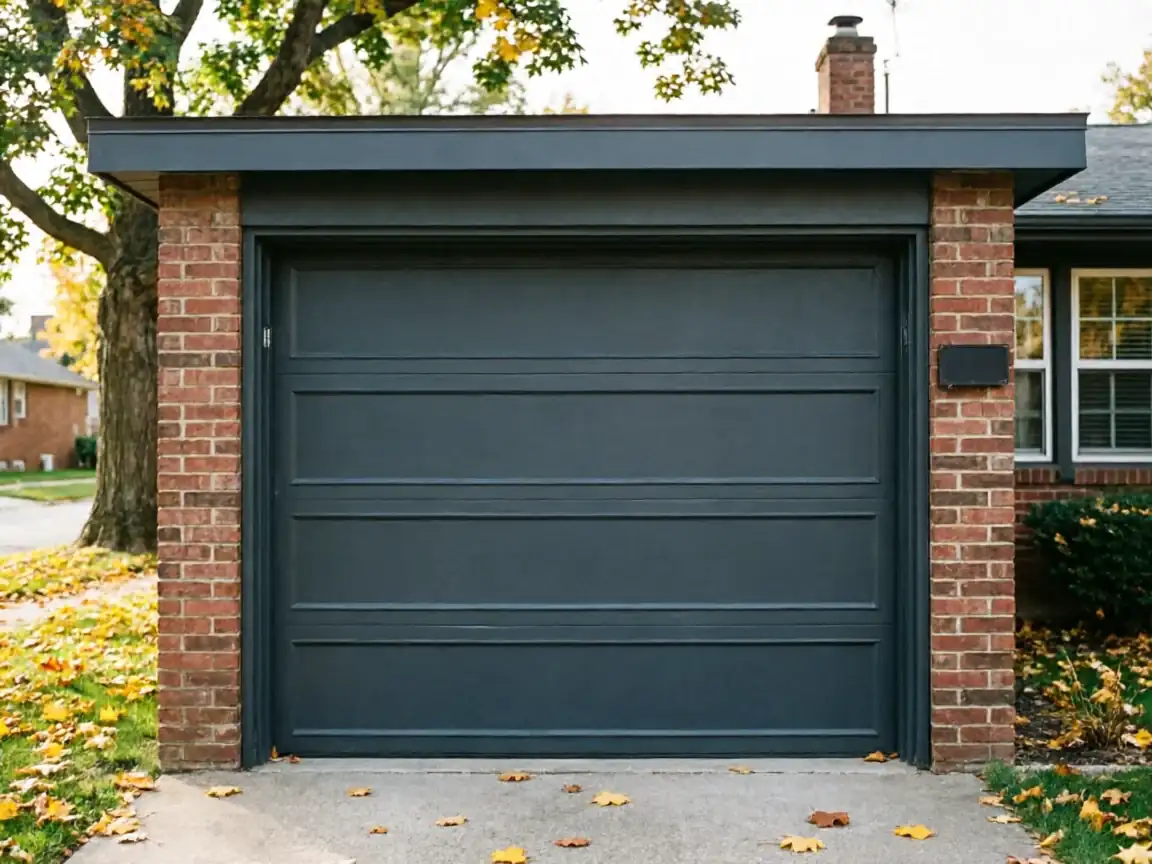
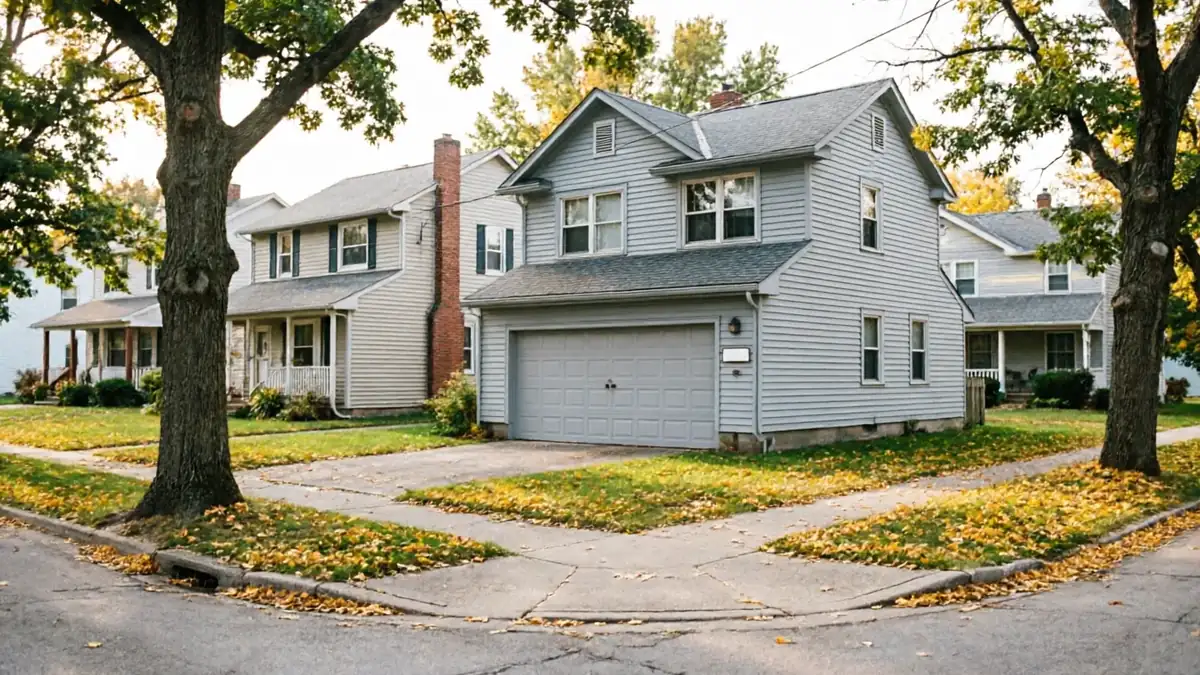
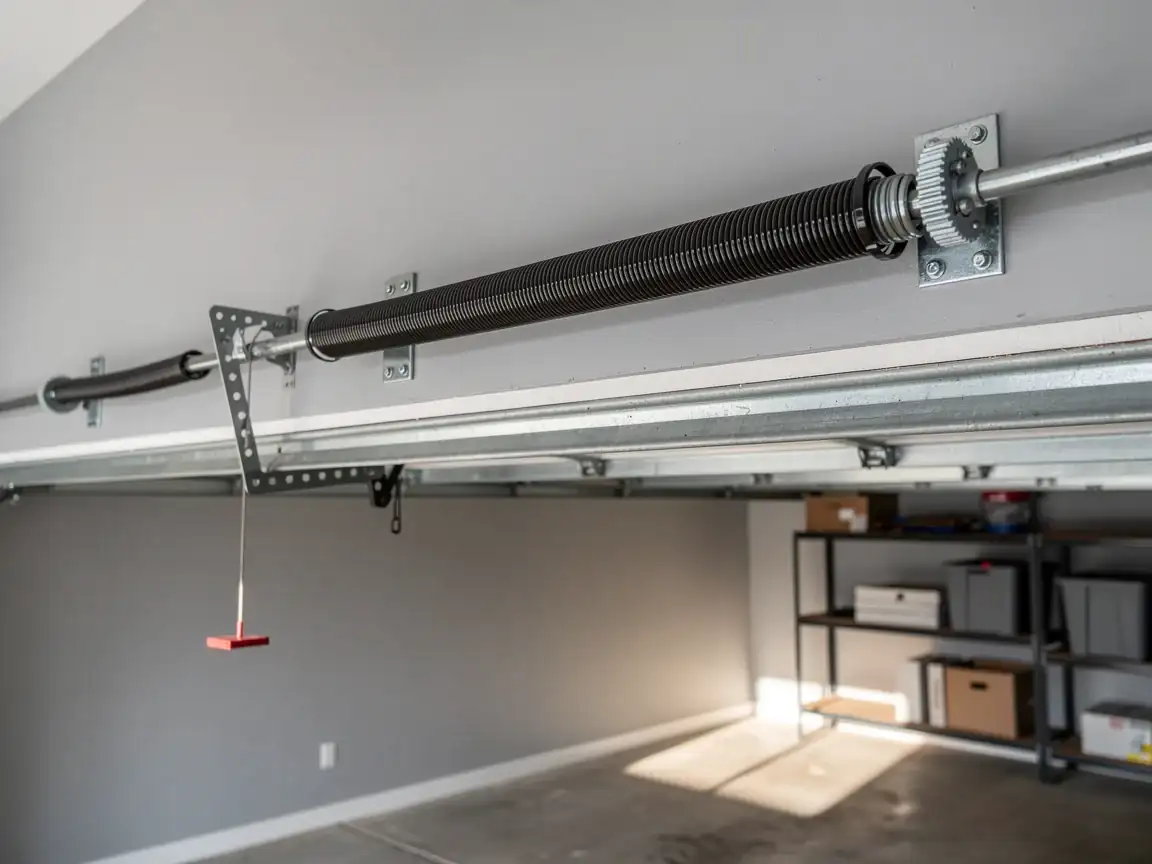
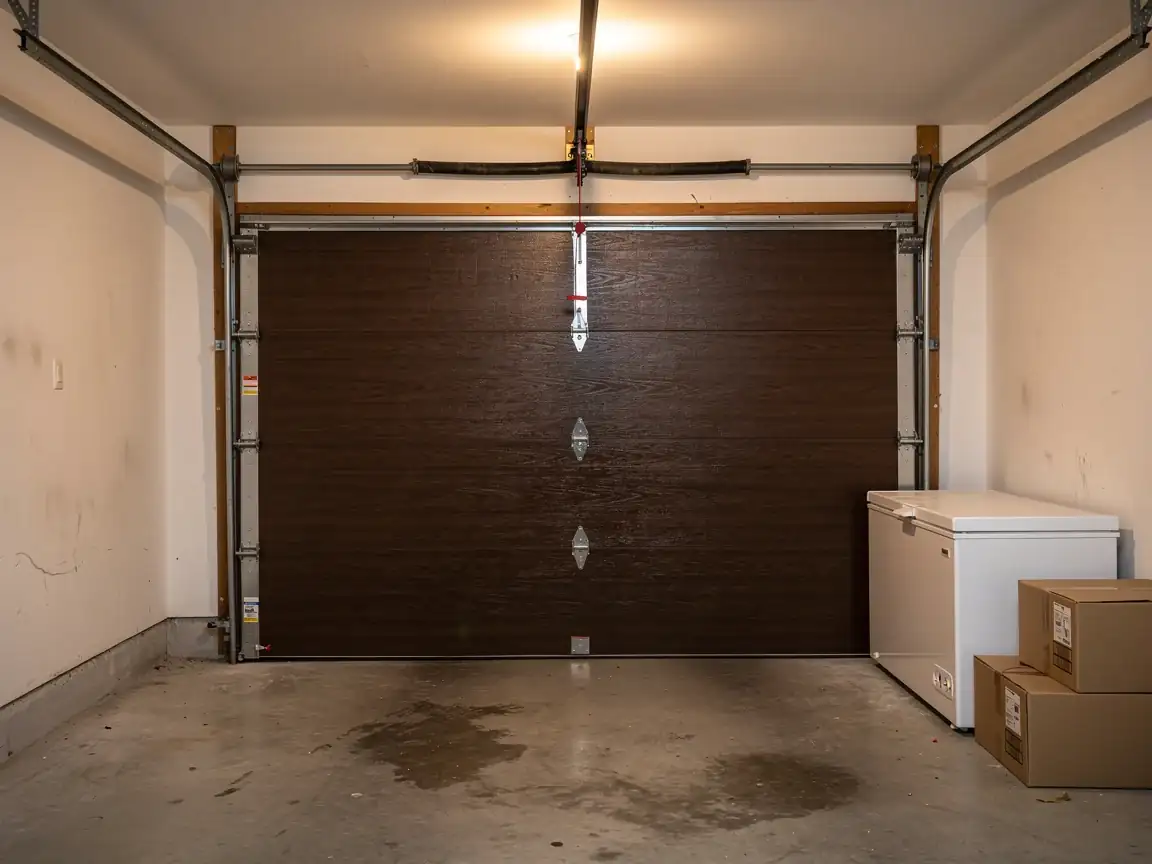
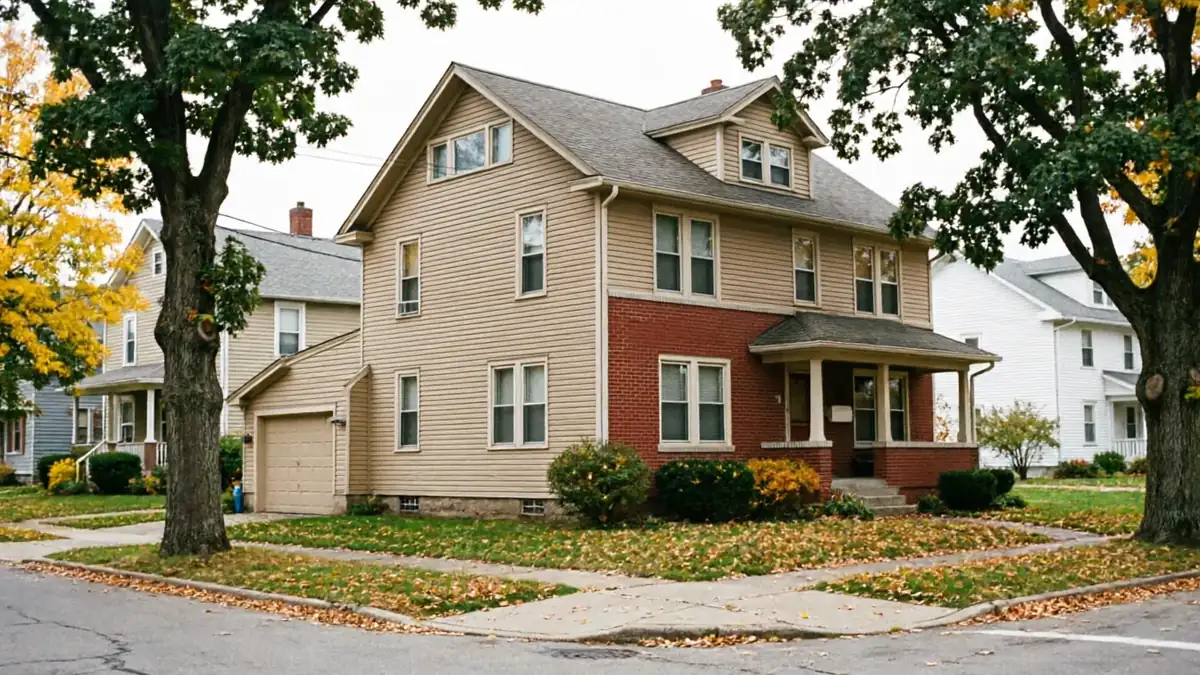
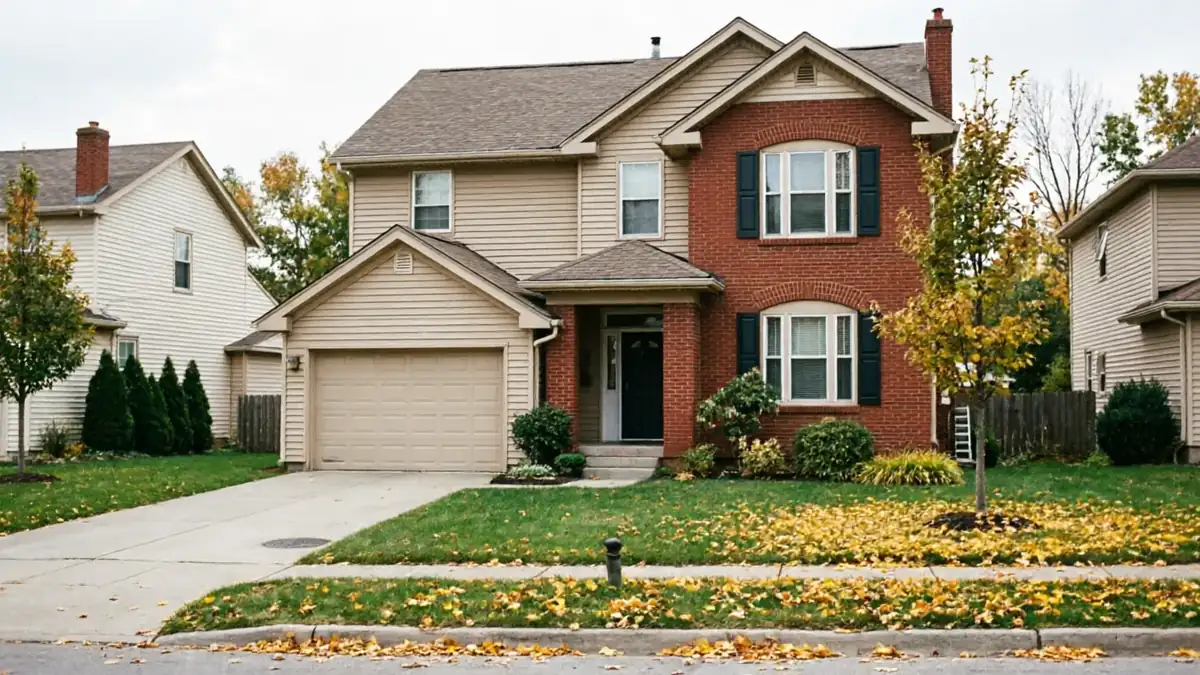
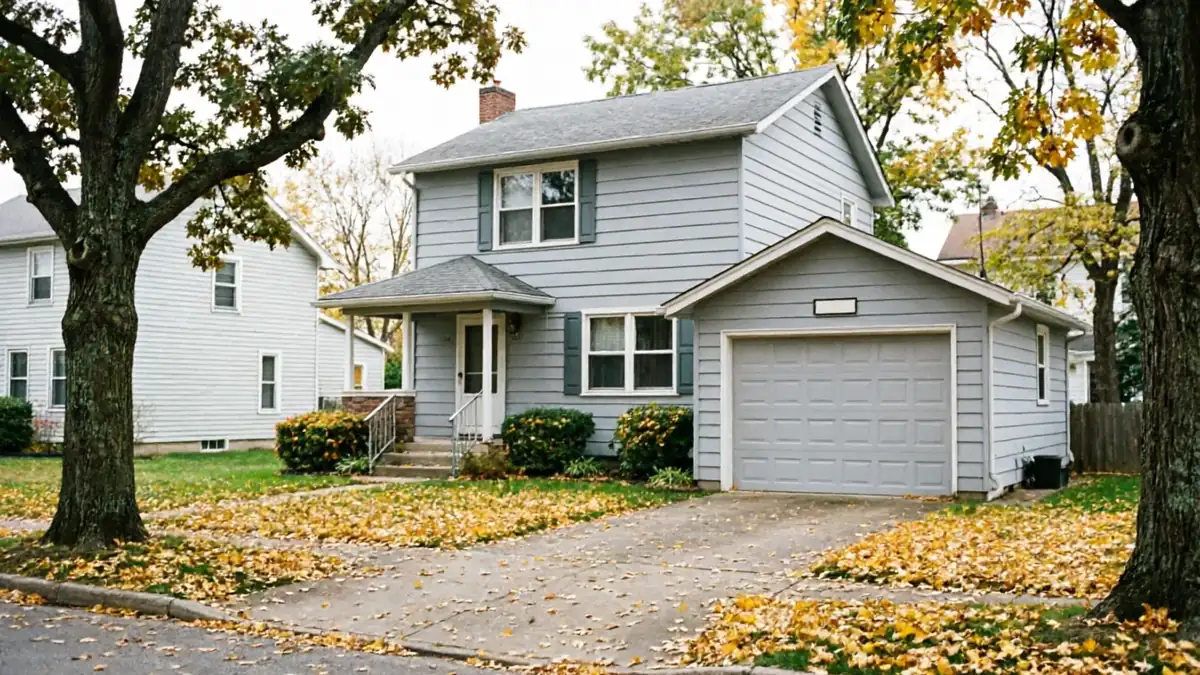
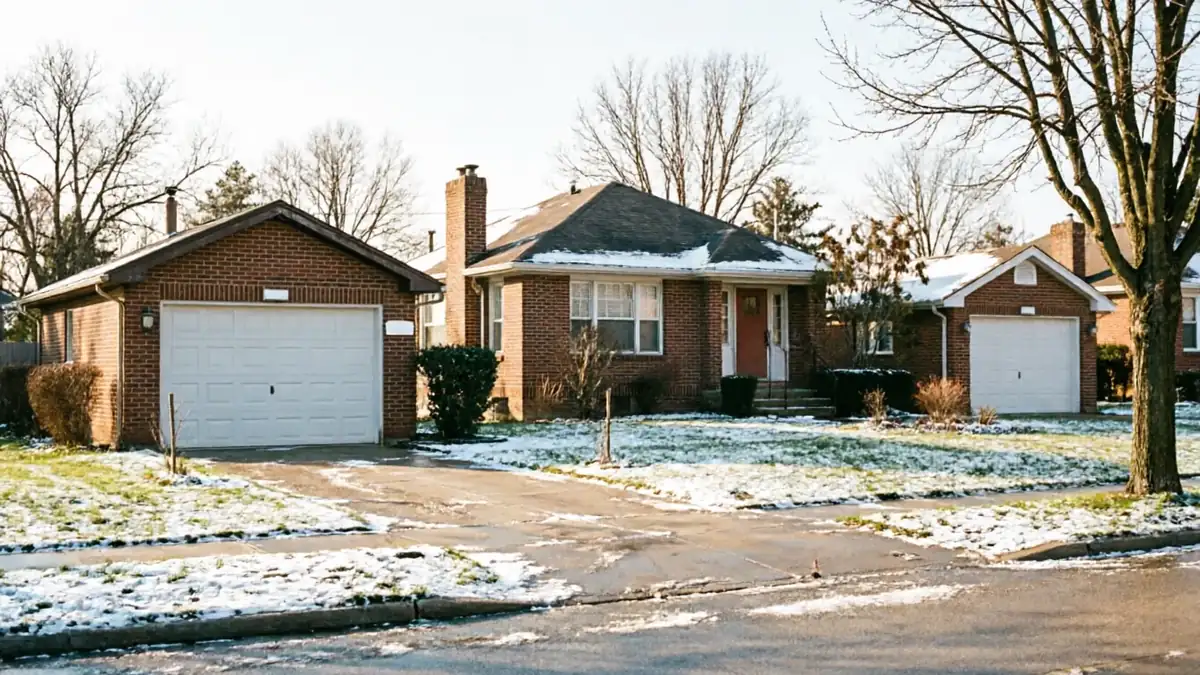
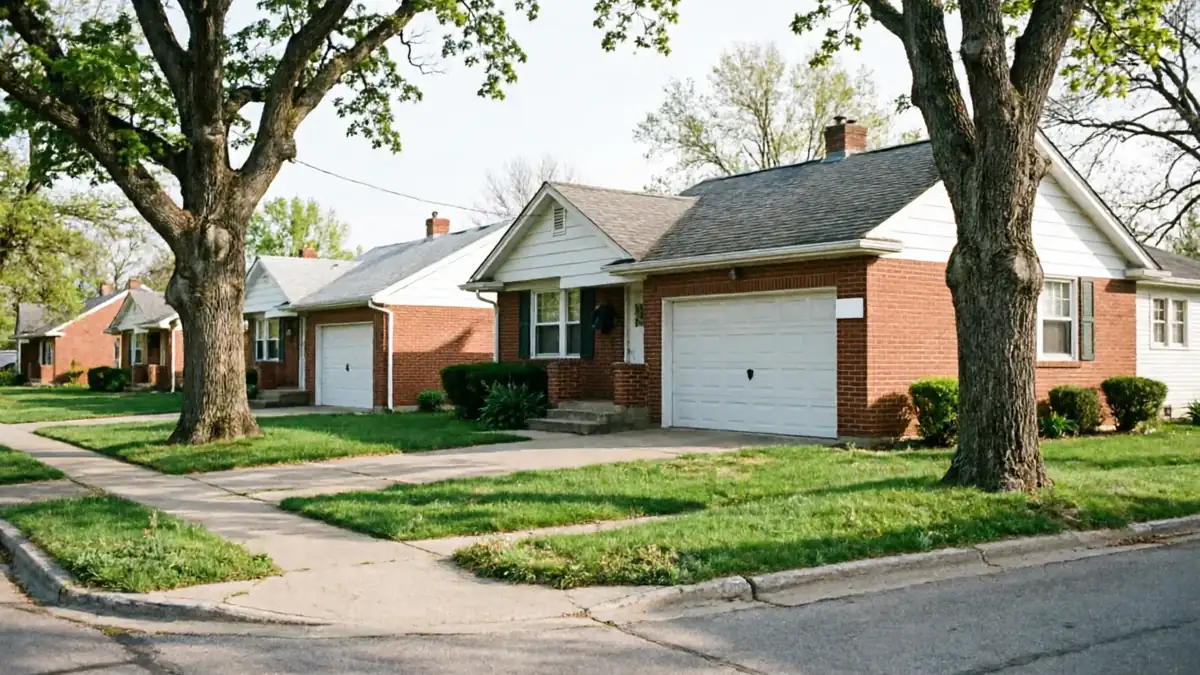
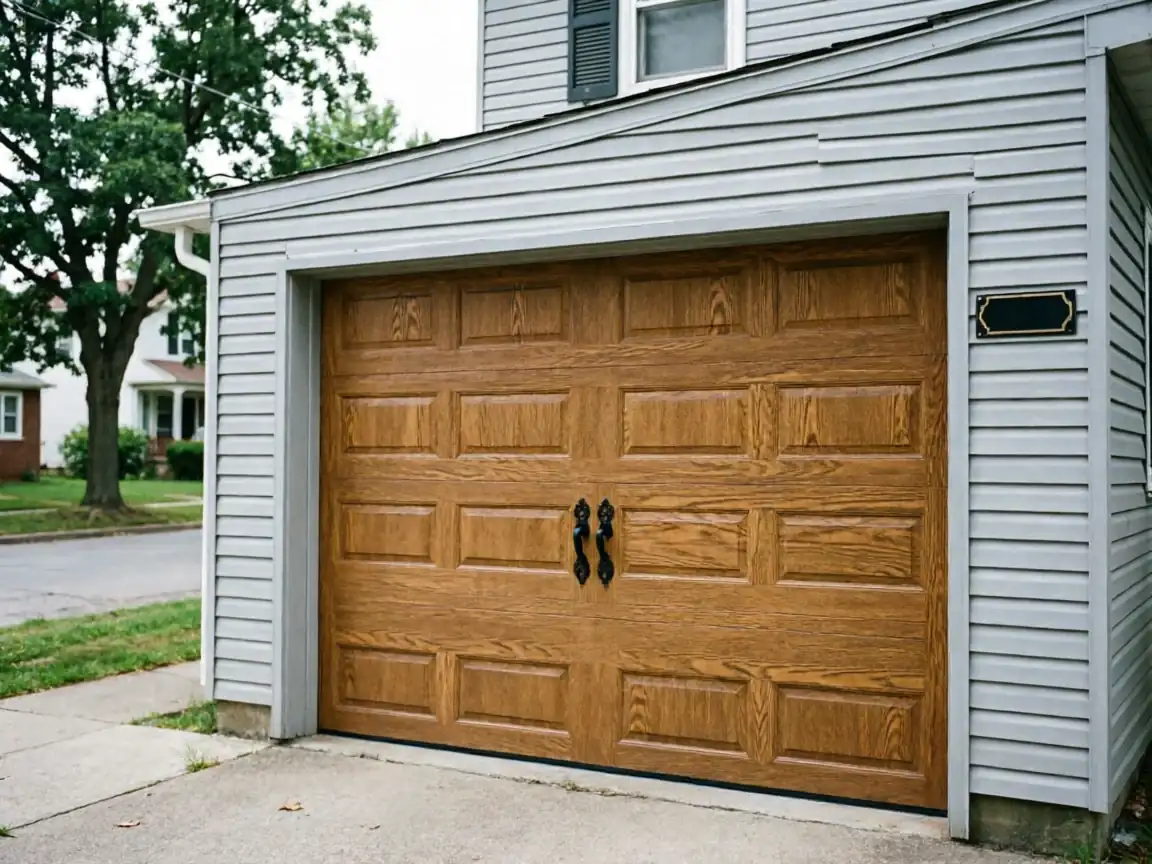
Brighton's housing stock skews newer than most of the territory we cover. The median build year here is 1984, a full decade past the 1973 median across the rest of our service area, where plenty of houses still date to the late 1940s. That matters more than it sounds. A house built in 1984 almost never has the heavy wood-panel door on side-mounted torsion hardware that shows up constantly in the older pockets we work. Instead you're looking at steel sectional doors, factory-matched torsion springs mounted on a center shaft, and openers that are more likely a second or third replacement than an original unit.
Brighton also runs higher on income than the broader territory - median household income here is $126,576 against $102,333 across the whole service area - and with about 6,855 households, it's a tighter, smaller market than some of the bigger named areas we cover. Newer construction plus higher household income tends to mean more two-car and three-car openers, more insulated doors, and fewer of the single-spring, single-car setups that dominate older neighborhoods.
Getting Here
Brighton sits about 18 miles out from our shop in Waterford, on the far edge of the territory we run trucks into. We don't keep a depot or a second location in Brighton - every job here means a truck making the drive from Waterford, same as it does for the rest of the outer communities on our list. That's worth saying plainly: if you're used to a company with a crew already down the street, that's not what this is. What it does mean is a tech who's worked the same make and model doors across dozens of communities between here and there, not someone guessing at a door style they've never seen.
We schedule Brighton calls the way we schedule any call from the far side of the territory - by what's broken and how urgent it is, not by a fixed daily route. A spring that's snapped and left a door stuck open gets priority over a routine tune-up, regardless of which town it's in.
What That Means for Doors
The territory sits in a severe cold climate band
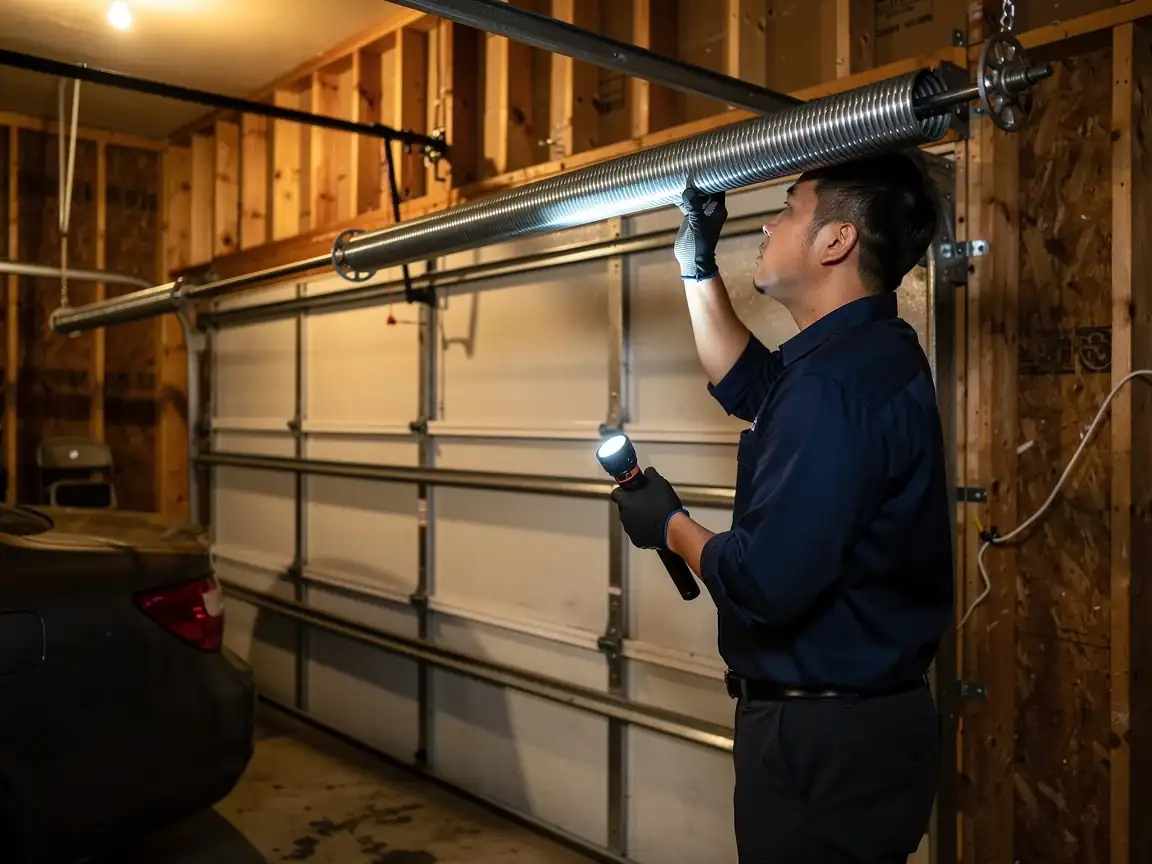
And that doesn't change house to house - winter is winter whether the door's from 1958 or 1988. What changes in Brighton is which parts take the cold worst. On a door built after 1984, the common failure points are the torsion spring losing tension after years of temperature swings, nylon rollers cracking and binding in the track once it's cold enough, and opener gear-drive sprockets wearing out faster than belt units. These are standard parts on standard hardware - nothing exotic, and nothing that needs a special order most of the time.
The honest limitation
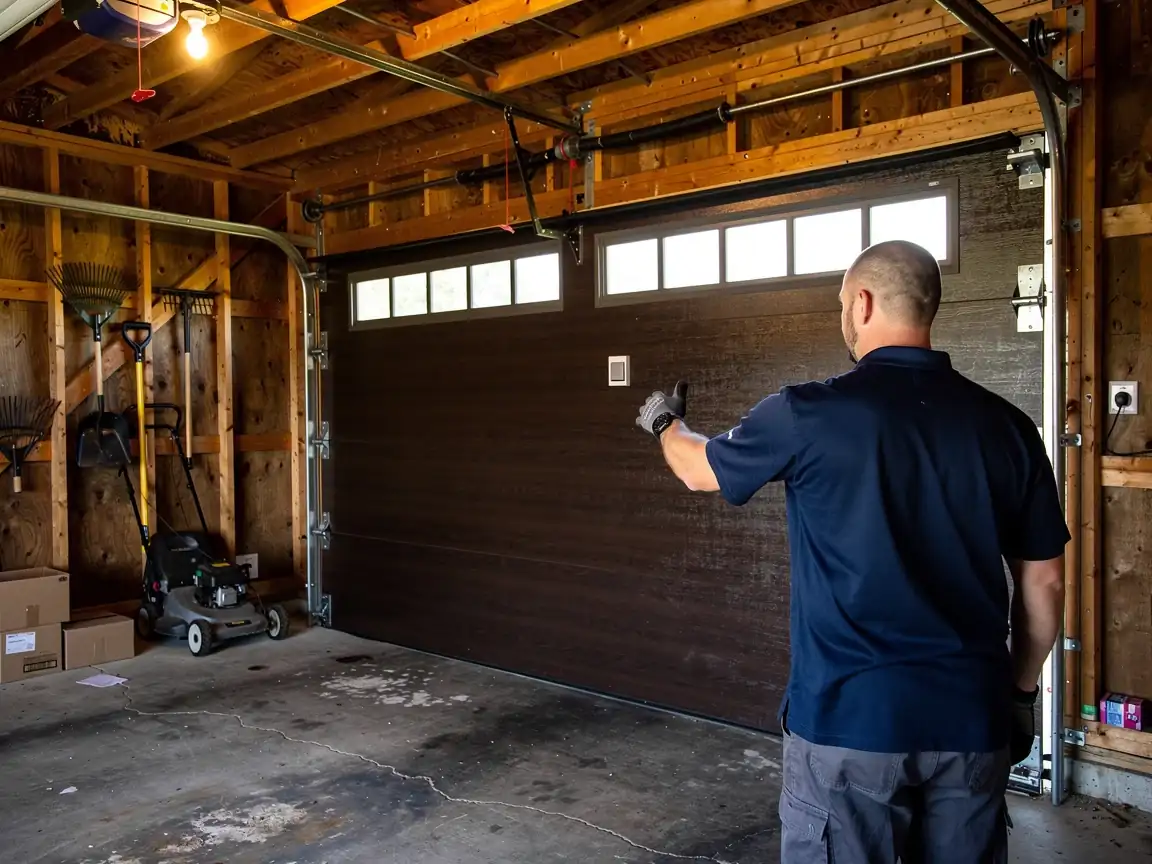
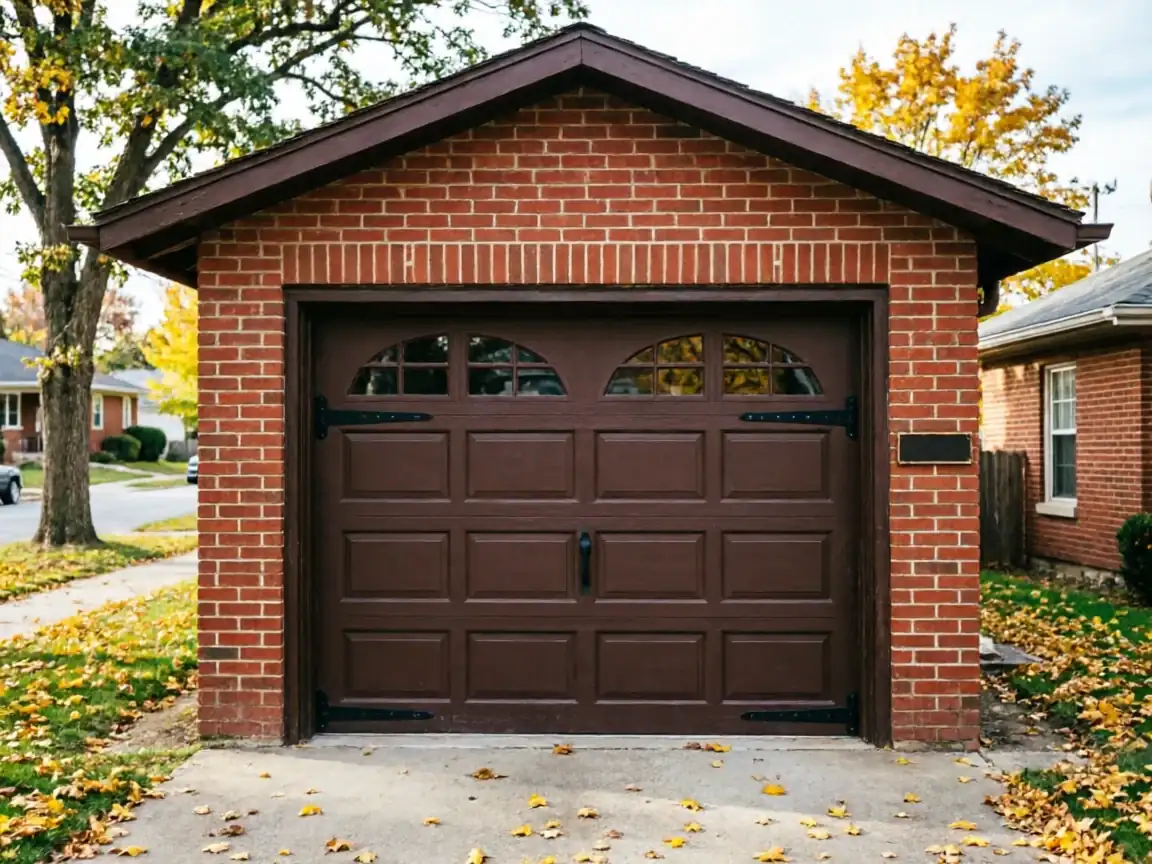
If a Brighton house happens to be one of the older holdouts predating the 1984 median - and a handful exist in any area - it may still carry an original heavy door on older spring hardware, and those parts aren't always on the truck. That's the same situation we'd flag in any neighborhood with a mixed build era, and it just means a second trip to source the part rather than a same-visit fix.
When We Can Get There
We don't promise a guaranteed arrival window for Brighton the way we might for addresses closer to Waterford - 18 miles each way adds real time to the day, and we're honest about that upfront rather than overpromising on the phone. What we do is work Brighton calls into the same-day or next-day schedule based on urgency: a door that won't close, or a spring that's let go and left the door unsafe to operate, moves ahead of a cosmetic panel swap or a routine spring replacement on a door that still opens fine.
If you're planning ahead - a new opener install, a full door replacement - there's more flexibility to pick a day that works, since nothing's broken and waiting a day or two doesn't put the garage at risk. For anything urgent, call and say what's actually happening with the door; that's what decides when the truck comes, not which of the named areas you're in.