Parts We Carry
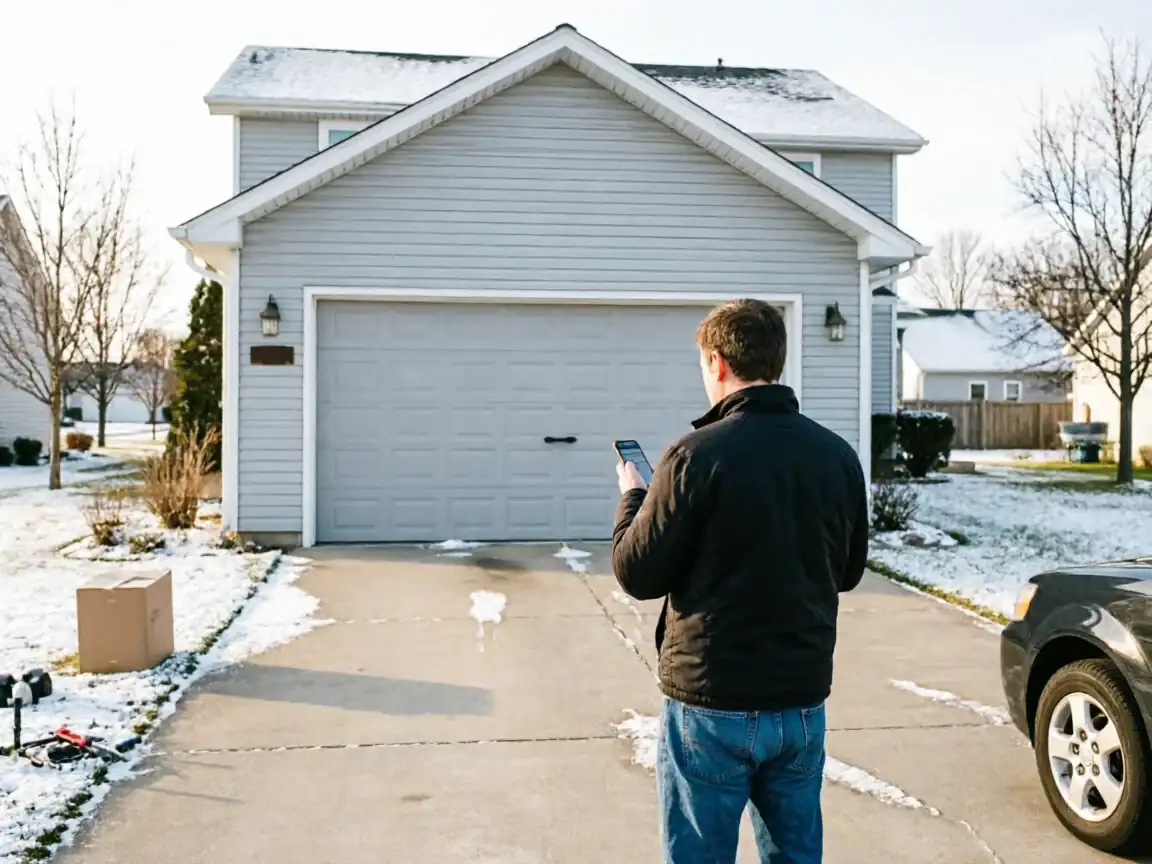
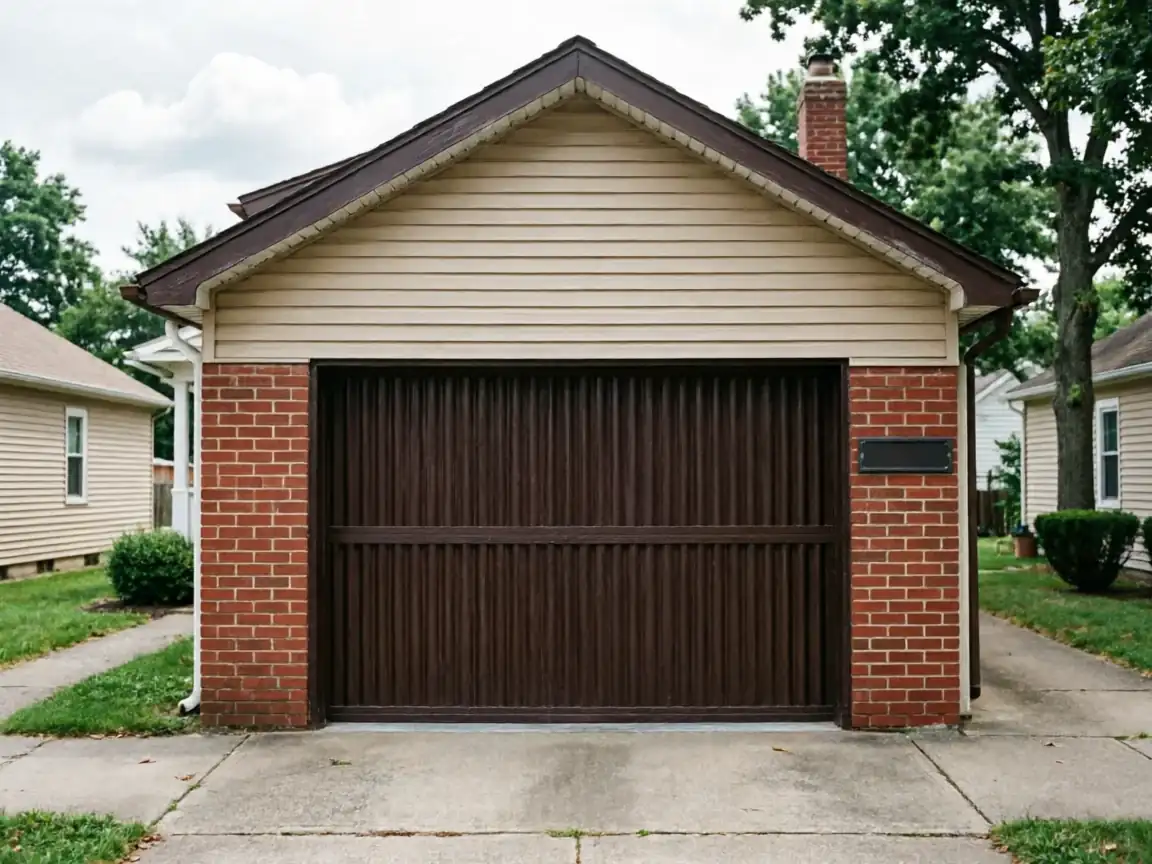
Most houses on this side of Brighton went up around 1984, which puts them a decade or more newer than the typical home across the rest of our service area, where the median build year sits closer to 1973. That matters because a lot of those original mid-80s garage doors are still hanging on their original hardware - the opener that came with the house, the springs that came with the house, sometimes the same steel panel. Nobody's replaced it because nothing's broken yet, or because the squeak got ignored for a few years too long.
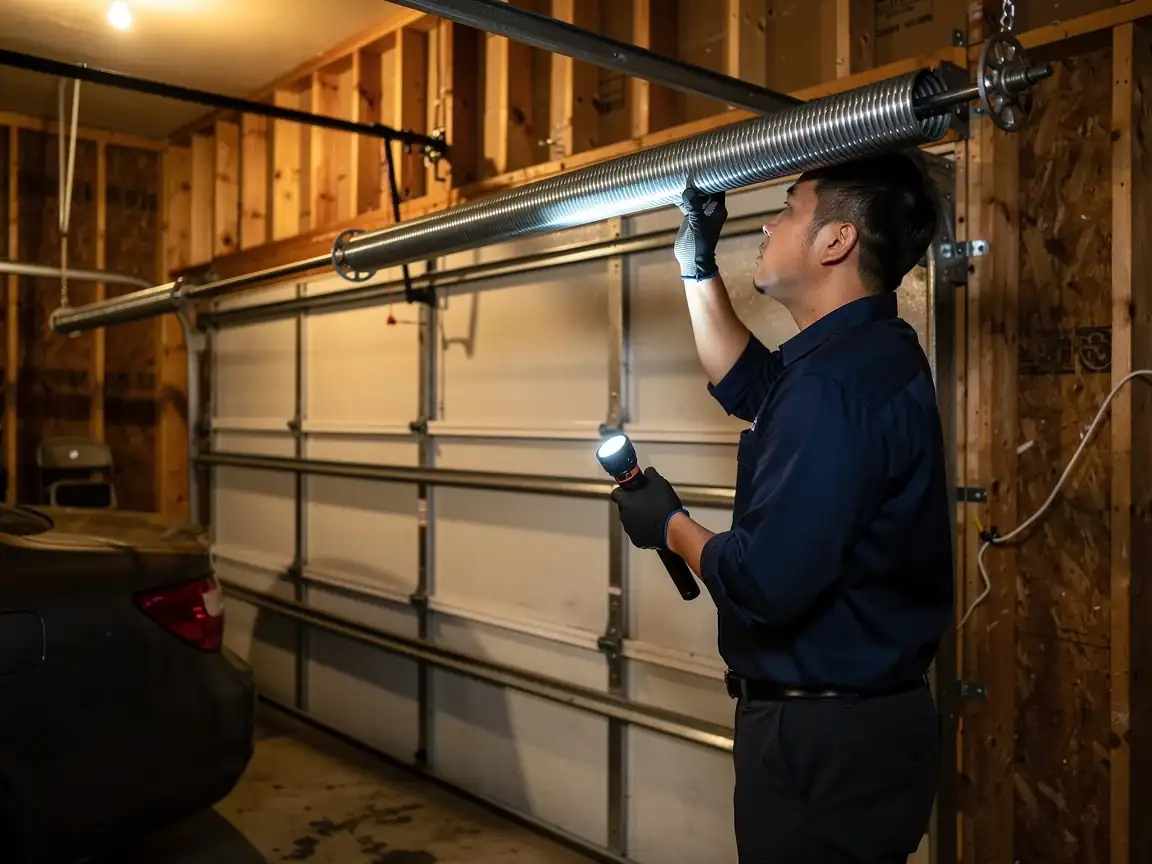
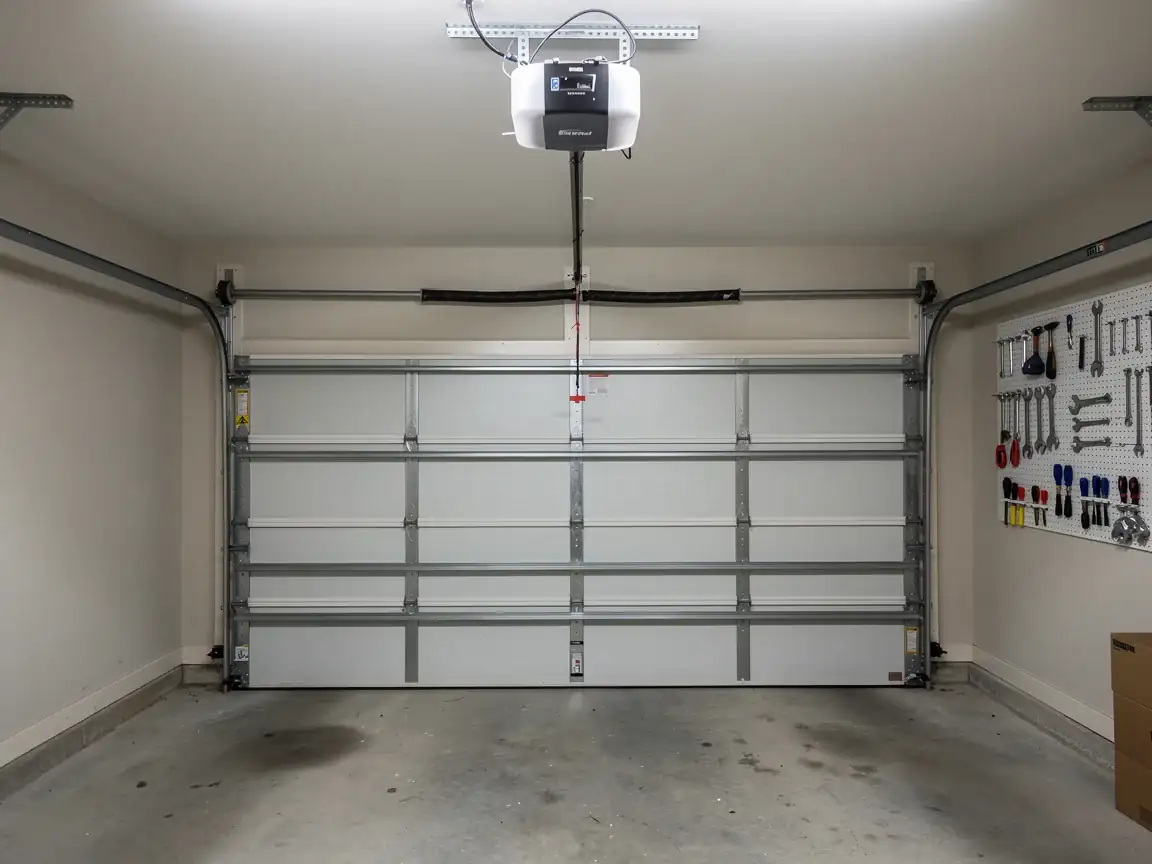
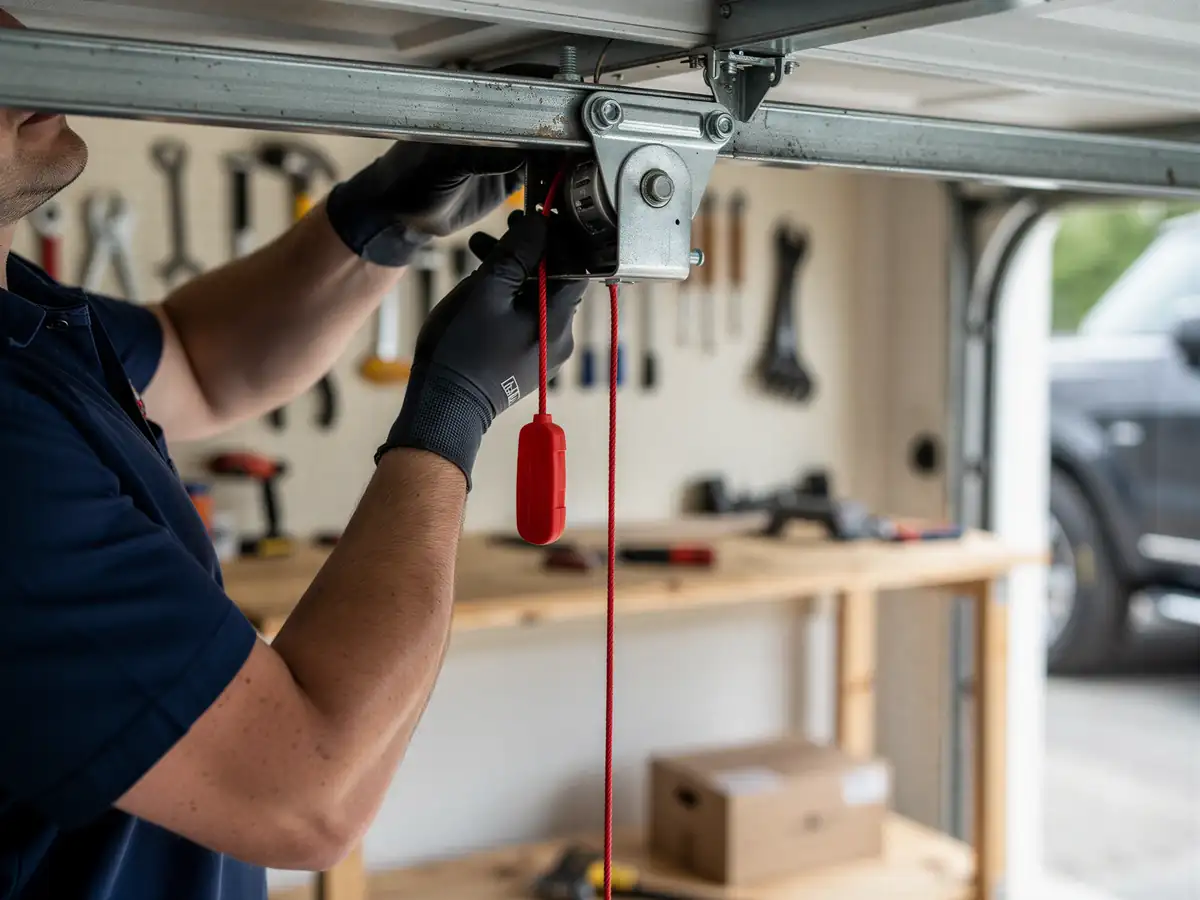
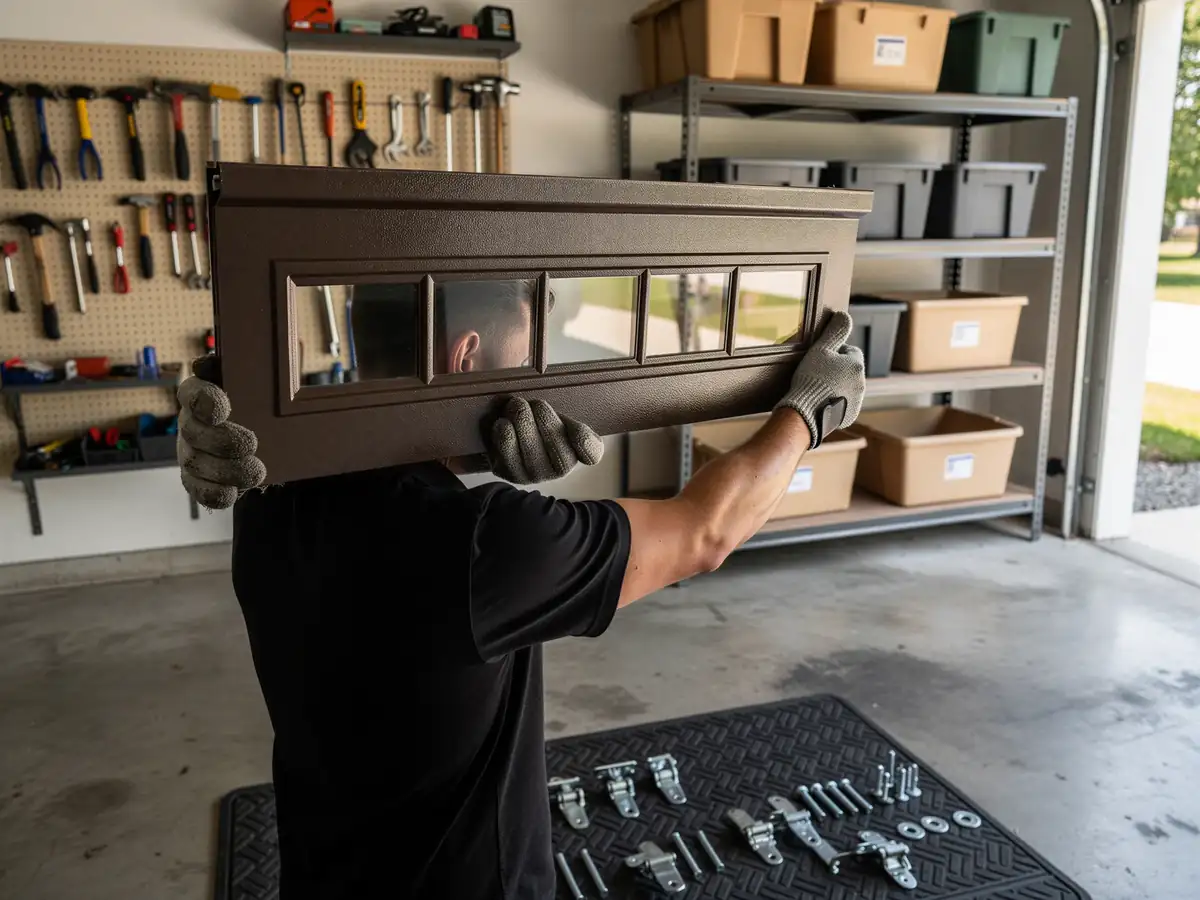
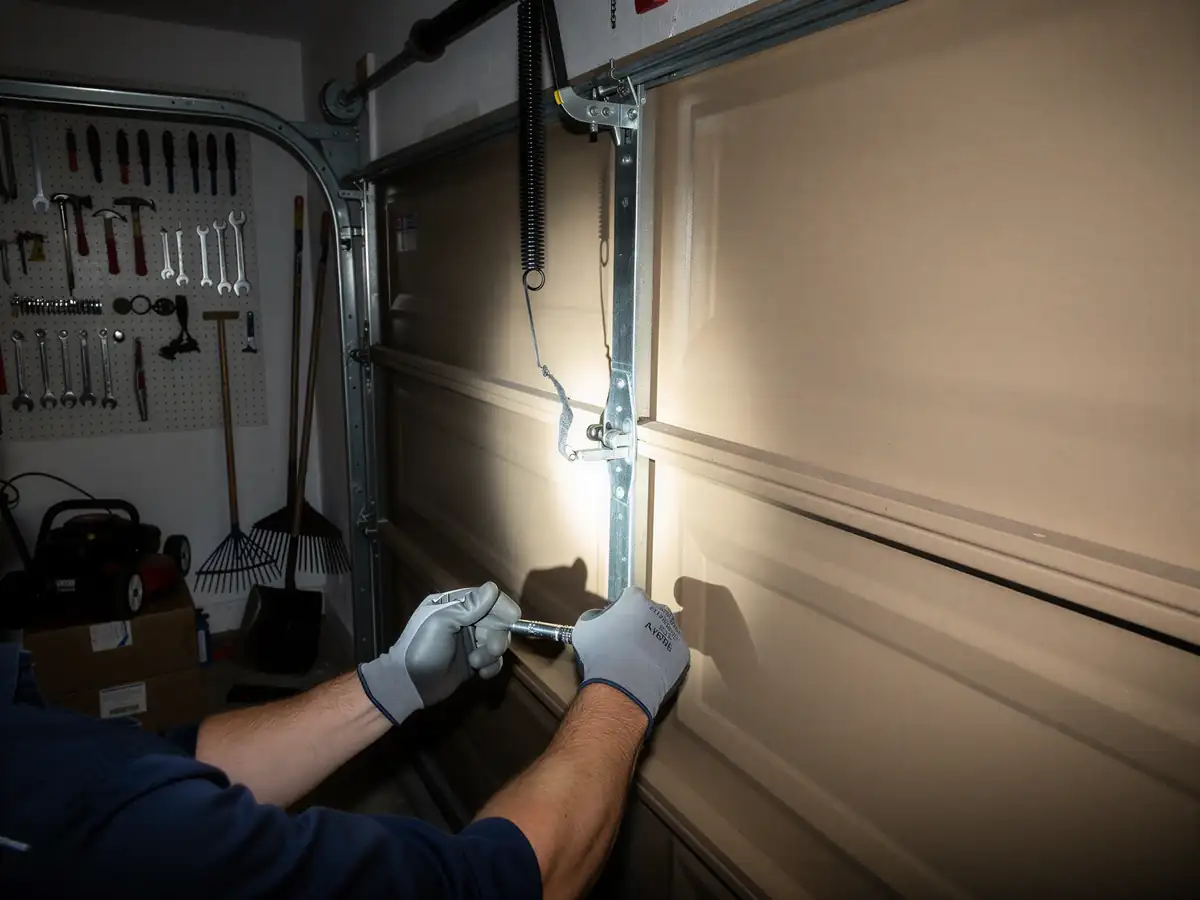
We carry torsion and extension springs sized for the openers and door weights common to that era, standard travel limit switches, and replacement drive gears for the chain and belt units that were typical builds in the 1980s. What we don't stock on the truck is anything custom - if a door was special-ordered with a nonstandard width or an odd panel height, that part has to be ordered, and that can add a few days. Brighton is 18 miles from our shop in Waterford, so we load the truck based on what the job calls for before we leave, not after we get there.
How Long It Takes
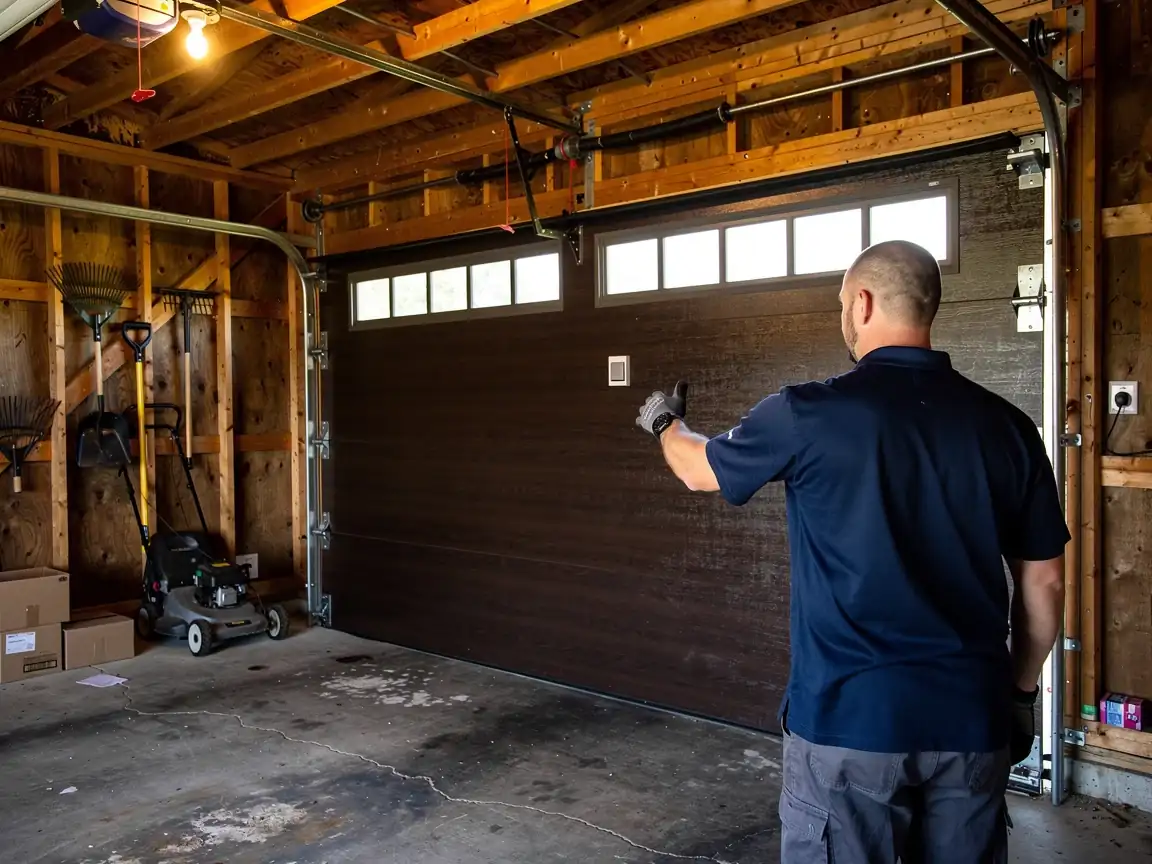
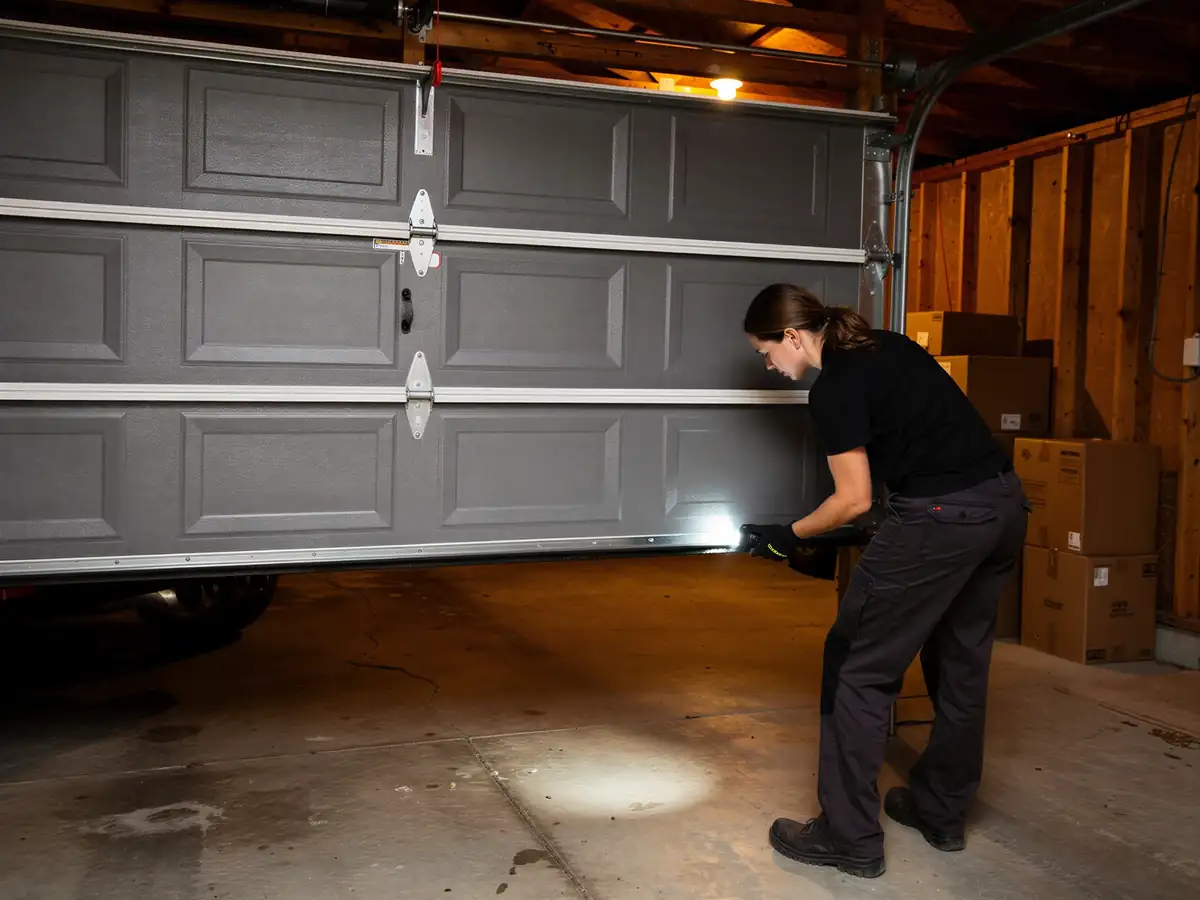
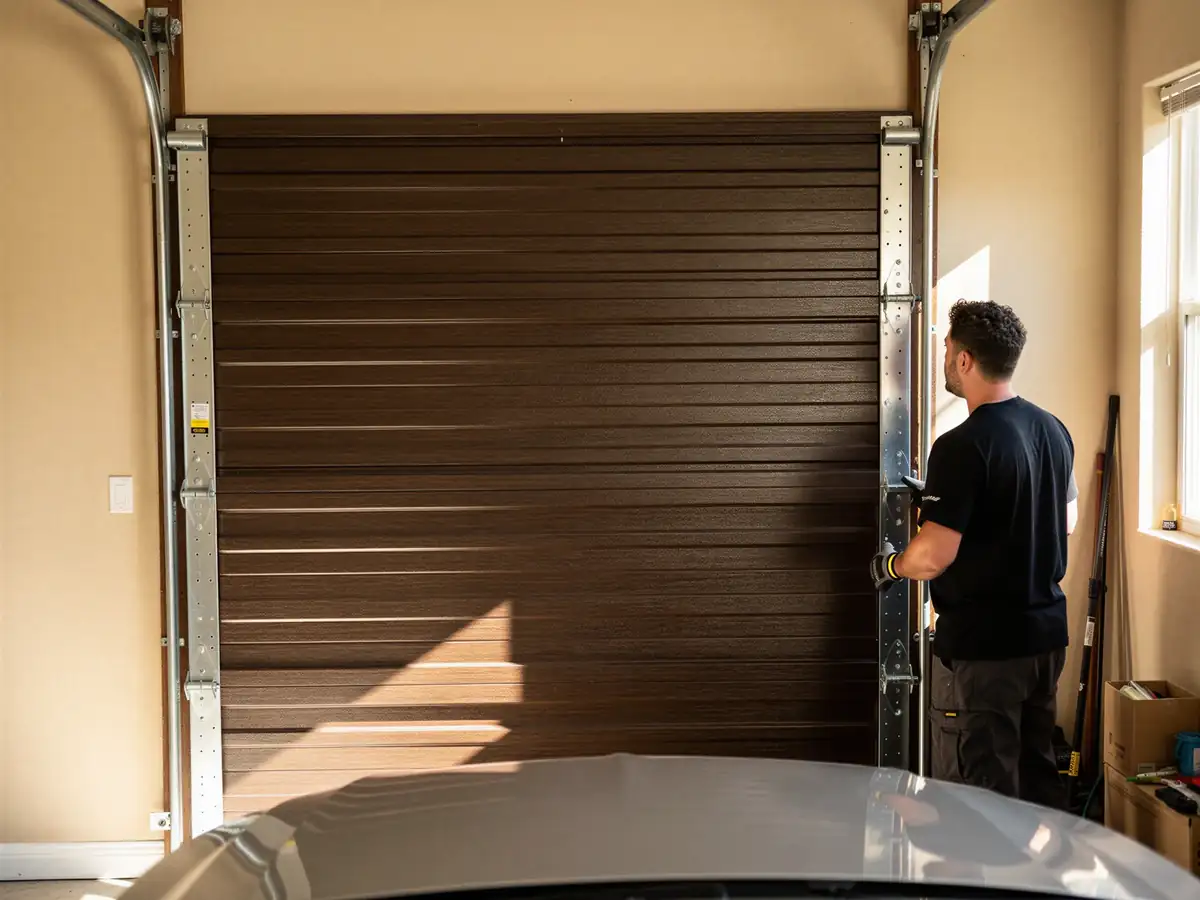
A spring swap or opener replacement on a standard 1980s-era door is usually a same-visit job once we're on site - the labor itself doesn't run long. The variable is the part. If your opener or spring is a size we carry, we finish that day. If the door needs a panel or a part specific to a builder package from that period, we're waiting on a supplier, and that's a second trip.
With 6,855 households in Brighton and a median income well above the area average, we see a fair number of owners who've had upgraded openers installed since the original build - newer belt-drive units, battery backup, that kind of thing. Those repairs tend to be faster because the parts are current. It's the untouched originals, still running on 1984 hardware, that take the extra day.
How It Shows Up
Winters here fall into the same severe cold climate band as the rest of the area
And cold is hard on a door that's 40 years old before it's hard on a door that's 10. The symptom is usually the same: the door gets heavier to lift by hand in January, the opener strains and makes a new noise, or a cable looks a little loose on one side where it didn't used to.
- 40 years
On houses from the 1984 build wave, we also see weatherstripping that's past useful life
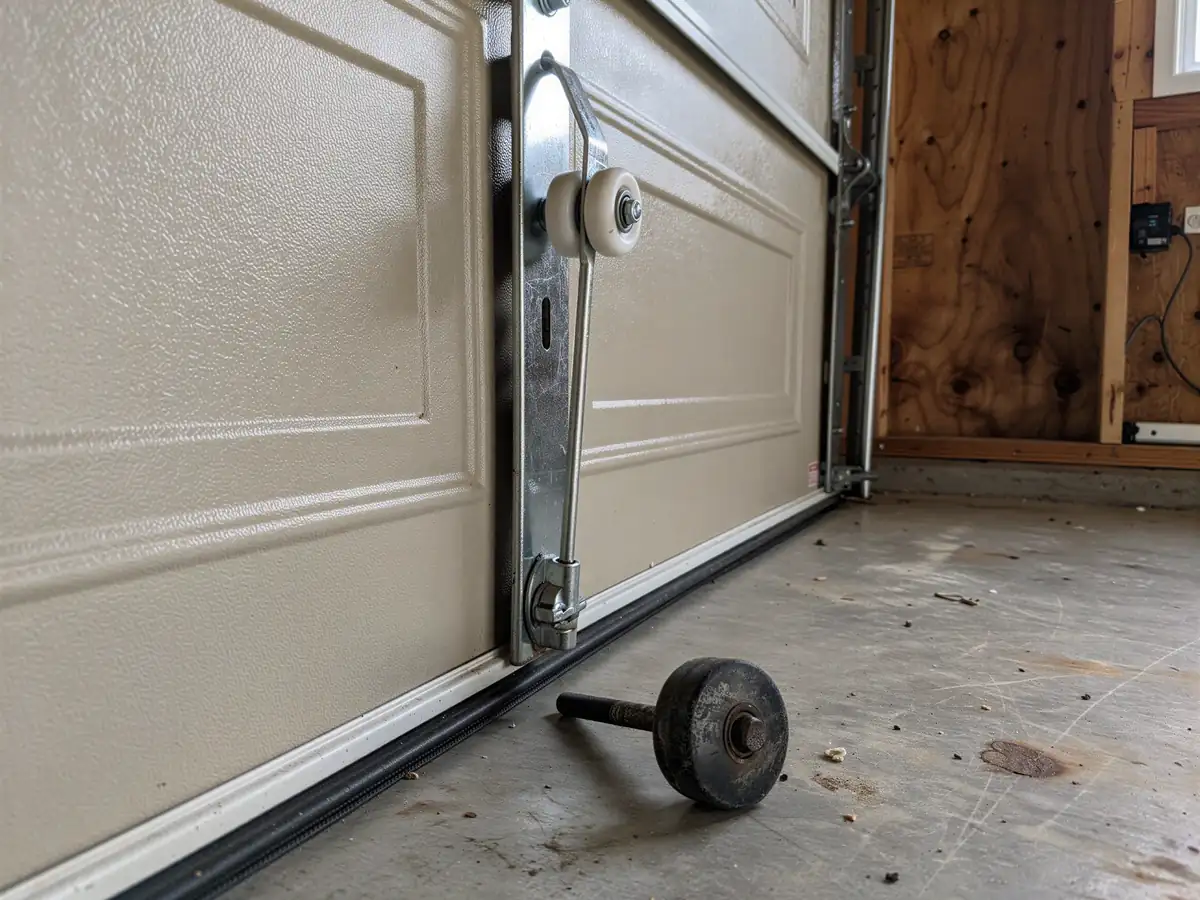
Not broken, just compressed flat and no longer sealing the way it did new. That's not an emergency, but it's the kind of thing that turns into ice buildup on the inside of the door over a cold stretch, which does then turn into an emergency. We'll flag it on a service call even if it's not what you called about.
Booking a Visit
We run this job from Waterford, about 18 miles out, so we schedule Brighton calls around the route rather than promising a specific arrival window at booking. Tell us the age of the house if you know it and what the door is doing - won't open, opens but won't close, loud bang and now it won't move - and we'll bring the right springs and hardware sizes for a mid-80s build rather than guessing on site.
If you're not sure what's wrong, that's fine too. A quick description of the noise or the moment it quit is usually enough for us to narrow down whether it's a spring, a cable, or the opener itself before we ever load the truck.
Where This Job Goes Sideways
The repair that goes wrong most often on a house this age is a spring swap where the owner wants just the broken one replaced and not its matching pair. Springs on a torsion system wear as a set - if one let go at 40 years old, the other is close behind it, and a single-spring repair on an original pair usually means a second service call within a year or two. We'll tell you the honest math on that rather than just doing the cheaper job you asked for.
The other spot this goes sideways: once a door's springs, cables, and opener are all original to 1984, it's sometimes cheaper over the next five years to replace the whole door and opener together than to keep patching a system built before today's safety standards and insulation levels existed. We don't push that unless the numbers actually favor it - plenty of these original doors are still sound and worth keeping as is.