Parts We Carry
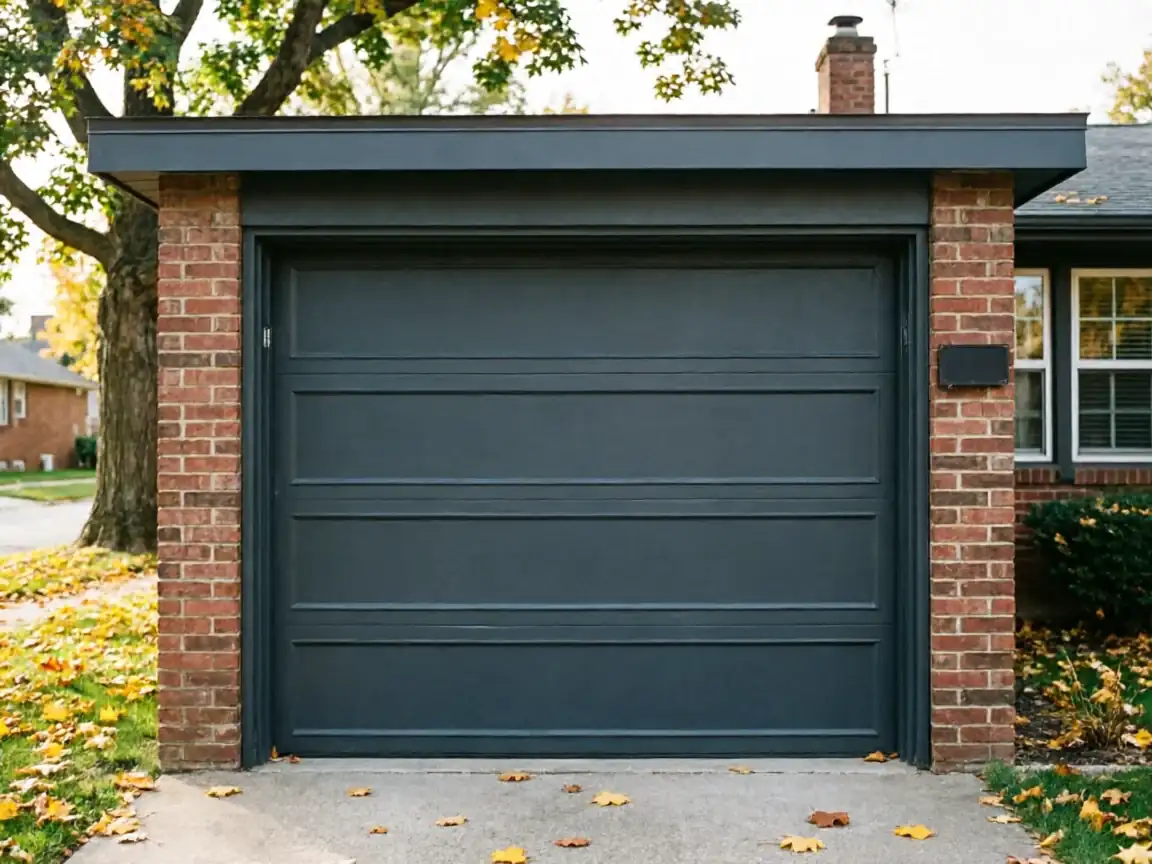
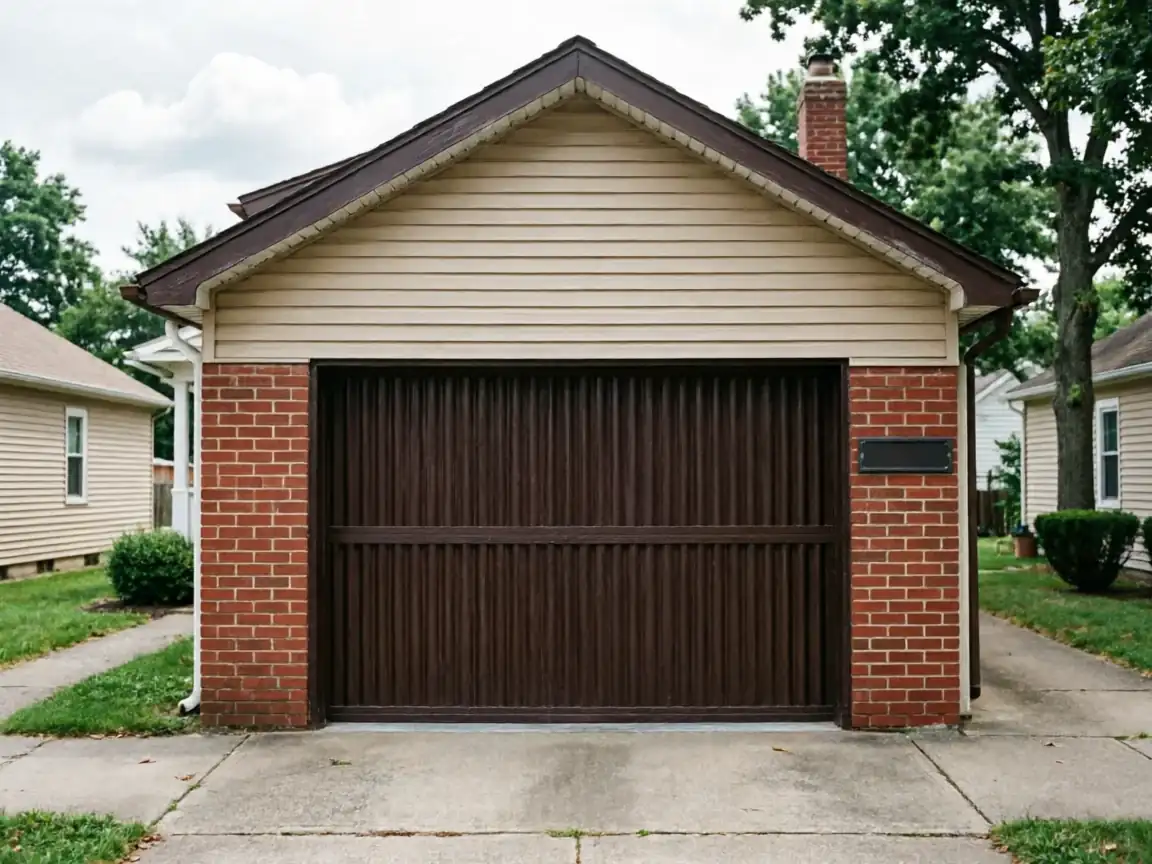
Brighton's housing stock sits later than most of what we cover out of Waterford - the area median year built is 1984, a solid decade past the 1949-1993 range that spans the rest of our territory. That matters for what's actually failing on your door. You're less likely to have the old lightweight steel panels or the obsolete extension-spring setups we see on 1960s builds elsewhere. Instead we're usually dealing with torsion springs that have simply run out their cycle count, nylon rollers that went brittle, and chain-drive openers from the original build that are 30-plus years old and starting to strip gears or lose alignment on the trolley.
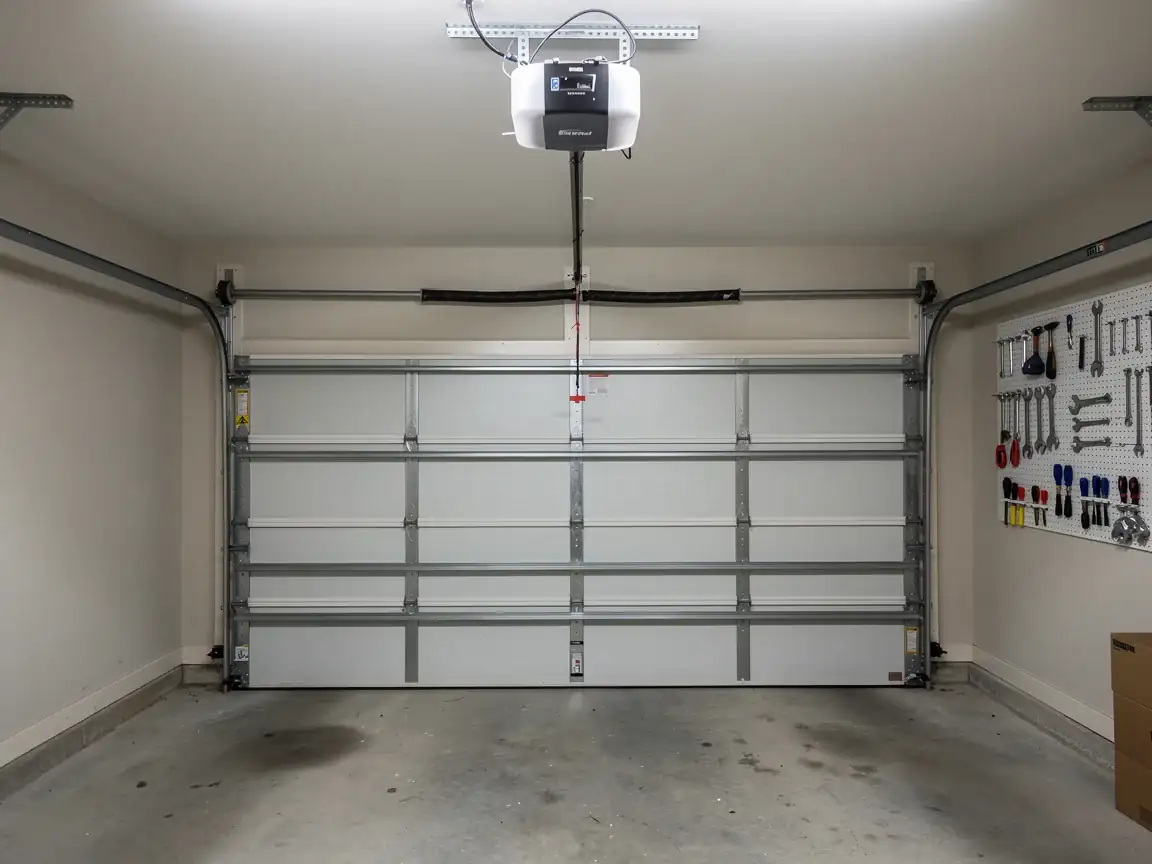
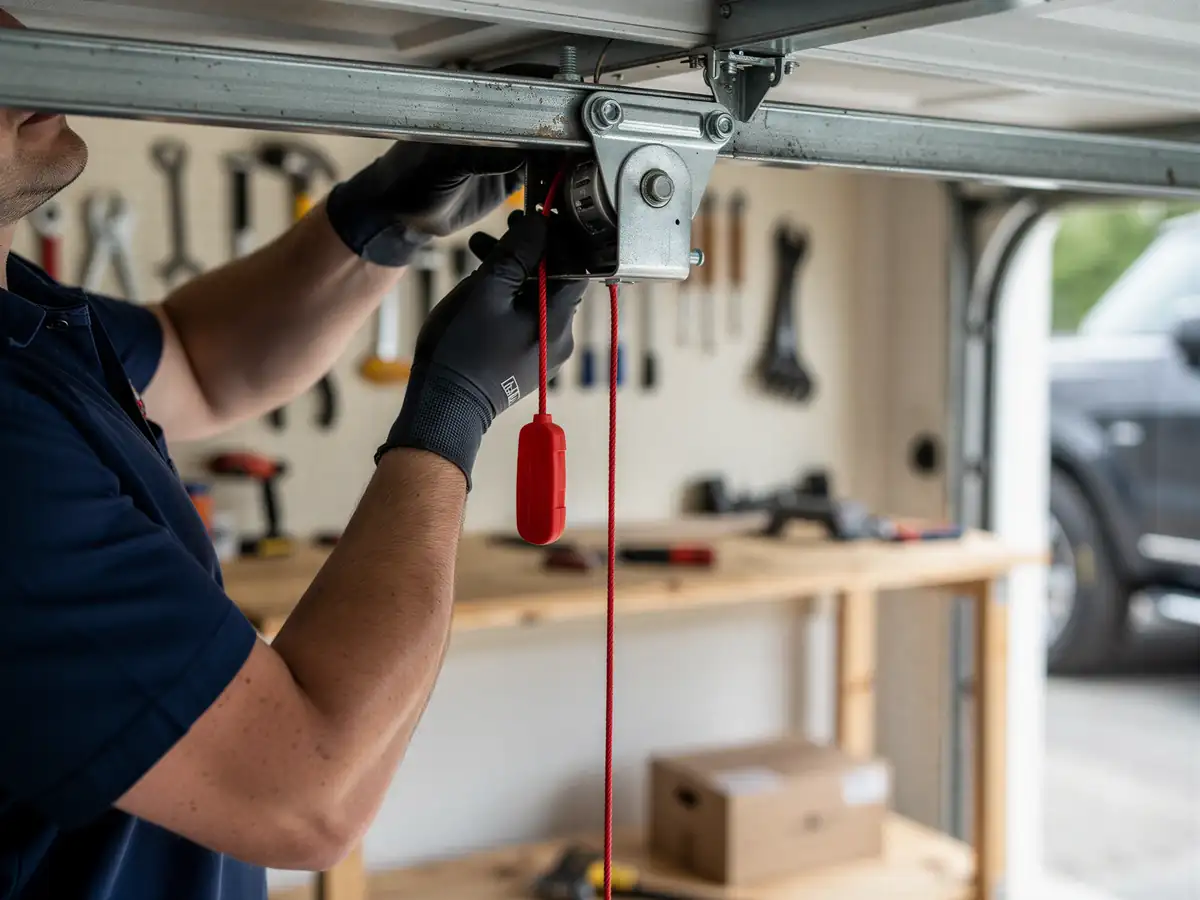
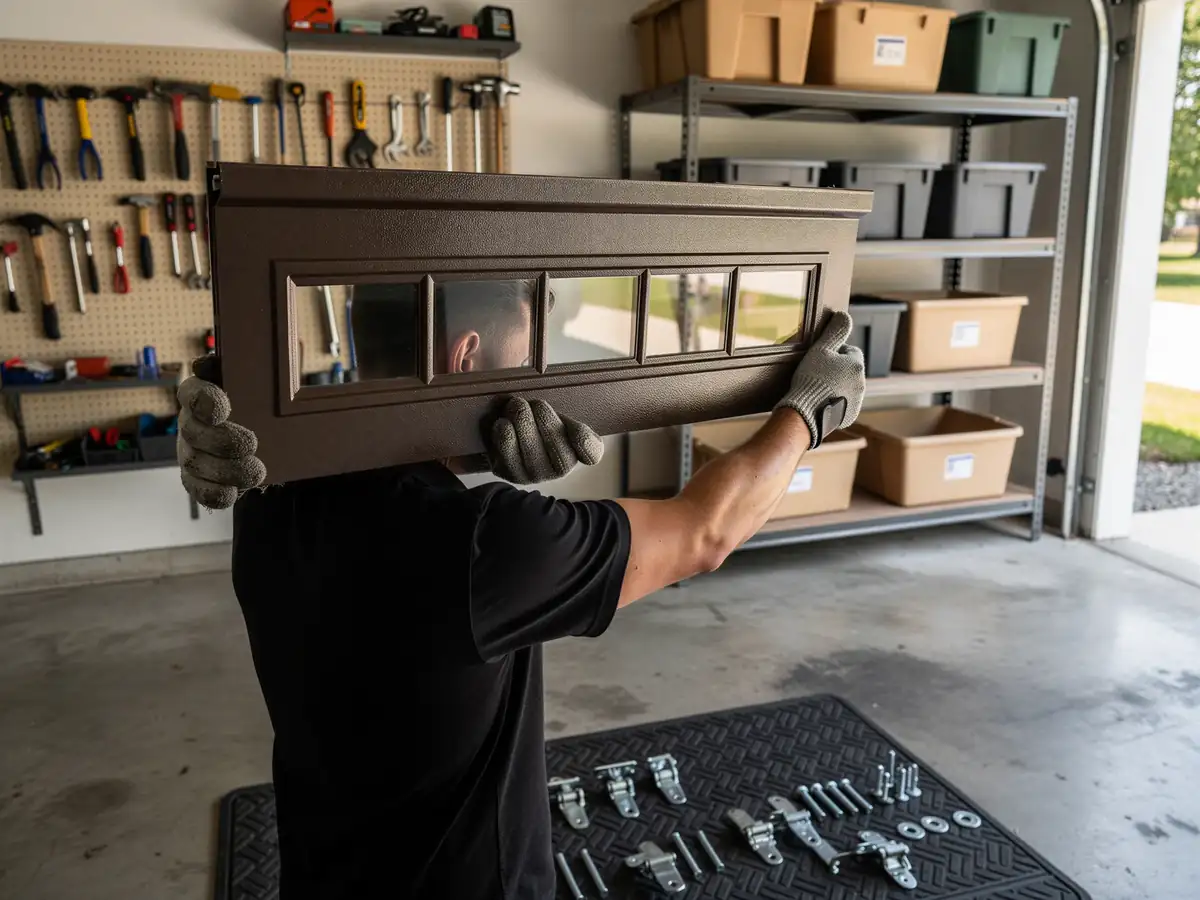
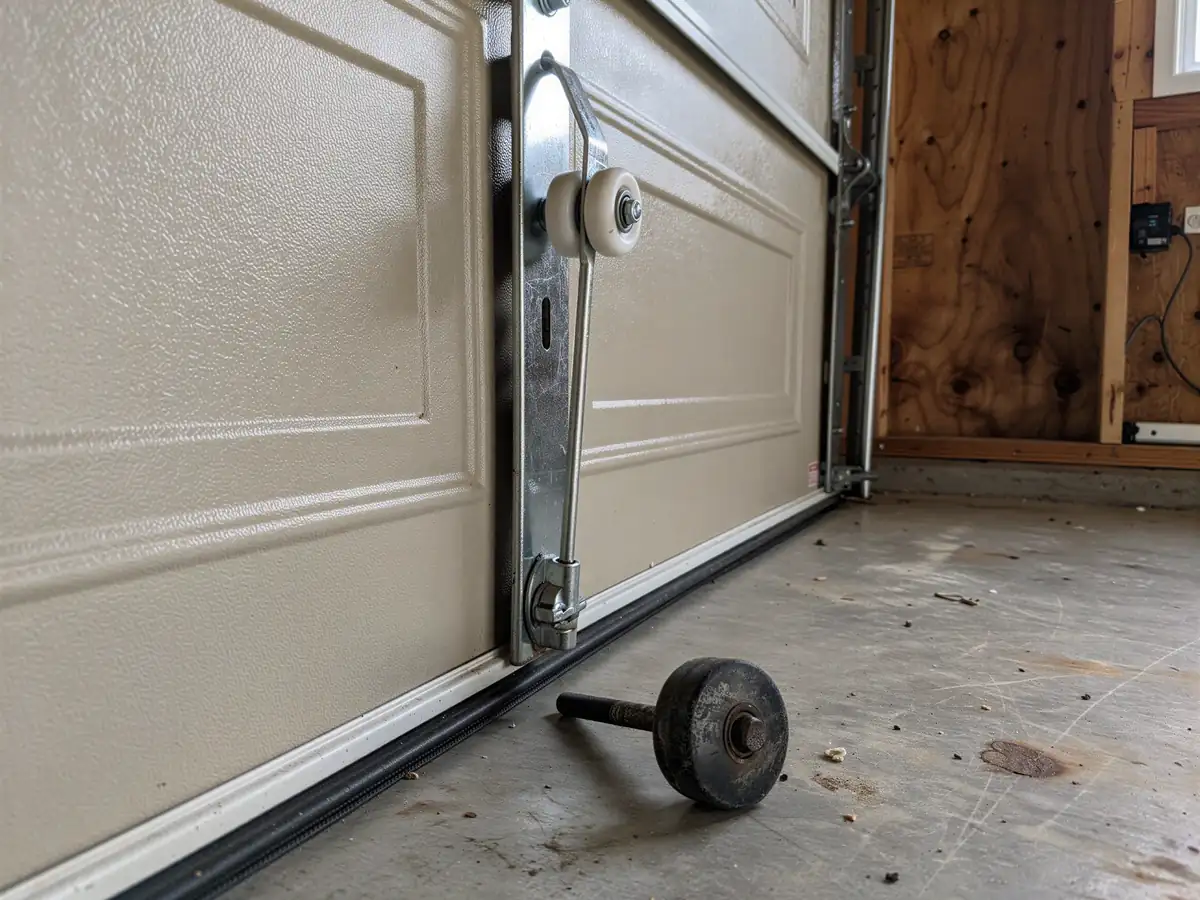
We carry standard torsion springs sized for residential double and single doors, galvanized rollers, safety cables, and universal opener logic boards and sensors on the truck. What we don't stock is anything specialty - a custom-width door, an odd vintage panel profile, or a commercial-grade opener. If your door turns out to need one of those, that's a return trip once the part's ordered, and we'll tell you that up front rather than make you wait on the driveway.
How Long It Takes
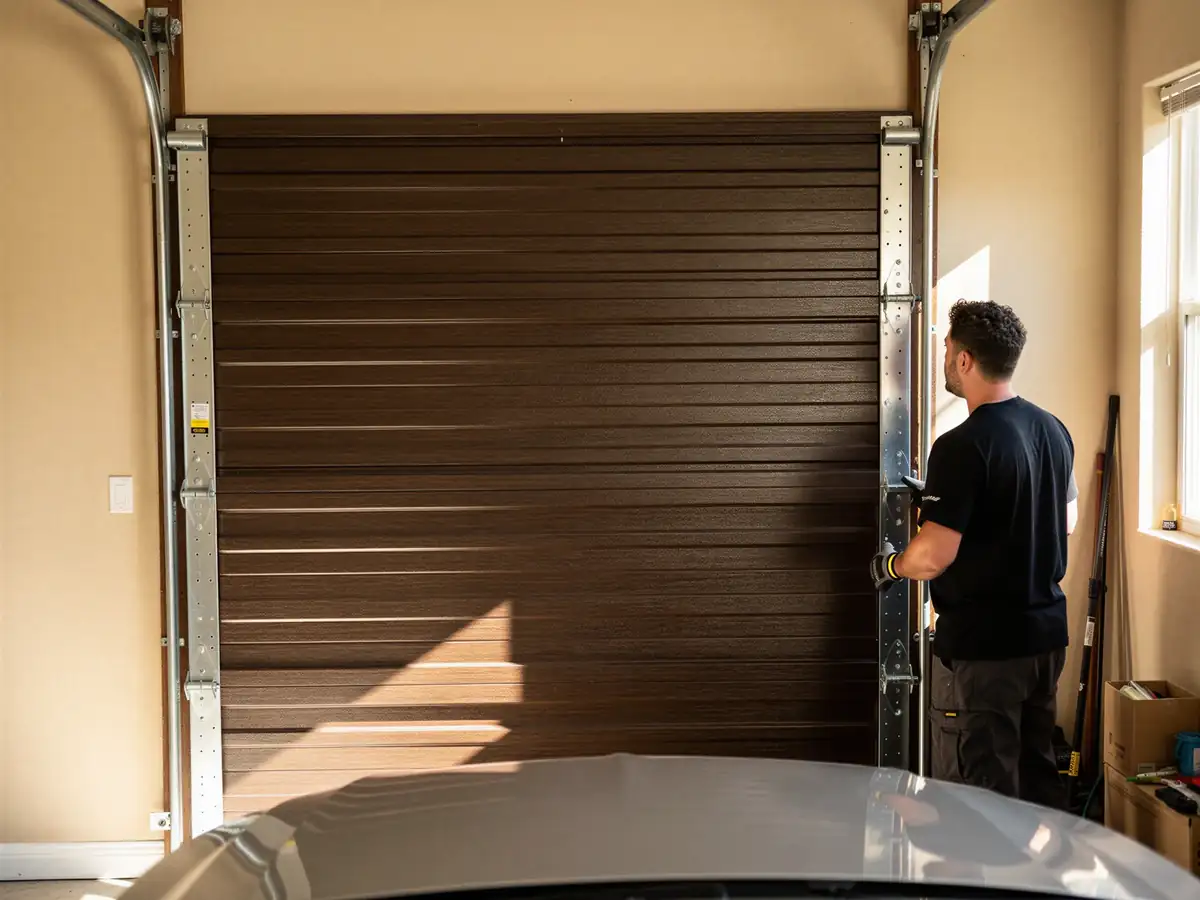
Most of what breaks on an 80s-era Brighton door - a snapped torsion spring, a worn-out roller set, a dead opener logic board - is a same-visit fix once we're on site with the right spring size and standard hardware. Cable replacement and sensor realignment are quick too. Where the visit runs long is a full door replacement or anything needing a special-order part, since we're traveling the 18 miles from Waterford and can't carry every size and finish on the truck.
We're upfront that distance affects scheduling here more than it would for a job five minutes from the shop. We're not running a Brighton branch - we're sending a truck out from Waterford for every call, so if a second trip is needed for a part, that's built into the timeline we give you, not a surprise after the fact.
How It Shows Up
The door that's a few decades old tends to fail in specific, recognizable ways
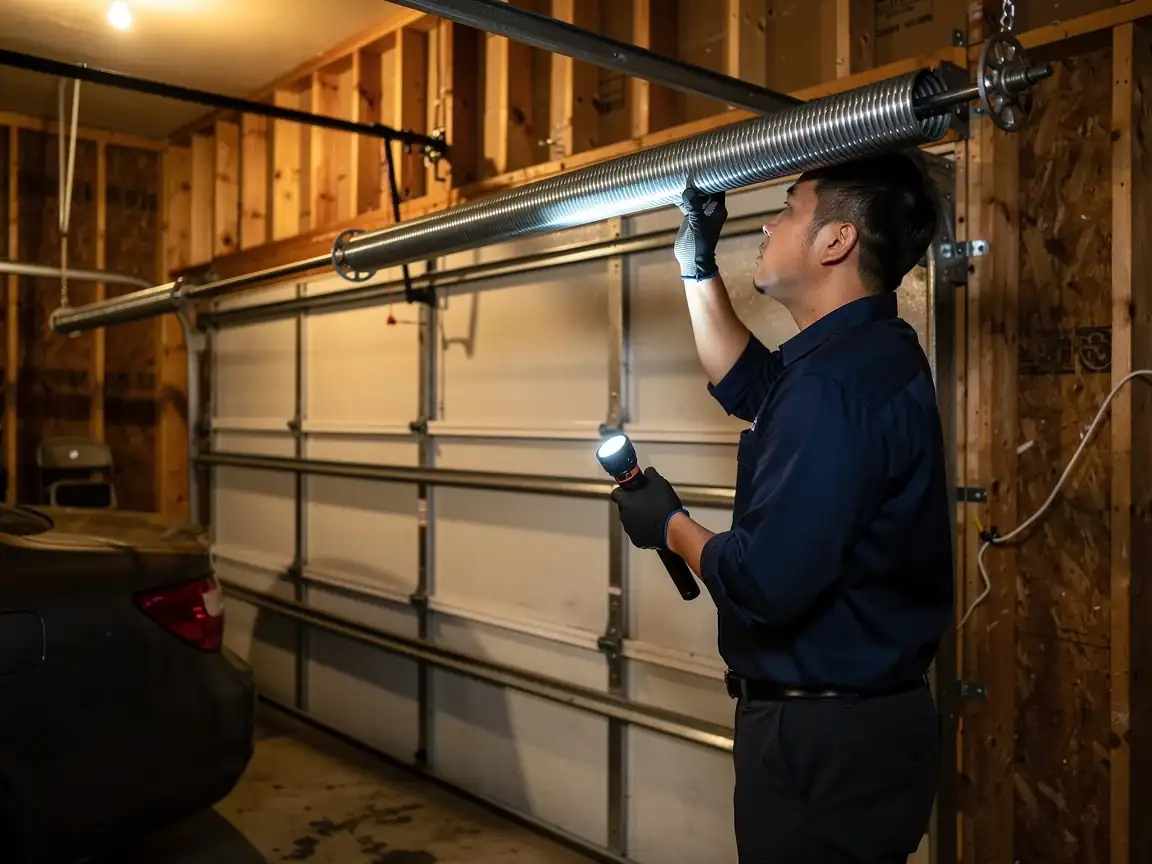
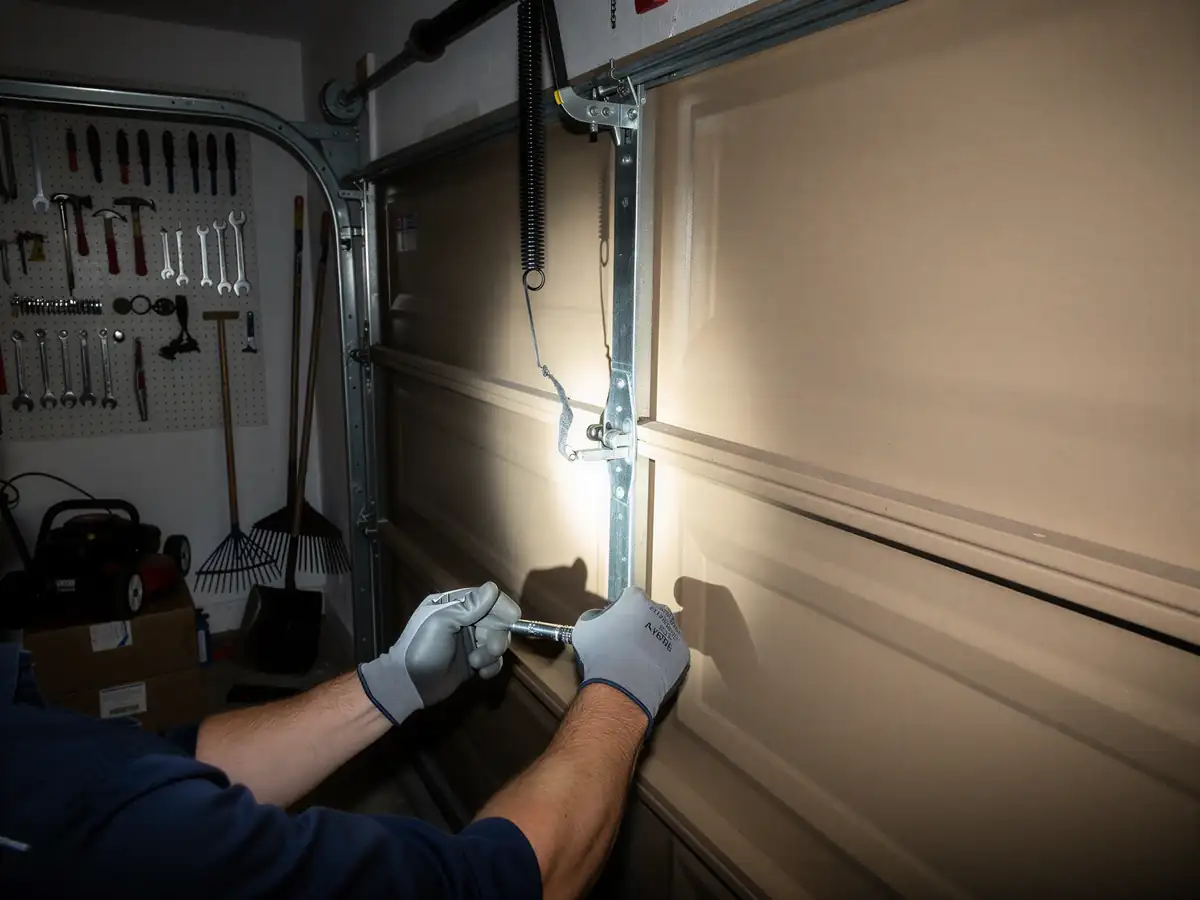
A torsion spring on a door installed in the 80s or 90s has likely gone through tens of thousands of open-close cycles - when it lets go, you'll hear a bang, usually when the door's in the down position, and then the door won't budge or feels twice as heavy to lift by hand.
Openers from that same era show their age differently
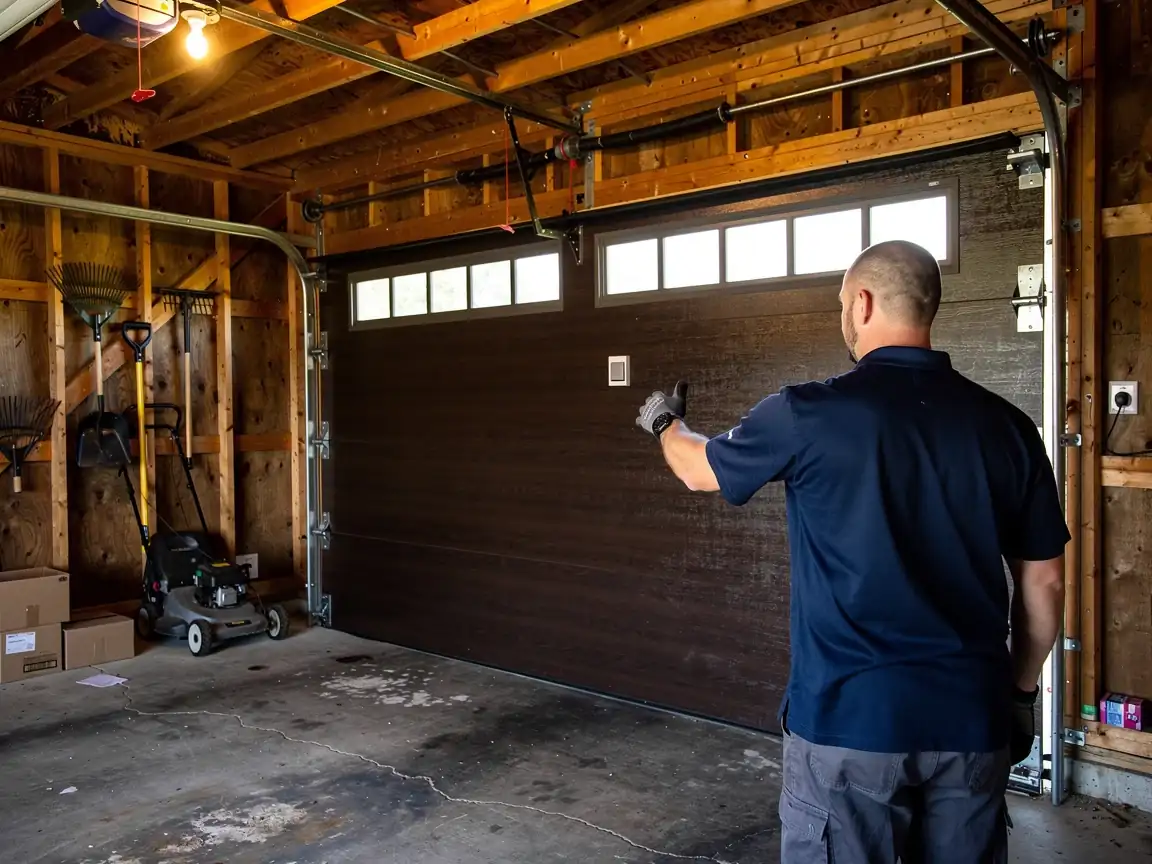
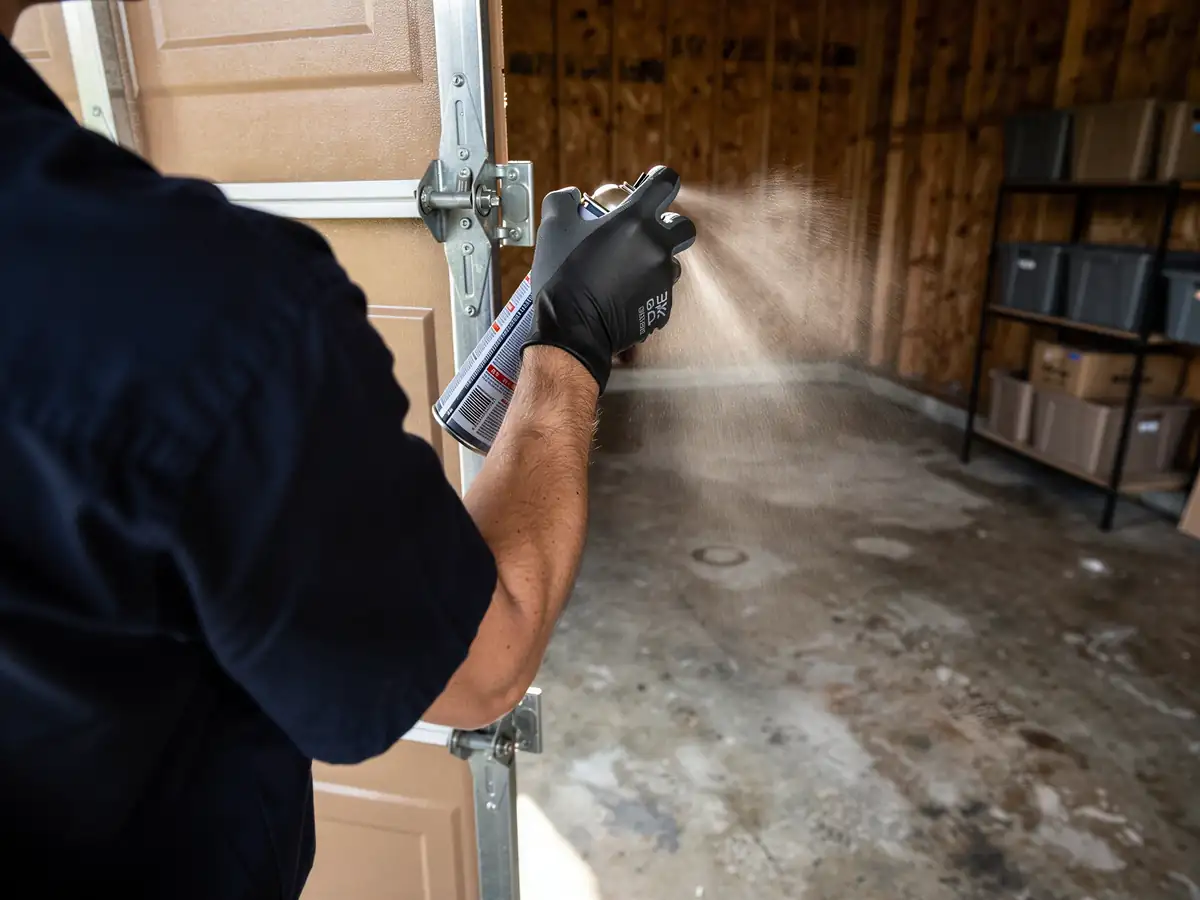
A motor that hums but doesn't move the door usually means a stripped gear, not a dead motor. Sensors that flicker on and off, especially after a cold snap, point to a wiring or alignment issue rather than a full opener replacement. Given the region's cold winters, temperature swings also stiffen old springs and make marginal rollers fail faster - a door that worked fine in October can start sticking hard once the real cold sets in.
Booking a Visit
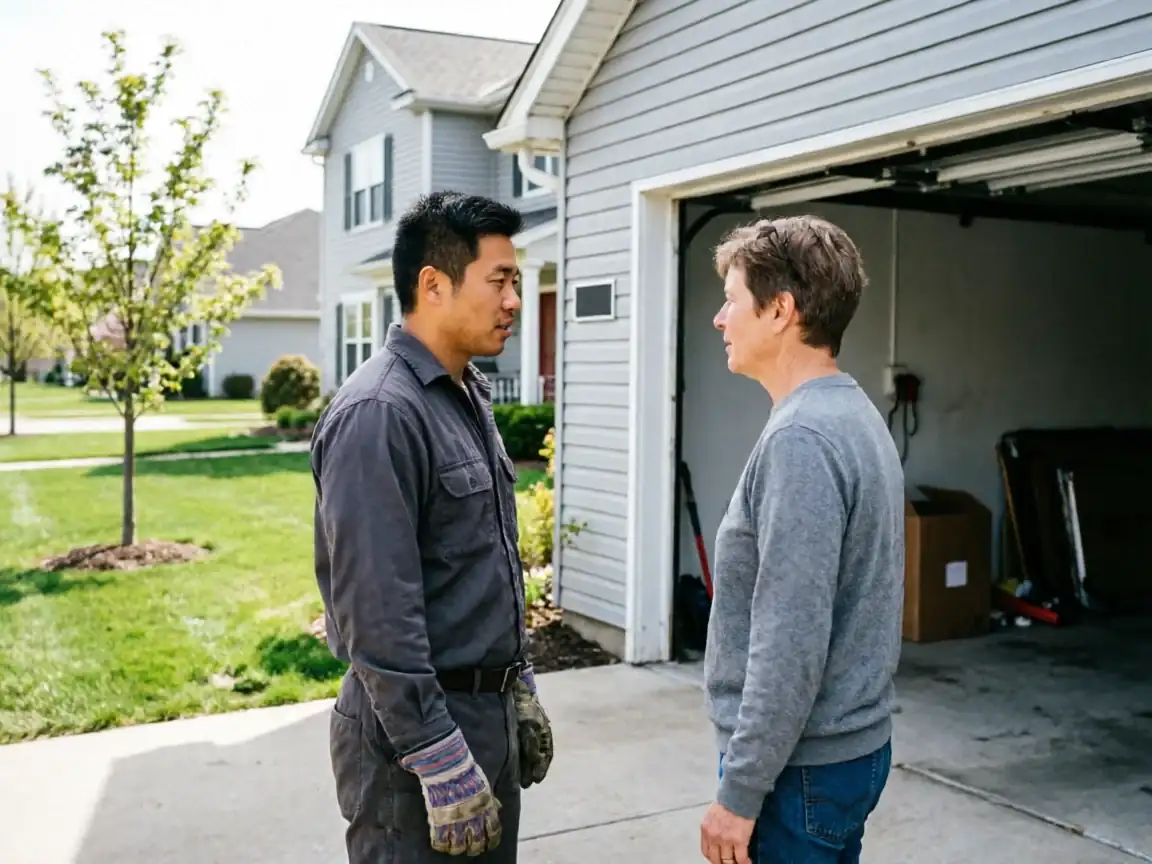
Tell us what you're seeing - a bang and a stuck door usually means spring, a humming motor with no movement usually means gear, and sensors cutting out usually means alignment or wiring. That lets us bring the right spring size and hardware instead of guessing on site.
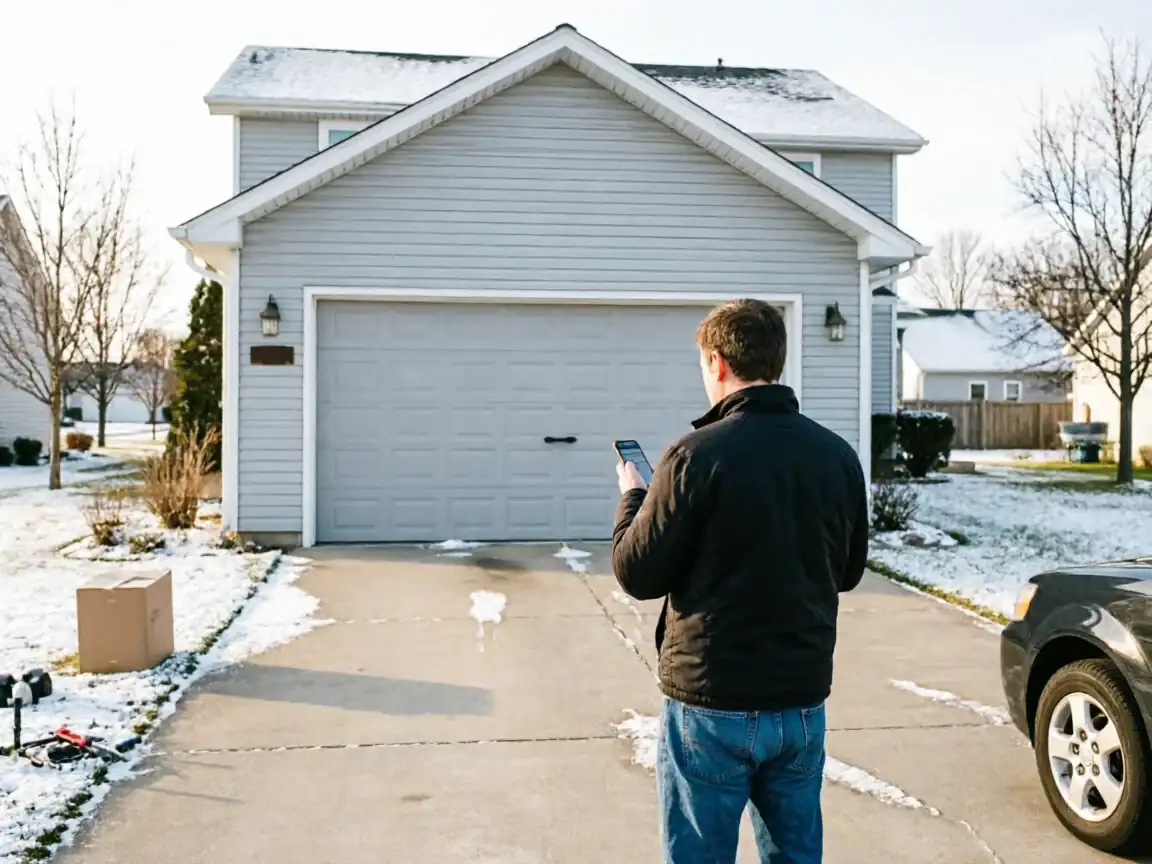
Because every Brighton call is a dispatch from Waterford, we ask for your address and a description before we confirm a time, so the truck isn't loaded wrong for the job. We don't operate a local branch here, so we can't promise the fastest same-hour turnaround you'd get calling a shop based in town - we're straightforward about that distance instead of pretending it isn't there.
Where This Job Goes Sideways
The repair that goes wrong most often on a door from the 80s or 90s is trying to save a spring or opener that's already past the point of a reasonable fix. If the torsion spring has stretched unevenly, or the opener's main gear has stripped more than once, patching it buys you a few months at most before you're back to square one - at that point replacement costs less over time than repeat service calls.
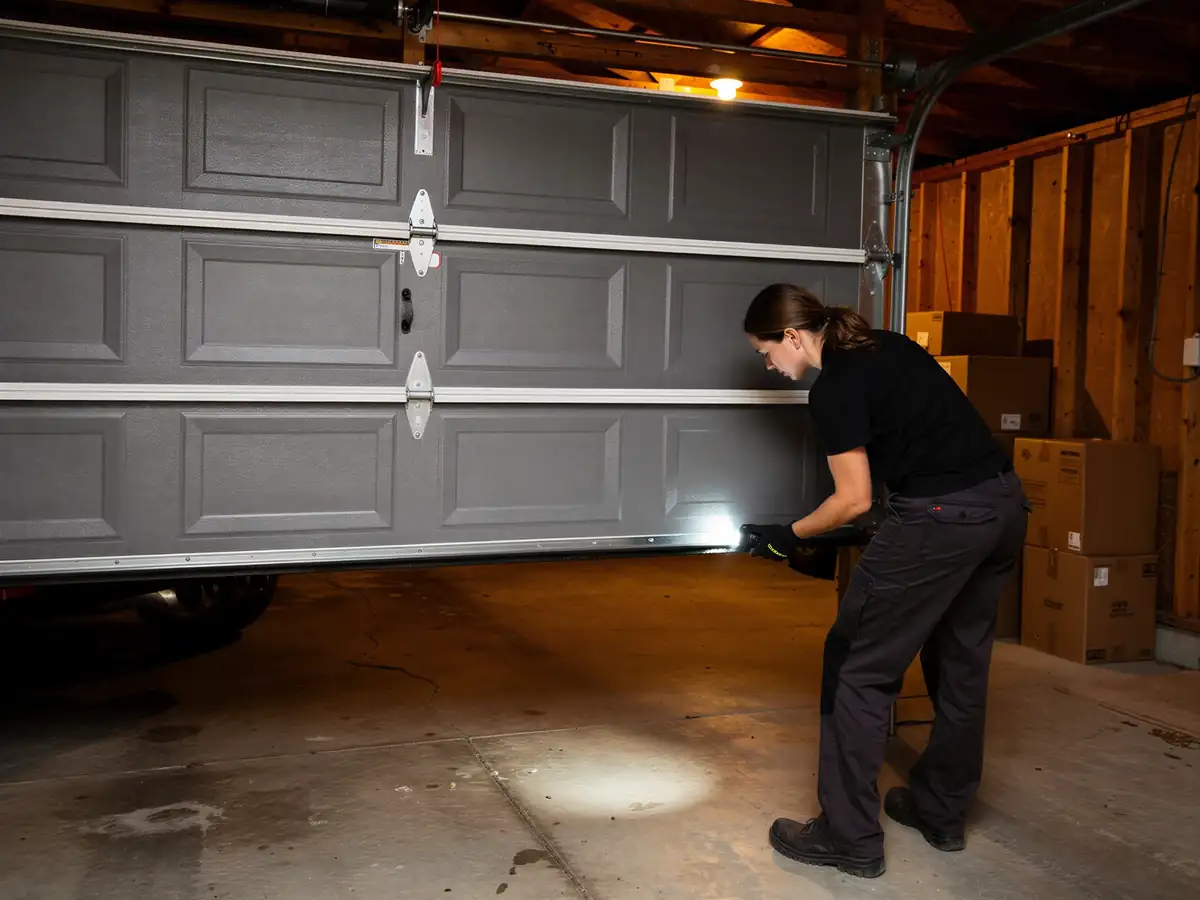
The other place things go sideways is assuming every noisy door is a spring problem. Worn rollers and loose hinges can mimic the sound of a spring issue, and replacing a spring that wasn't the problem wastes your money. We check the whole system before we quote a fix, not just the loudest symptom. One honest limit: if your door needs a non-standard panel or a discontinued opener model, we may need to order the part rather than fix it same-day, since that's not something we keep stocked for every build era we cover.