Parts We Carry
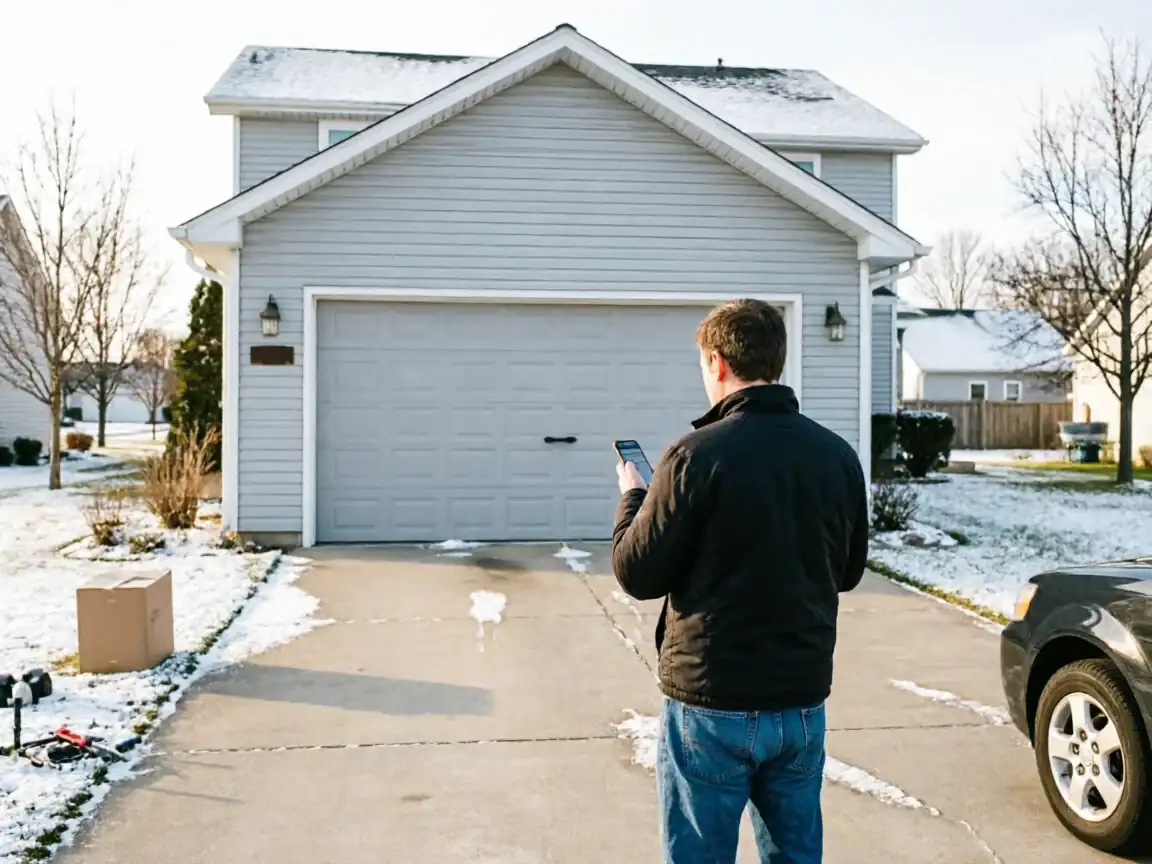
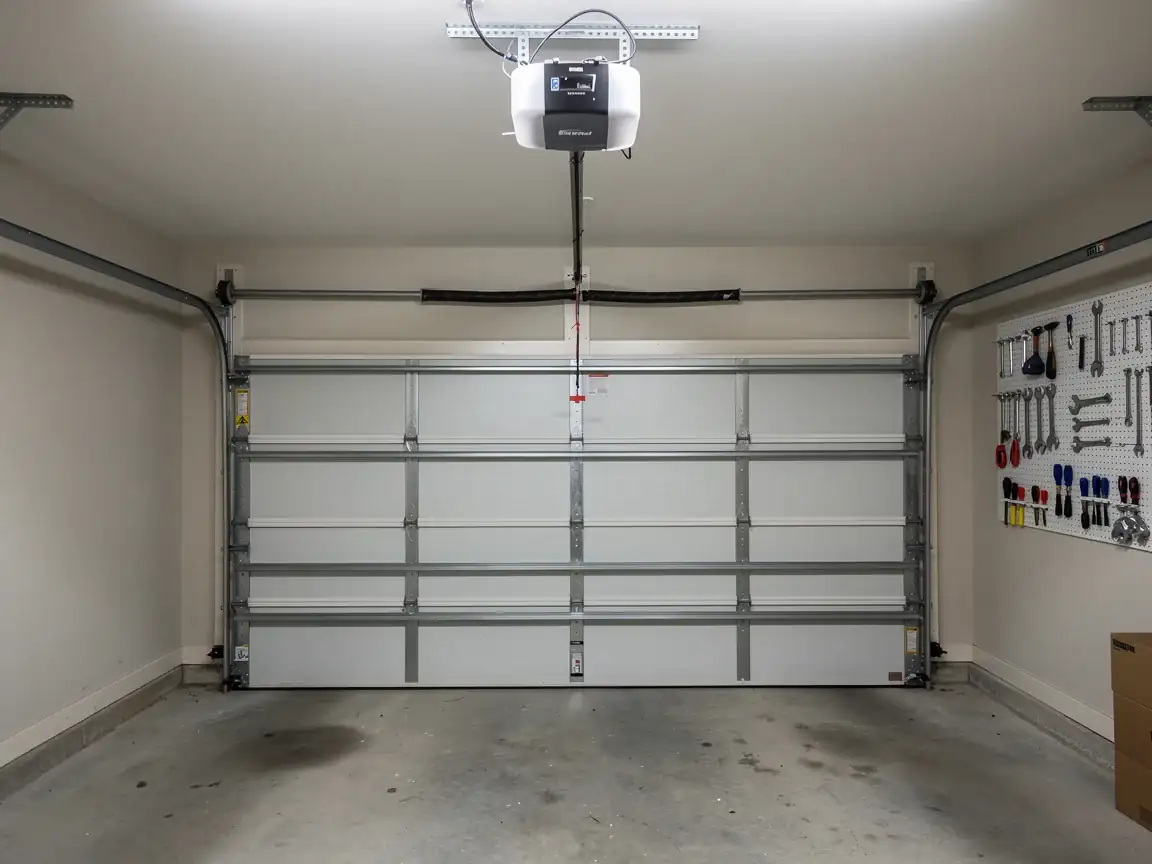
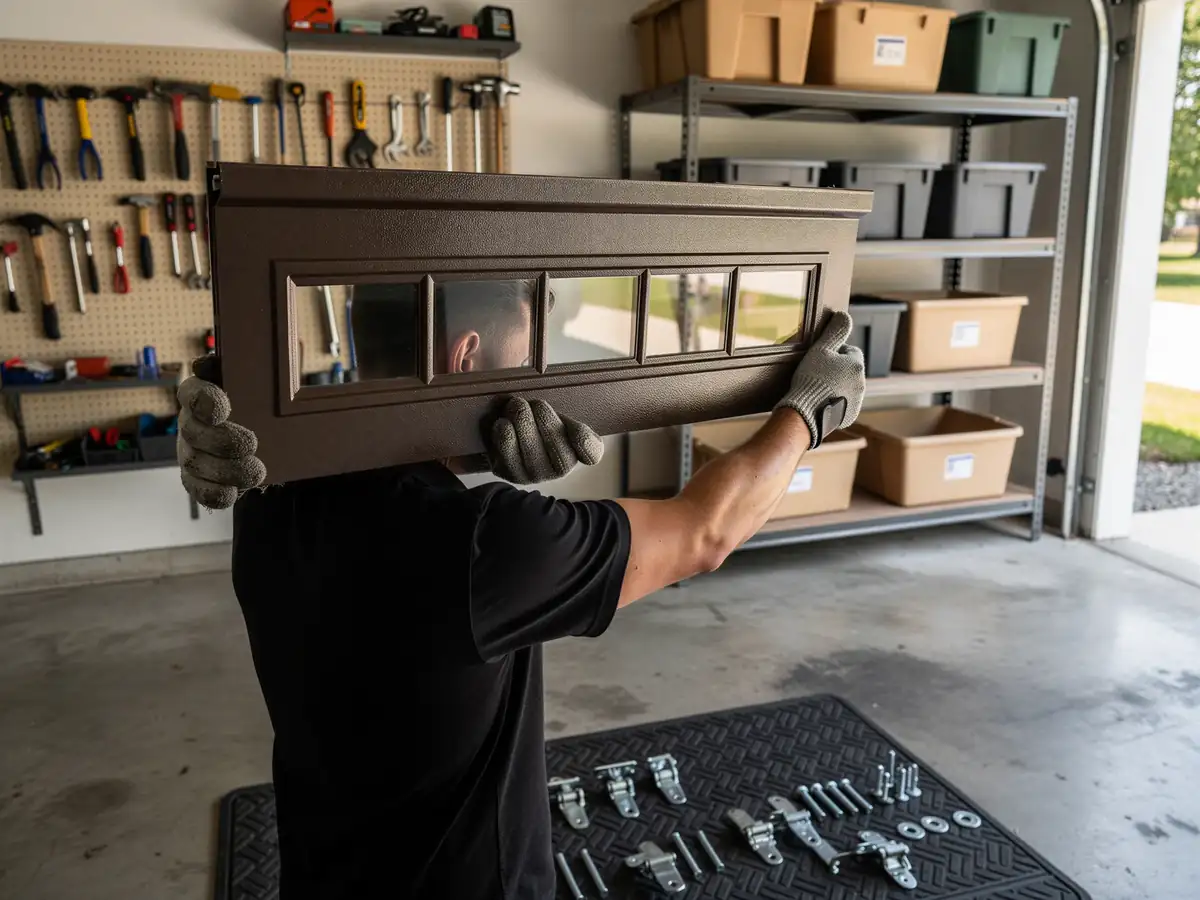
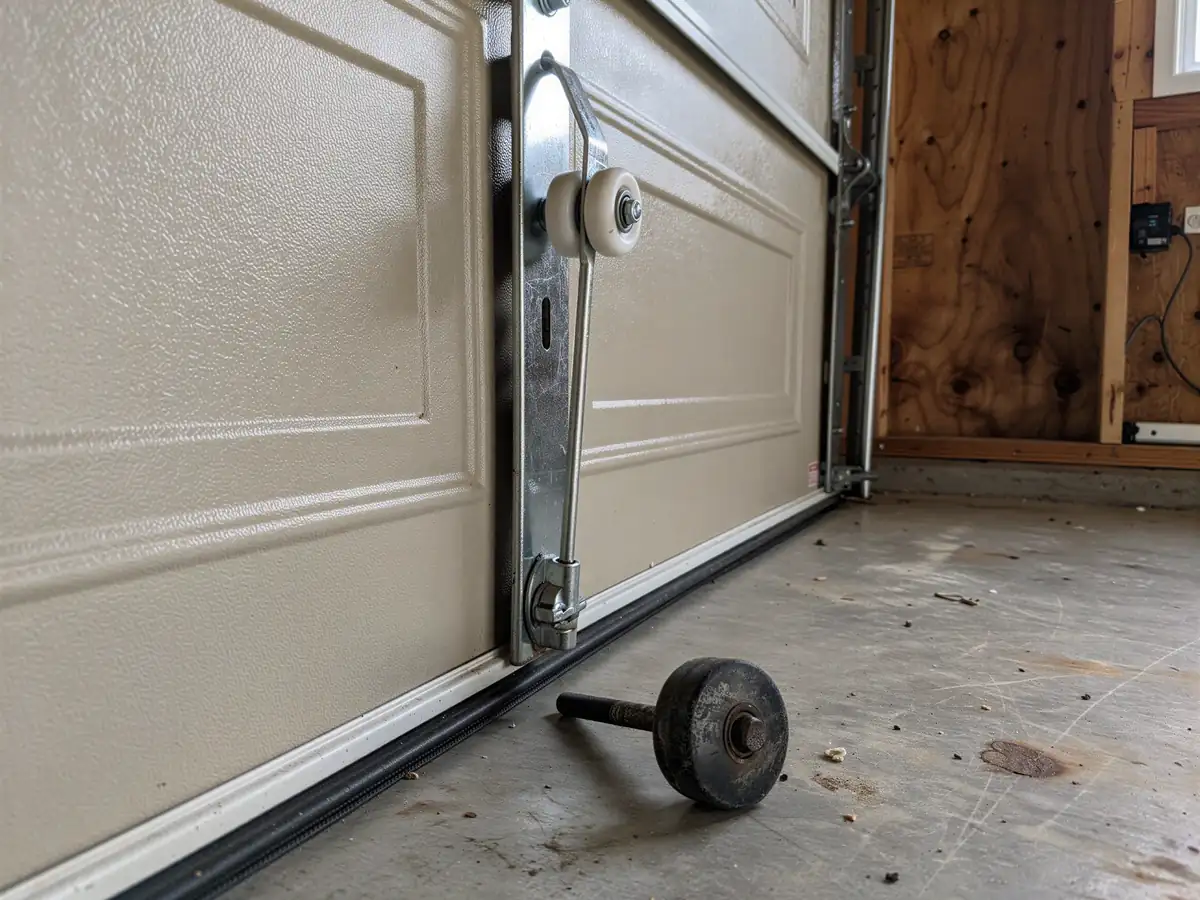
Brighton sits eighteen miles from our Waterford shop, past Hartland and Milford on the way, so we load the truck before we leave, not after we see the door. Houses here mostly went up around 1984, more than a decade newer than the 1973 median for the rest of the service area we cover. That matters for what we bring: newer torsion springs wound to lighter two-car door weights, nylon rollers instead of the steel ones that came stock on older builds, and the weatherstrip profiles that fit extruded aluminum track from the 80s and 90s rather than the galvanized track you still find on the oldest stock closer to Waterford. We also carry belt-drive opener parts, since houses from this era were more often built with a finished room over the garage, and belt drives run quieter than the chain units common in older housing stock. We don't carry every opener logic board on the truck - some control panels are special order and we'll tell you that on the spot instead of promising a same-visit fix we can't back up.
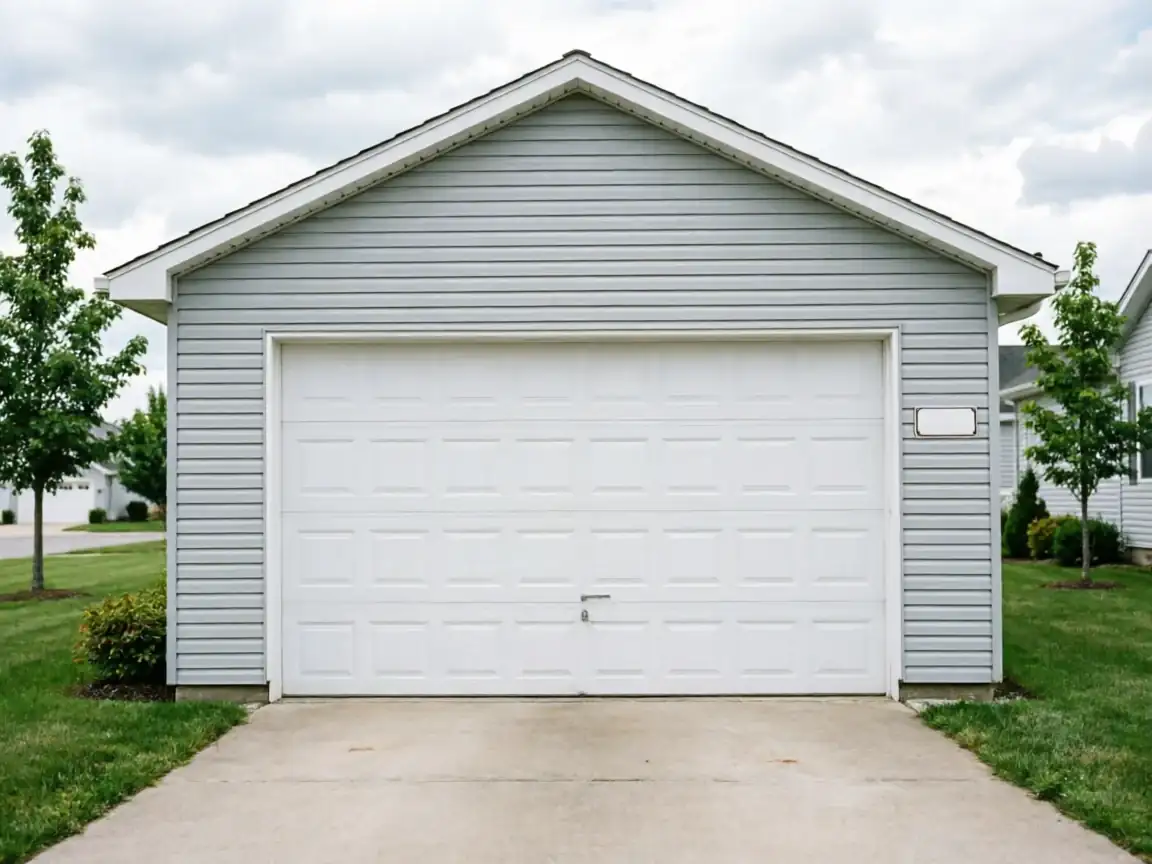
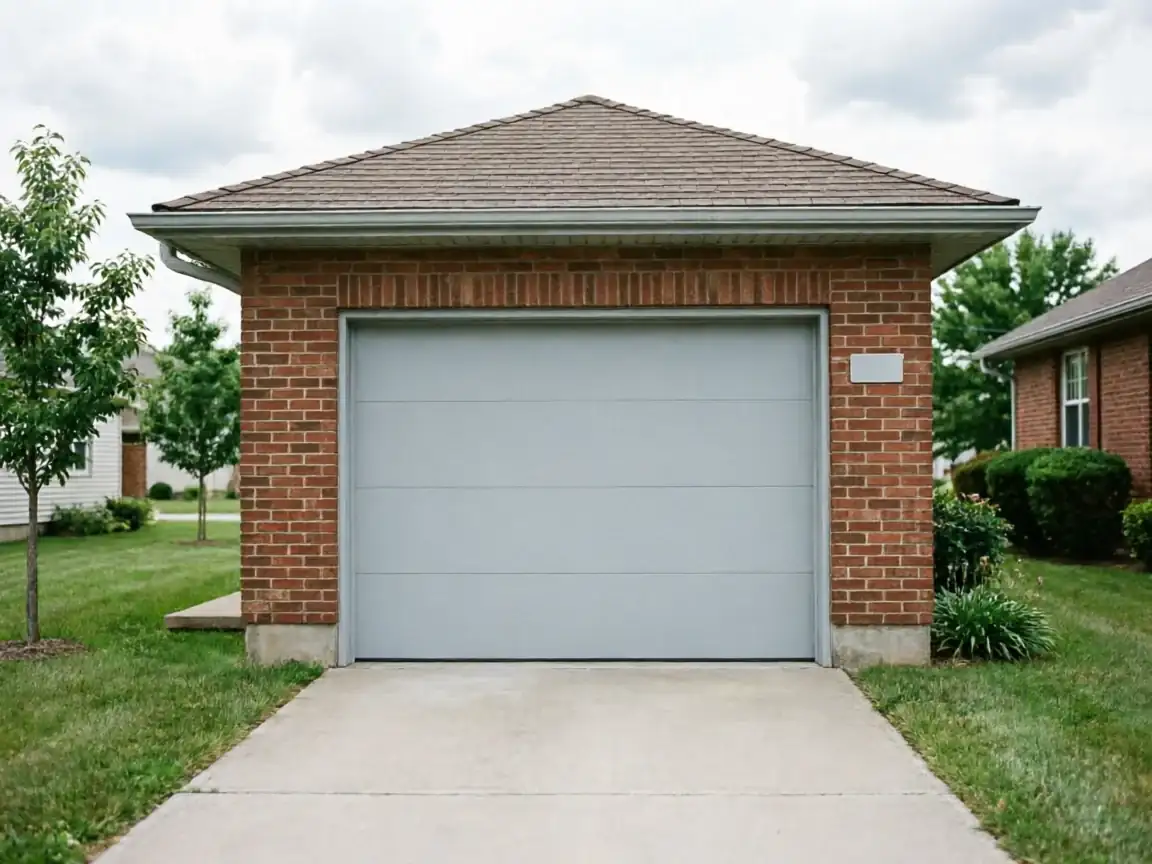
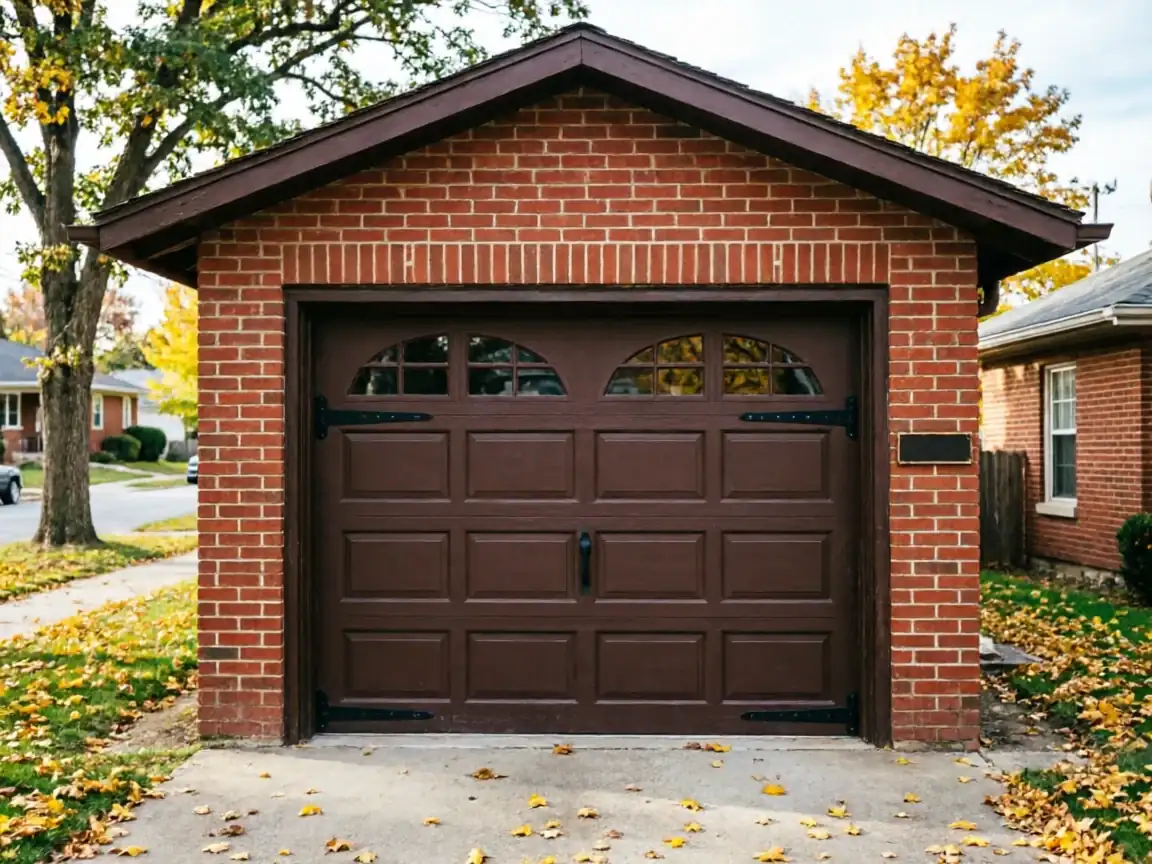
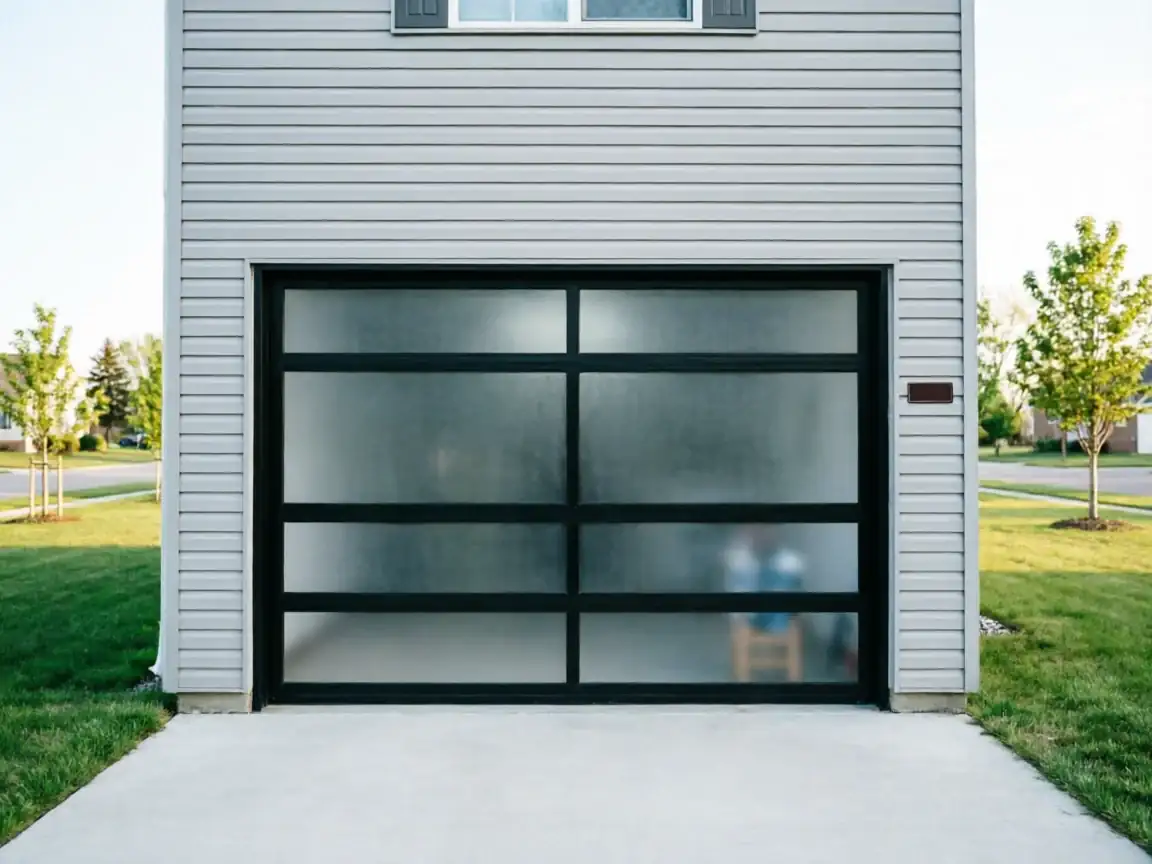
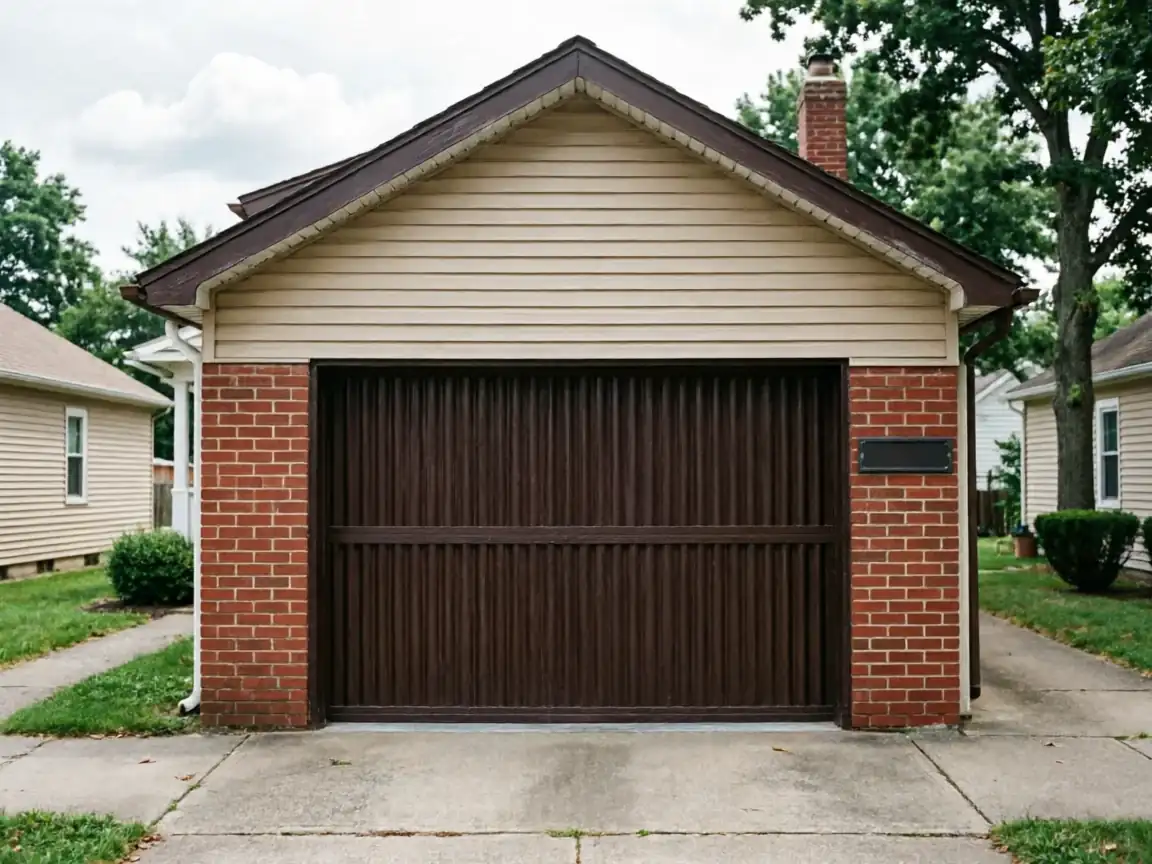
Brighton's median household income runs $126,576, well above the $102,333 median across the rest of the area, which tends to show up as double-wide doors and insulated steel panels rather than the single hollow-core doors we still service on older homes nearer Waterford. We stock the hardware to match what's actually on the house, not a generic kit.
How Long It Takes
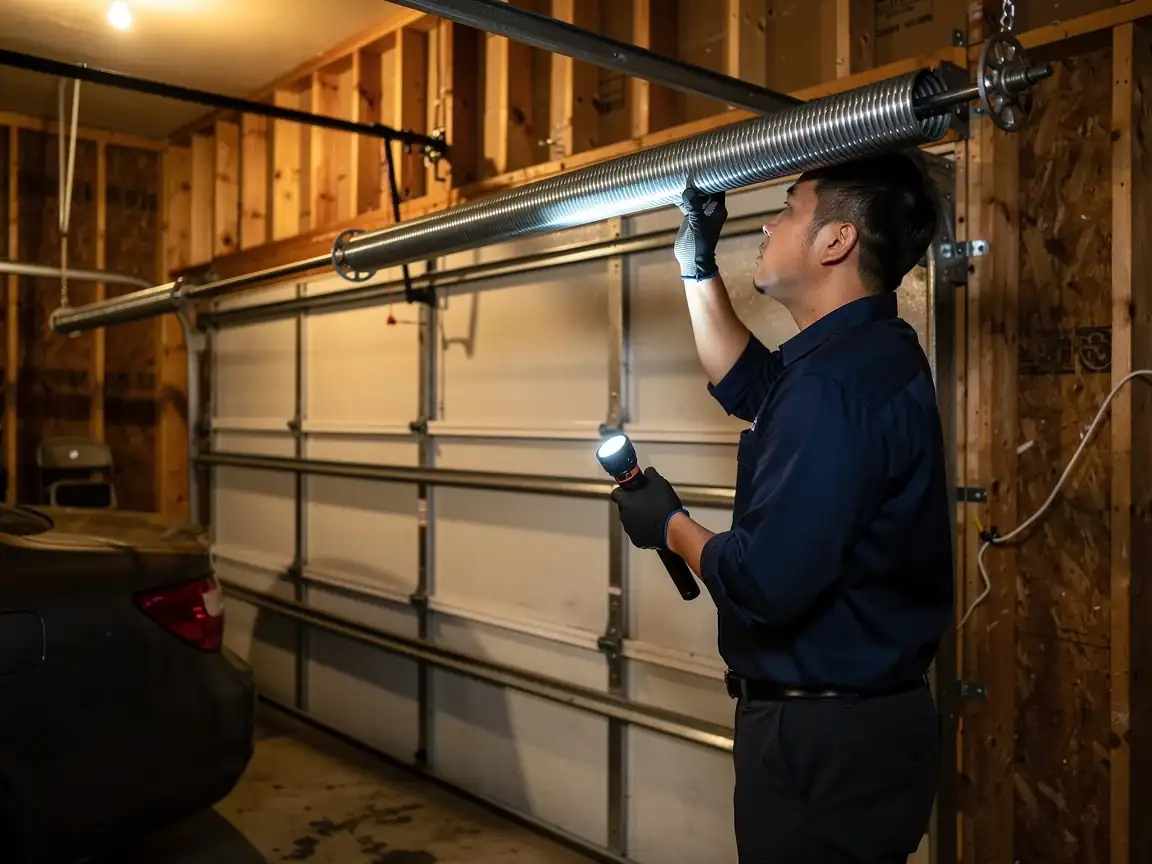
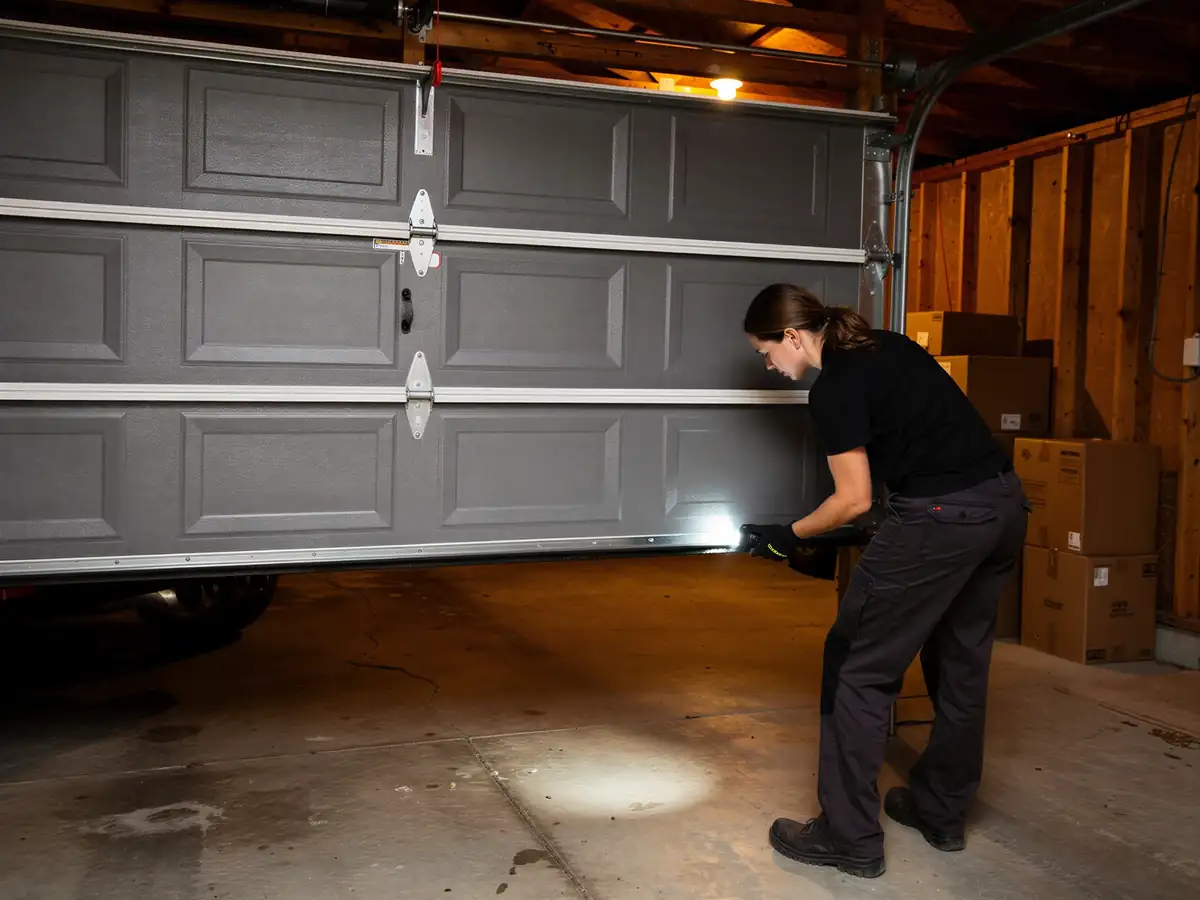
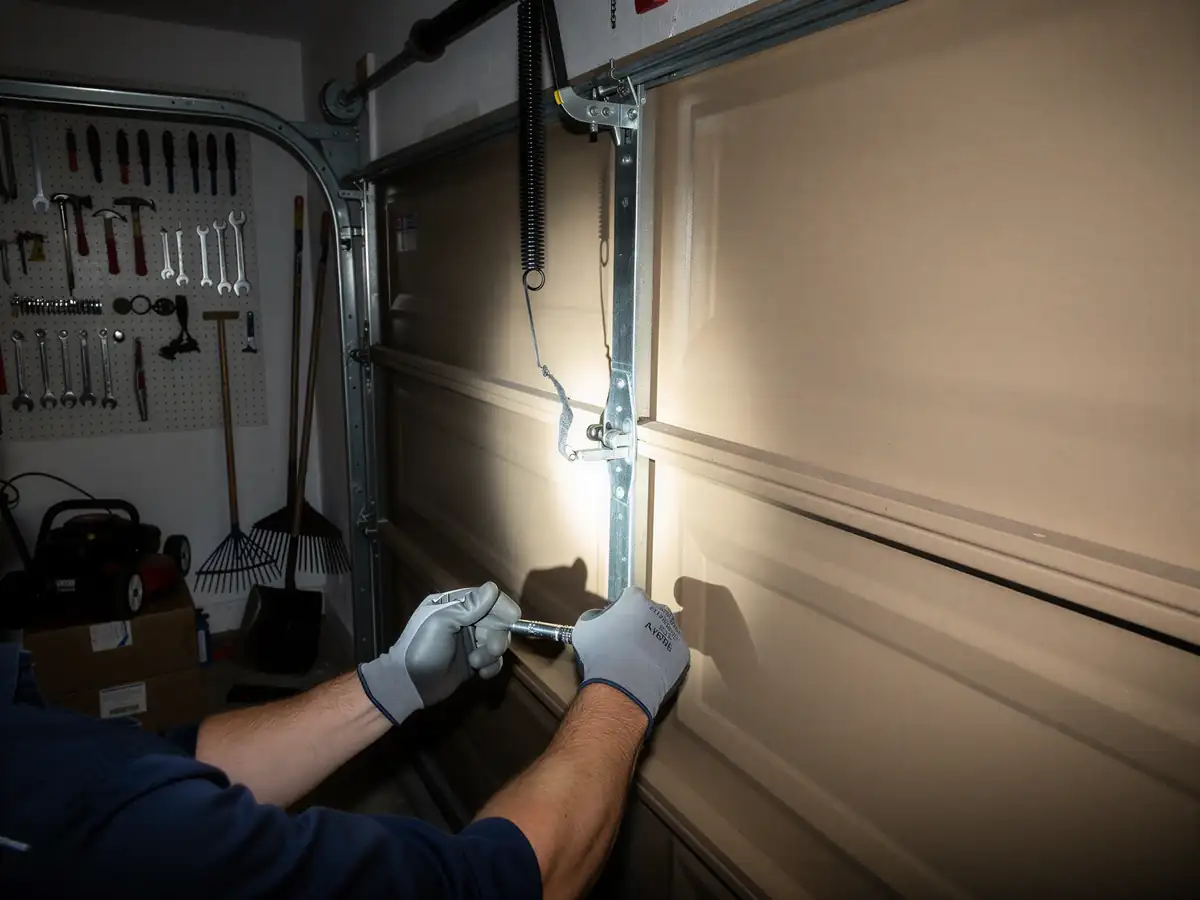
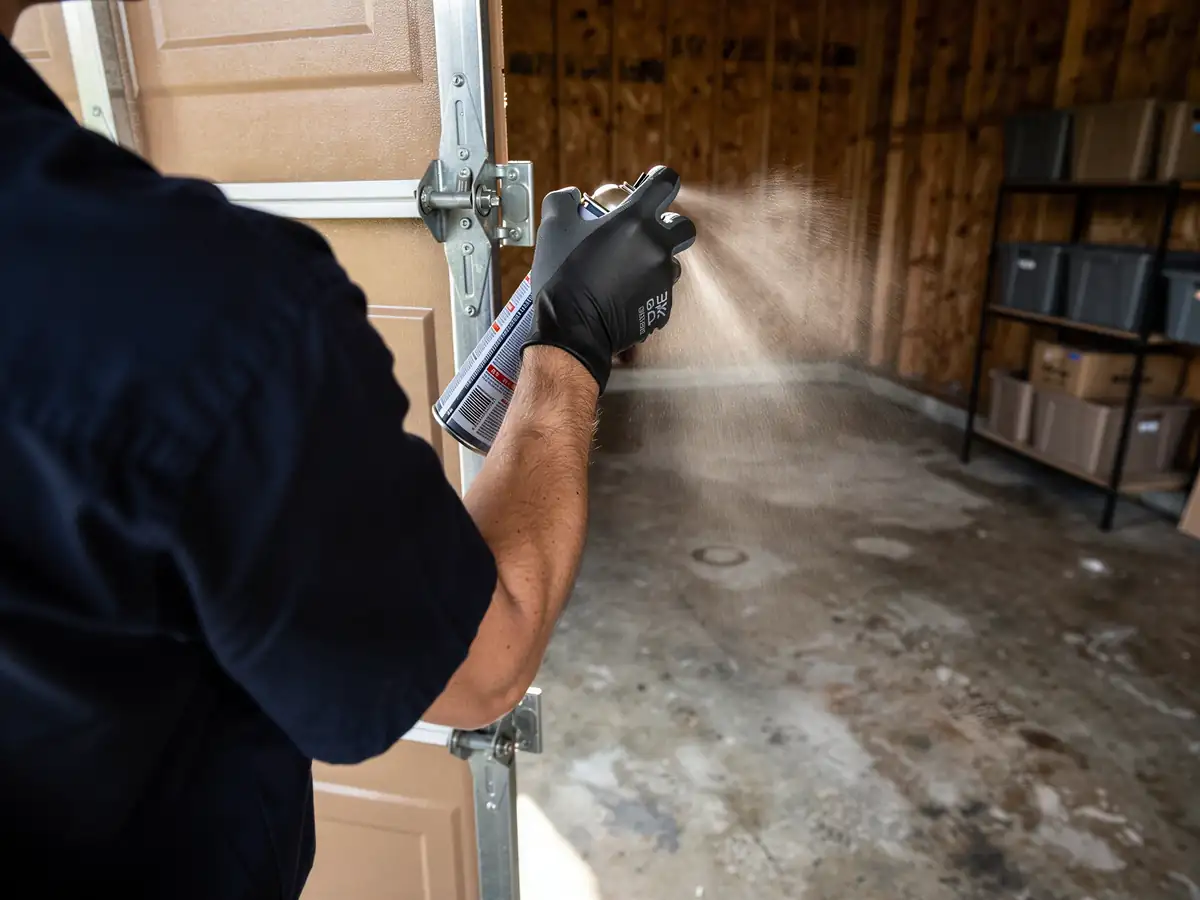
A standard maintenance visit - spring check, track alignment, roller inspection, opener lube and force adjustment - runs the same length here as anywhere else we go: the door itself doesn't care about the drive. What changes is scheduling. At eighteen miles out, a Brighton call isn't a same-day add-on the way a job five minutes from the shop can be. We batch Brighton and the other towns out this way on set days so the drive isn't dead time tacked onto your invoice.
If the door needs a part we don't carry stock of - certain opener boards, some belt-drive kits specific to late-80s builds - that's a second trip, and we'll say so before we leave the first time rather than after.
How It Shows Up
On a house built in the 1984 range, the failure pattern looks different than it does on the older stock closer to Waterford
You're less likely to see a worn-out single torsion spring on a narrow single door and more likely to see a double door sagging on one side because one of a matched pair of springs has lost tension while the other hasn't - a two-car door with uneven spring wear pulls unevenly, and the opener fights it every cycle until the gears strip.
Belt-drive openers from this era tend to announce problems as noise changes before they announce them as failure
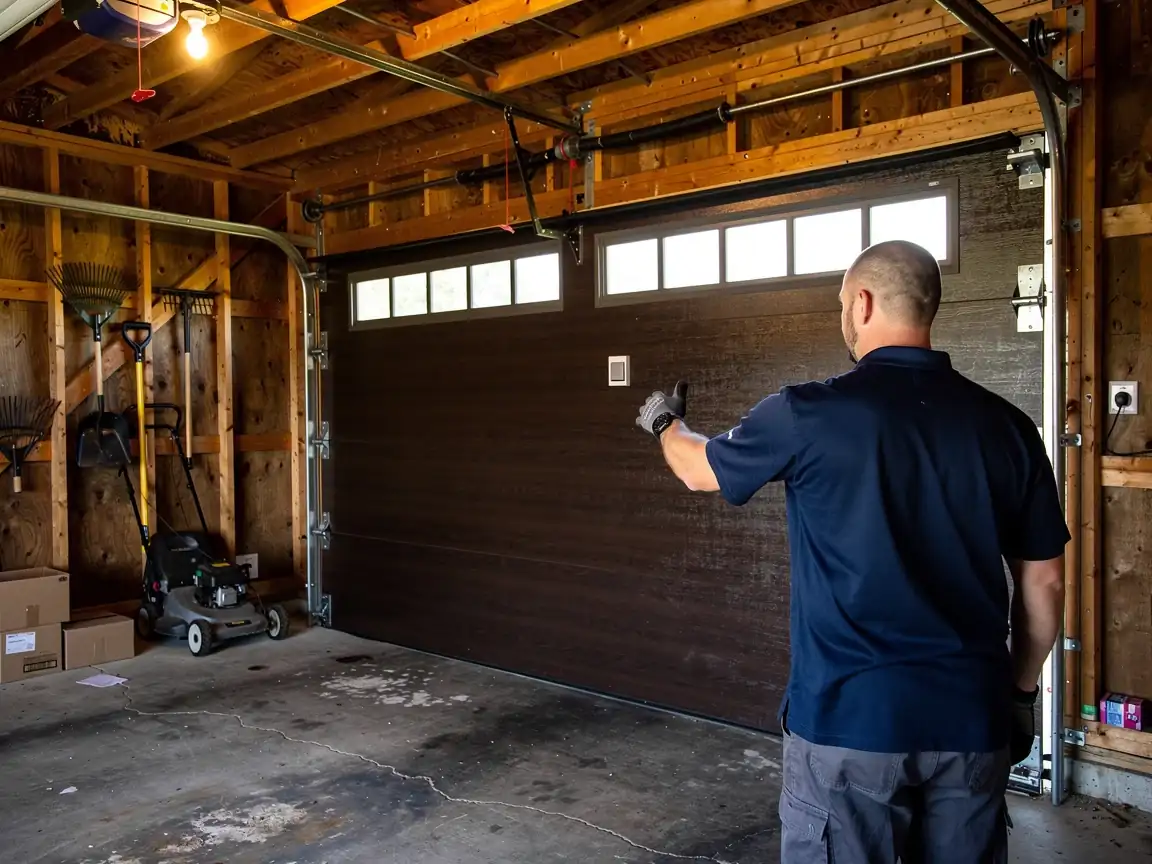
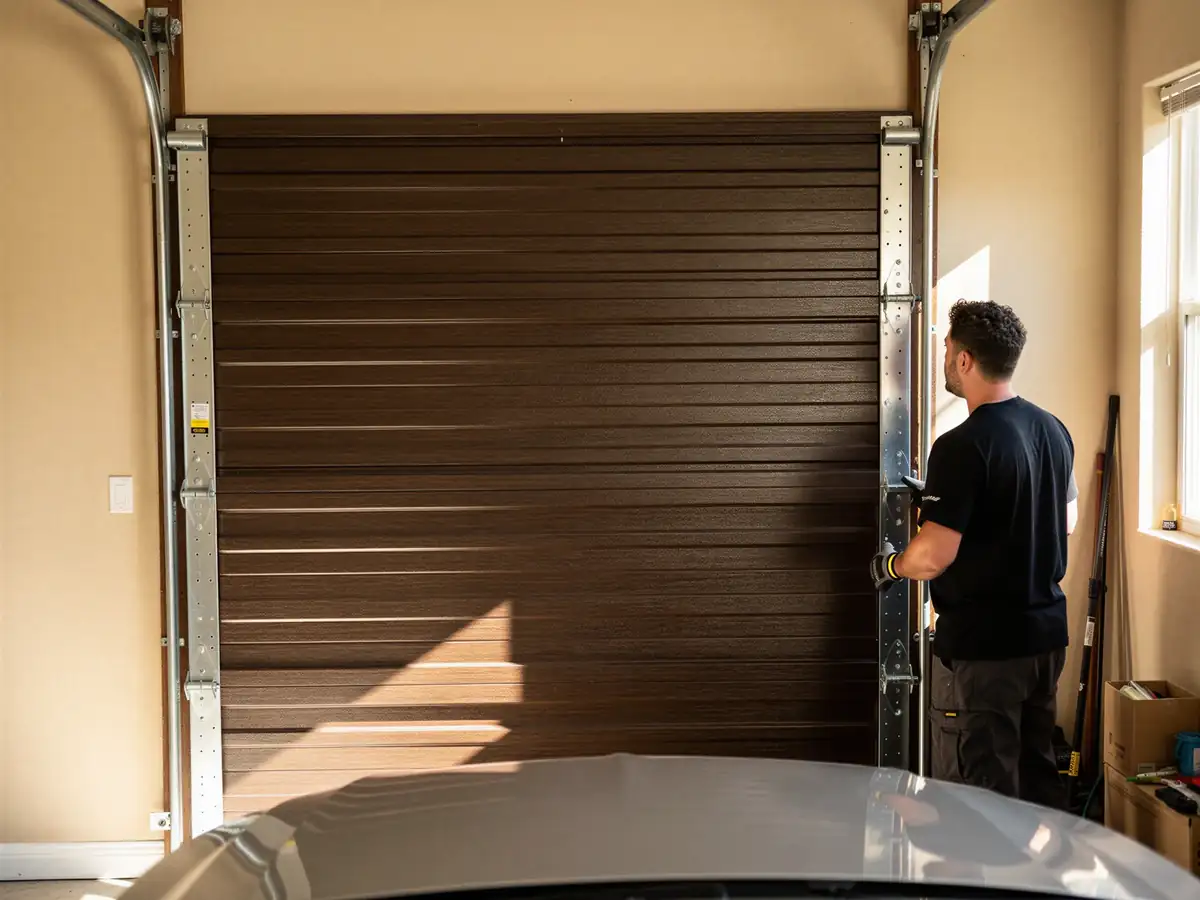
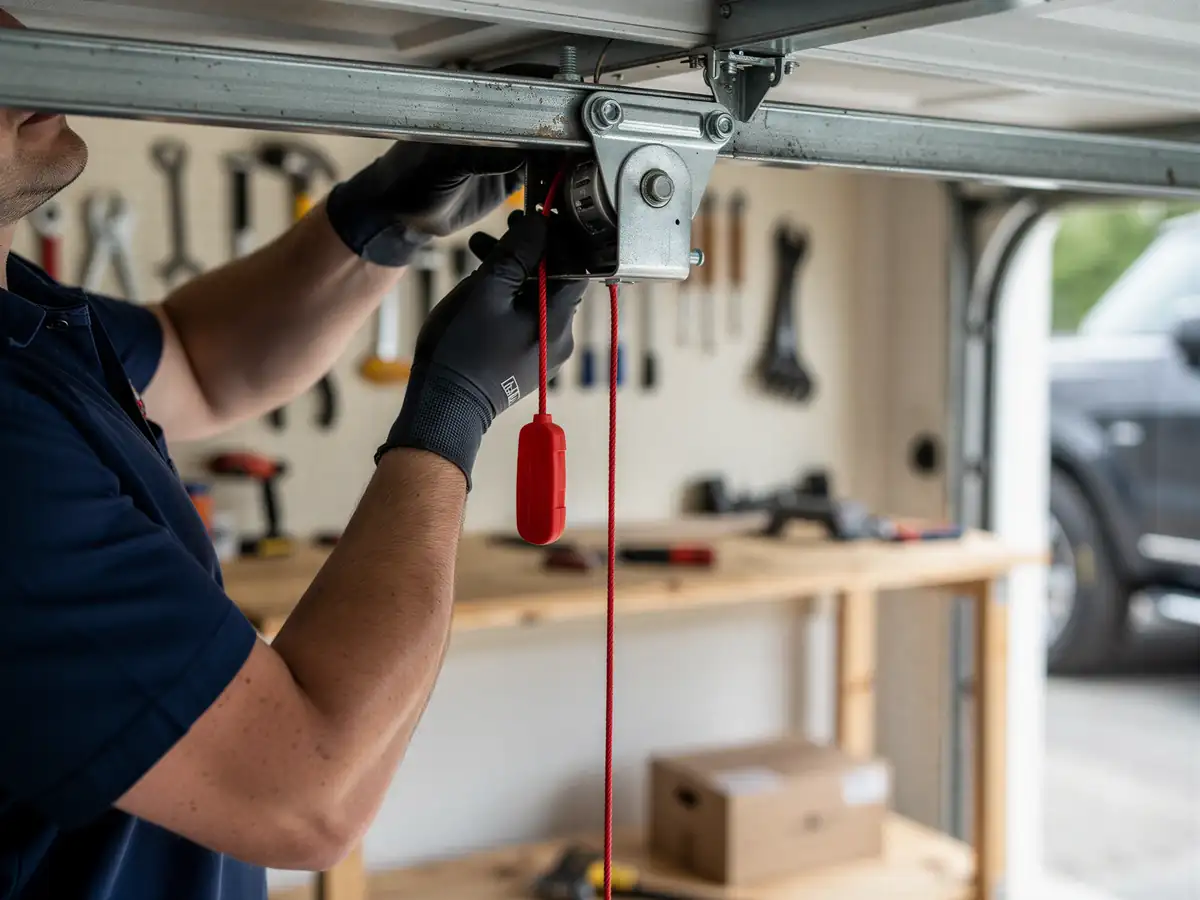
A low hum turning into a grind usually means the belt is stretching off its track, not that the motor's dying. On the newer aluminum track common in builds from this window, the failure is usually a bent section from a car bumper tap, not the rust-through you'd expect on 1960s galvanized track. We check for the failure pattern that actually matches the house, not a generic checklist.
Booking a Visit
We book Brighton maintenance visits on the same schedule as the rest of our service area, just grouped by the drive. Tell us the door's age if you know it and whether it's single or double - that alone changes which spring gauge and which roller type we load before we leave Waterford. If you're not sure, we can usually tell from a photo of the spring assembly.
We don't keep a crew stationed in Brighton and we're not going to pretend otherwise - every visit starts with the eighteen-mile drive from Waterford, which is why we ask for a day or two of flexibility on scheduling rather than promising a same-day slot we can't deliver on every call.
Where This Job Goes Sideways
Maintenance on a newer door usually stays maintenance - lube, adjust, replace a worn roller, move on. Where it goes sideways is when a belt-drive opener from the 80s or 90s has a control board that's failed rather than a mechanical part. Those boards are often discontinued, and finding a compatible replacement can mean a wait measured in days, not minutes, while we source it.
The other place it goes sideways: a double door with mismatched spring wear that's been ignored long enough that the opener's gear has started to strip under the uneven load. At that point the honest call is a new opener, not a third repair on the old one, and we'll tell you that straight rather than keep billing small fixes on a unit that's done. We'd rather lose the repeat visit than let a homeowner keep paying for a door that's past the point where maintenance helps.