Serving Waterford, MI & nearby
(248) 793-5206
Waterford, MI

Why Springs Break in Waterford When the Temperature Drops

Why Waterford's cold winters snap garage door springs faster than you'd expect, and what the housing stock in this area means for repair versus replacement.

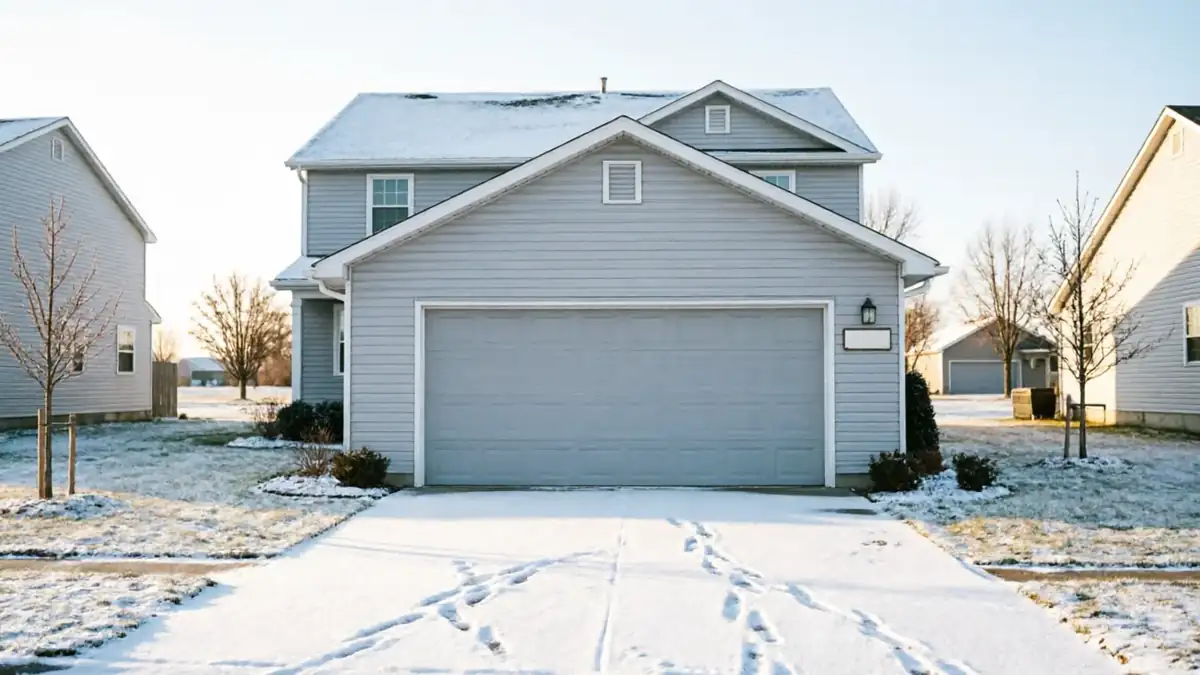
A light gray house with a two-car garage and a snow-covered driveway.

What You Pay

We won't put a number here that isn't tied to your door, because spring cost swings on wire gauge, door weight, and whether you need one spring or two. What we can say: Waterford sits in a severe cold climate band, and that changes what we recommend. A spring rated for a milder region doesn't hold up here over a full winter cycle, so if you're replacing, we price for the gauge the cold actually demands, not the cheapest one that fits the drum. With a median household income of $102,333 across the service area, most owners we talk to are weighing a full replacement against a patch job on a door that's already past its expected spring life. If your door and opener both date to the 1960s or '70s - common across the housing stock out here - a spring-only fix sometimes just delays an opener failure six months later. We'll tell you straight if that's the case instead of selling you the cheaper visit.

The one thing we won't do is quote a price over the phone sight unseen. Spring tension and door balance vary enough door to door that a number given blind is usually wrong by the time we're standing in your driveway.

What Local Conditions Do

Waterford's climate band is classified cold-severe, and that matters more for springs than most people think. Steel loses a measurable amount of flexibility as temperature drops, and a torsion spring that's been cycling fine since September can suddenly be carrying more stress than it's built for the first hard freeze of the season. It's not that cold breaks springs outright - it's that cold removes the margin a spring had left, and a spring already near the end of its cycle count picks that moment to go.

This is also why the timing clusters. We see more spring failures in the first deep cold snap of winter than any other week of the year, because that's when the temperature swing is sharpest relative to what the metal was doing the week before. A spring that was fine at 45 degrees can fail at 10, not because 10 degrees is unusually brutal for this area, but because it's the first time that winter the spring has had to hold tension at that temperature at all.

Where People Go Wrong

  1. The most common mistake we see is someone hearing the bang of a spring letting go and then trying to force the door open or closed by hand or with the opener anyway

    Without the spring carrying its share of the door's weight, you're asking the opener motor or your own back to lift the whole thing - on a standard door that's a couple hundred pounds, not something either is built for.

  2. The second mistake is specific to this area's housing stock

    A lot of homes here were built between 1949 and 1993, median around 1973, and plenty still have the original torsion hardware or a replacement spring that was never upgraded for load or climate. Owners assume because the door 'still works fine' in fall that it's good for the winter. A spring doesn't announce it's close to the end - it just goes, usually without warning, and usually on the coldest morning of the week.

  3. The third: people lubricate the track or the spring itself with whatever's in the garage

    Often a thick grease that stiffens in cold and does more harm than good. That's a minor point next to the first two, but it compounds wear on hardware that's already working harder than it was designed to.

What Is Going On

Underneath the bang, it's physics plus age. A torsion spring stores energy by twisting around a shaft above the door, and that stored energy is what lifts the door's weight instead of your opener motor doing all the work. Cold steel is less forgiving under that twist - it has less give before it fails - so a spring that's already fatigued from years of cycling is far more likely to let go exactly when the cold tightens the margin.

Across the 32 named areas that make up this region's 1960s-70s housing stock, a lot of original or early-replacement springs are now decades into a job they weren't rated to do forever. That's not a defect specific to any one house - it's what happens when hardware installed under a 1973-median build date meets a winter that's genuinely severe by national climate standards. The fix isn't exotic: match the spring to the door's weight and this climate's demands, and don't wait for the second failure to do it right.
How it works

From “it’s stuck” to “it’s fixed”

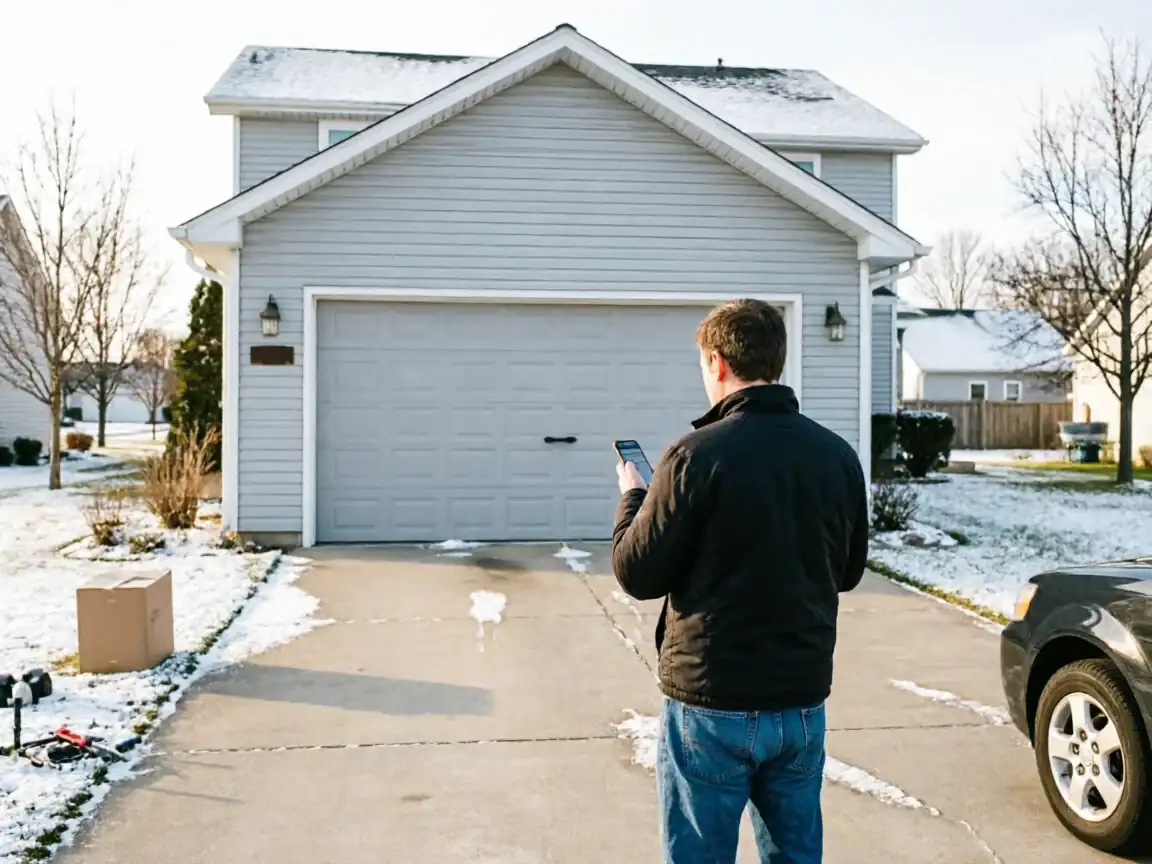
A man stands in a snowy driveway, looking at his phone in front of a garage.

Tell us what’s wrong

Describe the symptom - won’t open, loud bang, opener runs but the door won’t move.

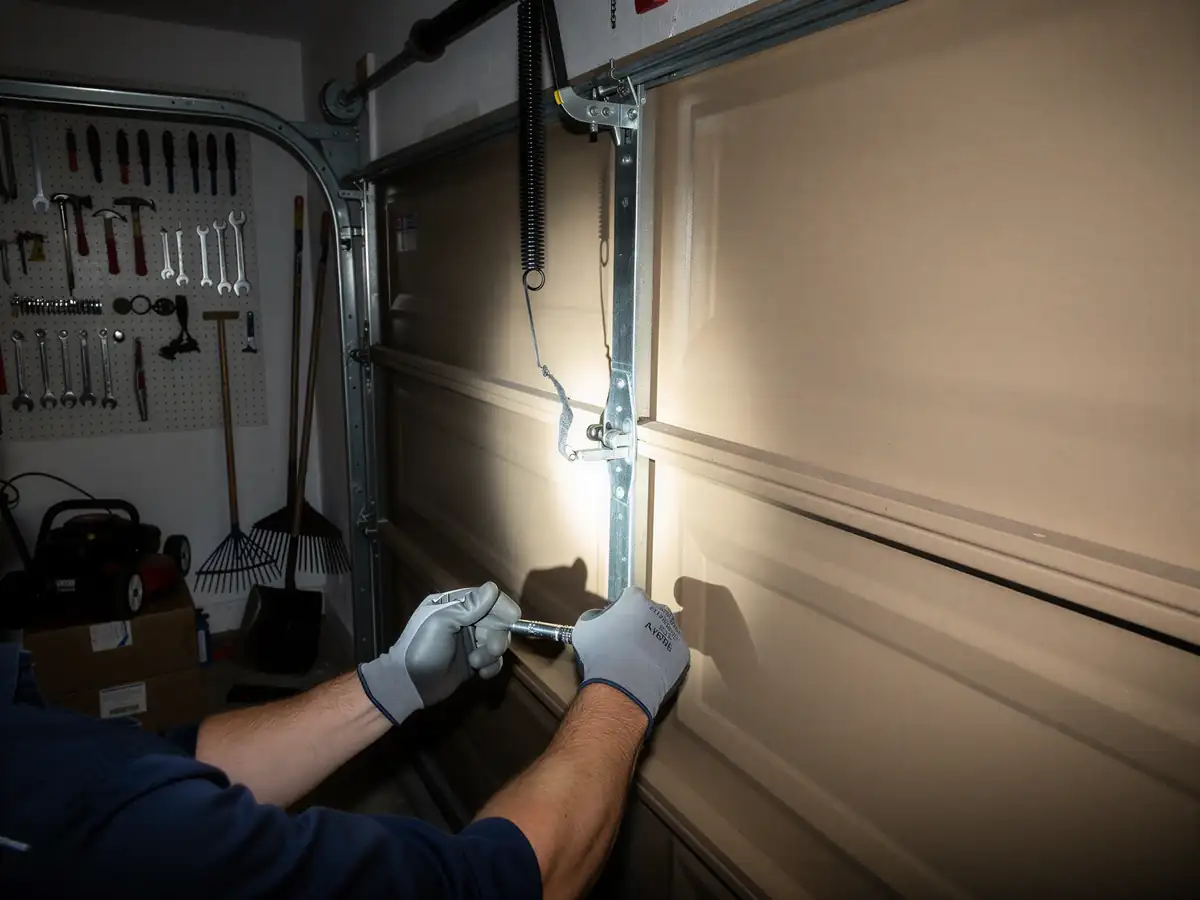
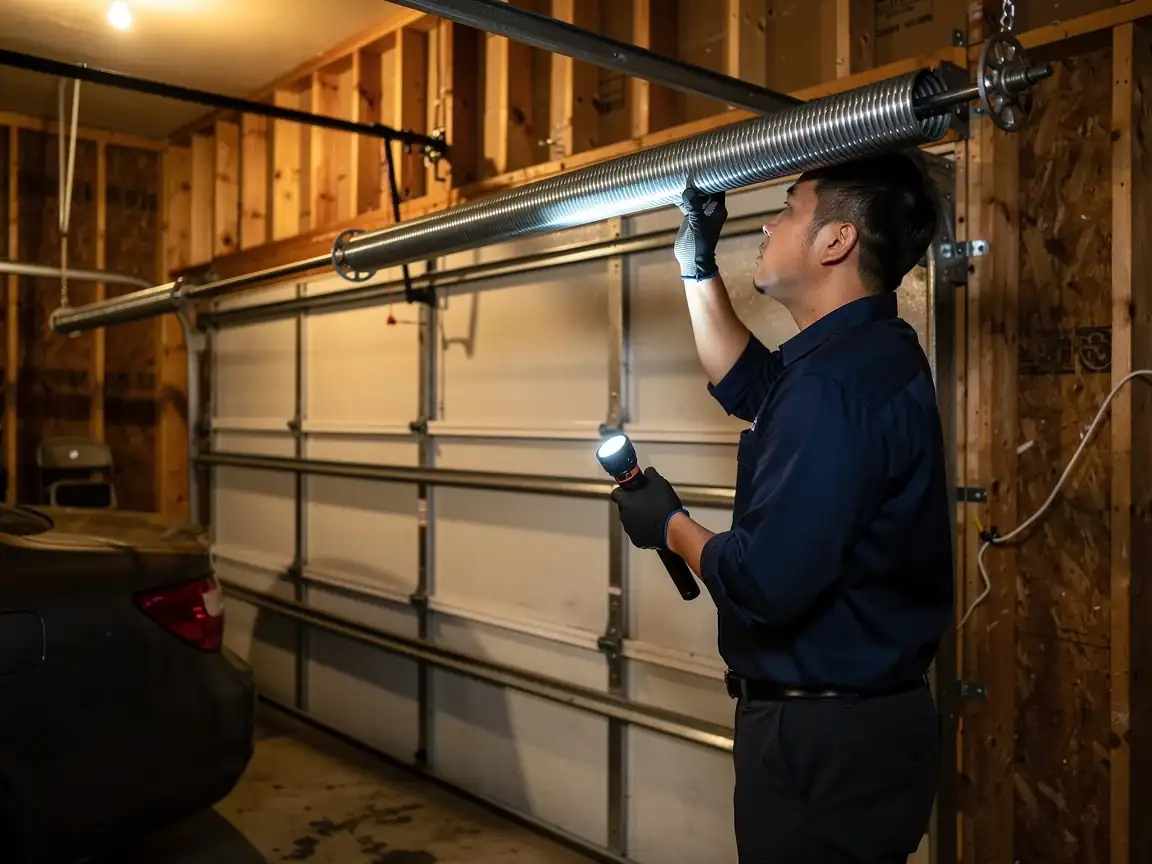
A technician with a flashlight inspects a garage door torsion spring.

On-site diagnosis

A technician tests the door under power and by hand and finds what actually failed.

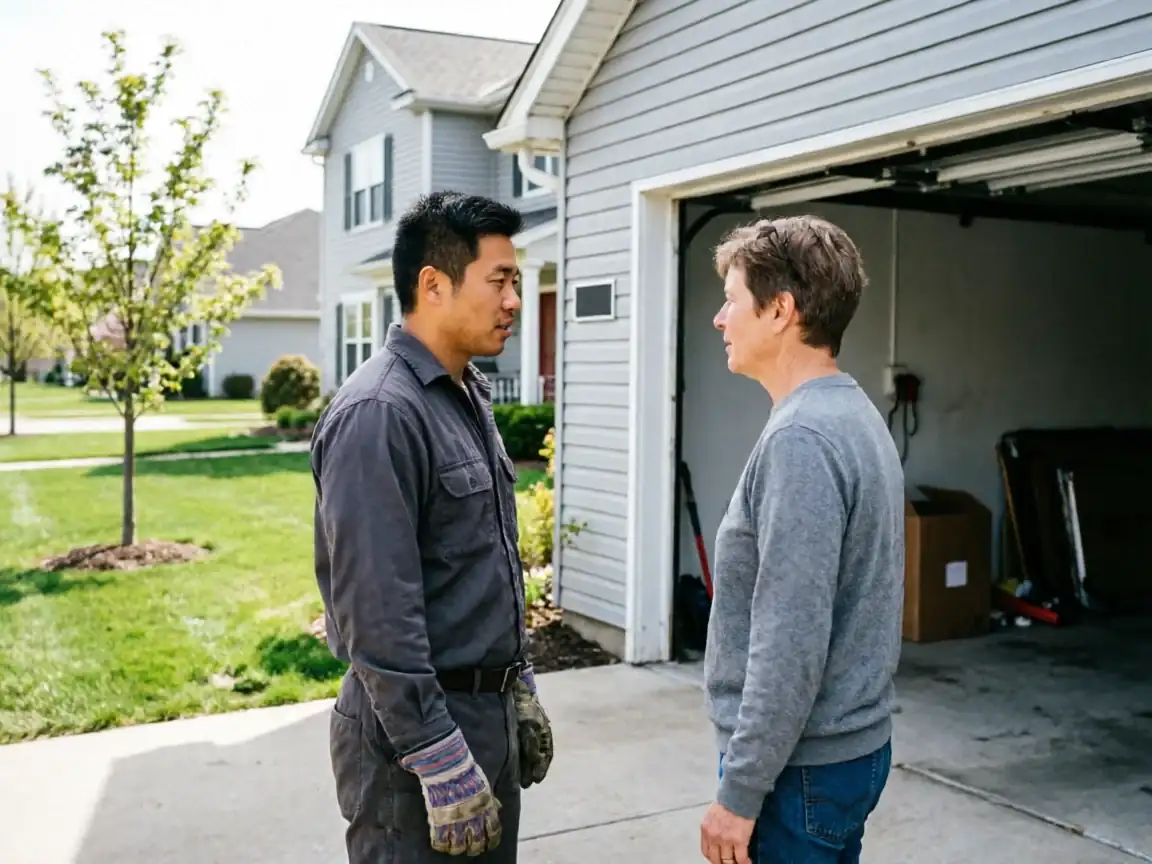
A technician in a gray uniform talks to a woman in front of a garage.

Clear, up-front plan

You get the fix that’s needed and what drives the cost - before any work starts.

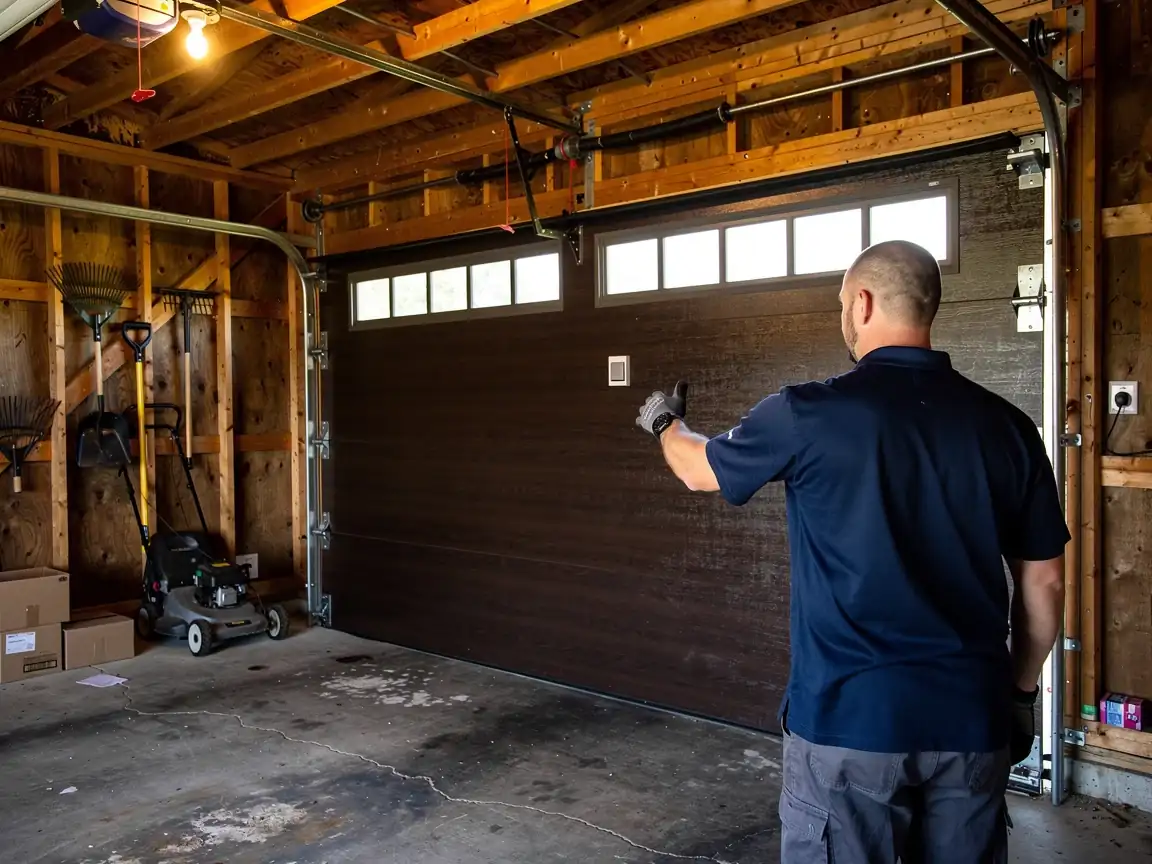
A technician gives a thumbs up to a brown garage door with windows.

Repaired & tested

The repair is done, the door is set true and tested, and the work area left clean.

Not sure which repair your door needs in Waterford, MI? Describe what it’s doing - every job starts with a diagnosis.

How we work

What to expect

  • Diagnosis firstEvery visit starts by finding what actually failed - not a pre-written parts list.
  • The right part for the doorSprings and openers matched to the door’s weight and age, so the fix holds up.
  • Straight answersWhen a repair makes more sense than a replacement - or the reverse - you hear it plainly.
  • Clean, careful workTension released safely, hardware set true, the door tested under power before we leave.
What we do

Garage Door Services

Repair and installation work for Waterford homes and businesses.

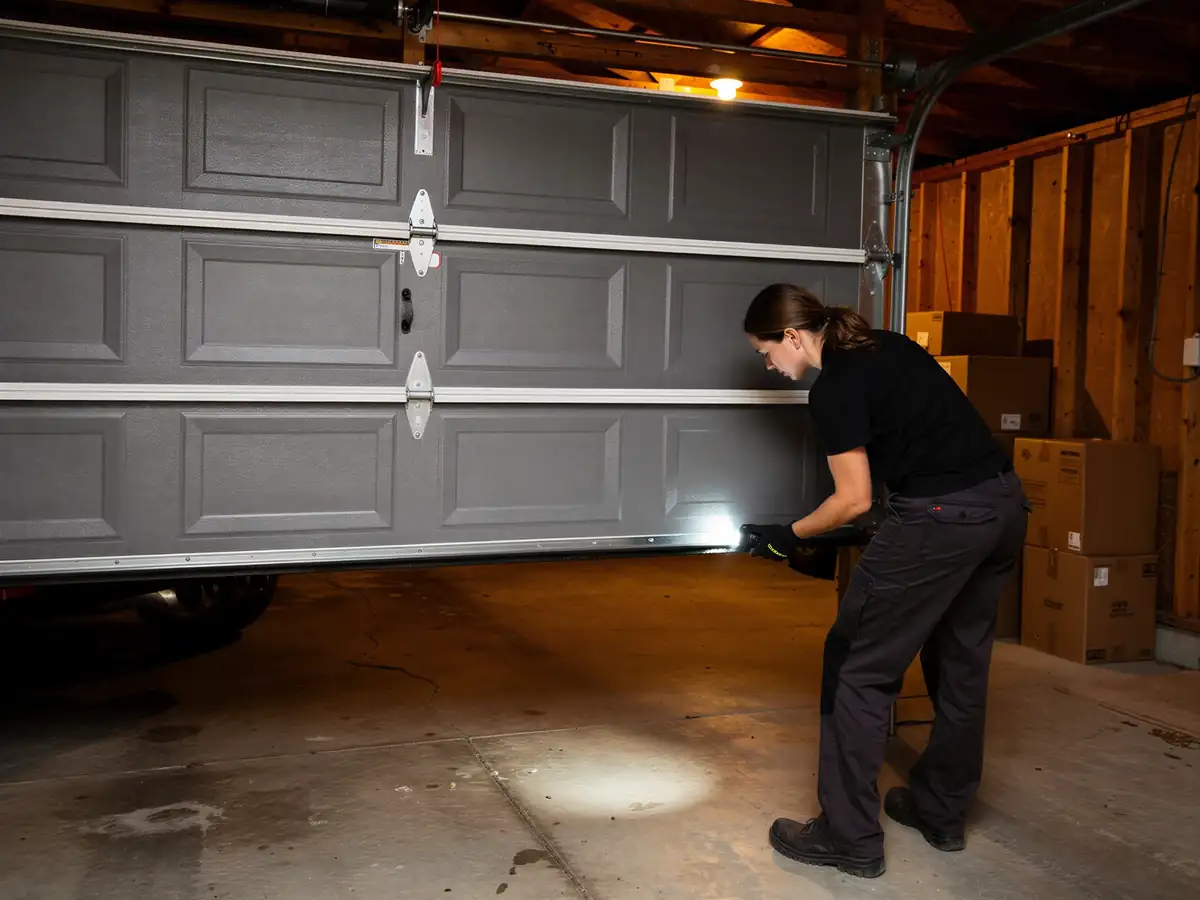
A technician shines a flashlight on the bottom of a gray garage door.

Garage Door Repair

Torsion springs on 1960s-70s Waterford homes fail from age and cold-severe winters. Local repair for broken springs, stuck doors, and worn rollers.

Learn more
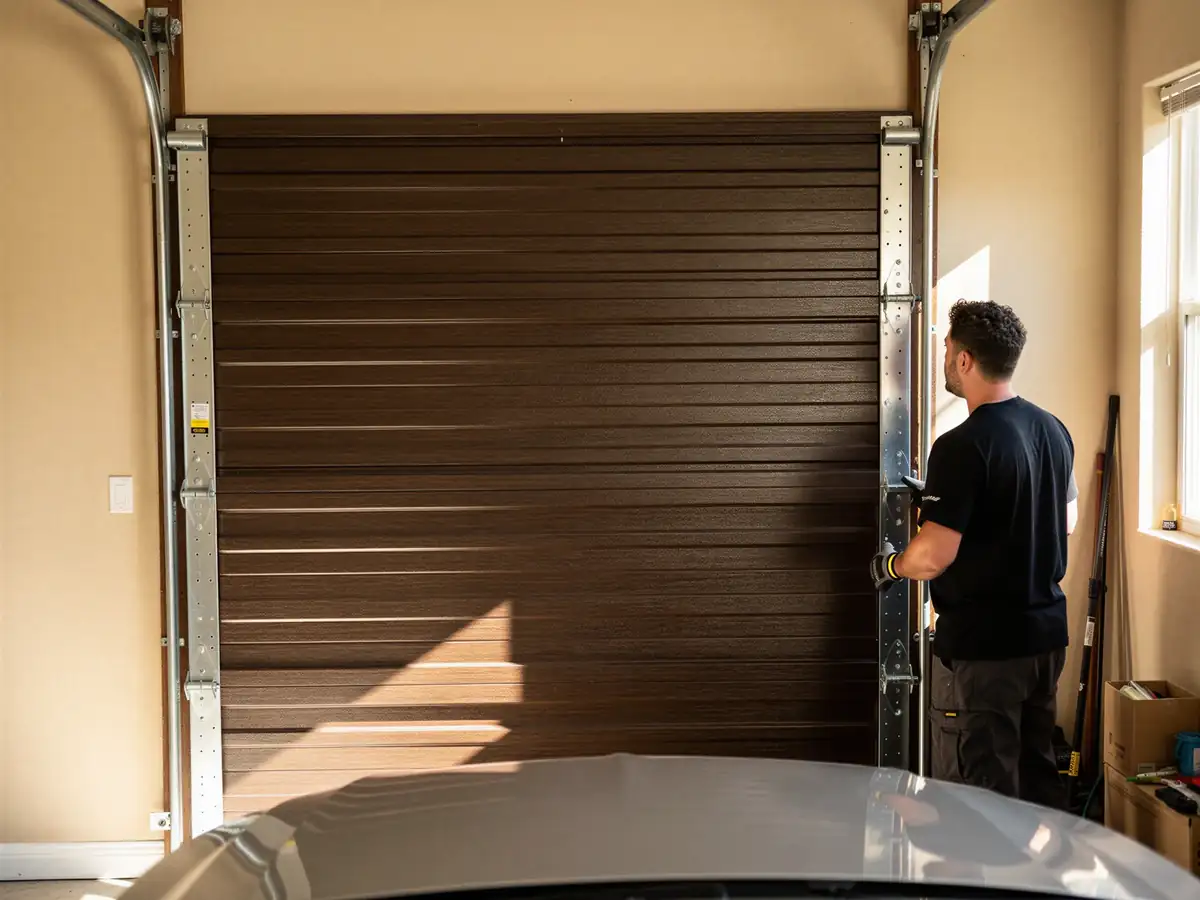
A technician stands next to a closed brown garage door.

Garage Door Installation

Garage door installation sized for Waterford, MI homes built mostly 1949-1993, matched to original rough openings and rated for Michigan's severe cold winters.

Learn more
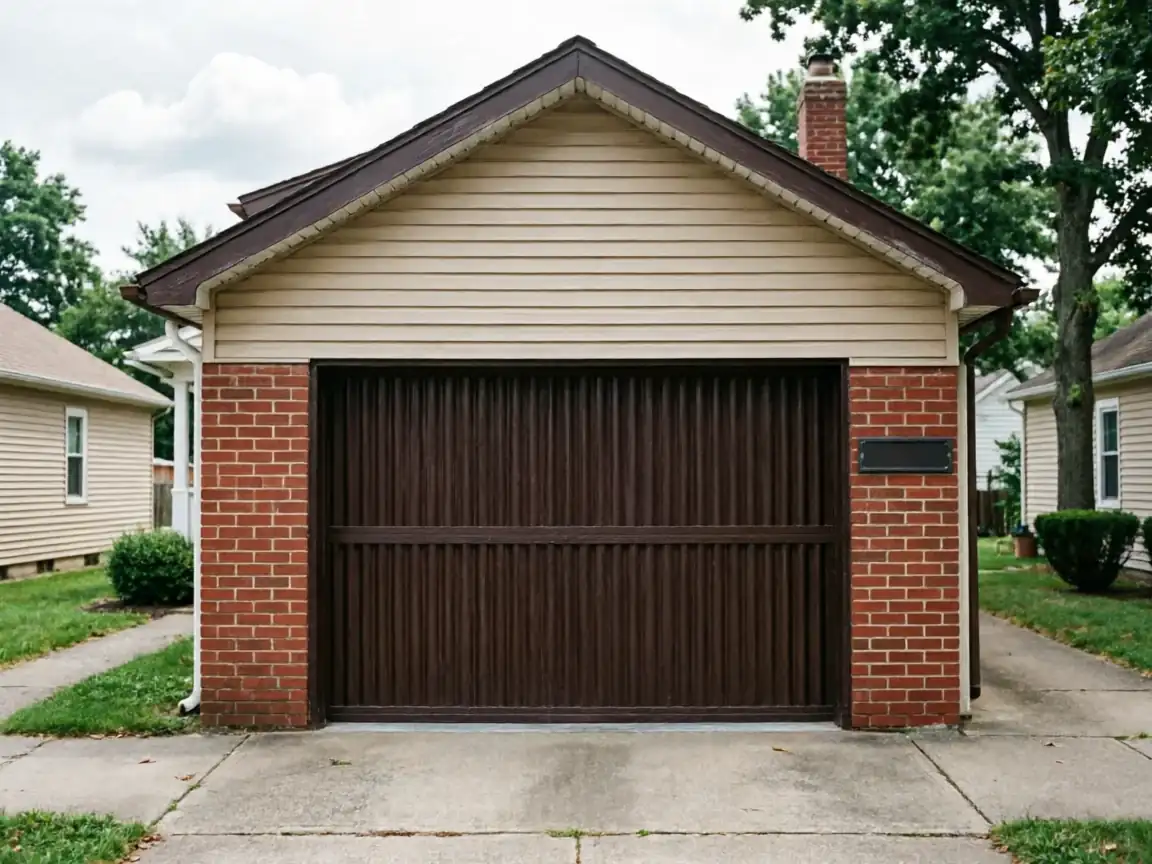
A brown garage door is on a brick and tan siding garage.

Garage Door Service

Waterford homes built between 1949 and 1993 carry original torsion hardware that fights the cold. Here's why springs and openers fail here, and how we fix them right.

Learn more
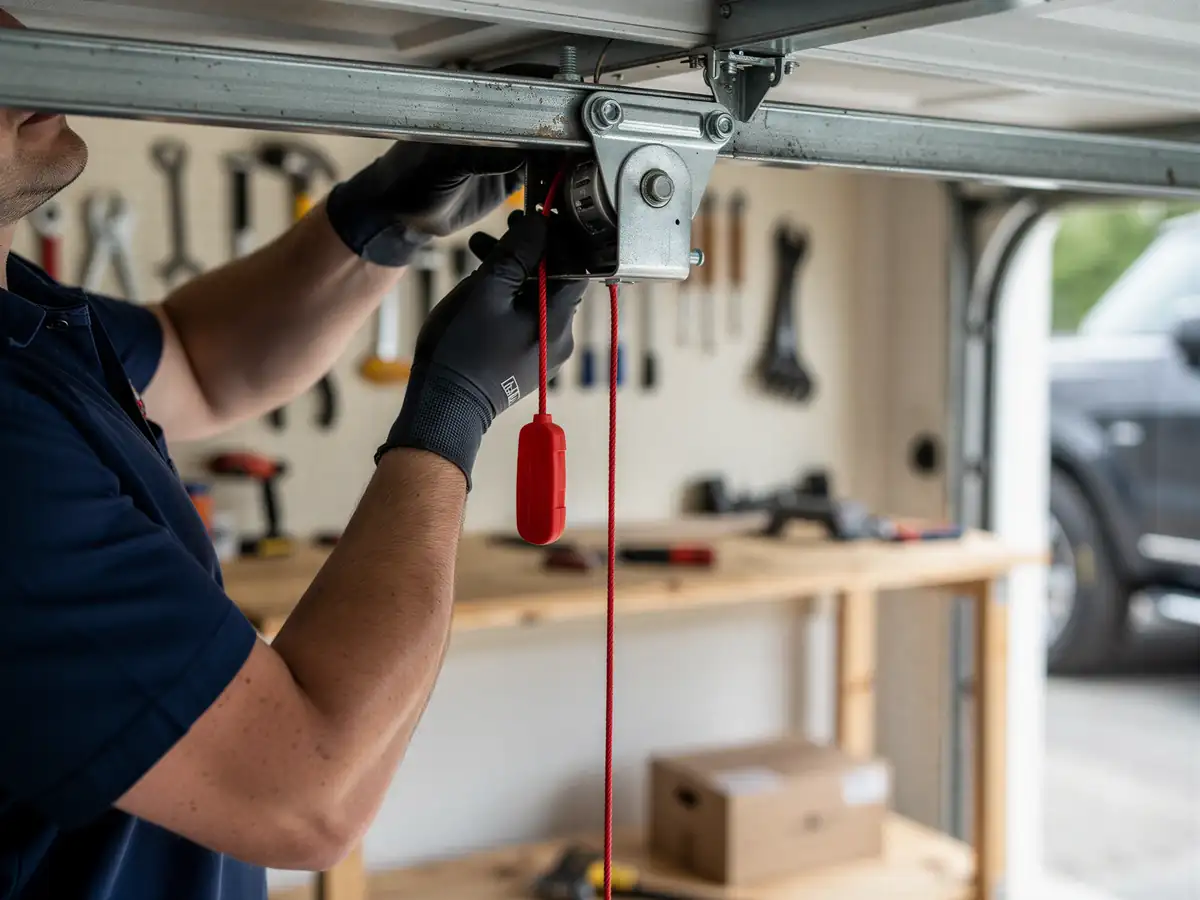
A technician in gloves adjusts the red emergency release cord on a garage door opener.

Opener Repair

Waterford houses built mostly from 1949 to 1993 put real strain on garage door openers once winter sets in. We diagnose and repair openers across the service area.

Learn more
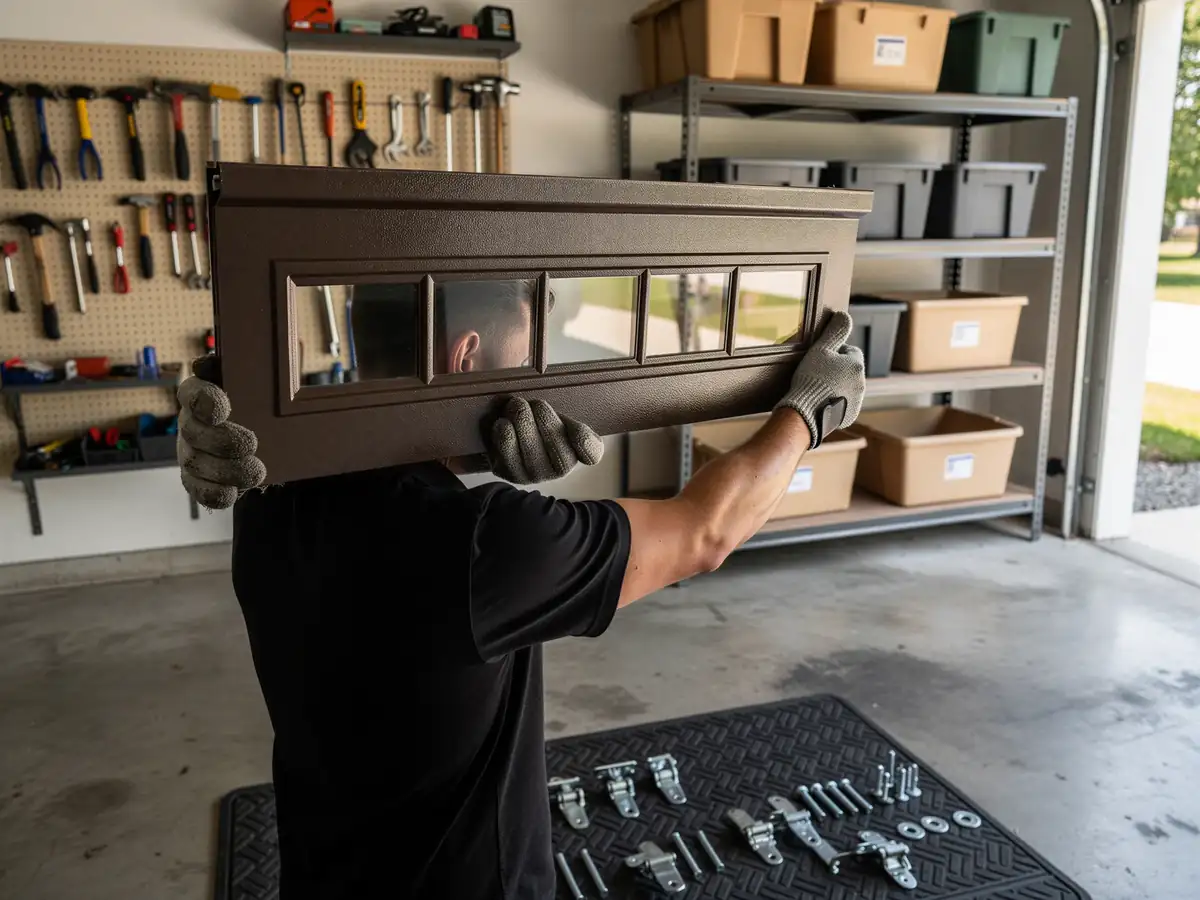
A technician holds a brown garage door panel with windows in a garage.

Panel Replacement

Dented or cracked garage door panels are common on Waterford's 1949-1993 housing stock. We match panels and replace what's actually broken, not the whole door.

Learn more
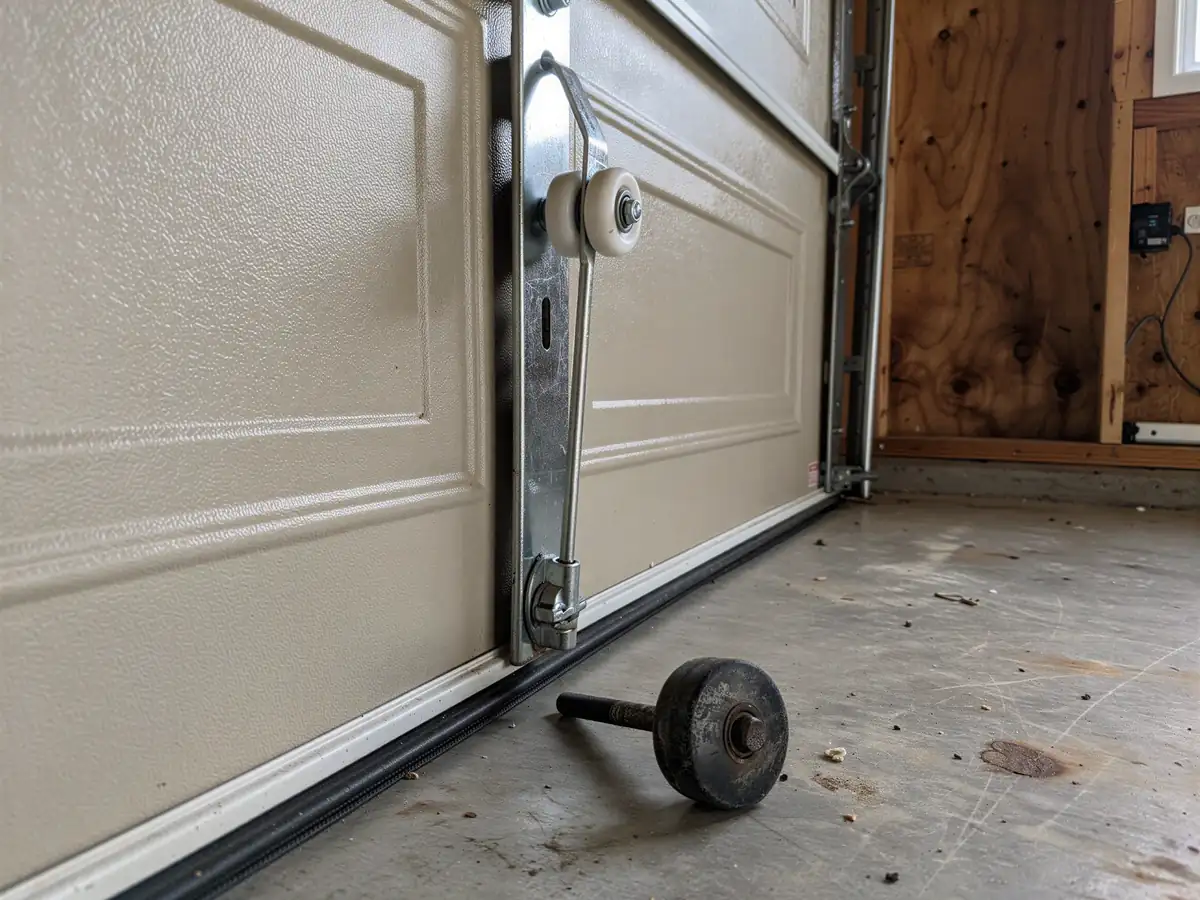
A garage door with a detached roller on the concrete floor.

Roller Replacement

Rollers failing on a house built in the 70s? Waterford's housing stock and cold winters wear out steel and nylon rollers fast. Here's why, and how we fix it right.

Learn more
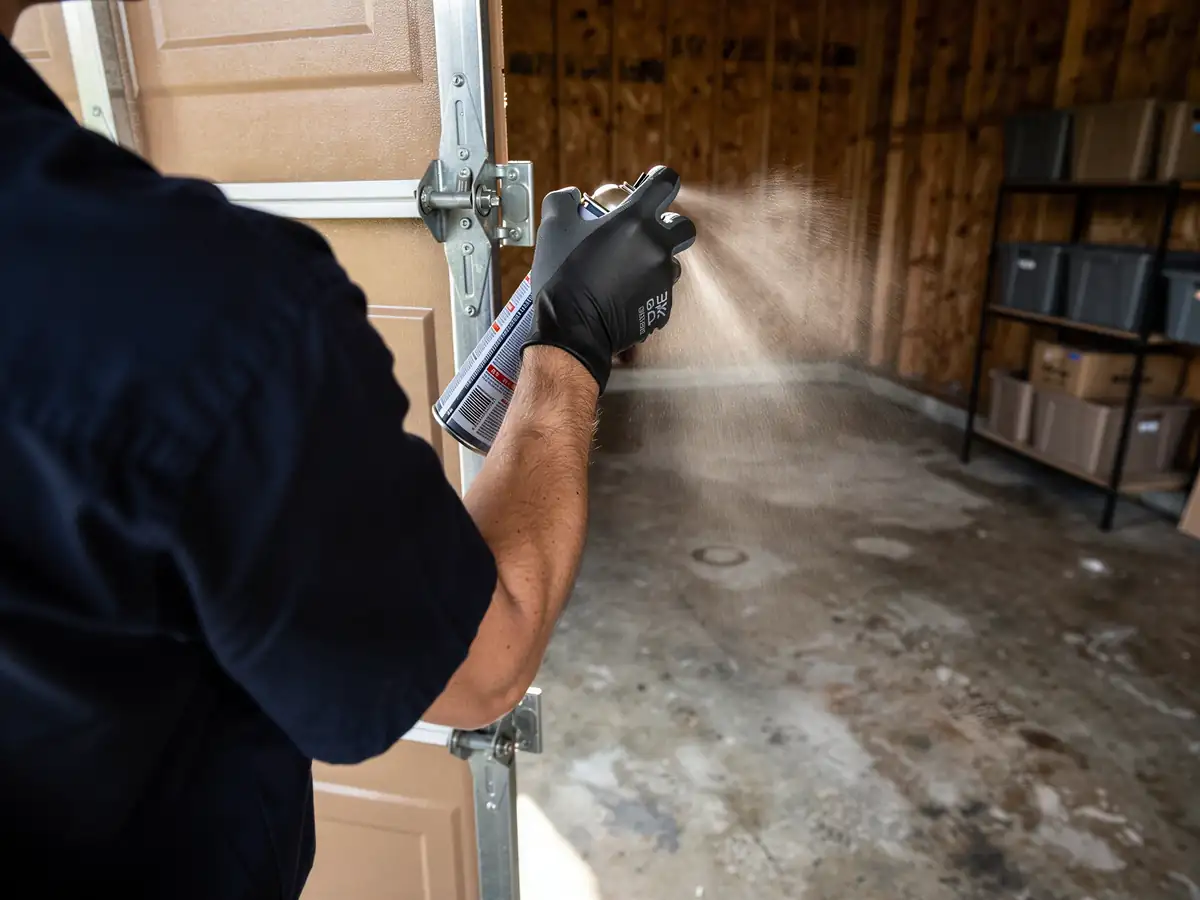
A technician sprays lubricant on a garage door hinge.

Maintenance

Waterford homes built 1949-1993 carry original hardware into Michigan winters. Seasonal maintenance tuned to that housing stock and our cold climate, from Clarkston to Pontiac.

Learn more
A technician in gloves repairs a beige garage door with a tool.

Emergency Garage Door Repair

Broken spring or dead opener in Waterford? We explain why this area's 1960s-70s housing stock and cold winters push doors to fail, and how we fix it fast.

Learn more
Questions

Frequently asked

Straight answers about garage door repair in Waterford. Still unsure? Ask us directly.

Why did my spring break in the morning instead of overnight?

Temperature swings fastest right before and after sunrise in winter, and that's often when a stressed spring finally gives. It's less about the coldest point of the night and more about the shift in temperature the metal is reacting to.

Is it normal for a garage door spring to last decades out here?

Springs are rated by cycle count, not years, but a lot of homes in this area still have original torsion hardware from a 1973-median build date. Cold winters use up that cycle life faster than a mild climate would, so decades-old springs are past due more often than owners expect.

Can I just replace one spring if it's a two-spring door?

You can, but we usually don't recommend it. If one spring failed from age and cold stress, the other is the same age and under the same conditions, and it's likely to go within months. Replacing both at once costs less than two separate visits.

Does the cold itself damage the spring, or just reveal a problem that was already there?

Mostly the latter. Cold reduces the steel's flexibility and removes the margin a worn spring had left, so it tends to fail at the point the metal was already closest to its limit, not because the cold caused new damage on its own.

Ready to get your garage door sorted?

Tell us what it’s doing and where you are in Waterford - we’ll take it from there.

Request a QuoteCall