Why It Happens Here
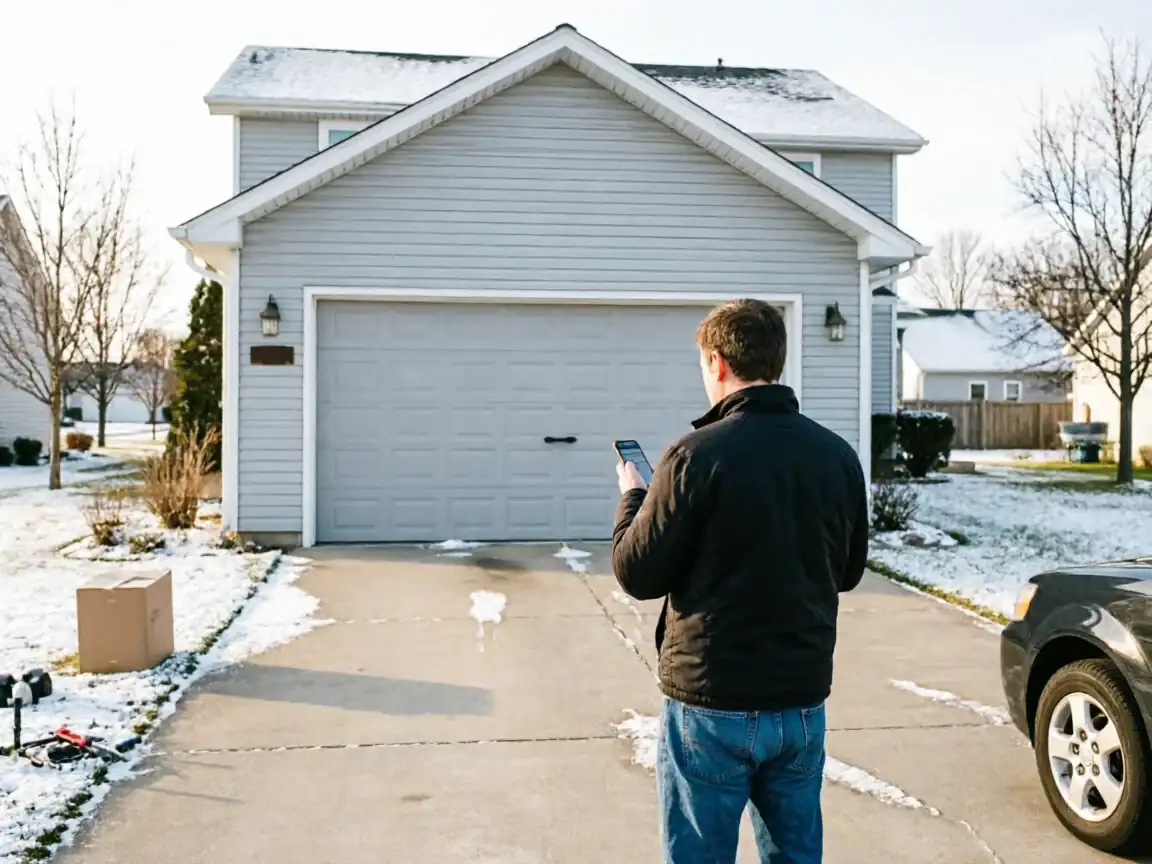
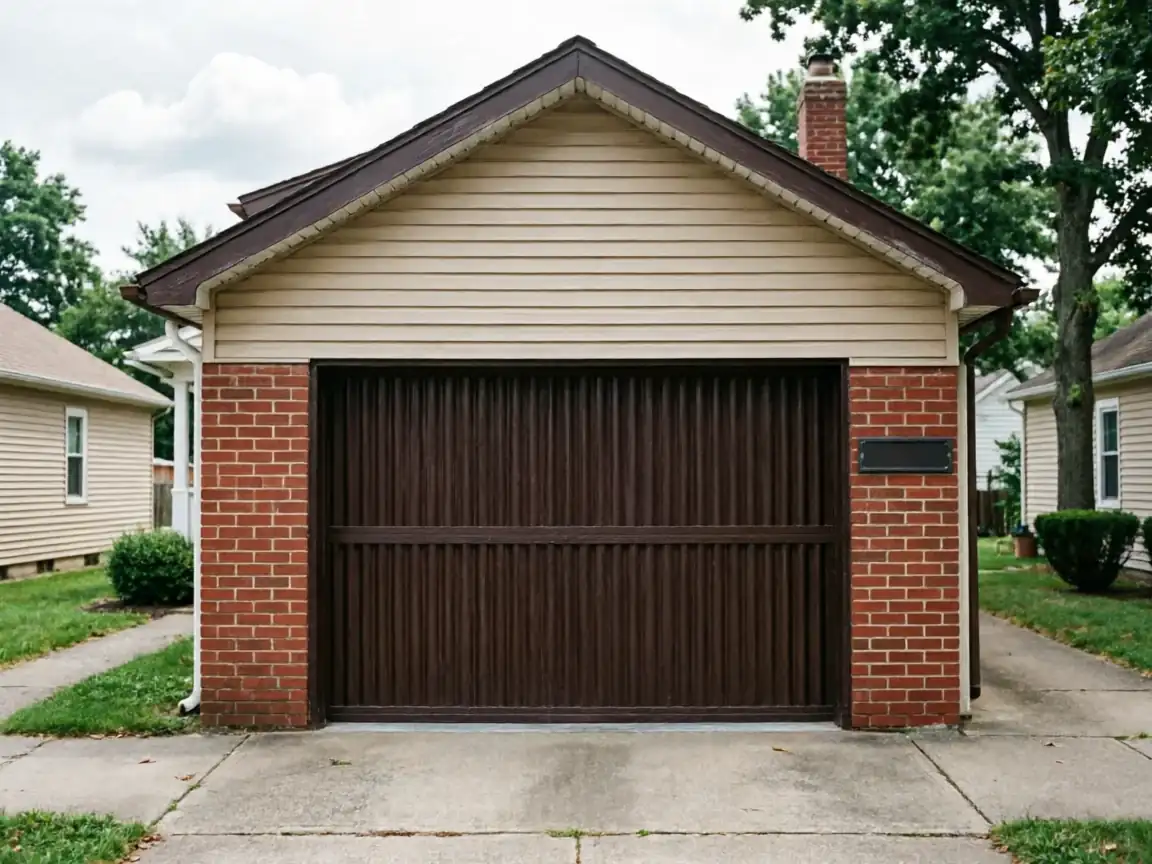
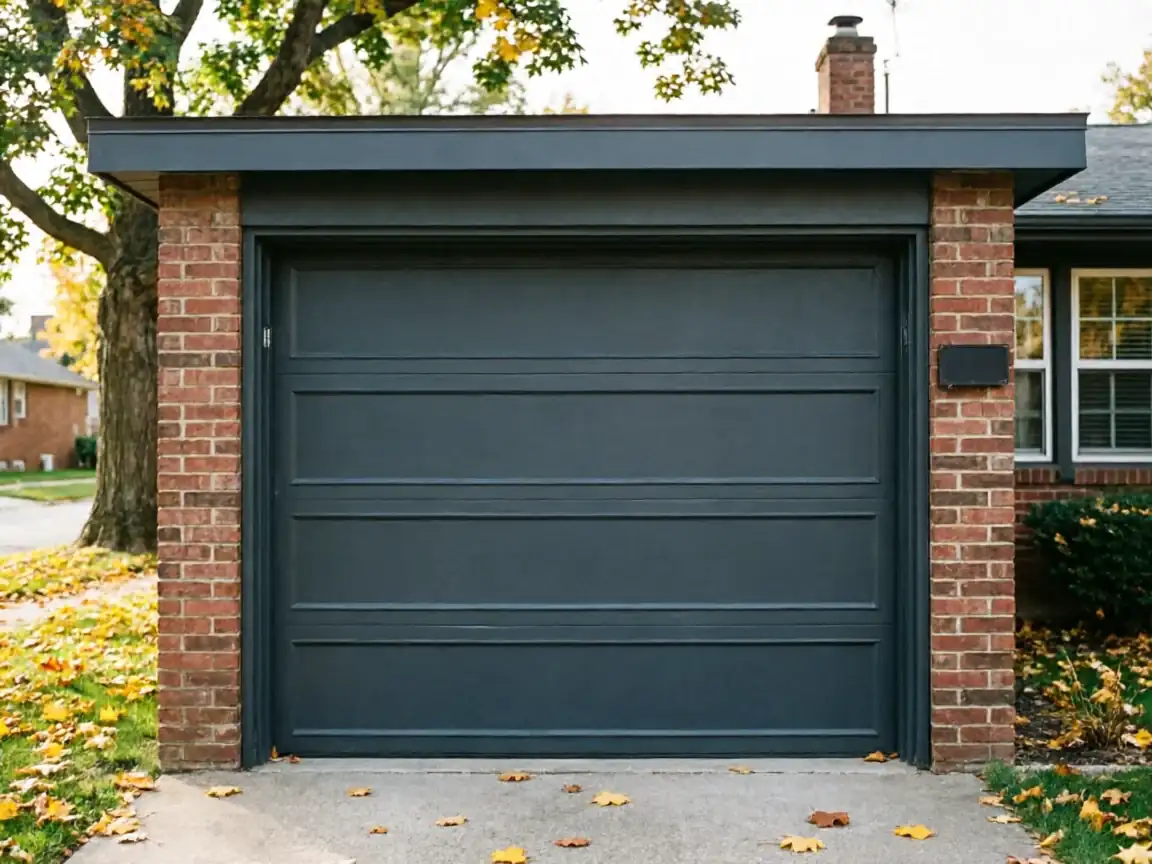
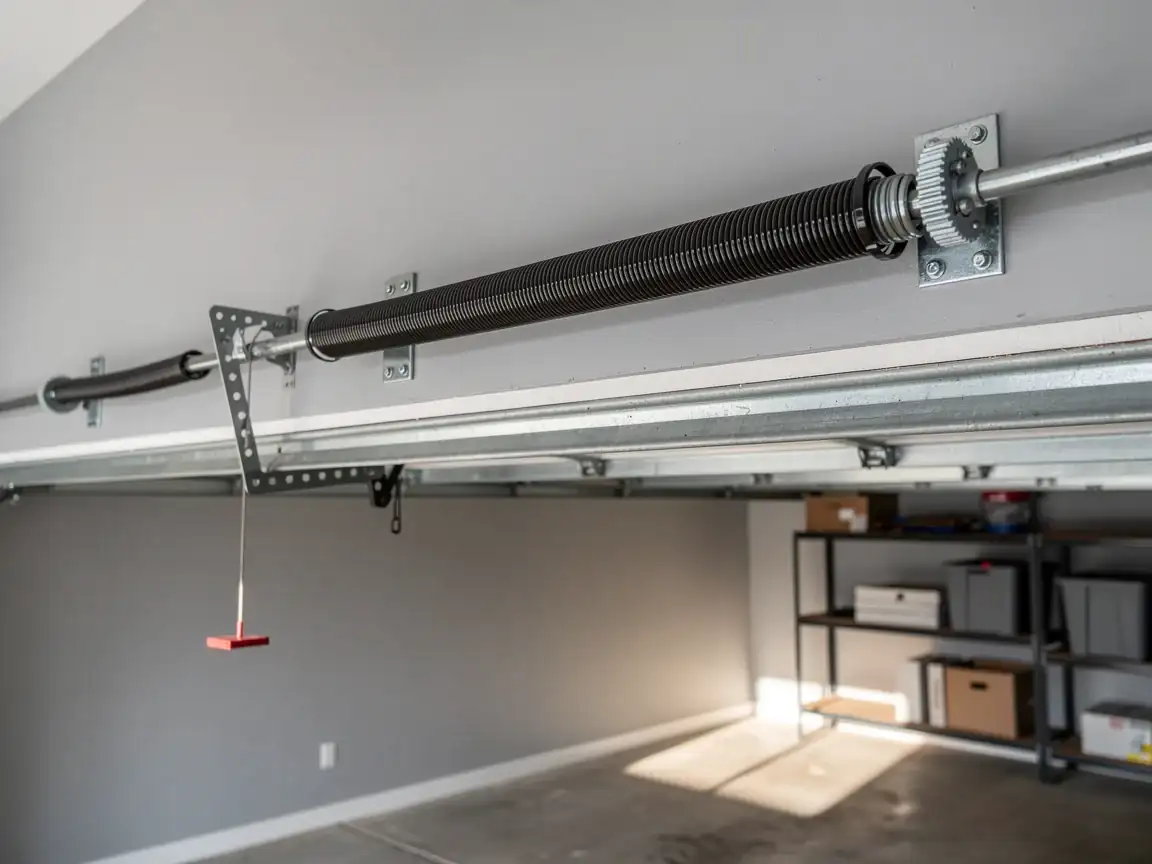
Most houses in Waterford went up between 1949 and 1993, with the median landing right at 1973. That means a huge share of the garage doors in this township are sitting on torsion spring systems that are now fifty-plus years old, well past the duty cycle they were rated for when they went in. Waterford's housing breaks down into roughly 32 named subdivisions, most built out during that 1960s-70s boom, so entire streets often got the same contractor-grade spring and track hardware at the same time. That's why you'll see clusters of failures in the same few years - the springs aren't just old, they're old together.
On top of age, Waterford sits in a cold-severe climate band. Steel torsion springs lose a measure of flex every time they cycle through a hard freeze and a thaw, and that cycling happens more here, more winters in a row, than it would somewhere milder. A spring that's already fifty years old and metal-fatigued doesn't need much of a push on a cold January morning to finally let go. That combination - old hardware plus hard winters - is the specific reason this fault shows up as often as it does in this township.
Where This Job Goes Sideways
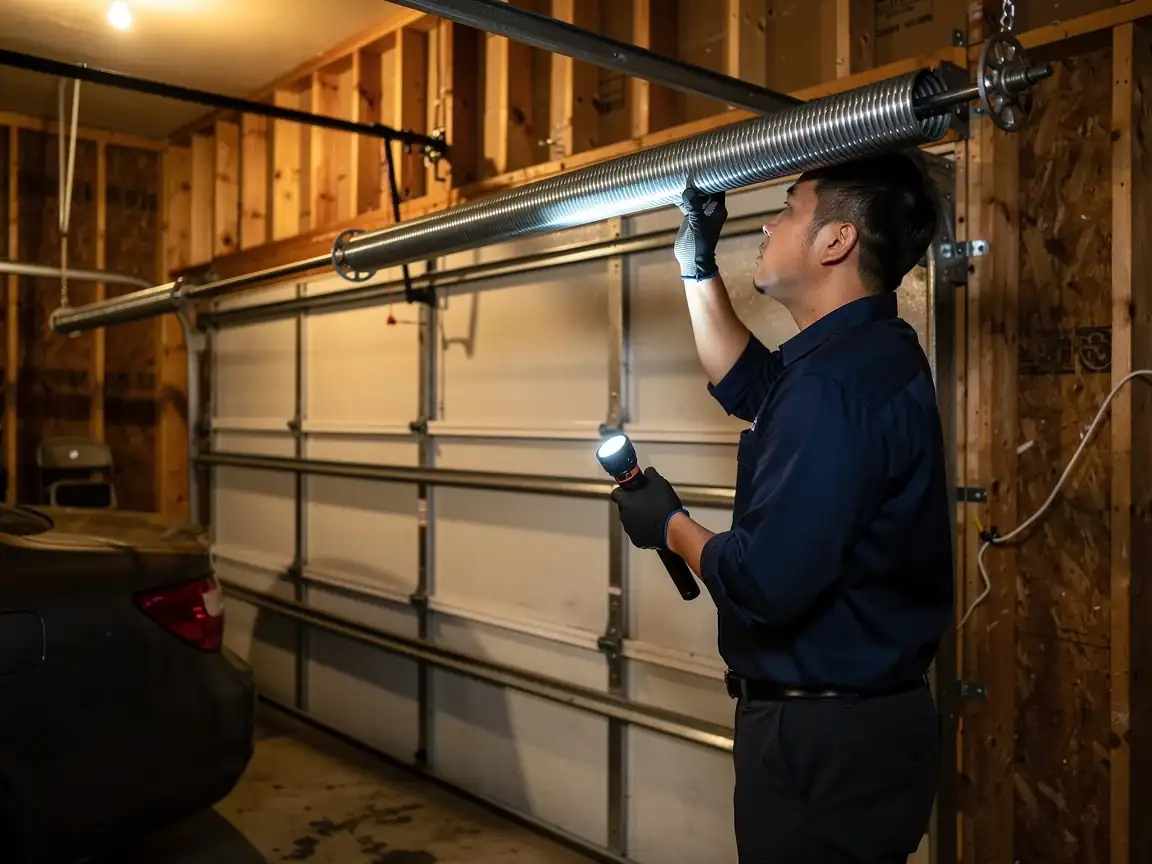
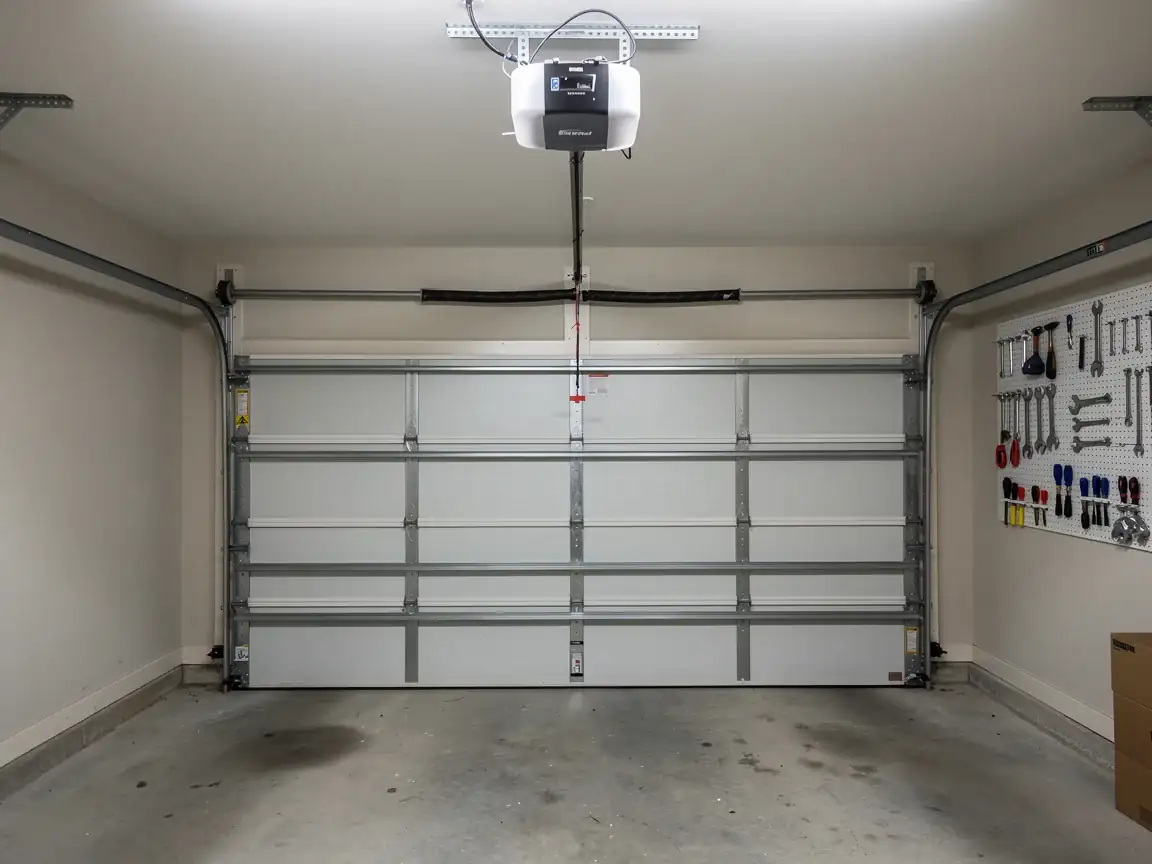
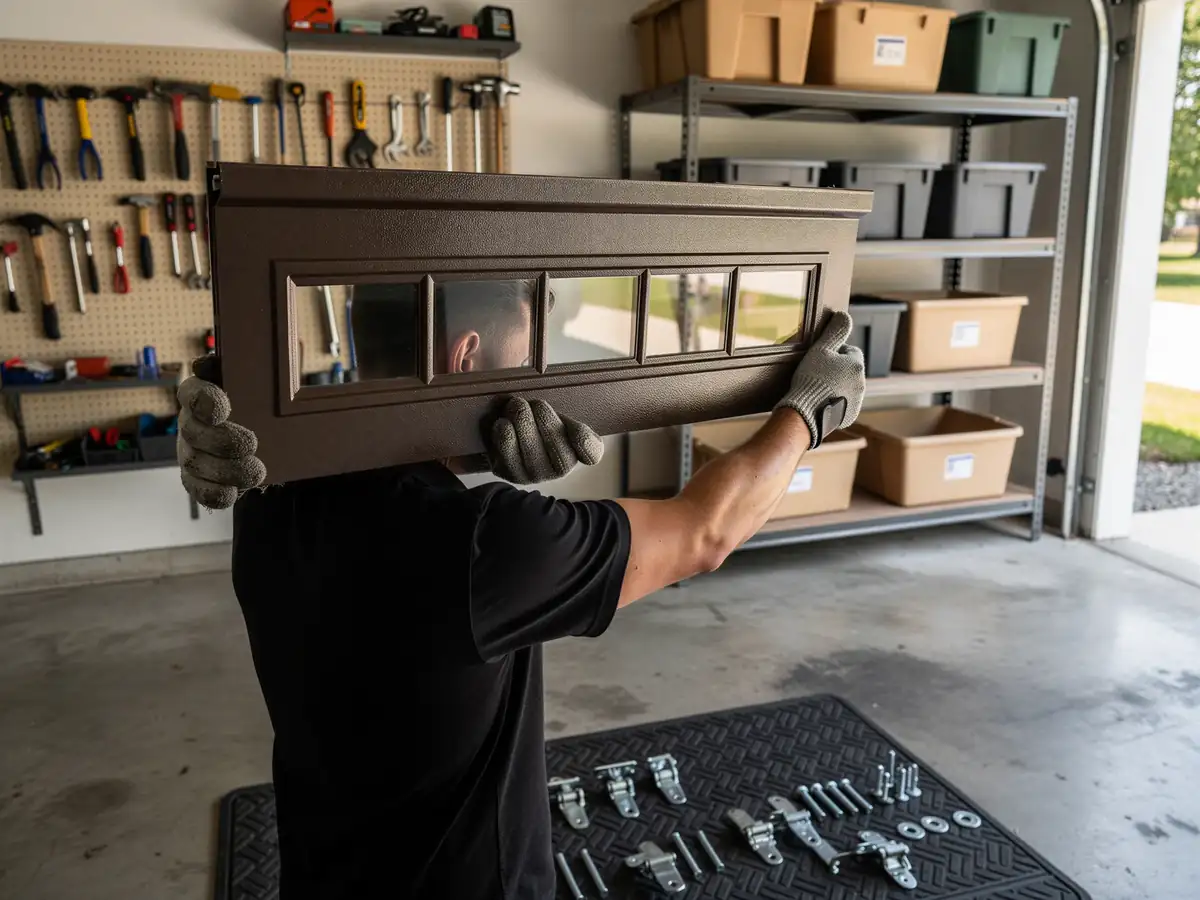
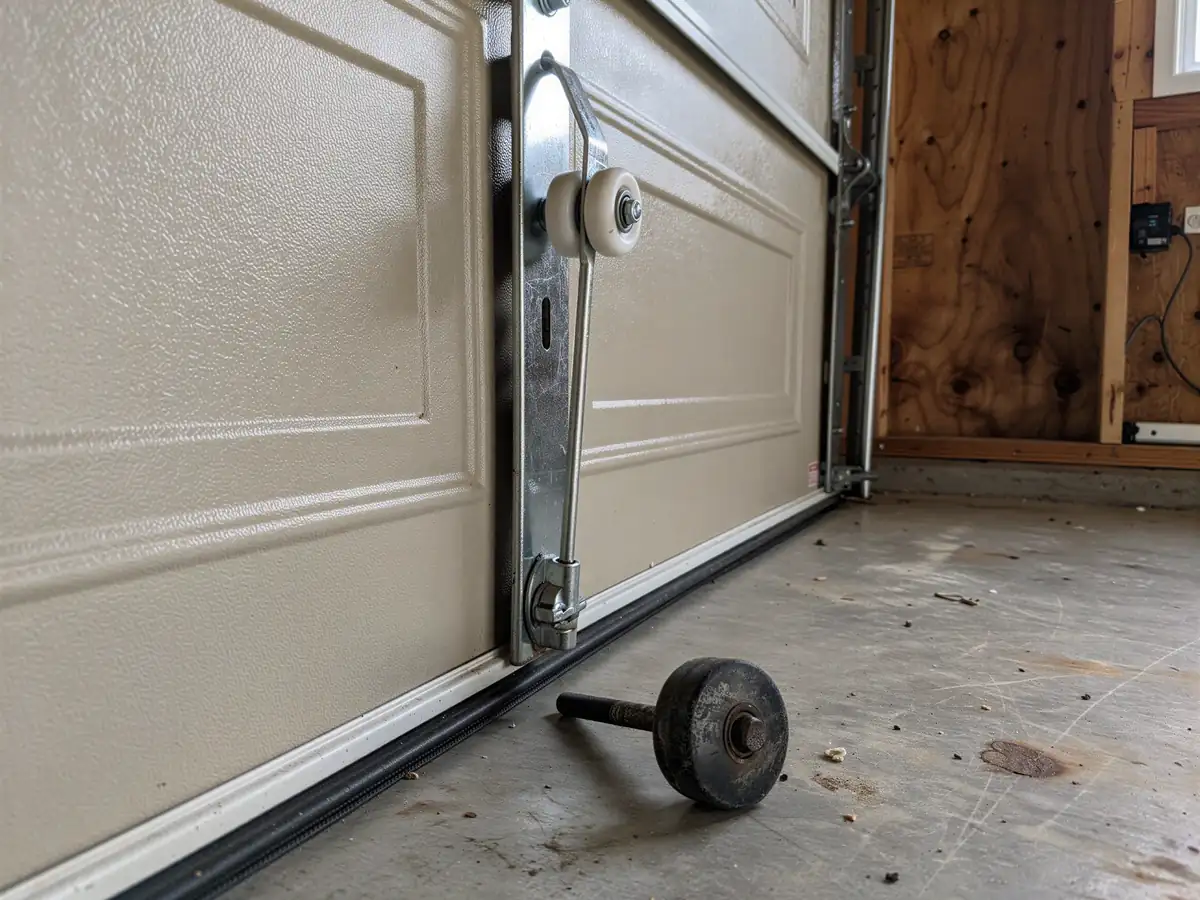
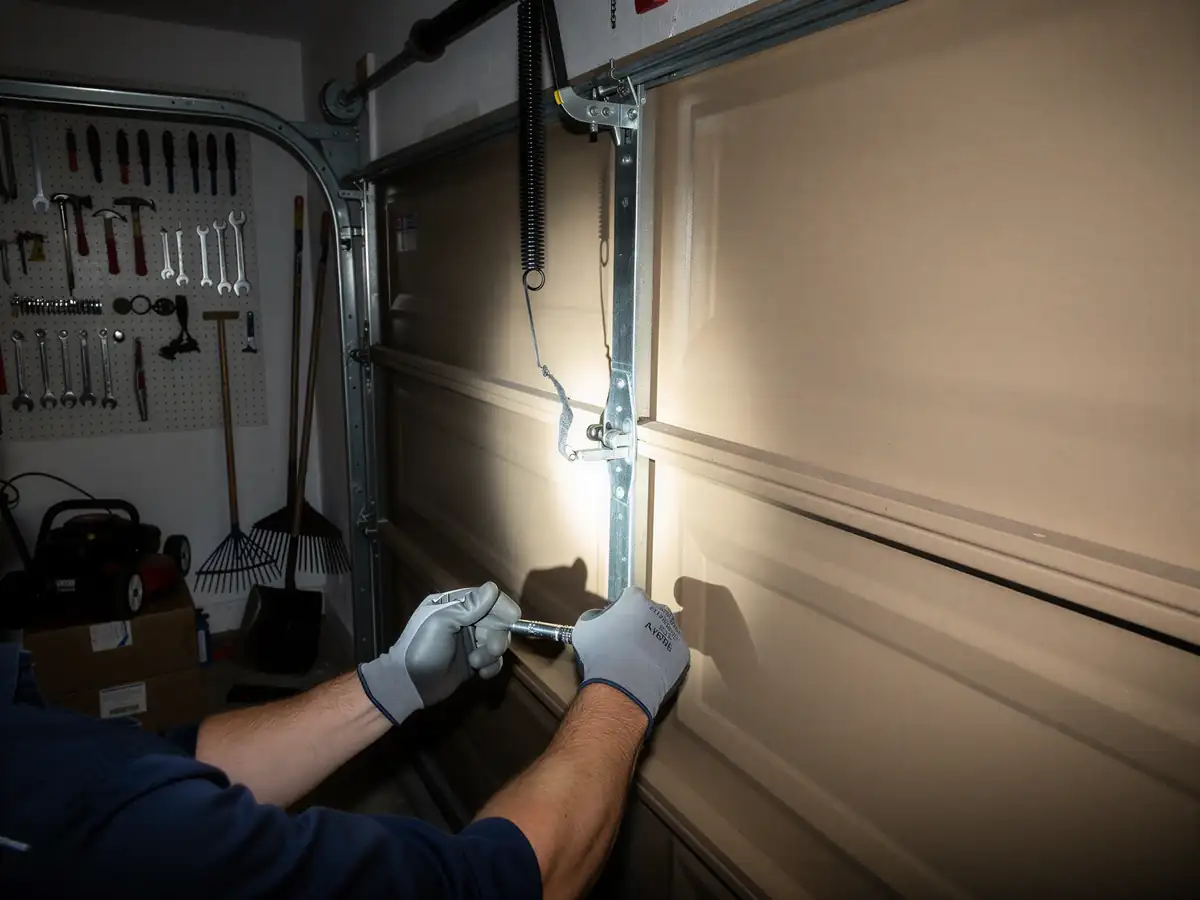
The spring itself is rarely the only thing wrong by the time we get the call. On a door that's been running on the same torsion spring since the 1960s or 70s, the cable drums, bearing plates, and center bracket have all been absorbing the same decades of wear, and a spring failure usually takes something else down with it - a frayed cable, a bent bracket, sometimes a cracked bottom bracket on the panel itself. Homeowners who try to just swap the spring and call it done often find the door still binds or drops crooked because the rest of the system is tired too.
We won't quote you a spring-only fix if the drums or cables are shot, because that just means a second service call in a few months. It costs more up front to do the whole hardware set at once, but on a door this old, piecemeal repair is usually money spent twice. That's the honest limitation here: we can't make a fifty-year-old track system behave like new hardware just by replacing the one part that broke.
How It Shows Up
The classic sign is a door that won't budge and a loud bang from the garage a few minutes before
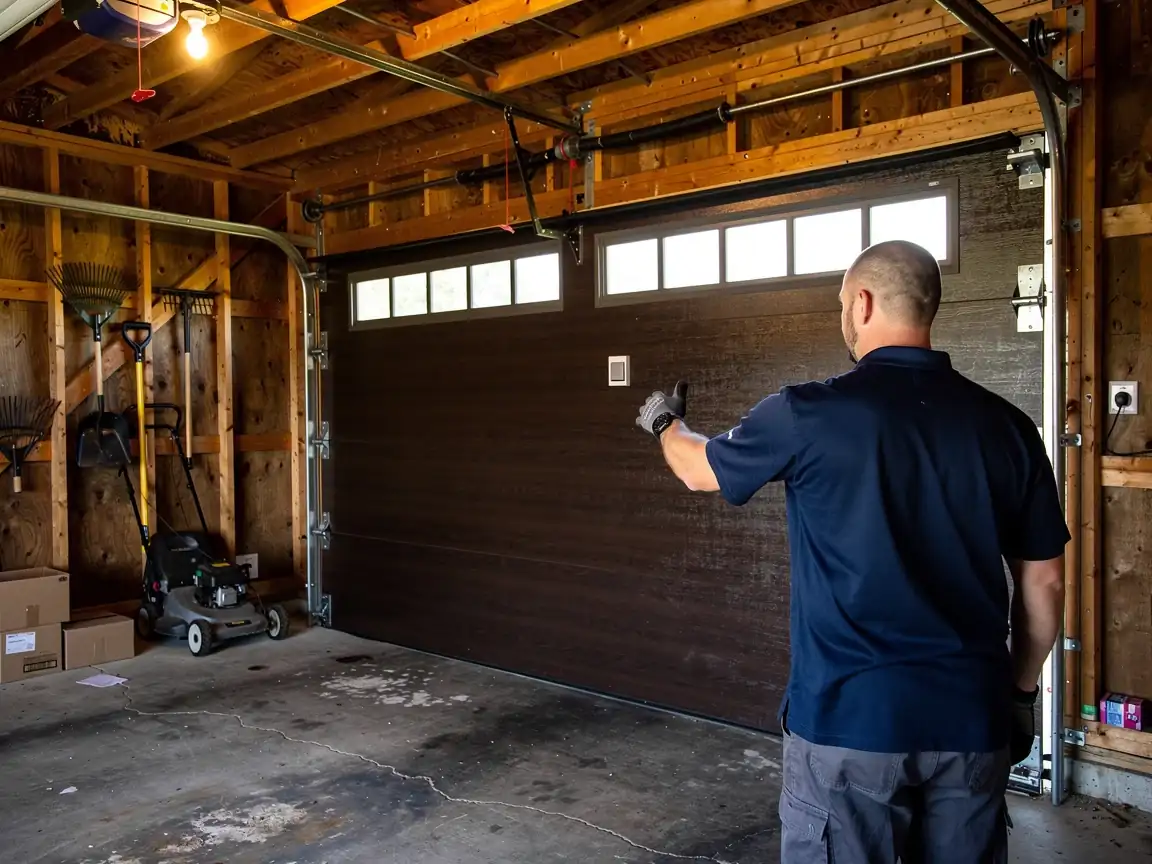
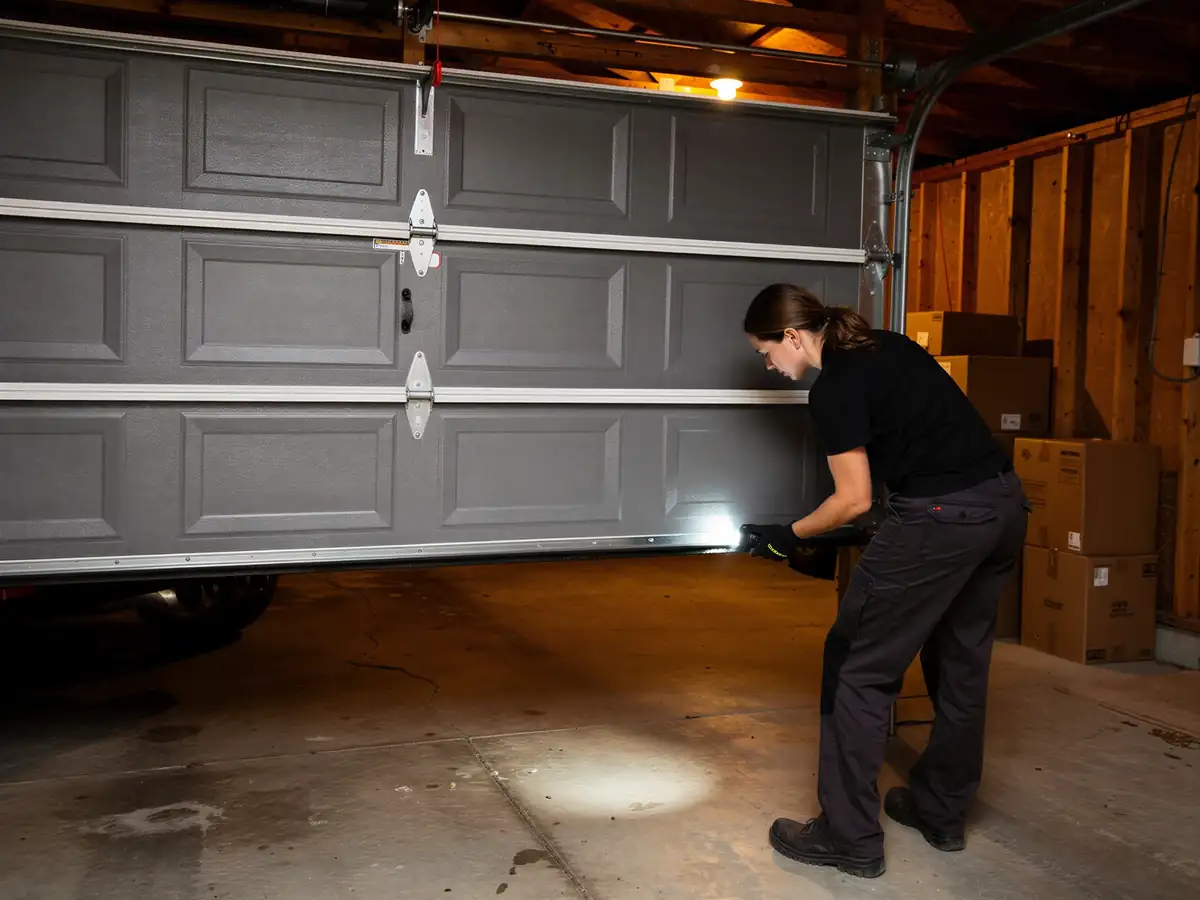
That's the torsion spring letting go under tension. Sometimes it's quieter: the door gets heavier to lift by hand every week for a month, then one morning it simply won't move at all. On older Waterford doors we also see one side of the door hang lower than the other, which usually means one spring on a two-spring system failed while its twin held.
In cold weather, the symptom often looks electrical before it looks mechanical
The opener strains, reverses, or trips its safety sensor, and the owner assumes it's the opener motor - when really the motor is just fighting a spring that's lost most of its lift. If your door has gotten noticeably harder to open by hand over the cold-severe months, that's usually the spring losing tension before it breaks outright, not an opener problem.
How We Fix It
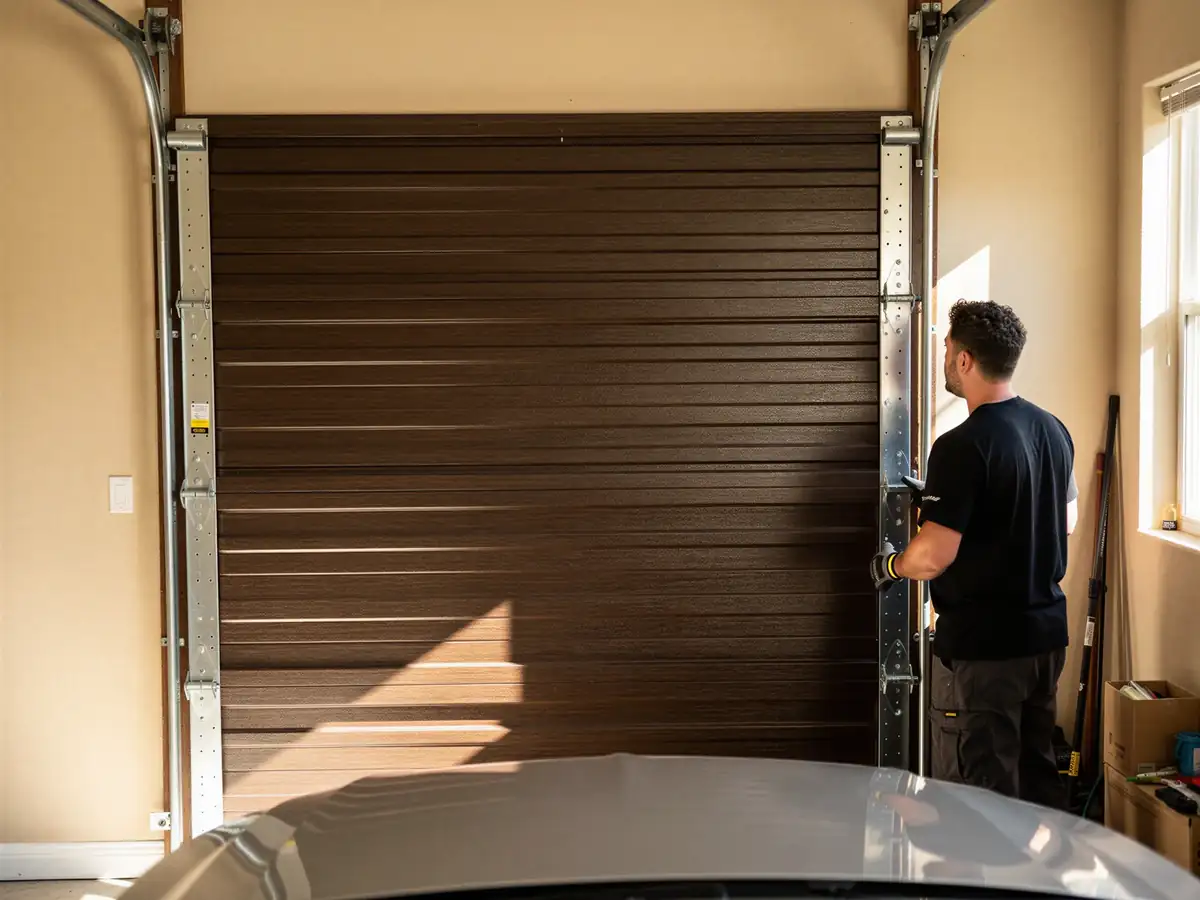
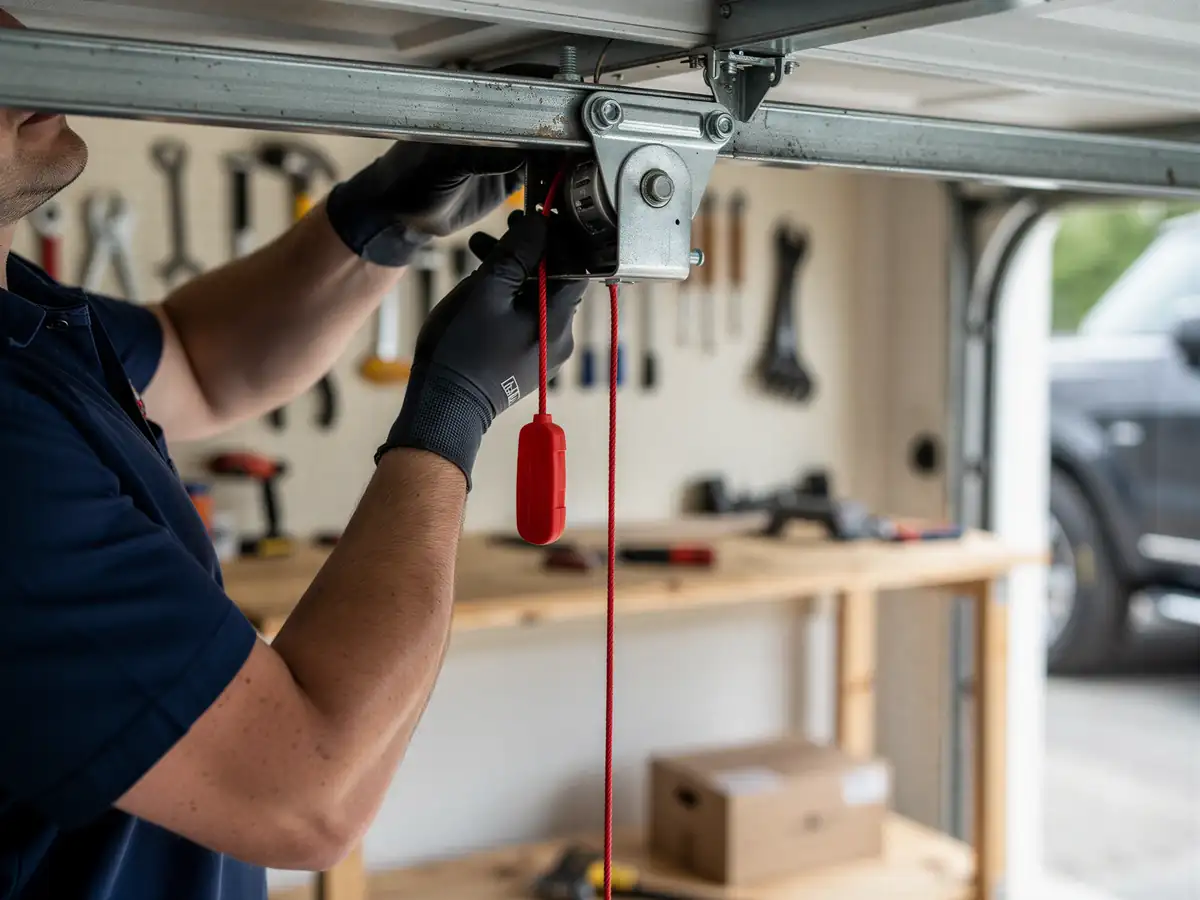
We replace the torsion spring to match the door's actual weight and track geometry, not just swap in whatever's closest - undersizing a spring on an older heavy door is how you get a second failure inside a year. On systems where the cables, drums, or bottom brackets are also worn from the same decades of use, we replace those in the same visit rather than leaving half the hardware at 1970s condition next to brand-new steel.
With a median household income of $102,333 and 63,421 owner-occupied houses across the service area, most homeowners here are in a position to do the job right the first time rather than patch it twice. We serve Waterford and run out to nearby communities too - the Village of Clarkston three miles east, Keego Harbor seven miles south - but the call volume we see is heaviest in Waterford's own older subdivisions, where the hardware is oldest and the winters hit it hardest.