Why It Happens Here
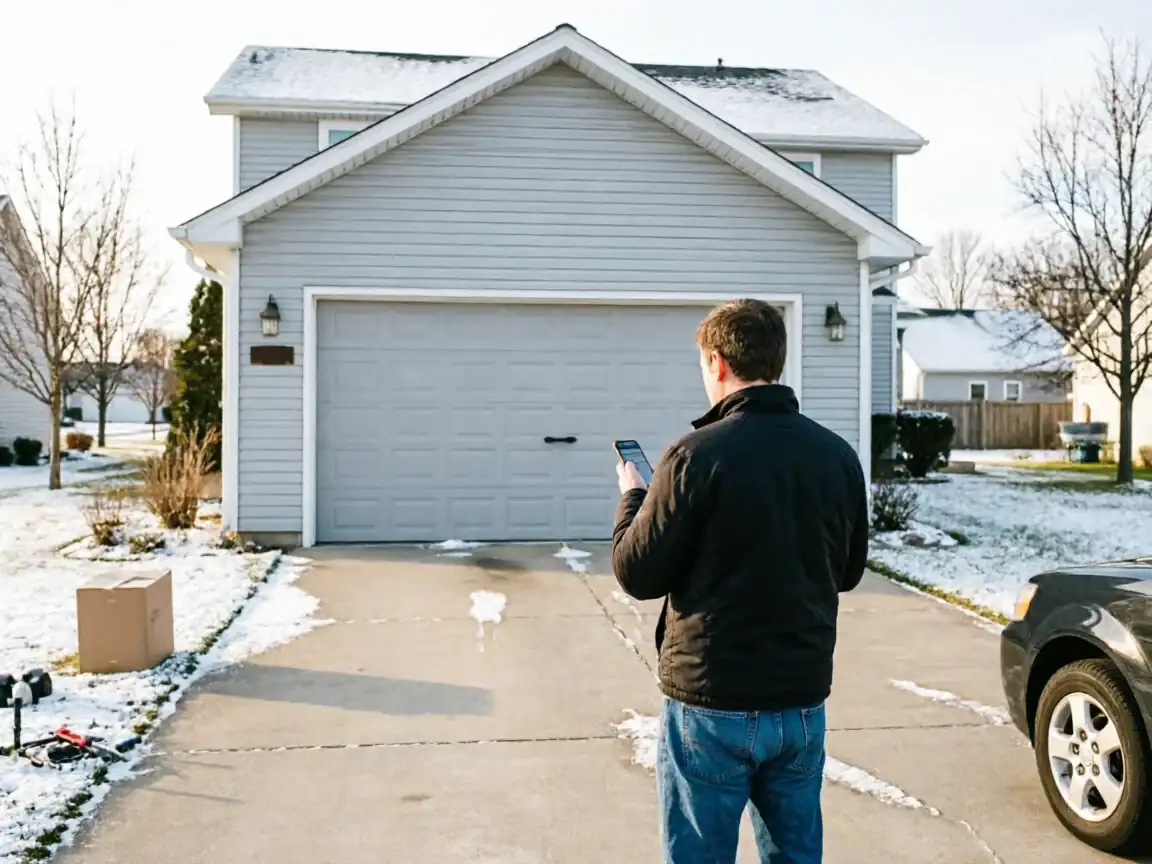
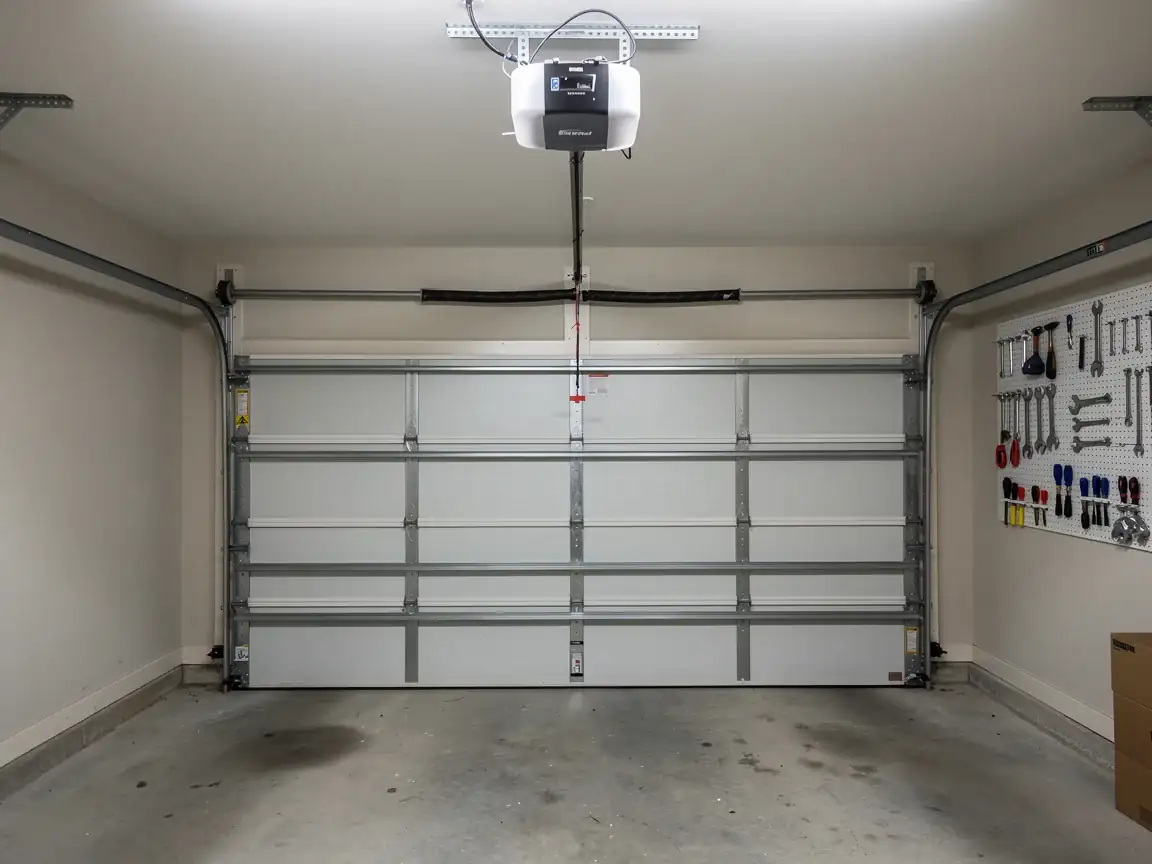
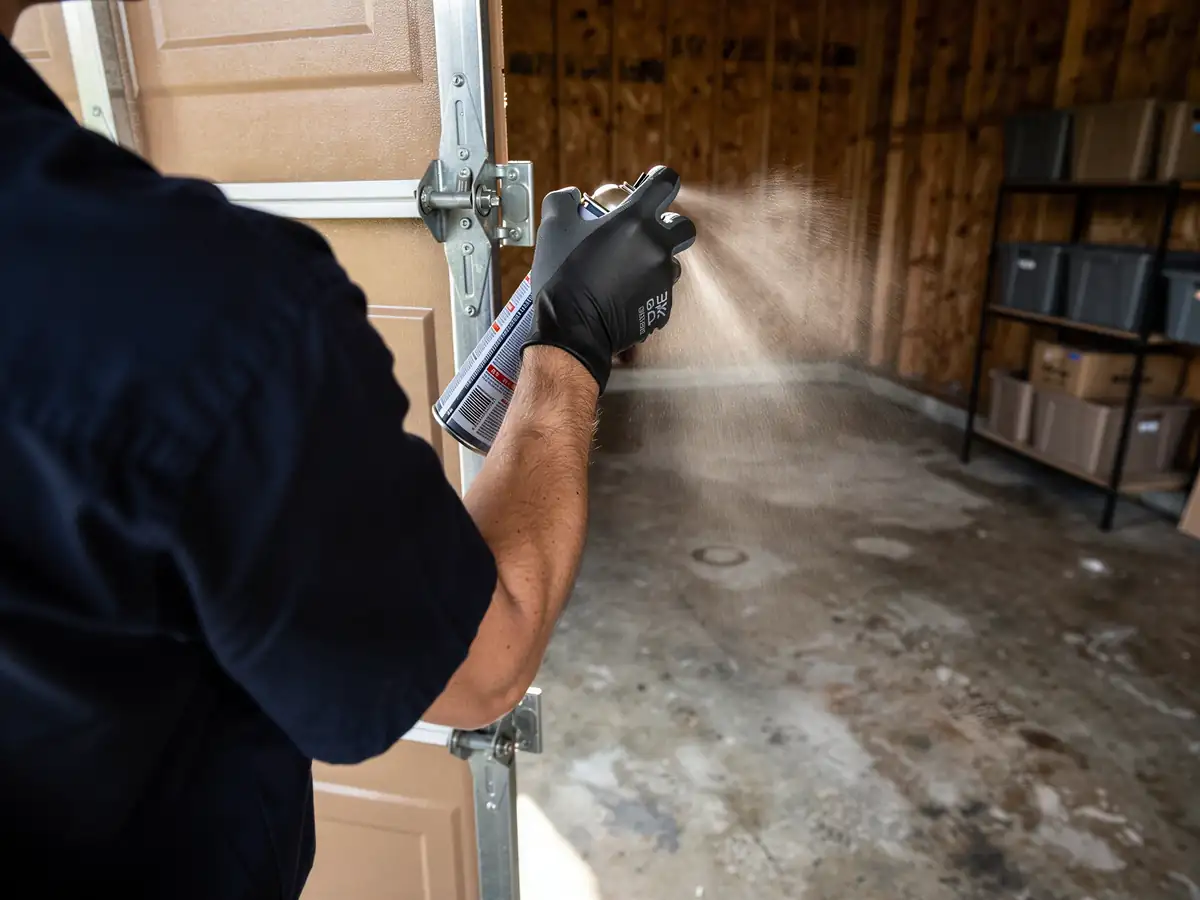
Most houses across this part of Oakland County went up between 1949 and 1993, with the bulk of that stock dating to the 1960s and '70s. That means a lot of openers out there are either original units pushing past their design life or second-generation replacements matched to doors that have sagged, warped, or picked up extra weight since the opener was sized for them. Add a cold-band winter on top of that, and you get a specific kind of failure: grease inside the gearbox stiffens, chain and belt tension tightens as metal contracts, and the logic board - especially on anything installed before modern surge protection was standard - takes a harder hit from cold-soaked capacitors than anyone expects. Garages in this area are rarely heated or even fully enclosed, so the opener sits right at outdoor temperature for months at a time. That's a different stress than an opener in a heated structure ever sees, and it's why the complaint we hear most in January isn't a dead remote - it's a motor that hums, strains, and won't finish the cycle.
Where This Job Goes Sideways
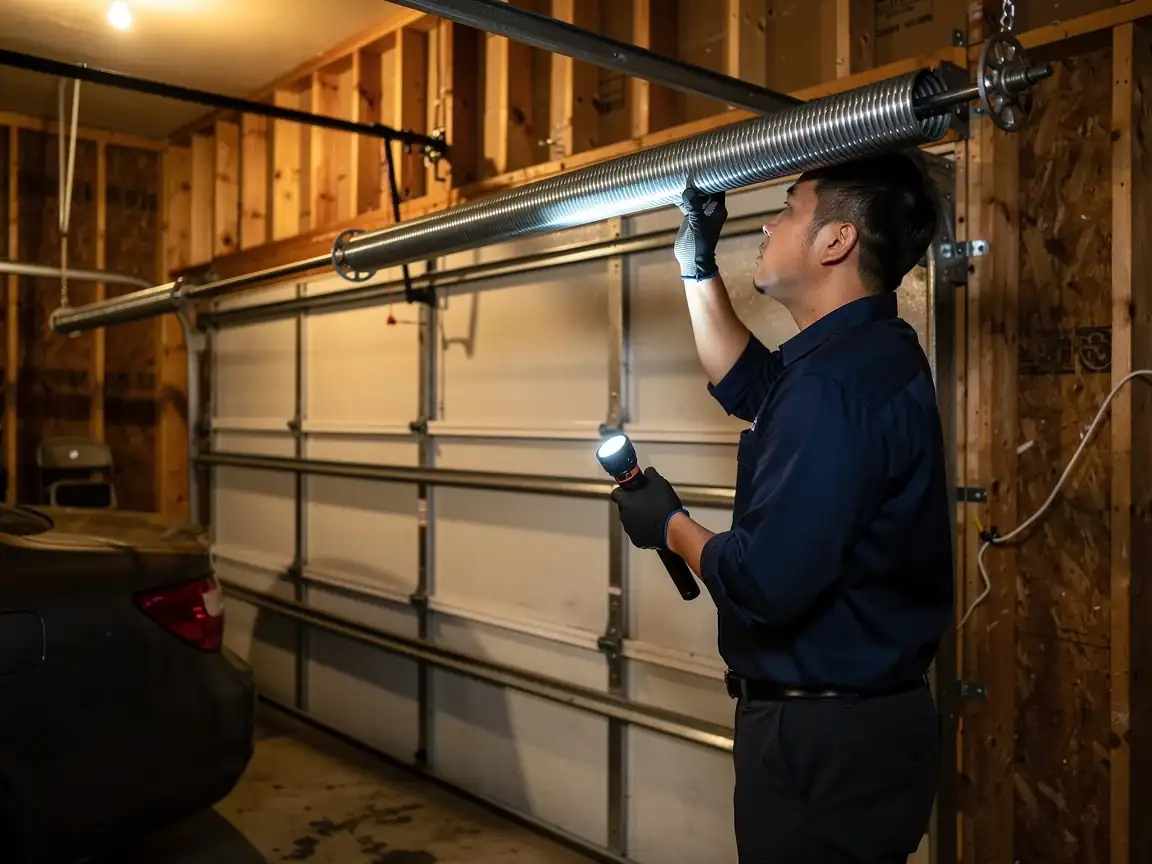
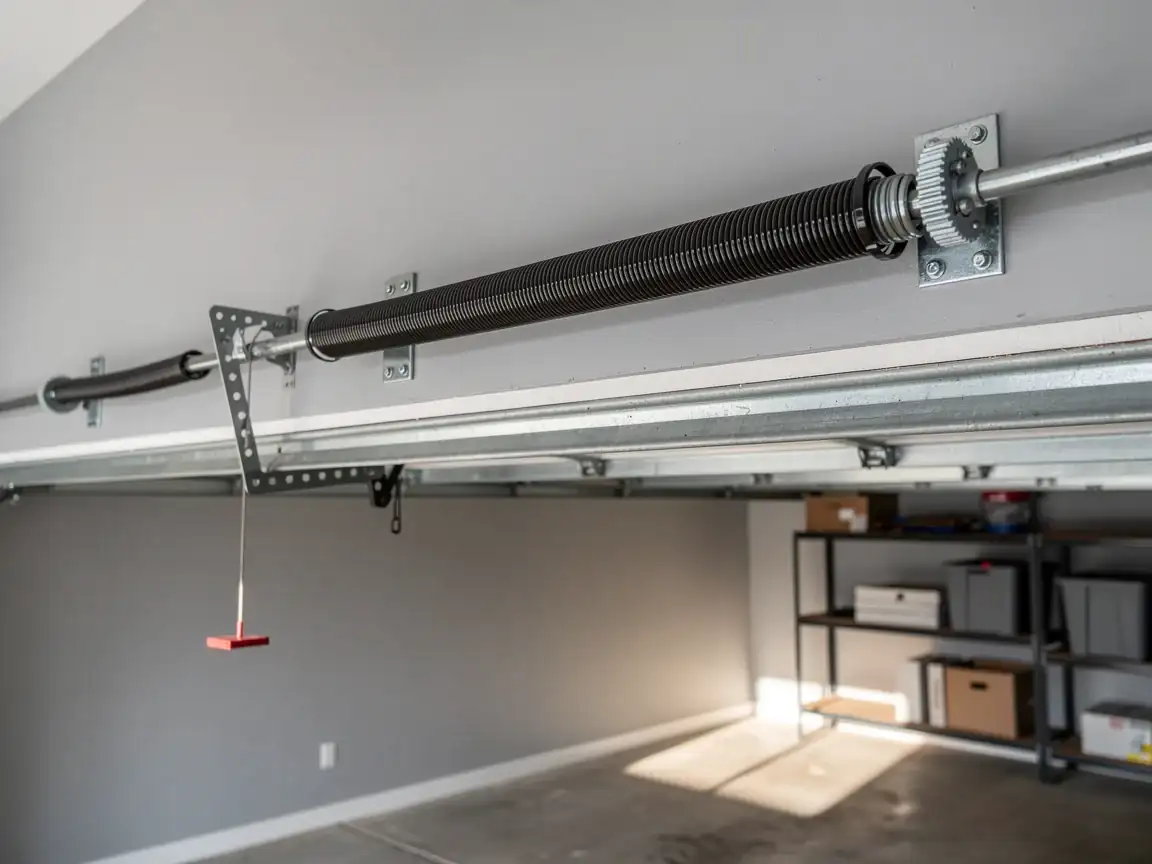
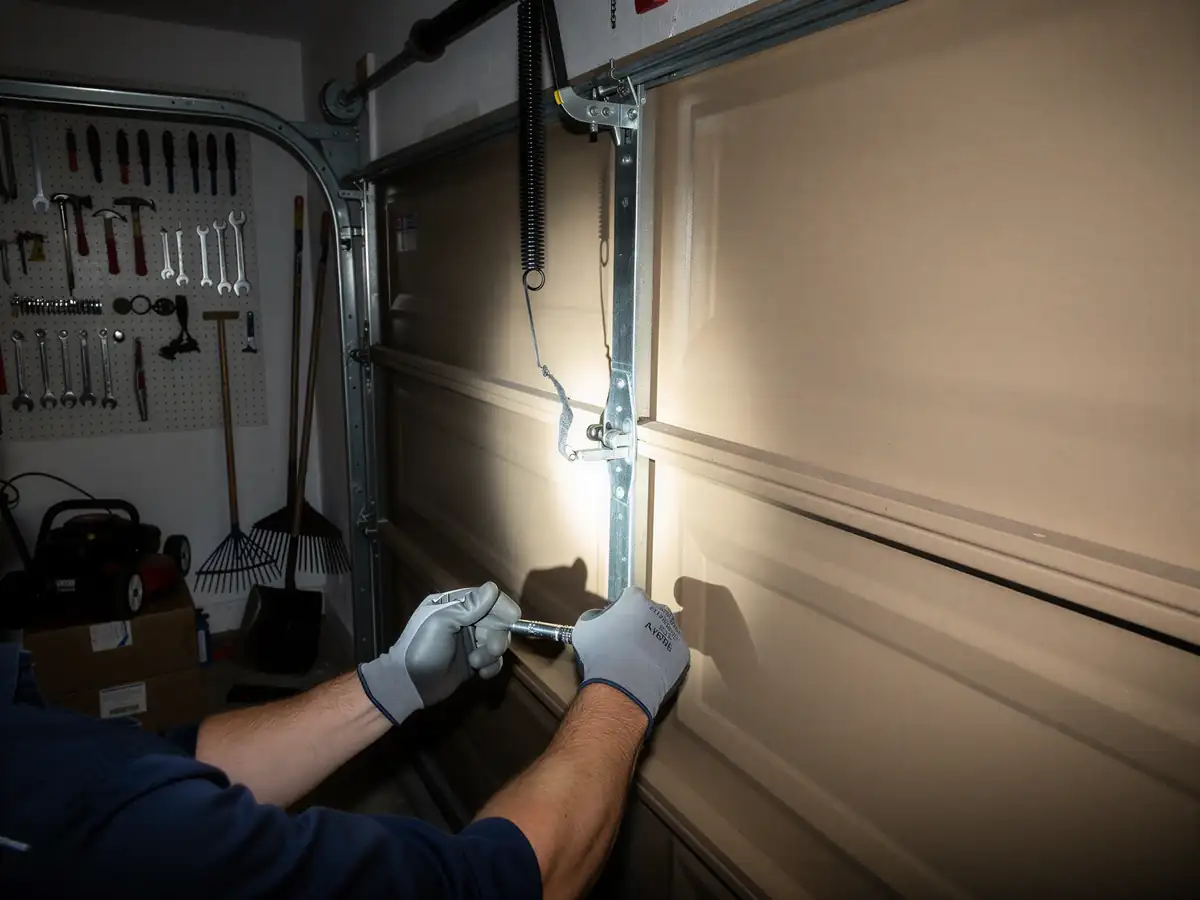
The mistake we see most is treating an opener call as an opener problem when the real issue is upstream. A torsion spring that's lost tension, or a track that's racked out of square on an older frame, will make the opener strain and trip its force sensors - swap the opener and the new one fails the same way in a month. The second place this goes sideways is parts. A lot of the openers in homes from the 1960s-1993 range are chain-drive units from manufacturers that have since discontinued the exact logic board or gear kit that unit needs. We can source some of it. We can't source all of it, and chasing a part for a 20-year-old board sometimes costs more in time than just moving to a new unit. We'll tell you straight when that's where we land instead of running up a bill on a search.
How We Fix It
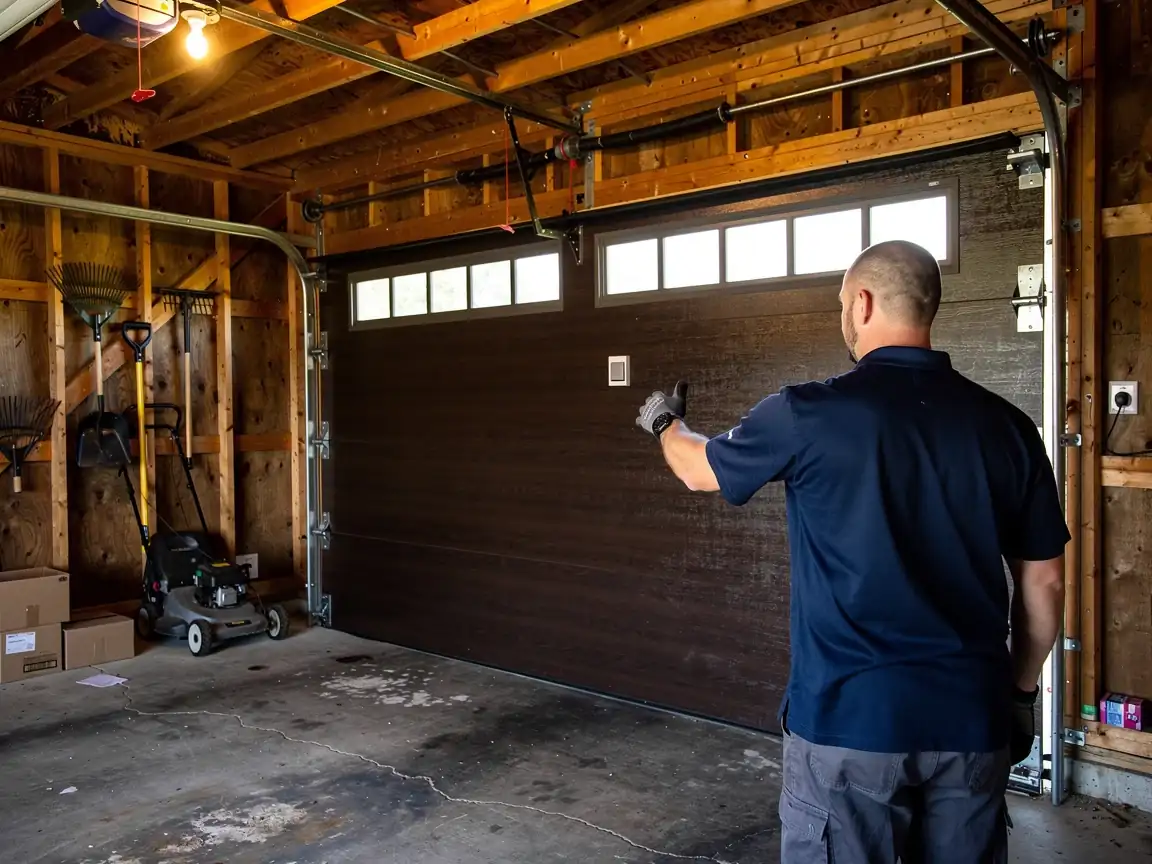
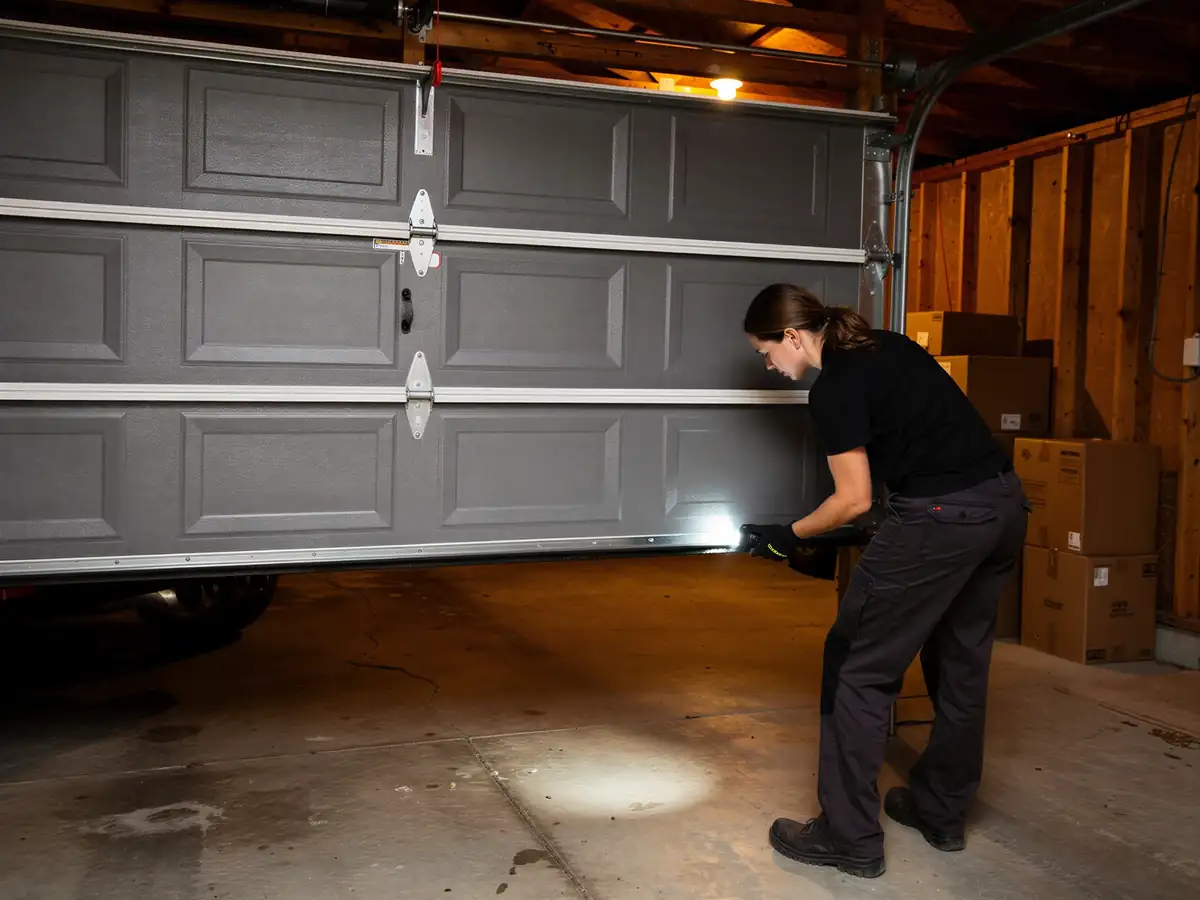
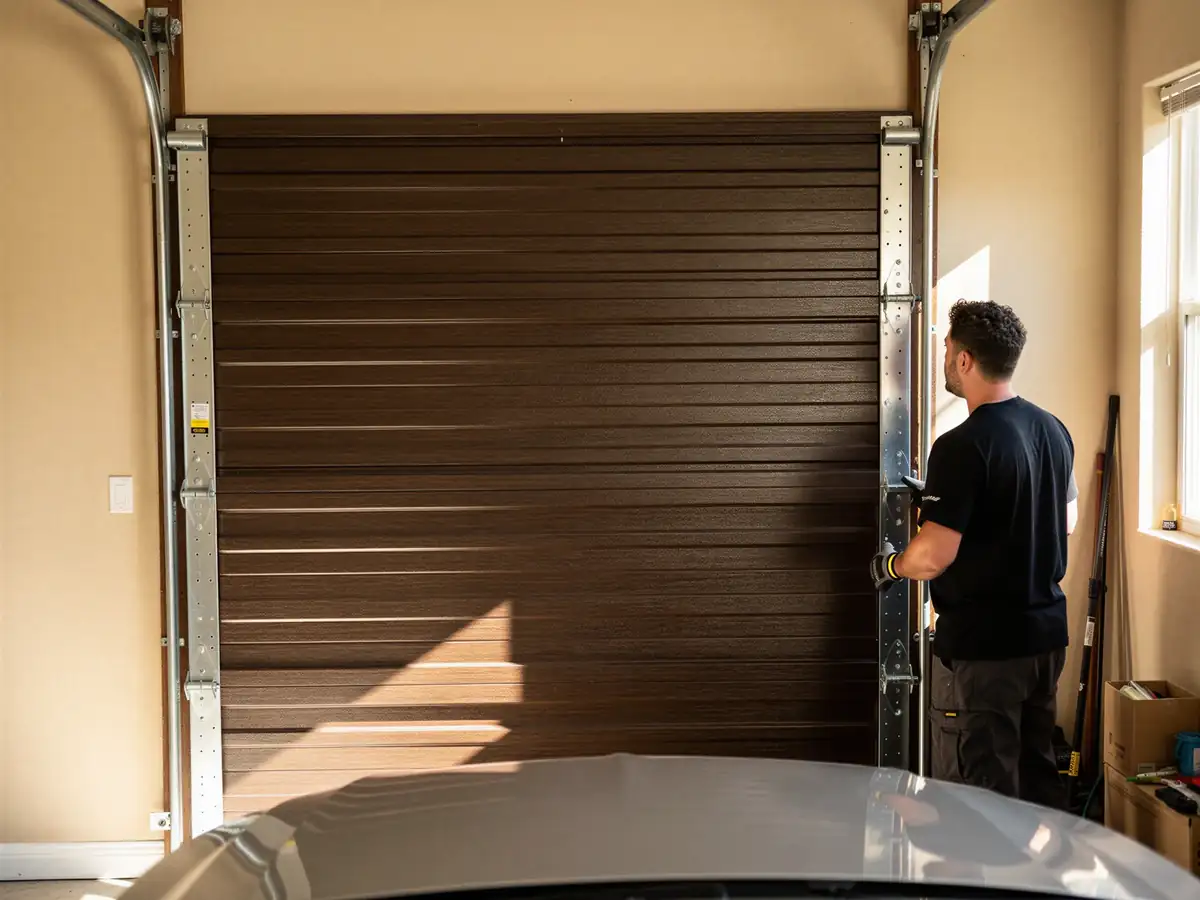
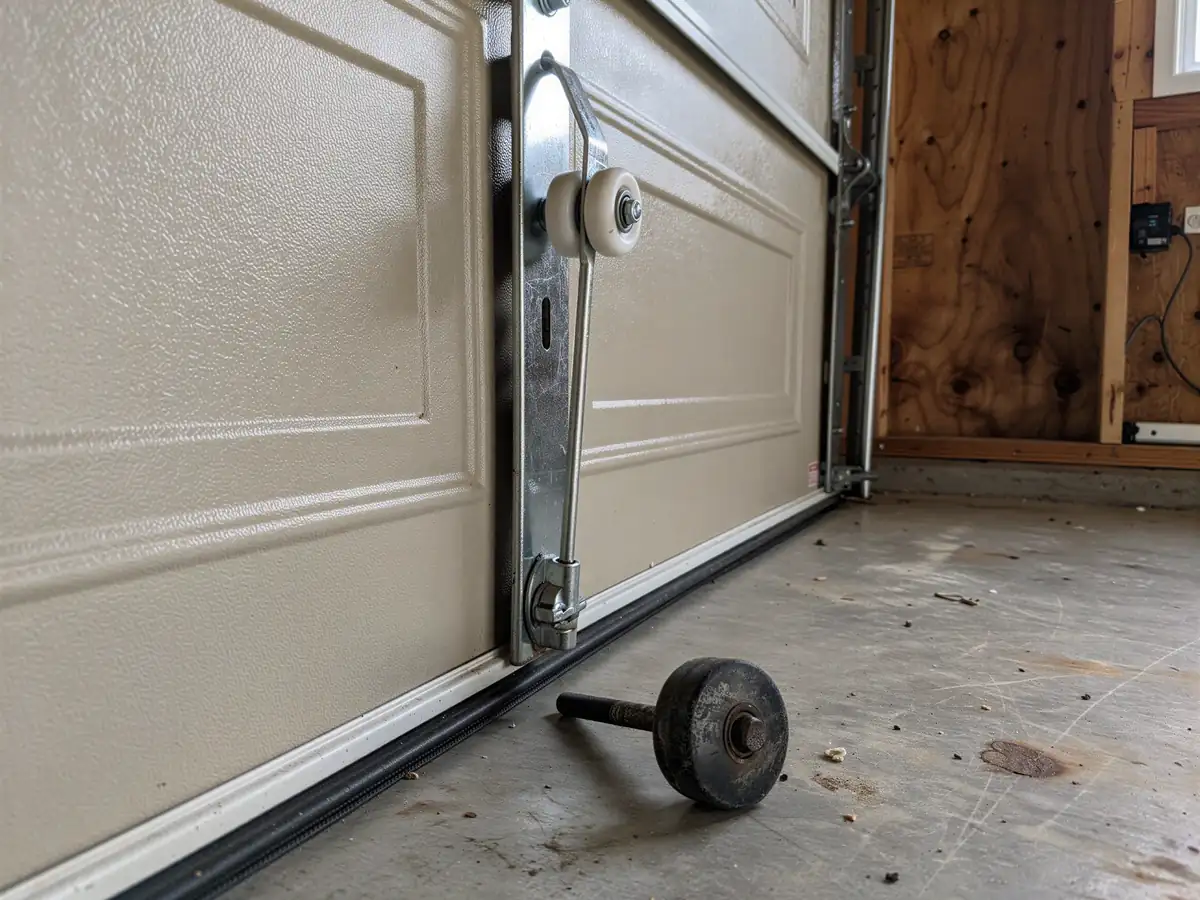
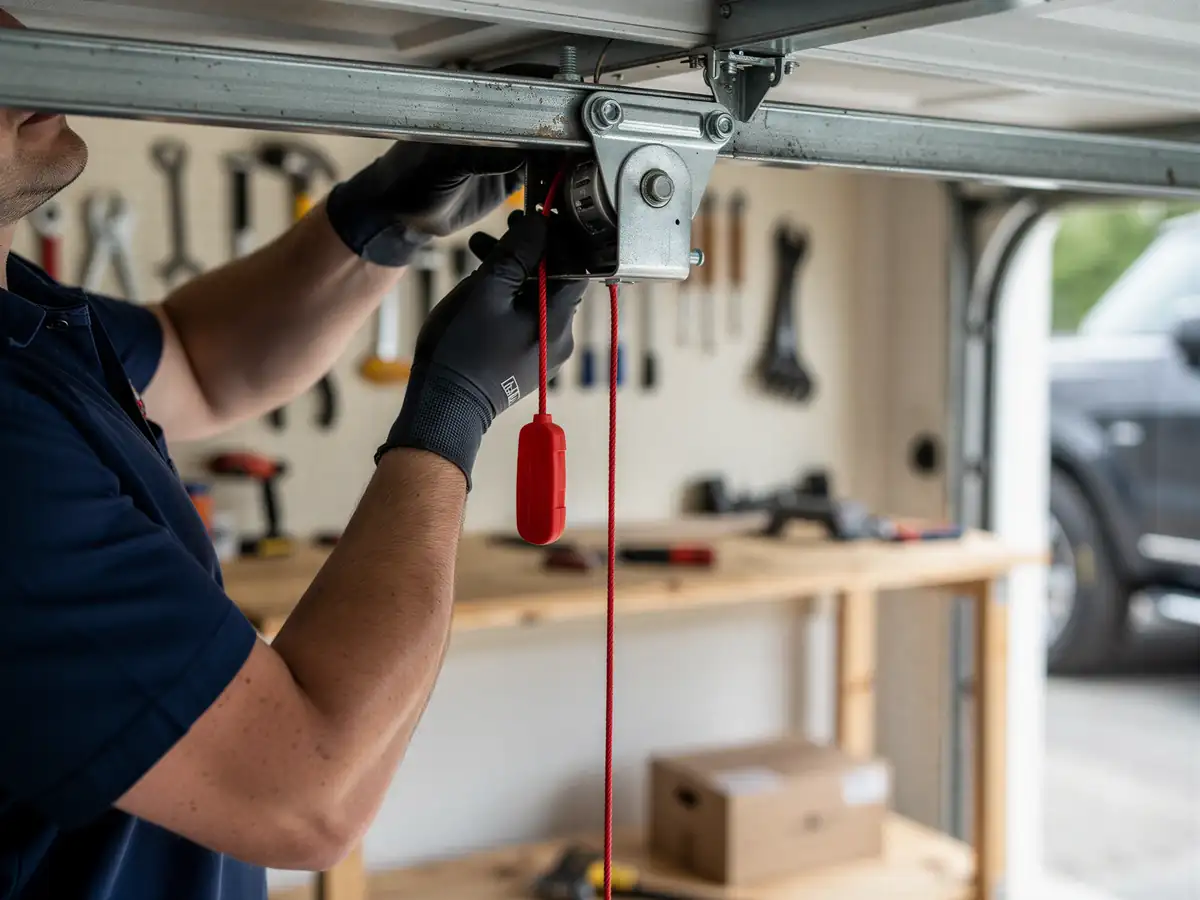
We start on the door side, not the opener side - checking spring tension, track alignment, and roller condition before we touch the motor unit, because fixing an opener that's fighting a bad door just repeats the failure. From there we test the circuit board, travel limits, and force settings, and inspect the gear and sprocket for wear that's typical on units running through a few cold seasons without service. If the fix is a gear kit, belt, or sensor, we replace it on the spot. If the opener's board or motor is the kind no longer made, or the unit is old enough that a repair would cost close to a new opener, we'll say so and give you the honest comparison rather than patch something that's going to fail again next winter.