Serving Waterford, MI & nearby
(248) 793-5206
Waterford, MI

What Makes a Garage Door Jump Its Track in Waterford

Waterford homes built mostly 1949-1993 carry original track hardware that fights Michigan's cold-severe winters. Here's what actually knocks a door off its track and why.

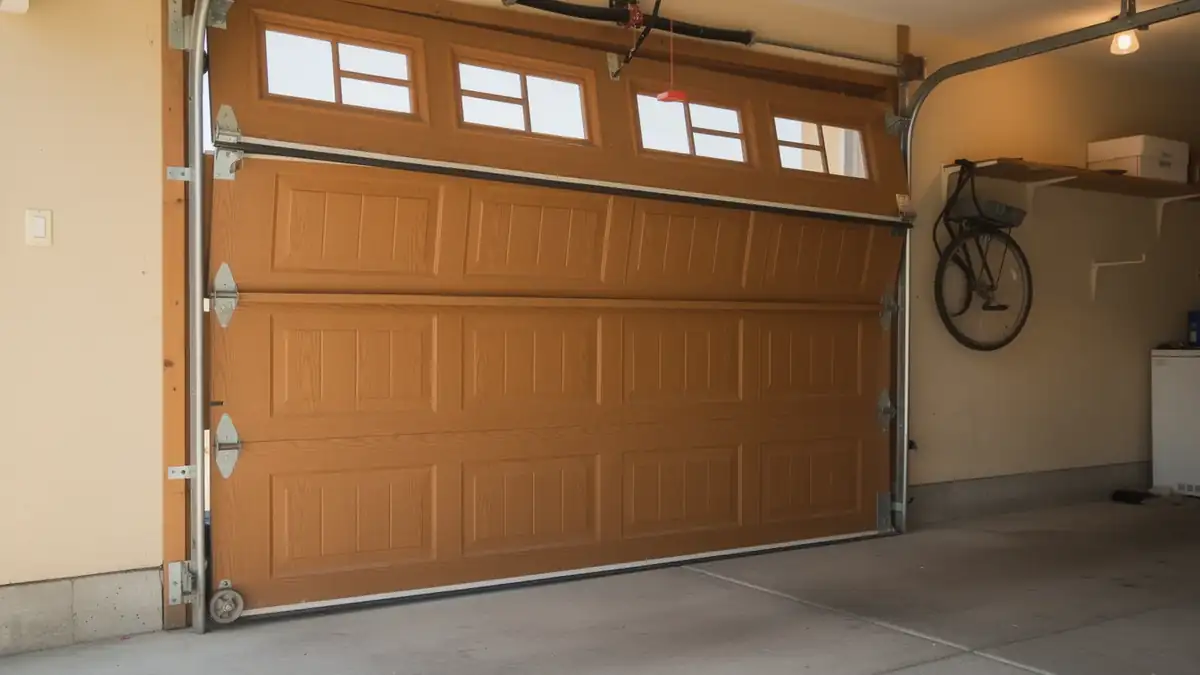
A brown garage door with windows is partially open.

What You Pay

We can't quote a number here without seeing the door, because a track problem in Waterford covers a wide range of jobs. Sometimes it's a bent track section that a quick bend-back and re-square fixes in under an hour. Other times the bracket anchoring the track to the jamb has worked loose from decades of seasonal movement, and that means pulling the track, checking the jamb for rot or crumbling mortar, and resetting everything plumb. If the door is original to a house built in the 1960s or 70s, the rollers and hinges are often worn past the point where realignment holds, and replacing that hardware costs more than a simple adjustment but saves you a repeat call. The honest answer is that we price it after we look at the track, the rollers, and the brackets together, because treating a worn roller as a track problem just means you pay for the same fix twice. Anyone who gives you a flat number over the phone, sight unseen, is guessing.

What Local Conditions Do

Waterford sits in a cold-severe climate band, and that matters more to a garage door track than most people expect. Steel track contracts in deep cold and expands again once the garage warms up, and it does this every single winter. Over enough cycles, the fasteners holding the track brackets to the framing work loose, a few thousandths of an inch at a time, until one day the track is no longer parallel to the door and a roller catches an edge instead of rolling through it. Cold also stiffens old grease in the rollers and hinges, so a door that used to glide now drags, and a dragging door puts side-load on a track that was already starting to walk. Ice and condensation on an unheated garage floor add another factor: a door that drops onto a wet sill and sticks for a second gets yanked by the opener, and that yank is often what finally pulls a loose bracket free. None of this happens overnight. It's cumulative, and it tracks with how many winters the hardware has already been through.

Where People Go Wrong

The most common mistake we see is someone noticing the door binding slightly and forcing it the rest of the way, by hand or with the opener, instead of stopping. A door that's starting to come off a loose bracket will usually give you a warning: a scrape, a hesitation, a spot where it doesn't roll smooth. Push through that a few more times and you can bend the track hard enough that straightening it is no longer an option. The second mistake is treating rollers as a lifetime part. A lot of Waterford garages still run the steel rollers that came with the house when it was built, and steel rollers that have outlasted a few decades of this climate are usually the reason the track is taking damage in the first place, not the other way around. Third, people tighten the visible bolts on the track without checking the lag screws anchoring the brackets into the framing behind the drywall, which is usually where the real play is. Tightening the wrong fastener looks like a fix and isn't one.

What Is Going On

A garage door track only has to do one job: hold the rollers in a straight, plumb line from the floor to the horizontal run near the ceiling. When a bracket loosens, even slightly, the track stops being plumb, and a roller riding a track that's a few degrees off true starts pressing sideways against the track wall instead of rolling down the middle of it. That sideways pressure is what eventually pops a roller out, or bends the track lip enough that the door binds every time it passes that spot. Across the 32 named areas of Waterford that share this build era, we're mostly looking at houses from 1949 to 1993, with the bulk of the stock dating to the 1960s and 70s. That means original track brackets, often anchored into framing that's shifted a little with the house over fifty-plus years, holding up hardware that was never designed to be adjusted after the fact. New track hardware is a known, predictable fix. What takes longer is finding every point where the old installation has quietly moved, because a track that looks straight at the bottom can still be a half-inch off at the top.
How it works

From “it’s stuck” to “it’s fixed”

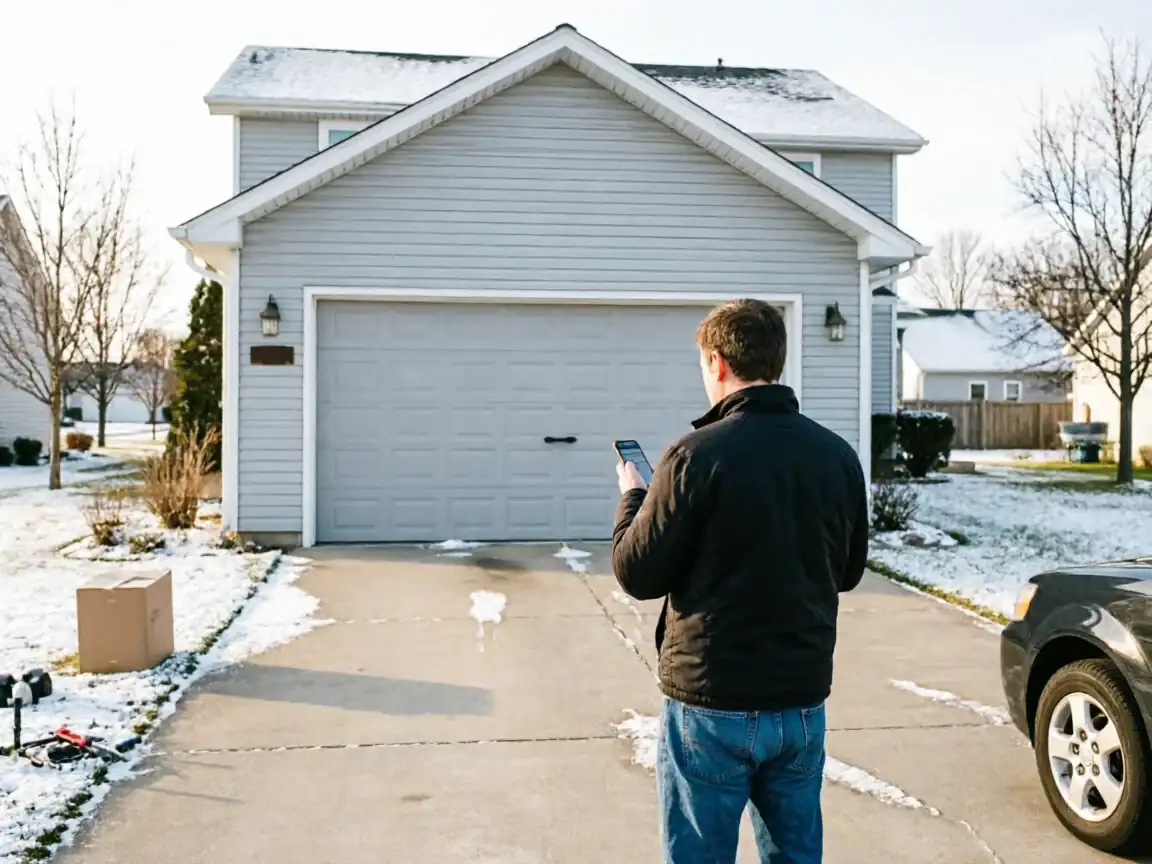
A man stands in a snowy driveway, looking at his phone in front of a garage.

Tell us what’s wrong

Describe the symptom - won’t open, loud bang, opener runs but the door won’t move.

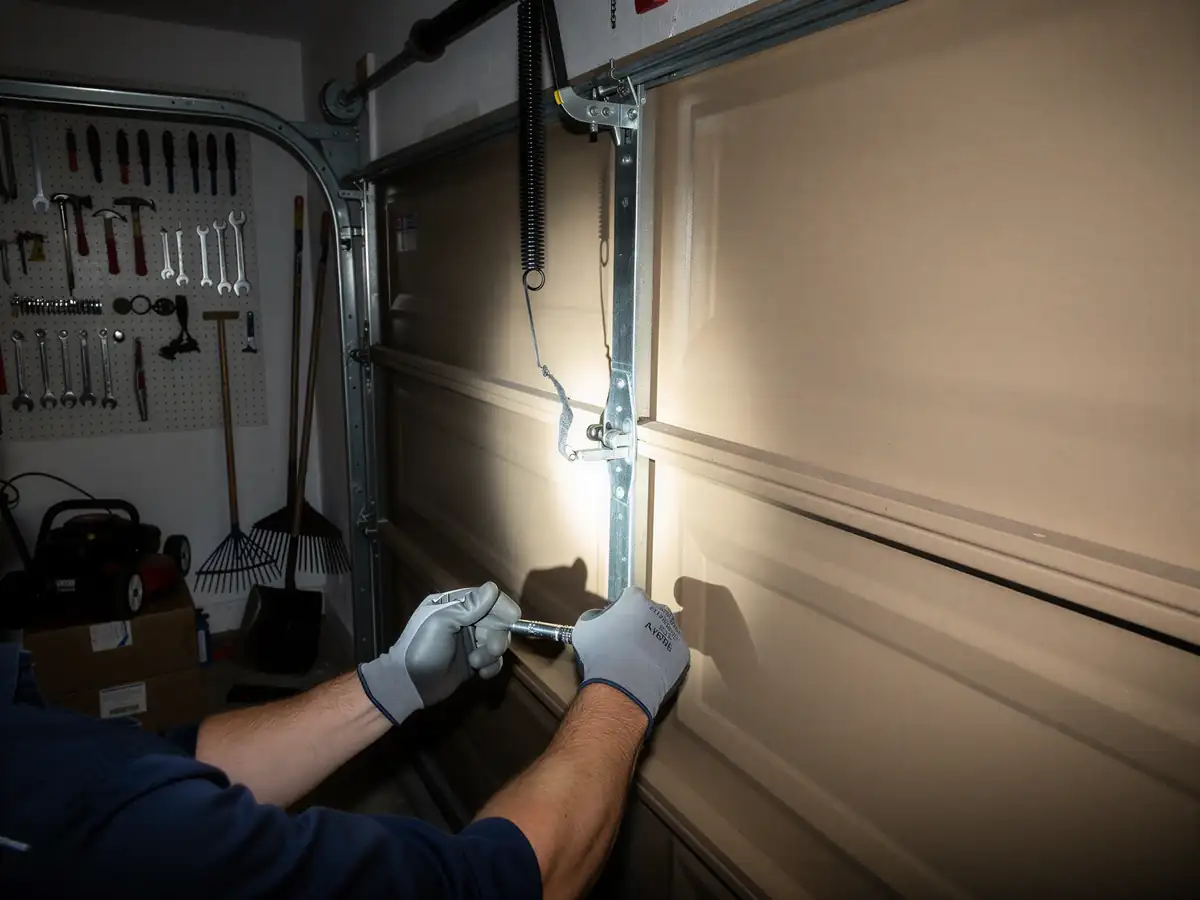
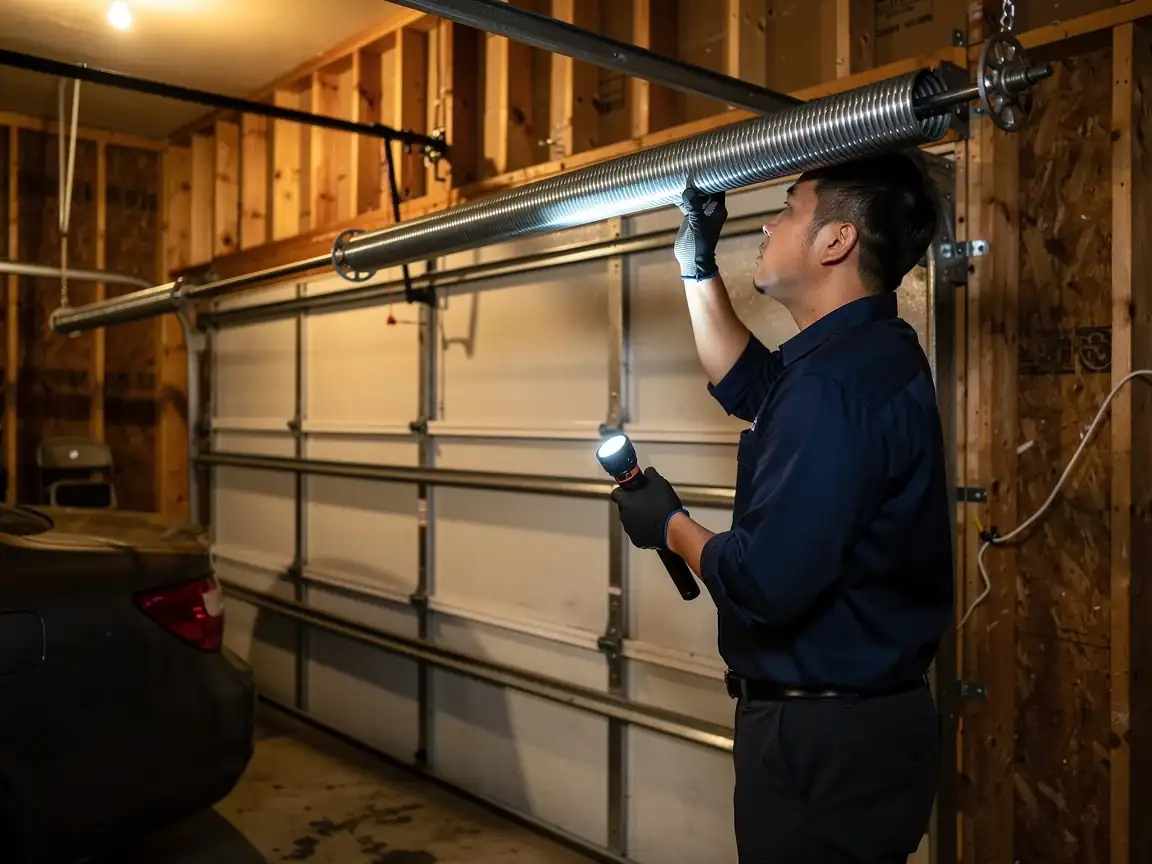
A technician with a flashlight inspects a garage door torsion spring.

On-site diagnosis

A technician tests the door under power and by hand and finds what actually failed.

A technician in a gray uniform talks to a woman in front of a garage.

Clear, up-front plan

You get the fix that’s needed and what drives the cost - before any work starts.

A technician gives a thumbs up to a brown garage door with windows.

Repaired & tested

The repair is done, the door is set true and tested, and the work area left clean.

Not sure which repair your door needs in Waterford, MI? Describe what it’s doing - every job starts with a diagnosis.

How we work

What to expect

  • Diagnosis firstEvery visit starts by finding what actually failed - not a pre-written parts list.
  • The right part for the doorSprings and openers matched to the door’s weight and age, so the fix holds up.
  • Straight answersWhen a repair makes more sense than a replacement - or the reverse - you hear it plainly.
  • Clean, careful workTension released safely, hardware set true, the door tested under power before we leave.
What we do

Garage Door Services

Repair and installation work for Waterford homes and businesses.

A technician shines a flashlight on the bottom of a gray garage door.

Garage Door Repair

Torsion springs on 1960s-70s Waterford homes fail from age and cold-severe winters. Local repair for broken springs, stuck doors, and worn rollers.

Learn more
A technician stands next to a closed brown garage door.

Garage Door Installation

Garage door installation sized for Waterford, MI homes built mostly 1949-1993, matched to original rough openings and rated for Michigan's severe cold winters.

Learn more
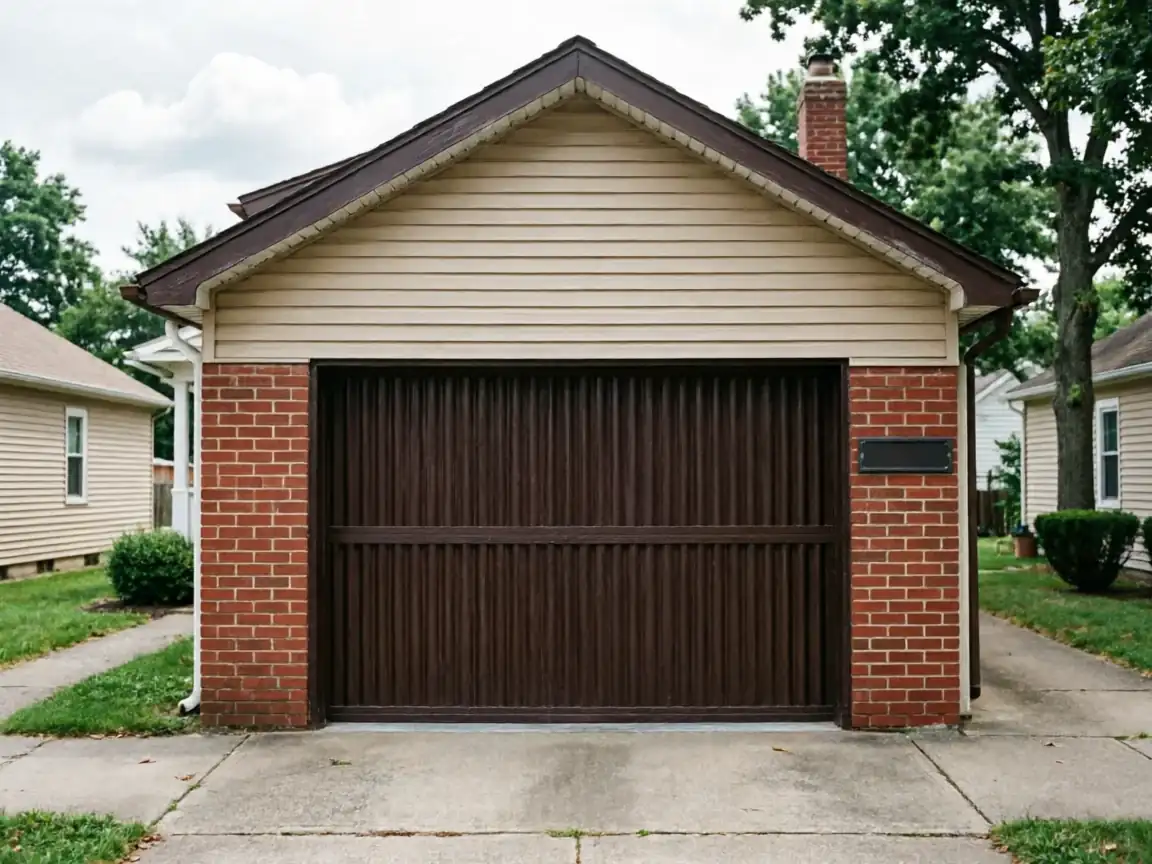
A brown garage door is on a brick and tan siding garage.

Garage Door Service

Waterford homes built between 1949 and 1993 carry original torsion hardware that fights the cold. Here's why springs and openers fail here, and how we fix them right.

Learn more
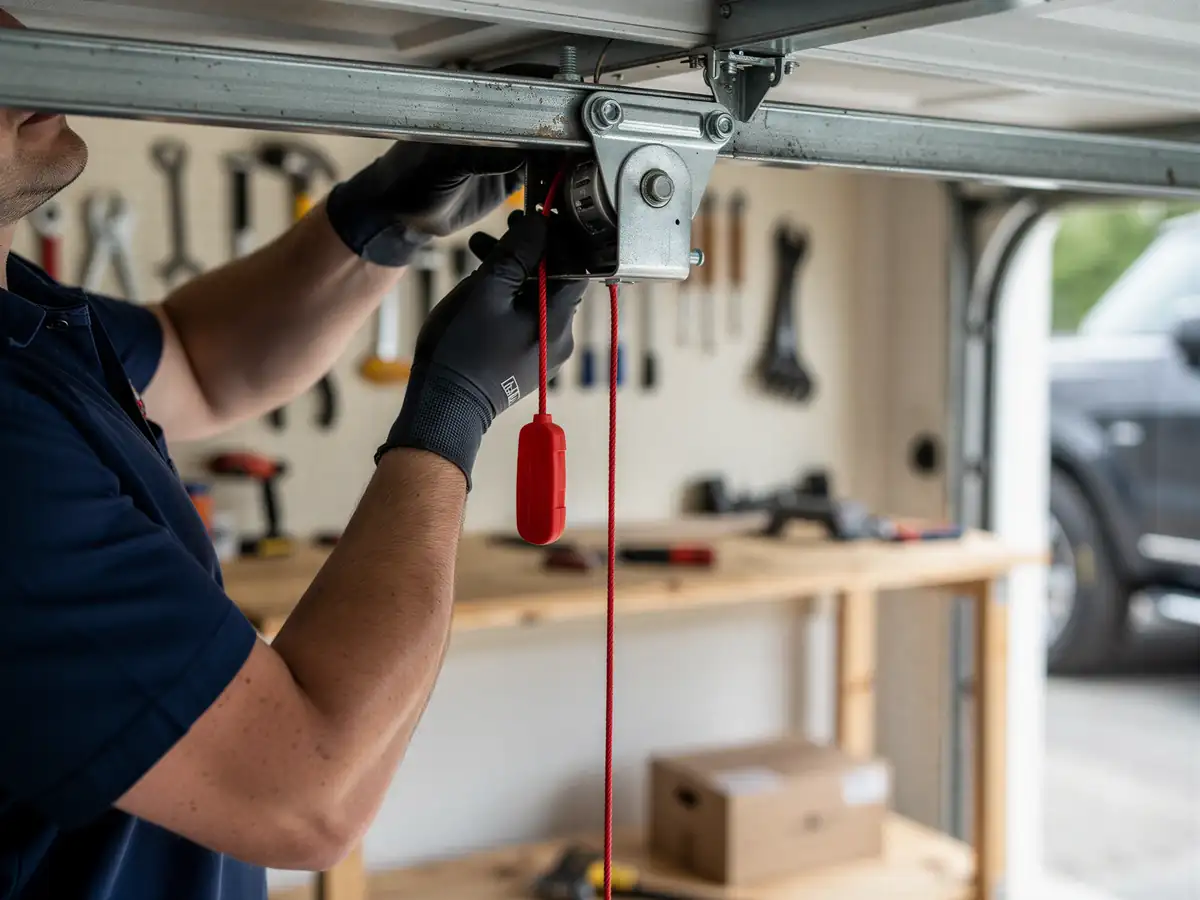
A technician in gloves adjusts the red emergency release cord on a garage door opener.

Opener Repair

Waterford houses built mostly from 1949 to 1993 put real strain on garage door openers once winter sets in. We diagnose and repair openers across the service area.

Learn more
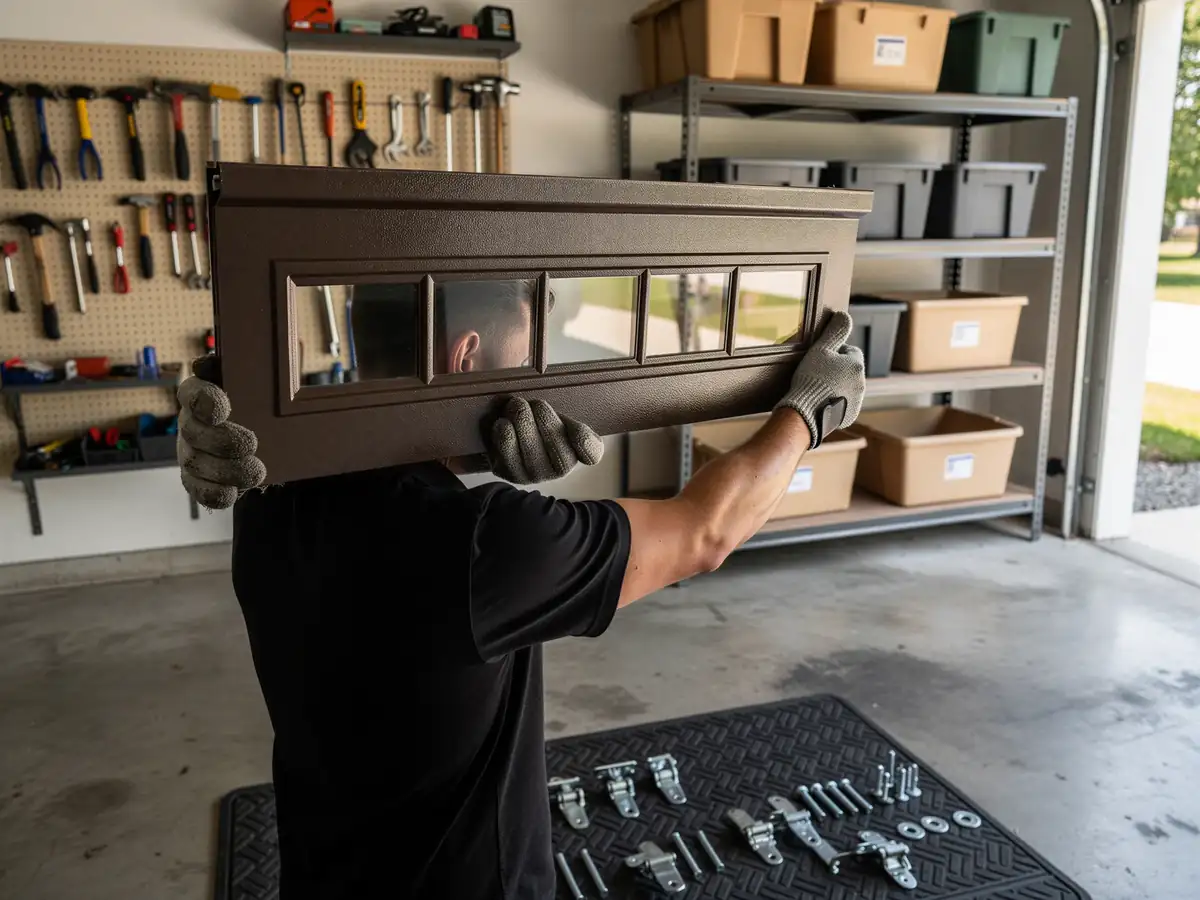
A technician holds a brown garage door panel with windows in a garage.

Panel Replacement

Dented or cracked garage door panels are common on Waterford's 1949-1993 housing stock. We match panels and replace what's actually broken, not the whole door.

Learn more
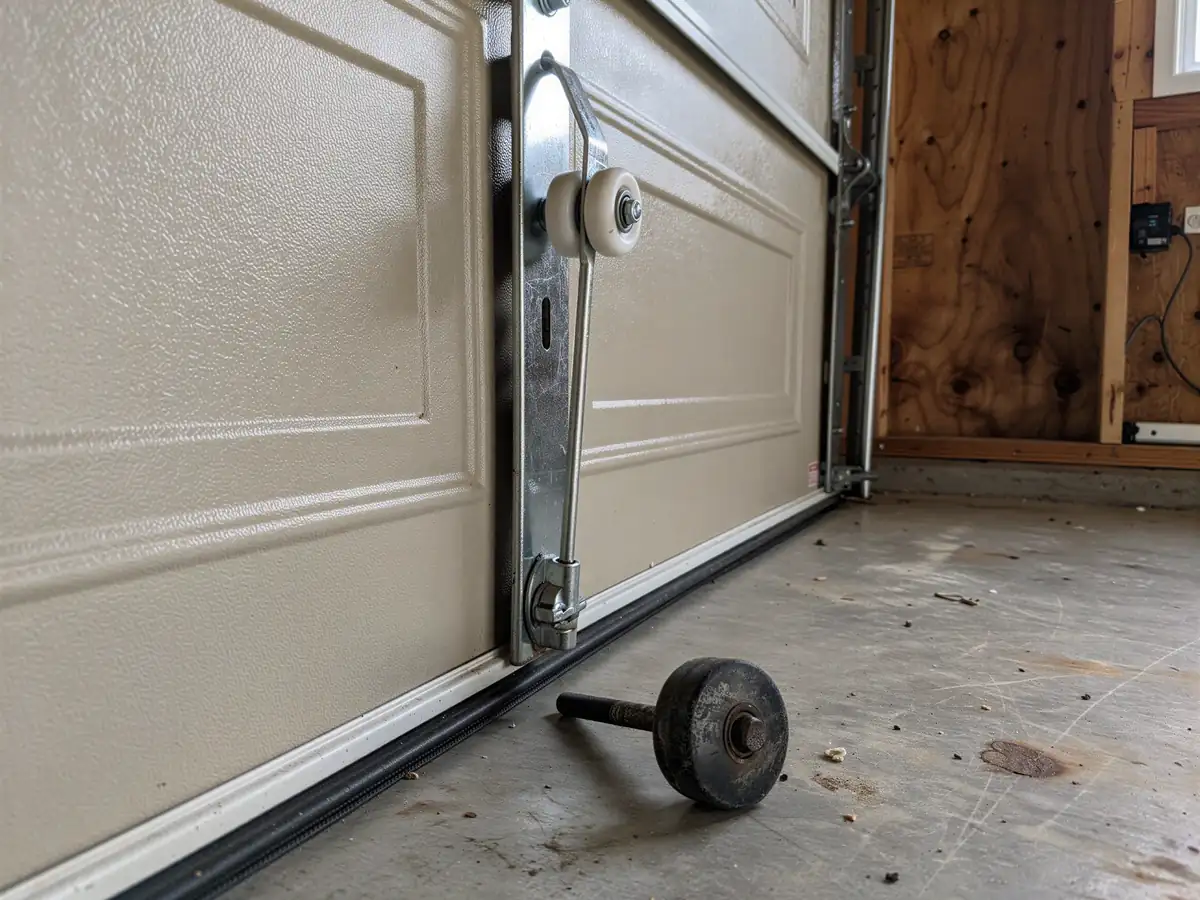
A garage door with a detached roller on the concrete floor.

Roller Replacement

Rollers failing on a house built in the 70s? Waterford's housing stock and cold winters wear out steel and nylon rollers fast. Here's why, and how we fix it right.

Learn more
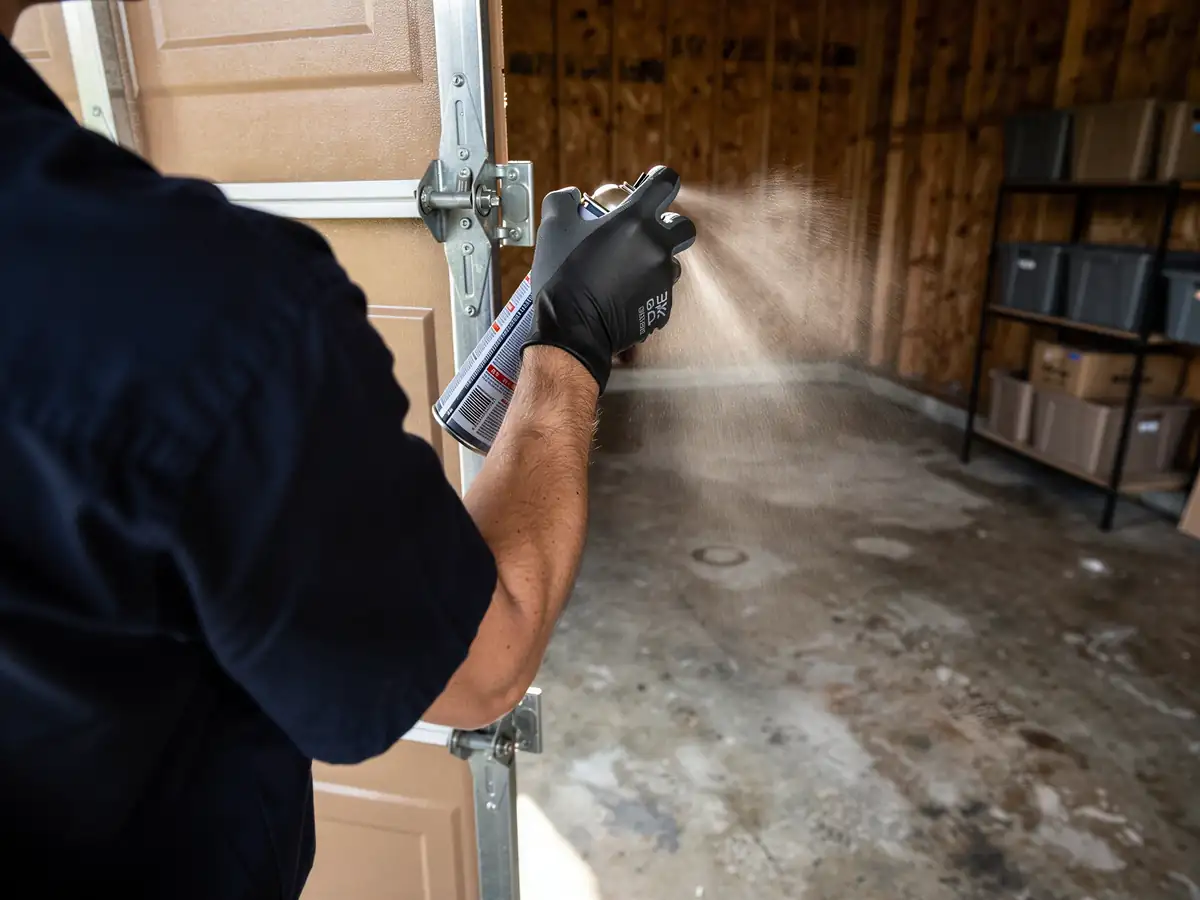
A technician sprays lubricant on a garage door hinge.

Maintenance

Waterford homes built 1949-1993 carry original hardware into Michigan winters. Seasonal maintenance tuned to that housing stock and our cold climate, from Clarkston to Pontiac.

Learn more
A technician in gloves repairs a beige garage door with a tool.

Emergency Garage Door Repair

Broken spring or dead opener in Waterford? We explain why this area's 1960s-70s housing stock and cold winters push doors to fail, and how we fix it fast.

Learn more
Questions

Frequently asked

Straight answers about garage door repair in Waterford. Still unsure? Ask us directly.

Can I bend the track back myself if it's just slightly off?

A slight bend near the bottom of the vertical track is sometimes something a careful owner can nudge back with a wrench, but the door should be down and the opener disconnected first. If the bend is in the horizontal run near the ceiling, or if more than one bracket is loose, leave it. A door under spring tension that shifts while you're working on it can come down fast.

Why does my door only jump the track in winter?

Cold contracts the steel track and stiffens the grease in the rollers at the same time, so a bracket that's already a little loose from age finally gives way once the temperature drops. Waterford's winters are classed as cold-severe, and that seasonal swing is usually the final push on hardware that's been working loose for years, not a one-time event.

Is it worth fixing an old track or should I replace the whole thing?

If the house still has its original 1960s or 70s track and brackets, a repair often buys you another season at most before the next bracket goes. Once we're resetting more than one bracket on an old track, full replacement usually costs about the same as patchwork and doesn't bring you back out in six months.

Will my opener keep working if the track is bent?

It'll try, and that's the problem. An opener doesn't know the track is bent; it just applies more force when the door drags. That extra force is often what finishes pulling a weak bracket loose or strips a worn roller, turning a track adjustment into a bigger repair.

Ready to get your garage door sorted?

Tell us what it’s doing and where you are in Waterford - we’ll take it from there.

Request a QuoteCall