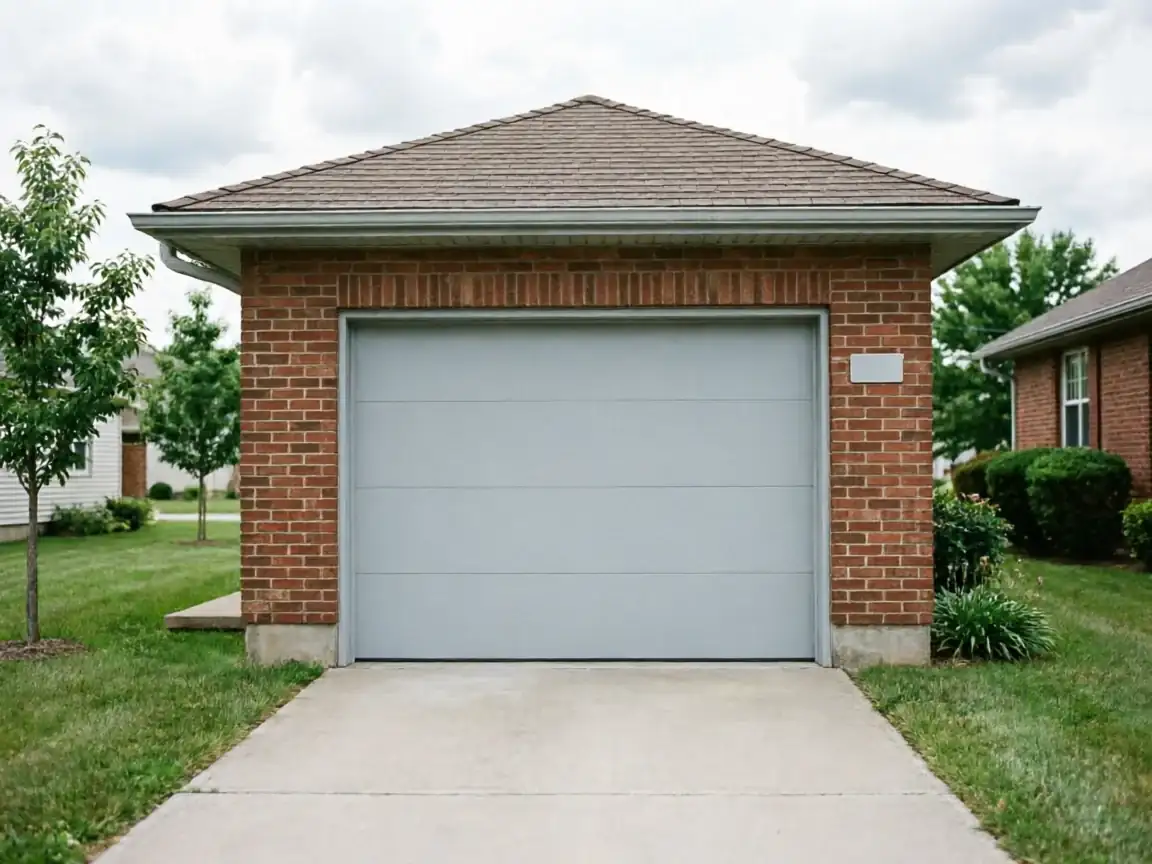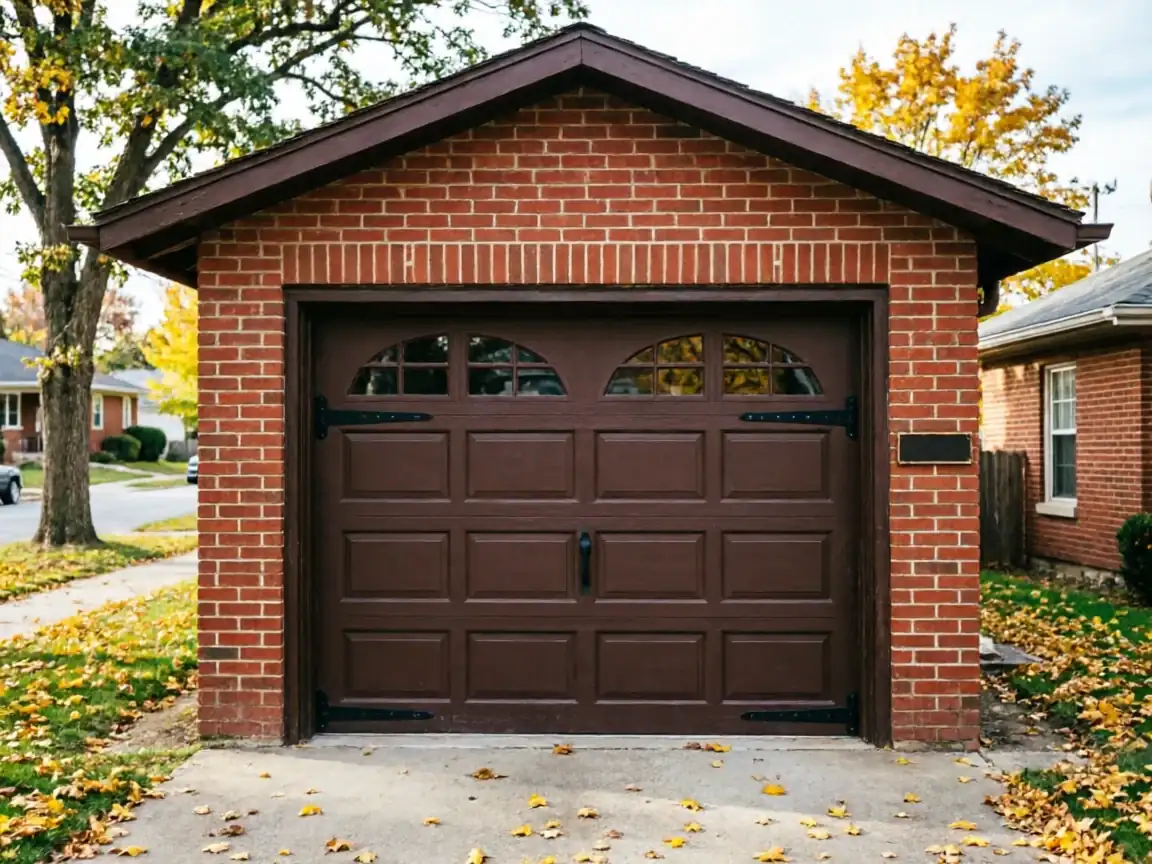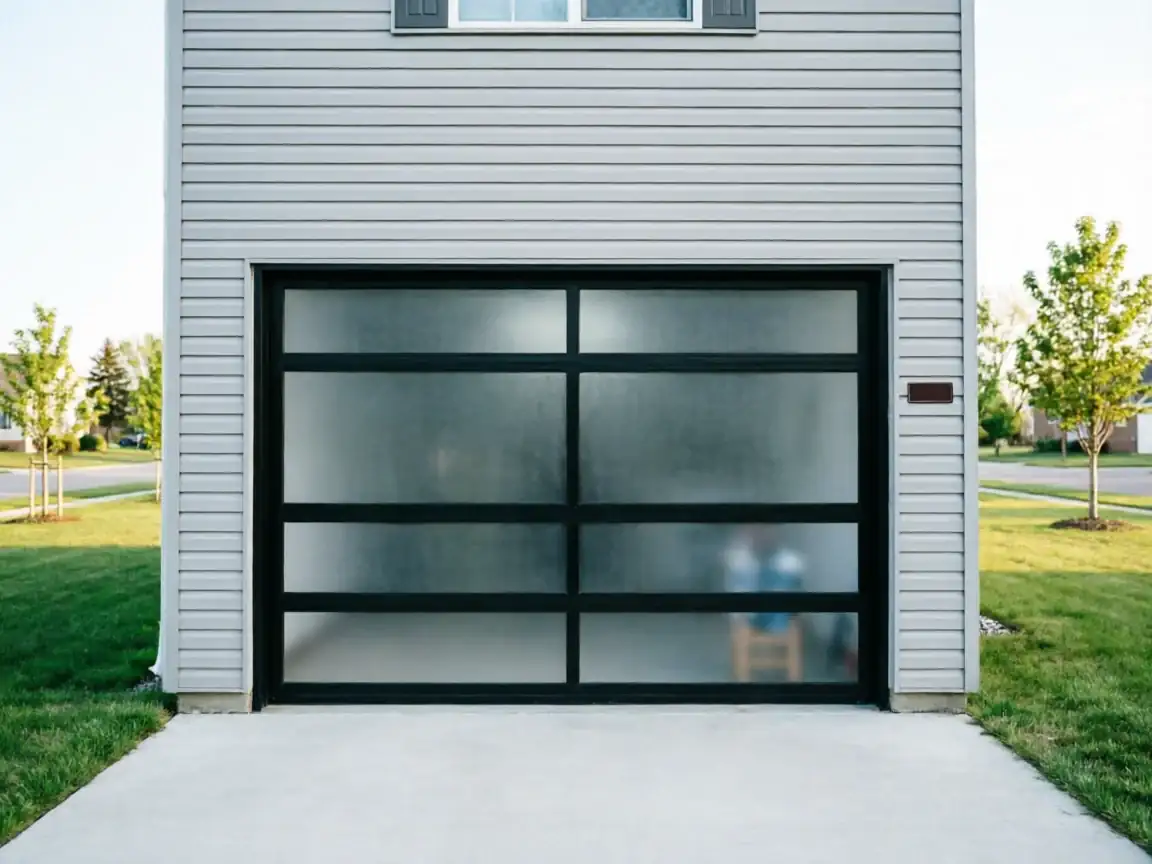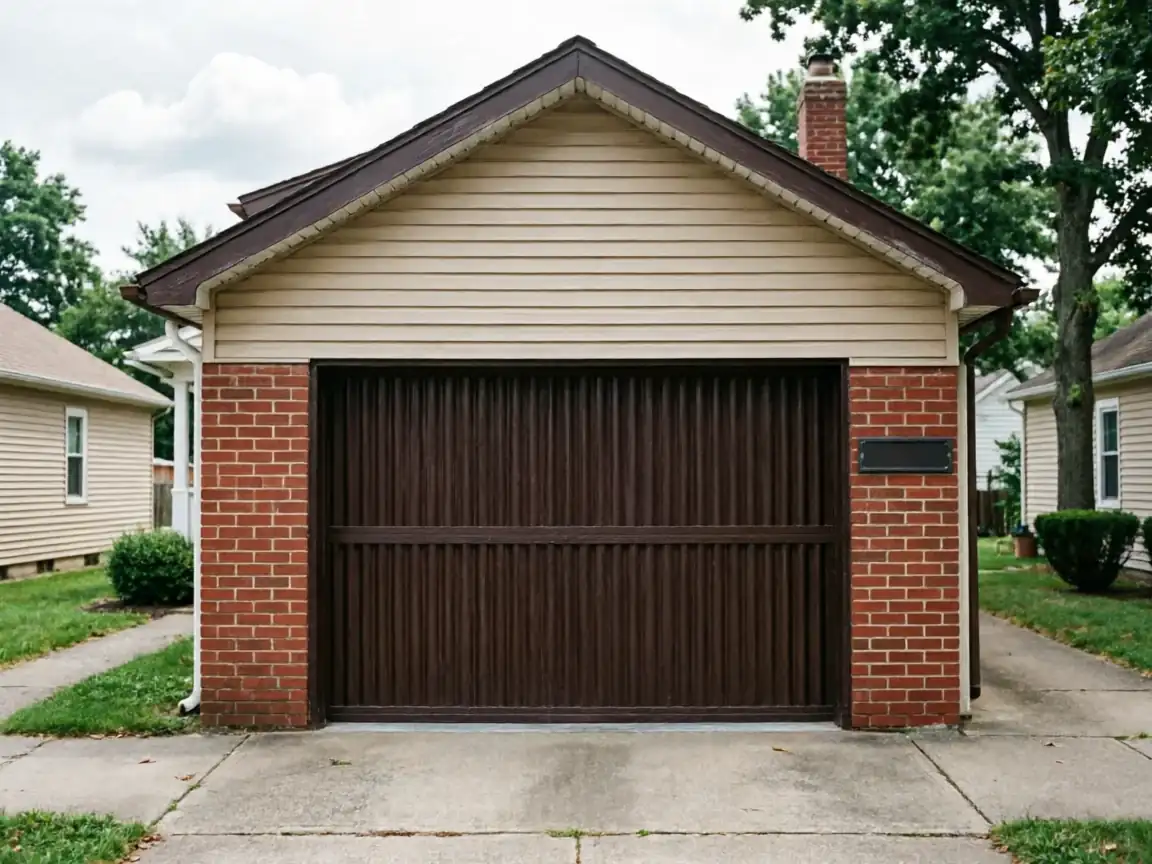
The Houses Here
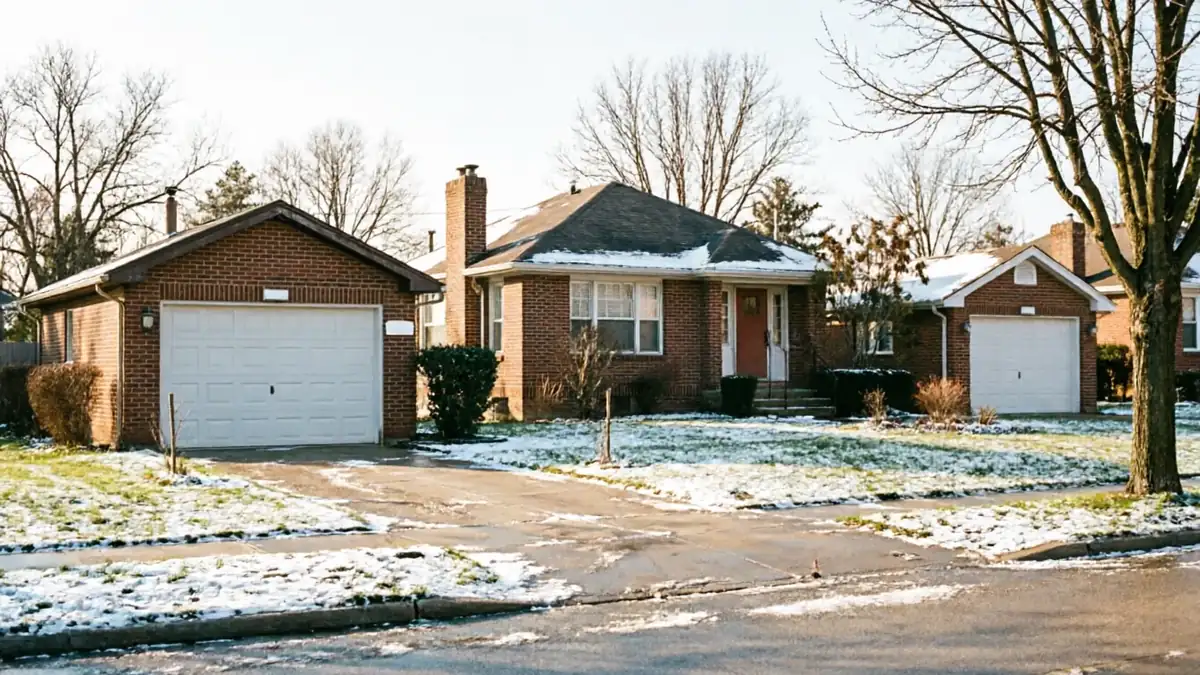
Huntington Woods sits apart from most of the territory we cover out of Waterford. Across the wider service area, the typical house was built around 1973, with stock stretching from 1949 to 1993. Huntington Woods runs older than that average - its homes cluster around 1951, putting most garages here two decades ahead of what we see on a typical call elsewhere in the territory.
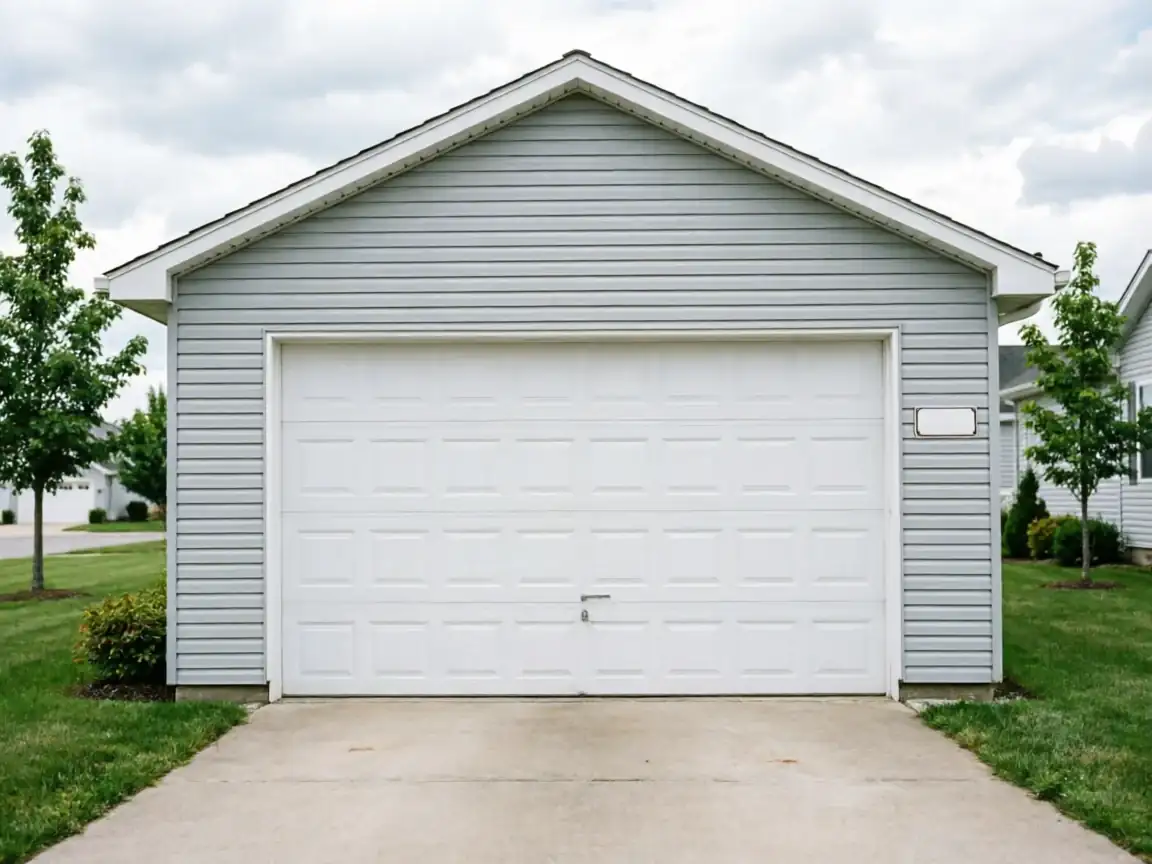
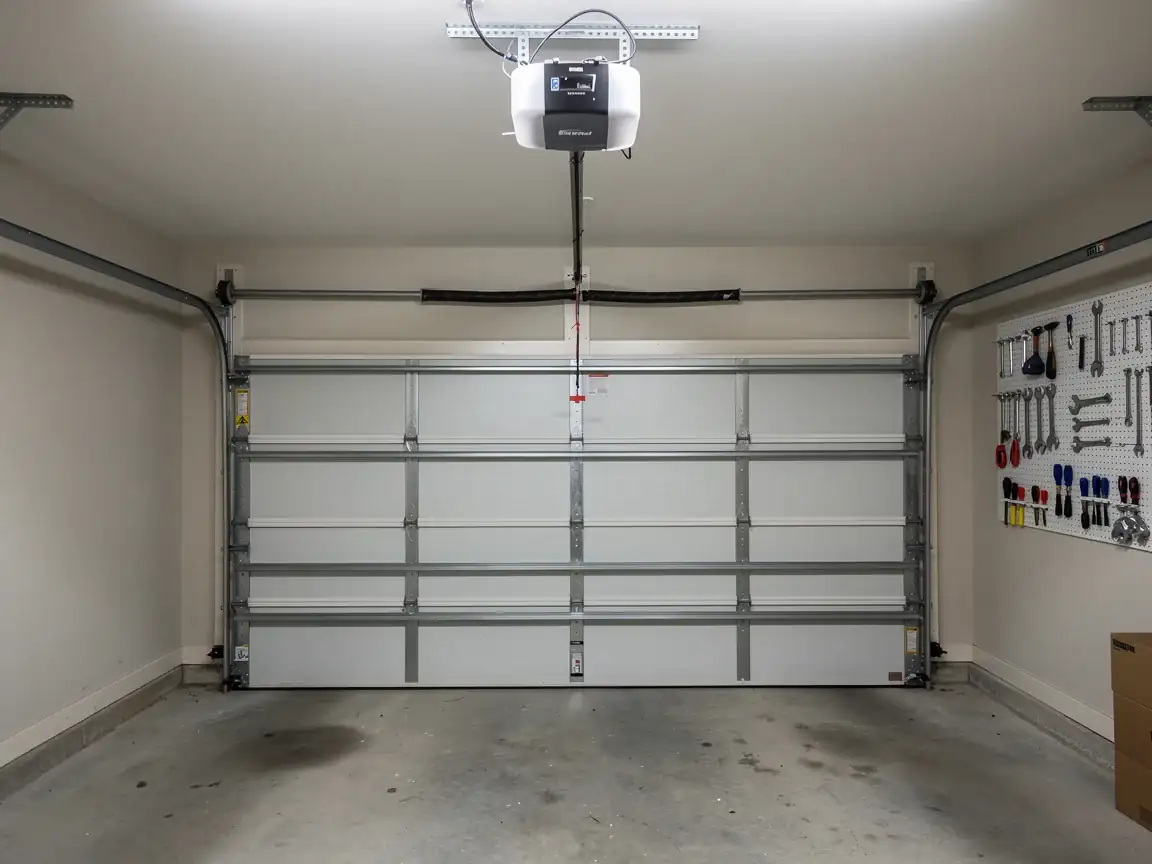
That matters because a garage built in 1951 almost never started life with the door or hardware still hanging on it. Somewhere along the line it got a replacement door, and often a replacement opener bolted onto framing that was never designed for one. We see a mix of eras on a single garage: a 1990s steel door on a 1950s frame, with torsion hardware from whatever decade it last failed. With only 2,325 households in Huntington Woods, it's a small, consistent pocket rather than a sprawling mixed subdivision - which makes the pattern easier to recognize once we're on site.
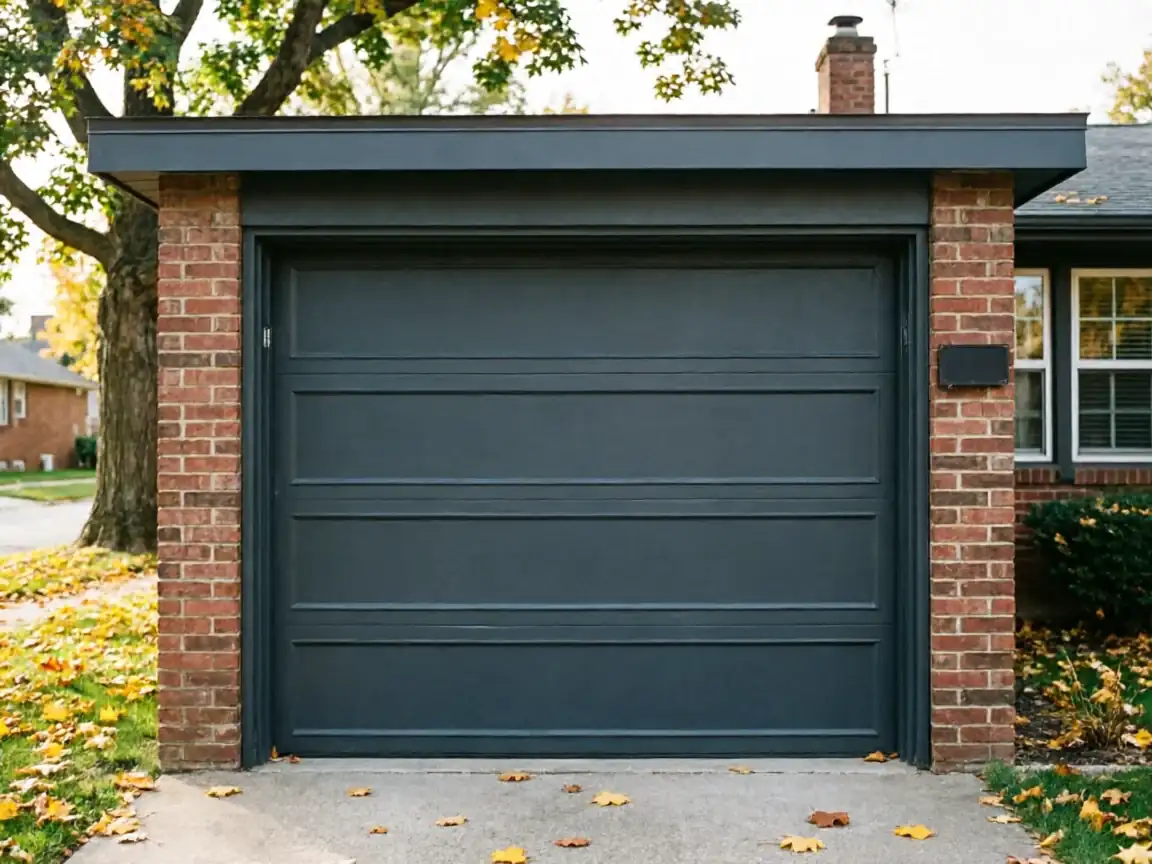
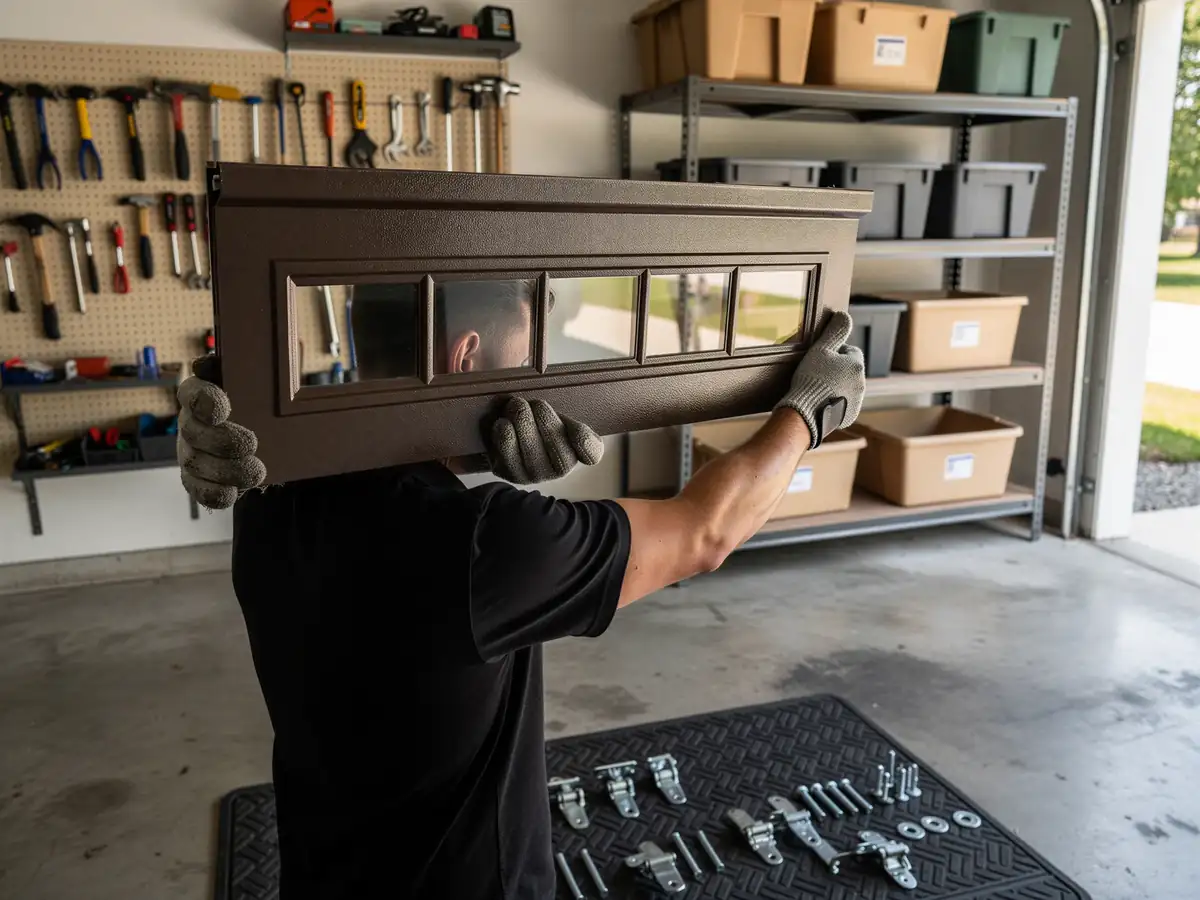
Median household income here runs $188,229, well above the $102,333 median for the broader service area. In practice that shows up as owners who replace rather than patch - insulated steel or carriage-style doors instead of the bare single-layer panels we still find in older, lower-turnover parts of the territory.
Getting Here
Huntington Woods is about 19 miles from our shop in Waterford - the longest run on our regular coverage map. We don't keep a crew or a truck stationed in Huntington Woods itself; every job here starts with a drive down from Waterford, same as it does for the rest of the area we serve.
That distance is worth being upfront about. A same-day emergency call from Huntington Woods competes with everything closer to the shop on the schedule that day. We're not going to promise a response window we can't back up over 19 miles of driving, and we'd rather tell you that straight than have you waiting on a truck that's still stuck on a closer job.
What That Means for Doors
A door frame built around 1951 was sized for the hardware of its decade
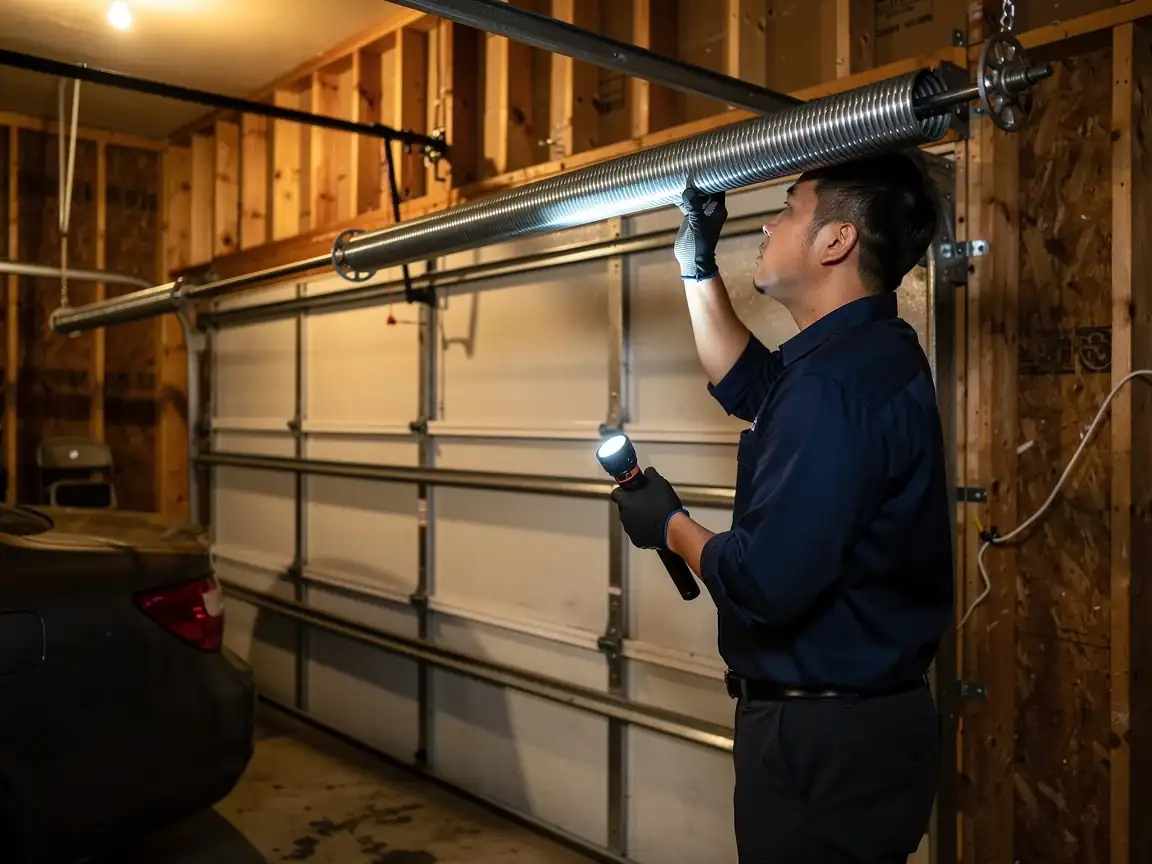
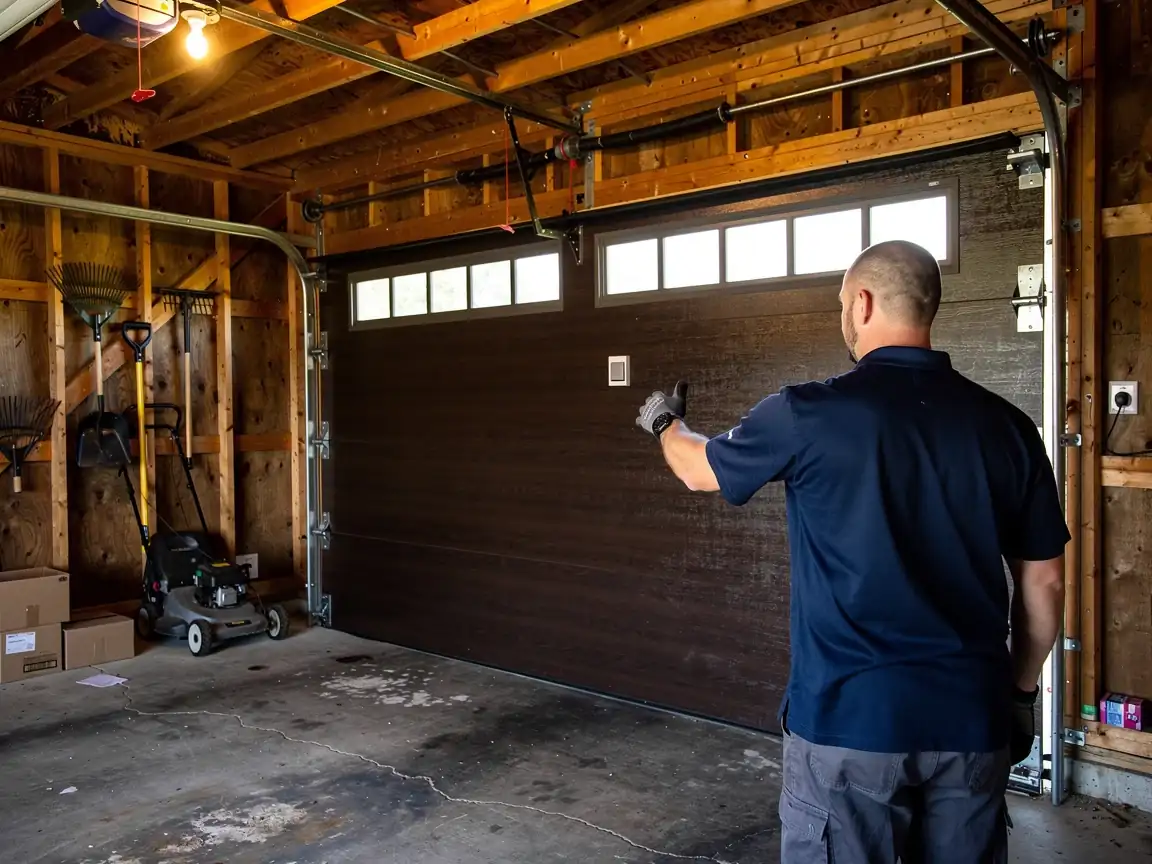
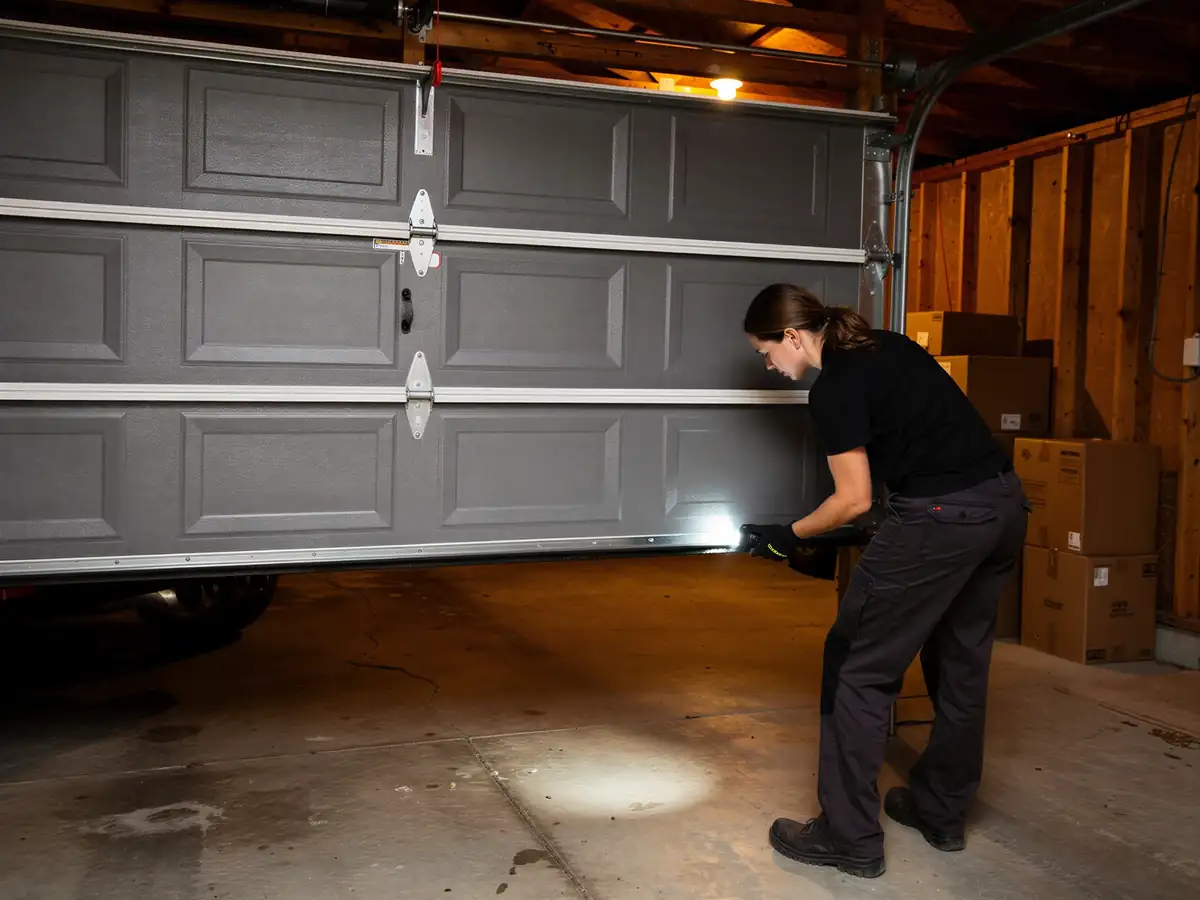
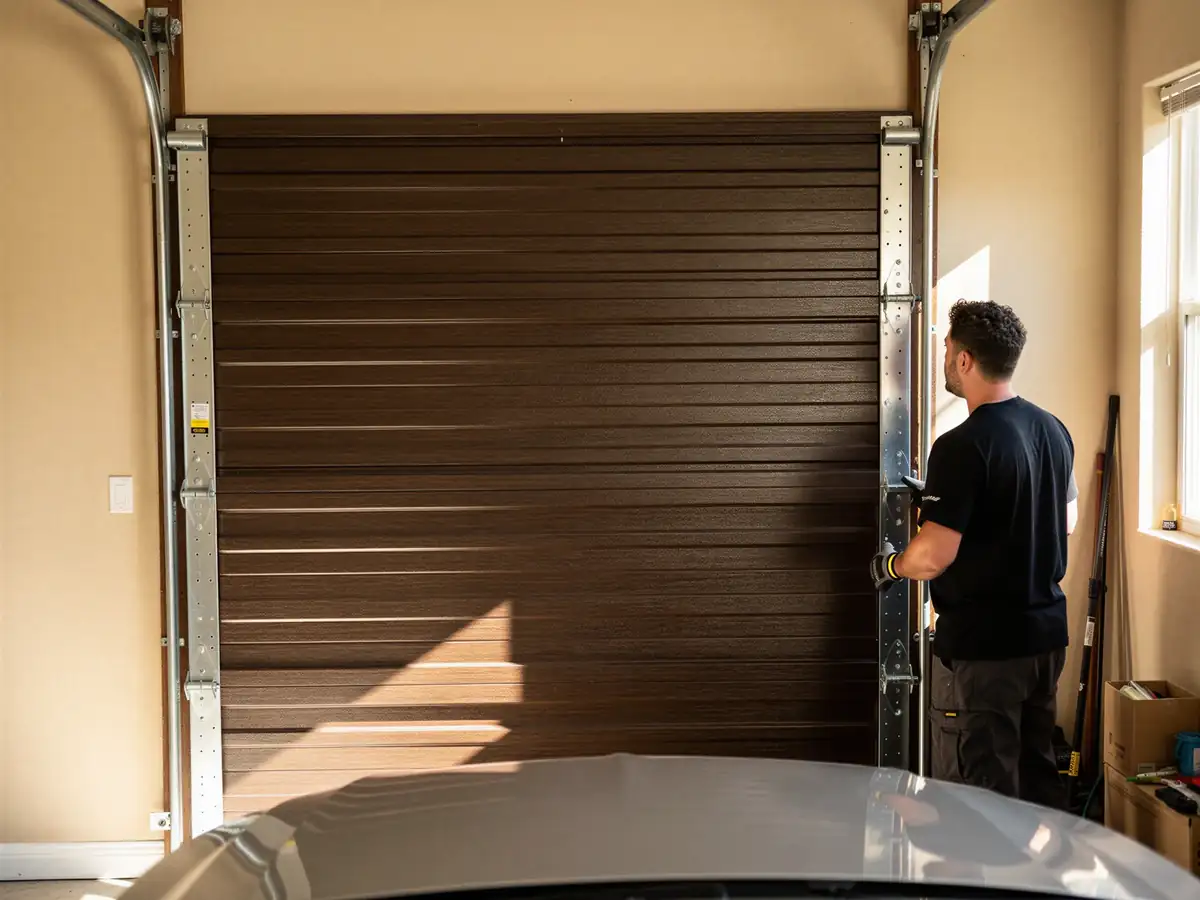
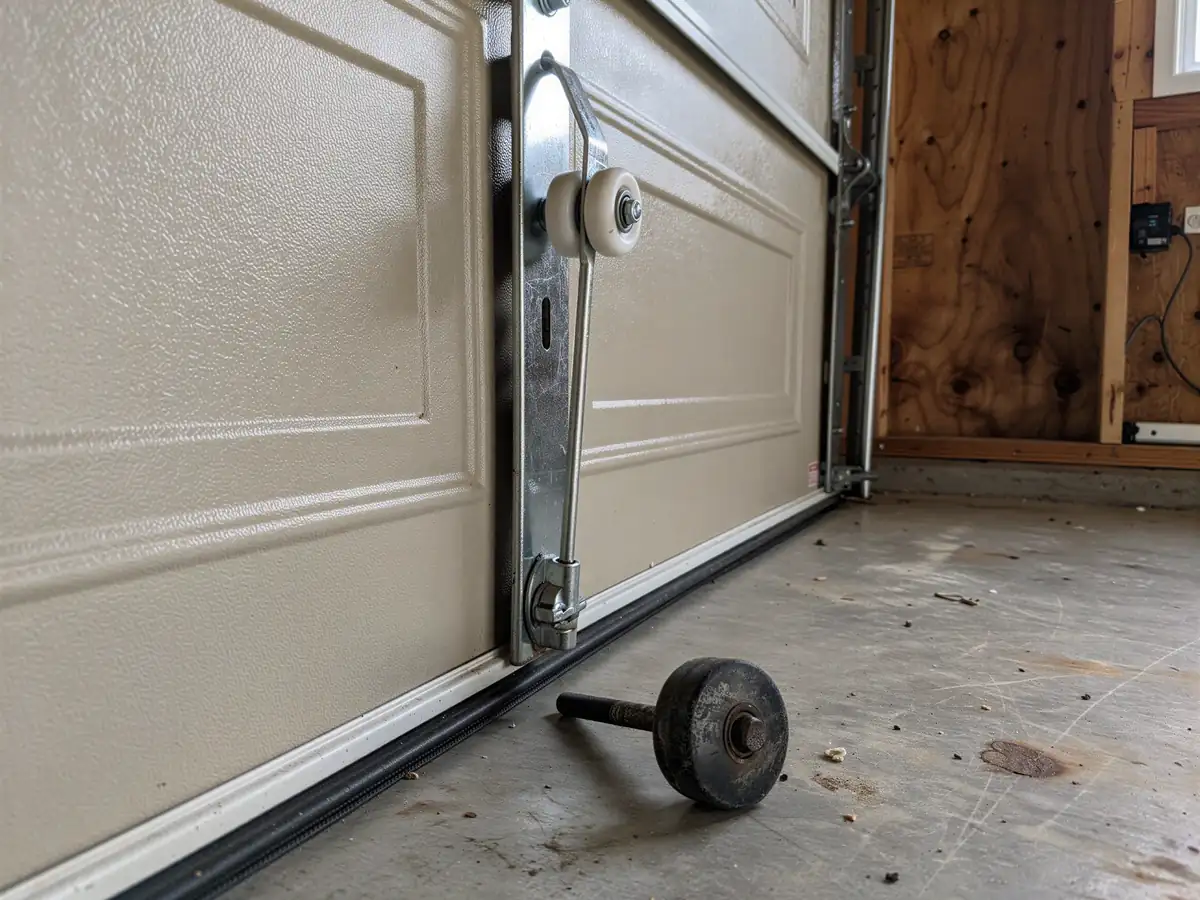
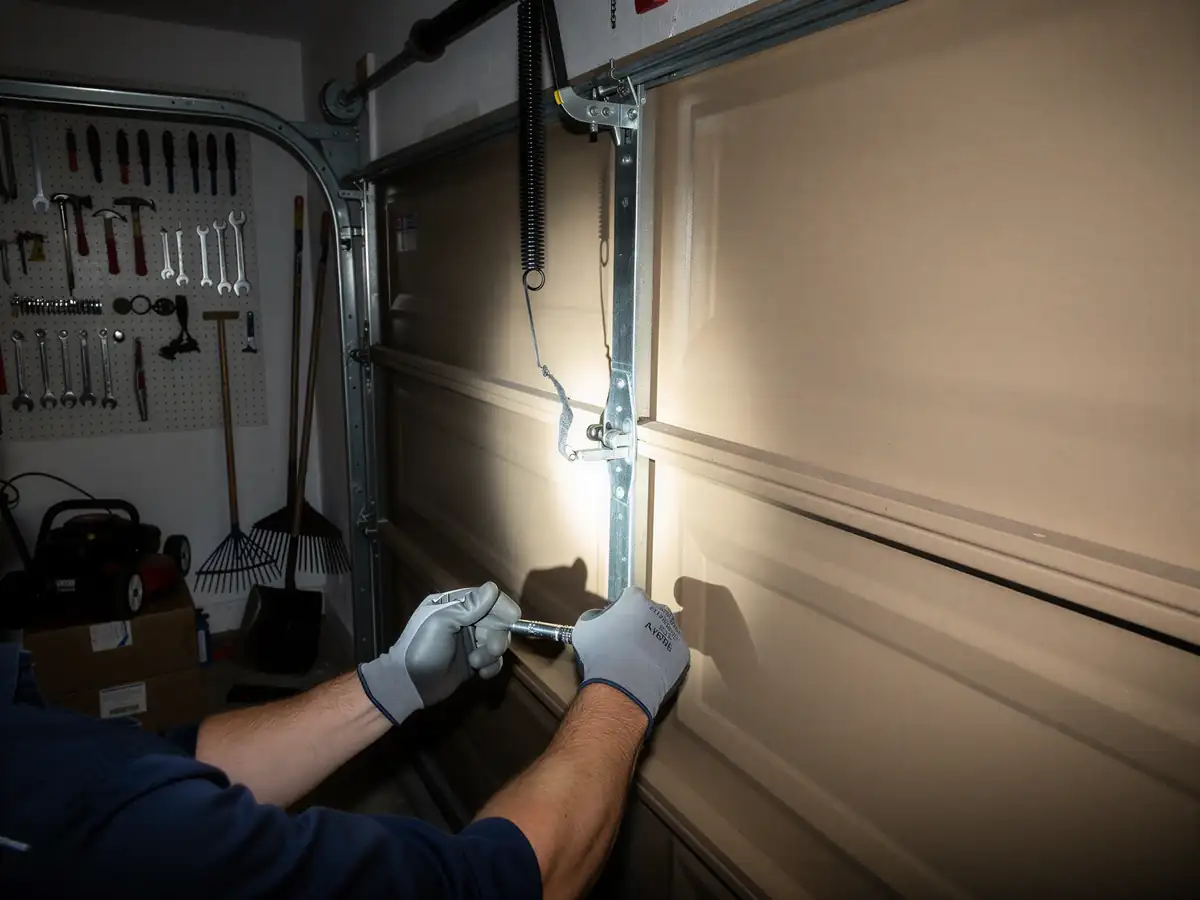
Lighter doors, different spring tension, narrower track clearances than what ships standard today. When a newer opener or a heavier insulated door gets installed on that original framing without adjusting for it, the mismatch shows up as binding tracks, openers straining against springs that are undersized for the door now hanging on them, or brackets pulling loose from jambs that were never drilled for today's hardware.
The service area sits in a severe cold climate zone
And on a door this age the cold exposes whatever's already marginal. Steel that's fatigued from decades of temperature swings cracks at the weld points first. Old torsion springs lose tension faster once they're past their rated cycle count, and a cold snap is often what finally breaks one that was already close to failing.
One limitation worth naming
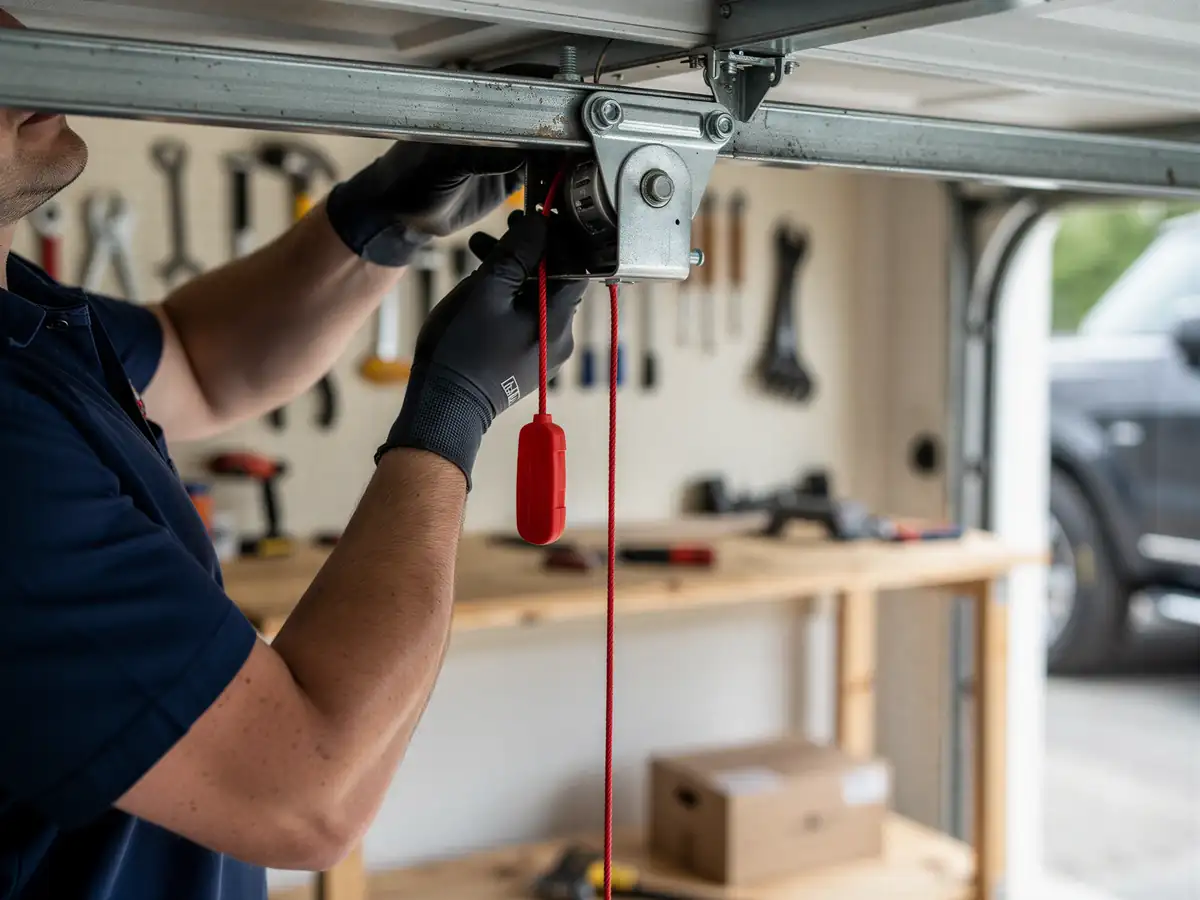
If the opener is original 1950s-era equipment, replacement parts for it don't exist anymore. At that point the honest fix is a new opener, not a repair, and we'll tell you that rather than hunt for a part that hasn't been made in fifty years.
When We Can Get There
Because Huntington Woods is the far edge of our coverage from Waterford, we schedule it realistically rather than promise a number we'd have to walk back. Jobs here get booked around the rest of the day's route, not treated as a standalone same-day guarantee. If you call with a broken spring or a door that won't close, we'll give you a straight answer on timing based on where our truck already is that day - not a general promise that doesn't account for the drive.