Where This Job Goes Sideways
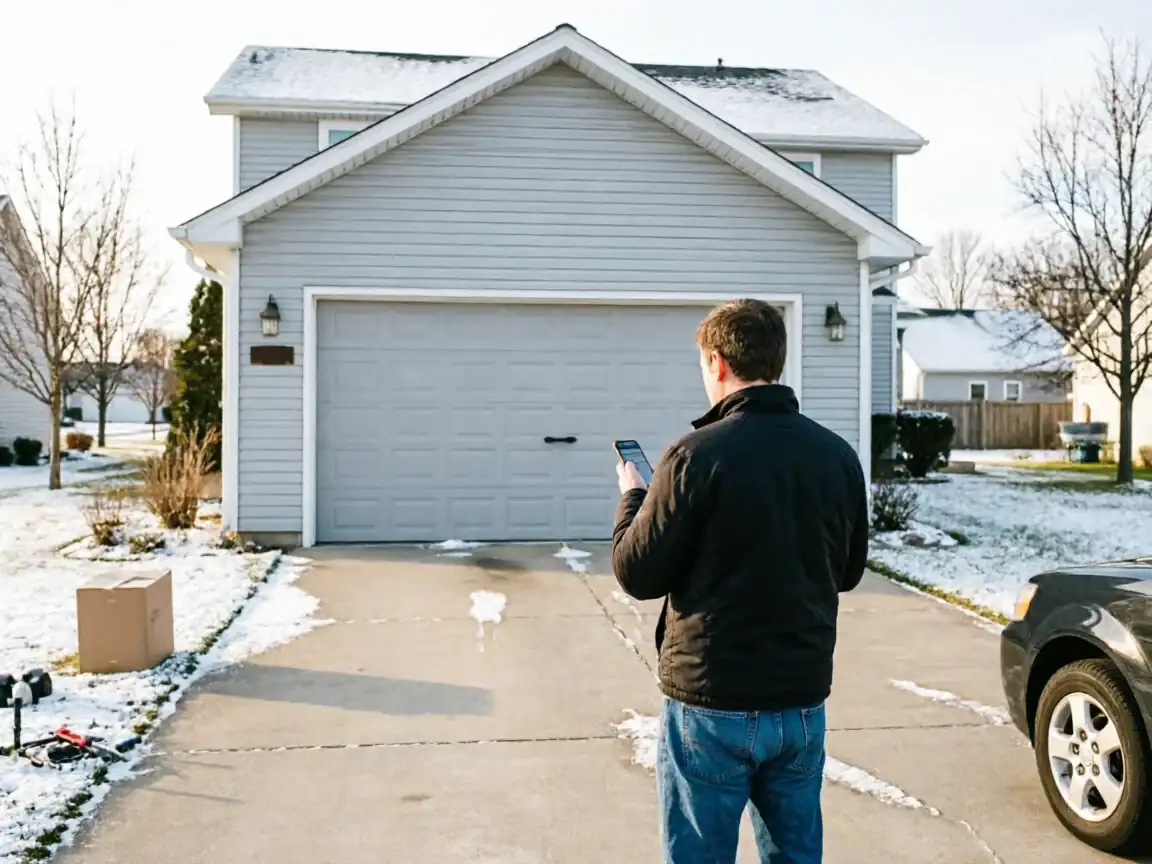
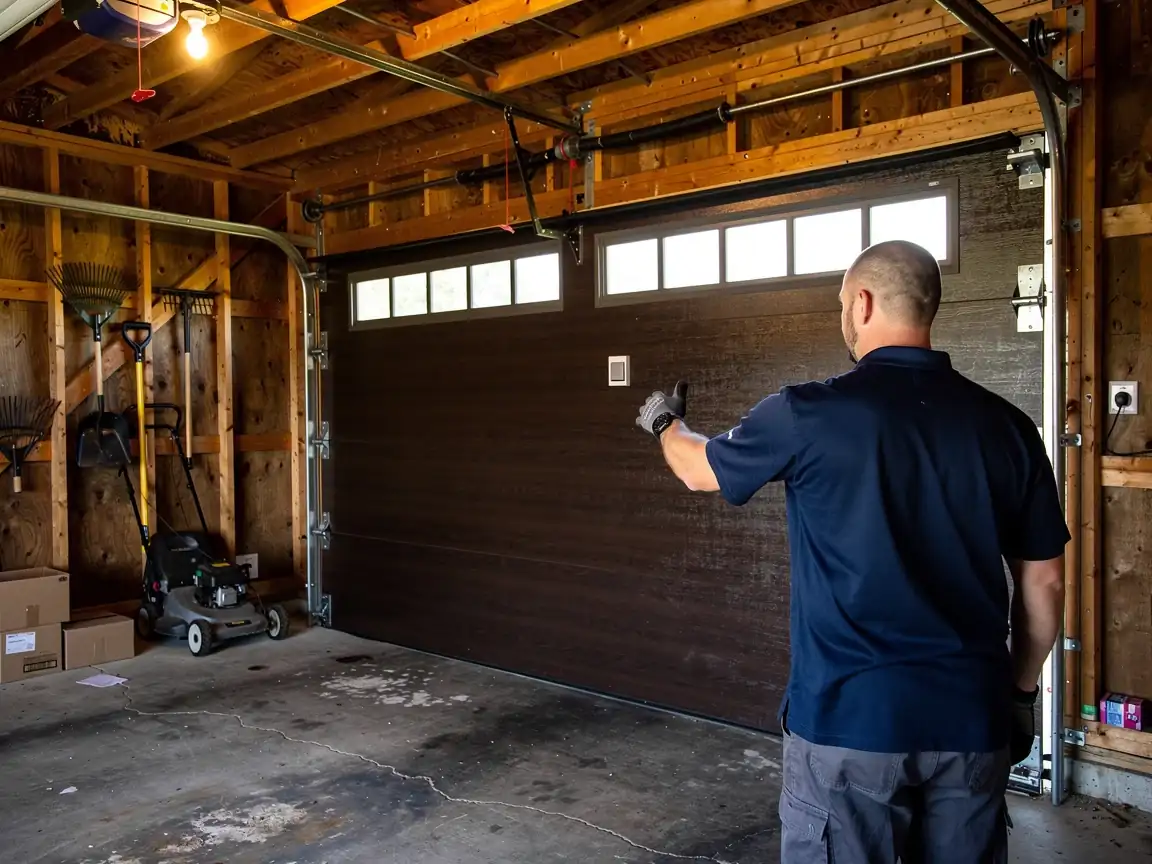
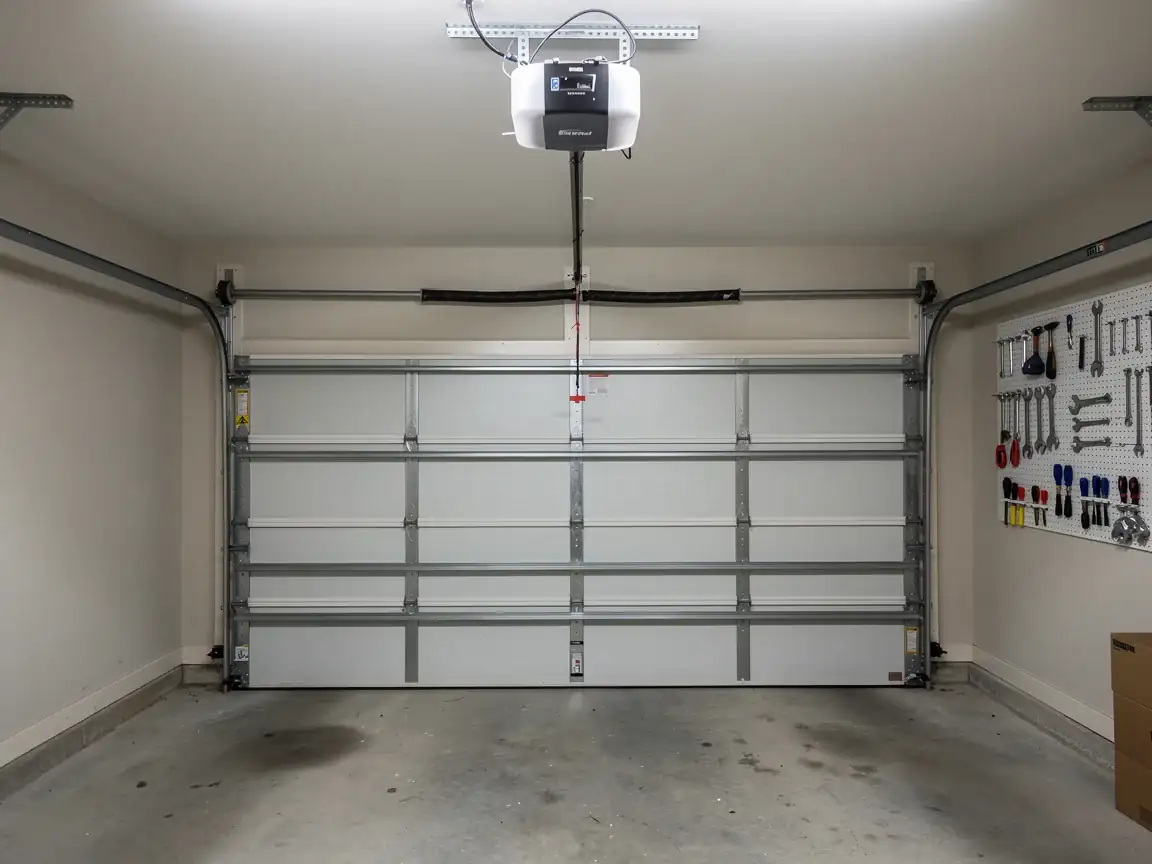
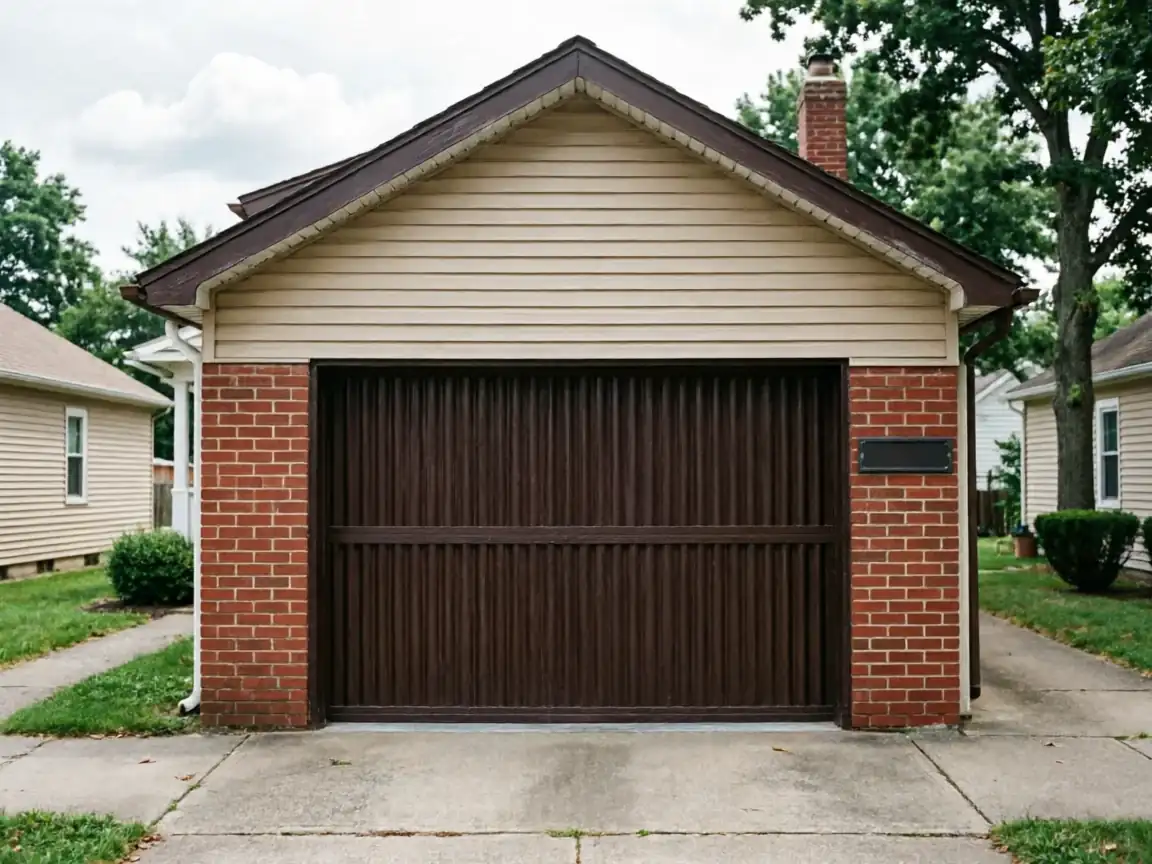
Huntington Woods is a small place - about 2,325 households total, which is a fraction of the call volume we see in bigger pockets of the territory. That size matters for how the work plays out. Fewer houses means fewer garages, but it also means the housing stock is more uniform: the median year built here is 1951, a good two decades older than the 1973 median across the wider service area. A door built or replaced in the 1950s or 60s doesn't fail the way a 1990s door fails. You're often looking at extension springs mounted along the horizontal track instead of a torsion bar overhead, single-point latching that was standard before modern safety codes, and openers that have been swapped once or twice over seventy years without ever touching the original track hardware. When that hardware finally gives out, it tends to give out all at once - not a slow rattle building for months, but a cable or spring that just lets go. We come out from Waterford, 19 miles away, so an emergency call here isn't a five-minute drive, and we'd rather tell you that up front than pretend otherwise.
How It Shows Up
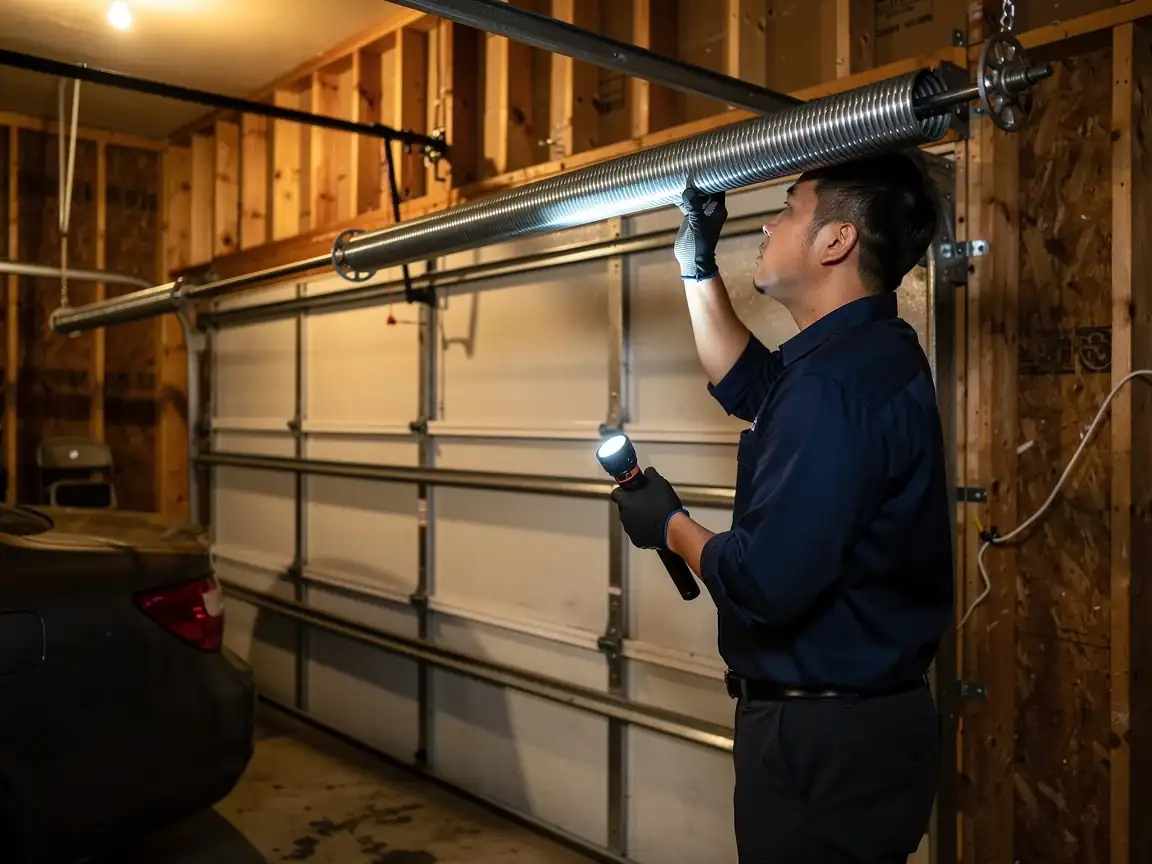
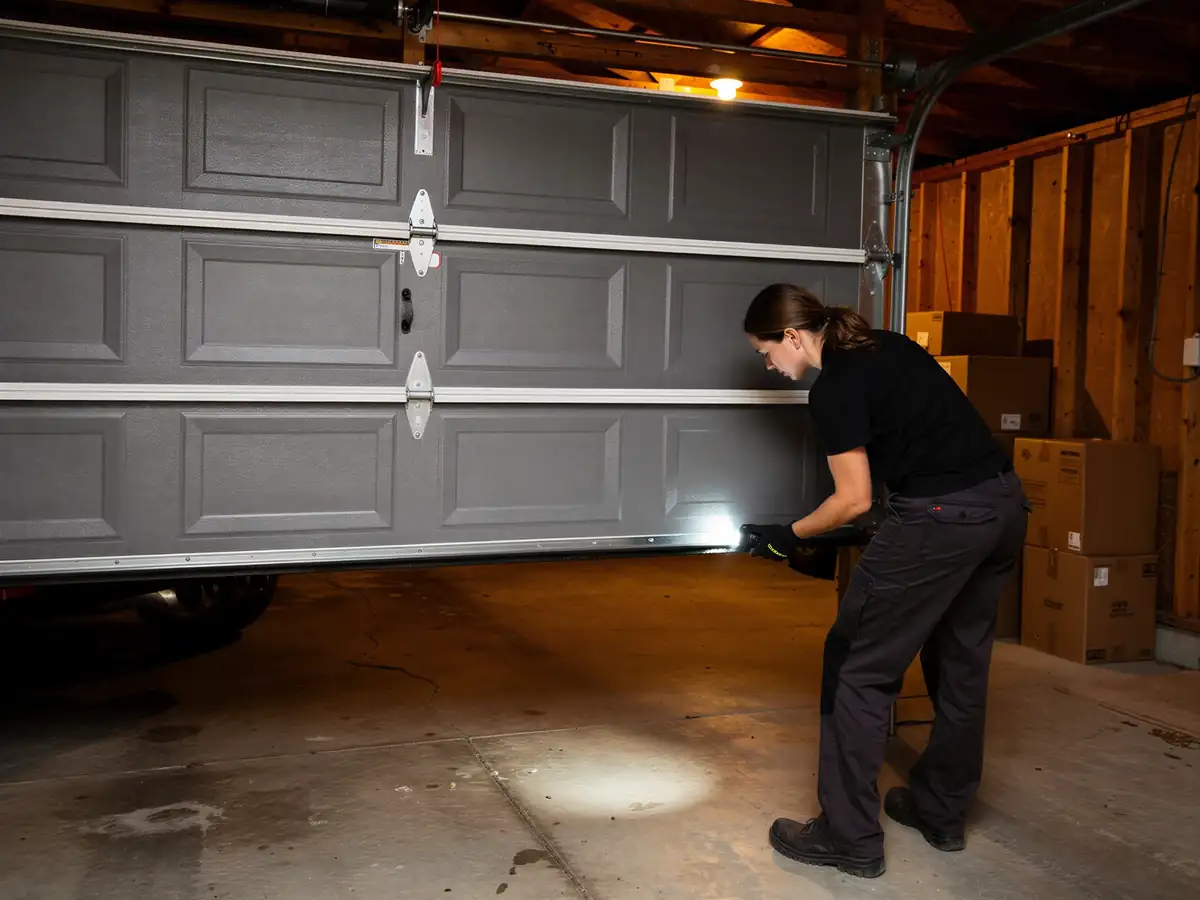
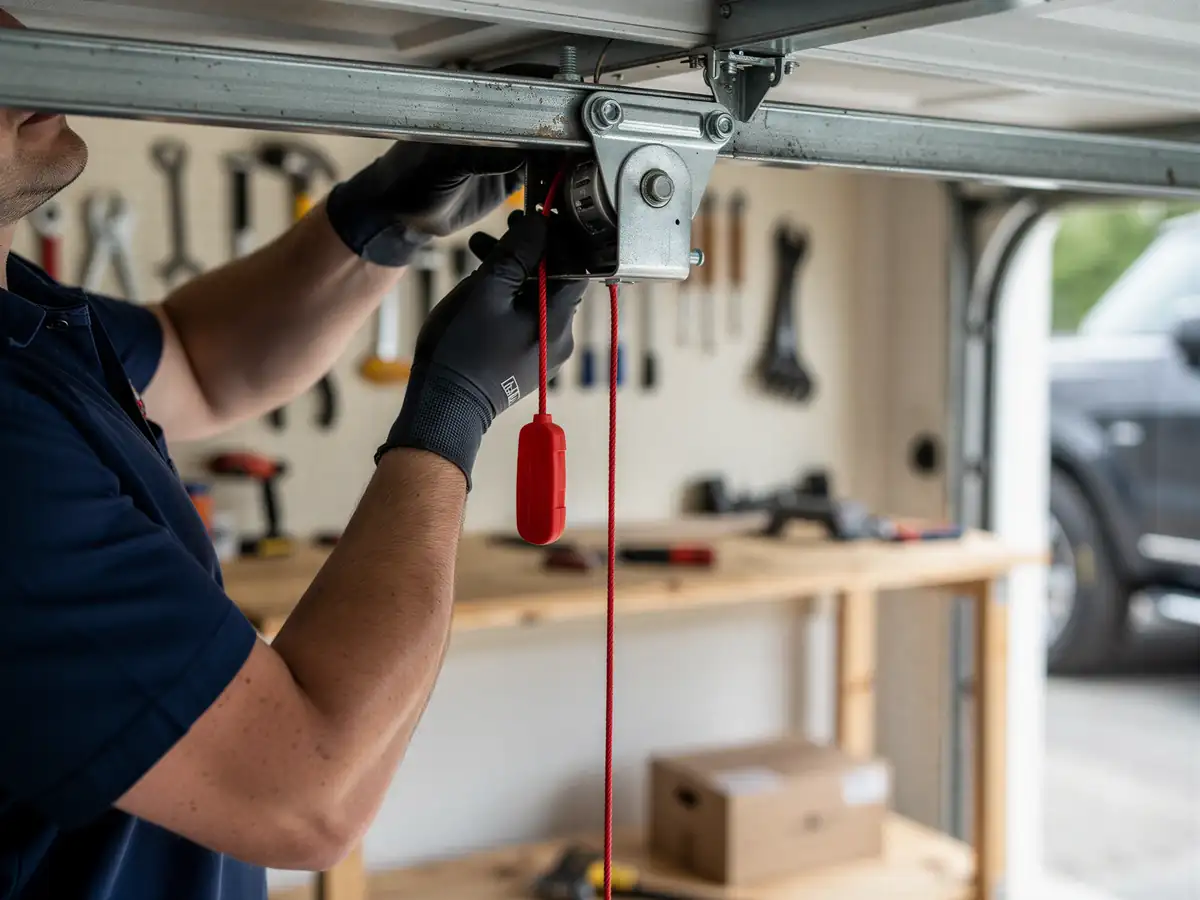
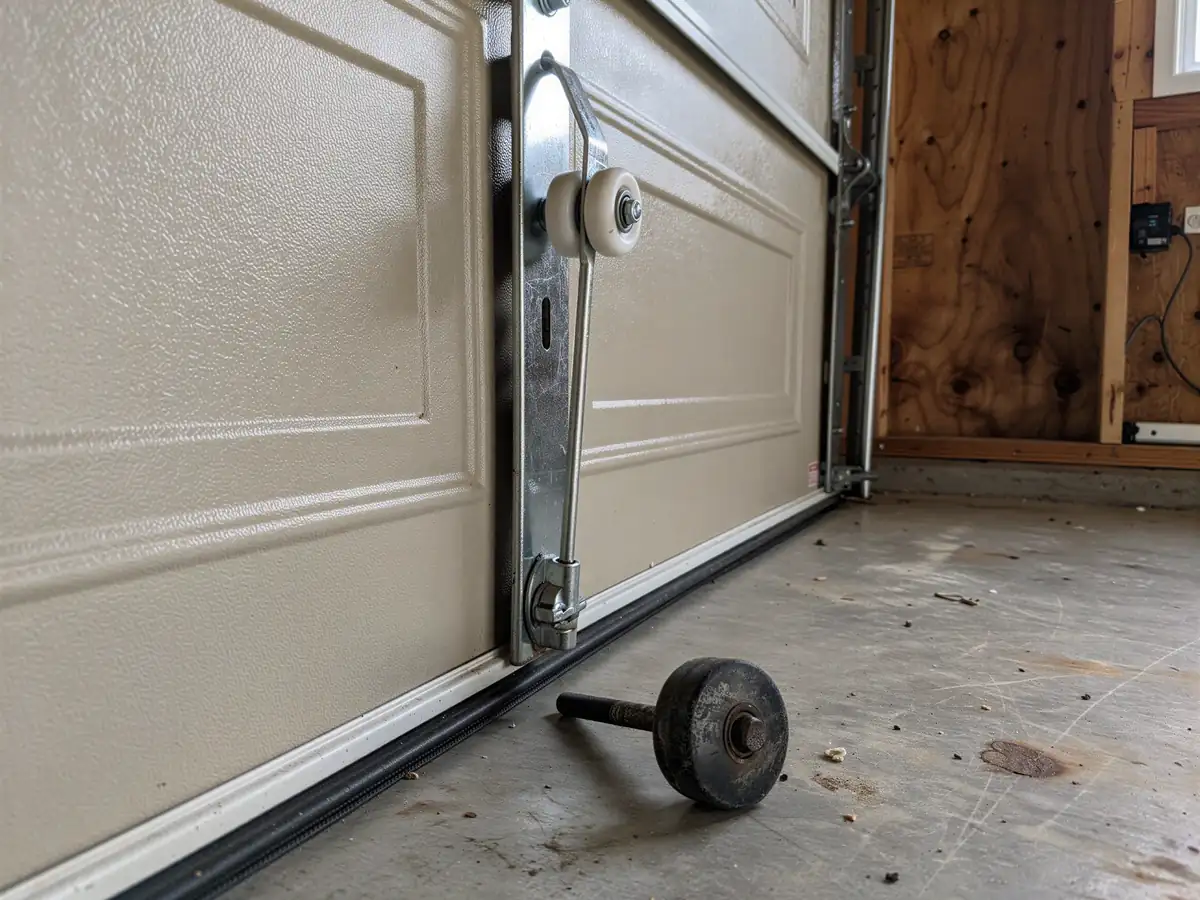
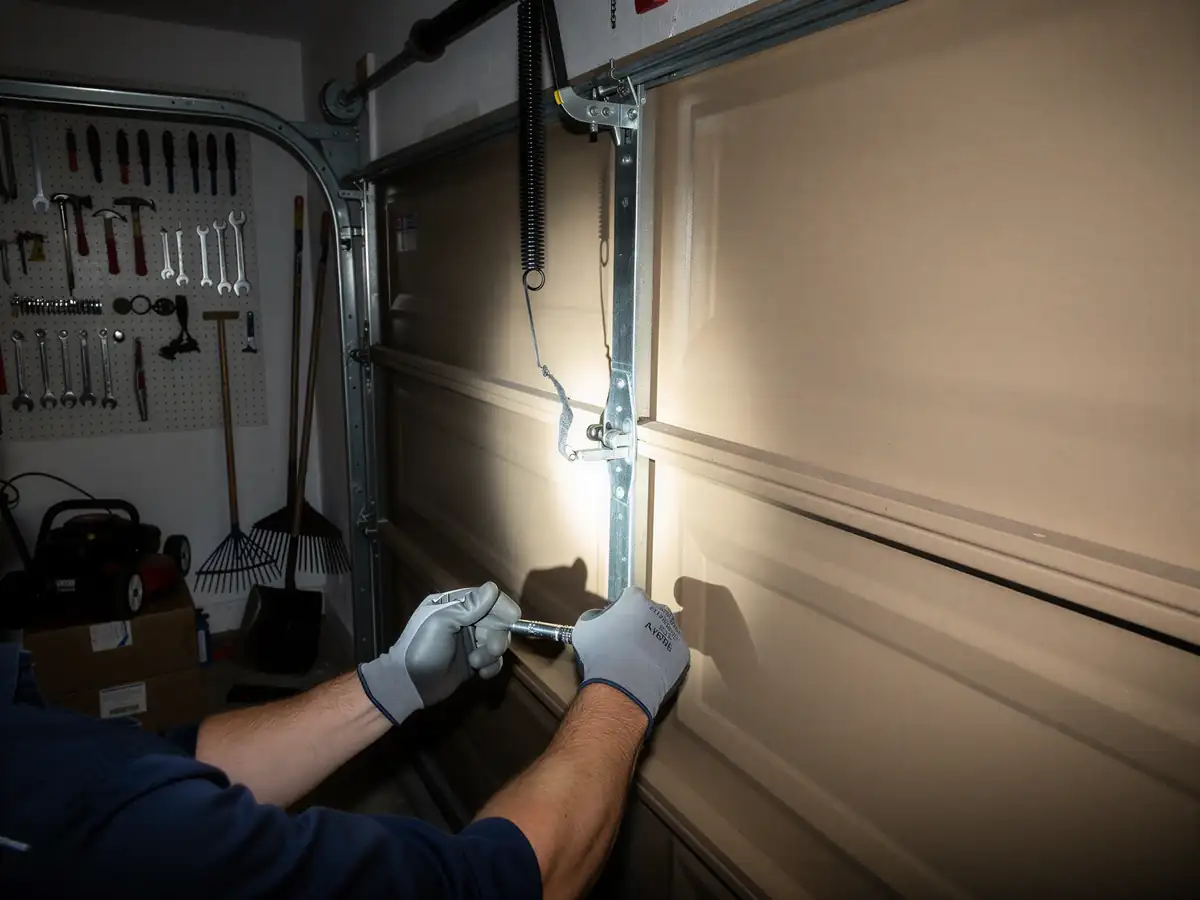
On a house from this era, the most common emergency is a snapped extension spring - usually one side, sometimes both if they were installed together decades ago and have been under equal stress ever since. You'll hear a bang, and the door either won't budge or drops hard on one side when you try the opener. Cold makes it worse: the service area sits in a severe cold climate zone, and steel springs lose flexibility as temperatures drop, which is exactly when a spring near the end of its life decides to go. Rollers on original tracks are another one - decades of use wear the track groove unevenly, and a roller finally jumps it, usually first thing on a winter morning when the door's been sitting unused overnight. Less common but real: the cable drum or pulley system on these older extension setups corroding enough that a cable frays and snaps under load. None of this is exotic. It's what you'd expect from hardware that's been doing its job since before most of the owners calling us were born.
What You Pay
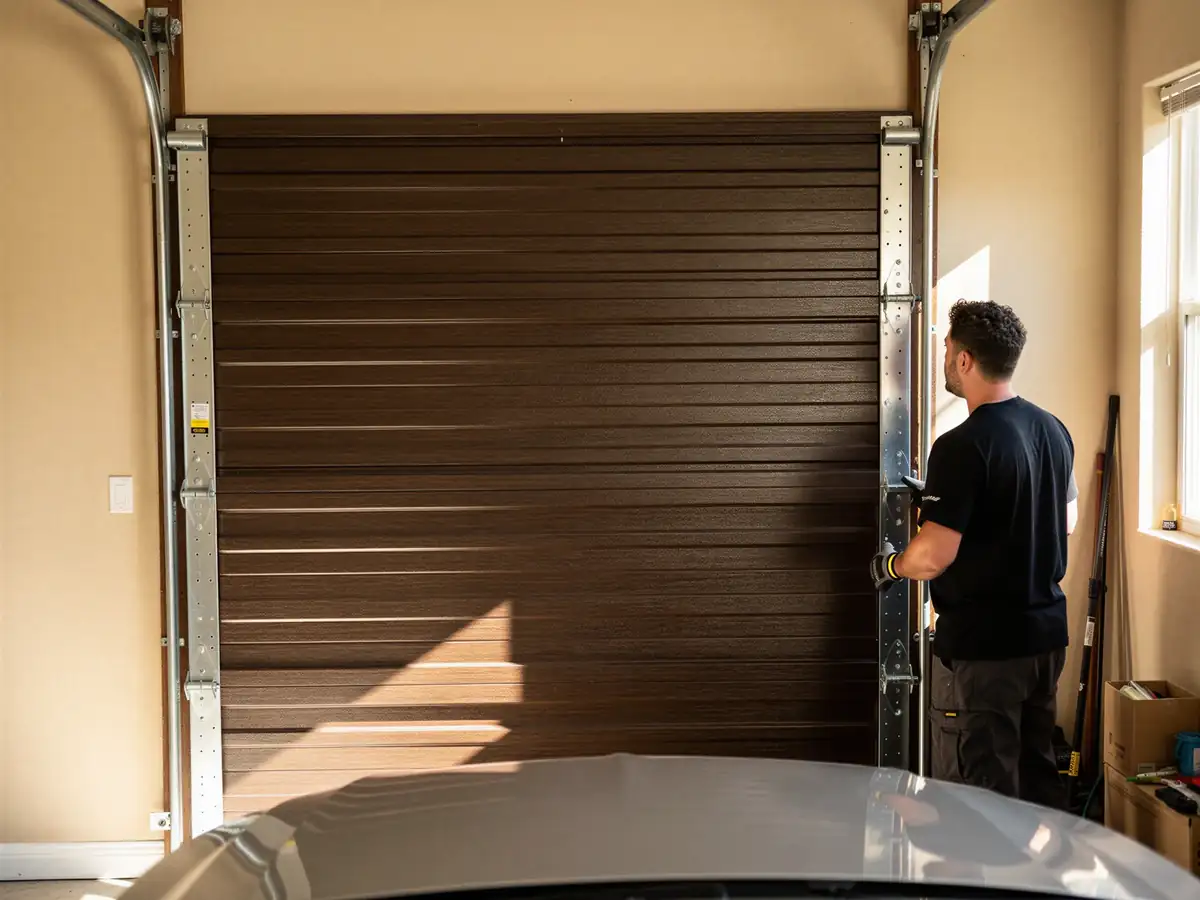
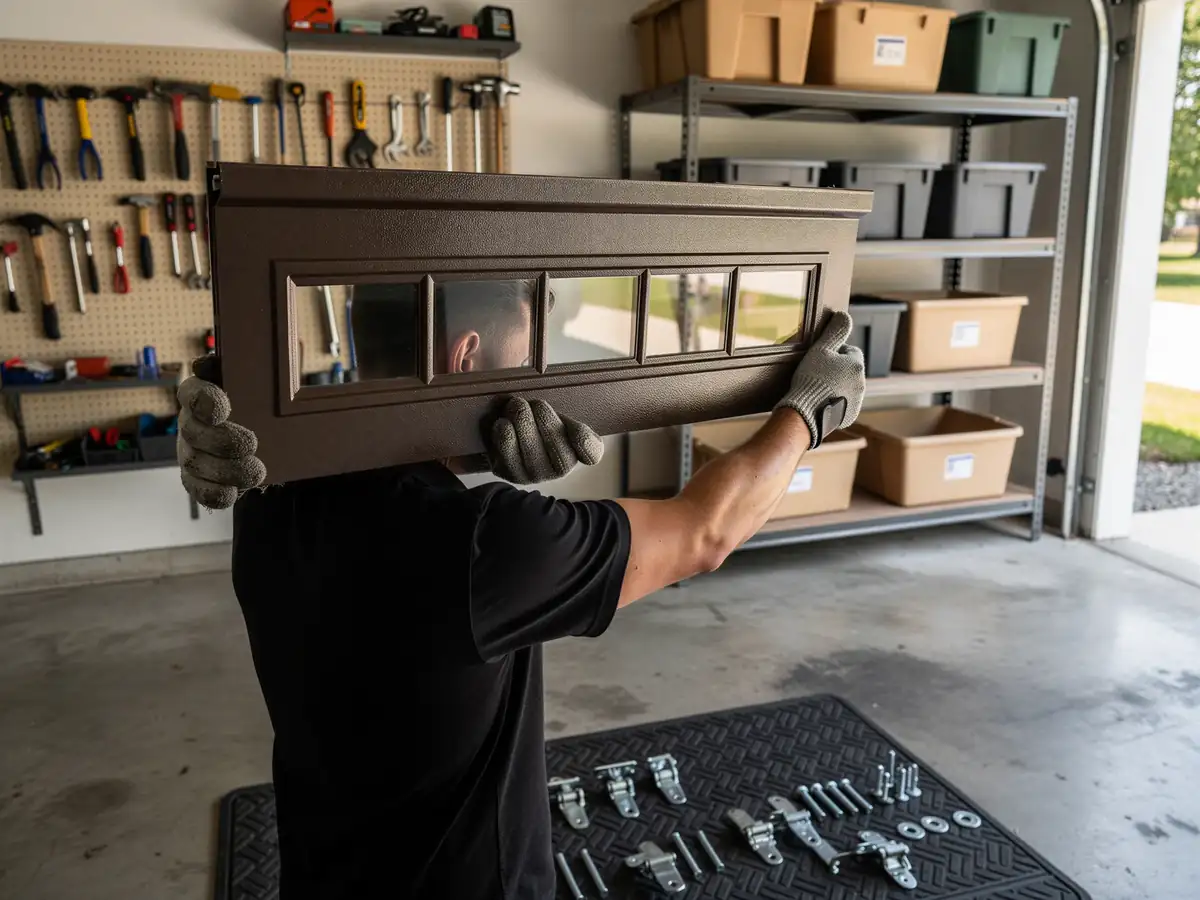
We don't post a flat emergency rate on this page because the honest answer depends on what's actually broken and whether the fix is a spring swap or a full hardware conversion on an older door. What we can tell you is how the area shapes the decision: median household income here runs $188,229, well above the surrounding territory's overall figure, and in practice that means more Huntington Woods owners choose a full opener or spring-system replacement over a second patch job on a seventy-year-old door that's already been repaired once. That's not a sales pitch - it's just what the numbers in this town tend to look like when the quote goes out. For full detail on how the pricing conversation works and the service itself, see our main page for the town and the Waterford service area page linked below.