Where This Job Goes Sideways
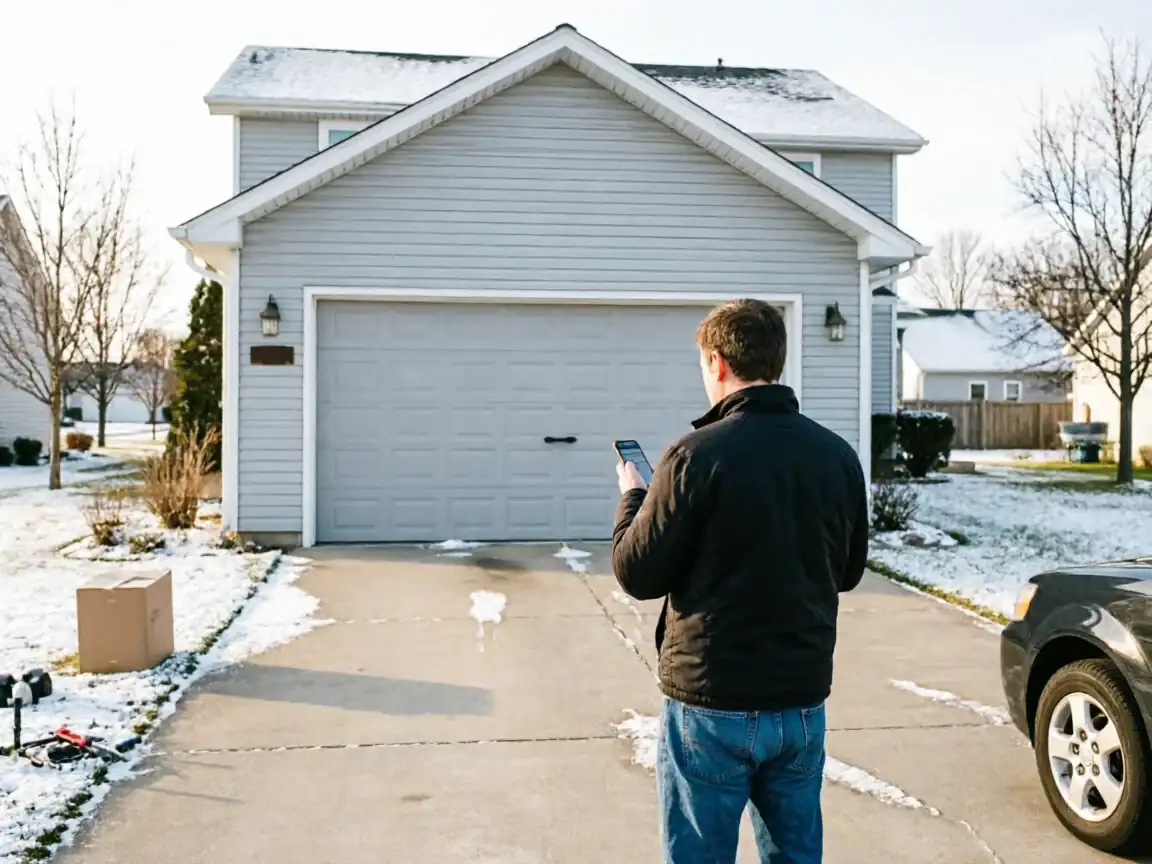
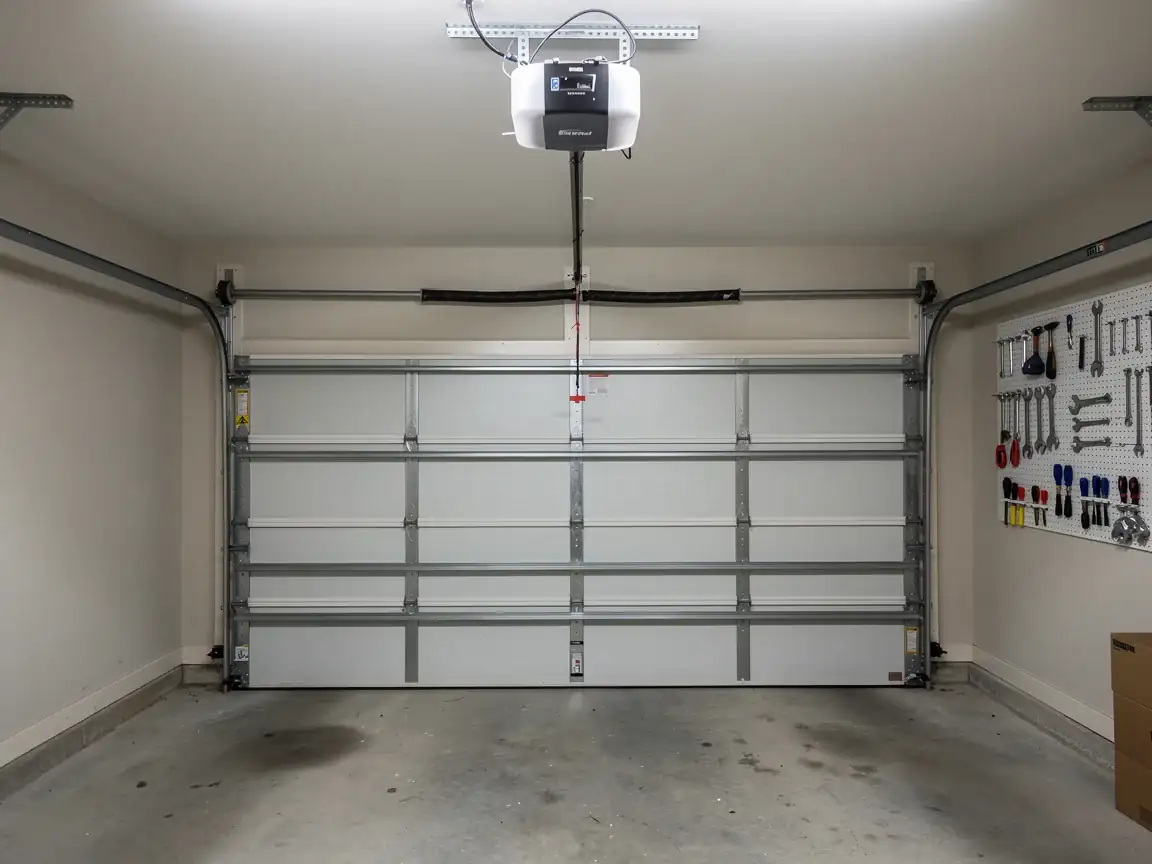
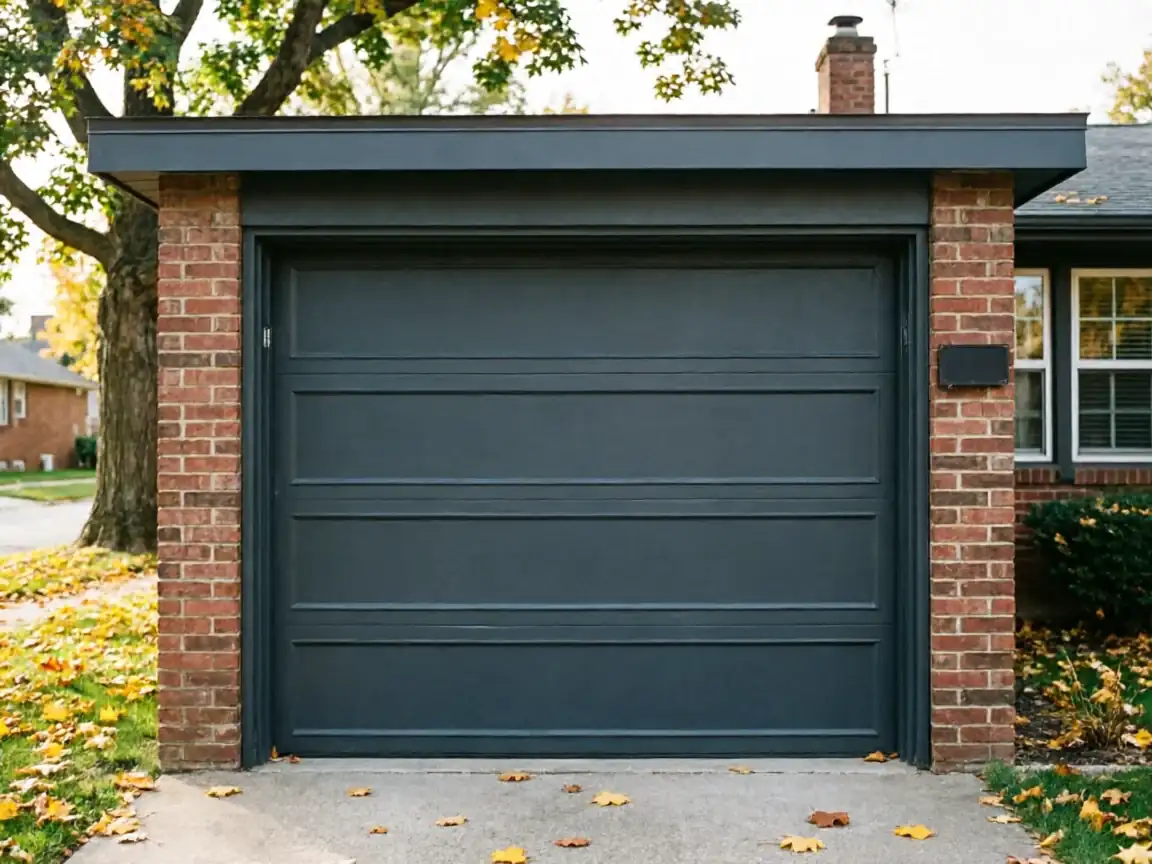
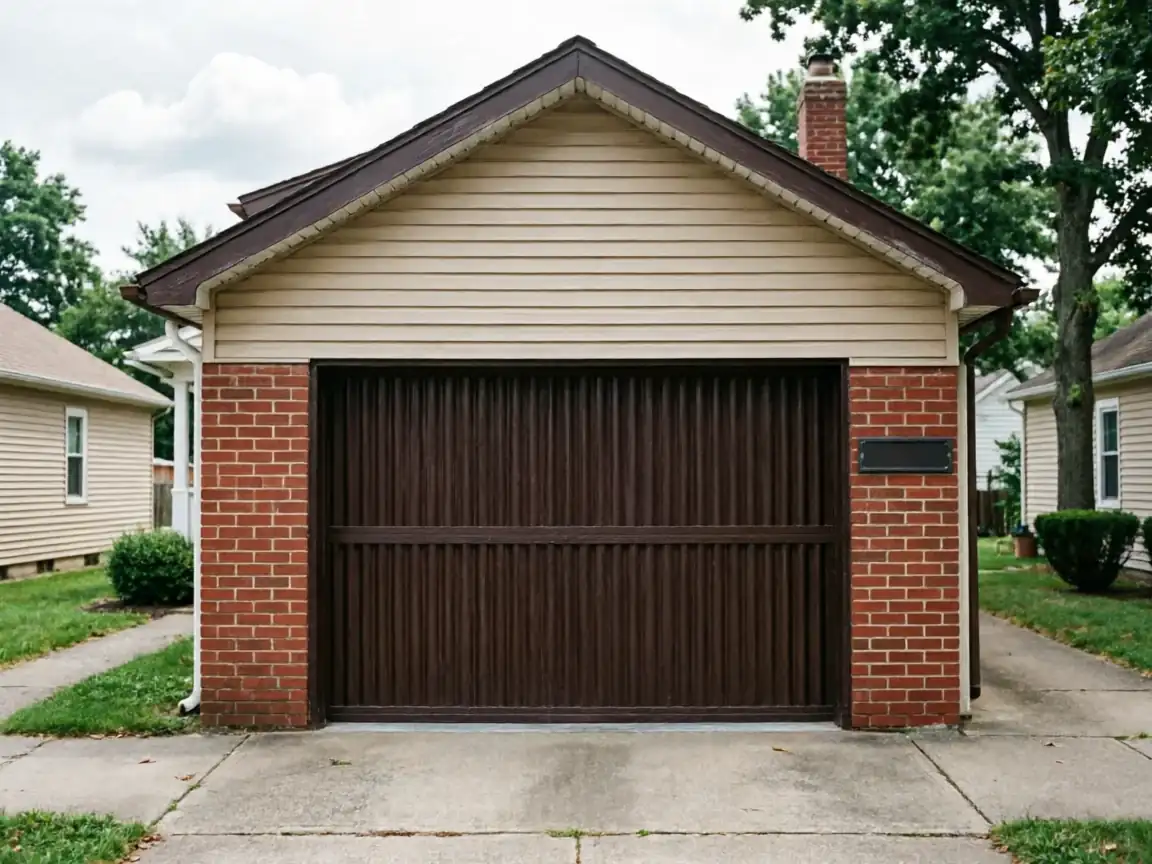
Most houses in Huntington Woods went up around 1951, a full generation ahead of the wider service area's median build year of 1973. That earlier build year matters more than people expect. Doors hung in 1951 were sized to openings cut before steel sectional doors were the standard product - narrower bays, different track spacing, panel heights that don't line up with what a modern panel kit assumes.
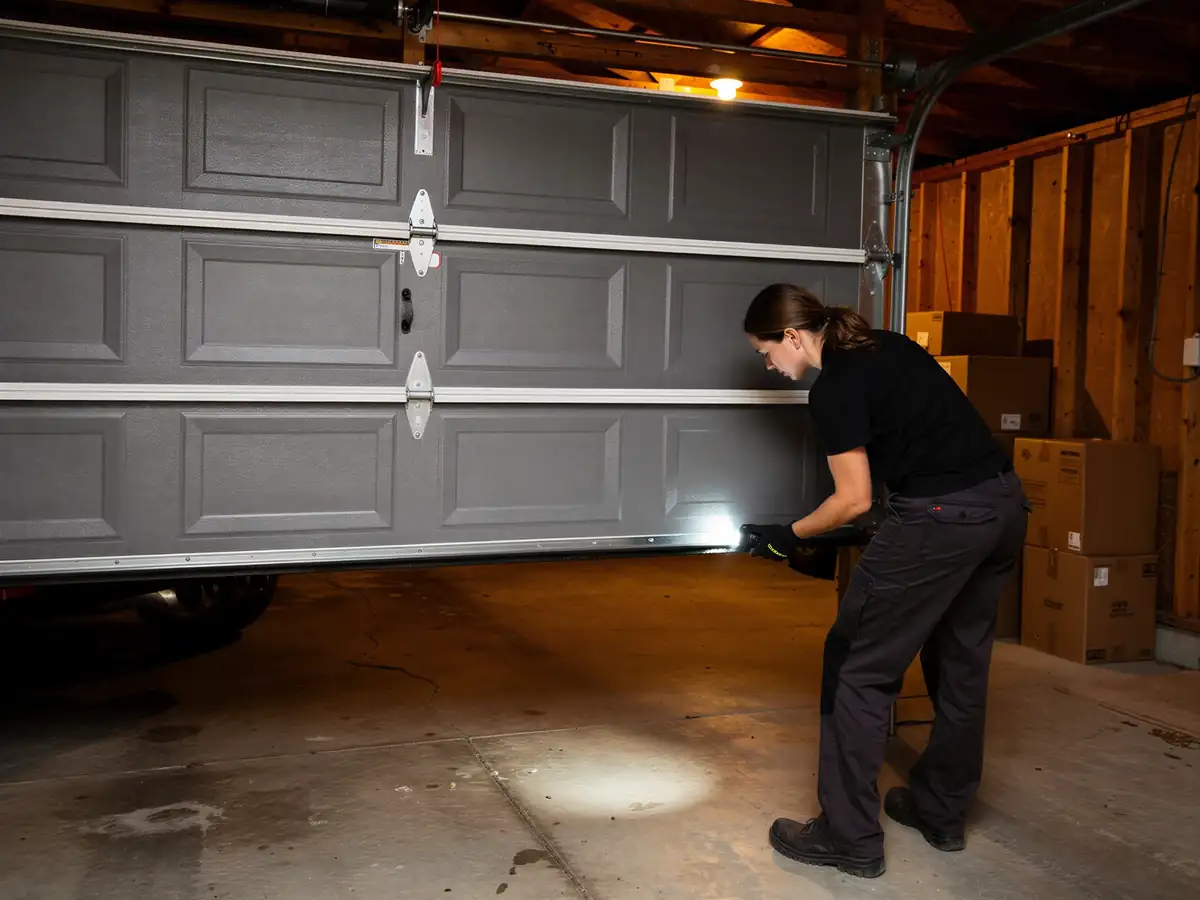
So when one section gets dented by a trailer hitch or cracks along the bottom seam from decades of Michigan winters, the fix often isn't "grab a matching panel off the shelf." We have to measure the actual opening and track position before we order anything, because a door sized for a 1951 opening rarely matches the panel widths sold off the shelf today. Skip that step and you end up with a panel that technically fits the door but throws the whole section out of square against the rest of the run.
How It Shows Up
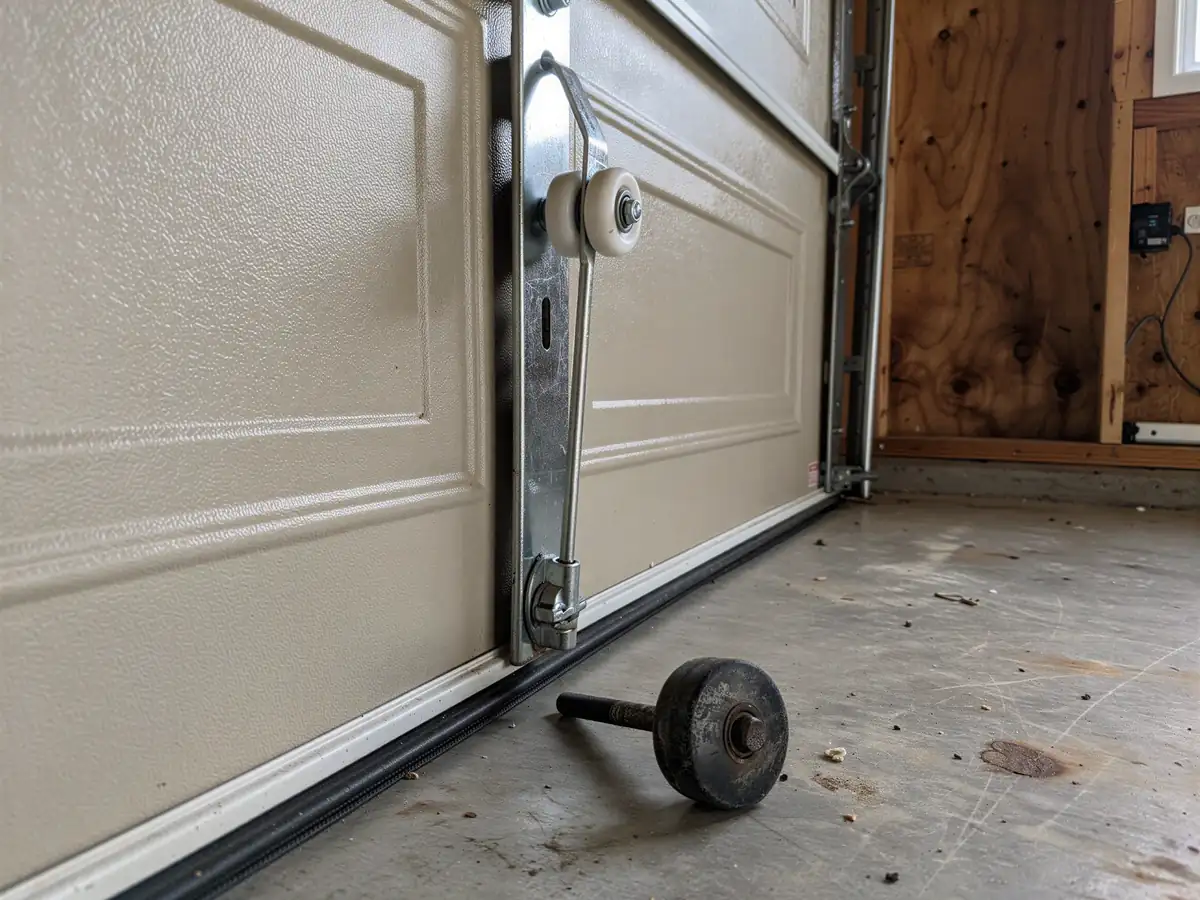
The most common call we get for this job is a single bottom panel - rusted through at the edge, cracked where a basketball or a bumper caught it, or just bowed from years of being the panel that takes the brunt of weather and use. On older steel doors from this era, that bottom section also tends to be the one holding the weakest insulation, if any, so a cracked panel there means cold air finding its way into the garage all winter.
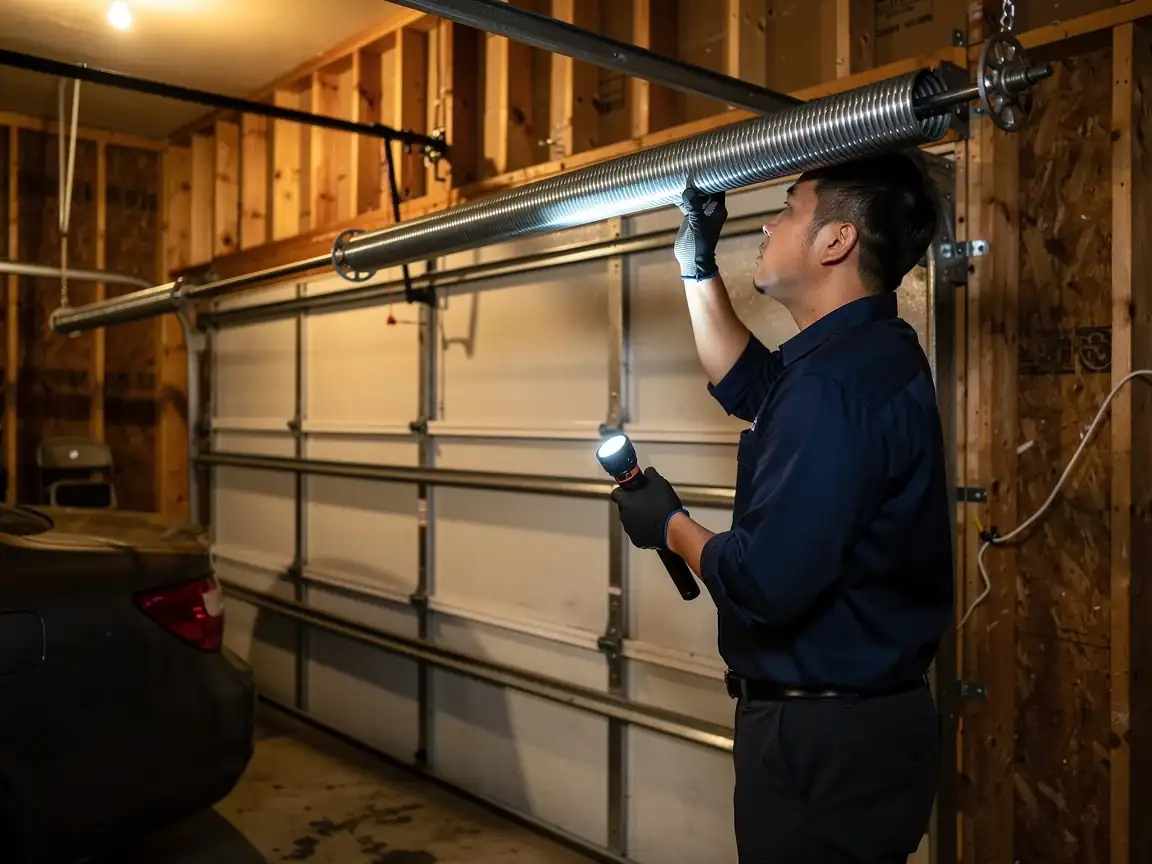
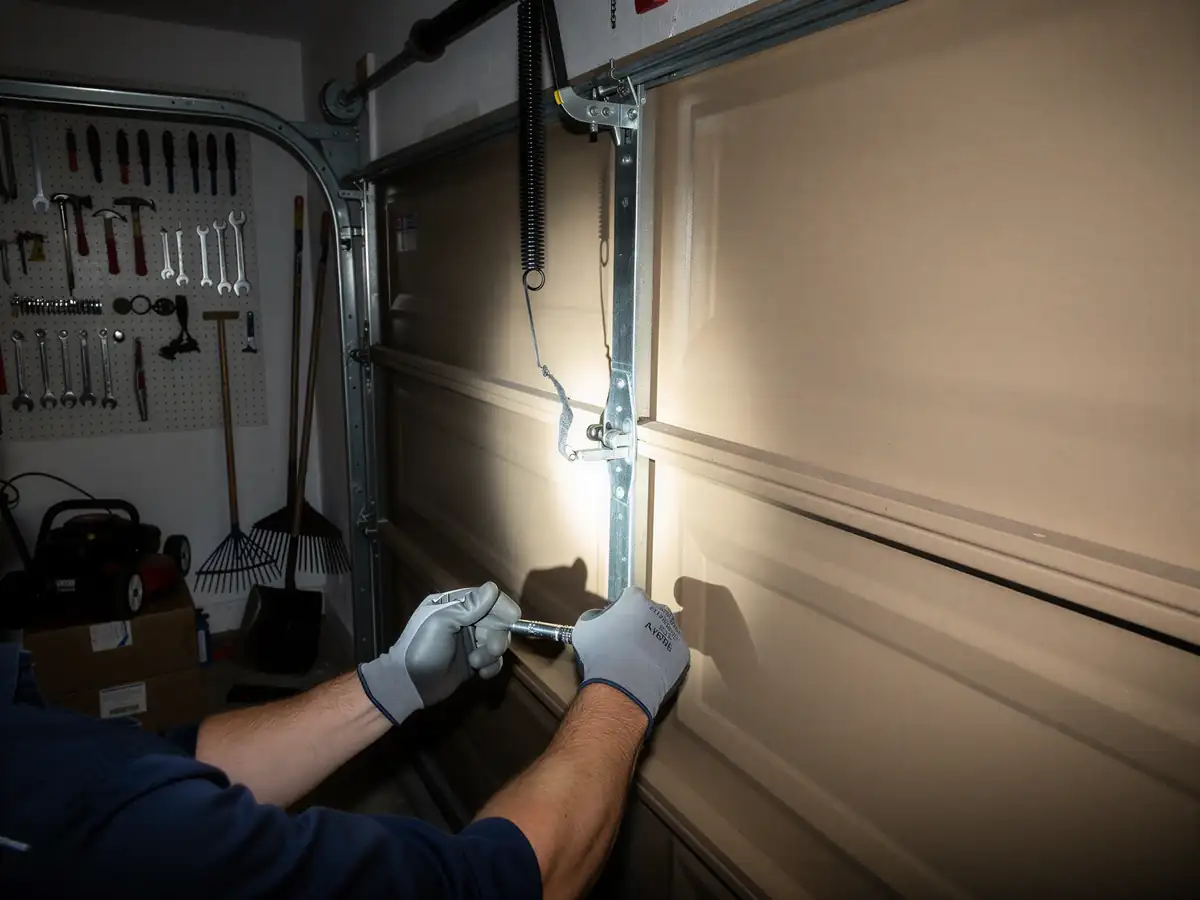
You'll also see panels that look fine from the driveway but don't sit flush anymore - gaps along the seam, a slight twist when the door closes, rollers binding partway up the track. That's usually not a spring or opener problem; it's a panel that's warped enough to throw off the whole section's alignment. If you're not sure whether what you're looking at is a panel issue or something else in the door, our general repair page for the area covers the broader troubleshooting.
Parts We Carry
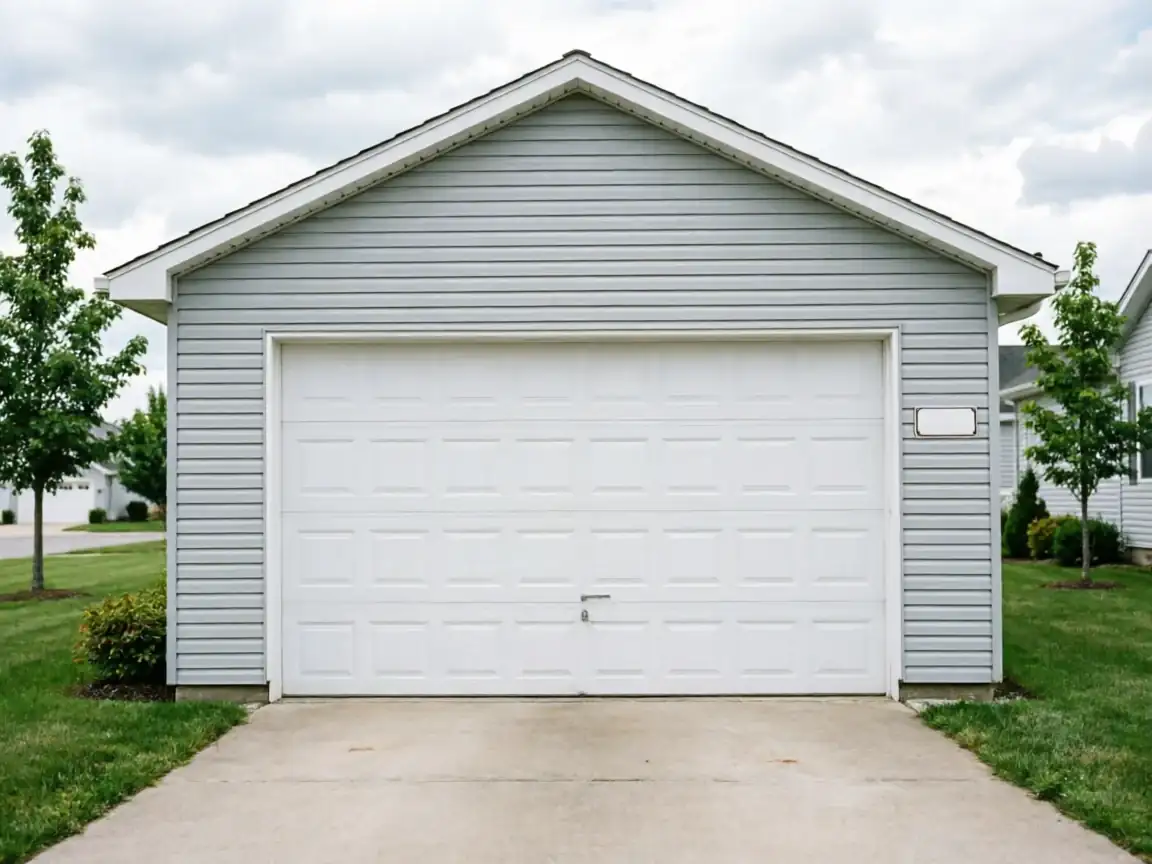
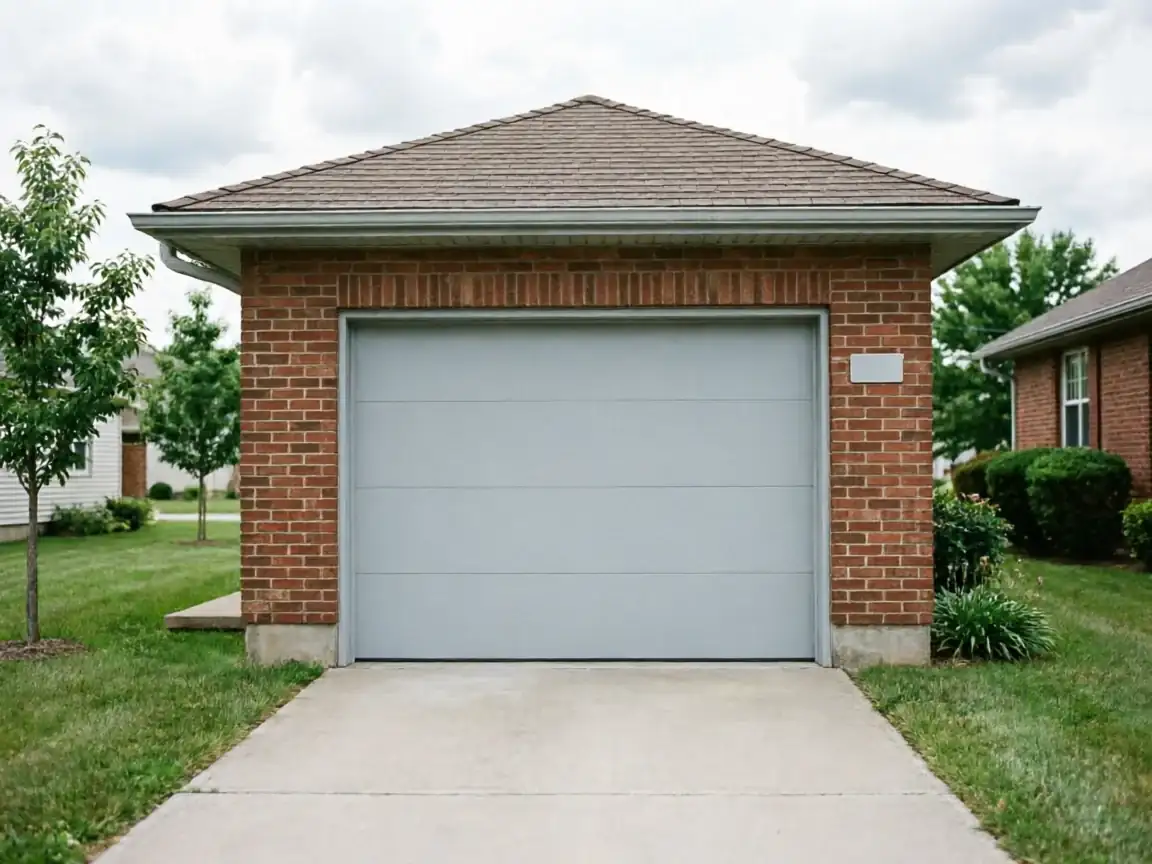
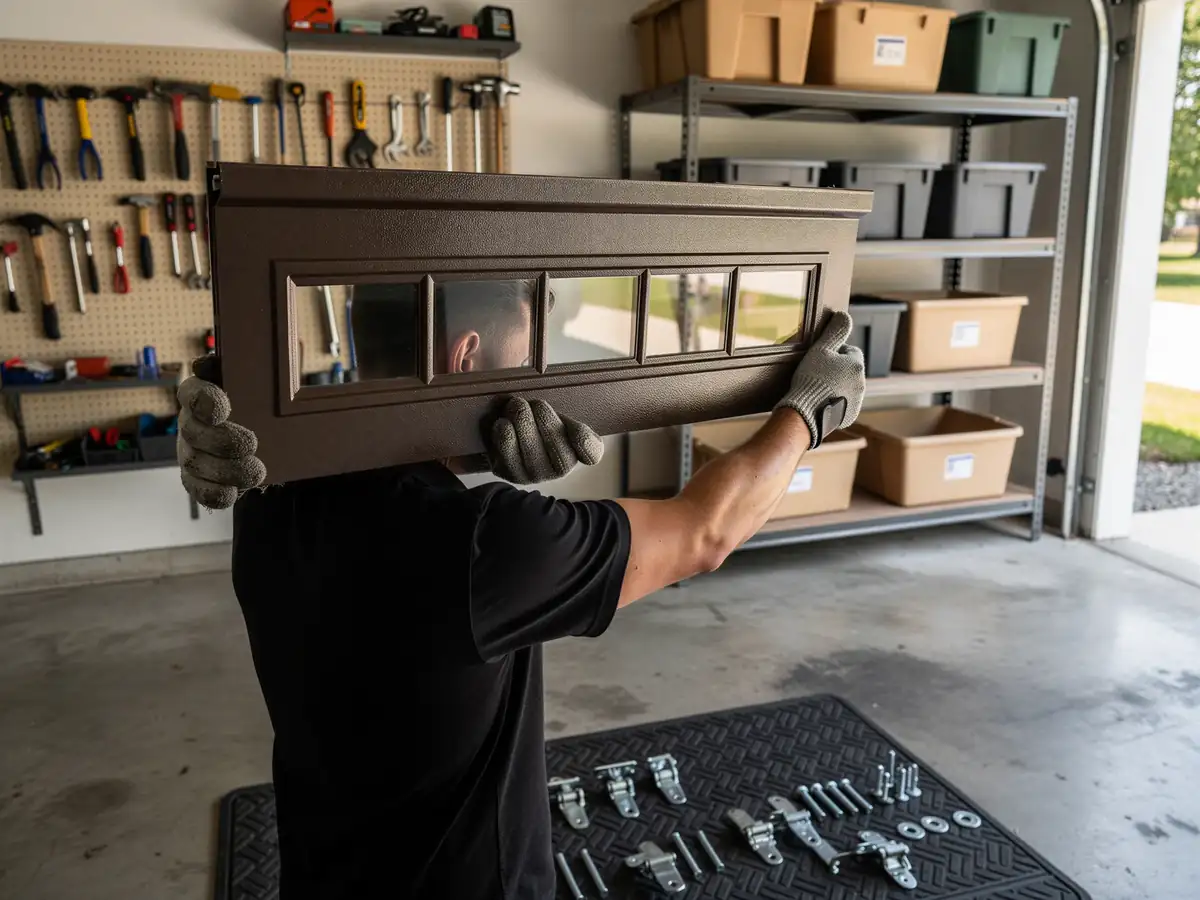
For straightforward steel panel swaps, we carry standard widths and can usually match the gauge and finish of a plain painted door without much trouble
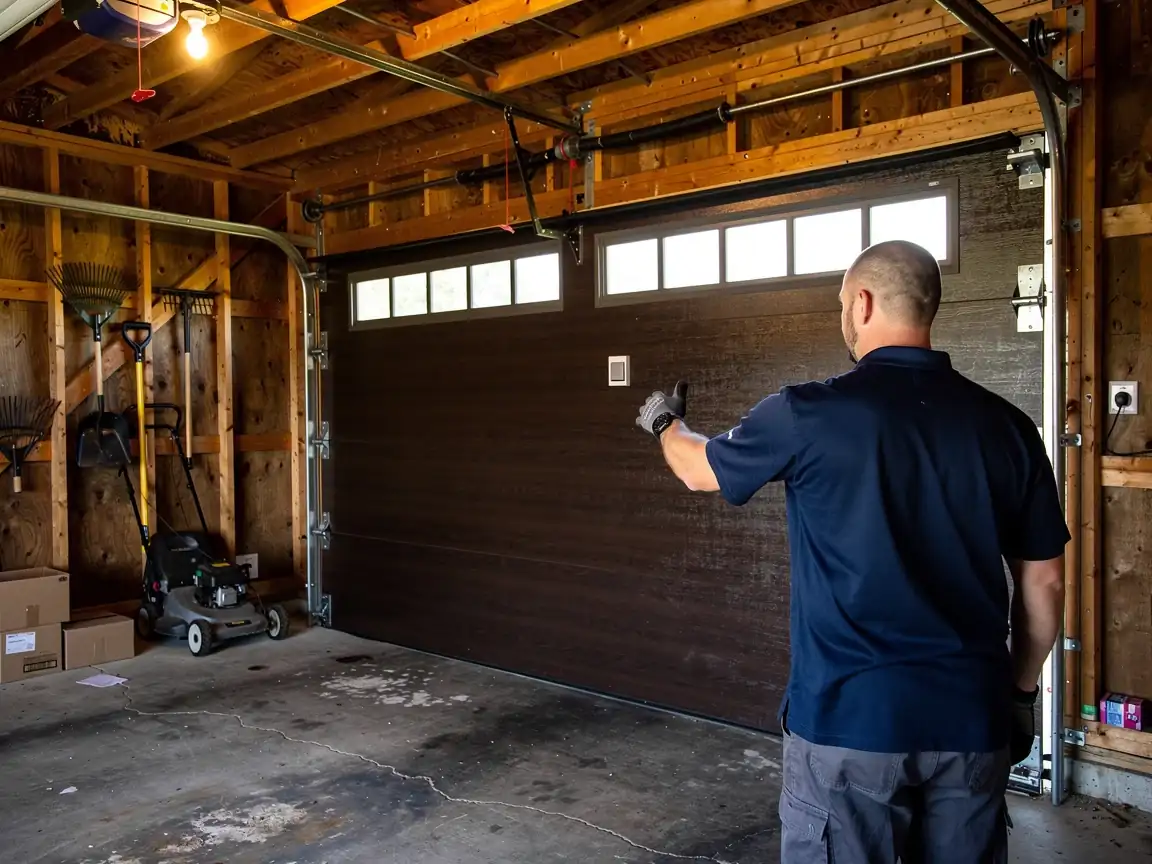
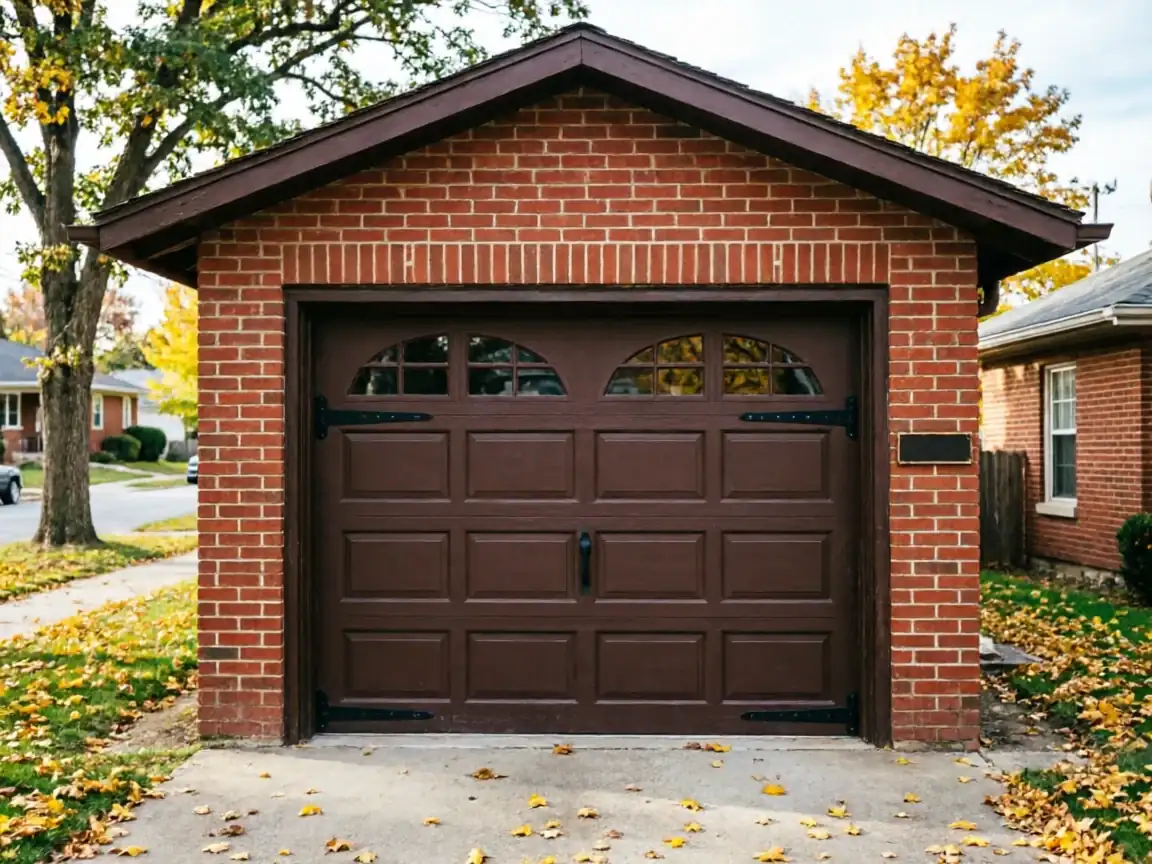
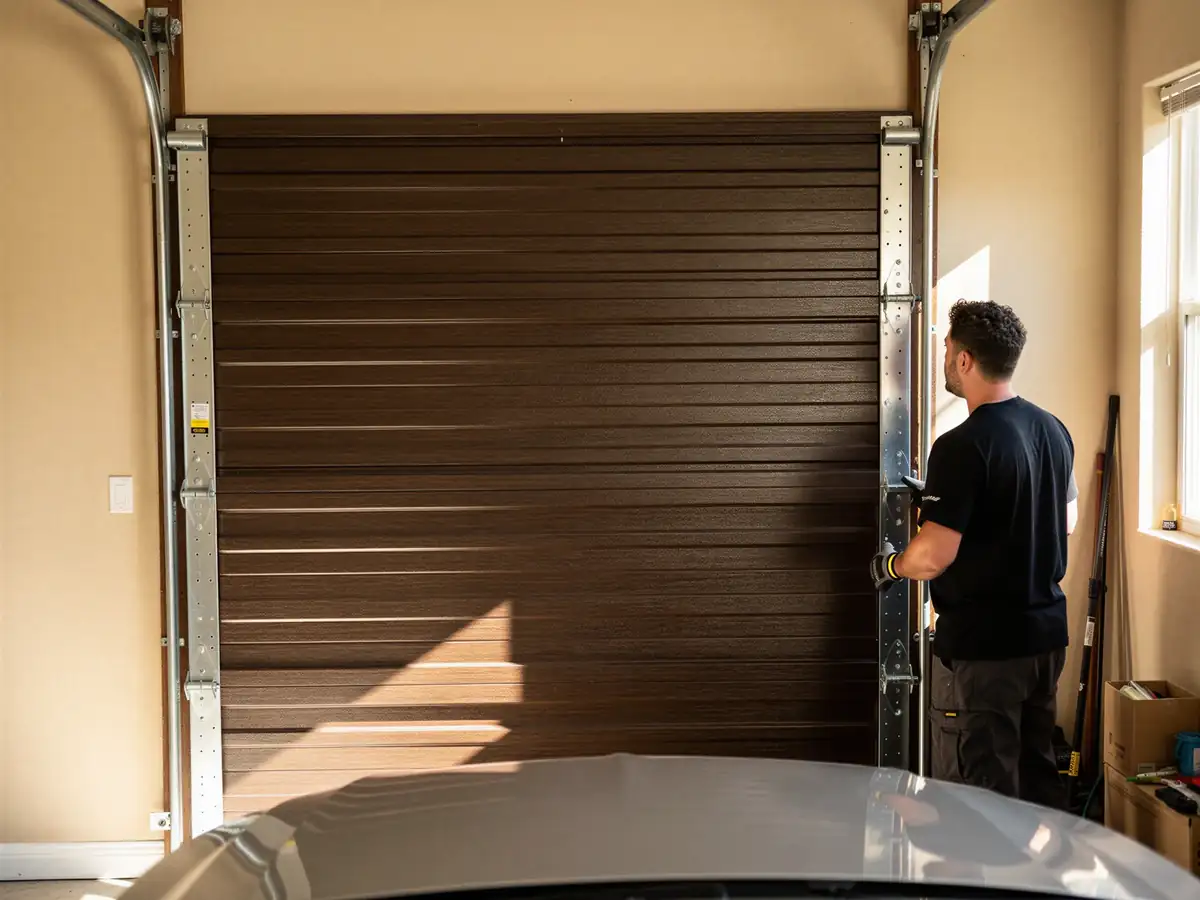
Insulated panels are also standard stock for us, which matters here: with a median household income of $188,229 in Huntington Woods, well above the $102,333 median across the rest of the service area, we get more calls asking for insulated or wood-grain panels than for the plain steel replacement that's standard elsewhere.
Here's the honest limit
Across just 2,325 households, Huntington Woods doesn't give us the volume to stock every custom color panel locally, so wood-look and matched-color orders still run through a supplier lead time. If your door is a specialty color or a textured wood-composite style, we'll quote the job but we won't pretend we can hand you a matching panel same-day. For a straight steel section on a door built to common dimensions, that's rarely an issue.
- 2,325 households
What You Pay
Panel replacement cost on these jobs comes down to three things: how many sections need replacing, whether the panel is plain steel or insulated, and whether it's a stock width or something we have to special-order to match a 1951-era opening. A single plain steel panel on a standard-width door costs a lot less than replacing an insulated section on a door with non-standard spacing, and we won't know which one you've got until we've measured the track.
At 19 miles out, Huntington Woods is the farthest stop we make from the Waterford shop, which is why we load the parts we think we'll need before the truck leaves rather than guessing on site. If your panel turns out to be a special-order color or width, we'll say so on the first visit rather than after we've already started. For the fuller breakdown of how panel jobs get priced across the service area, see the Waterford panel replacement page.