Where This Job Goes Sideways
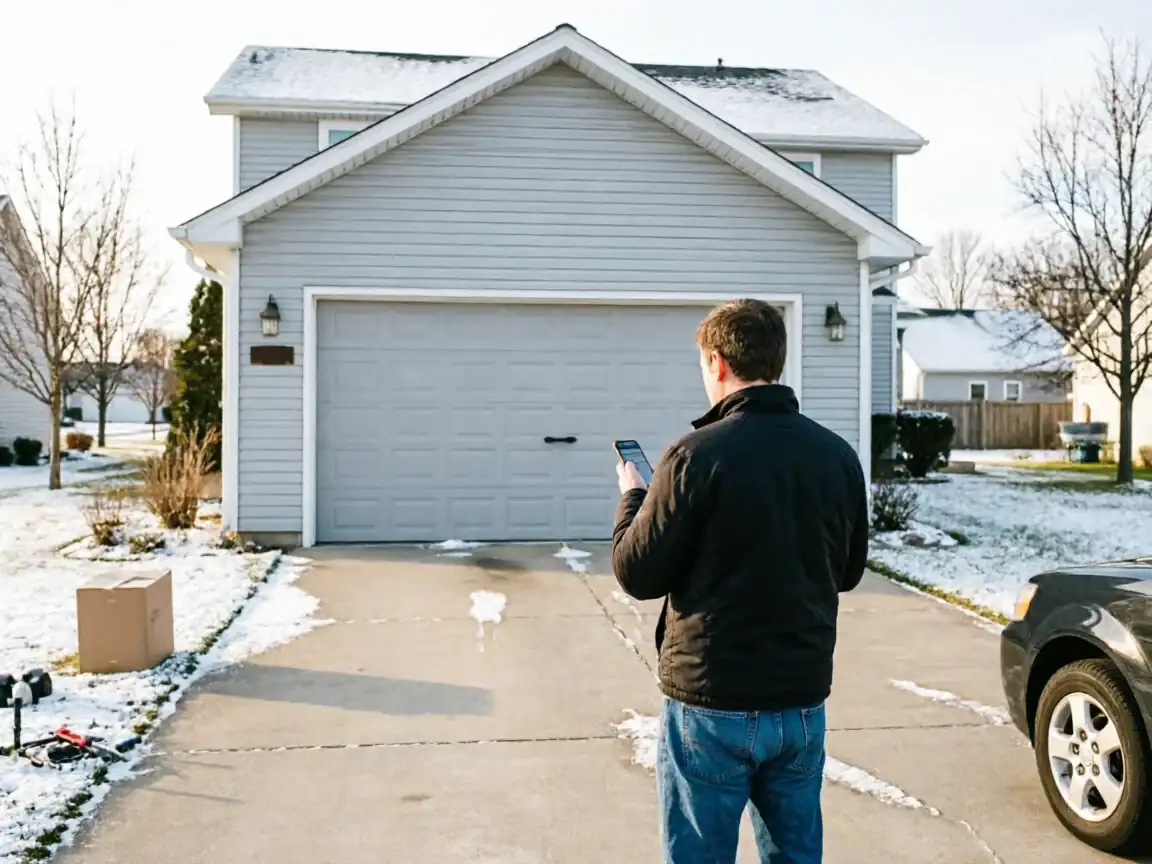
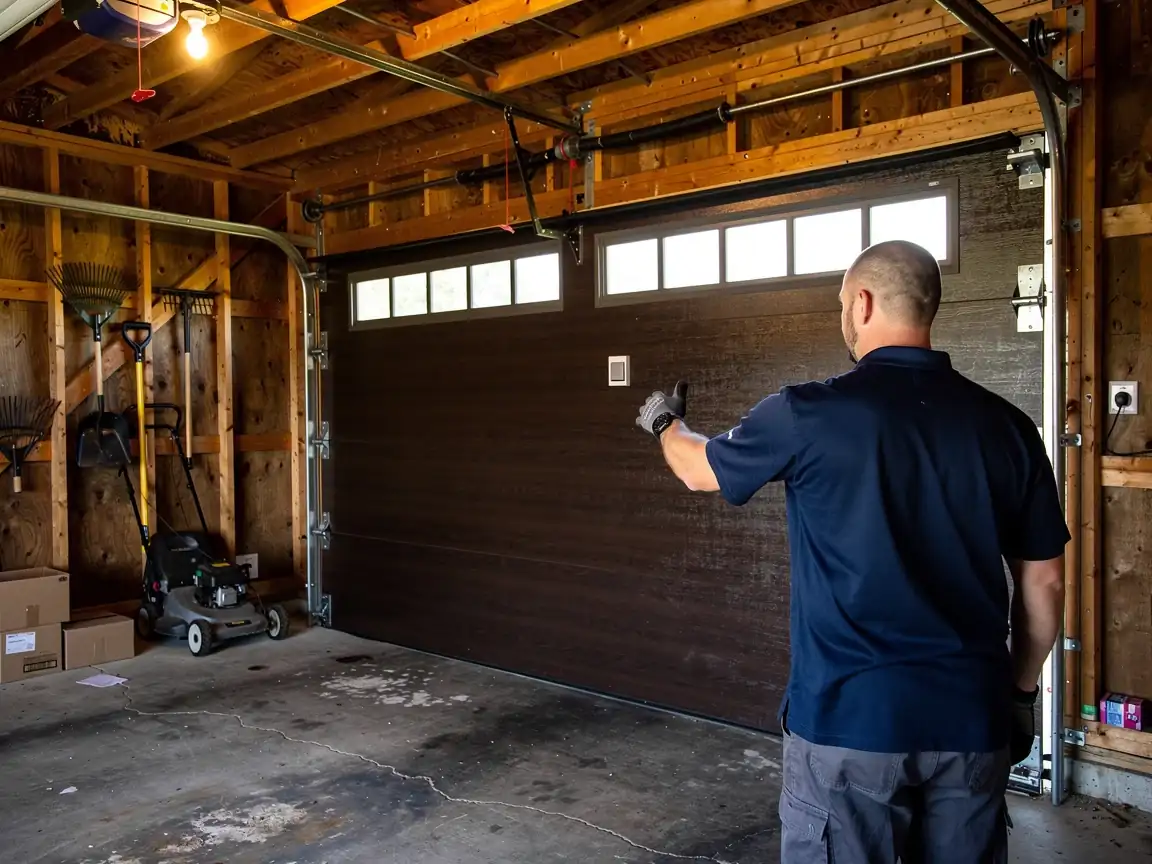
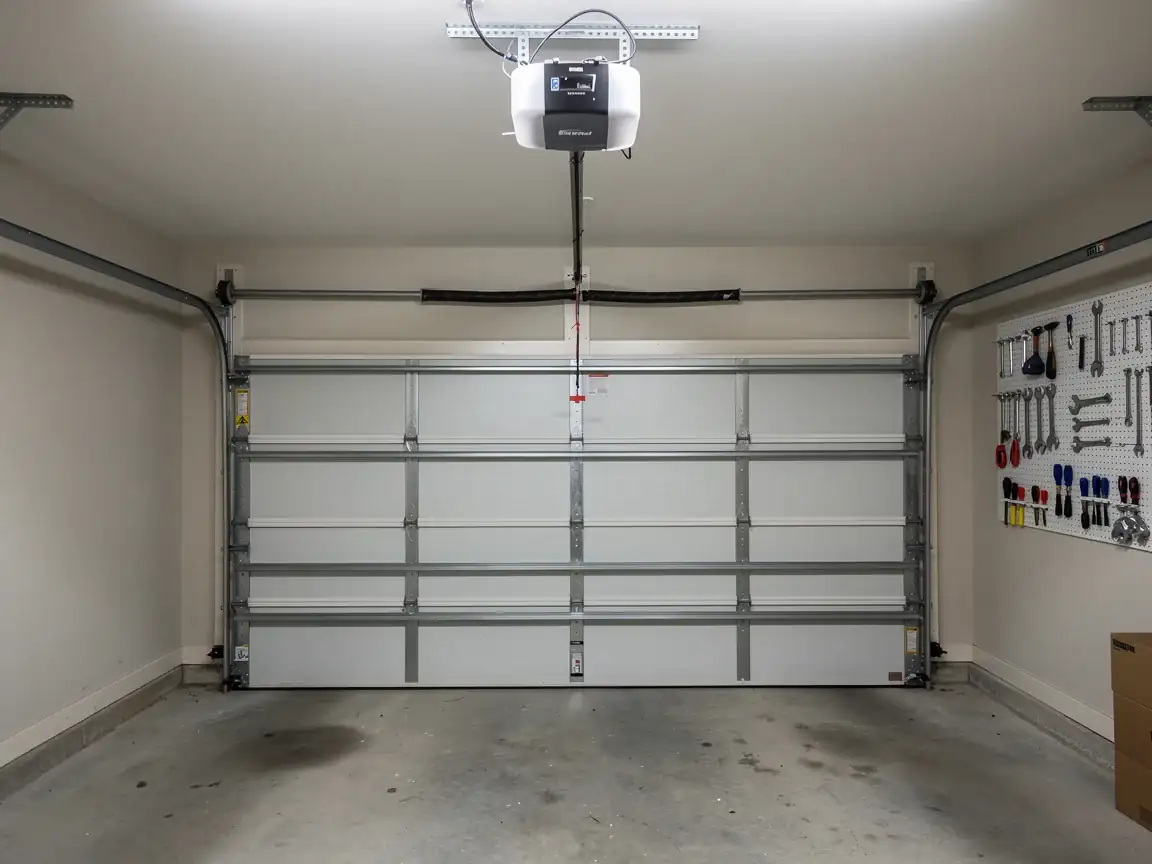
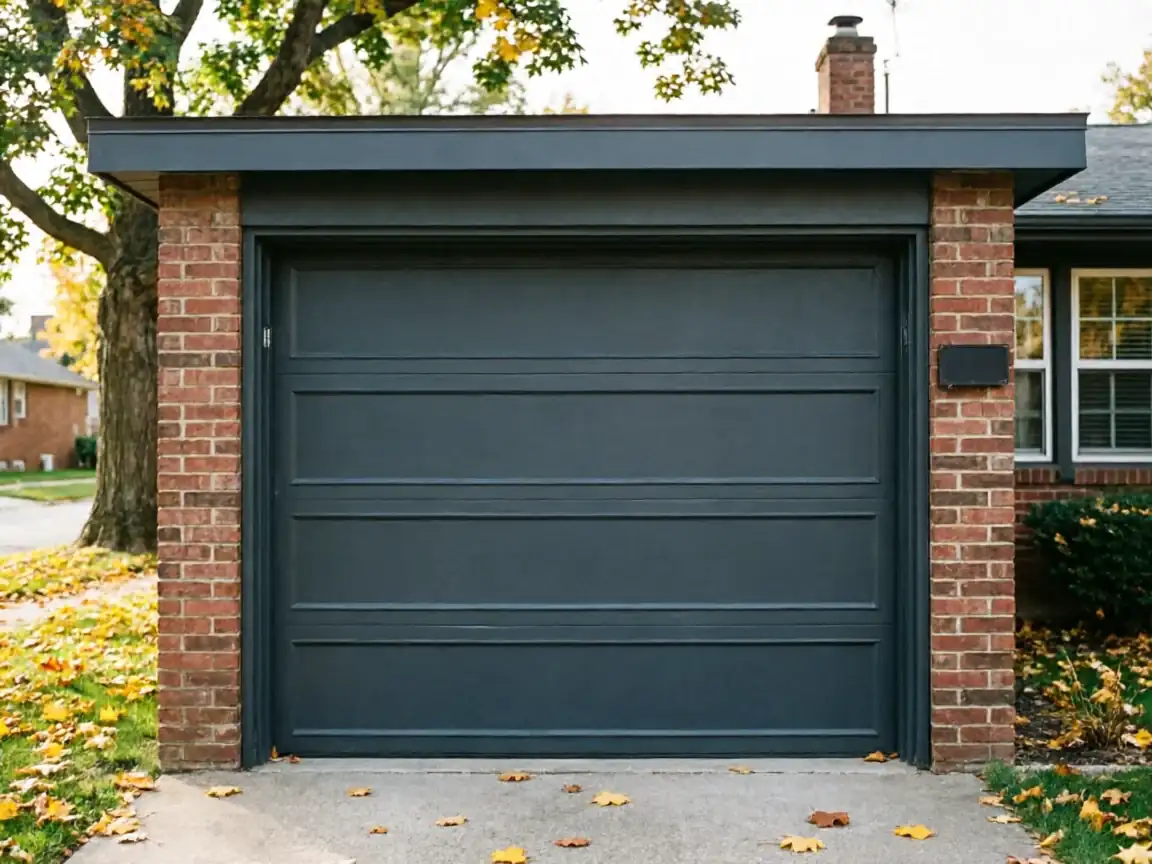
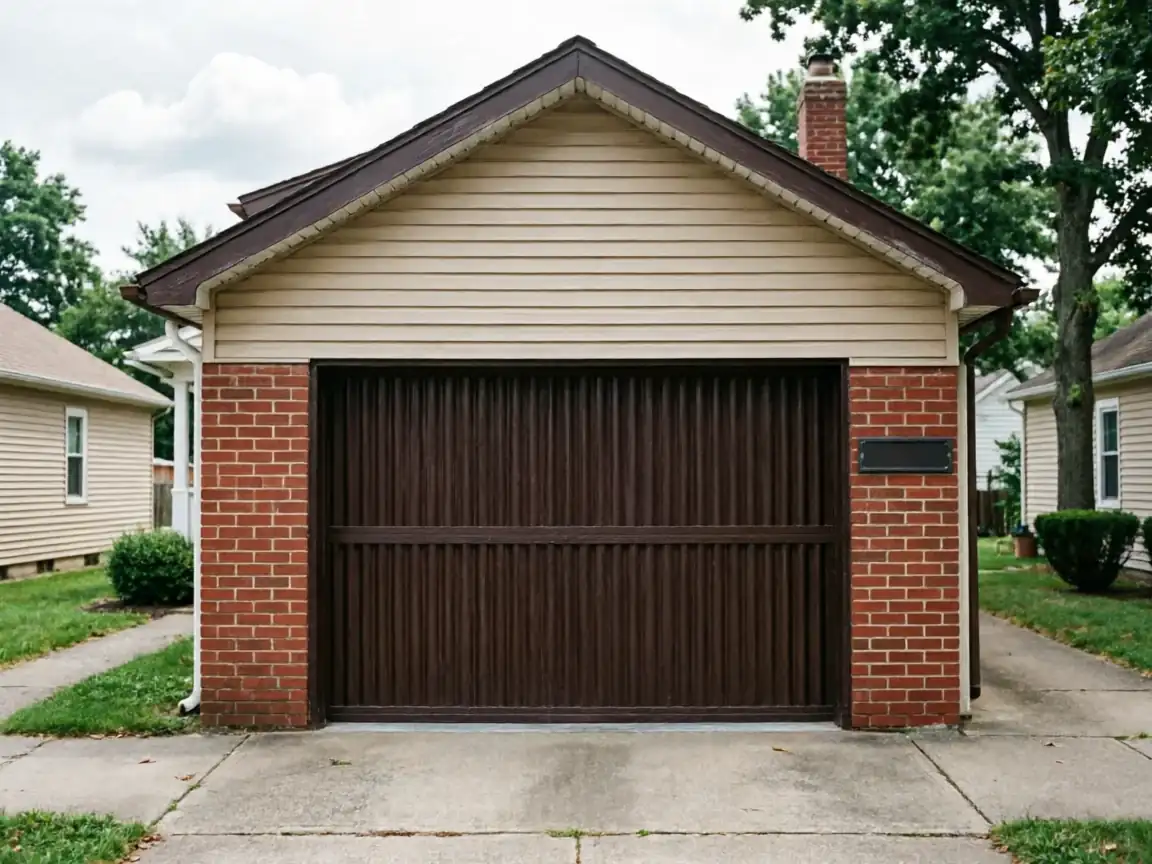
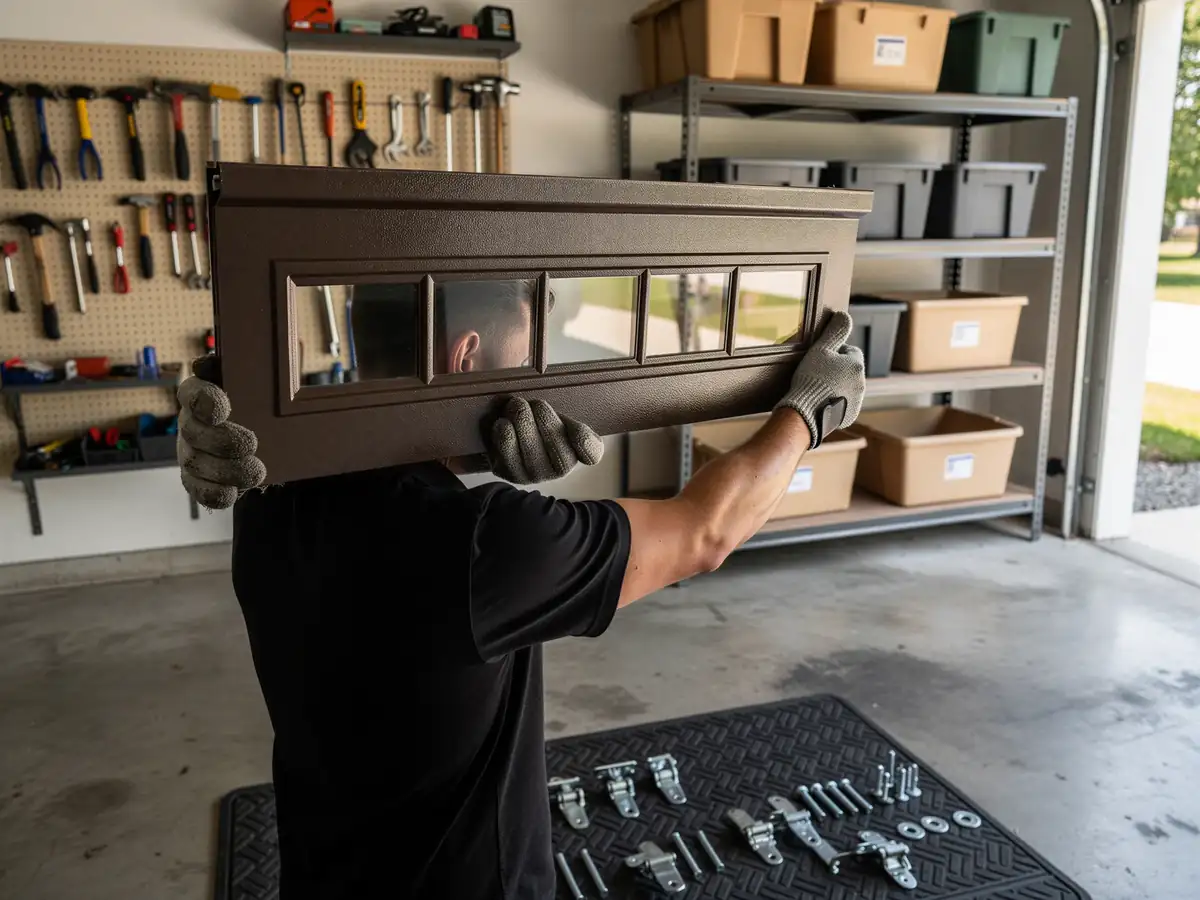
Most houses in Huntington Woods went up around 1951, a few years ahead of the 1973 median for the rest of the service area, which means original garage openings here tend to run narrower than what you'd find on a house built in the 1960s or 70s. A lot of these were built for a single car - eight or nine feet wide, not the double-wide panel most repair trucks carry as a default stock item. The door itself is often a steel replacement from some later decade sitting on hardware sized for the smaller original opening, which is where things go sideways: a spring rated for the old panel weight, straining under a heavier insulated replacement nobody re-measured for. Add the severe cold swings this part of Michigan gets, and steel tracks and coil springs on these older setups take more cyclical stress than a newer, wider door would. Huntington Woods has roughly 2,325 households, a small slice of the 127,814 across the whole area we cover, so a truck out this way sees a narrow set of door styles over and over rather than the mixed bag you'd find in a bigger town. That's useful - it means we know what's likely wrong before we open the panel - but it also means parts for some of these narrower, older frames aren't something we keep three of on the truck.
How It Shows Up
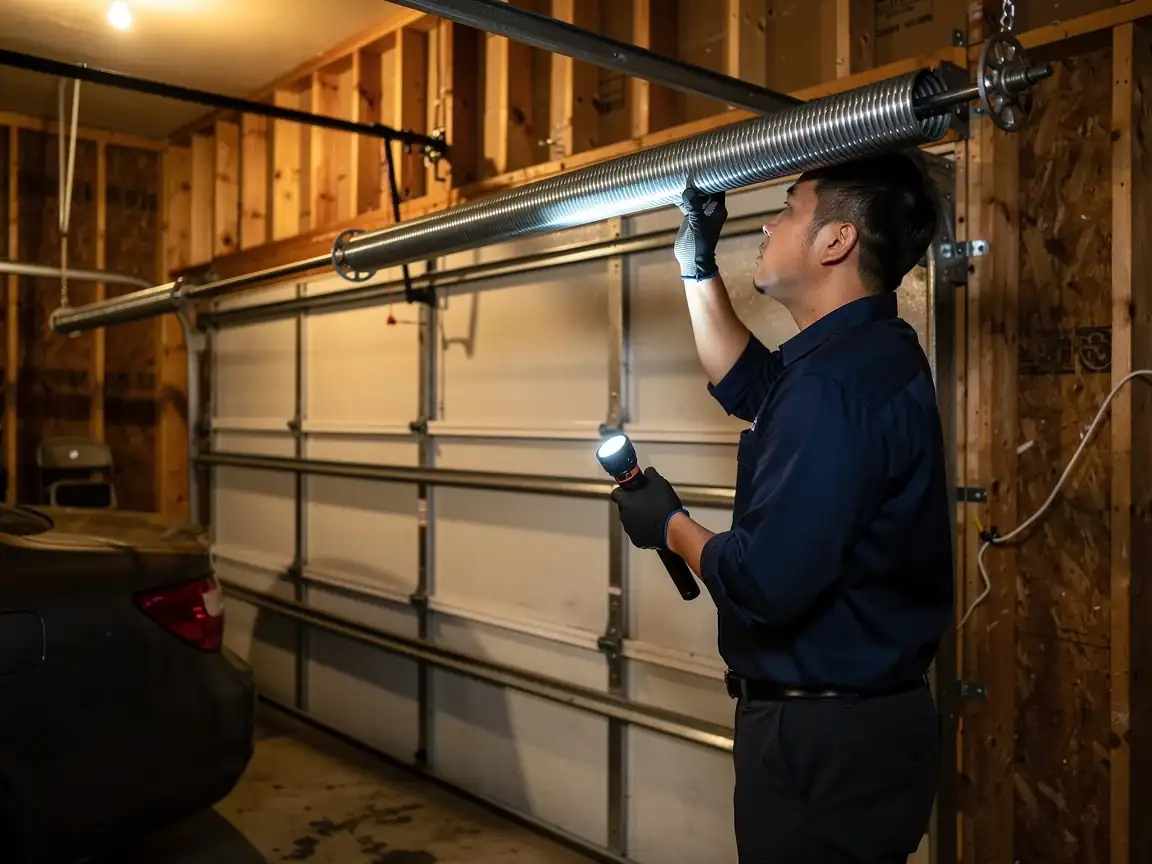
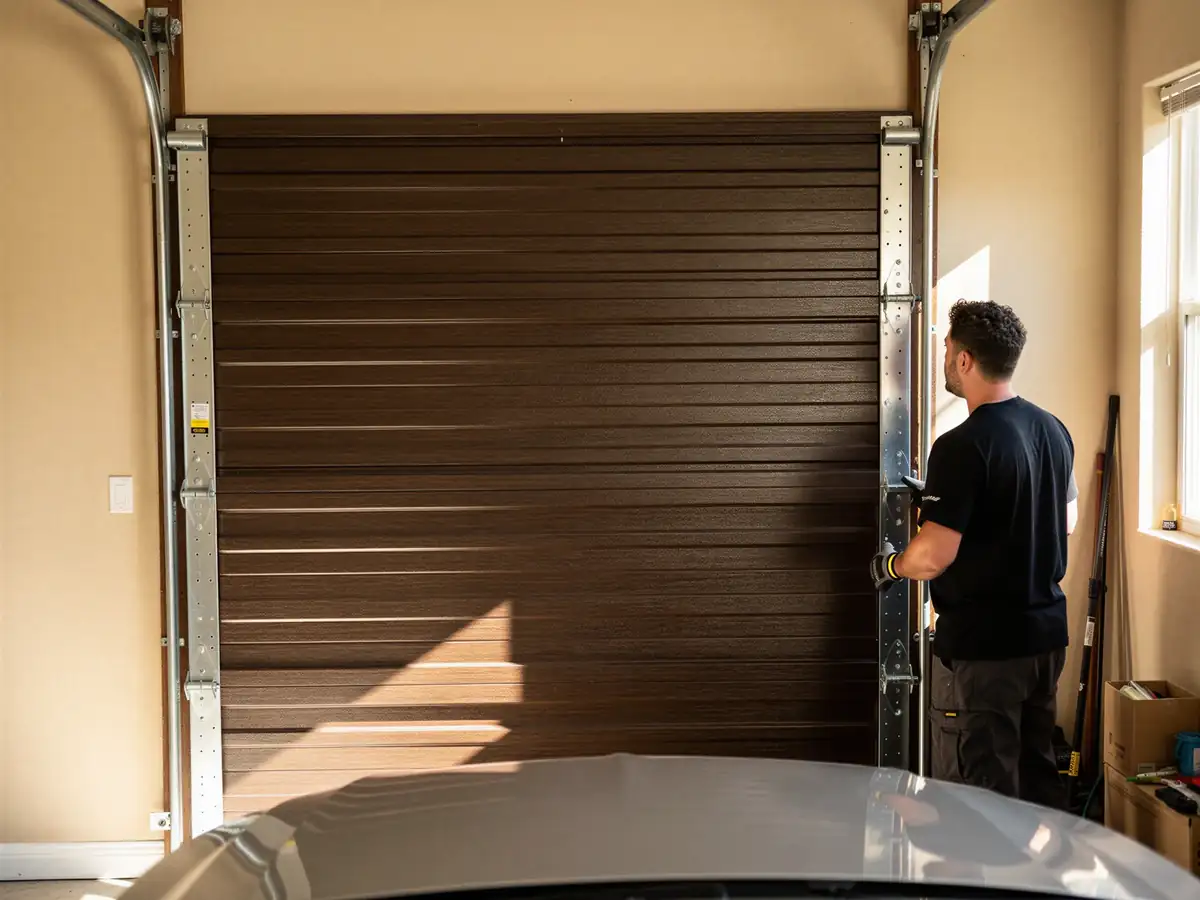
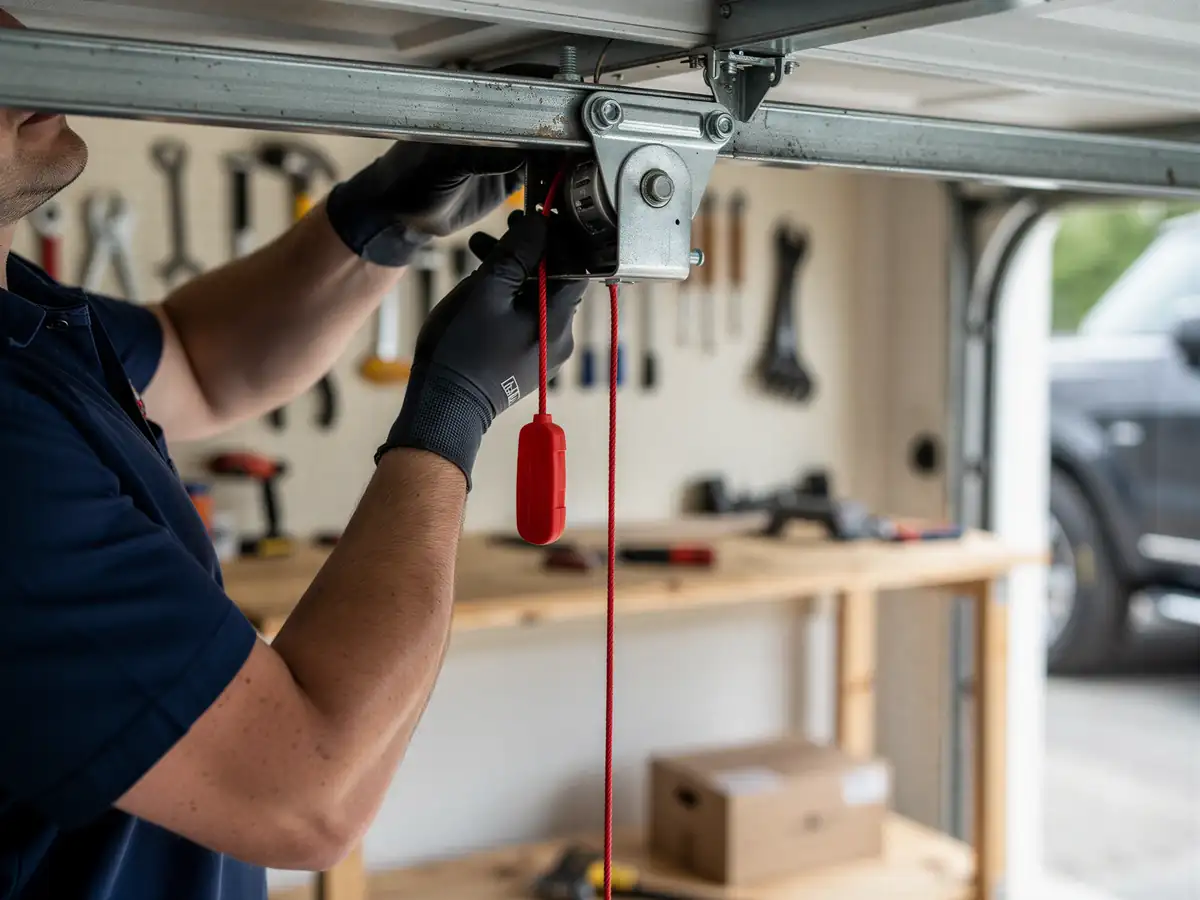
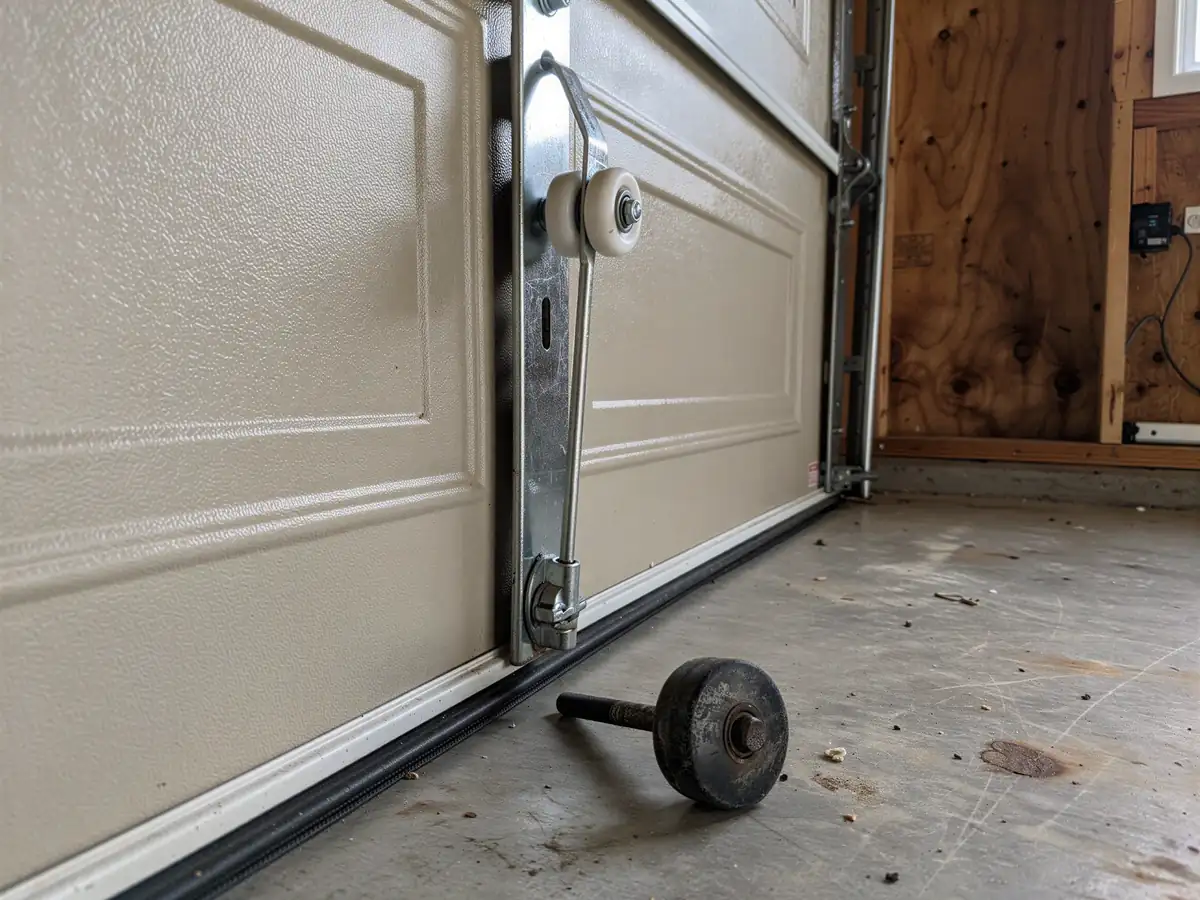
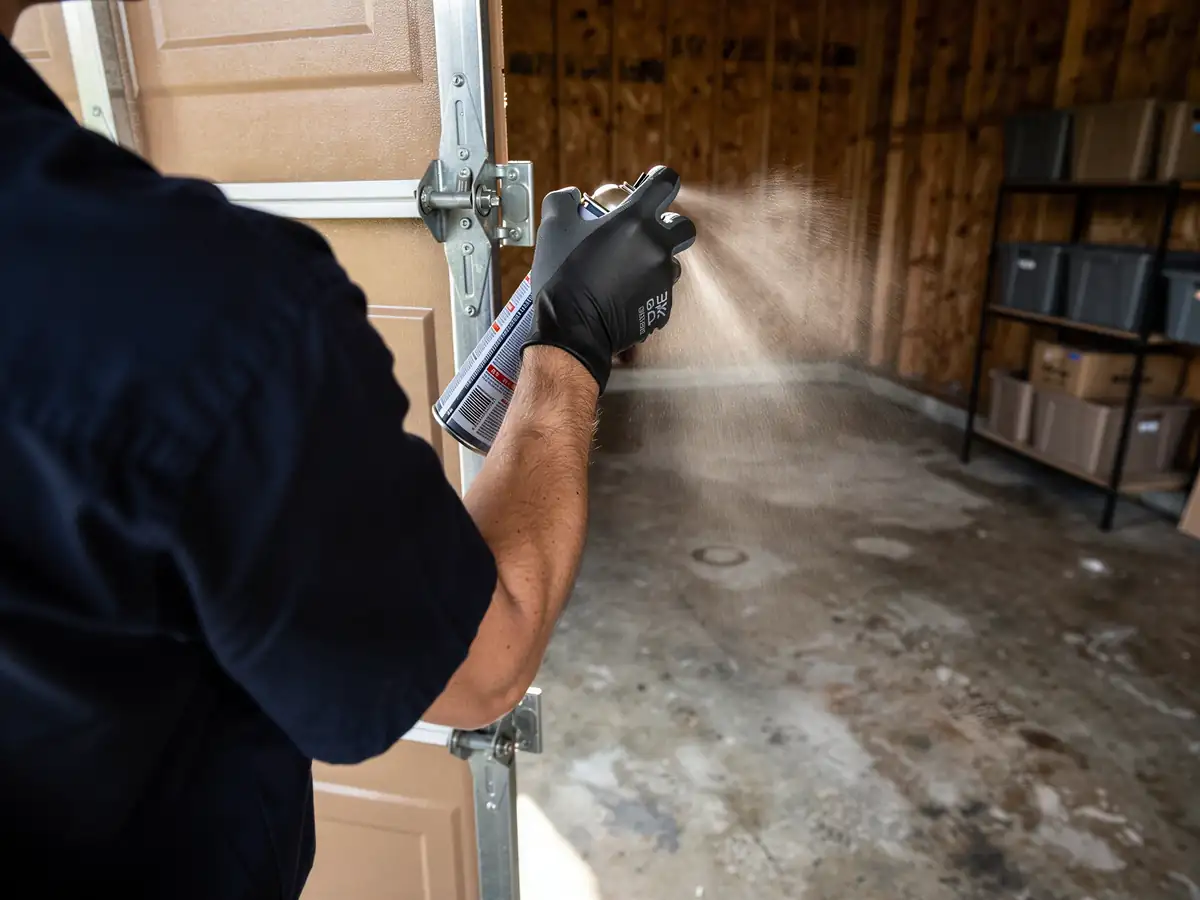
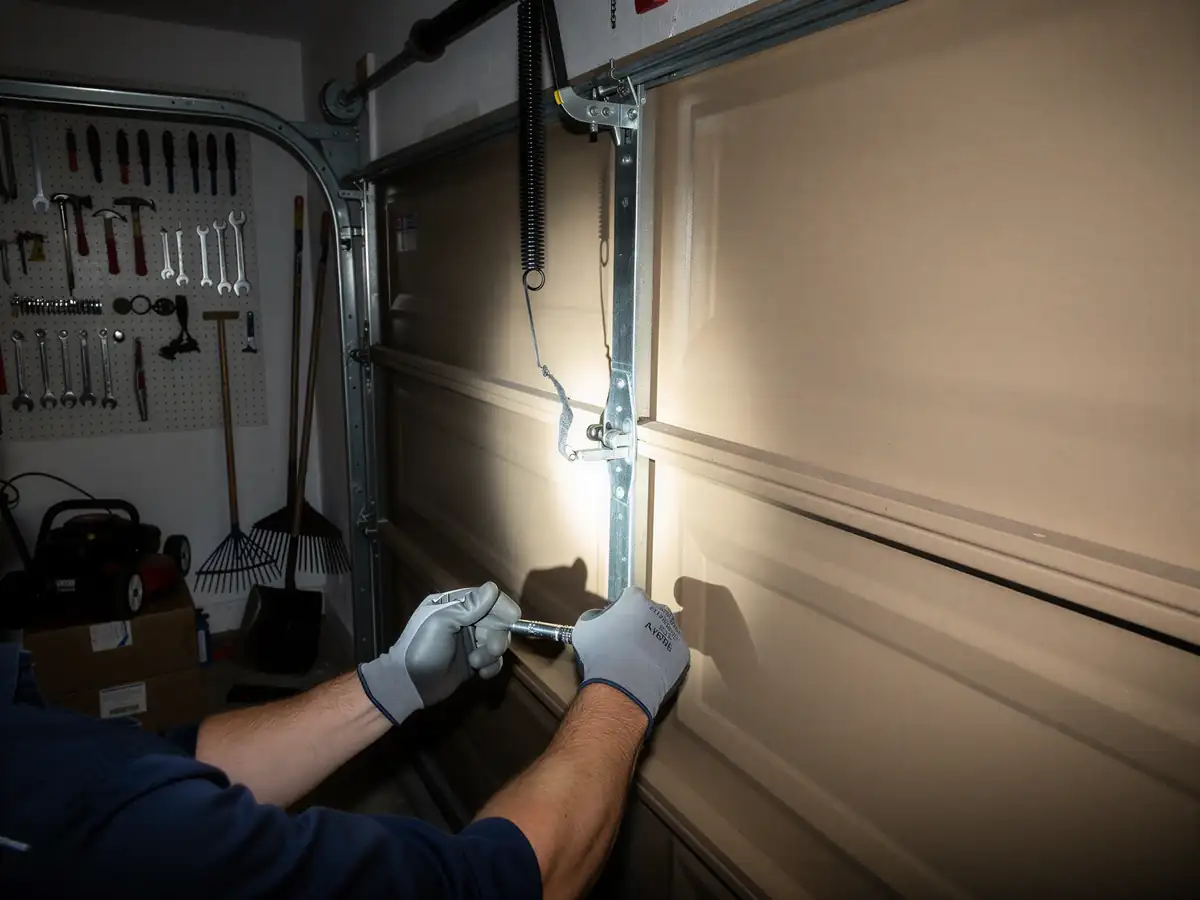
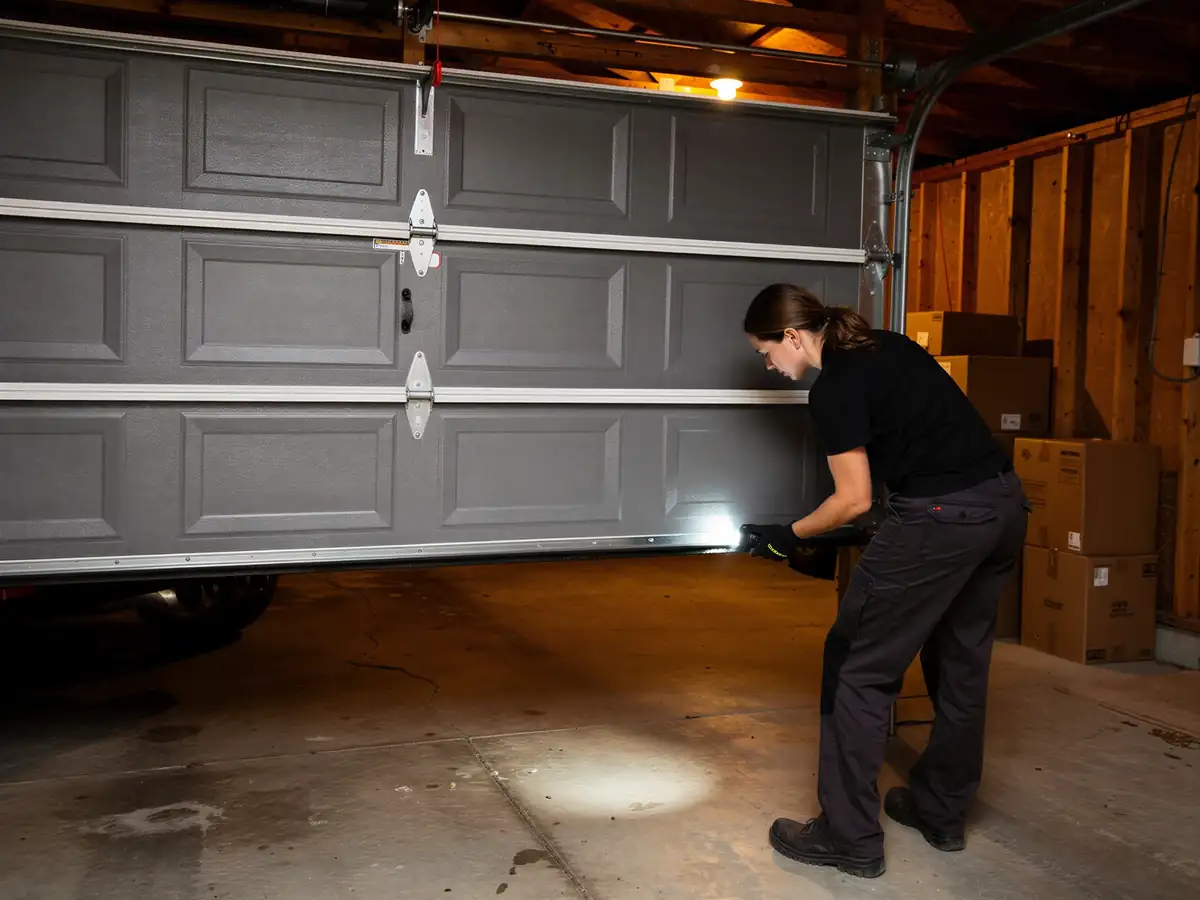
On a single-car door from this era, the first sign is usually binding, not a loud snap. The door catches a few inches off the floor, reverses on its own, or needs a shove partway up before the opener can take over. That's a spring that's lost tension gradually rather than one that's broken outright, and on a narrower opening the imbalance shows up faster because there's less slack in the track to hide it. You'll also see cable fraying near the bottom bracket on these smaller doors sooner than on a standard double - less cable length means less margin before wear turns into failure. Cold makes all of this worse: steel contracts, lubricant thickens, and a spring that was already marginal in October can bind solid by January. Rollers on original-width track tend to be the galvanized steel kind rather than nylon, so you'll hear it before you see it - a grinding or popping on the way up that gets louder over a few weeks, not something that appears overnight.
What You Pay
We don't have a fixed price list to quote here, and giving you a number without seeing the door would be a guess, not a quote. What we can tell you is how the decision tends to break in this particular town: household income in Huntington Woods runs $188,229, well above the $102,333 median for the service area as a whole, and that shows up in which jobs end as a full door replacement rather than a patched repair. Homeowners here more often choose to replace an aging single-car door outright instead of keeping an undersized original running another few winters. Travel matters too - at 19 miles out, Huntington Woods is the farthest stop on our route from Waterford, so we batch calls here rather than treat any single job as a drop-in, and that can affect same-day availability more than it would for a closer town.