Where This Job Goes Sideways
Huntington Woods sits 19 miles from our shop in Waterford, the longest haul on our route sheet for this service area. That distance changes how we plan the job, not just how long it takes to get there. We load the truck with the sizes and spring weights we expect before we leave, because a wrong guess here means a forty-minute round trip for one part, not a quick run back down the street.
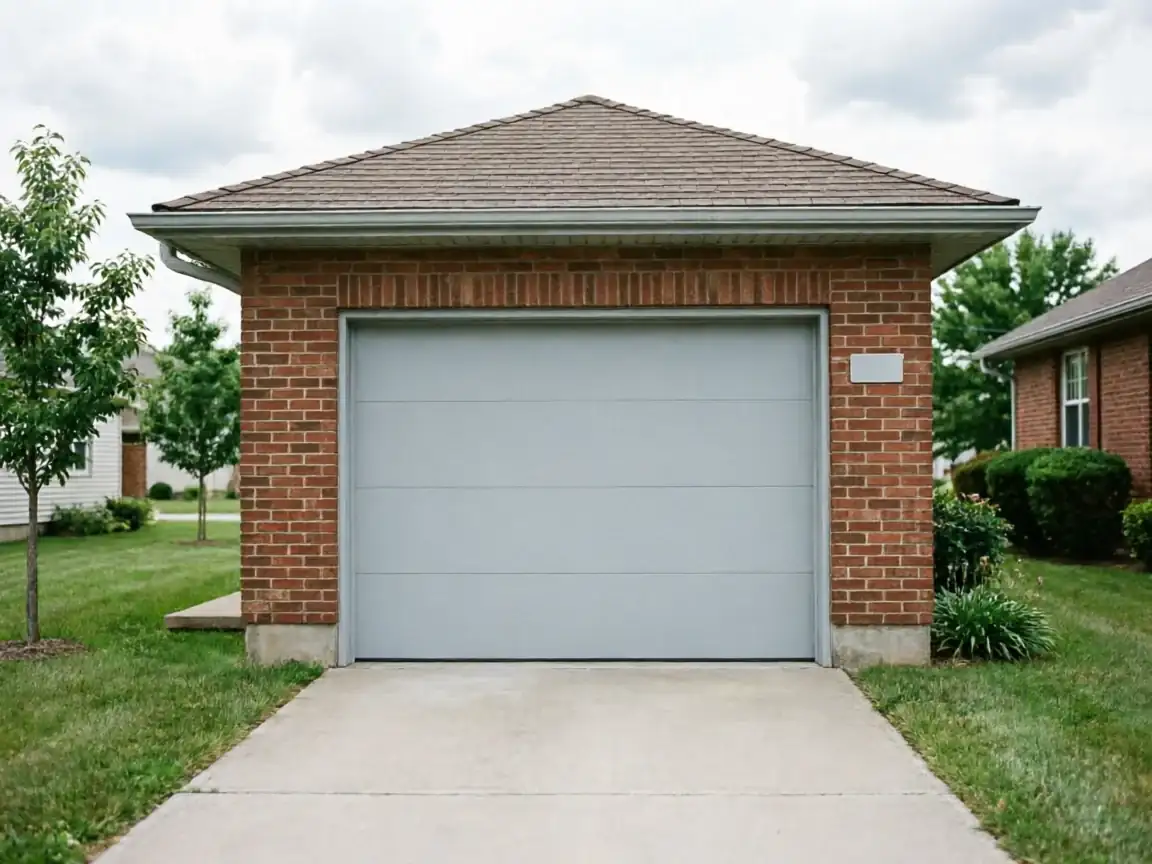
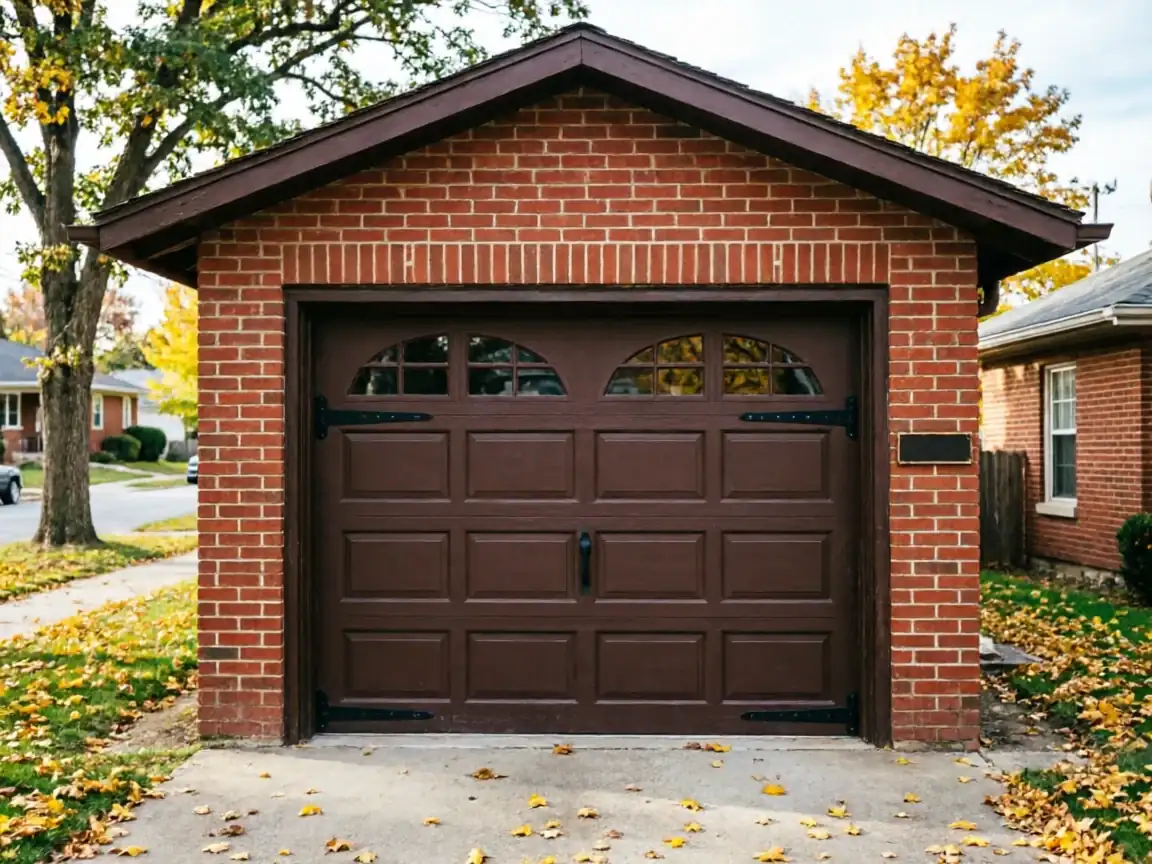
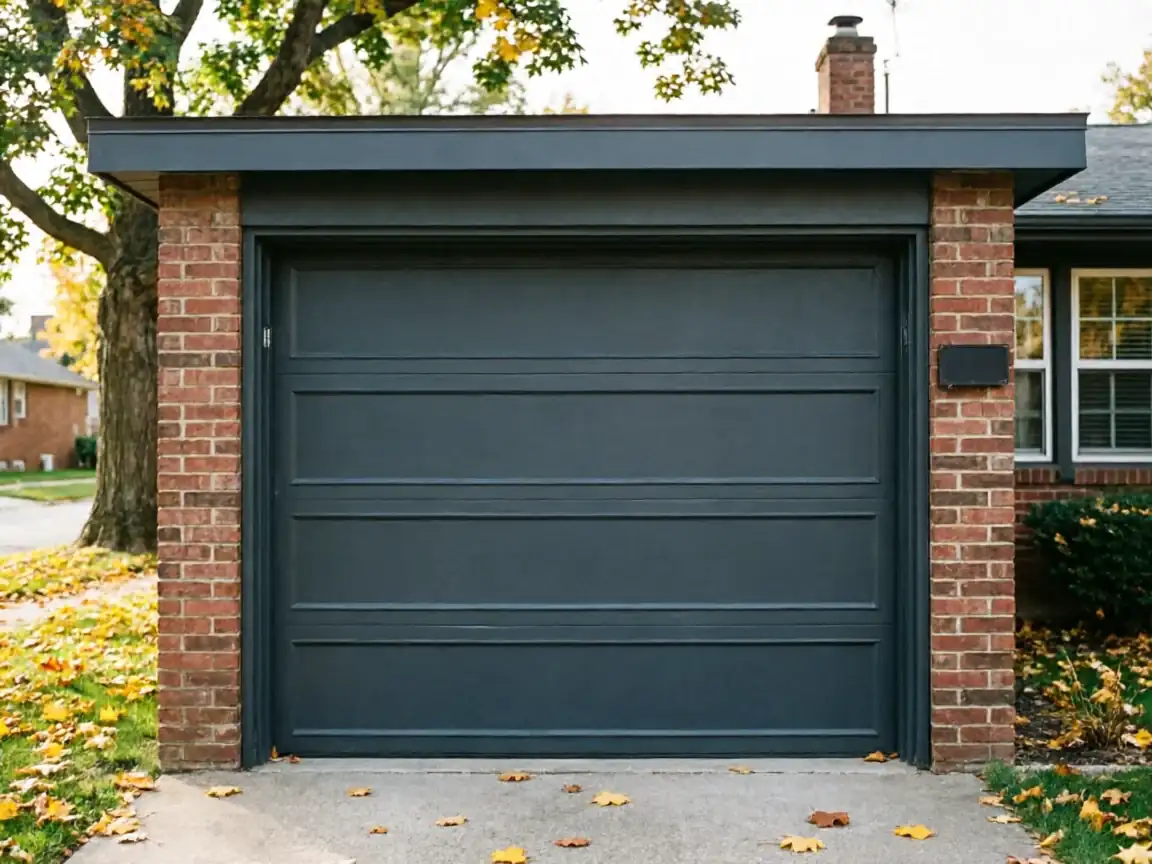
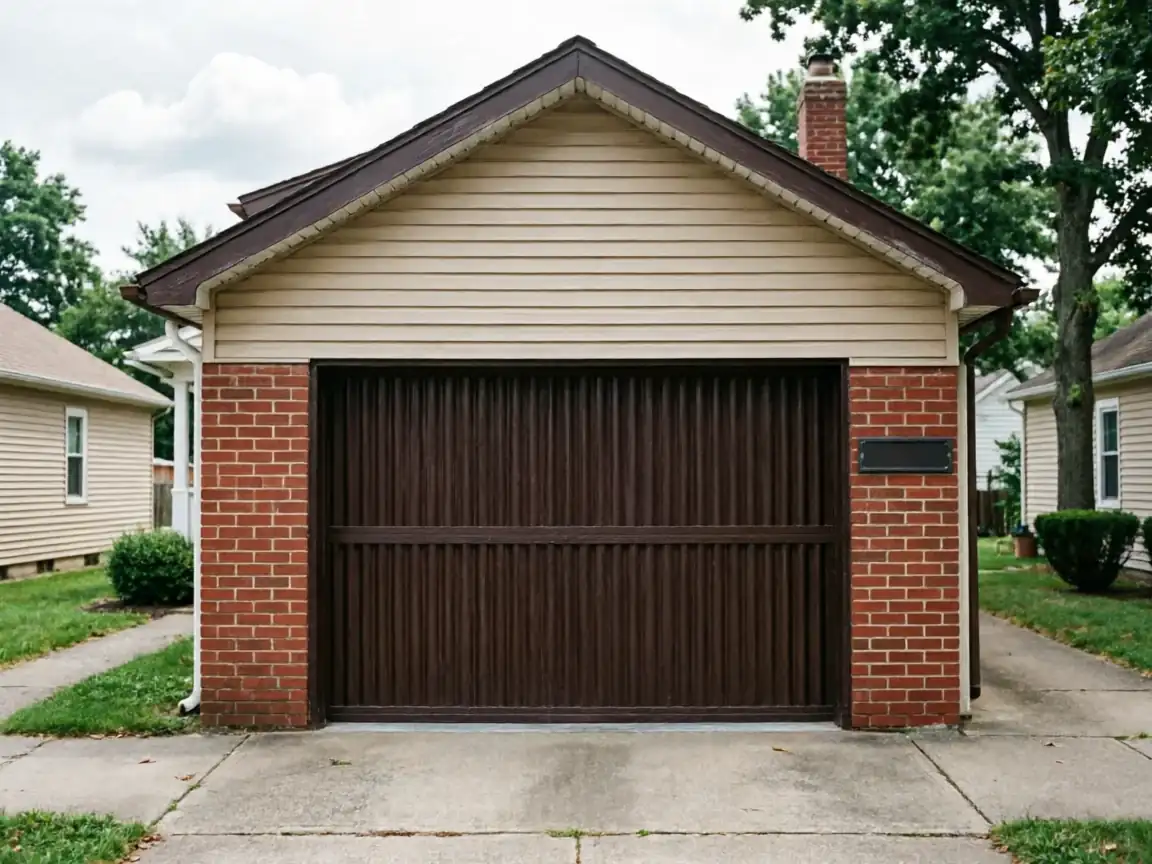
The bigger reason the job goes sideways in Huntington Woods isn't the drive, though - it's the house. Median year built here is 1951, a couple decades ahead of the 1973 median across the rest of the area we cover. Garages built in that window were sized for the cars of that era: narrower openings, lower headroom, and framing that was never meant to carry a modern insulated steel door without some adjustment at the jamb. We've measured enough of these openings to know the now-standard width often doesn't fit without trim work, and the track radius that cleared a 1951 bumper doesn't always clear a current one.
How It Shows Up
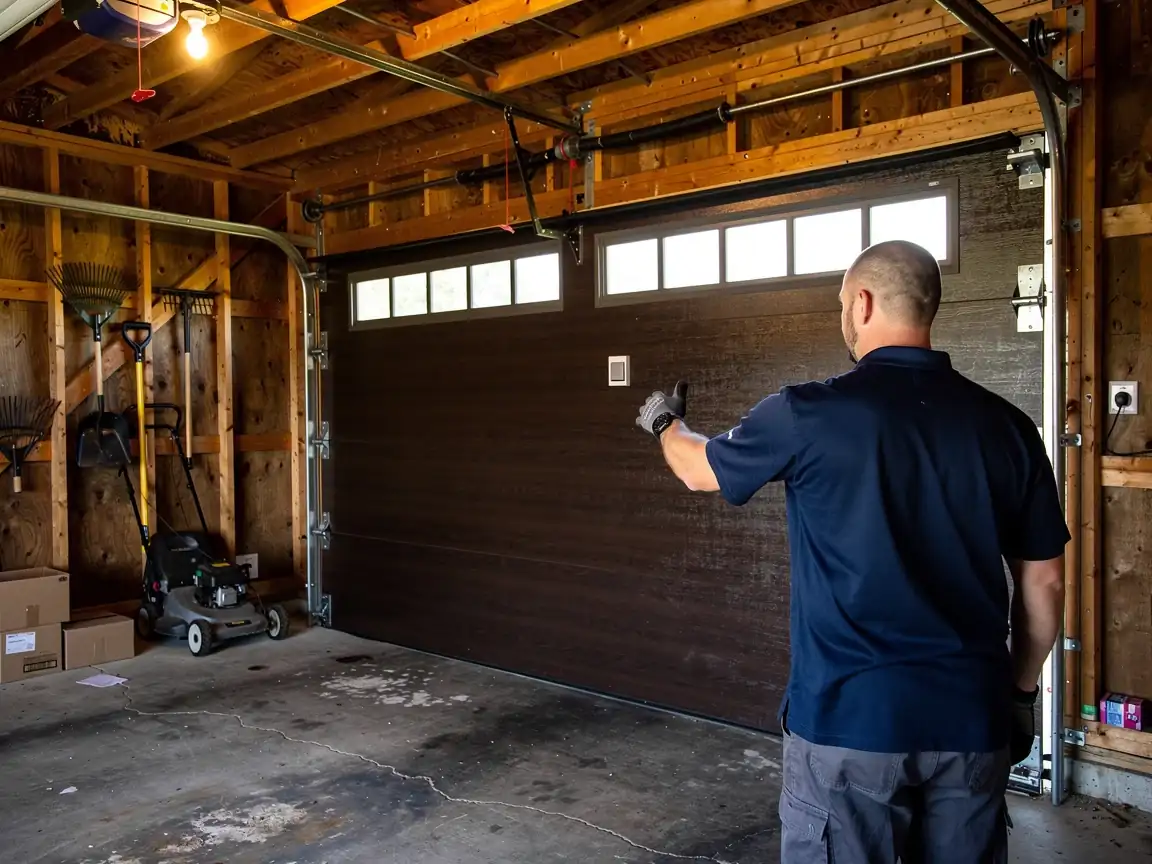
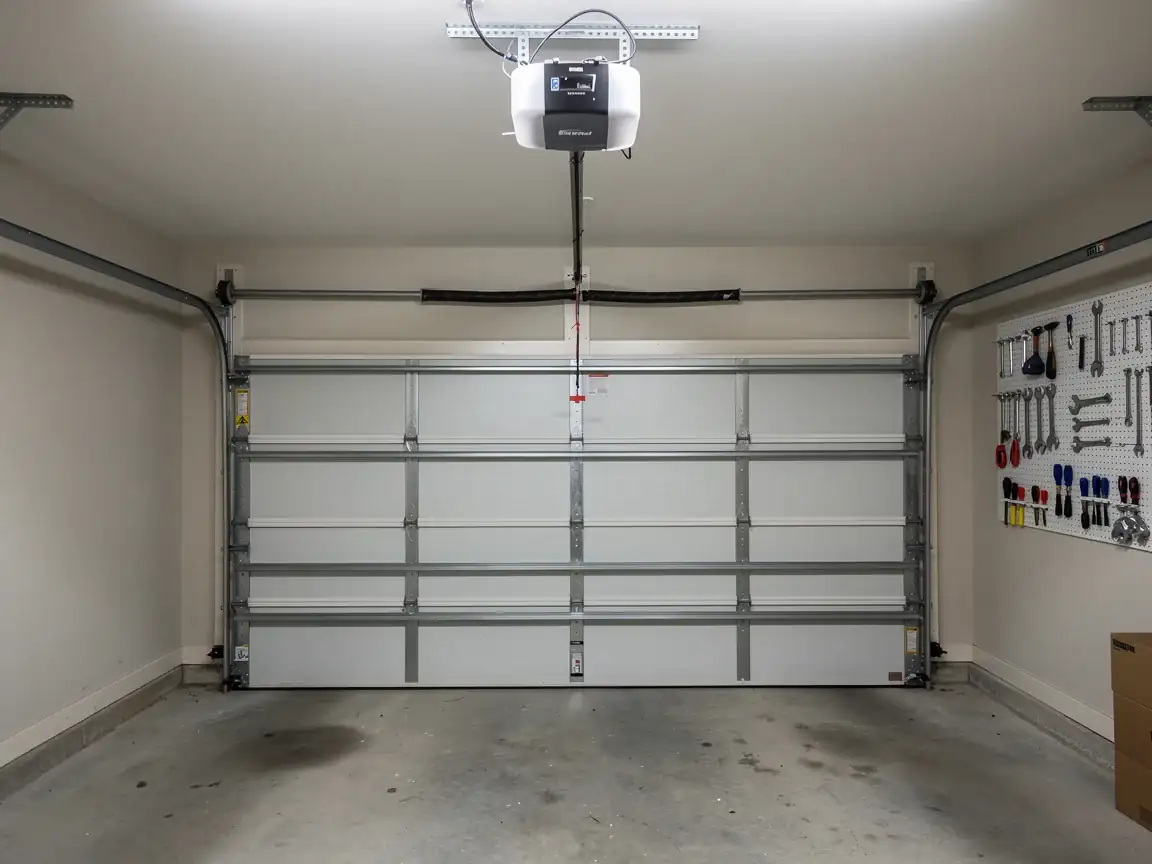
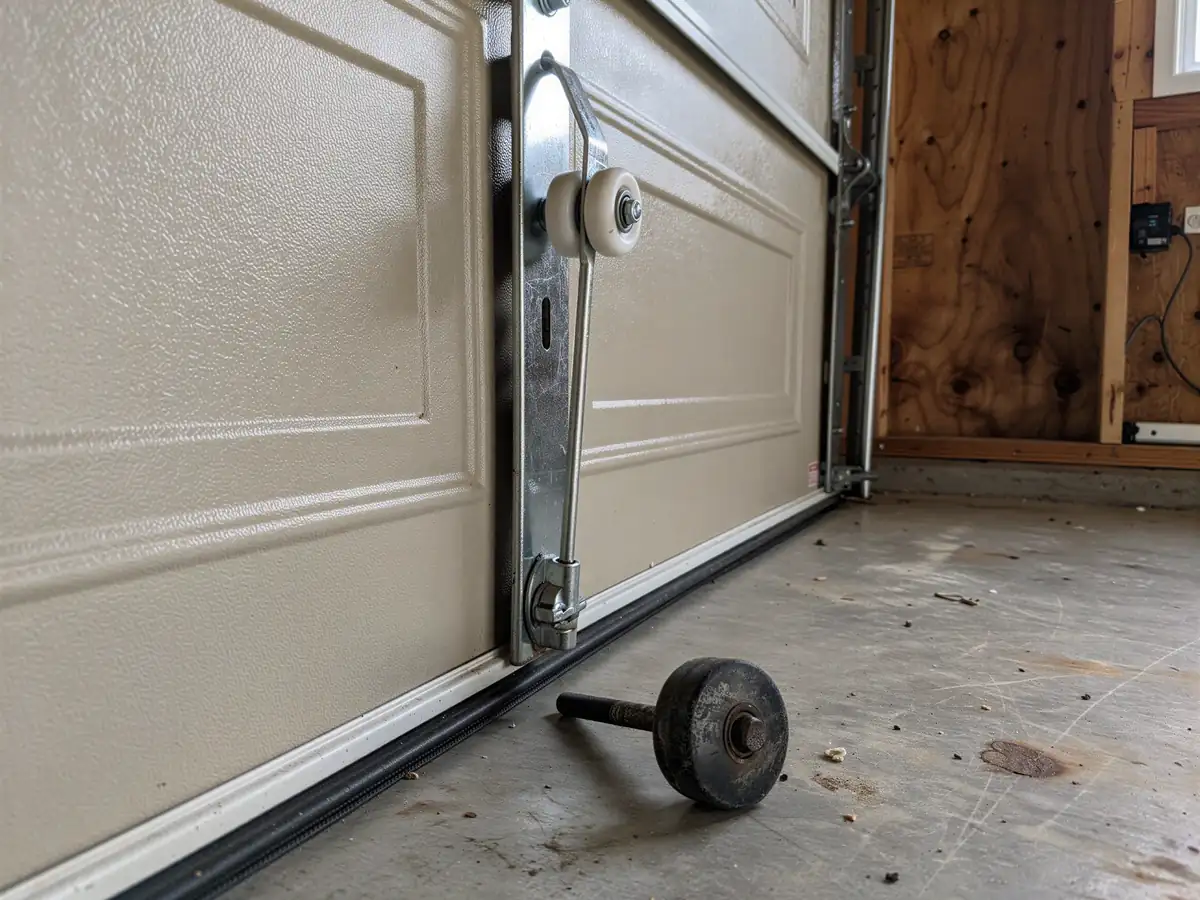
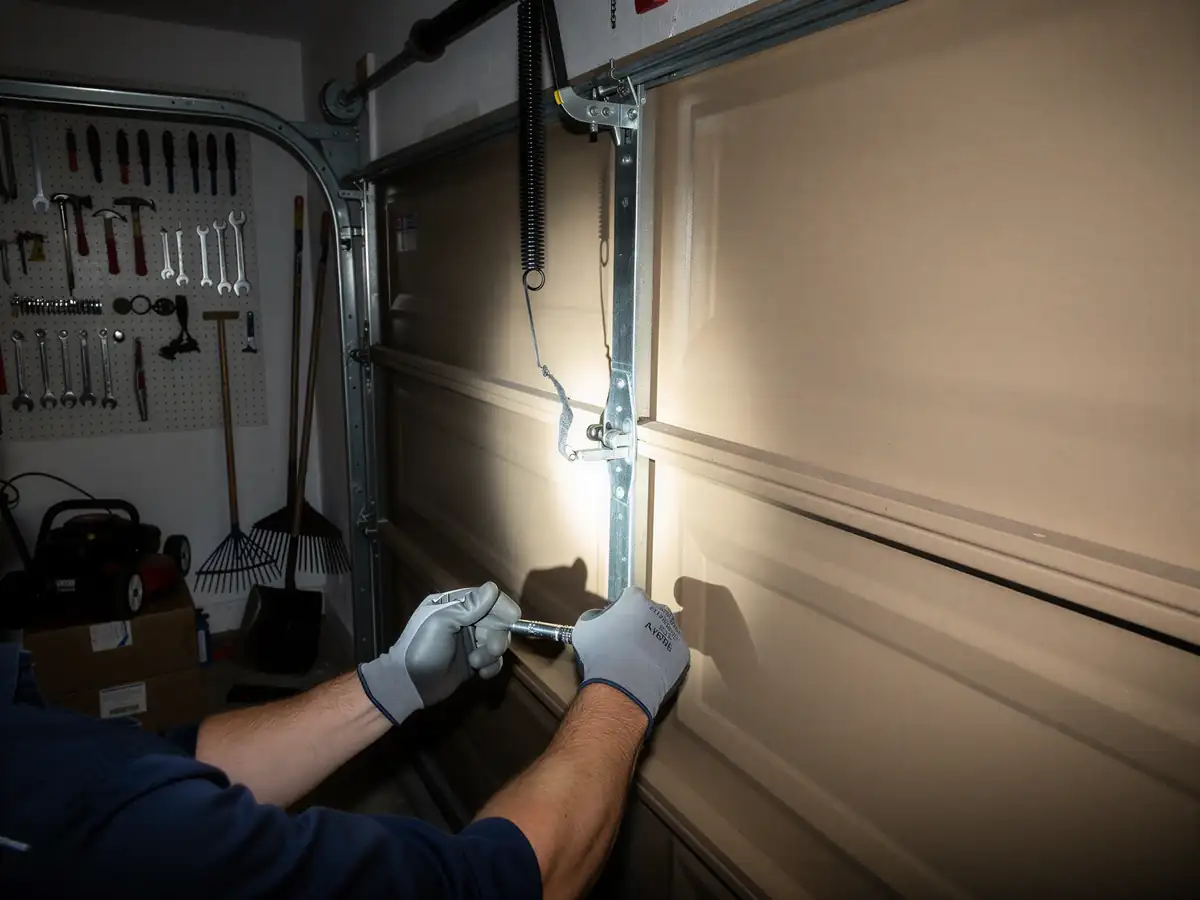
On a house this age, the symptom we see most isn't a broken spring - it's a door that was never sized right to begin with. Low headroom above the opening rules out a standard torsion setup and pushes us toward a low-headroom track kit or a jackshaft opener mounted to the side instead of the ceiling. Framing that's settled over seventy-plus years means the opening is rarely square, so a door ordered to the rough-in measurement on paper can bind on one side once it's hung.
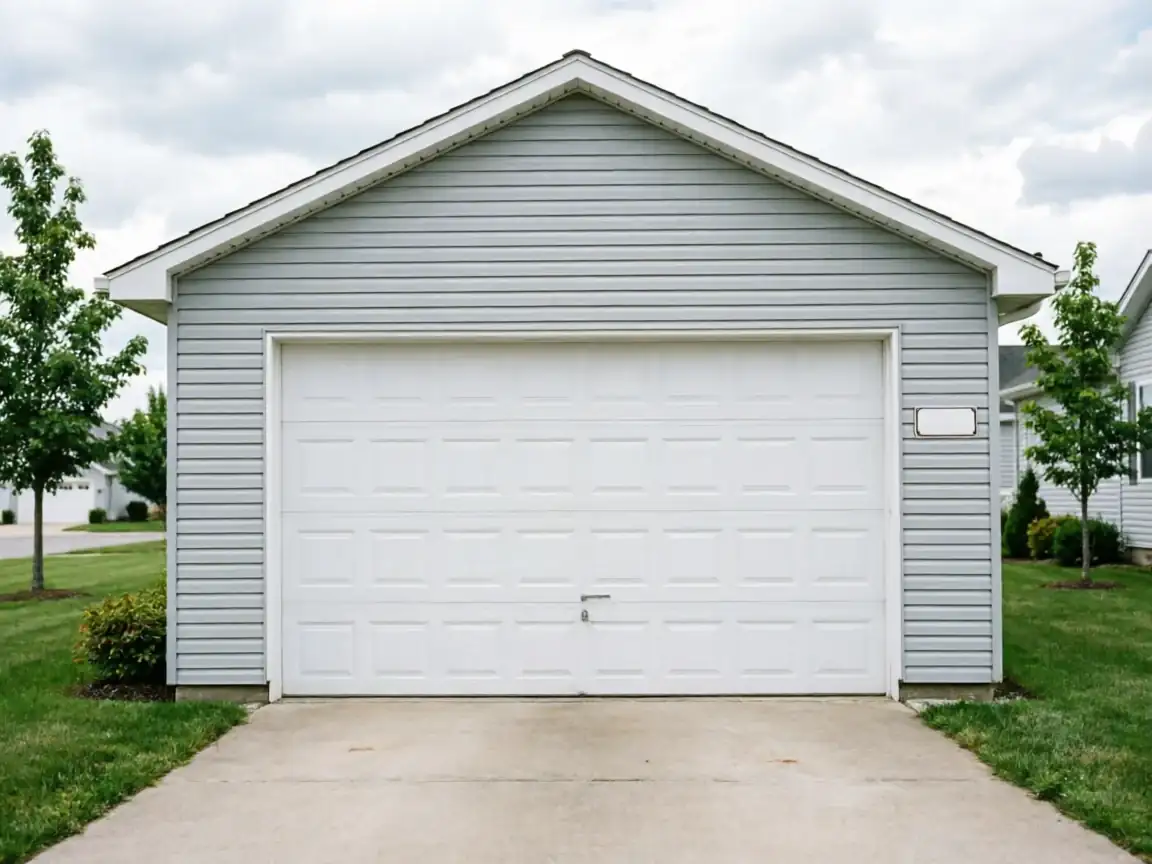
Cold is the other factor that shapes the call here. This area sits in a severe cold climate zone, which means an uninsulated or thin-core door loses the fight against a Michigan winter fast, and homeowners end up with frost forming on the inside panel. For a new install, that pushes most jobs toward a door with a real thermal break and a polyurethane core, not just a steel skin with a bead of foam behind it.
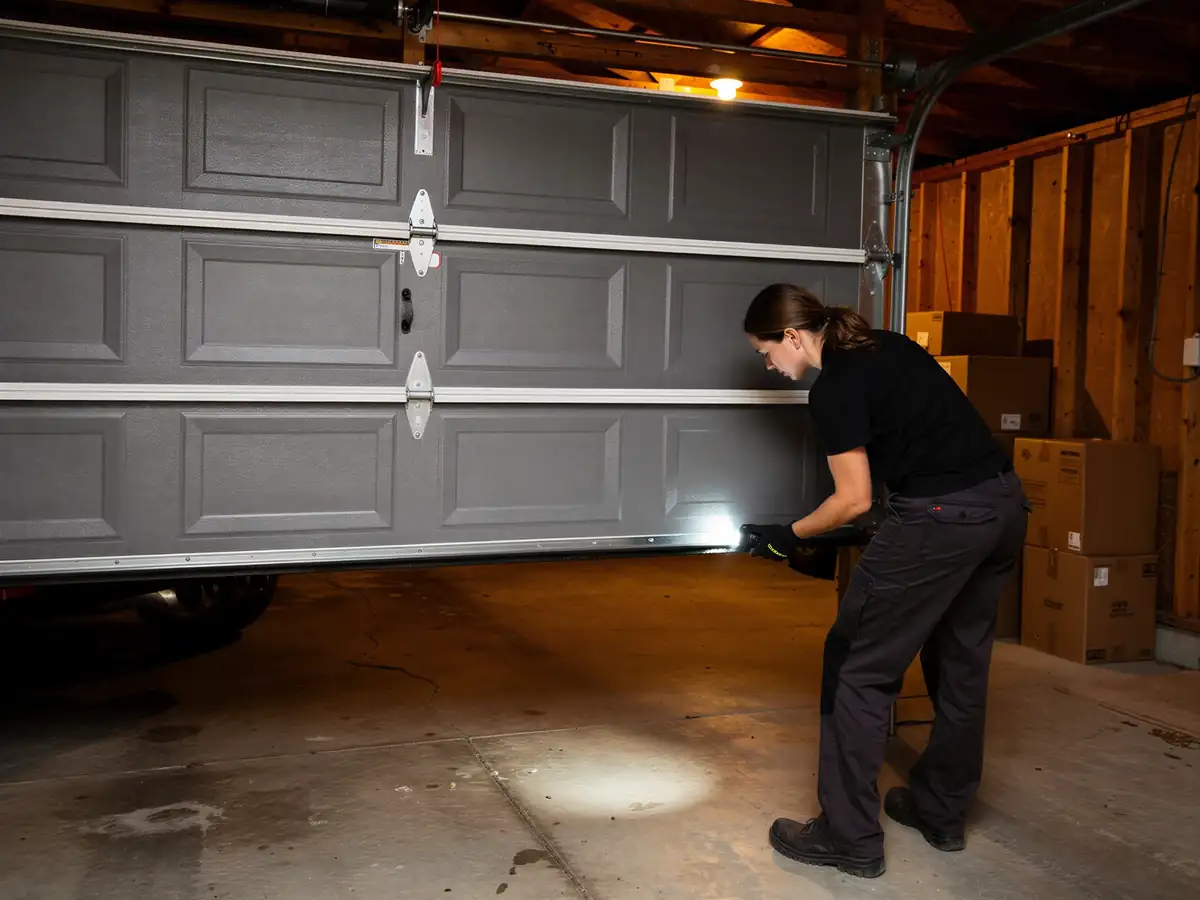
The honest limitation: we can't always tell what we're dealing with until we're standing in front of the opening with a tape measure. A phone estimate on a house this old is a rough number, not a quote.
Parts We Carry
We stock the sizes that move fastest across the area
And for a 1951-era opening that usually means we're carrying standard widths but adapting the track and header hardware on site rather than pulling a one-size door off the truck. Insulated steel doors with a polyurethane core are the default here, not an upsell, because the severe cold climate this area sits in makes a hollow door a bad long-term bet.
For the low-headroom situations that show up often in this housing stock
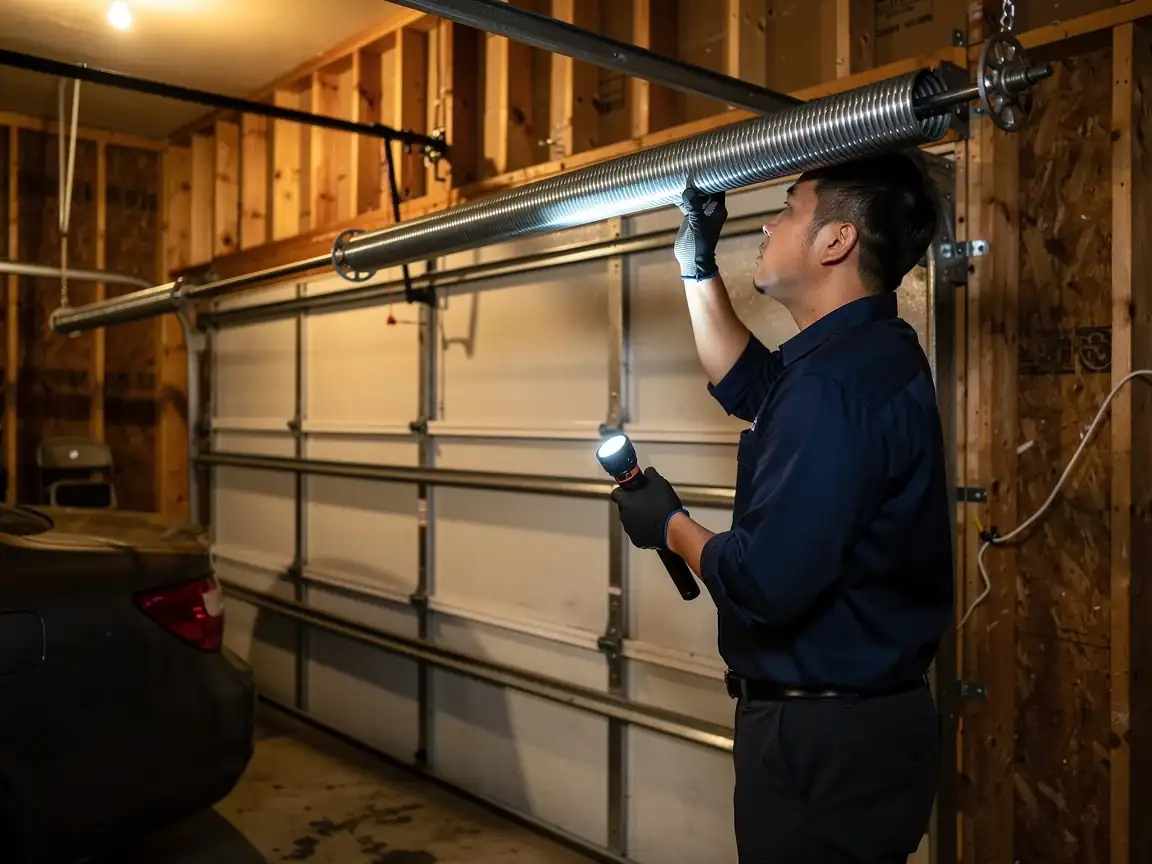
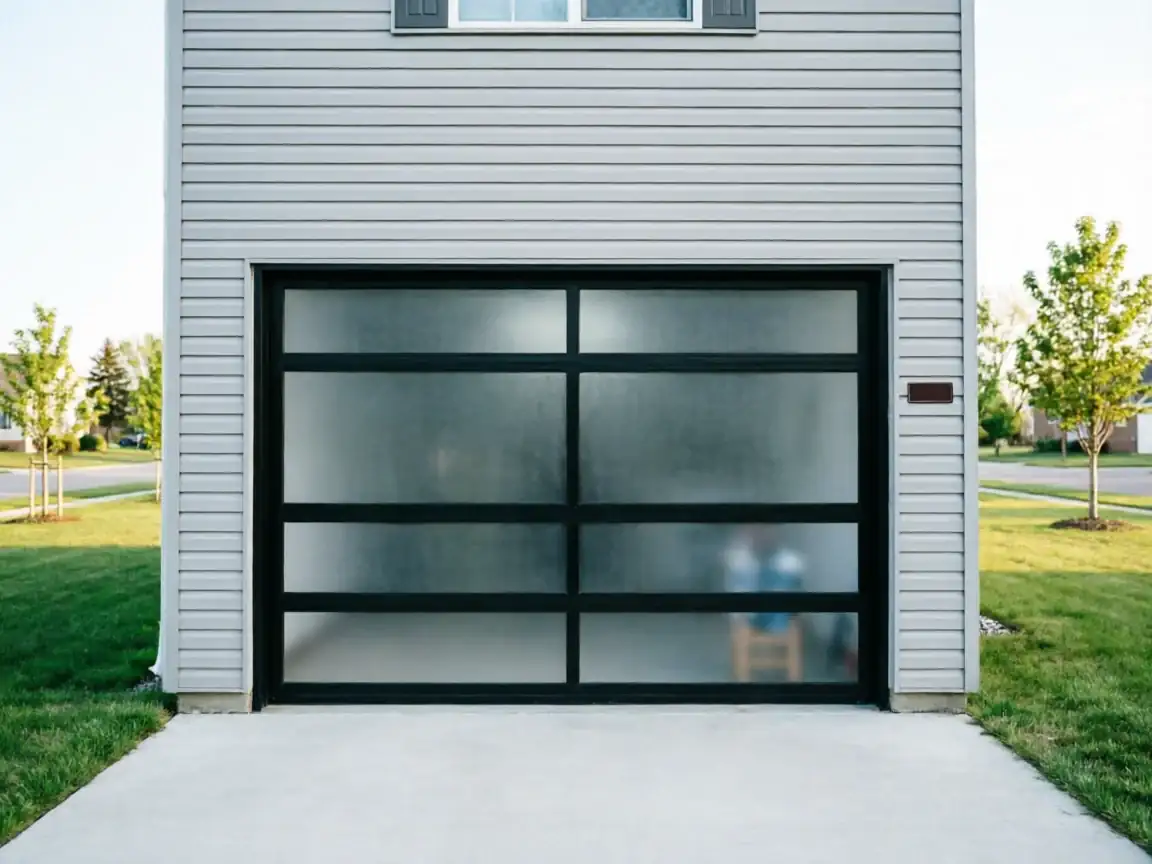
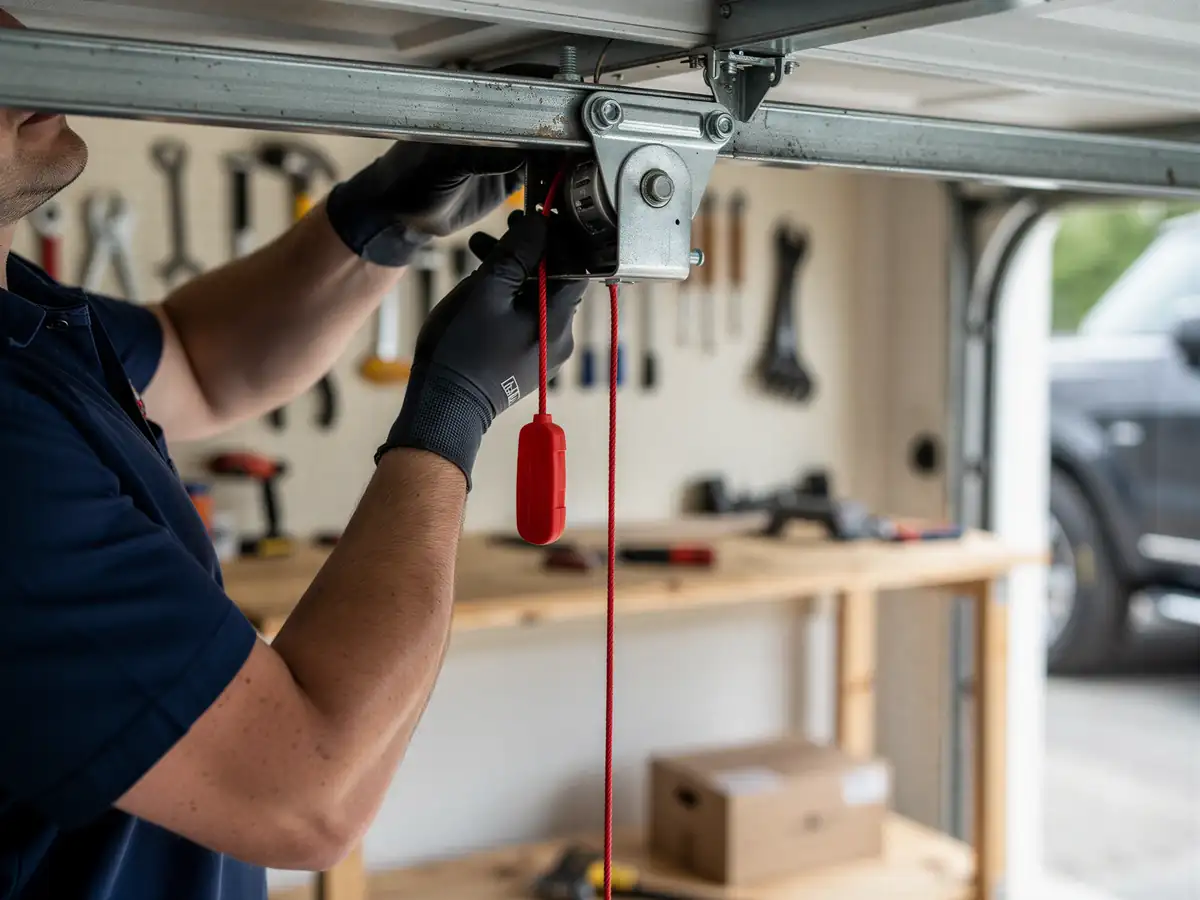
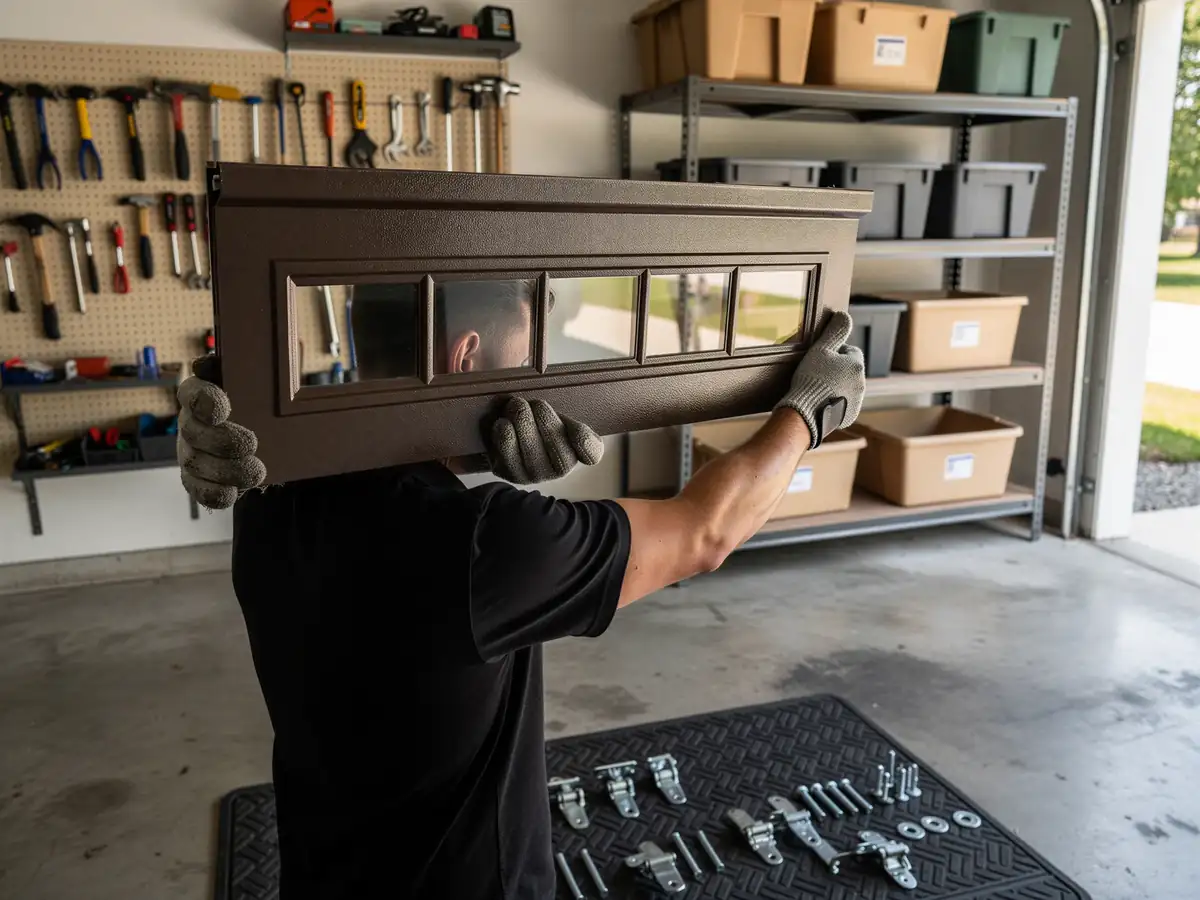
We carry low-headroom track kits and can mount a jackshaft opener to the side wall when there isn't room for a standard rail and trolley. We also carry a range of spring weights, since a door ordered heavier than the original - full glass panels, for instance - needs a torsion spring matched to that new weight, not the one the old door used.
What we don't carry on the truck
Fully custom widths outside standard sizing, and some glass-panel or carriage-style doors that homeowners in this income bracket often ask for. Those go on special order, and lead time runs longer than a standard steel door. We'll tell you that up front rather than promise a date we can't hit.
What You Pay
We don't have a flat number to quote here, and we're not going to invent one. What drives the final price on a Huntington Woods job is mostly the door itself: a standard insulated steel door costs less than a full-glass or carriage-style unit, and this is a town where median household income runs well above the rest of the area we serve, so we get more requests for the higher-end doors than we do in some other suburbs on our route.
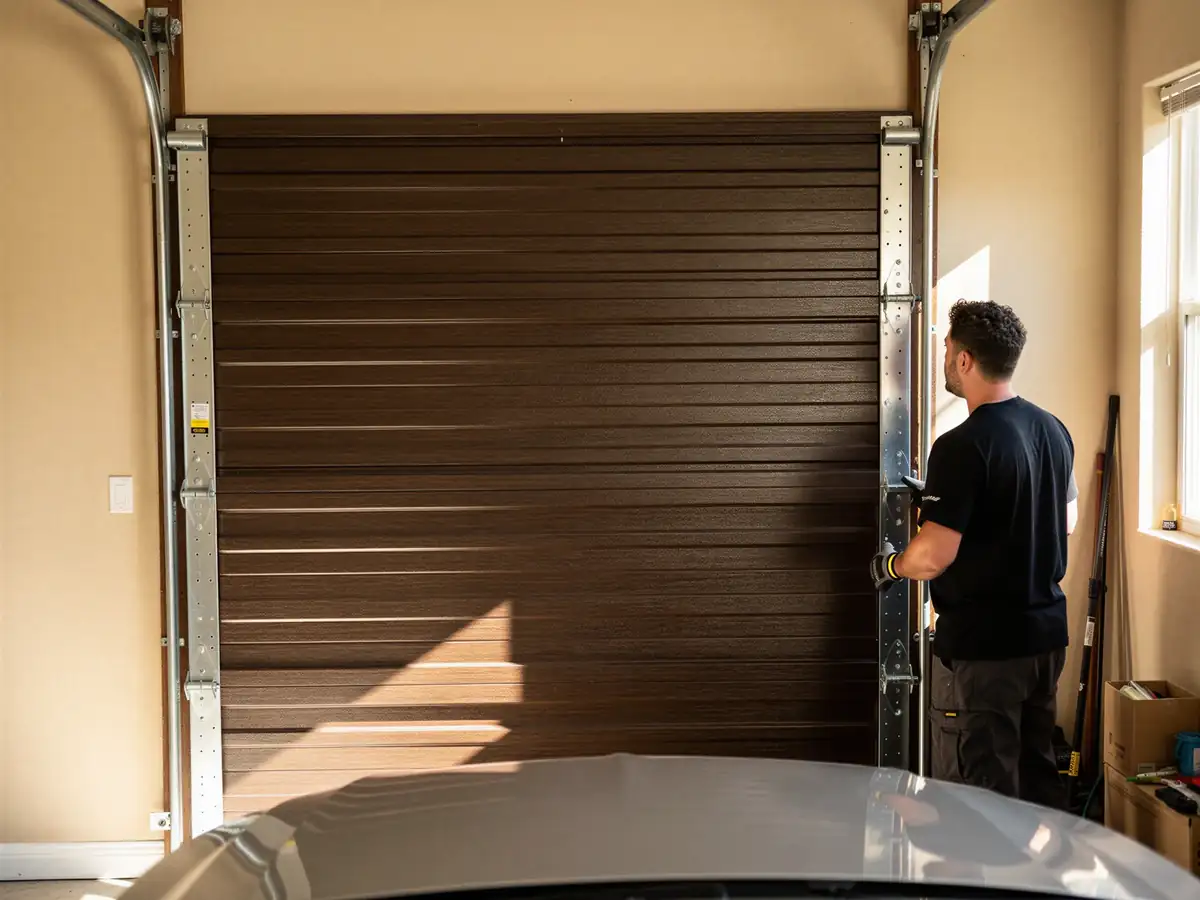
Labor cost reflects the house, too. A clean, square 1951 opening with standard headroom is a straightforward swap. One that needs a low-headroom kit, a jackshaft opener, or jamb trim to square up decades of settling adds time on site, and that time shows up on the invoice. With only 2,325 households in town, this isn't a market where we're doing volume installs on identical new-construction openings - every job gets measured on its own.
The one number we can give you without a site visit: none. Anything quoted over the phone for a house this age is a placeholder, and we'd rather tell you that than low-ball an estimate and revise it upward once we're standing in the garage.