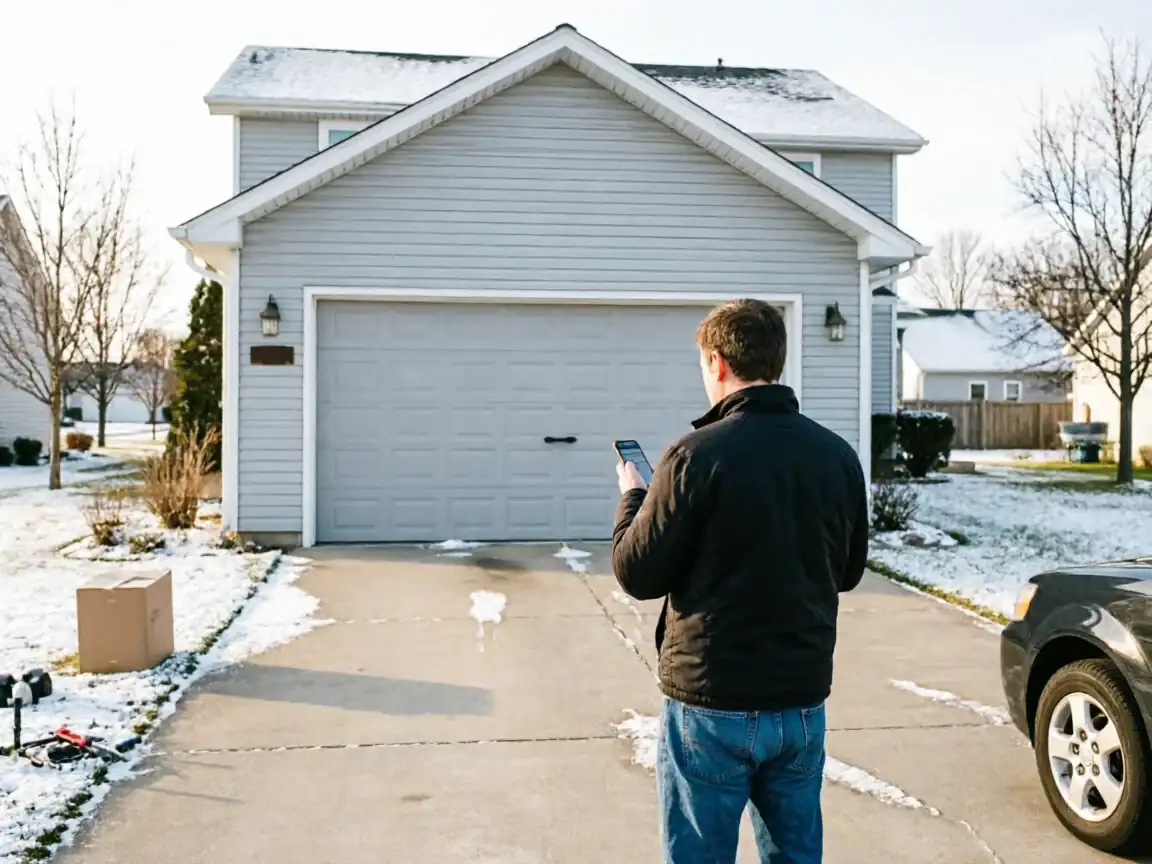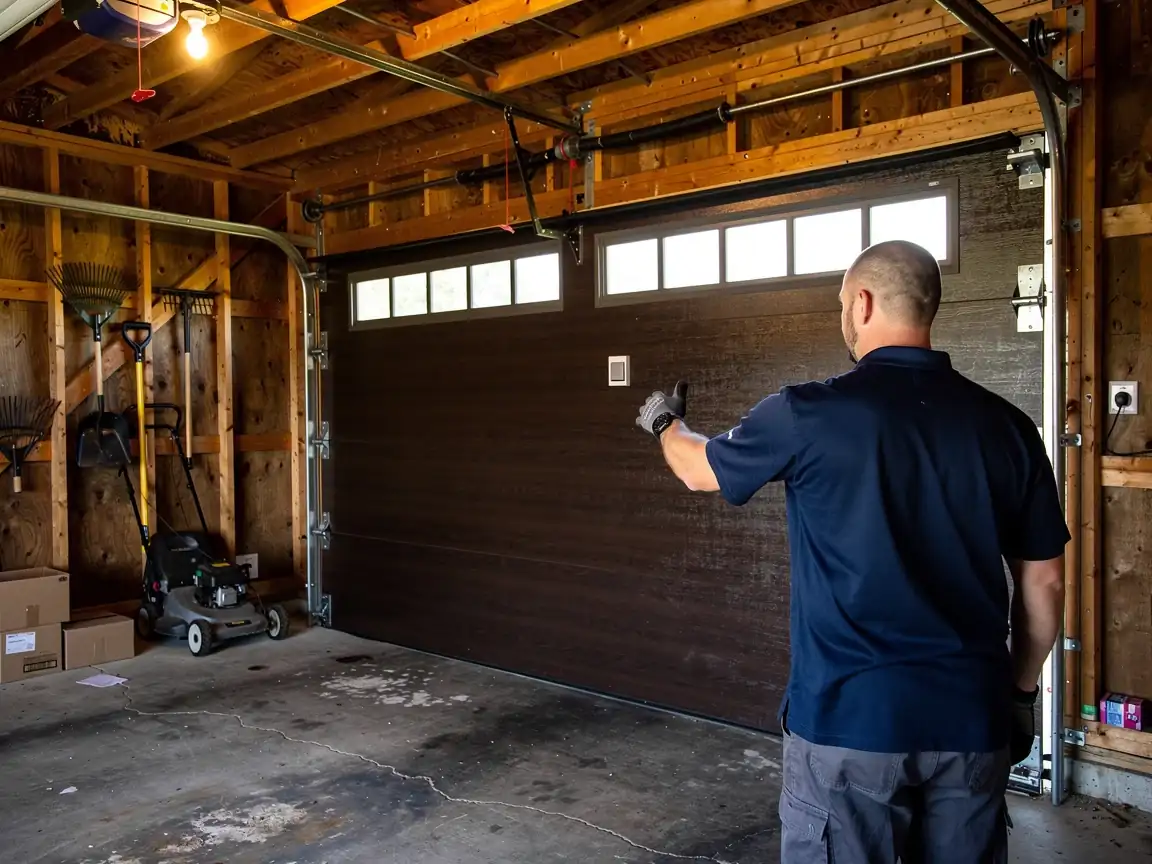
Where This Job Goes Sideways
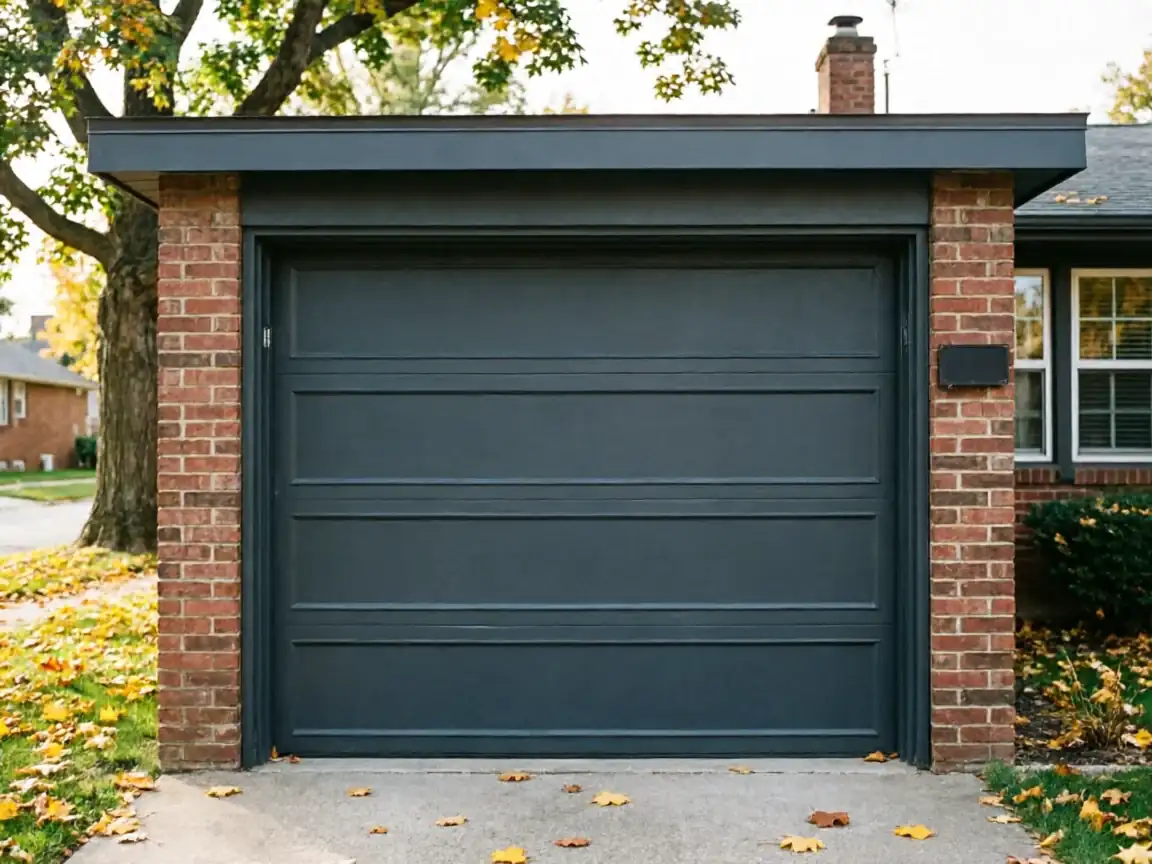
Start with the number that actually matters here: median household income in Huntington Woods runs $188,229, nearly double the $102,333 median across the rest of the Waterford service area. That changes the math on a maintenance call. In a lot of the towns we cover, a sagging door gets patched because a new one is a stretch. Here, the patch-versus-replace line sits much further toward replace - if a spring job turns into a second job turns into a third, most owners in this bracket aren't going to keep nursing a forty-year-old operator along.
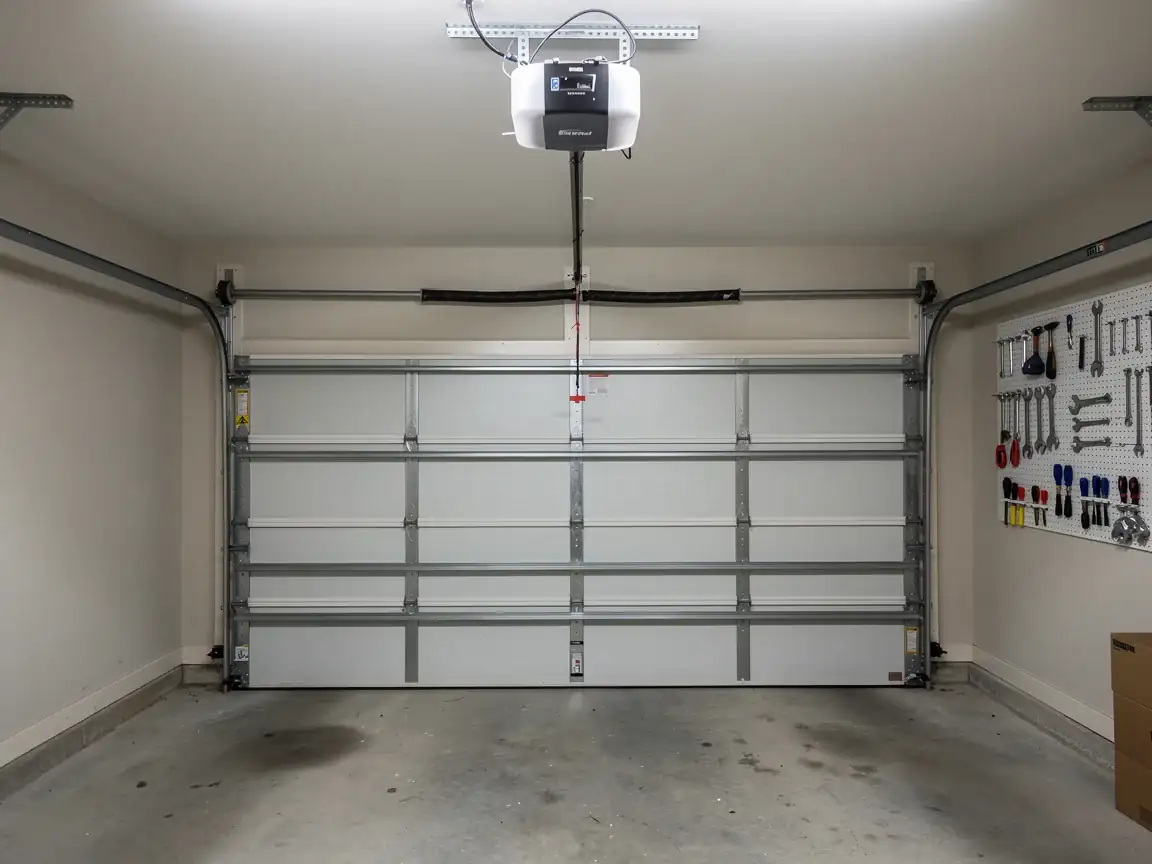
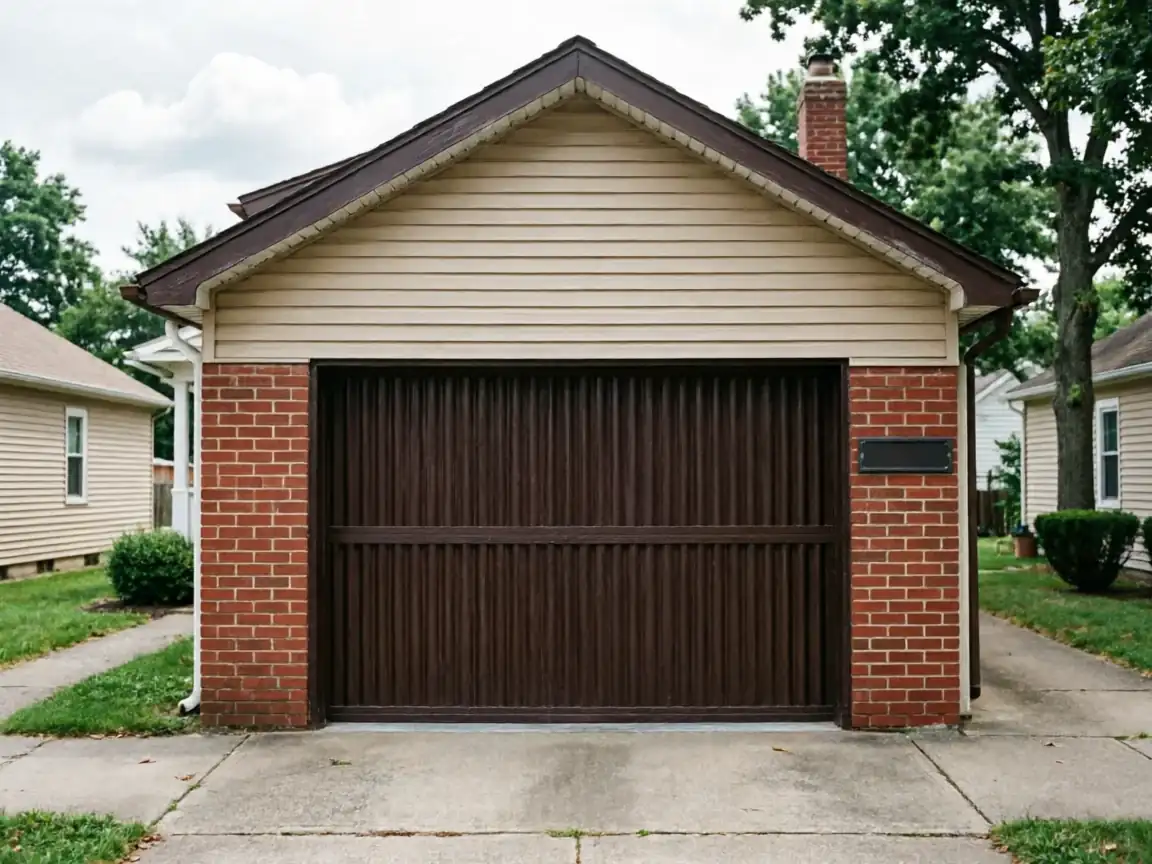
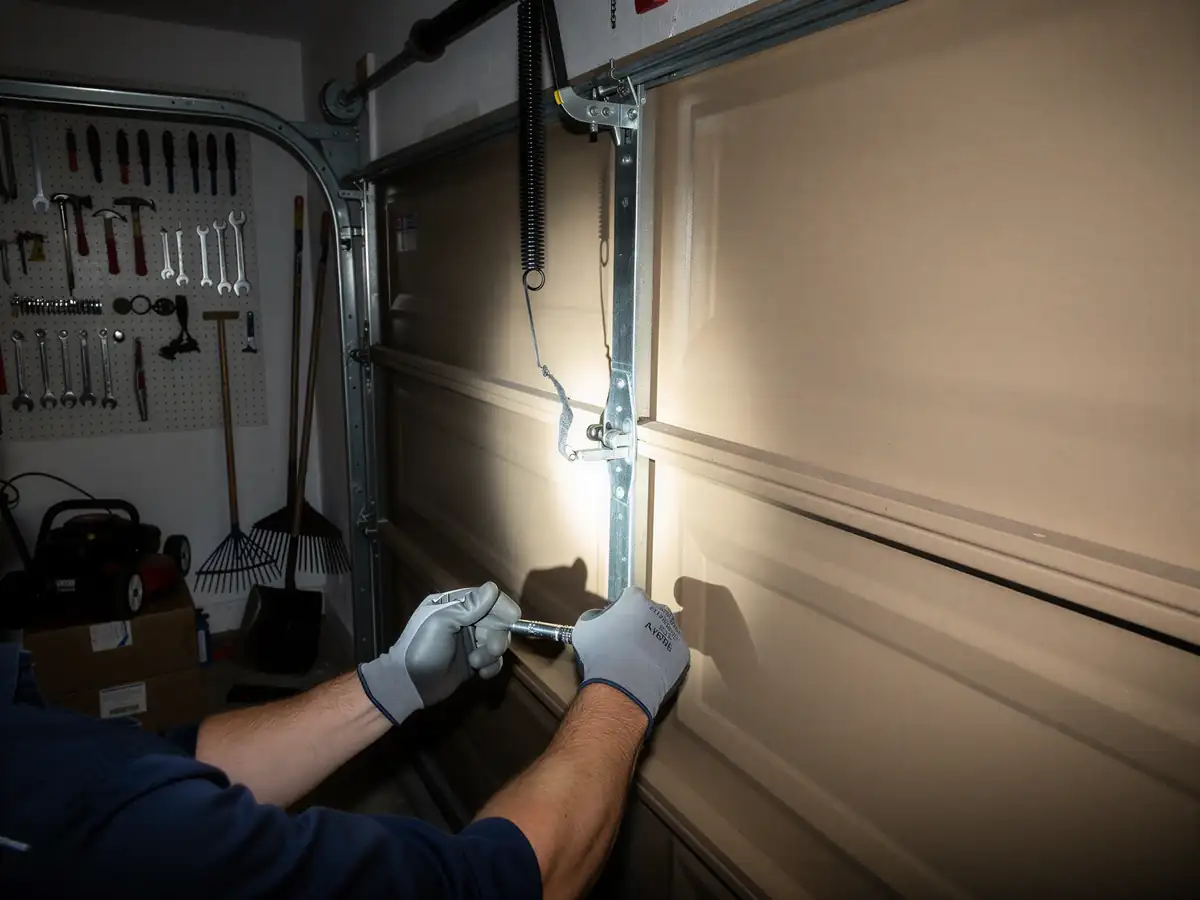
The other number that matters is the build year. Huntington Woods houses run a median of 1951, which is older than the 1960s-70s stock that makes up most of the rest of the service area. A door and track system installed when a house went up in 1951 is not the same animal as one installed in 1968. Hardware gauges changed, track widths changed, and the spring sizing conventions changed. A maintenance visit on a house this old starts with figuring out what's actually bolted to the wall before anything gets adjusted or lubricated.
We come from Waterford, about 19 miles out, so this isn't a drop-in-anytime stop. We schedule it.
How It Shows Up
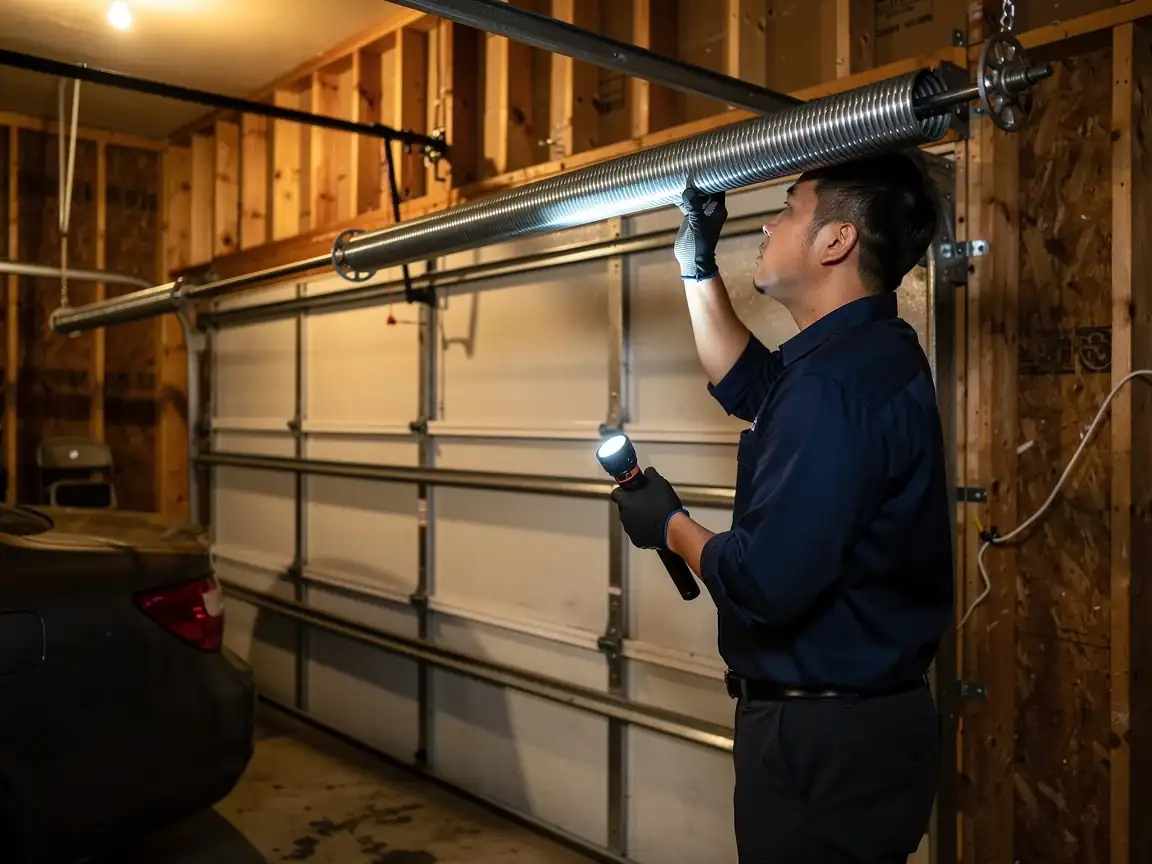
On houses from this era, the first thing to go is usually the torsion spring - not because the house is in Huntington Woods, but because a 70-plus-year-old spring has had 70-plus winters of cold-band weather working on the coil. This area sits in a severe cold climate zone, and repeated freeze-thaw cycles stiffen grease, shrink metal tolerances, and make a spring that's already near the end of its wind count fail faster than it would somewhere milder.
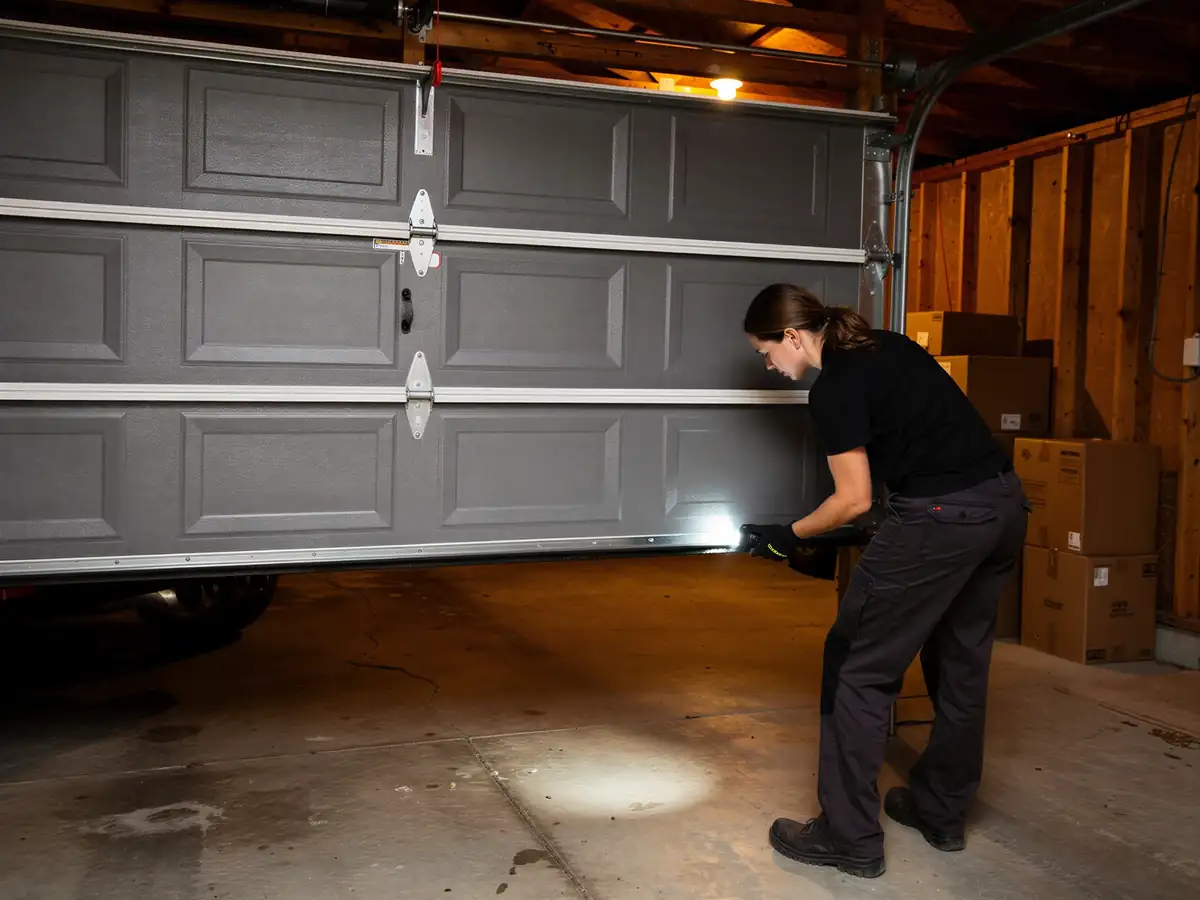
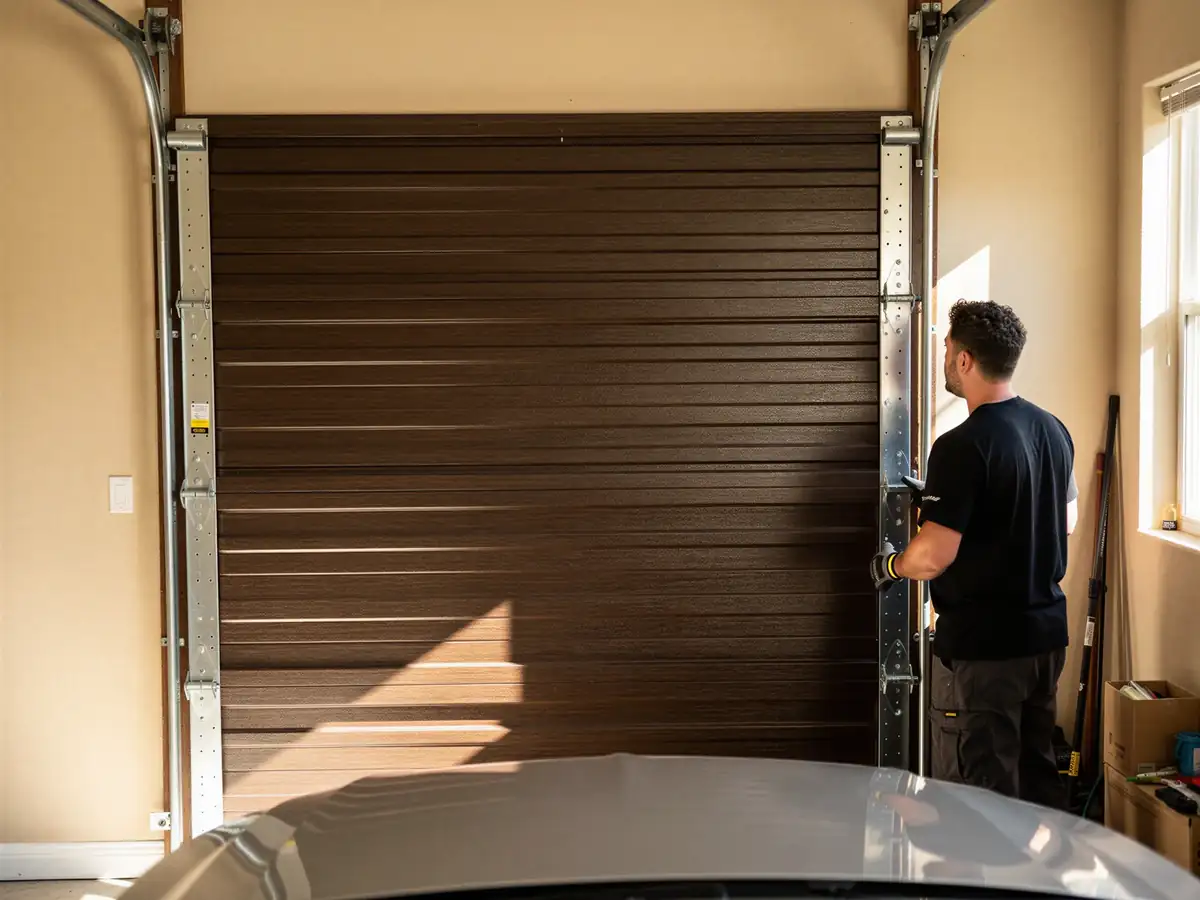
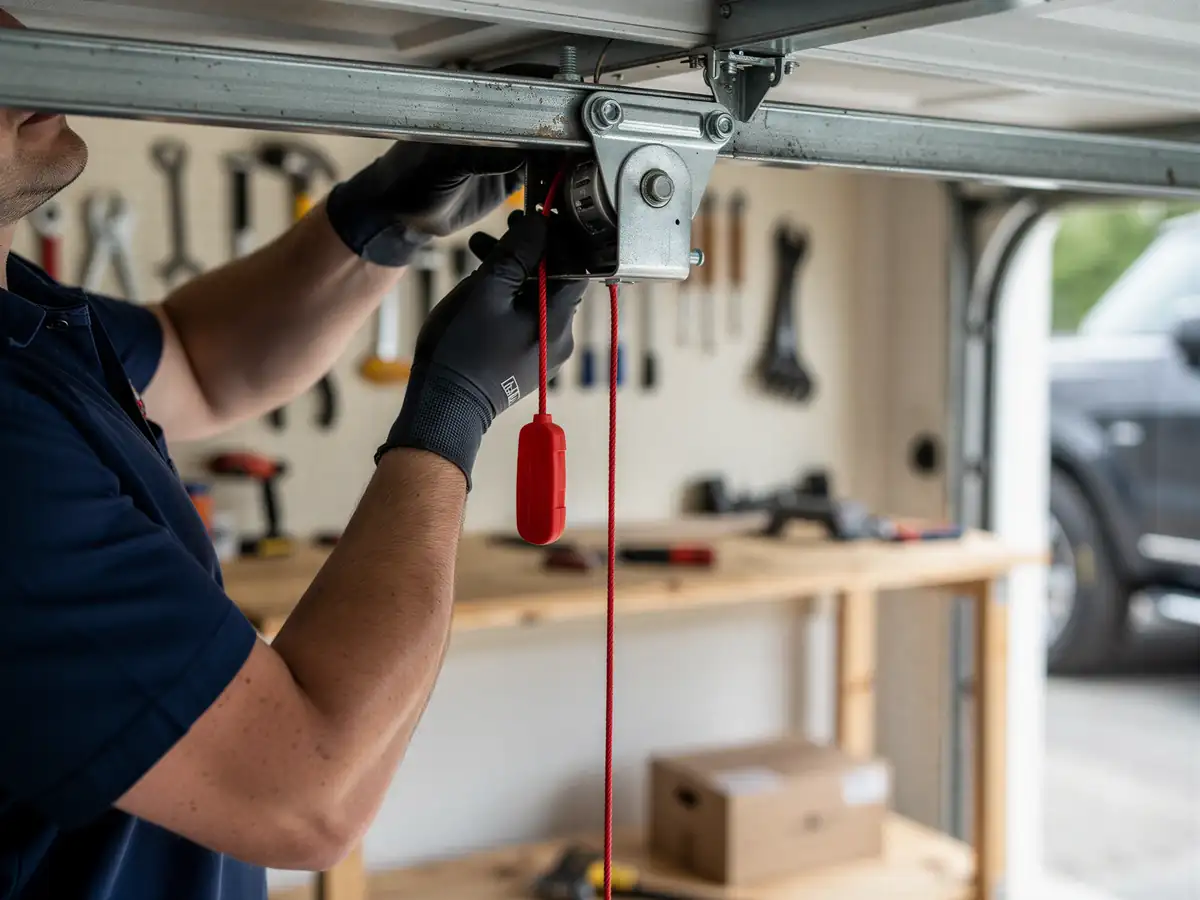
What you'll notice first is usually small: the door hesitates for a second before it lifts, the opener strains and makes a different noise than it used to, or the door doesn't sit flush at the bottom anymore. On the oldest hardware, we also see cable fraying where the original drum and cable combination was never designed for a heavier modern door that got swapped on at some point without upgrading the rest of the system.
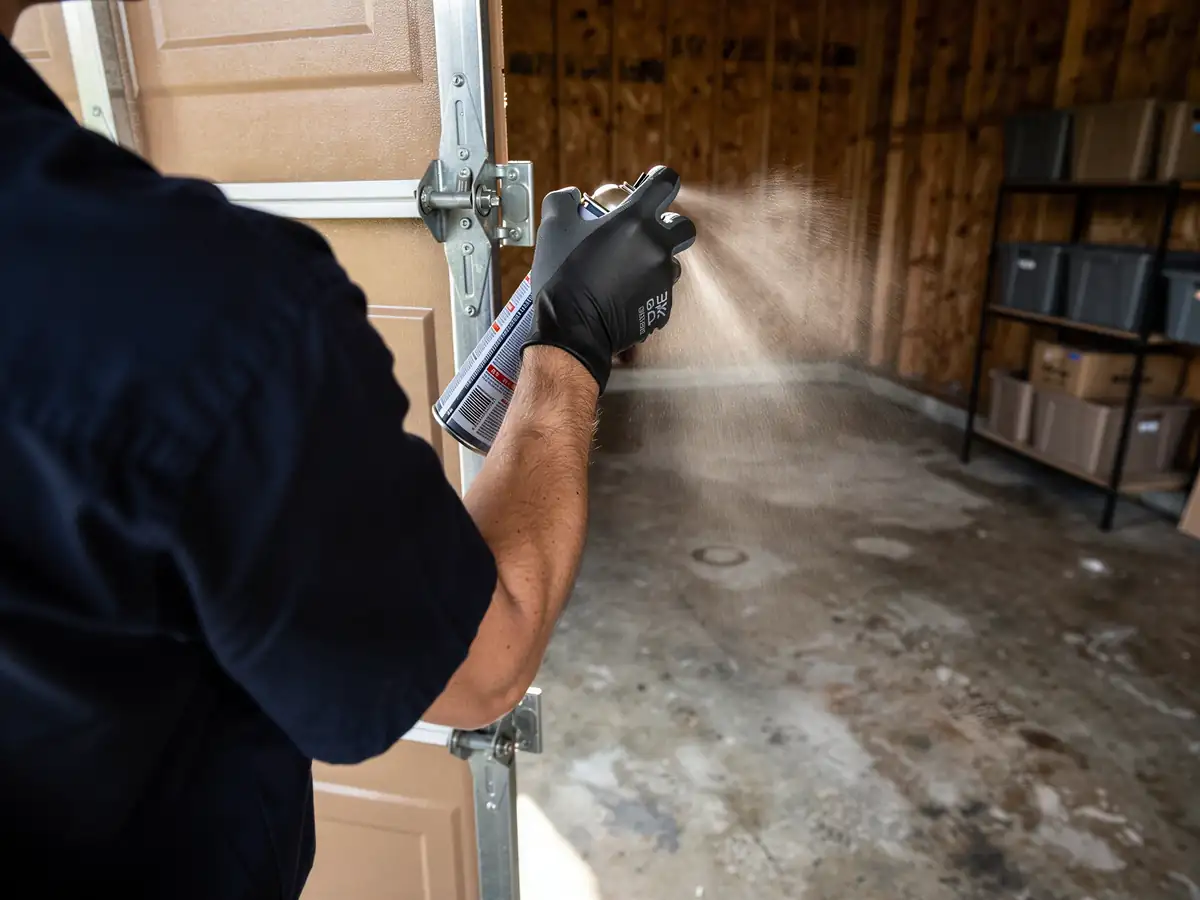
Cold makes all of this worse, not better. A gear that's slightly worn runs fine in July and jams in January. That's not drama, that's physics on old steel in a cold climate - and it's the reason a fall maintenance visit catches problems that a summer one would miss entirely.
Parts We Carry
We stock the parts that fail most often on doors from this build era and this climate band
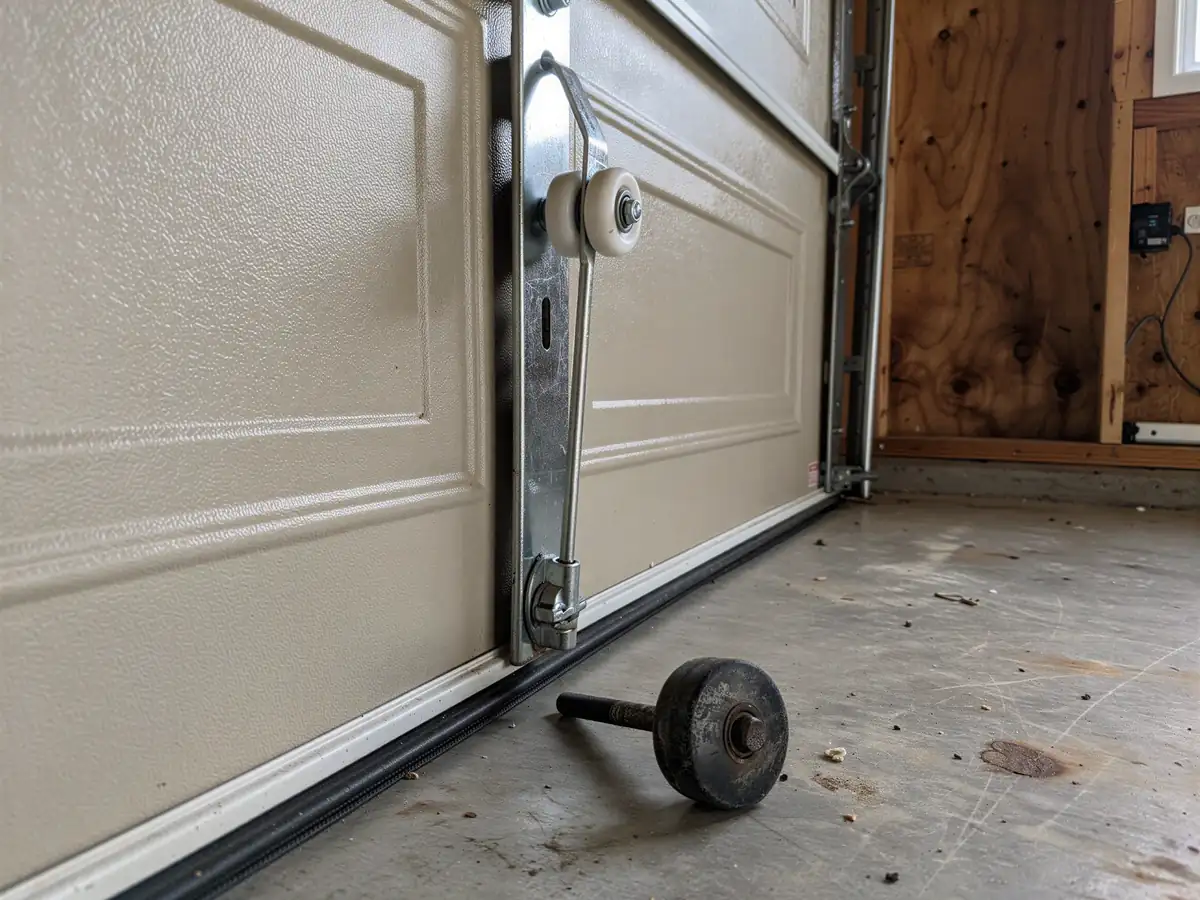
Torsion springs in the common residential sizes, nylon and steel rollers, lift cables, and weatherstrip rated for sustained cold rather than the lighter-duty strip some builders used. Those cover the great majority of maintenance calls.
Here's the honest limitation
On a house built in 1951 that still has original hardware nobody's touched, we sometimes run into a track width, drum size, or bracket pattern that isn't made anymore. When that happens, we don't force a part that's close enough - we order the correct one or fabricate a bracket that fits, and that can mean a second trip. We'd rather tell you that up front than hand you a door that's technically closed but not actually right.
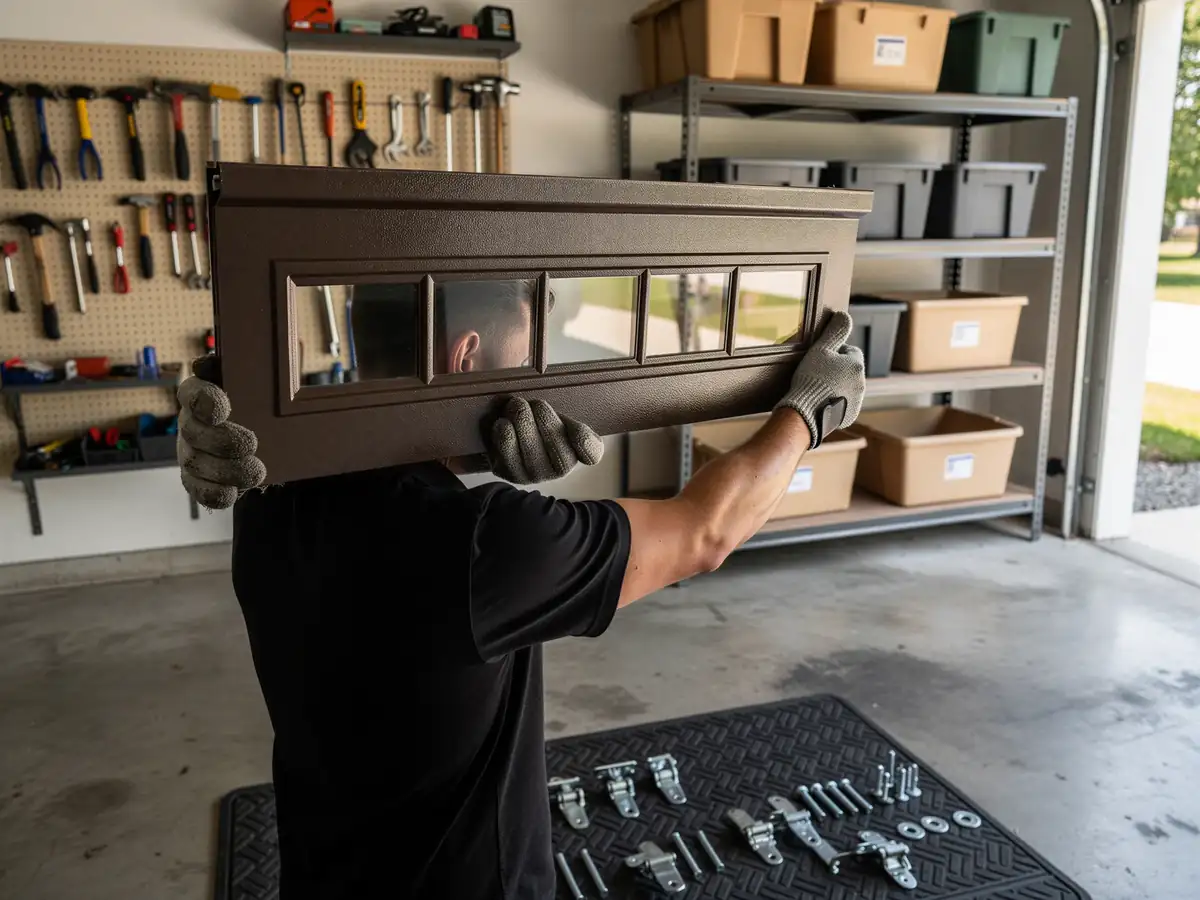
We don't carry niche decorative panel replacements or custom insulated retrofits on the truck
Those get quoted separately, after we've seen what's actually on the house. For the standard spring, cable, roller, and seal work that covers most maintenance visits in this area, the parts are on the truck and the job gets done in one stop.
What You Pay
We're not going to put a number here that isn't backed by a fact sheet in front of us, so there's no price quoted on this page. What we can tell you is how the decision usually breaks down at this income level: with a median household income of $188,229, most owners here aren't trying to squeeze five more years out of a door that needs a new spring every eighteen months. If a maintenance visit turns up a system that's failing in multiple places at once - spring, cable, and worn rollers together - replacement often pencils out better than another round of patch repairs, and we'll say so plainly instead of running up a bill.
Travel from Waterford, about 19 miles, doesn't change what you're charged - it changes how we schedule. We're not a depot in Huntington Woods, so this isn't a same-day drop-by; it's a booked appointment. For routine spring and track maintenance, see our Huntington Woods garage door repair page. For the full rundown of the maintenance program itself, that lives on the Waterford maintenance page.