Where This Job Goes Sideways
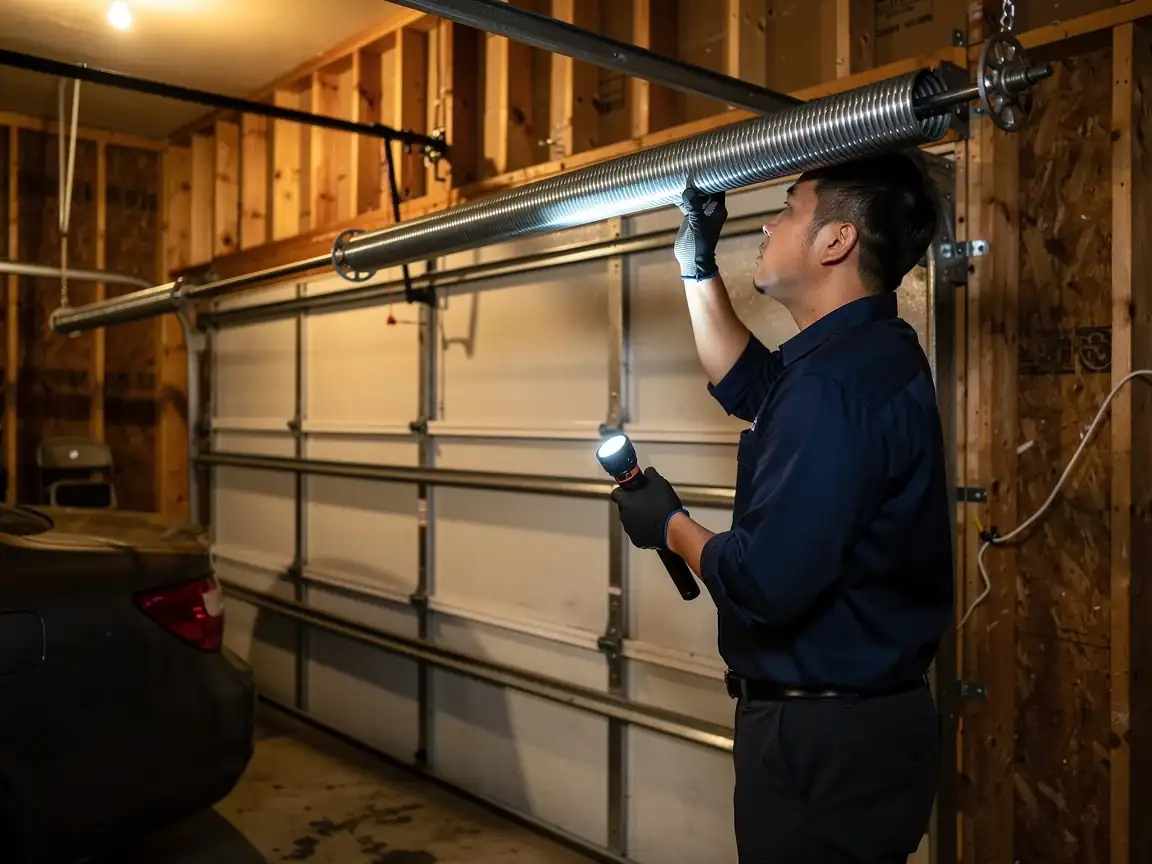
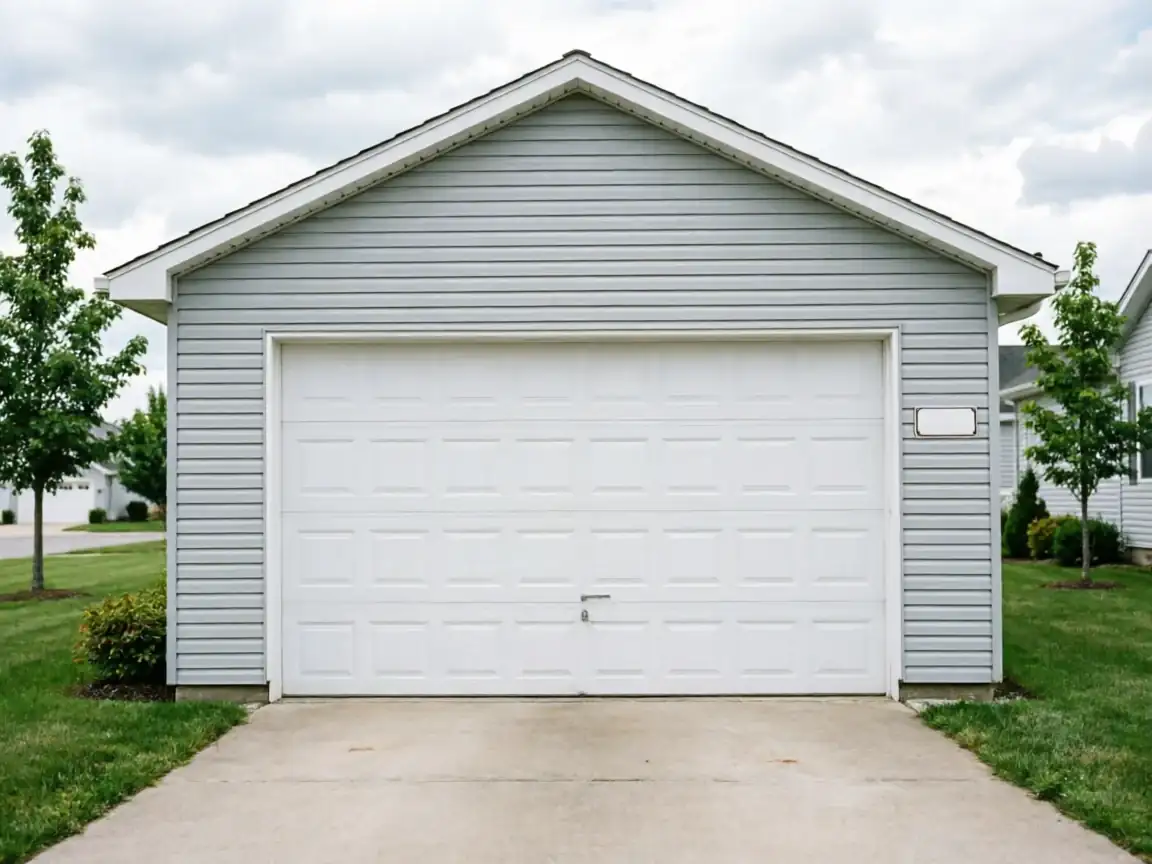
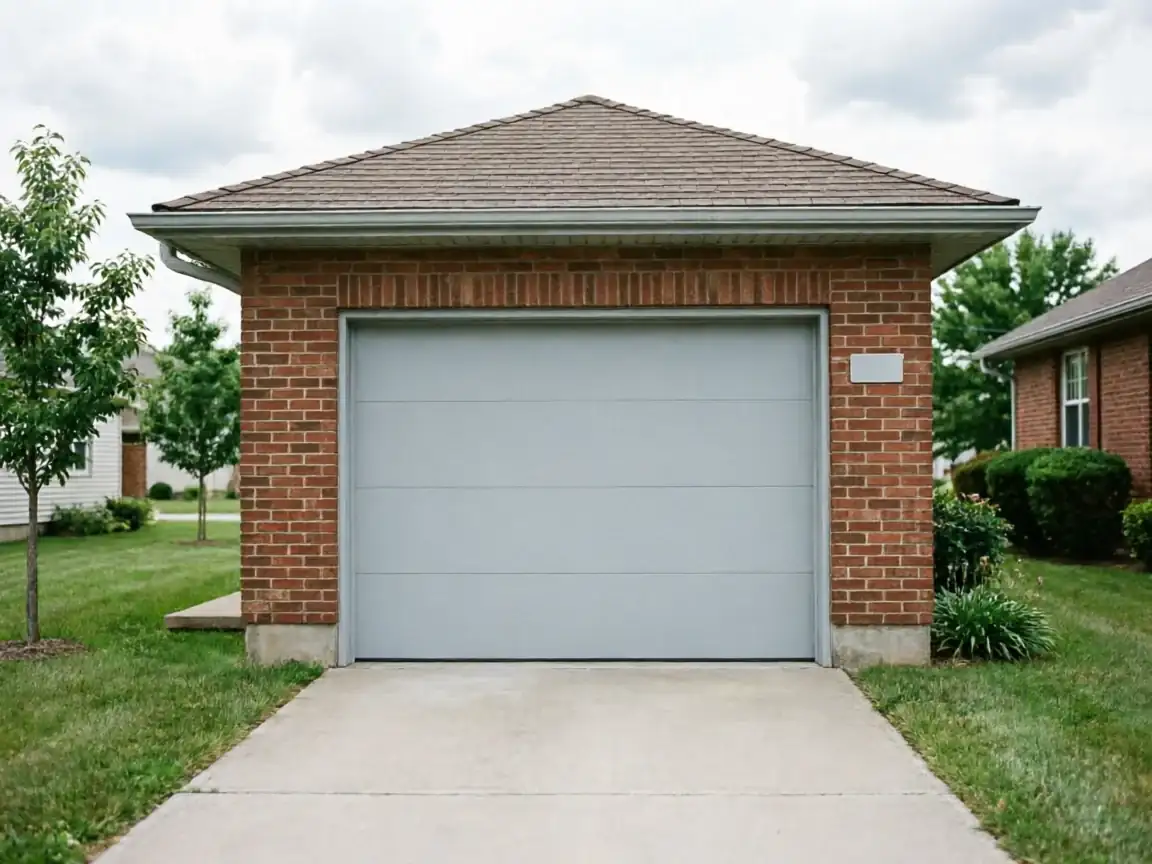
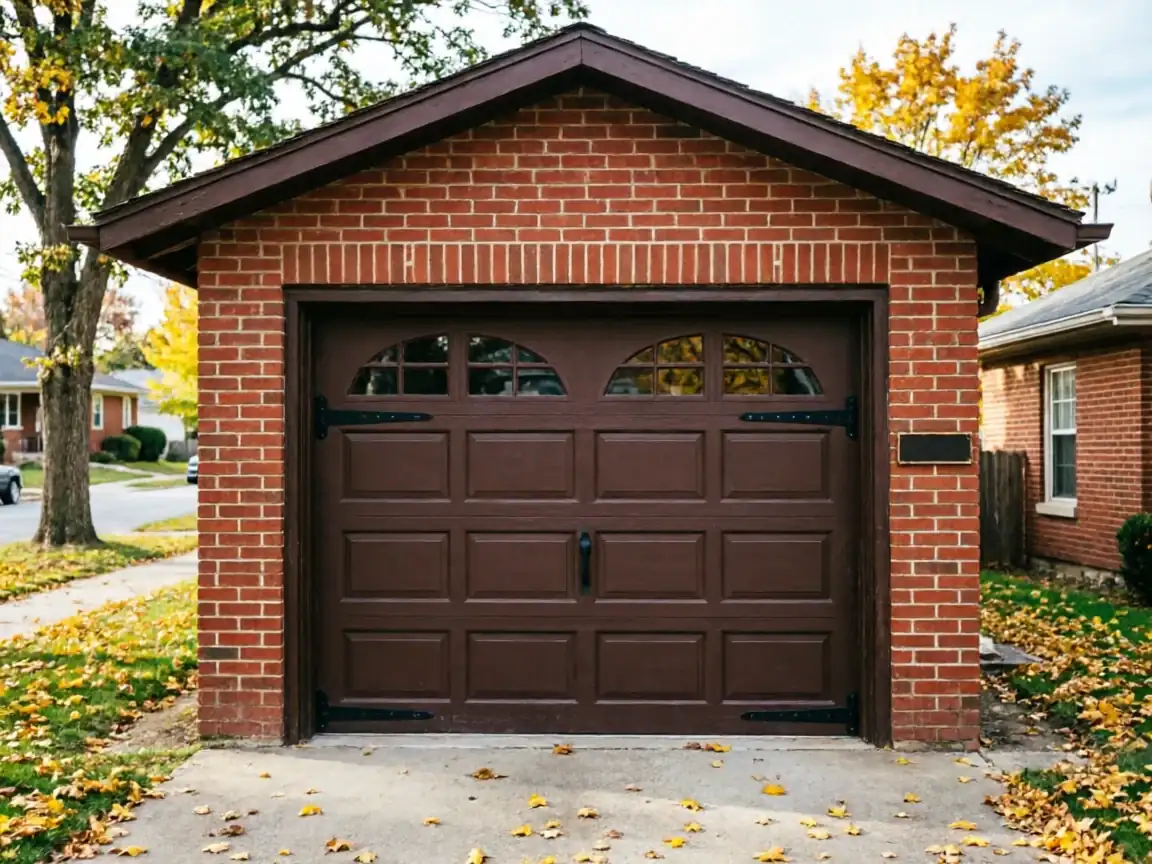
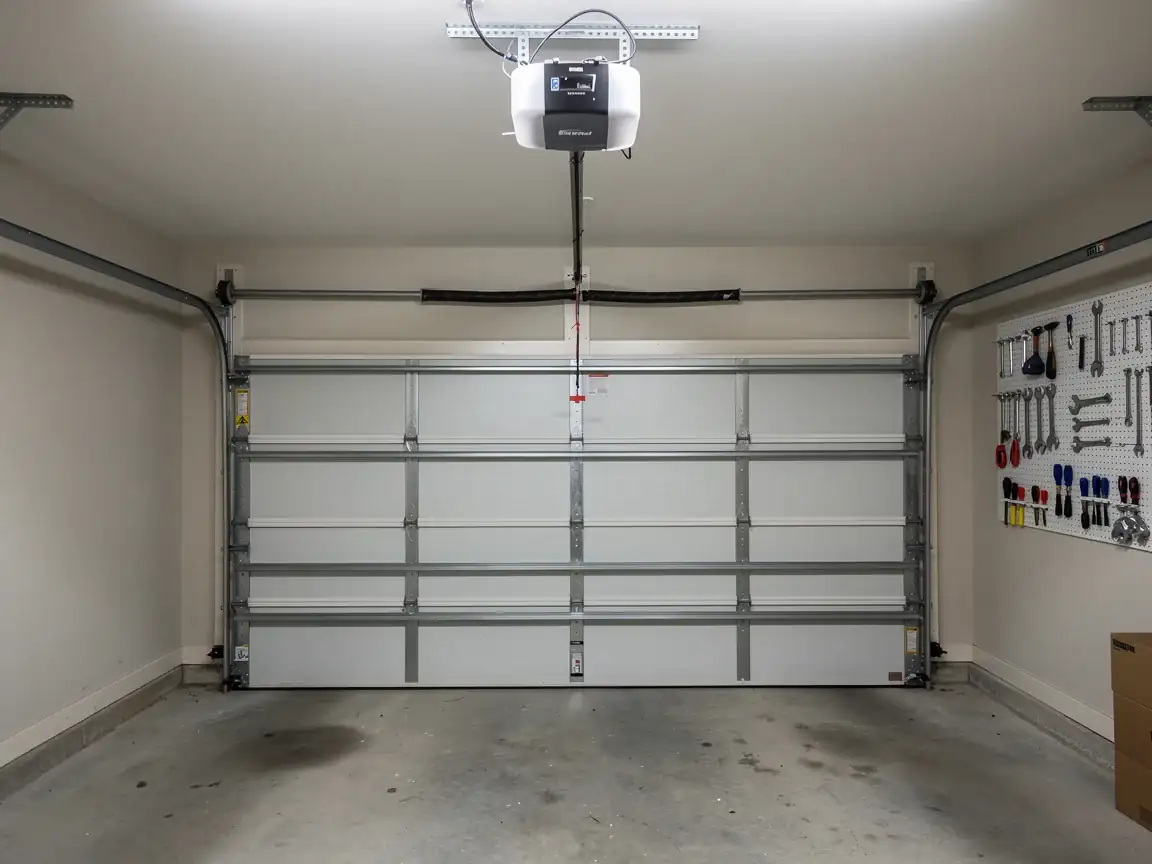
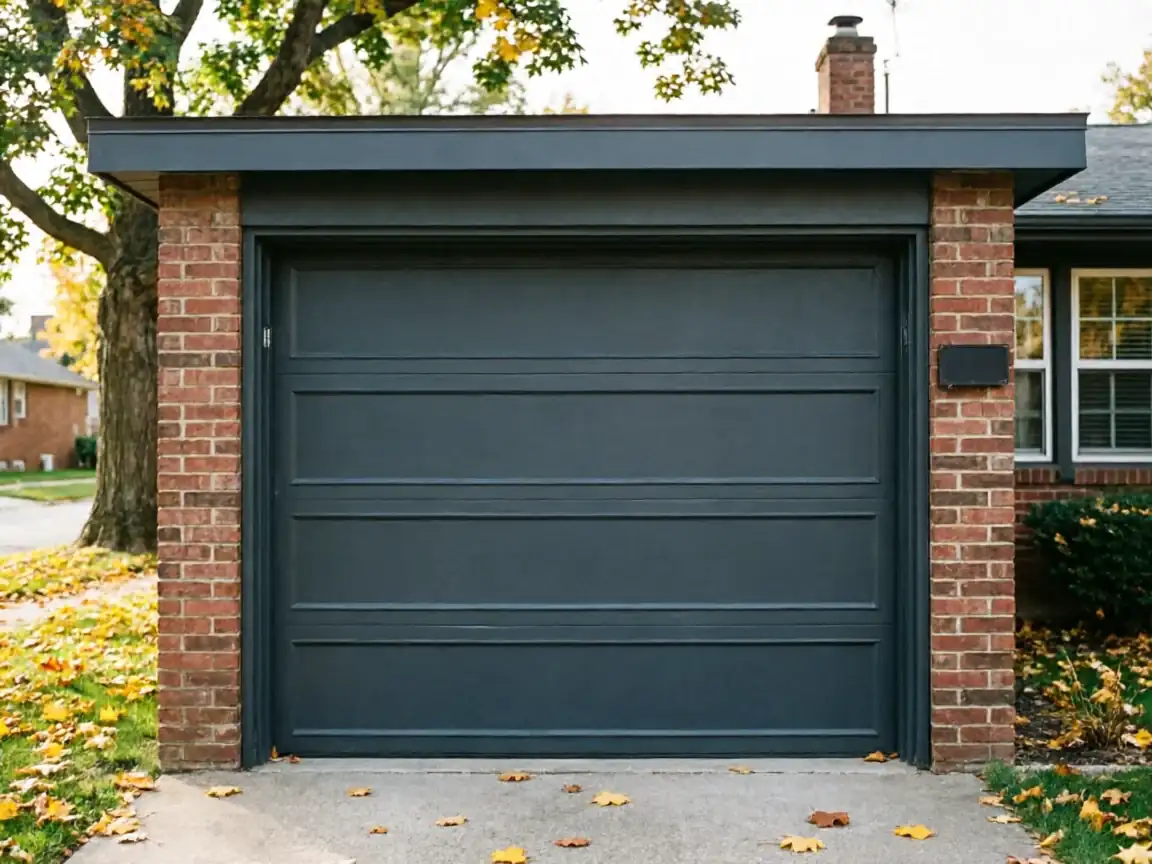
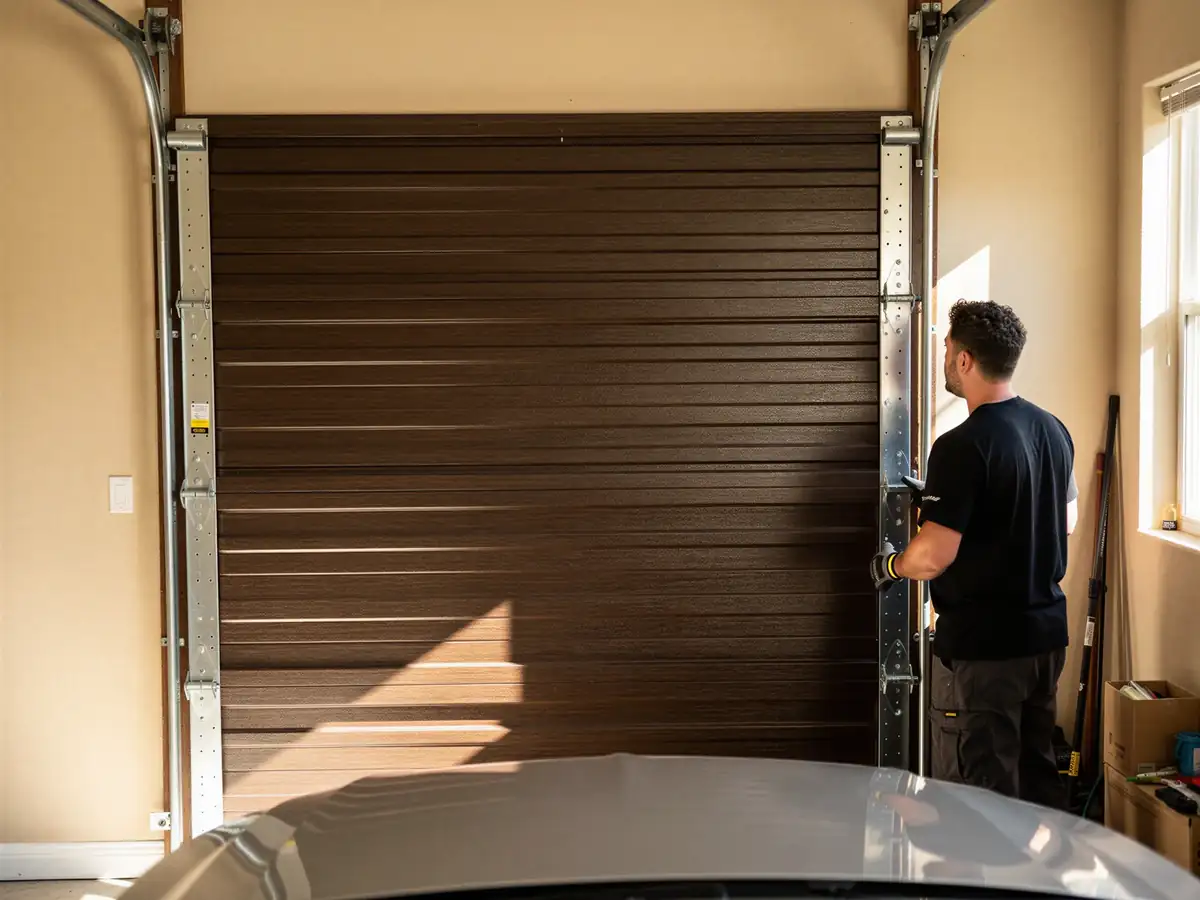
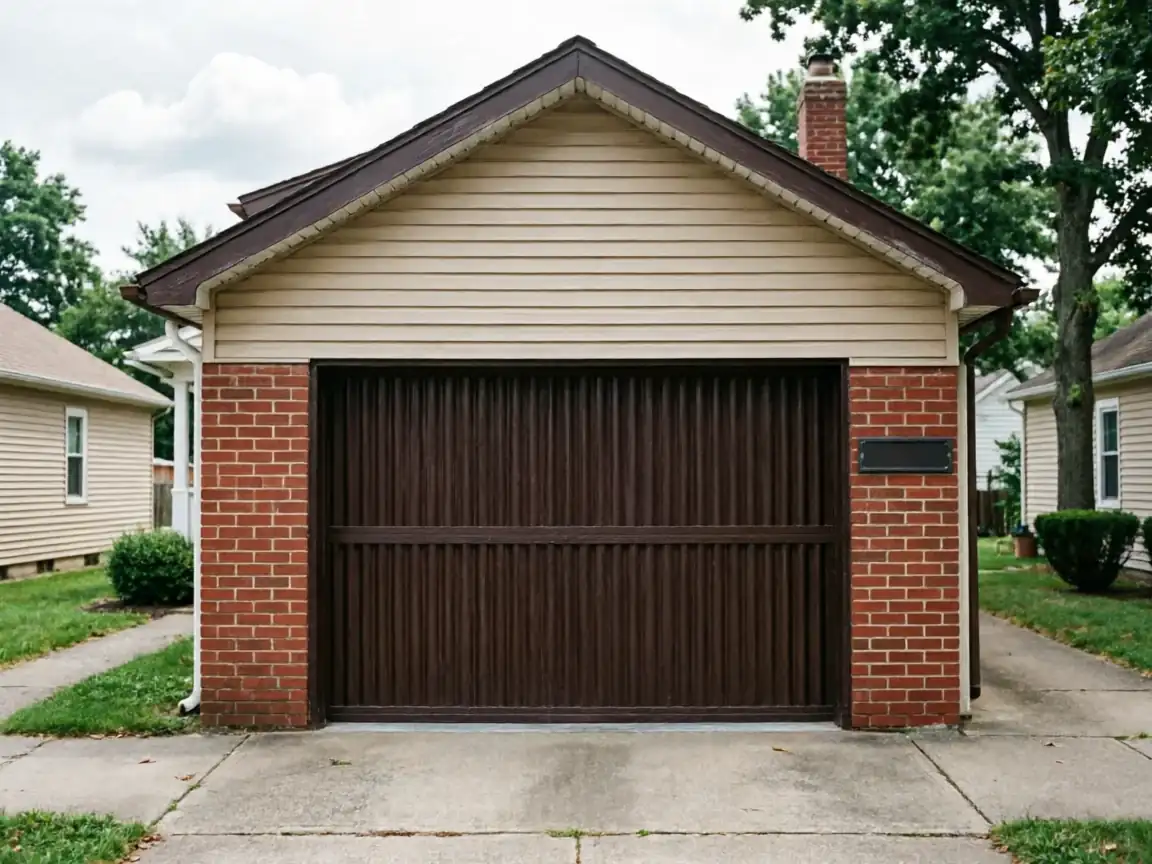
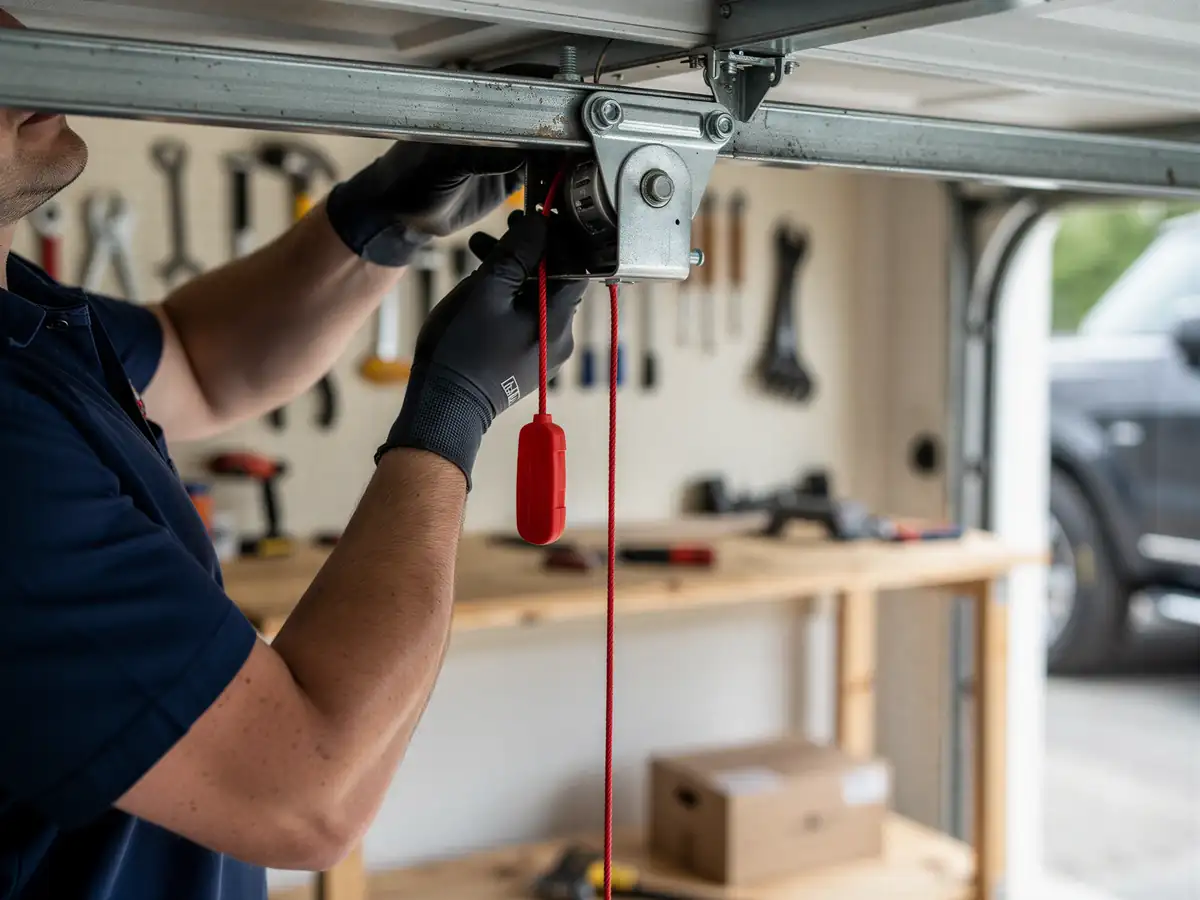
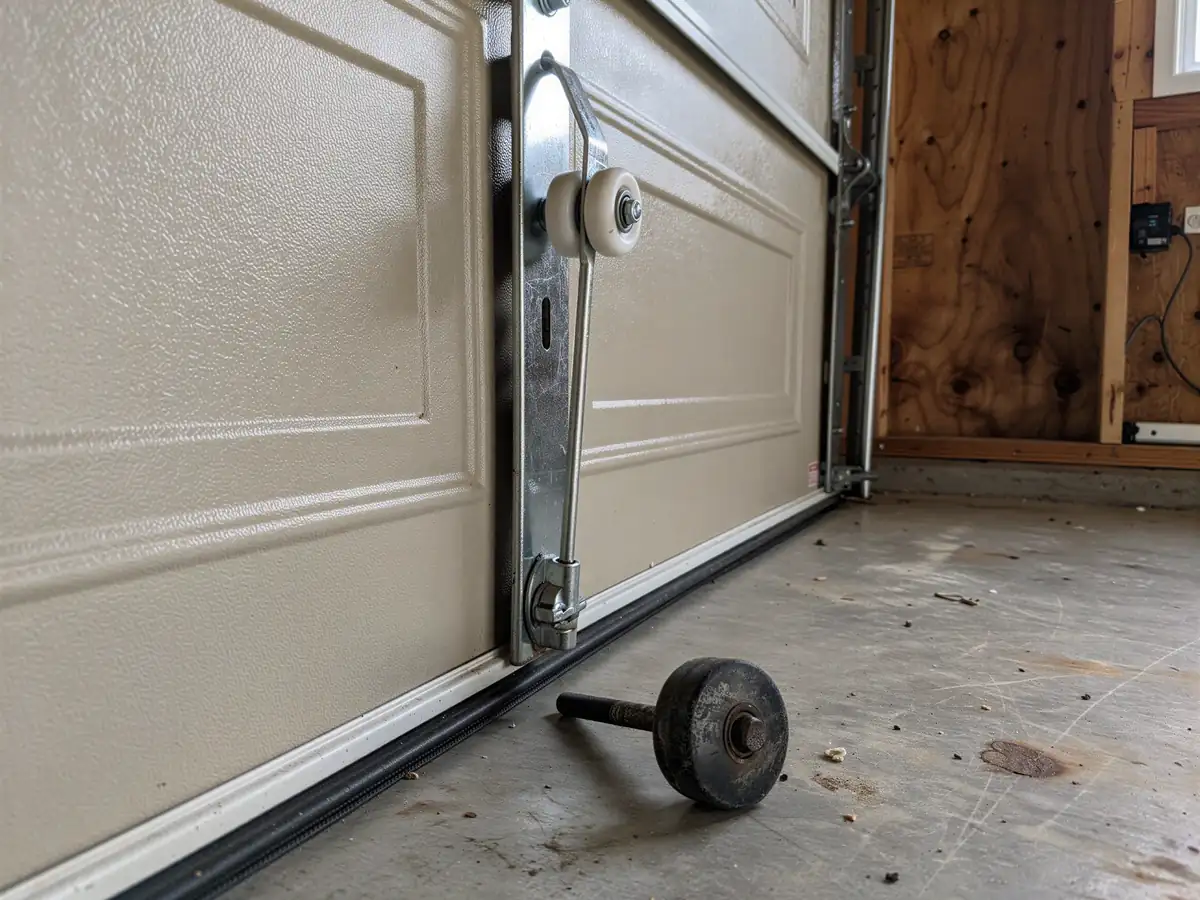
Houses here went up mostly in 1951, near the early edge of the 1949-to-1993 build window across the service area, which means the steel rollers on the original track are pushing seventy years of use. Nobody budgets for rollers. People replace springs when they snap and openers when they quit, but the rollers just wear quietly until the door starts grinding every time it moves. On a door this old, the roller stems are usually the original stamped-steel kind riding in a track that's never been realigned. The stems rust at the bearing, the wheel edge wears into an oval instead of a circle, and the door starts to hop in the track instead of rolling smooth. We see this pattern often enough in this pocket of the service area that it's not a surprise anymore - it's close to the default condition once a door passes the forty-year mark untouched. The honest issue is that most homeowners don't know rollers are a wear part at all until the noise gets bad enough to notice, and by then the track has usually taken some damage too.
How It Shows Up
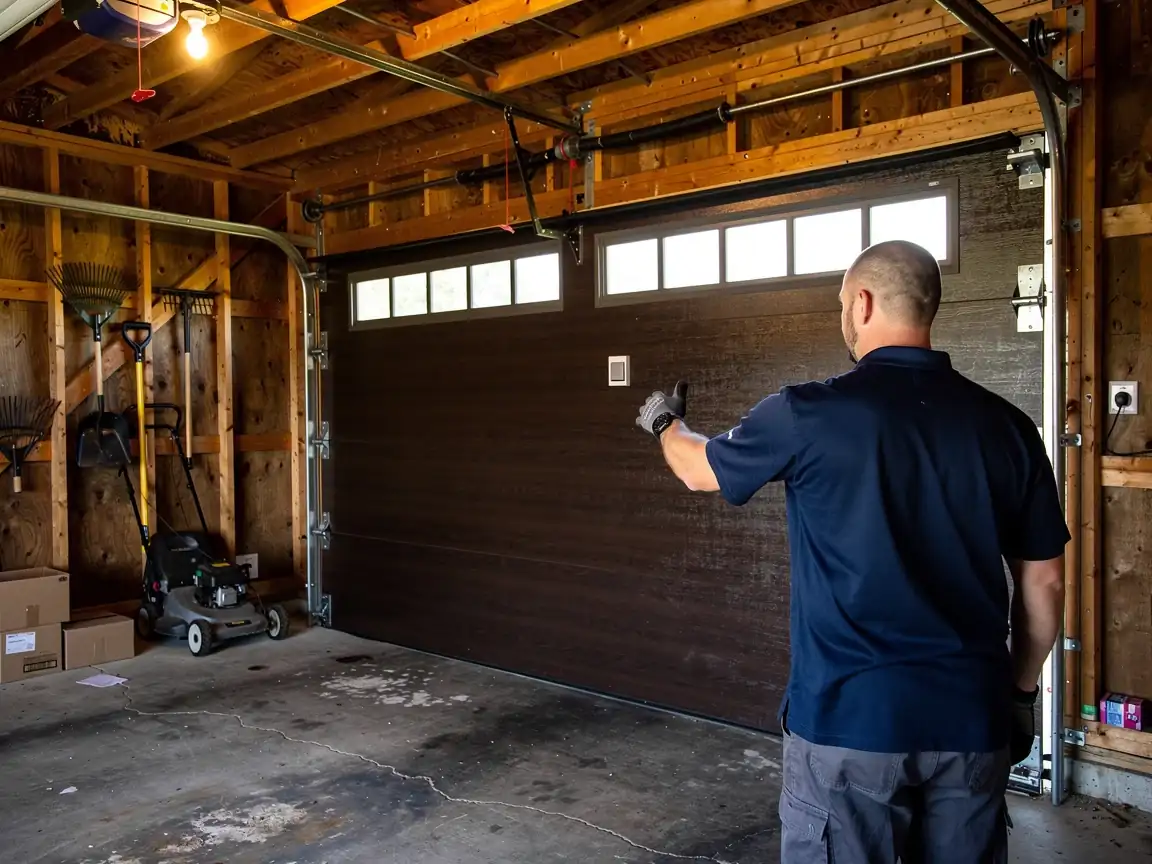
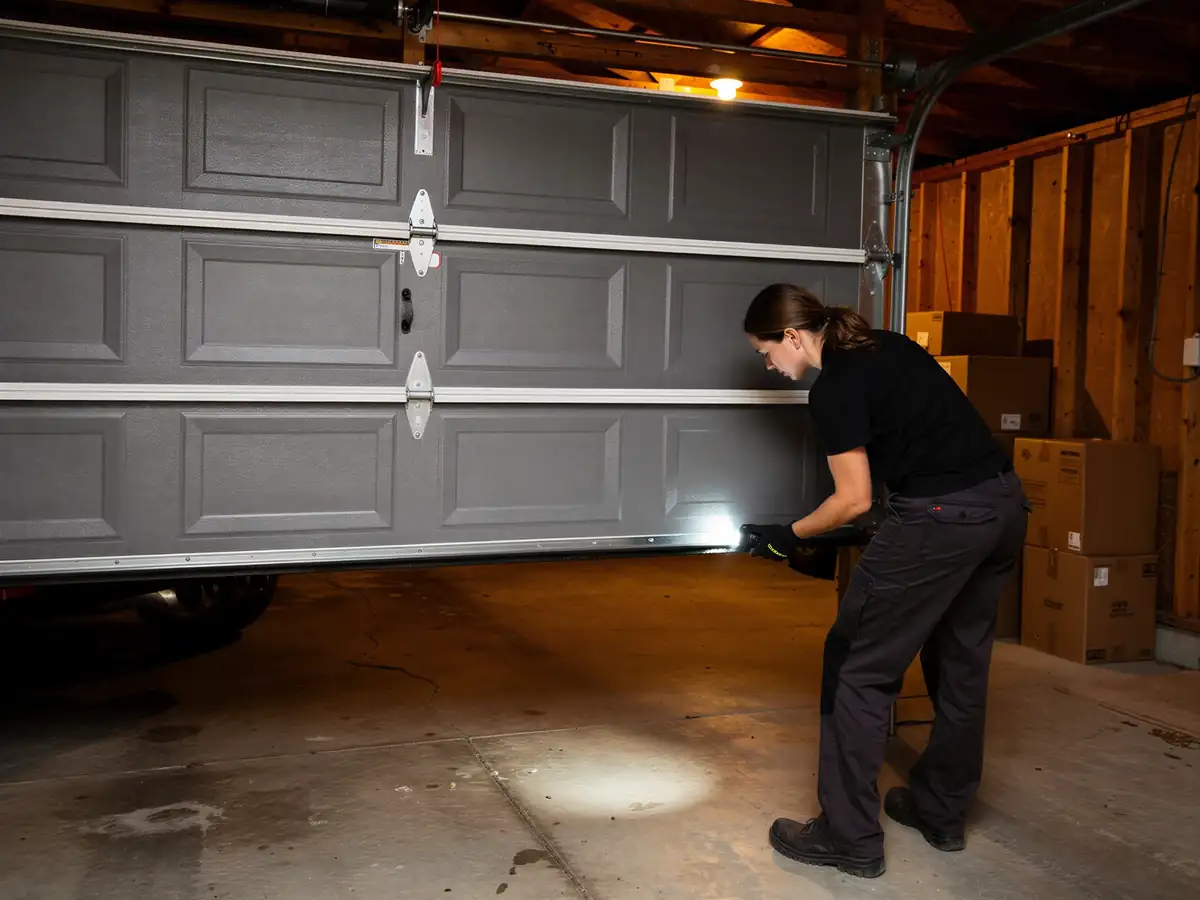
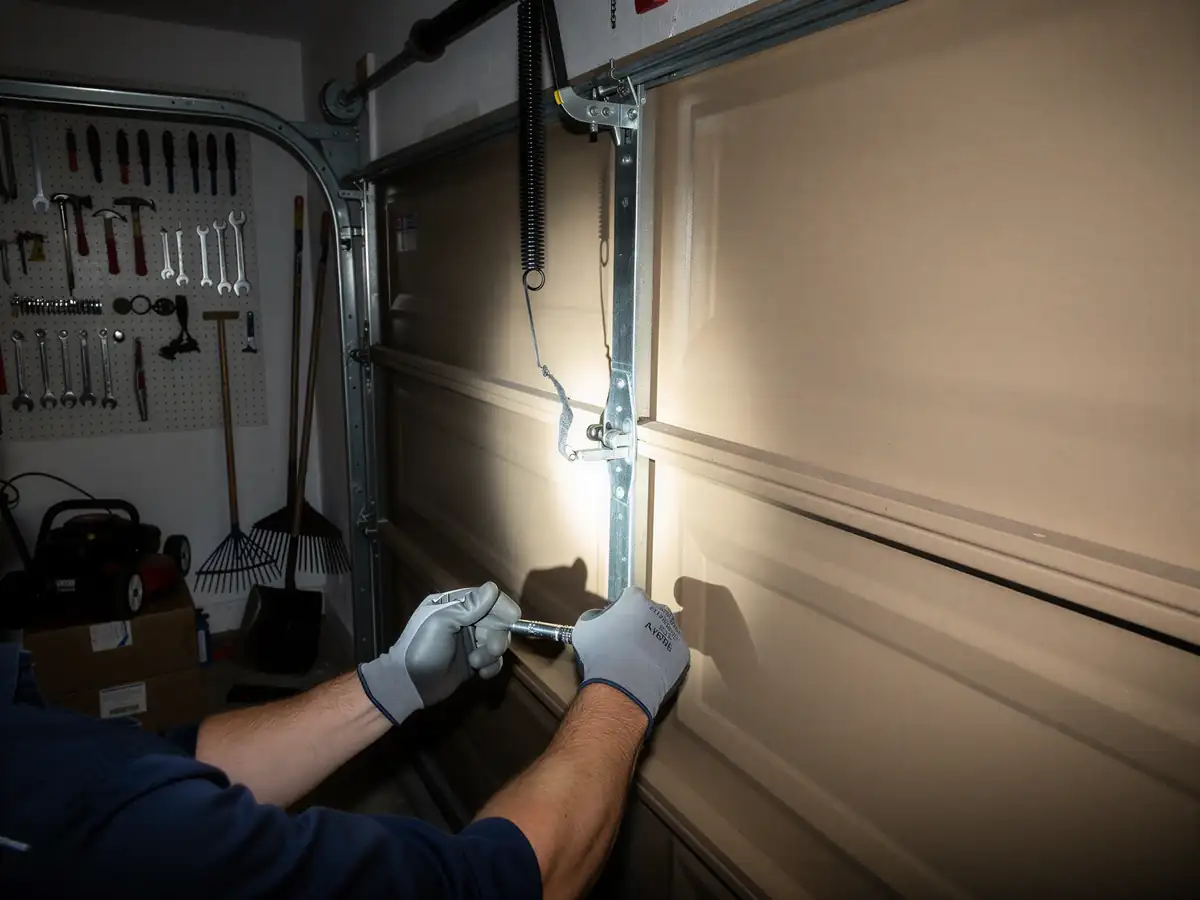
The first sign is sound - a dragging, scraping noise low down near the tracks instead of the usual rumble. On a 1951-era door with steel rollers, that sound means metal wearing on metal, not just a dry bearing that WD-40 fixes. The second sign is the door catching at the same spot on every cycle, usually where the curved section of track meets the vertical run, because a worn-oval roller jams right there instead of rolling through it. The severe cold this region sees turns a rusted steel roller stem brittle, and on a door built in 1951 that stem has never been swapped, so a hard freeze is often what finally snaps a roller that had been limping along all fall. If you catch it at the noise stage, it's a roller job. If you wait until the door won't move at all, you're often also looking at a bent track, because a jammed roller under spring tension bends the rail it's stuck in. That's the honest line between a quick fix and a bigger one.
What You Pay
We don't post a flat roller price because it depends on how many rollers need swapping and whether the track needs straightening or replacing along with them - a single bent section changes the job. Median income here runs close to $188,000, well above the $102,333 median across the rest of the service area, and it shows in how many owners replace the whole roller set rather than patch one axle - full-set replacement means every roller wears evenly going forward, instead of a new roller riding next to nine old ones that fail again within a year or two. If only one or two rollers are bad and the rest are sound, we'll say so rather than push a full set you don't need. The honest trade-off: steel rollers cost less up front, nylon rollers run quieter and shed the rust problem that cold winters bring to steel stems - which one makes sense depends on what's already on your track.