Serving Waterford, MI & nearby
(248) 793-5206
Waterford, MI

What You're Actually Paying For When We Come Out

See what a Waterford Garage Door Pros service call includes: diagnosis, parts, labor, and why 1970s-era Waterford doors often need more than a quick fix.

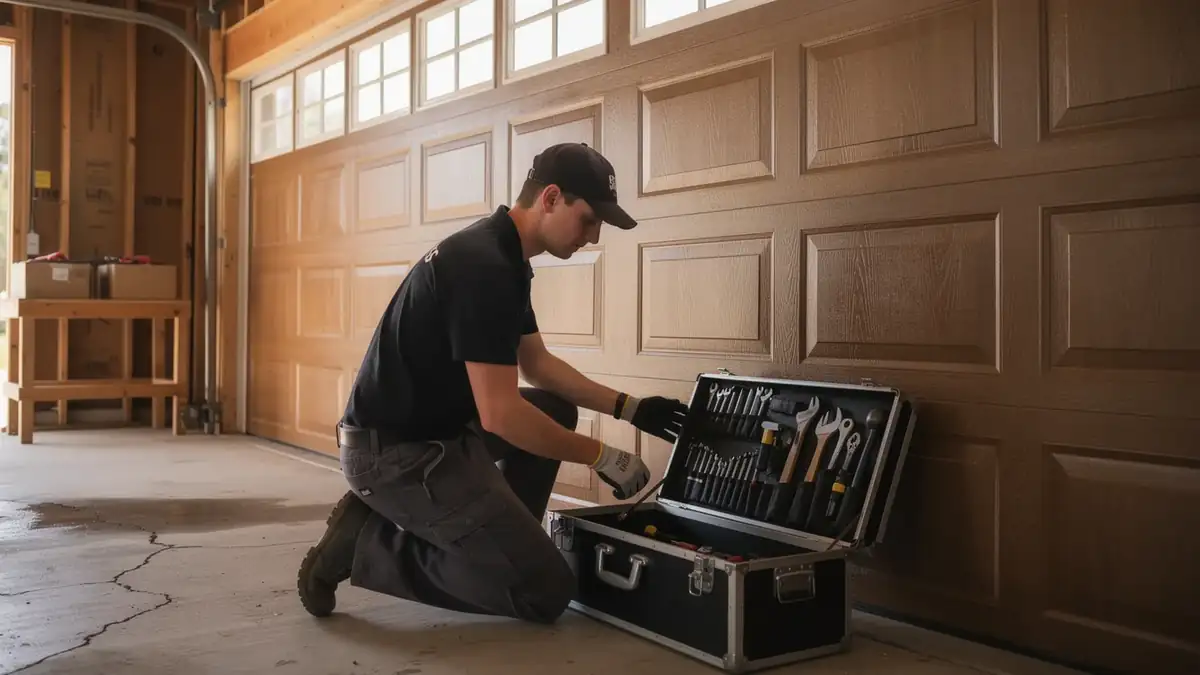
A technician kneels in a garage, opening a toolbox in front of a brown garage door.

What You Pay

A service call has three parts: the trip out, the diagnosis, and whatever parts and labor the fix needs. We don't quote a flat number over the phone because the number depends on what's actually on your garage, and in Waterford that varies more than people expect. Housing here mostly went up between 1949 and 1993, with the median landing around 1973, so a lot of the doors we open still have the original torsion or extension spring setup sized to specs that aren't common stock anymore. A spring swap on a door like that can take longer and cost more than the same job on a door installed in the last ten years, simply because the shaft diameter or drum size isn't something every supplier carries. If your opener, track, and springs are all newer, the call is usually straightforward: inspect, confirm the fault, fix it. If the hardware is original to a house from that 1960s-70s wave, expect the tech to spend part of the visit figuring out what's actually bolted to your header before pricing the repair. We'll tell you that up front rather than guess. One honest limit: if a part is an obsolete size, we may need to order it, which can push a same-day fix to a return visit.

What Local Conditions Do

Waterford sits in a cold climate band the federal data marks as severe, and that matters more for garage doors than most homeowners realize. Steel torsion springs lose tension as metal contracts in cold, and a spring that's been slowly weakening all year tends to finally let go on the first hard freeze morning rather than in July. Cables and tracks see the same thing: cold steel is less forgiving, so a track that was slightly out of alignment in August can start binding or popping a roller loose once temperatures drop. Weatherstripping along the bottom panel hardens and cracks faster here too, which lets in the cold air and, eventually, water that refreezes and pries at the seal. None of this is dramatic on its own, but it adds up over a winter, and it's why late fall and the first cold snap are when we get the most calls for springs and openers that were already marginal. If your door has been a little slow or noisy for months, cold weather is usually what finishes the job, not what starts it.

Where People Go Wrong

The most common mistake we see is treating a slow or noisy door as cosmetic until it stops working entirely. On a lot of the 1960s and 70s stock spread across Waterford's named subdivisions, the symptoms build for months: a spring that groans going up, a track bracket that's loosened a quarter inch, an opener that struggles on cold mornings. Homeowners wait because the door still closes, and then it fails on the coldest day of the year, which is also the worst day to be stuck without a working garage door. The second mistake is DIY spring work. Torsion springs are under real tension, and on an older system where the parts aren't labeled to current standards, guessing at the wind tension is how people get hurt. The third is assuming a new opener fixes an old track or spring problem. An opener swap on a door with a worn spring just means the new motor is straining against the same bad hardware, and it'll show up again within a year. If your door is original to a house built before the 1990s, it's worth having someone check the spring and track condition before anything else gets replaced.

What Is Going On

When we show up for a service call, the first thing we're doing is figuring out the age and type of hardware on the door, not just the symptom you called about. Given how much of Waterford's housing dates to 1949 through 1993, with the bulk from the 1960s and 70s, that often means tracing a torsion spring setup back to its original install rather than assuming it matches whatever's on a newer build across town. We check spring wear, cable fraying, track alignment, and roller condition in that order, because a problem in one usually shows up as a symptom in another. A binding track, for instance, can look like a dying opener if you only check the motor. We also factor in how the cold here treats these parts over a winter, since a spring that's borderline in September is often the one that fails in January. The honest version of this: with 127,814 households and 63,421 owner-occupied houses across this area, a good share of garage doors are original equipment on houses that have had two or three other owners since. That history is useful information, and we ask about it on the call.
How it works

From “it’s stuck” to “it’s fixed”

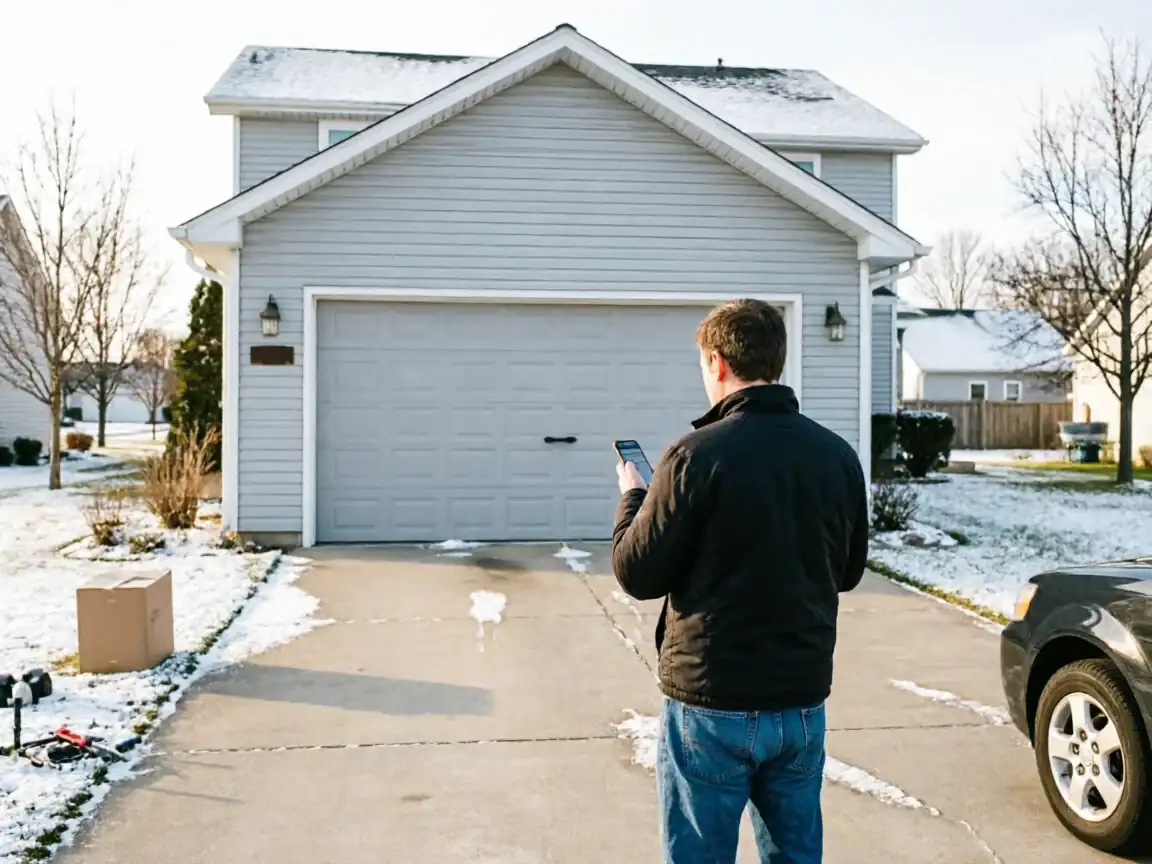
A man stands in a snowy driveway, looking at his phone in front of a garage.

Tell us what’s wrong

Describe the symptom - won’t open, loud bang, opener runs but the door won’t move.

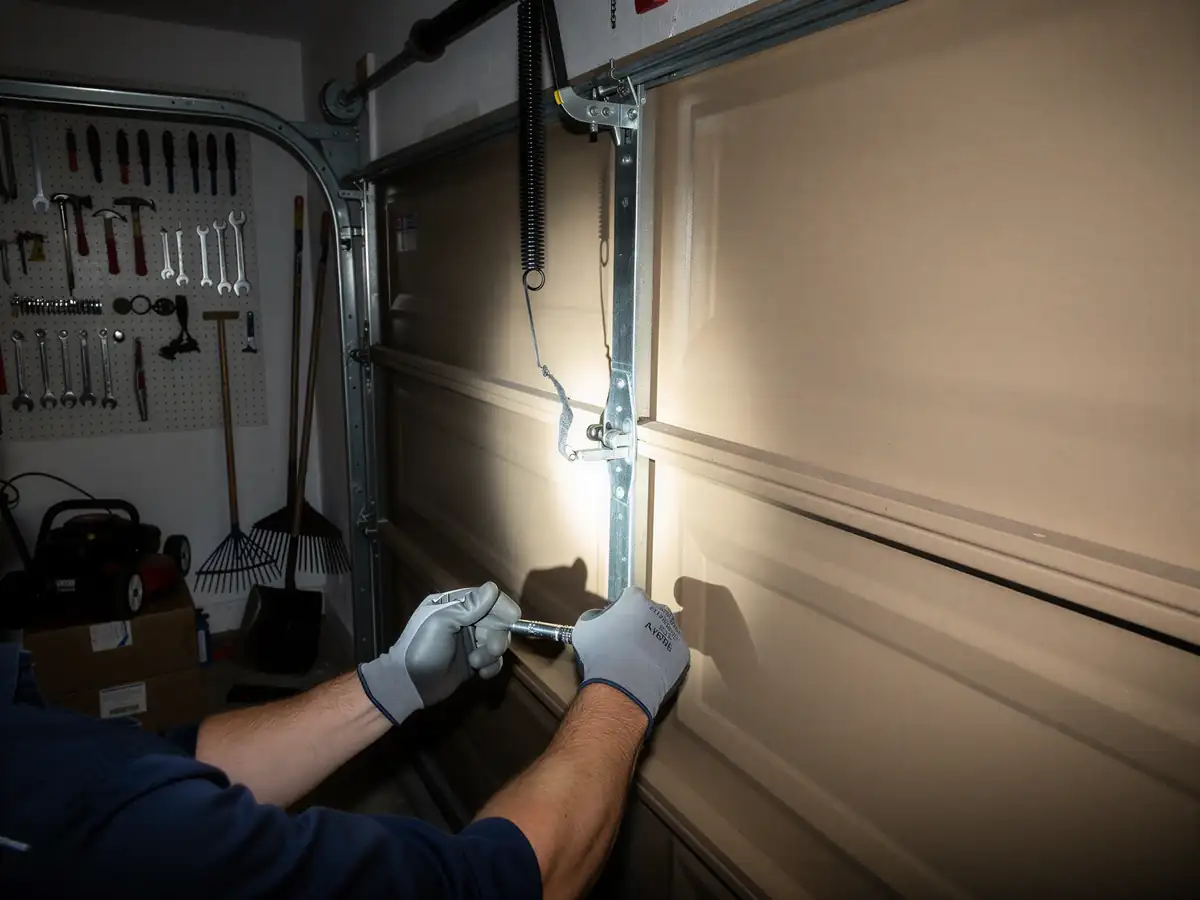
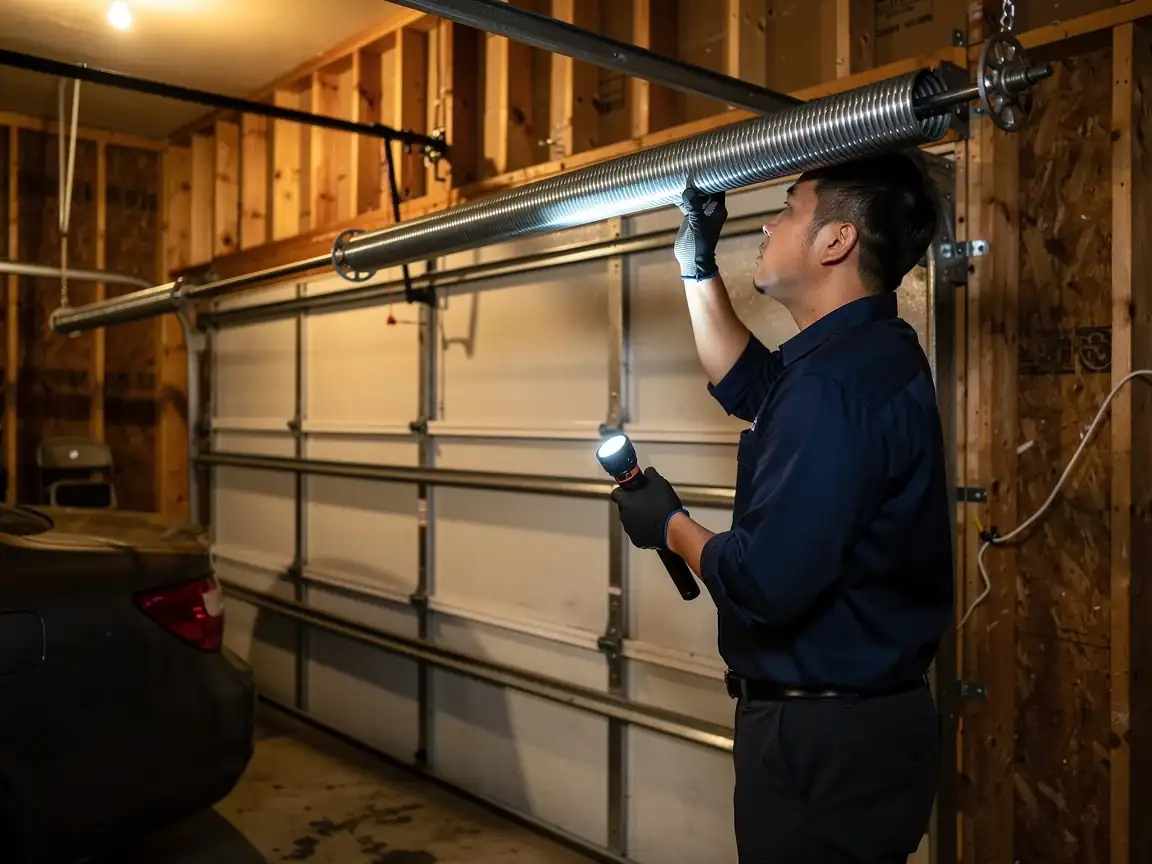
A technician with a flashlight inspects a garage door torsion spring.

On-site diagnosis

A technician tests the door under power and by hand and finds what actually failed.

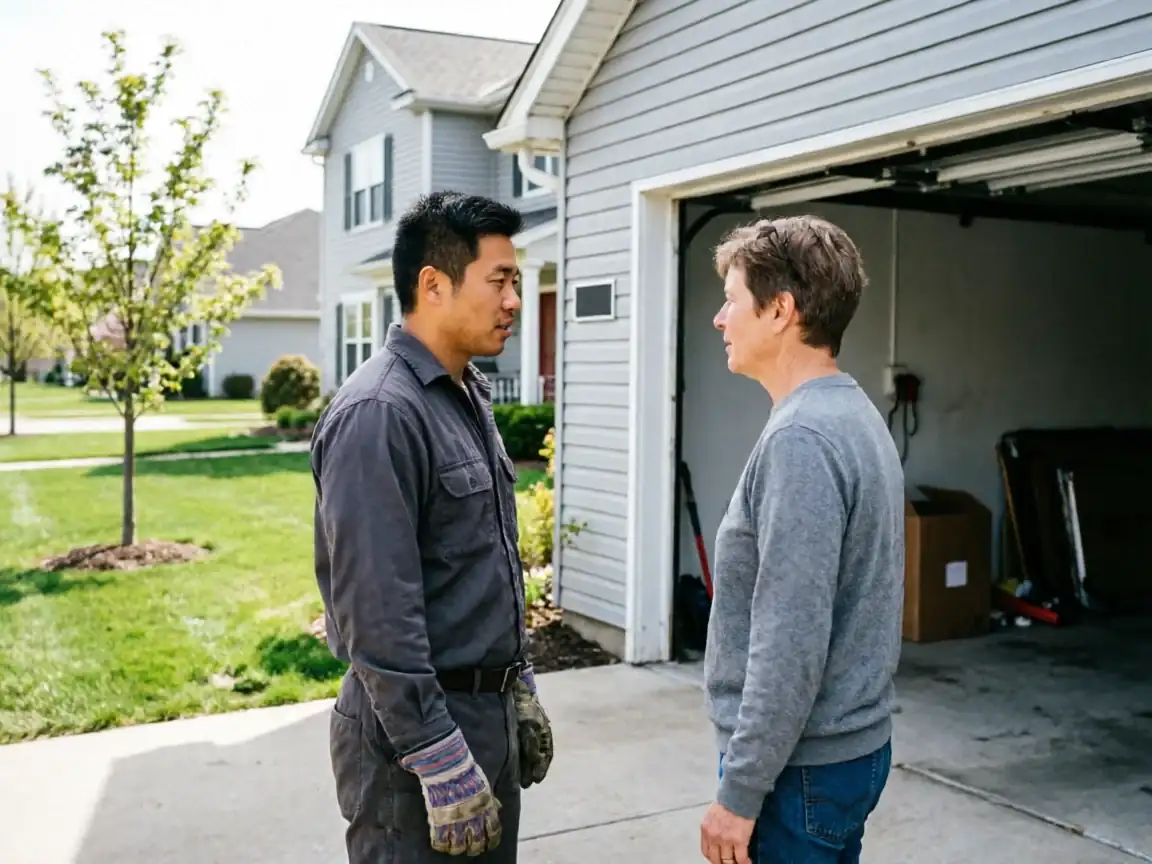
A technician in a gray uniform talks to a woman in front of a garage.

Clear, up-front plan

You get the fix that’s needed and what drives the cost - before any work starts.

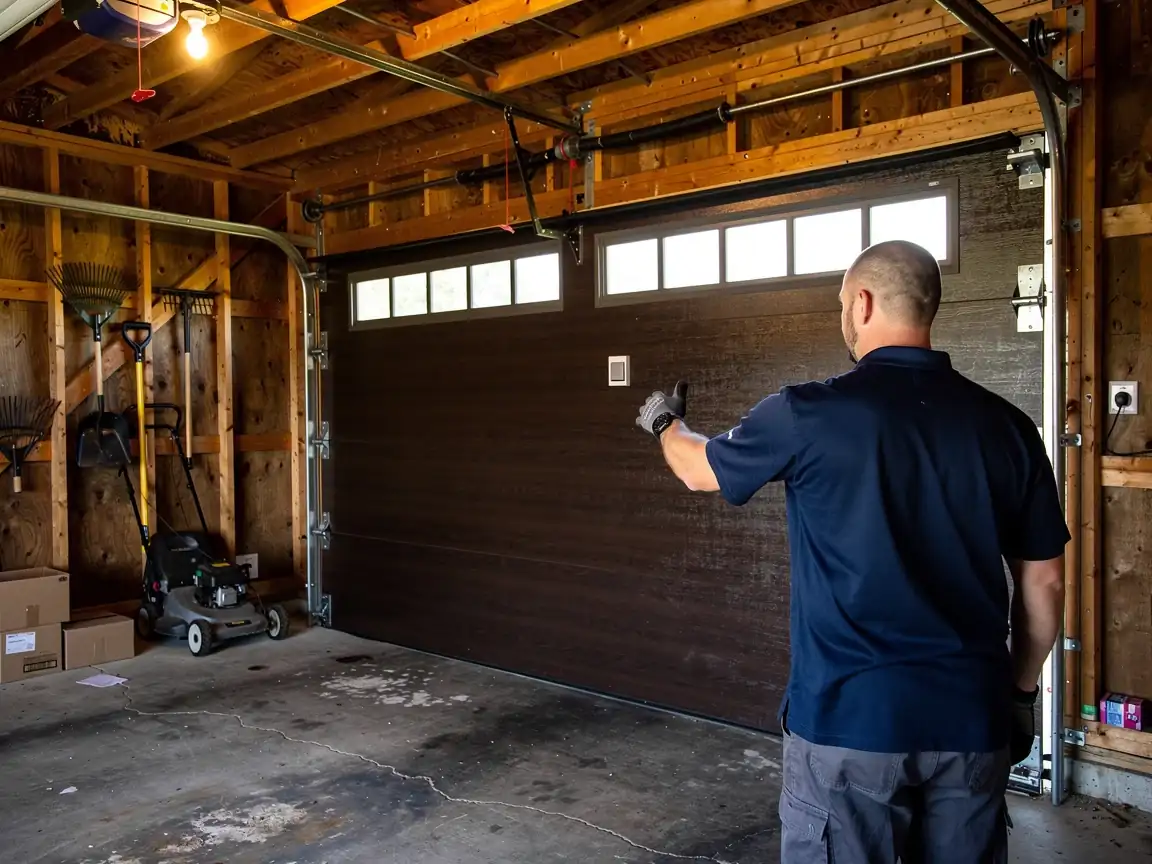
A technician gives a thumbs up to a brown garage door with windows.

Repaired & tested

The repair is done, the door is set true and tested, and the work area left clean.

Not sure which repair your door needs in Waterford, MI? Describe what it’s doing - every job starts with a diagnosis.

How we work

What to expect

  • Diagnosis firstEvery visit starts by finding what actually failed - not a pre-written parts list.
  • The right part for the doorSprings and openers matched to the door’s weight and age, so the fix holds up.
  • Straight answersWhen a repair makes more sense than a replacement - or the reverse - you hear it plainly.
  • Clean, careful workTension released safely, hardware set true, the door tested under power before we leave.
What we do

Garage Door Services

Repair and installation work for Waterford homes and businesses.

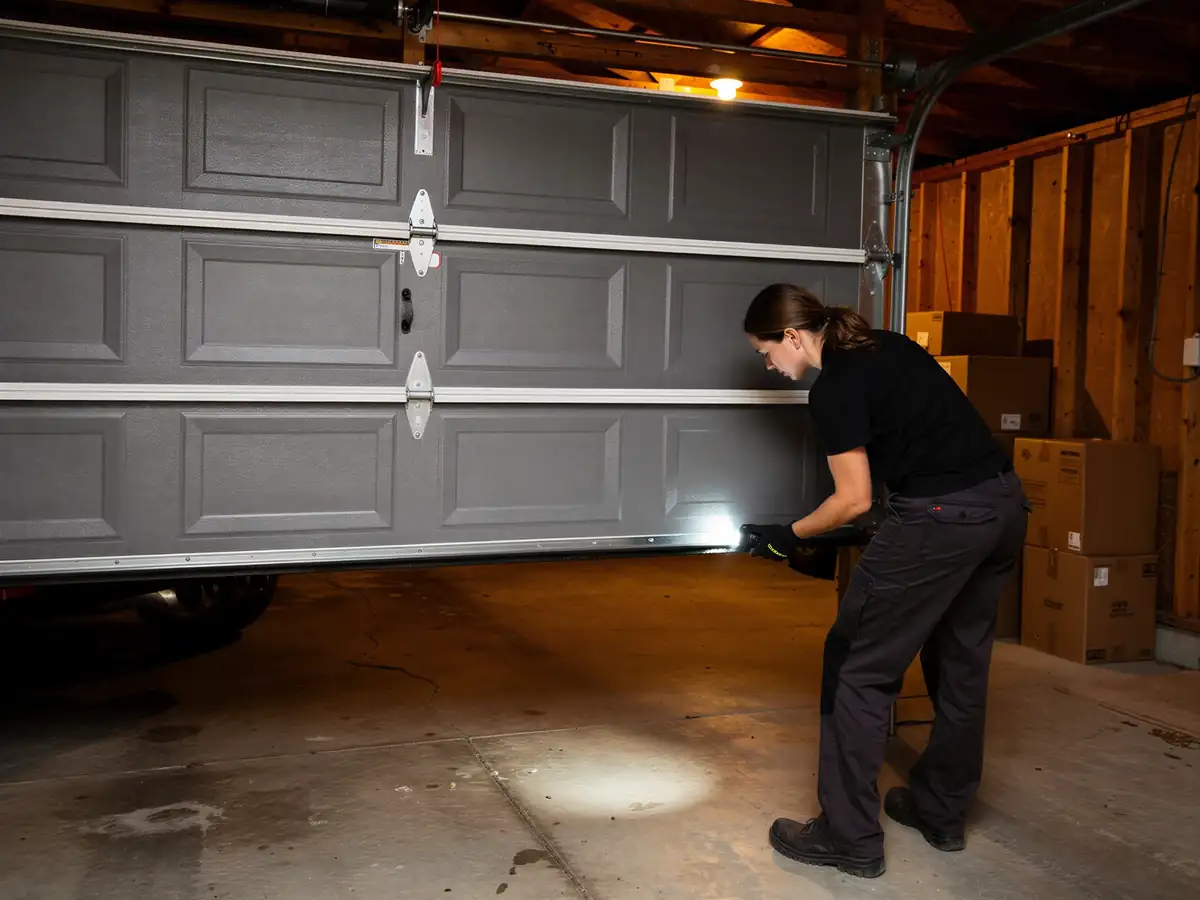
A technician shines a flashlight on the bottom of a gray garage door.

Garage Door Repair

Torsion springs on 1960s-70s Waterford homes fail from age and cold-severe winters. Local repair for broken springs, stuck doors, and worn rollers.

Learn more
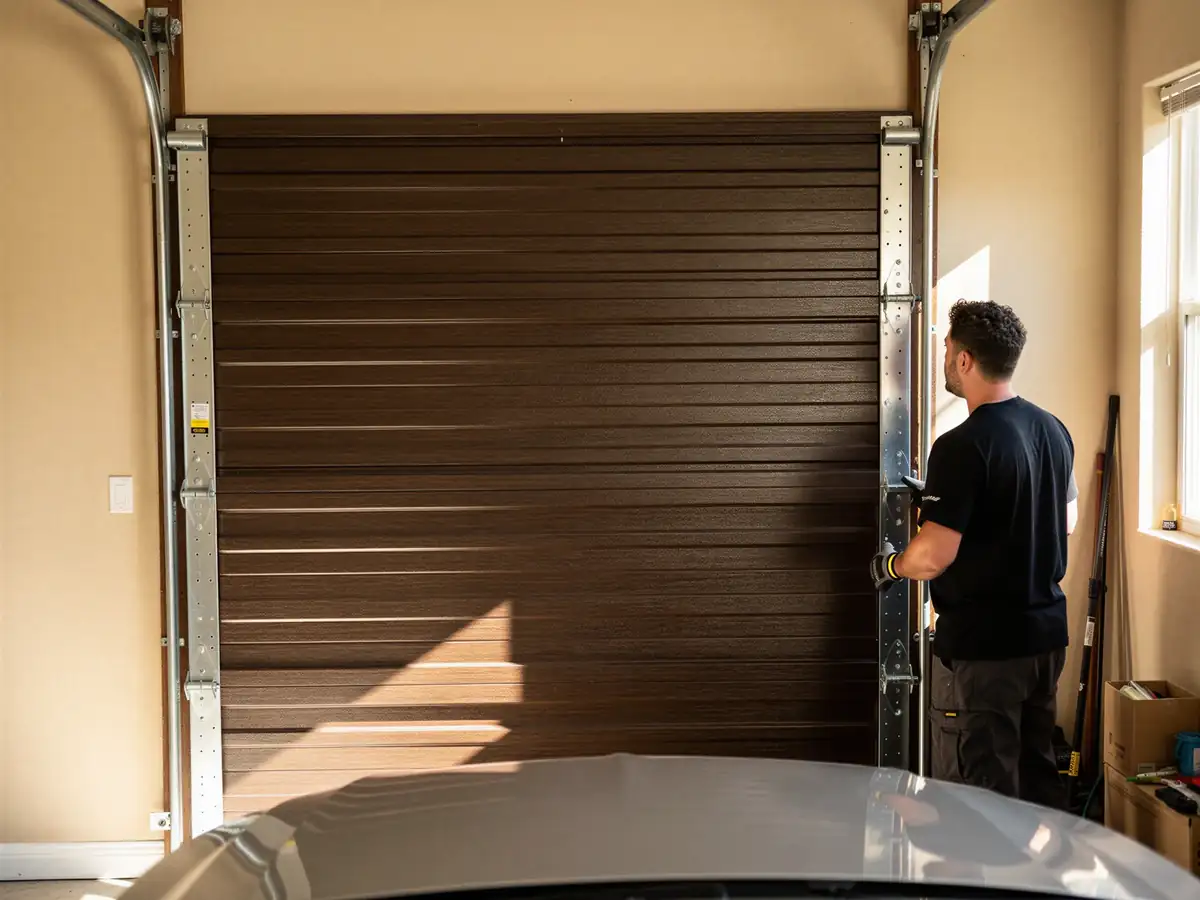
A technician stands next to a closed brown garage door.

Garage Door Installation

Garage door installation sized for Waterford, MI homes built mostly 1949-1993, matched to original rough openings and rated for Michigan's severe cold winters.

Learn more
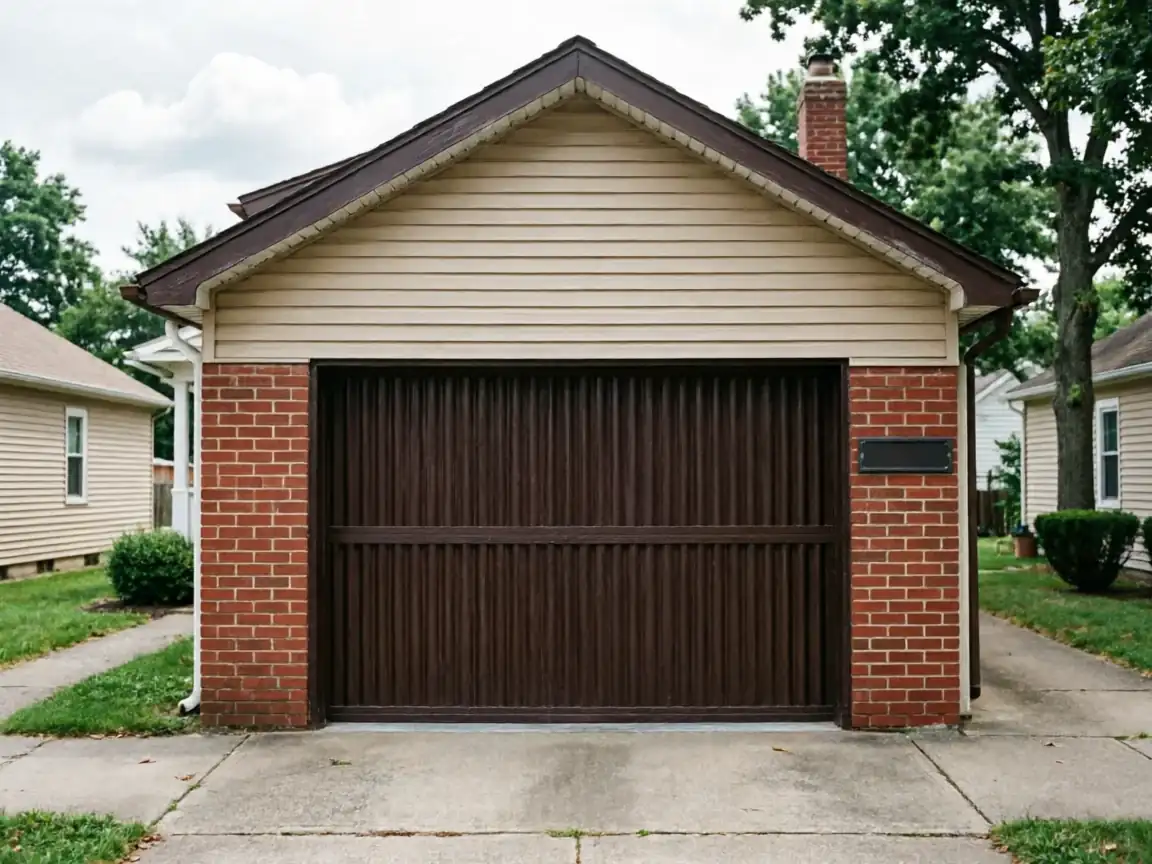
A brown garage door is on a brick and tan siding garage.

Garage Door Service

Waterford homes built between 1949 and 1993 carry original torsion hardware that fights the cold. Here's why springs and openers fail here, and how we fix them right.

Learn more
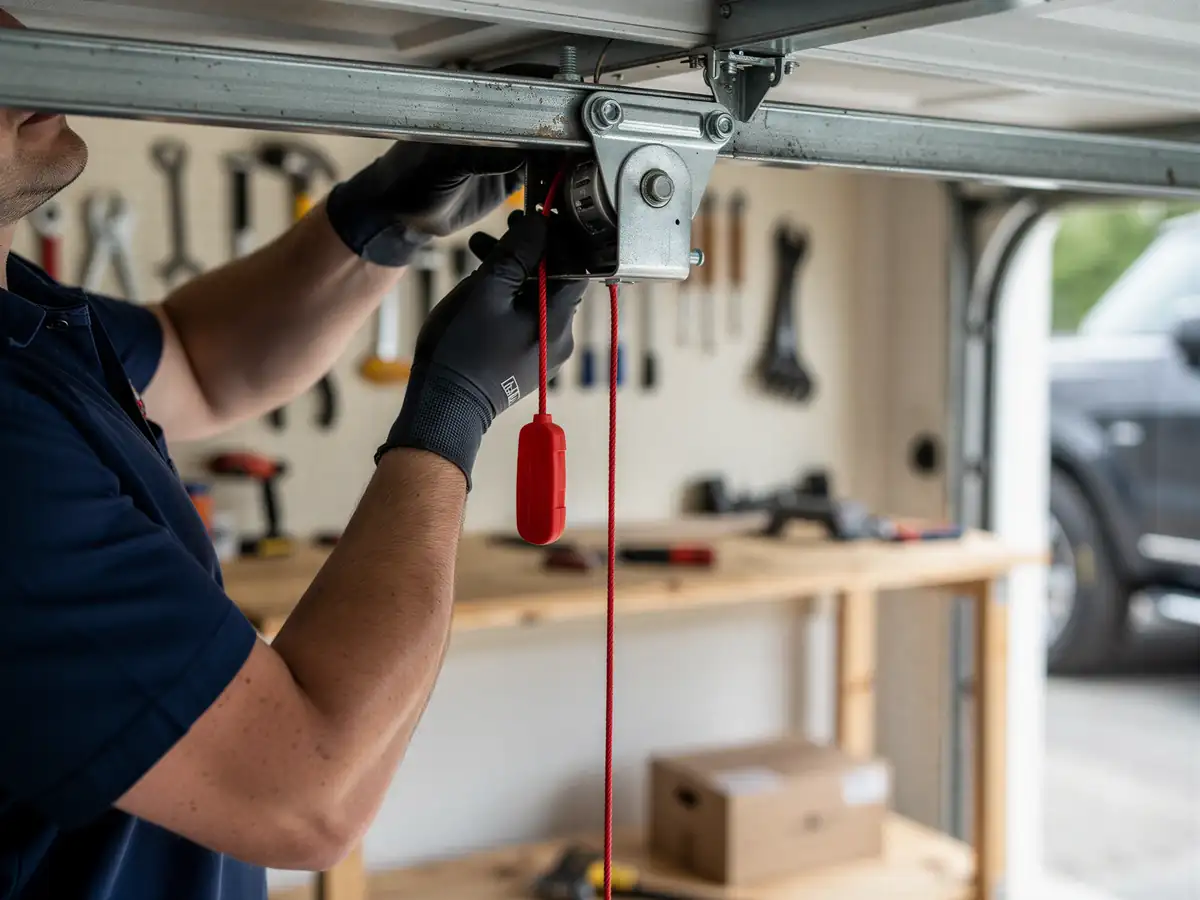
A technician in gloves adjusts the red emergency release cord on a garage door opener.

Opener Repair

Waterford houses built mostly from 1949 to 1993 put real strain on garage door openers once winter sets in. We diagnose and repair openers across the service area.

Learn more
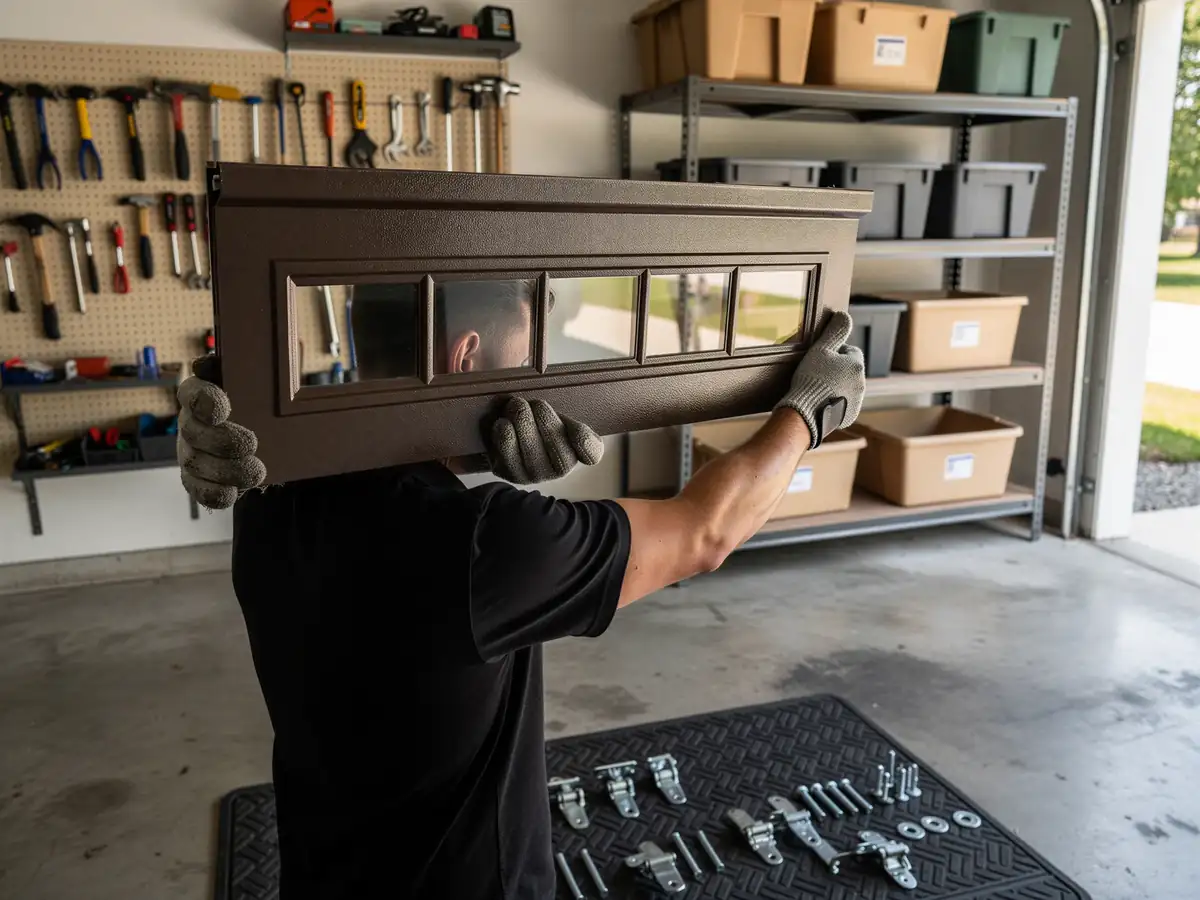
A technician holds a brown garage door panel with windows in a garage.

Panel Replacement

Dented or cracked garage door panels are common on Waterford's 1949-1993 housing stock. We match panels and replace what's actually broken, not the whole door.

Learn more
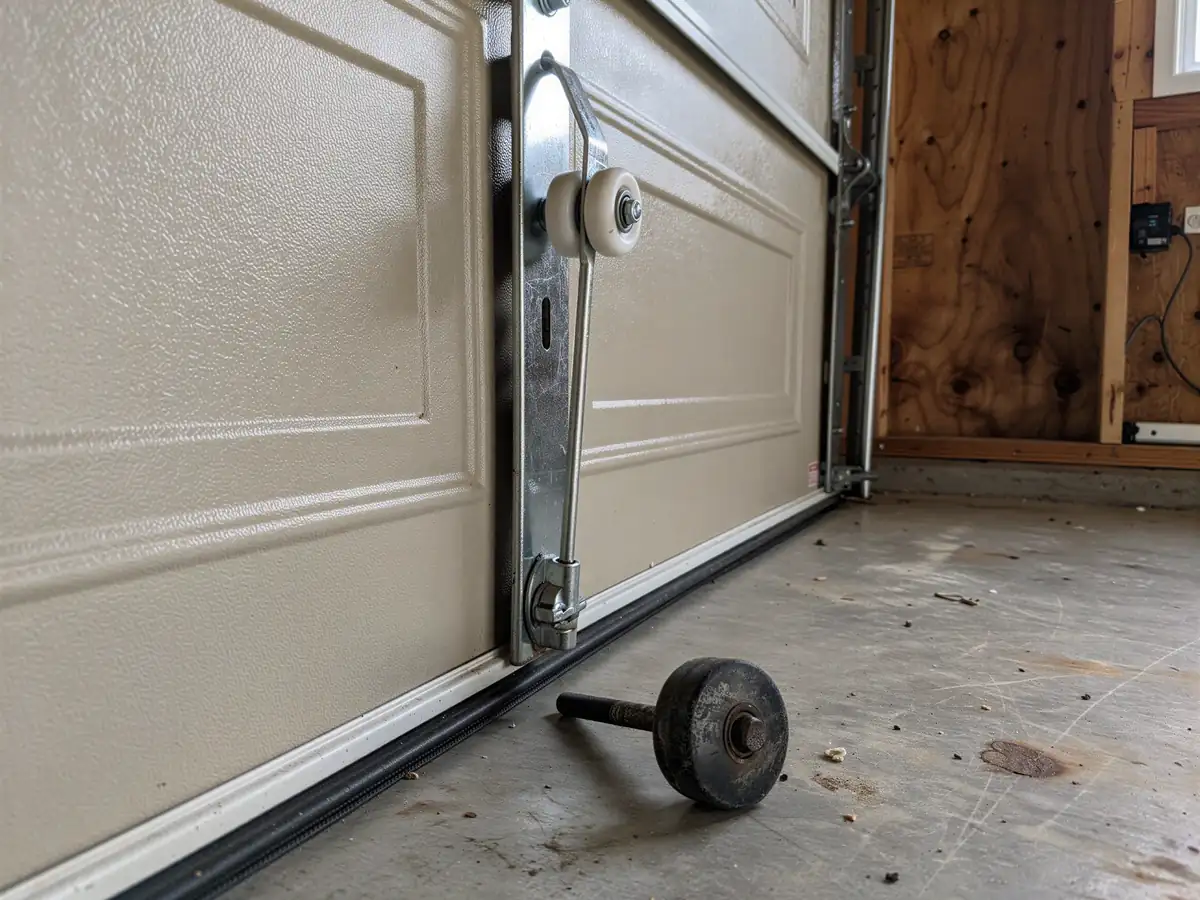
A garage door with a detached roller on the concrete floor.

Roller Replacement

Rollers failing on a house built in the 70s? Waterford's housing stock and cold winters wear out steel and nylon rollers fast. Here's why, and how we fix it right.

Learn more
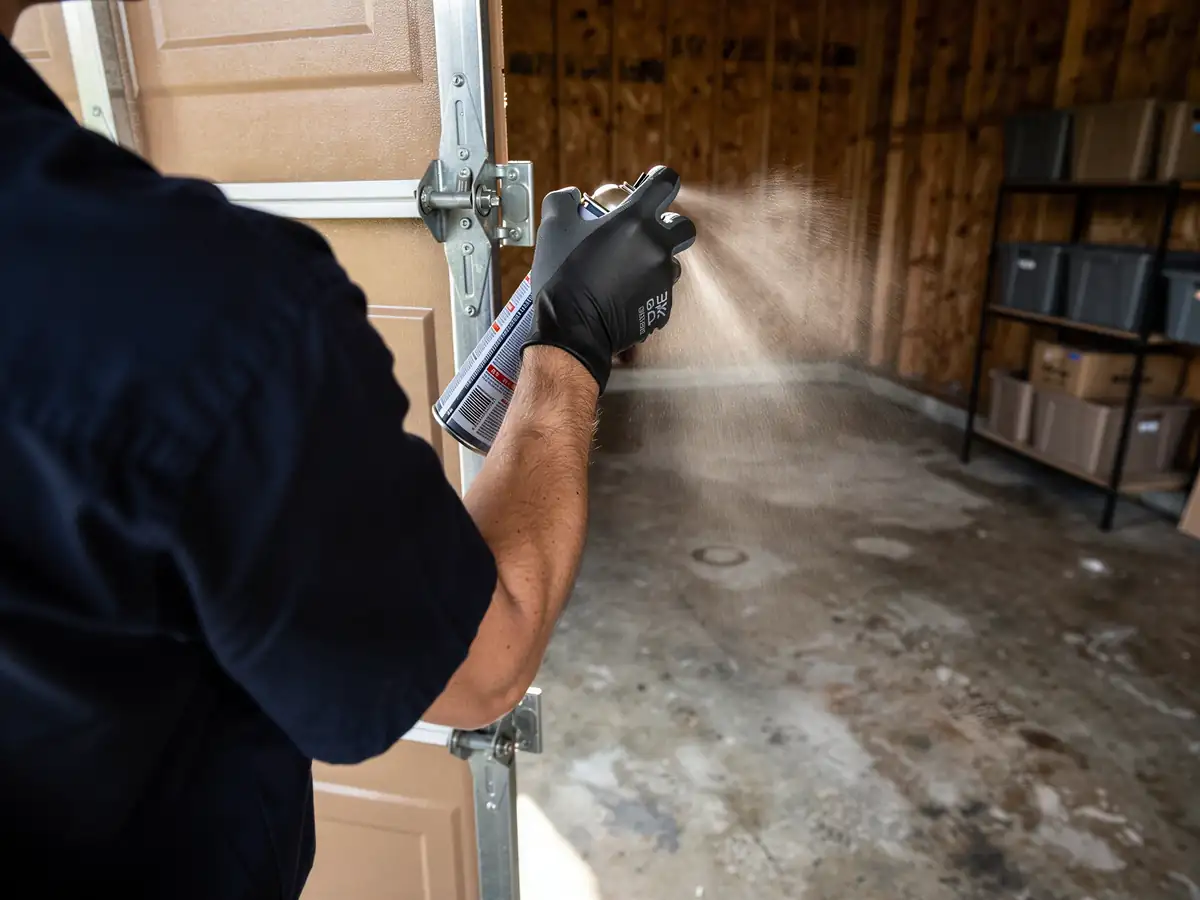
A technician sprays lubricant on a garage door hinge.

Maintenance

Waterford homes built 1949-1993 carry original hardware into Michigan winters. Seasonal maintenance tuned to that housing stock and our cold climate, from Clarkston to Pontiac.

Learn more
A technician in gloves repairs a beige garage door with a tool.

Emergency Garage Door Repair

Broken spring or dead opener in Waterford? We explain why this area's 1960s-70s housing stock and cold winters push doors to fail, and how we fix it fast.

Learn more
Questions

Frequently asked

Straight answers about garage door repair in Waterford. Still unsure? Ask us directly.

Why did my spring break on the coldest morning of the year?

Cold steel loses some give, and a spring that's been weakening gradually tends to finally snap when temperatures drop hard. If your door has felt heavier or noisier for a while, the cold didn't cause the problem, it just picked the day. This is common enough in Waterford's winters that we see a clear uptick in spring calls after the first real freeze.

Will a new opener fix my old garage door?

Not if the spring or track underneath it is worn. An opener strains against whatever hardware it's connected to, so putting a new motor on a tired 1970s-era spring setup usually means the new opener fails early too. We check the spring and track first and tell you honestly if the opener is actually the problem.

Why can't you just give me a price over the phone?

Because the parts on your door vary a lot depending on when your house was built. A lot of Waterford homes still have original hardware from the 1960s through 1980s, and that hardware isn't always a common size, which changes both labor time and part cost. We price it after a tech sees what's actually there.

Ready to get your garage door sorted?

Tell us what it’s doing and where you are in Waterford - we’ll take it from there.

Request a QuoteCall