What You Pay
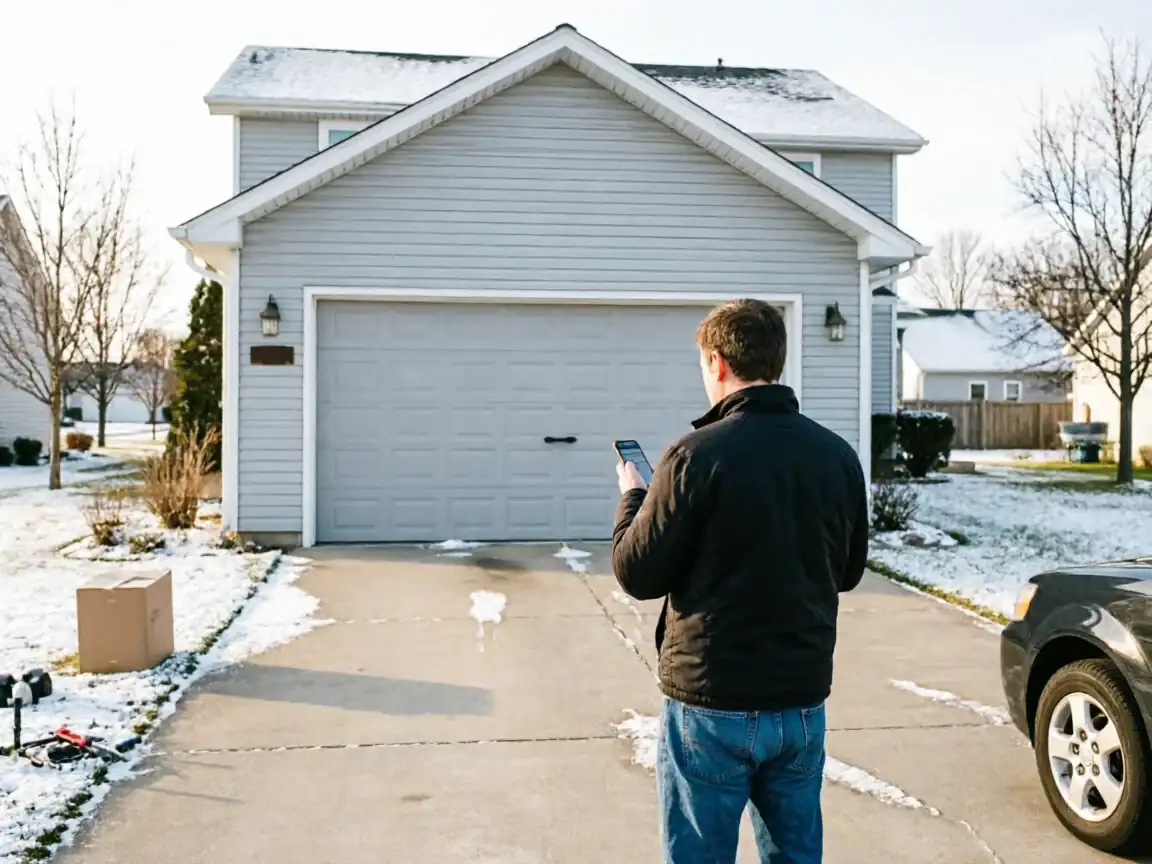
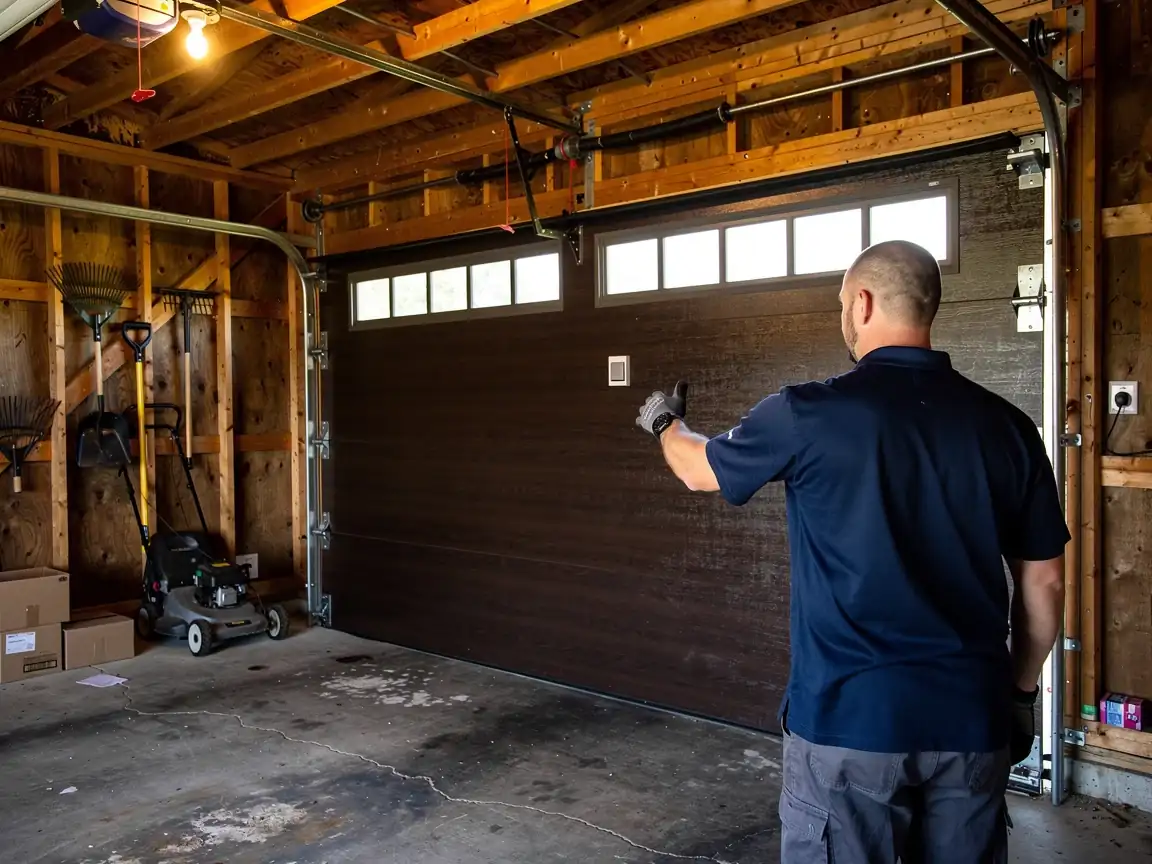
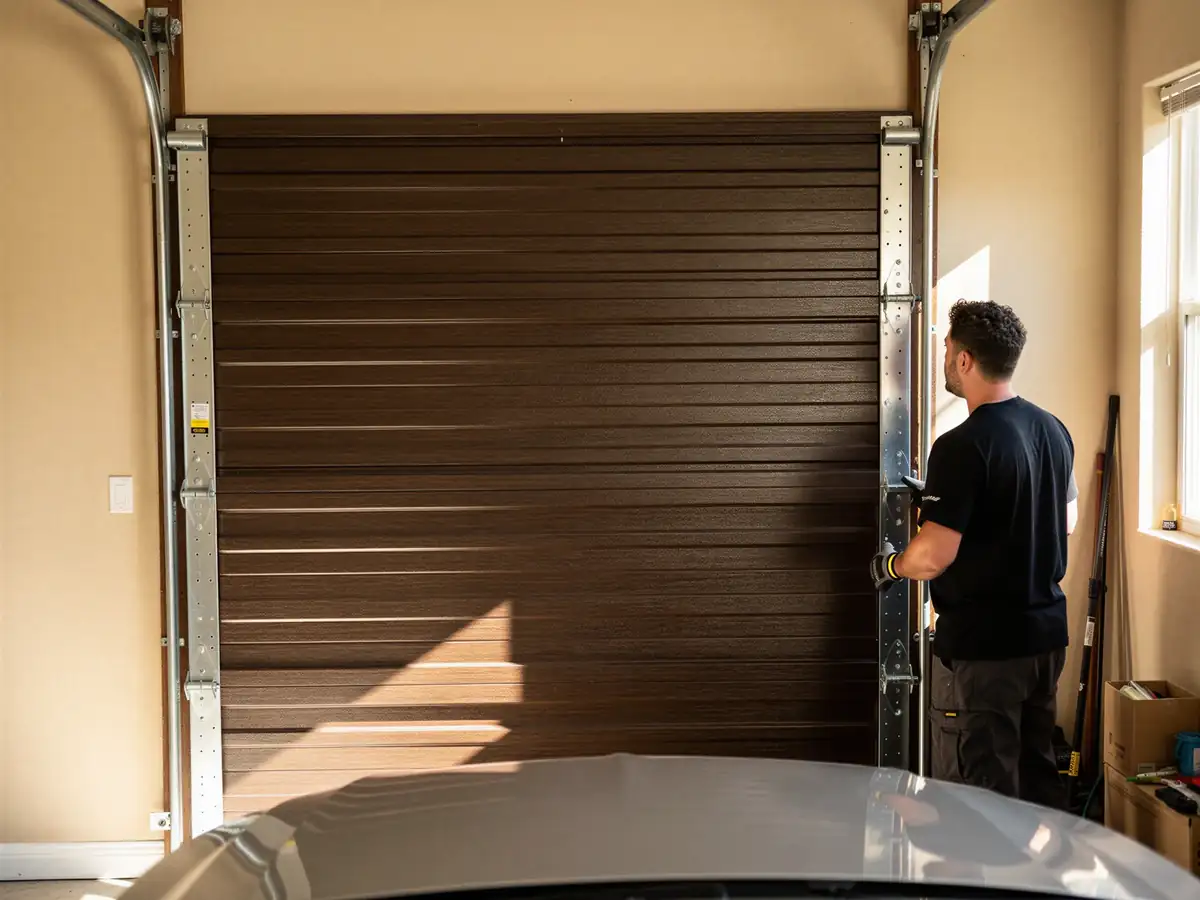
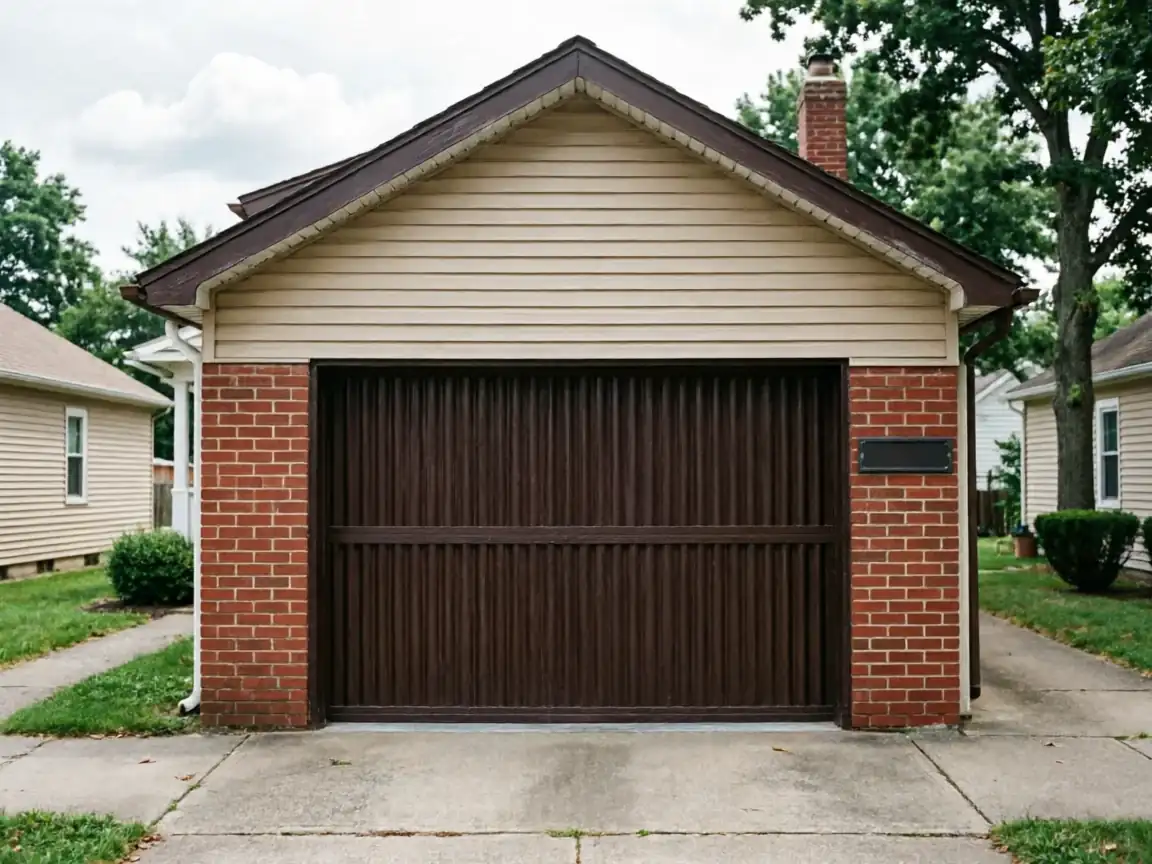
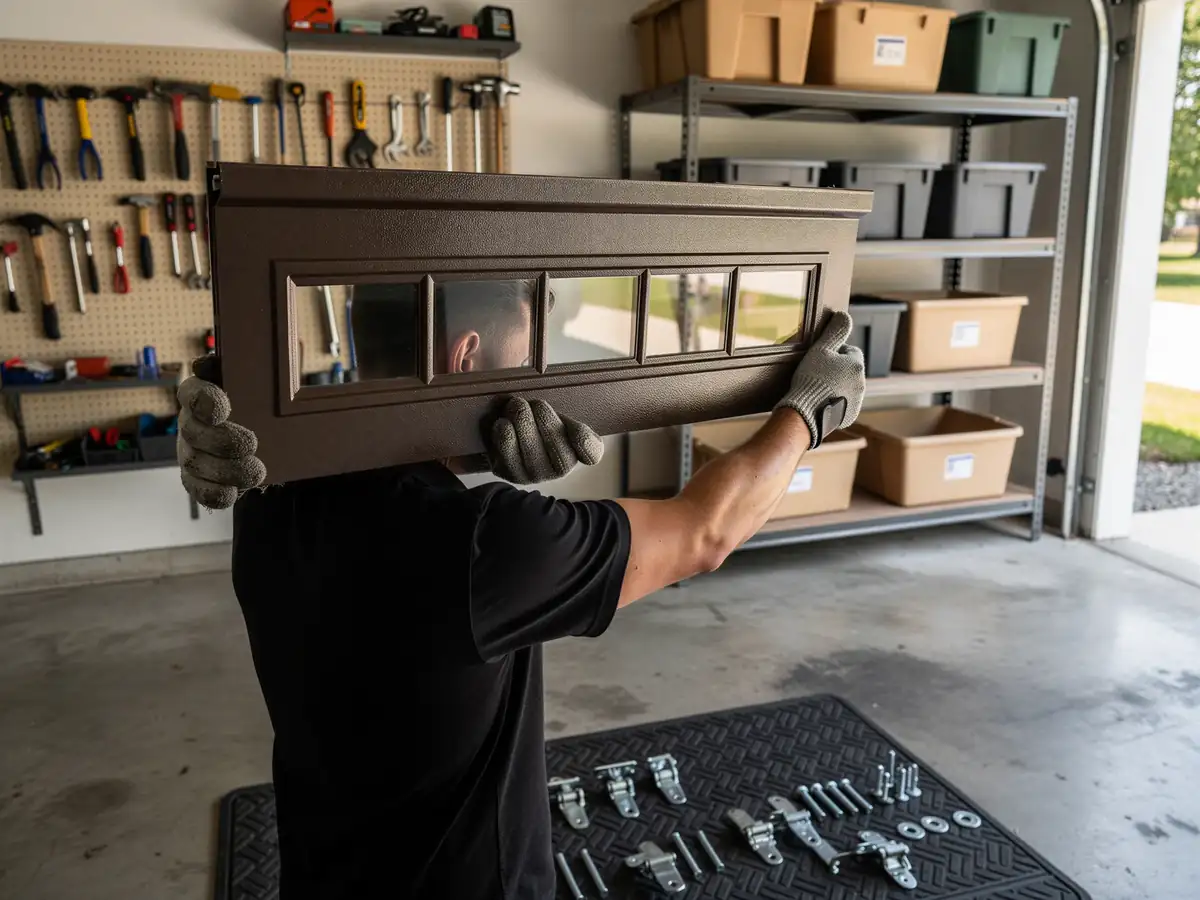
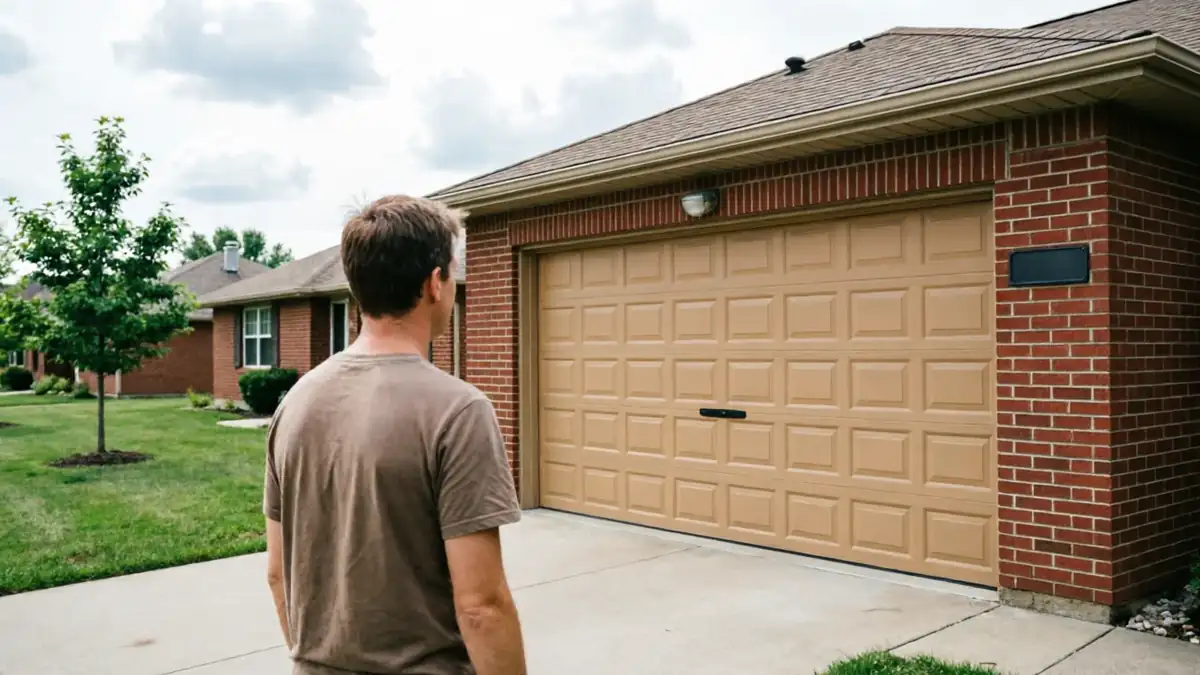
We won't quote a number here, because what you pay depends on what you're replacing, and in Waterford that varies more than people expect. Housing in this area went up mostly between 1949 and 1993, with the median build year around 1973, and most of that stock across the 32 named areas here dates to the 1960s and 70s. A door bought for one of those houses is often a single-layer steel panel on a track built for a lighter door than what's sold today. Swapping it for a modern insulated door usually means new track, new springs sized for the heavier panel, and sometimes reinforcing the opening itself if the frame has settled over fifty-plus years. That's labor and hardware most homeowners don't budget for when they're pricing "a door." On the other end, some newer builds in the area already have standard openings and current hardware, so the job is closer to a straight swap. With median household income in the service area at $102,333 across 127,814 households, we see people making this call carefully rather than defaulting to the cheapest option, and that's usually the right instinct given the age of what's underneath.
What Local Conditions Do
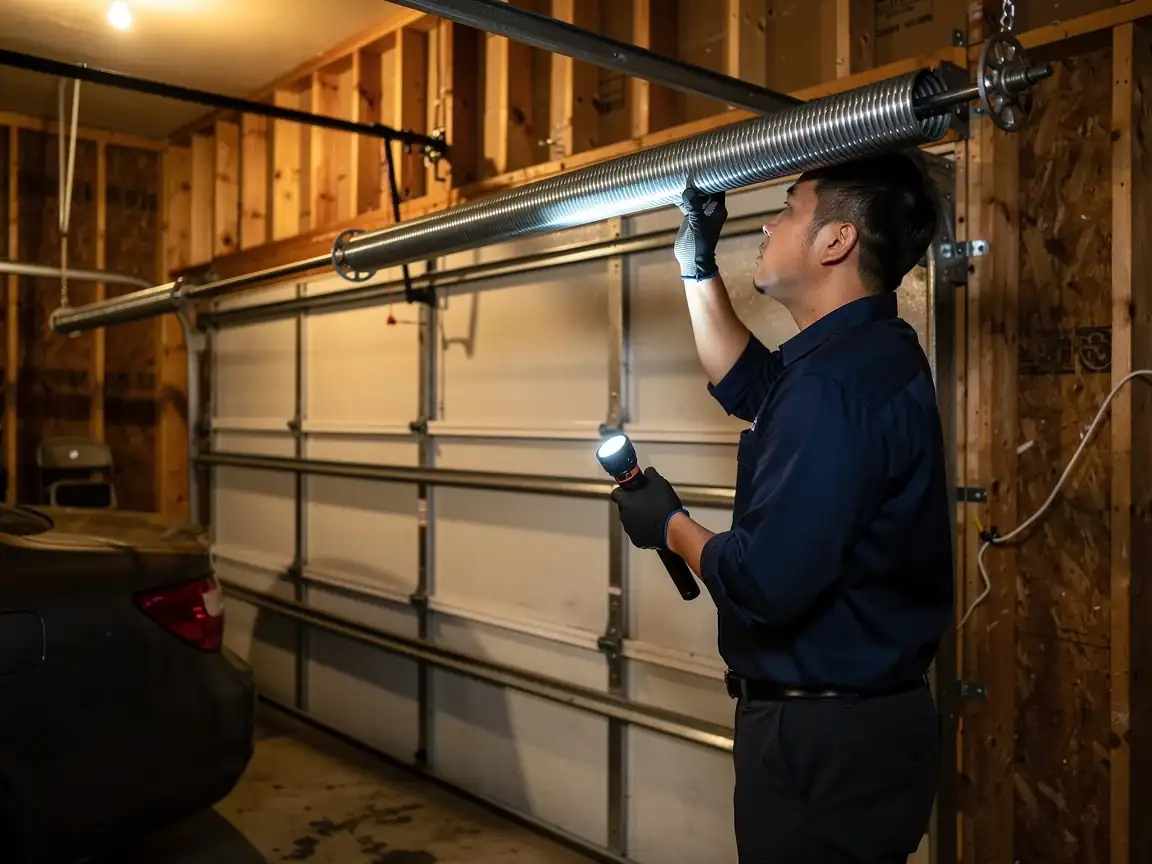
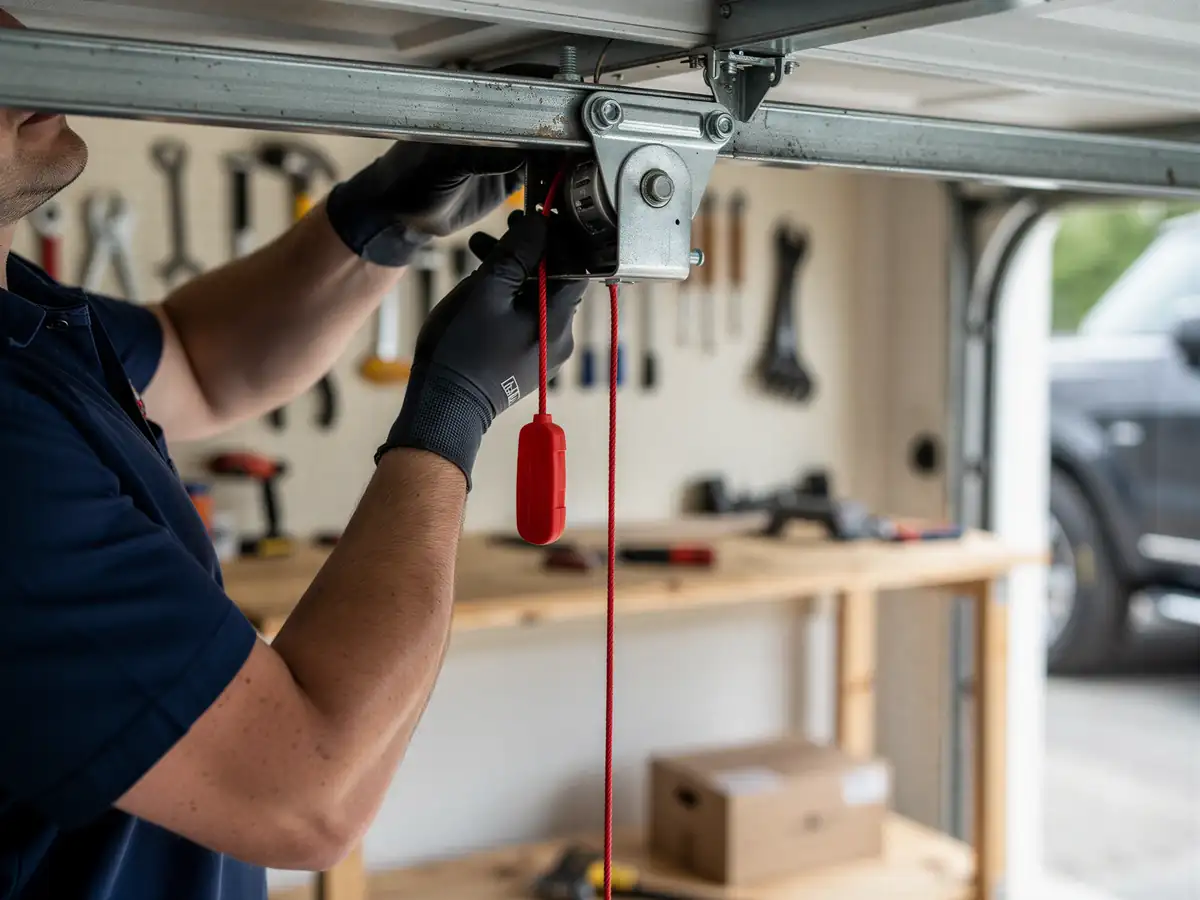
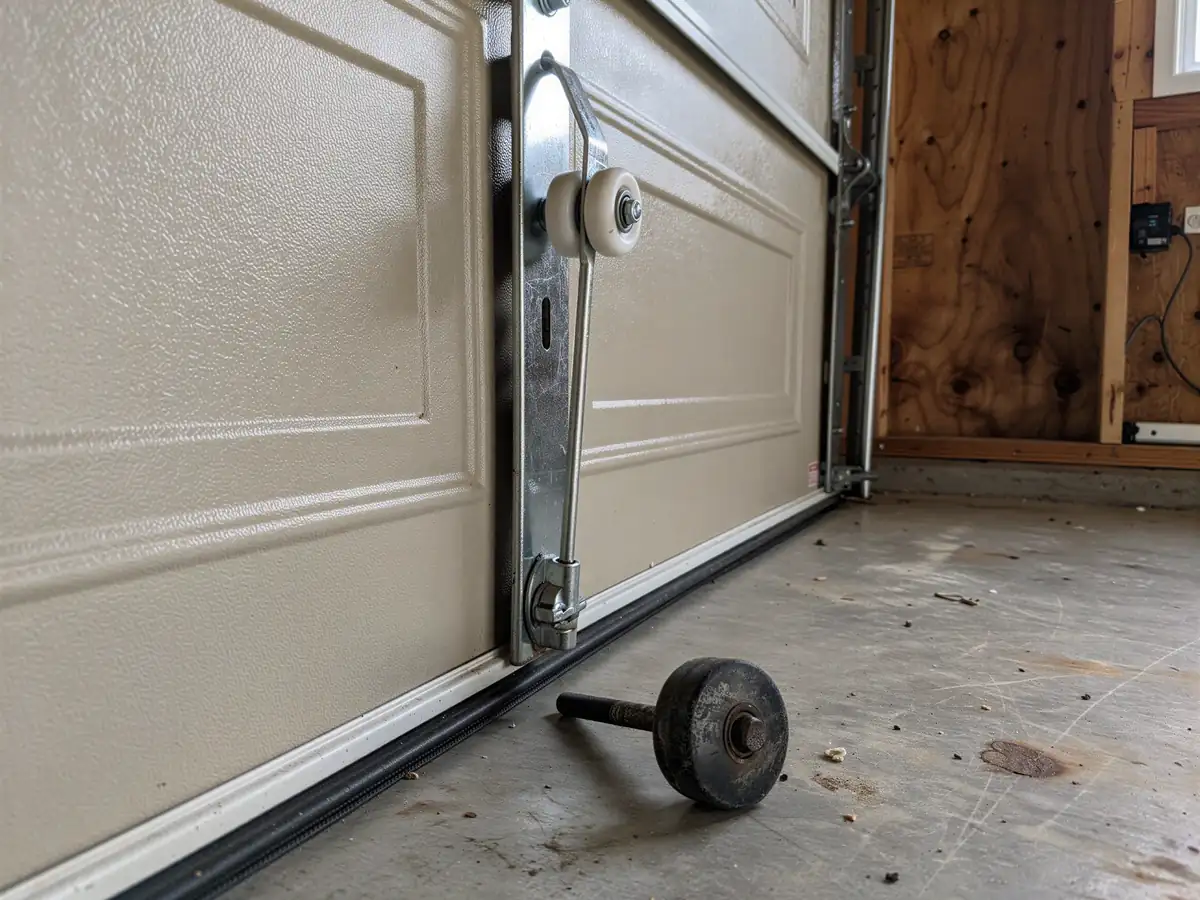
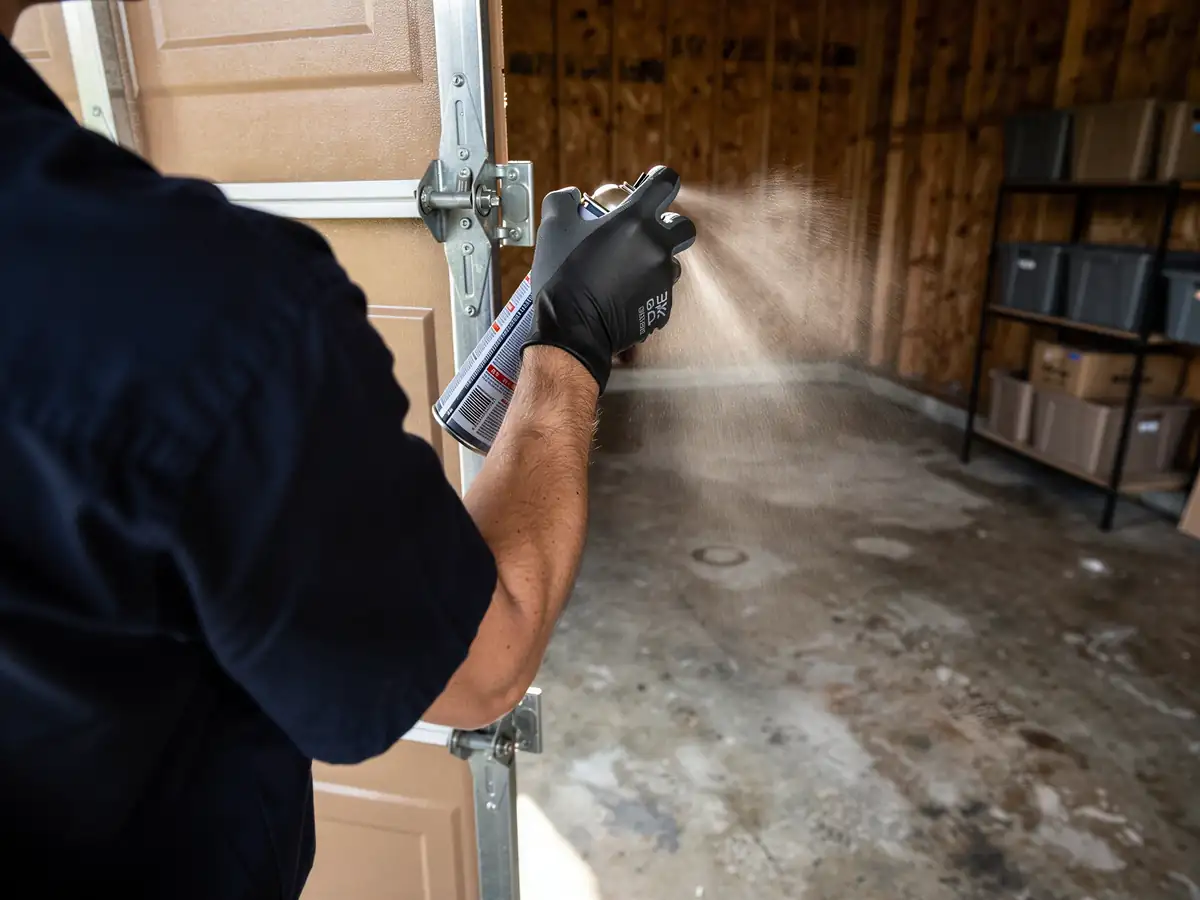
Waterford sits in a cold-severe climate band, and that matters more for a garage door than most people think. Cold doesn't just mean the door feels stiff in January. Steel contracts, lubricant thickens, and torsion springs lose a bit of tension as temperatures drop, which is why a door that worked fine in October starts binding or sagging on one side by February. On a door original to a 1960s or 70s build, that cycle has repeated for decades, and the hardware shows it. Rollers wear oval instead of round, track brackets loosen from repeated contraction and expansion, and weatherstripping that was never replaced lets cold air sit against the opener's electronics. None of this is dramatic on its own, but it adds up to doors that fail in the cold snap rather than in July. If you're buying new, this is the argument for insulated panels and a cold-rated opener, not because it's trendy, but because the climate here actually does the stress-testing for you.
What Is Going On
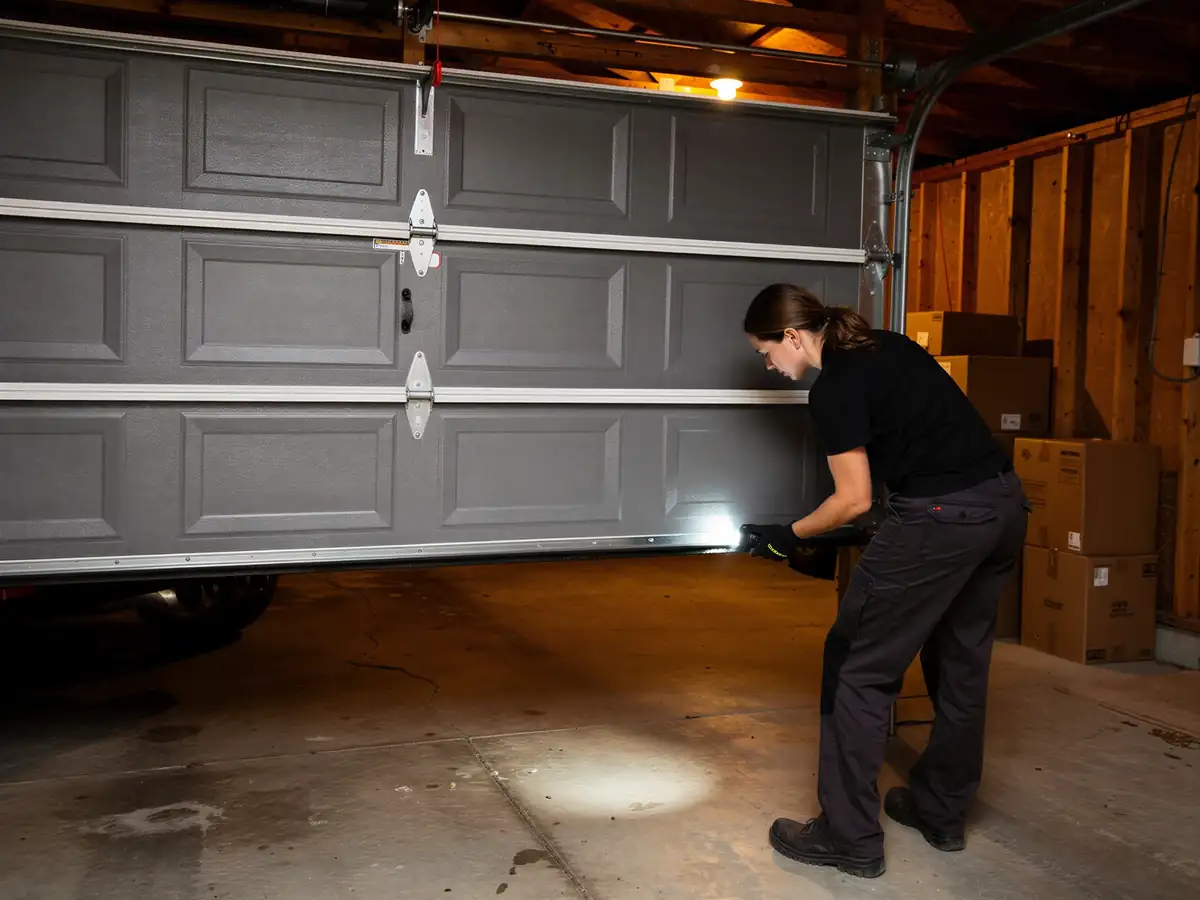
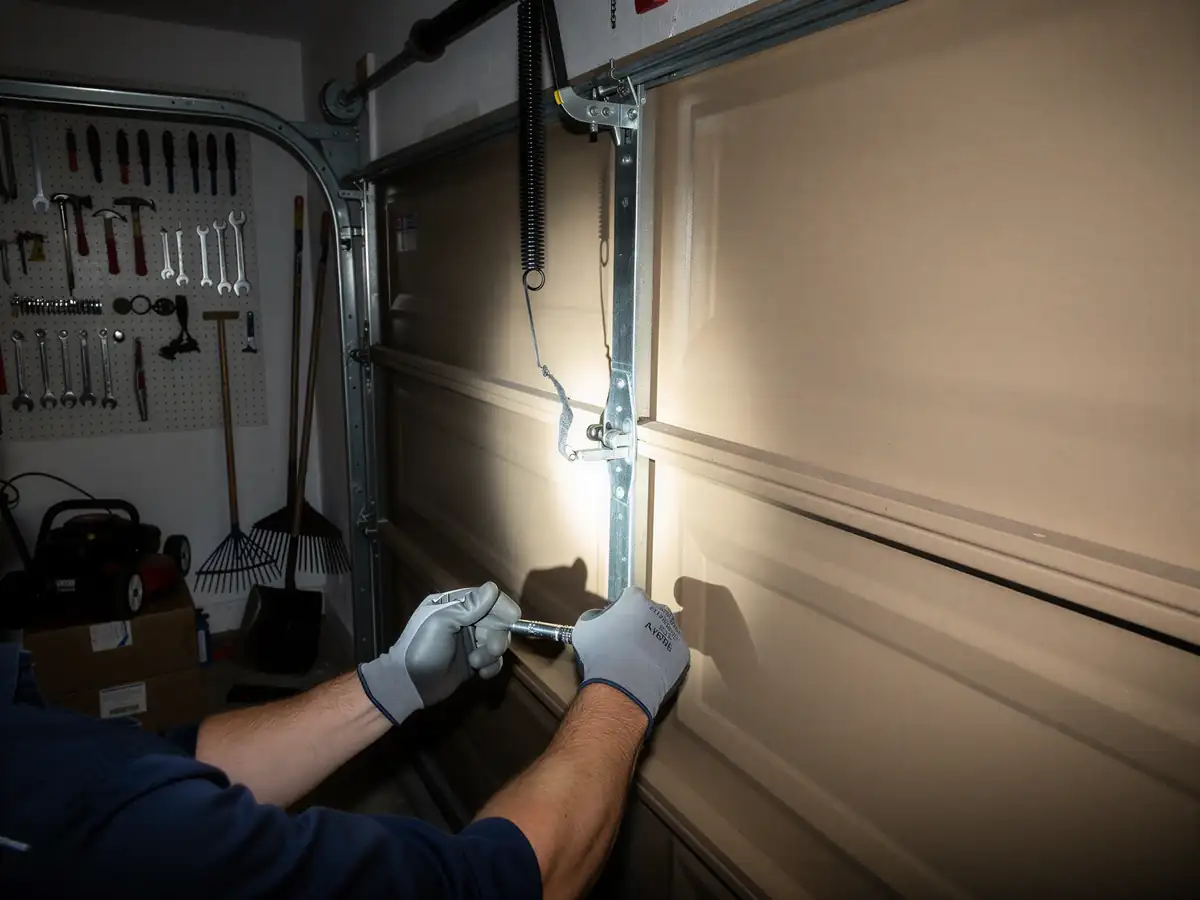
Across the area, from the Village of Clarkston a few miles out to Pontiac and Keego Harbor nearby, we're seeing the same pattern: houses built in the same twenty-year window hitting the same age-related failures around the same time. That's not a coincidence, it's the 1949-1993 build range catching up all at once. Garage doors don't usually fail gradually and give warning. A torsion spring holds tension until it doesn't, and a track bracket holds until the screws finally strip the wood behind it. With a housing stock this consistent in age, the honest answer for a lot of homeowners calling us isn't a repair, it's a replacement, because the hardware underneath has already outlasted its expected life and a new panel on old springs just delays the real job by a year.