Why It Happens Here
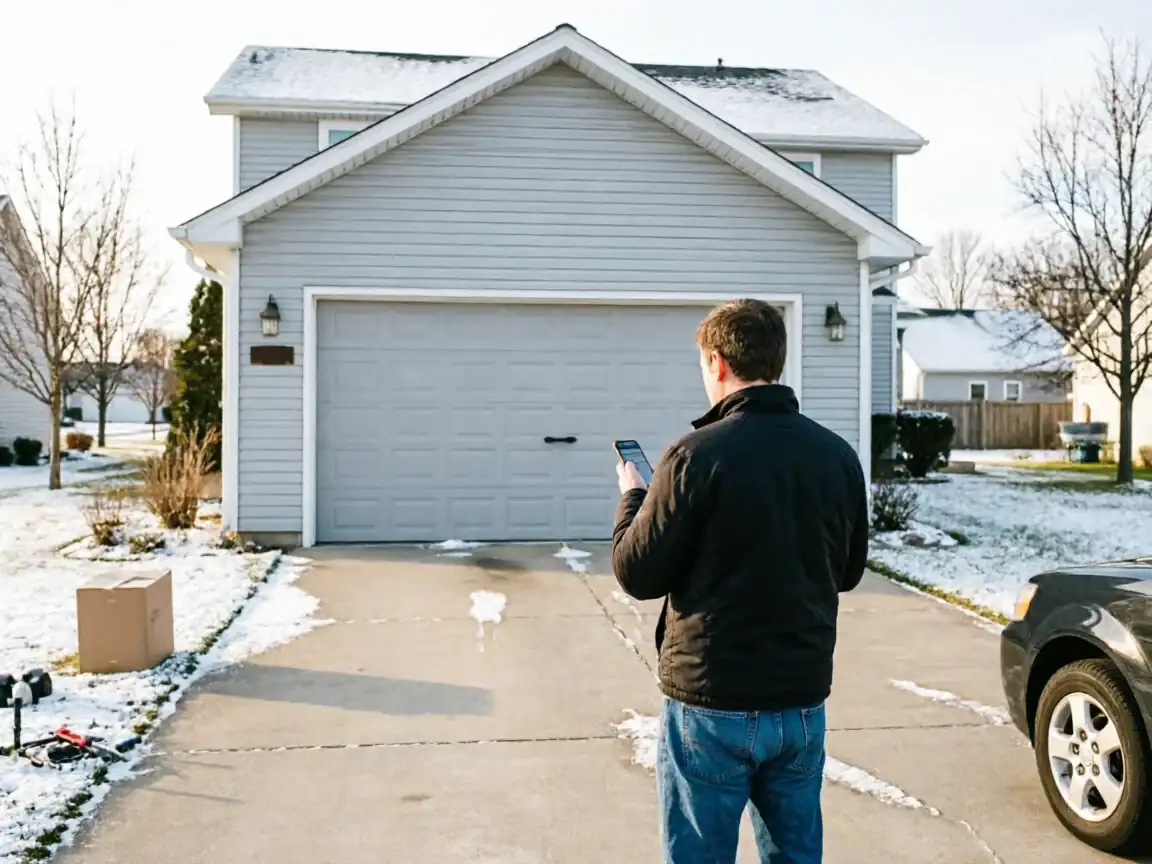
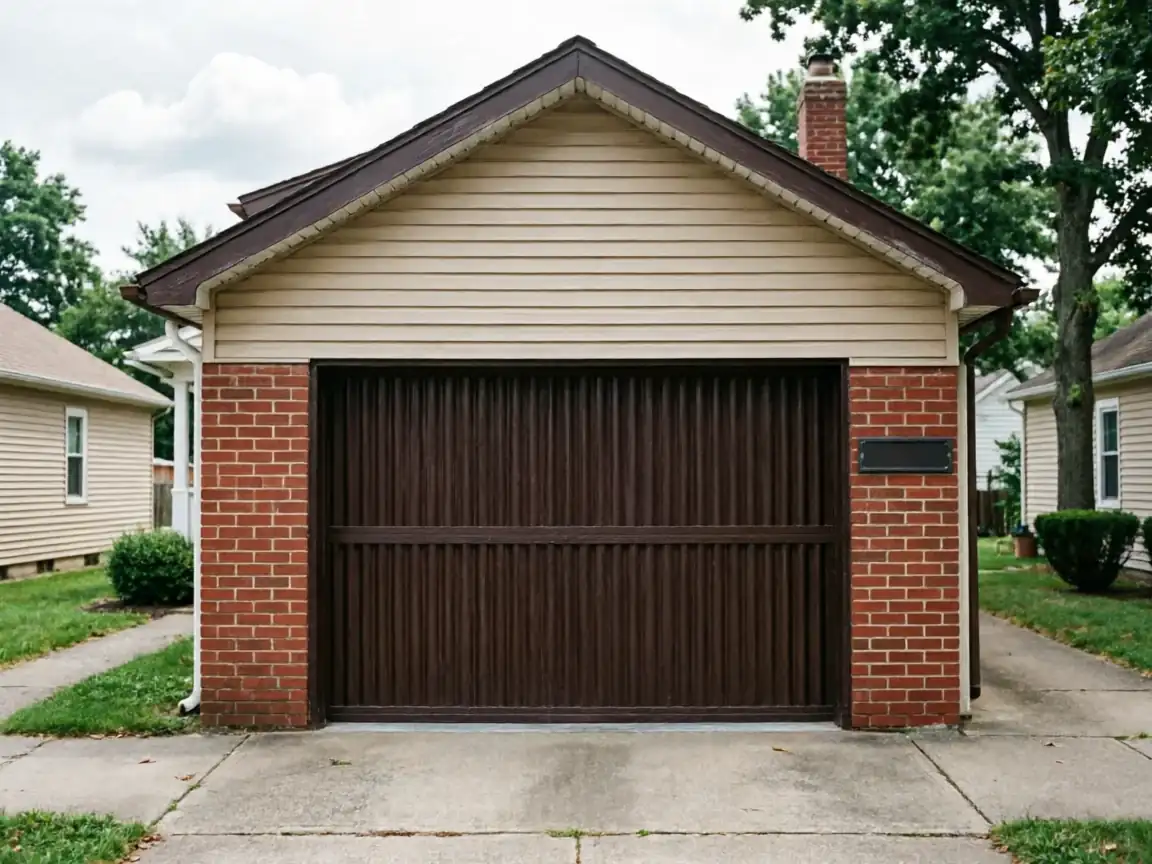
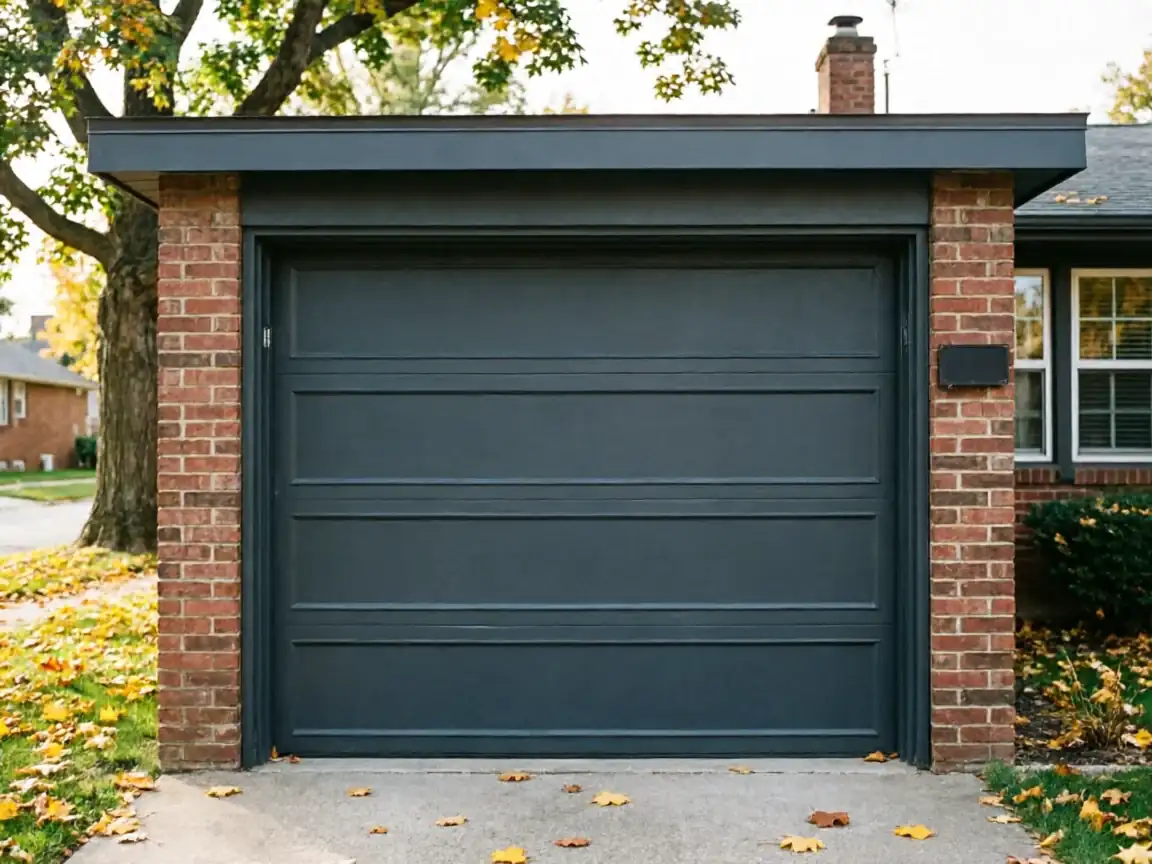
Most houses across Waterford Township's 32 named areas went up between 1949 and 1993, with the median build year sitting around 1973. That means a lot of garages were framed for the doors of that era: narrower rough openings, lighter headers, and jamb depths built around single-layer steel panels, not the thicker insulated sections sold today. The 1960s-70s wave of construction that dominates the township repeats the same framing patterns street after street, so when a door finally gives out, the replacement has to work with an opening that was never meant for it. Layer on a severe cold climate and the problem compounds. A door and header sized for a 1973 build weren't engineered for the freeze-thaw stress, ice buildup on tracks, and brittle hardware that decades of hard Michigan winters put on steel, springs, and seals. Original torsion setups on these older openings often can't take the extra weight of a properly insulated door without resizing the spring and sometimes the header itself. That combination - old framing plus real cold - is why installation here is rarely a straight swap, even when the homeowner just wants
Where This Job Goes Sideways
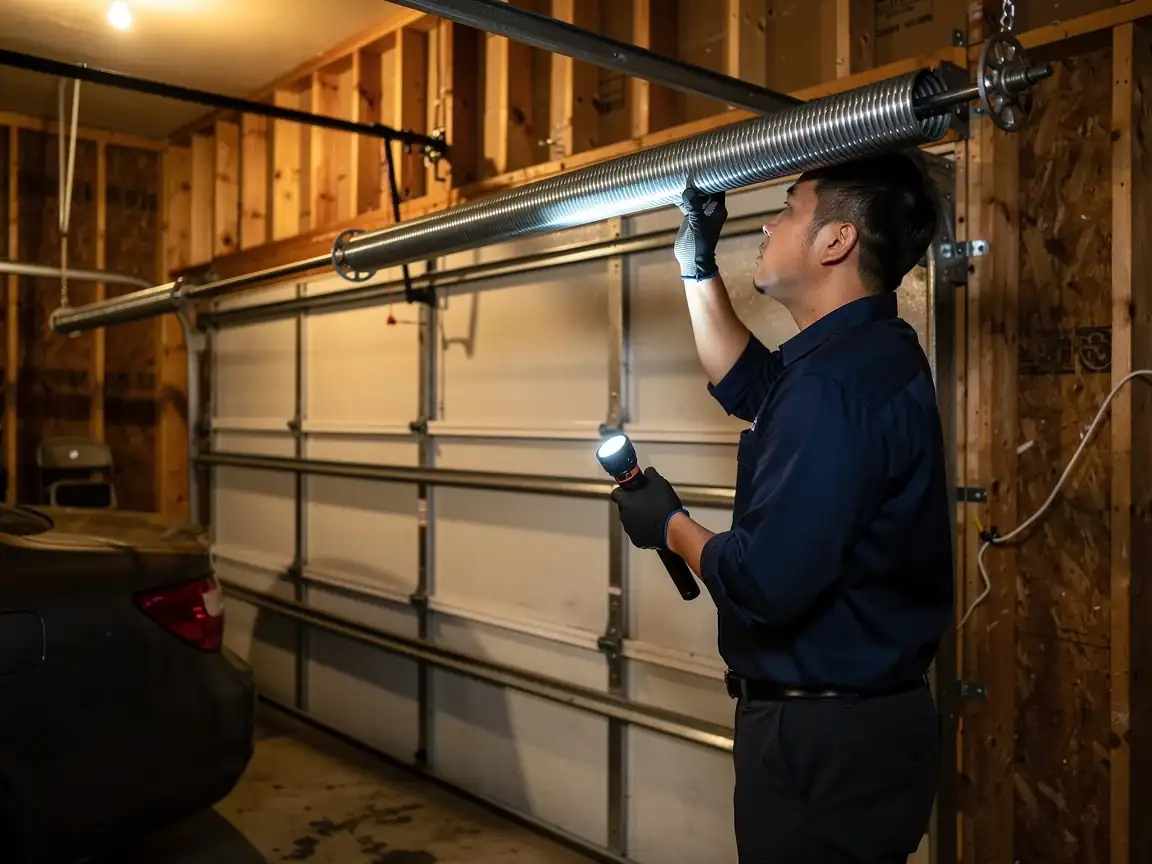
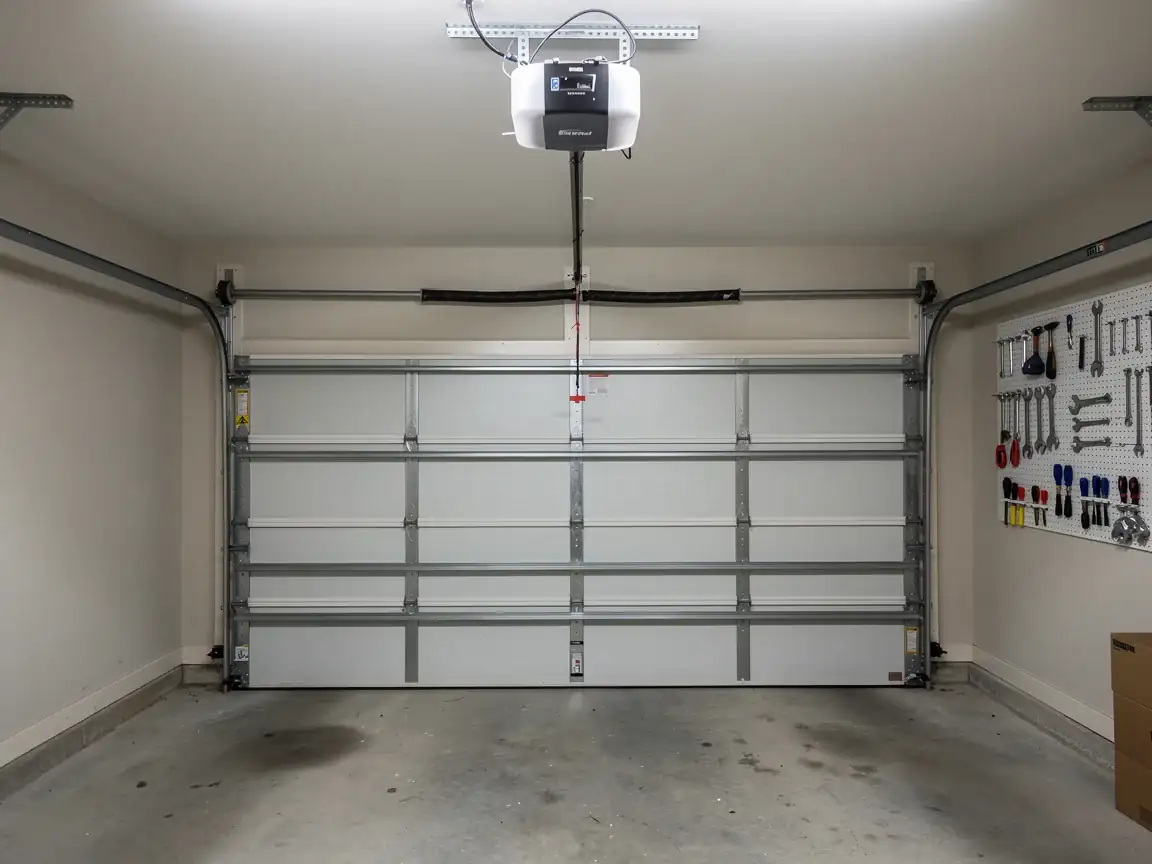
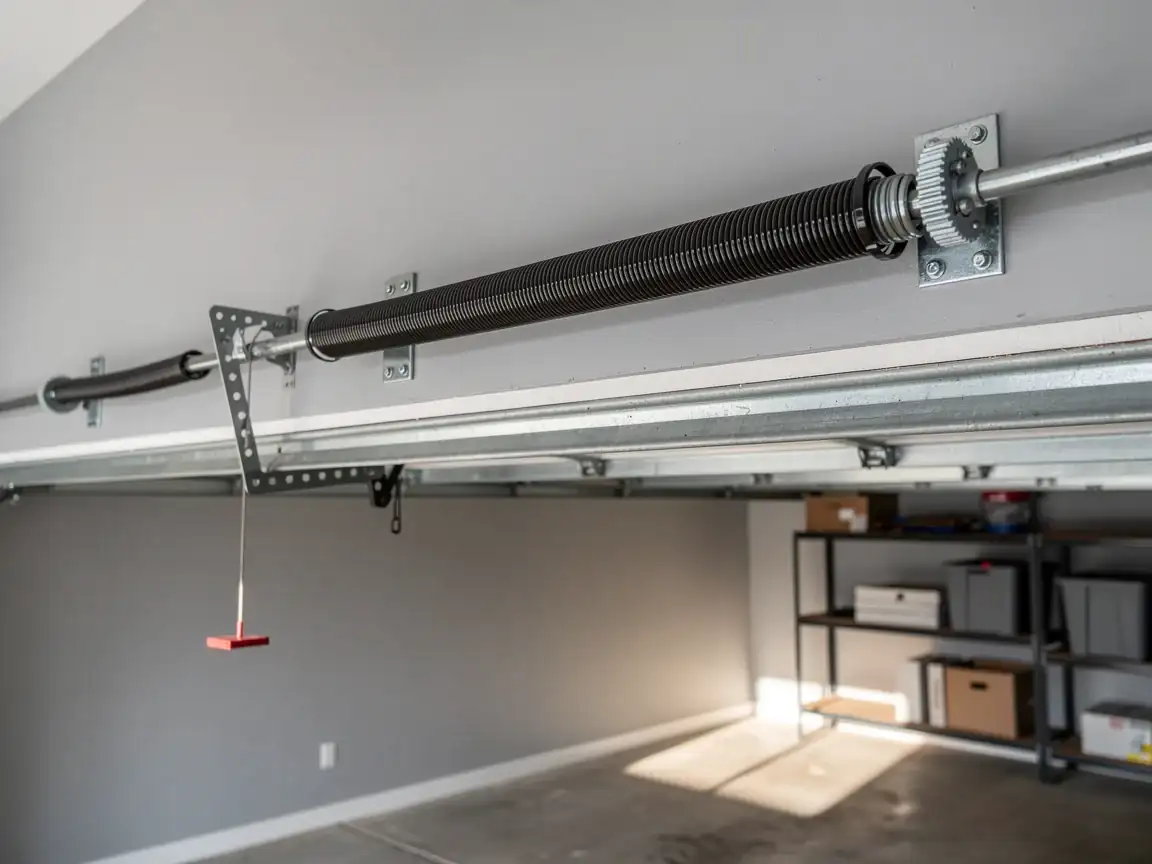
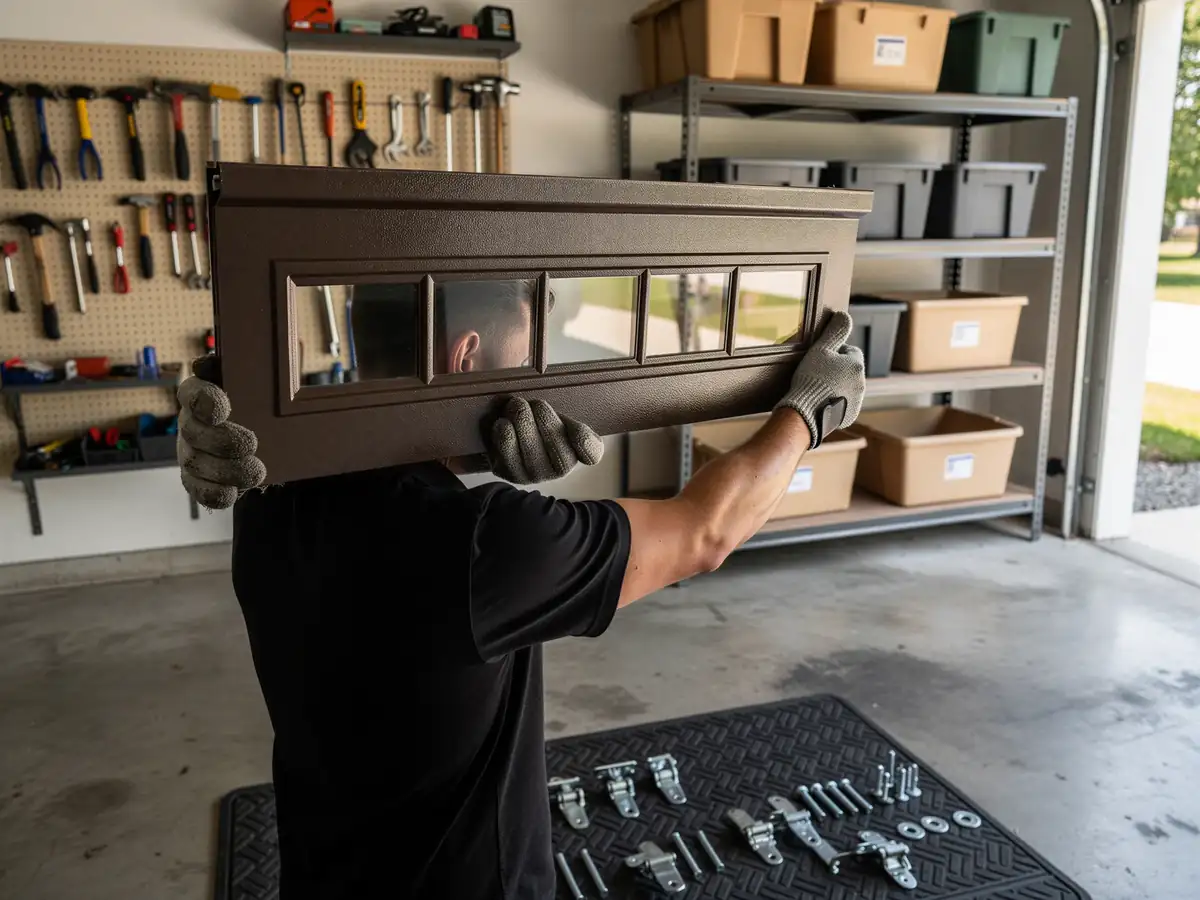
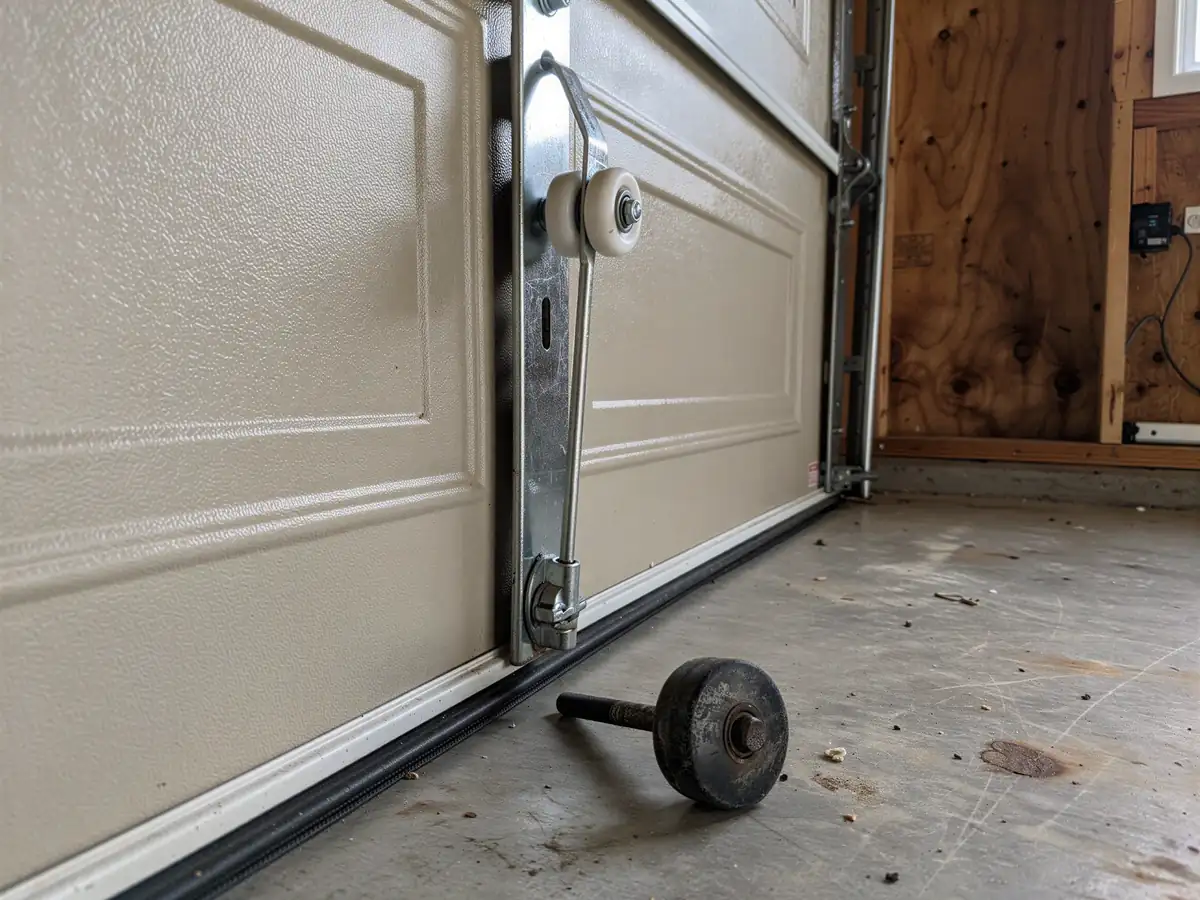
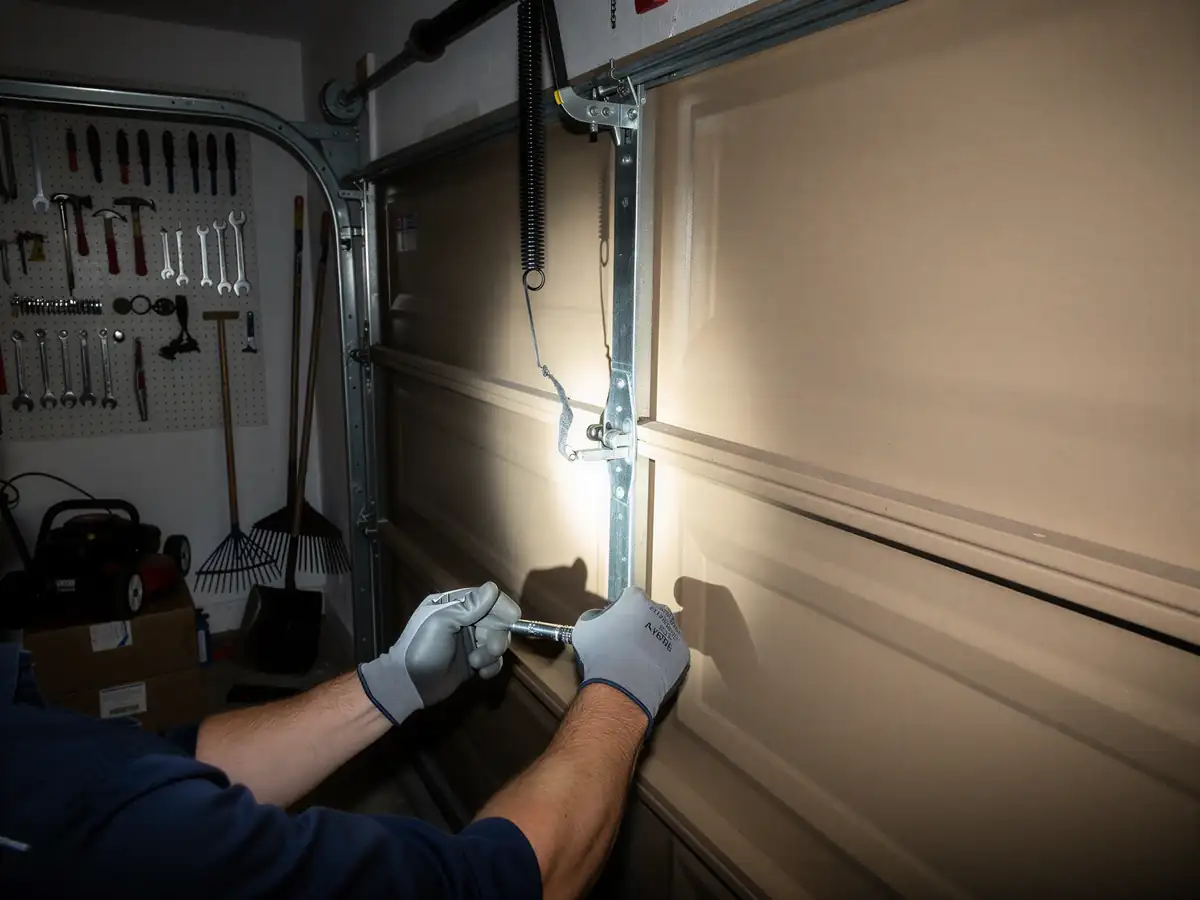
The mistake we see most is someone measuring the existing door and ordering a same-size replacement without checking the actual framing behind it. On a house from the 1960s or 70s, the header above the opening was often built for a lighter one-piece or narrow two-layer door. Drop in a modern insulated steel door without checking that header's load rating and jamb depth, and you get a door that doesn't seat square, binds on the track, or puts stress on a header that was never sized for the extra weight. Spring sizing is the second place it goes wrong. A heavier, better-insulated door needs a torsion spring rated for its weight, not the spring that matched the old door. Installers working fast sometimes reuse hardware to save a step, and that shows up within a season as a door that's hard to lift by hand or an opener straining on every cycle. Weatherstripping is the third spot. In a severe cold climate, bottom seals and jamb weatherstripping have to be rated to stay flexible well below freezing - cheap vinyl stiffens and cracks by the second winter, letting cold air and meltwater straight into the garage.
How We Fix It
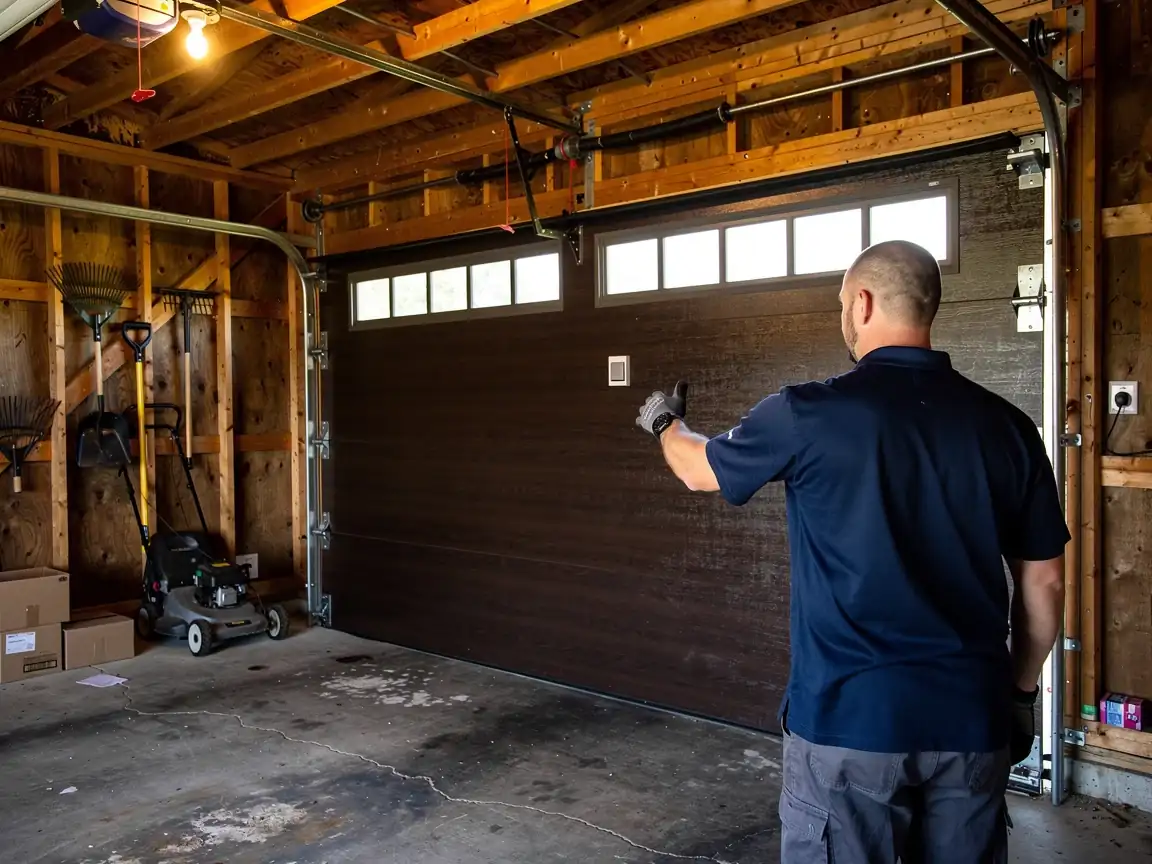
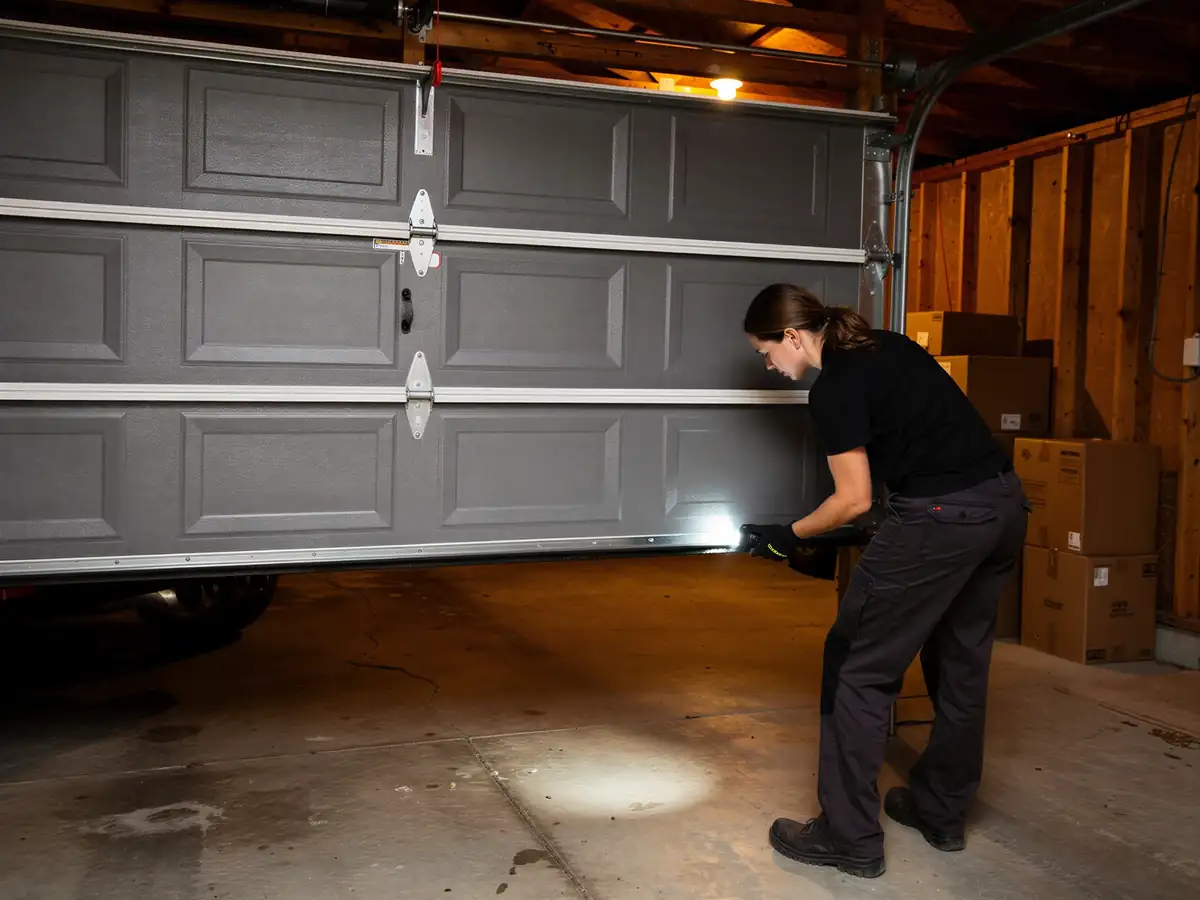
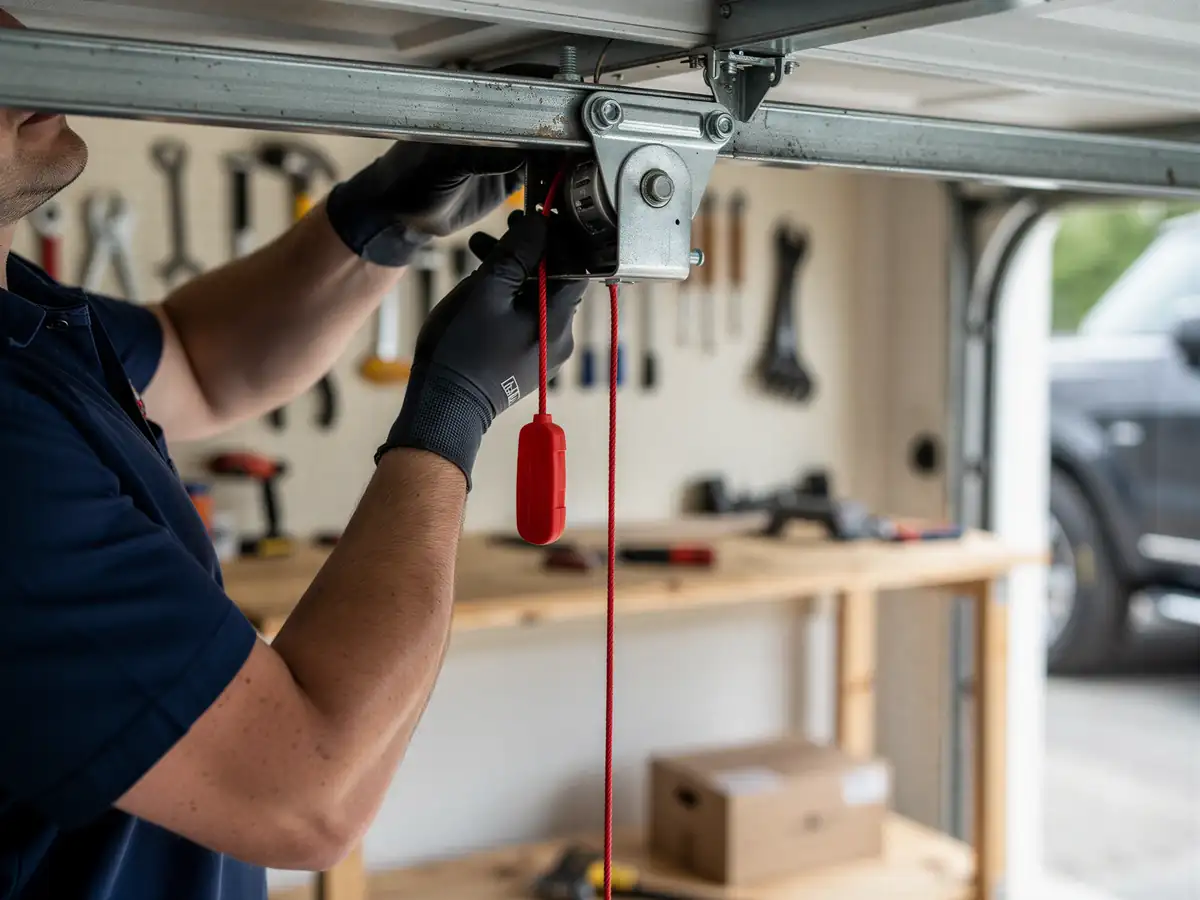
We start at the header, not the door. Before we quote anything, we check the rough opening against the framing that's actually there - common in Waterford's 1960s-70s stock - and confirm the header can carry the weight of the door the homeowner wants, not just the one that's coming out. Springs get sized to the new door's actual weight, not reused from the old setup, and we select weatherstripping and bottom seals rated to stay pliable through a severe cold winter instead of cracking by January. One limitation worth saying plainly: on some of the older, odd-sized openings in this area, a custom panel width or a non-standard header retrofit isn't something we stock on the truck - those get special-ordered, and we'll tell you upfront if your job needs one instead of promising a same-day fit that isn't realistic. Once the door's in, we balance it by hand and set opener force settings to match the actual door weight, which is the step that gets skipped when a heavier spring was never installed in the first place.