Why It Happens Here
Most of the housing across this service area went up between 1949 and 1993, with the bulk of it dating to the 1960s and '70s across the 32 named communities we cover. That matters for maintenance because a door and opener installed during that stretch is running on hardware that was never designed for today's lighter panel materials or for 50 years of freeze-thaw cycles. Springs stretch and lose tension gradually, rollers wear flat on one side, and nobody notices until the door starts dragging.
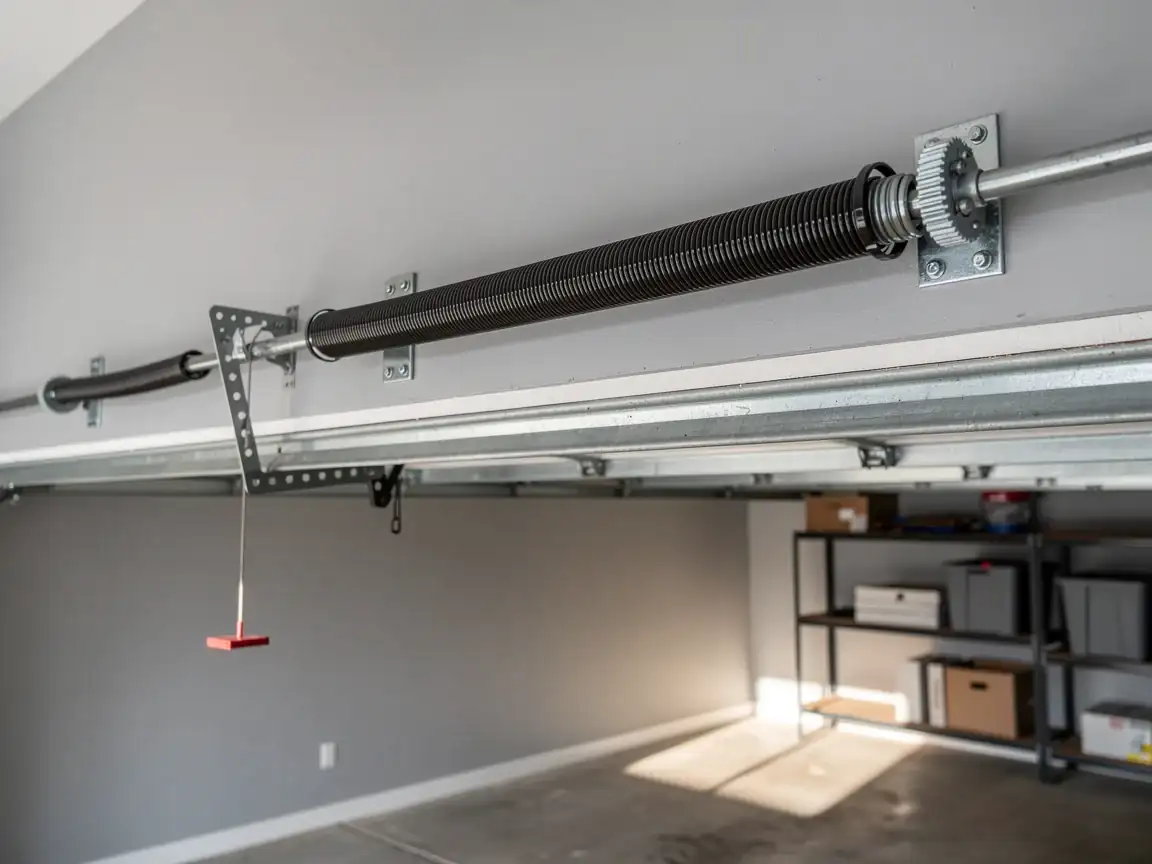
The cold climate band here is severe, and that's the second half of the problem. Steel contracts in deep cold, lubricant thickens, and a track that was a sixteenth of an inch out of alignment in July becomes a binding point in January. Houses built in this era typically have single-car or narrow double bays with torsion or extension spring setups that were standard for the time but need more frequent attention than the sealed, factory-lubricated systems going into new construction now. We're not maintaining showroom doors. We're maintaining doors that have already lived through forty, fifty, sixty winters.
A door that's never been serviced isn't unusual here. It's the norm, and it's the reason a yearly look at rollers, cables, and spring tension catches more in this area than it would somewhere with newer housing stock.
Where This Job Goes Sideways
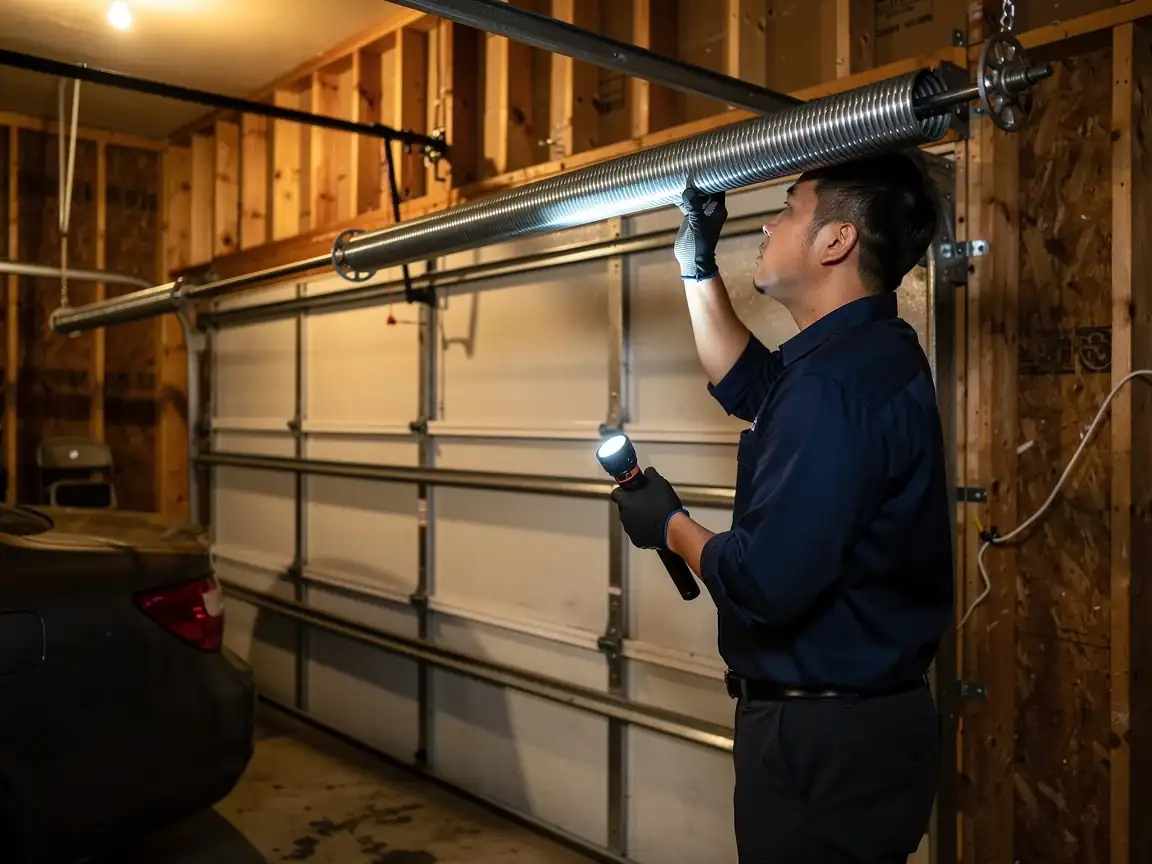
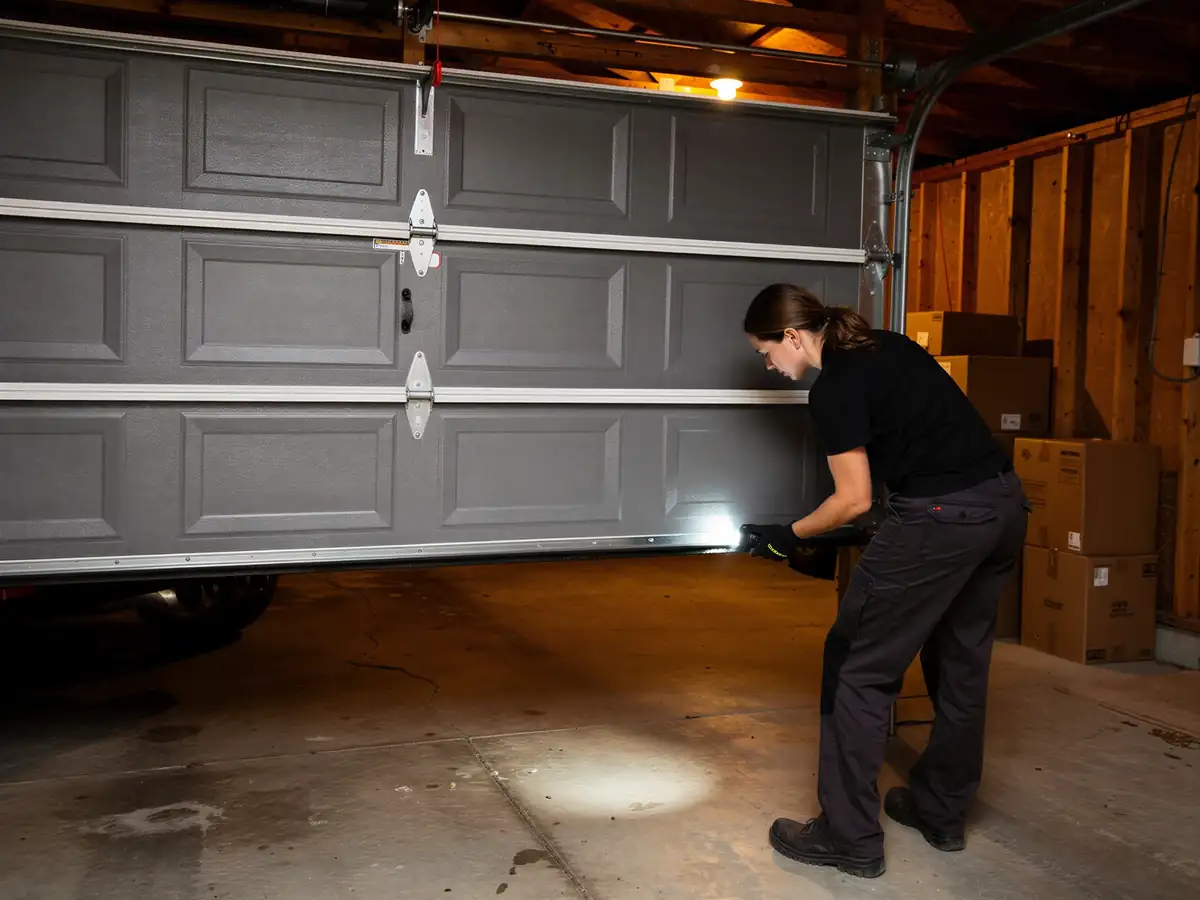
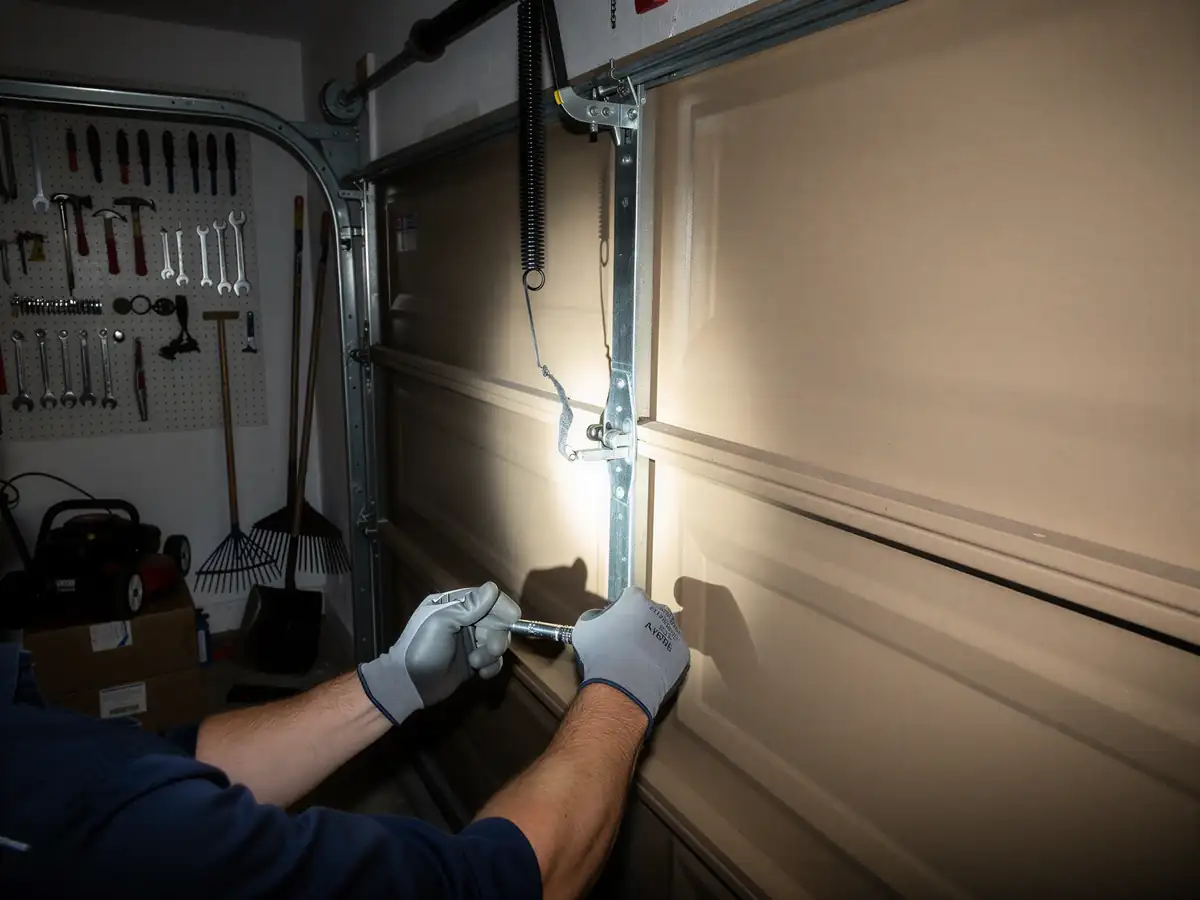
Maintenance on a door this age isn't a checklist job you can rush. The honest limitation: if a torsion spring on a house from the 1960s or '70s hasn't been touched in a decade, we're not just oiling it. We're often finding a spring sized for a door weight that's since changed because someone added insulation panels, or we're finding a cable frayed enough that lubrication would be covering up a job that actually needs replacement parts.
Winter in this climate band is where maintenance gets skipped and then gets expensive. Cold-stiffened lubricant masks as 'working fine' right up until a sub-zero morning when the opener strains against a track that needed cleaning in October. We see this pattern across the whole service area, not just one neighborhood - it's a function of the age of the housing stock paired with the climate, not a one-off.
We also won't tell a homeowner their door needs full replacement when a cable adjustment and roller swap will carry it another several winters. But we also won't keep oiling a spring that's past its rated cycle count just to avoid the harder conversation. That's where this job goes sideways for companies that don't slow down to look at the actual wear pattern before they touch anything.
How It Shows Up
On houses from this era, the symptoms are predictable once you've seen enough of them
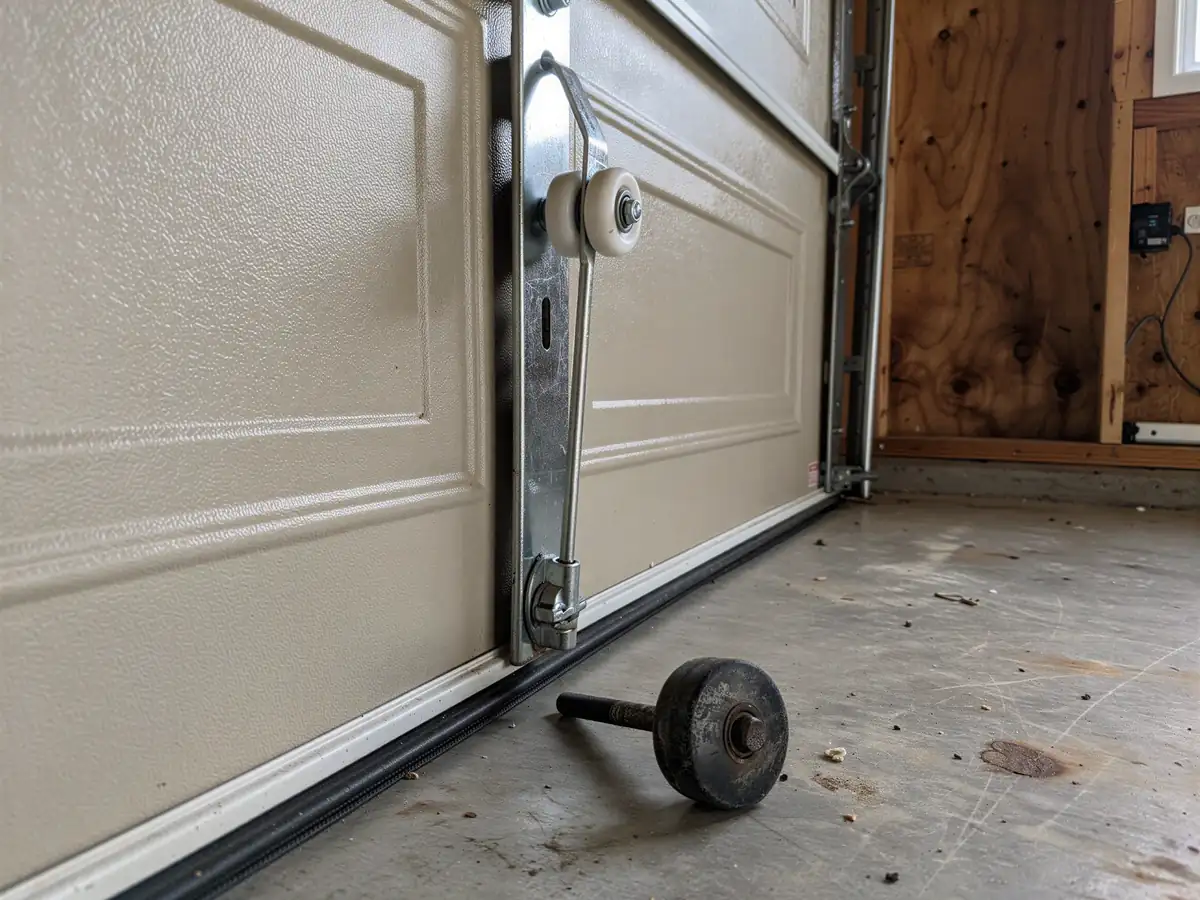
A door that used to close in one smooth motion starts stuttering partway down - that's usually a roller or track issue, not the opener. A door that feels heavier to lift by hand than it did last fall points to spring tension loss, which happens gradually in older torsion systems. Scraping or grinding on the way up is almost always a roller that's worn out of round, common on houses that have had the original hardware since the 1970s.
In a severe cold climate, you'll also notice the opener straining or reversing on its own in the coldest weeks
That's the opener's safety sensors reading resistance from a track that's stiffened or slightly misaligned - something that would go unnoticed in a milder climate but shows up here every winter.
Across the 127,814 households in this service area
With roughly half of those owner-occupied houses, the pattern repeats regardless of which of the 32 communities the house sits in: age plus cold equals the same half dozen failure points, just at different stages depending on how long it's been since anyone looked at the door.
- 127,814 households
- 32 communities
How We Fix It
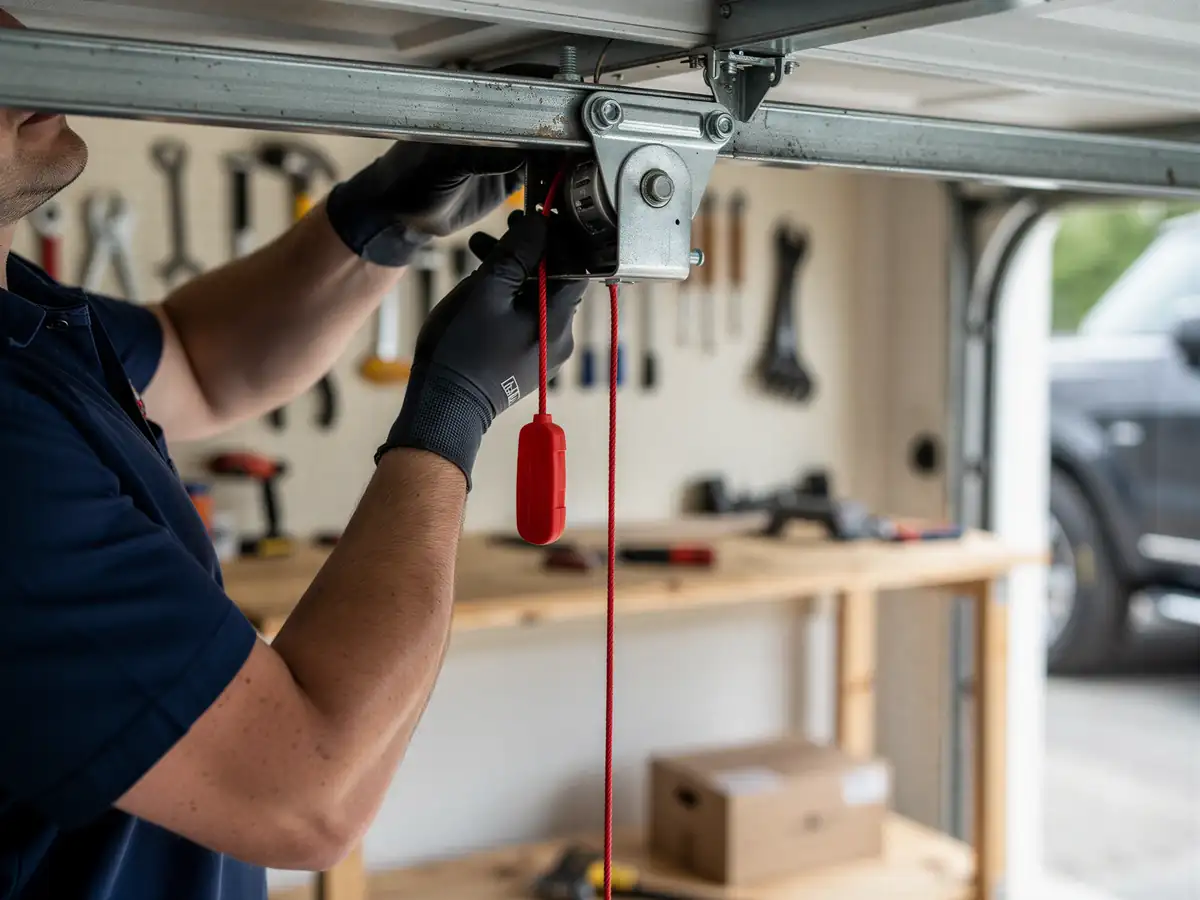
We go through the door the way the housing stock and climate actually demand: check spring tension against the door's current weight, not the factory spec from whenever it was built; inspect cable fray points where they wrap the drum; true up track alignment, which shifts more in homes with slab settling typical of this era; and replace rollers before they're the reason the door binds in January instead of April.
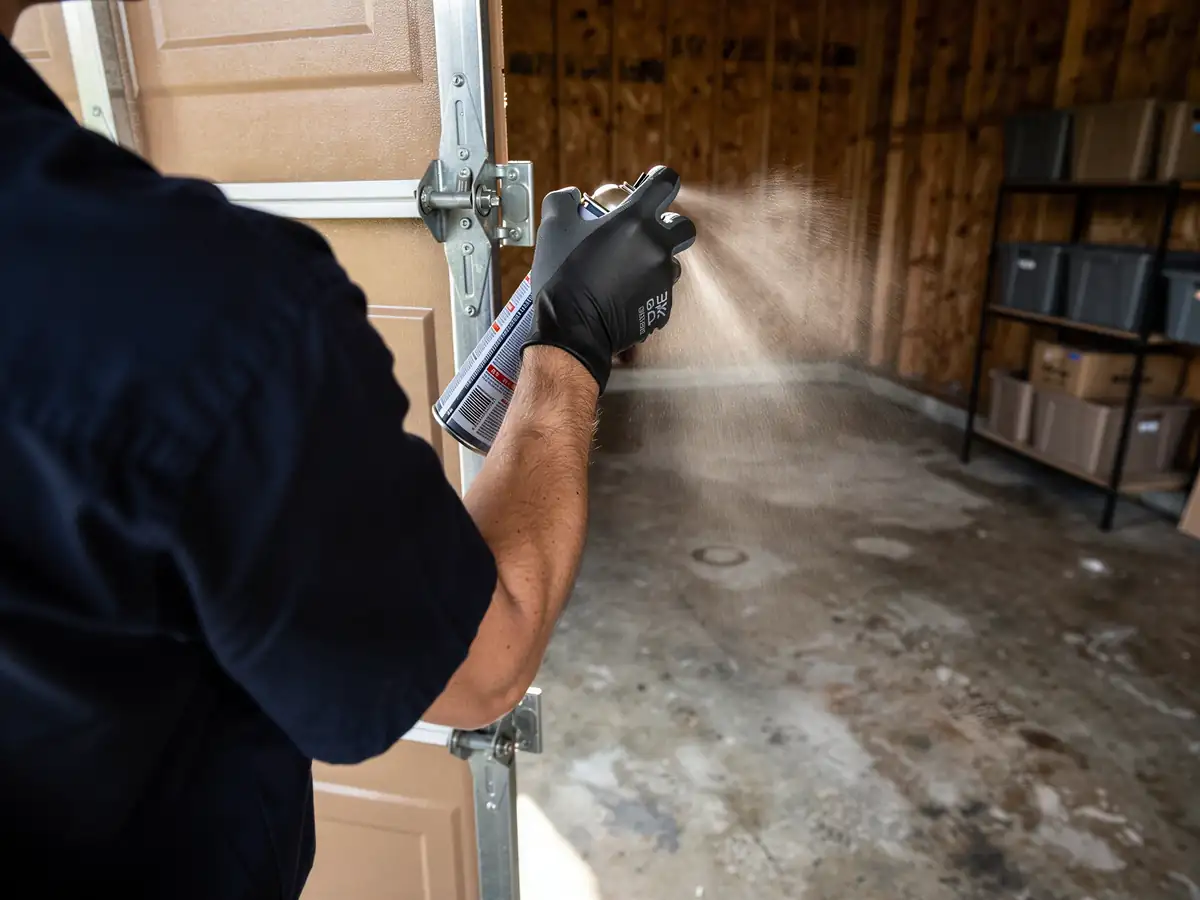
We lubricate with product rated for the cold rather than whatever's on the shelf, because in a severe climate band the wrong lubricant thickens and does more harm than none at all. For households in this income range across the service area, we find most owners would rather pay for a maintenance visit now than a full spring replacement call during a cold snap, and we price the visit to make that the easy choice.
We service the full area - Clarkston, Keego Harbor, Pontiac, Orchard Lake Village, Auburn Hills, and the rest of the named communities out to Hartland and Brighton - with the same approach, because the housing age and winter conditions don't change much from one town to the next in this region. What changes is how long it's been since the last visit.