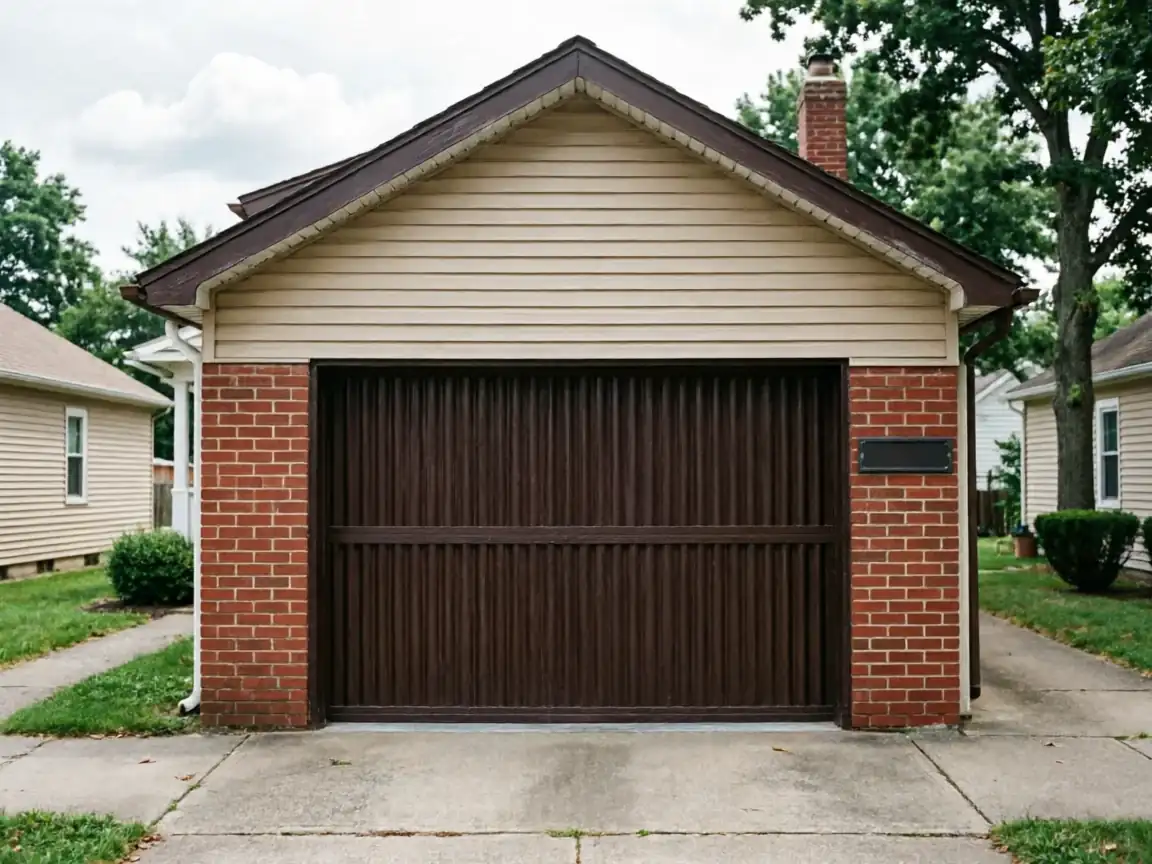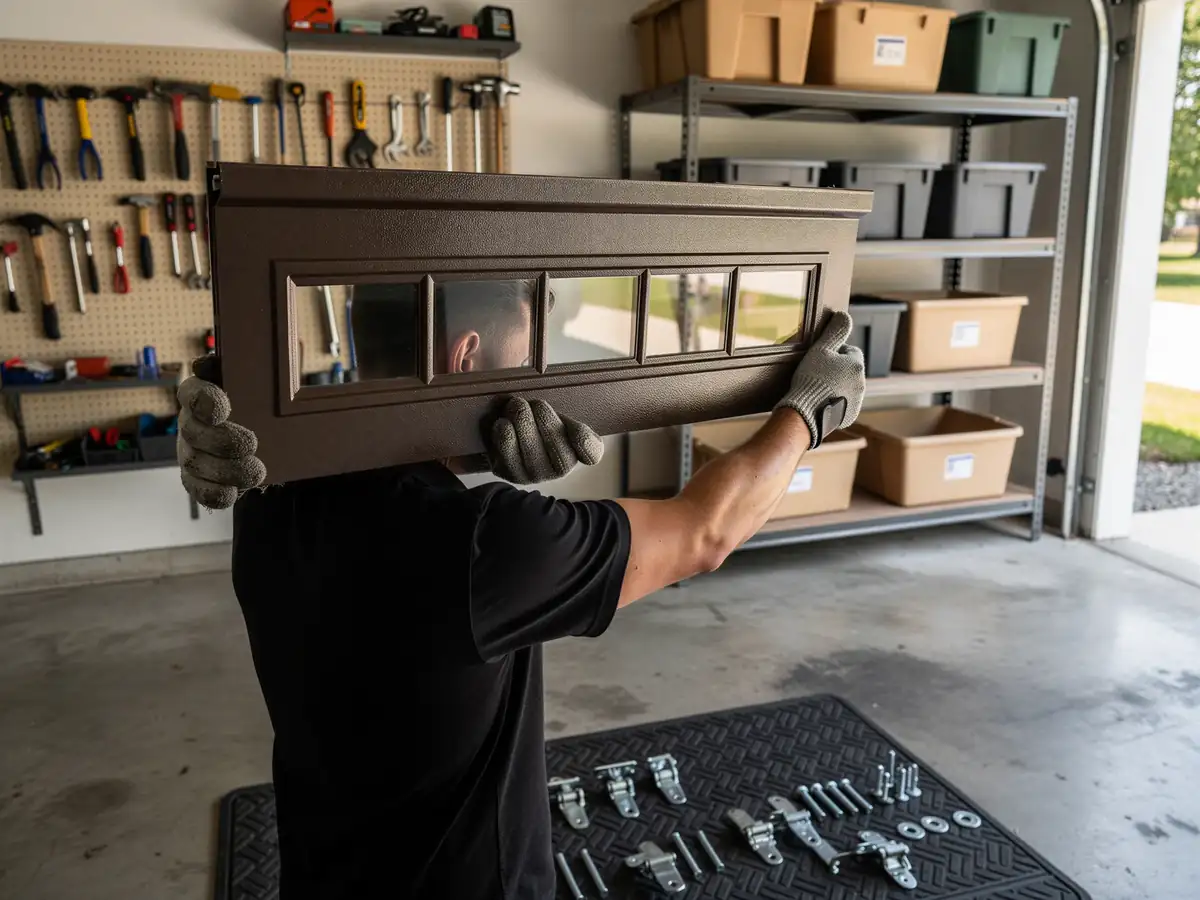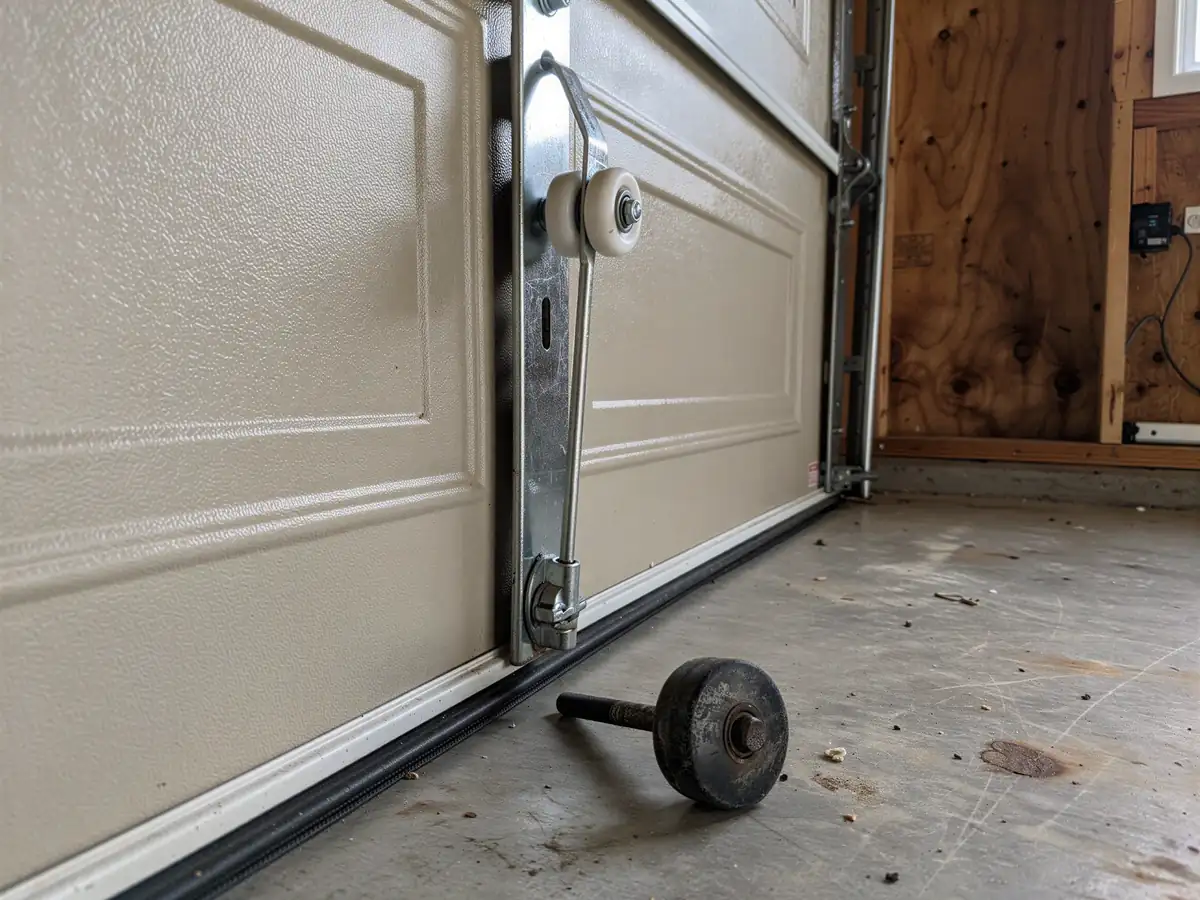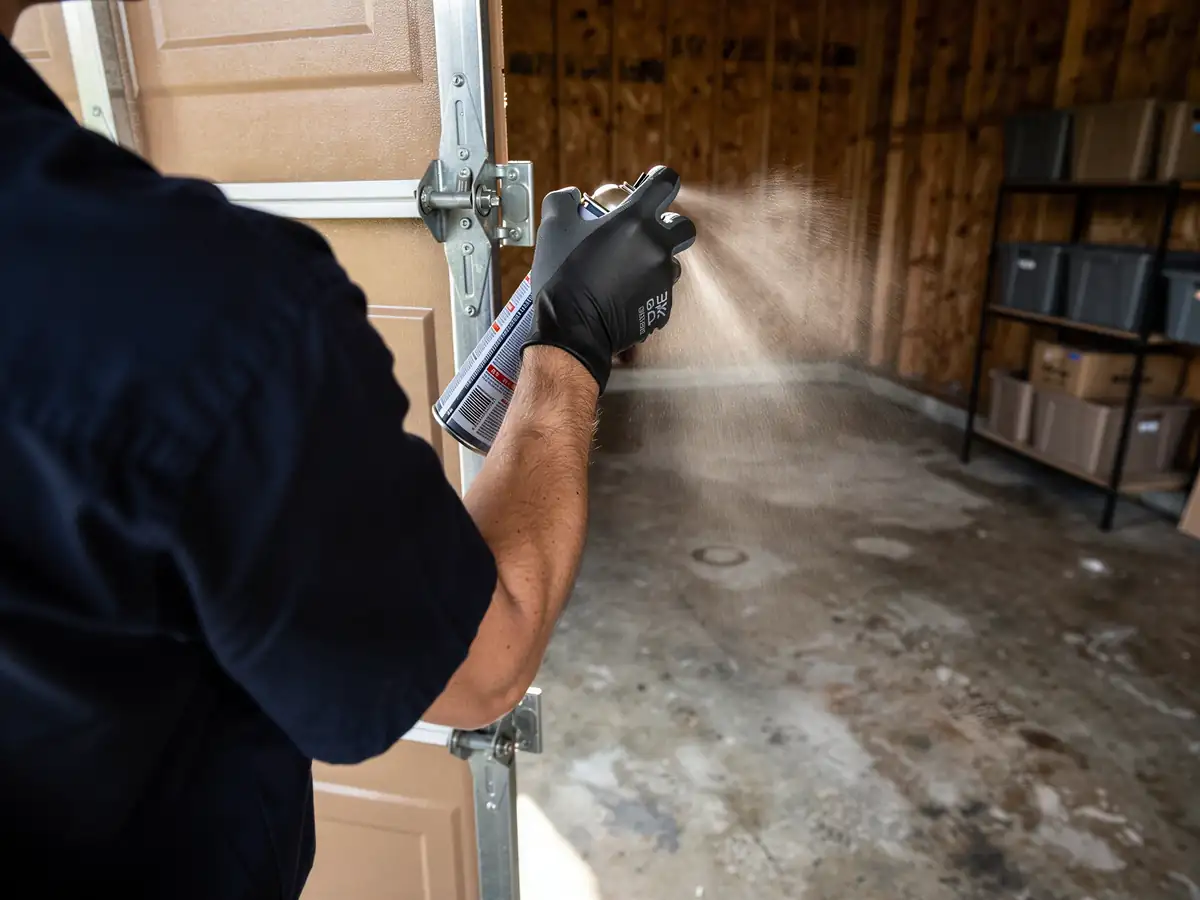
Parts We Carry
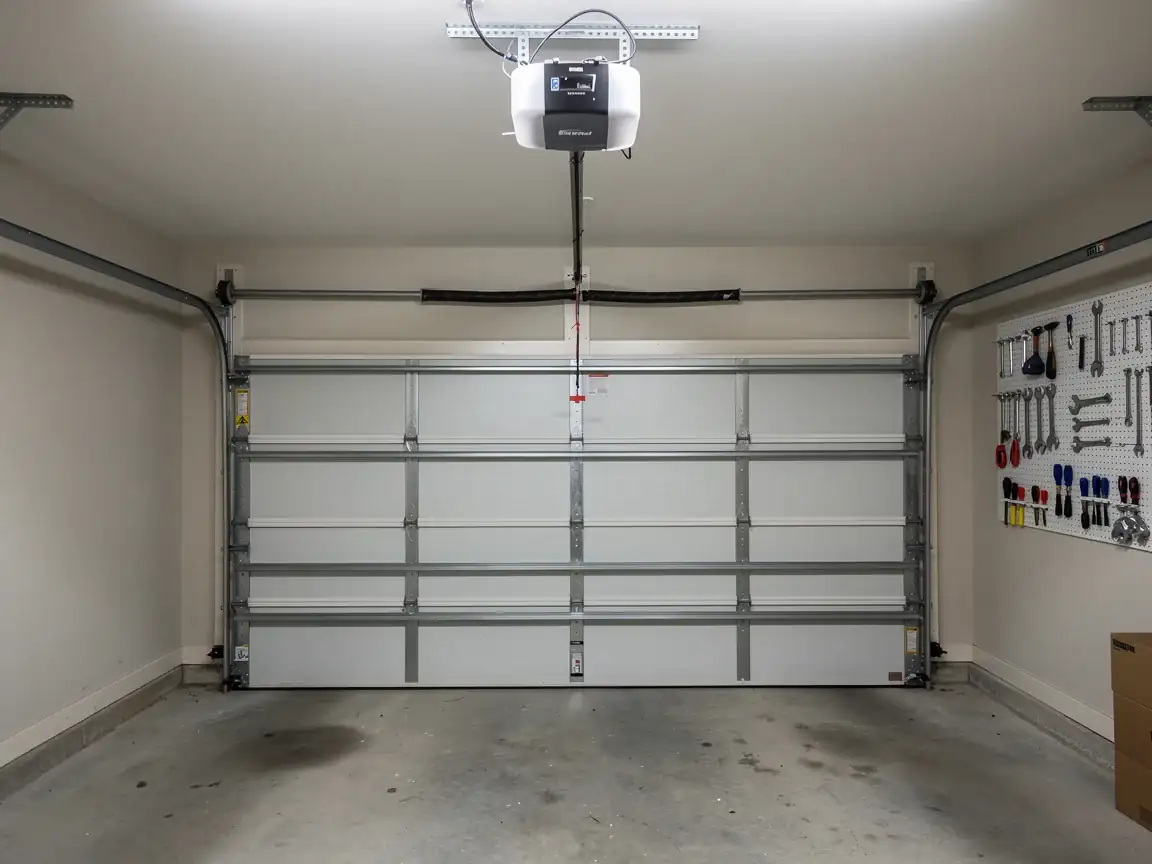
Brighton is a smaller town - about 6,855 households - and the houses here were mostly built around 1984, which is newer than a lot of what Waterford's crew sees closer to home. That build year matters for openers. A house from 1984 almost always falls after the 1993 federal rule that required auto-reverse photo-eye sensors on new residential openers, so most Brighton garages either came with sensors already wired in or got them added during a remodel. What we carry for this town leans toward chain-drive and early belt-drive motor units, logic boards from that era, and replacement photo-eye pairs when the original sensors have drifted out of alignment or corroded at the wire ends. We also stock standard wall consoles and remote receivers, since a lot of 1980s-built openers are still running factory keypads that have simply worn out. What we don't carry on the truck is obsolete circuit boards for openers no longer made at all - if a unit is truly discontinued, replacement is usually the honest answer, not a repair.
How Long It Takes
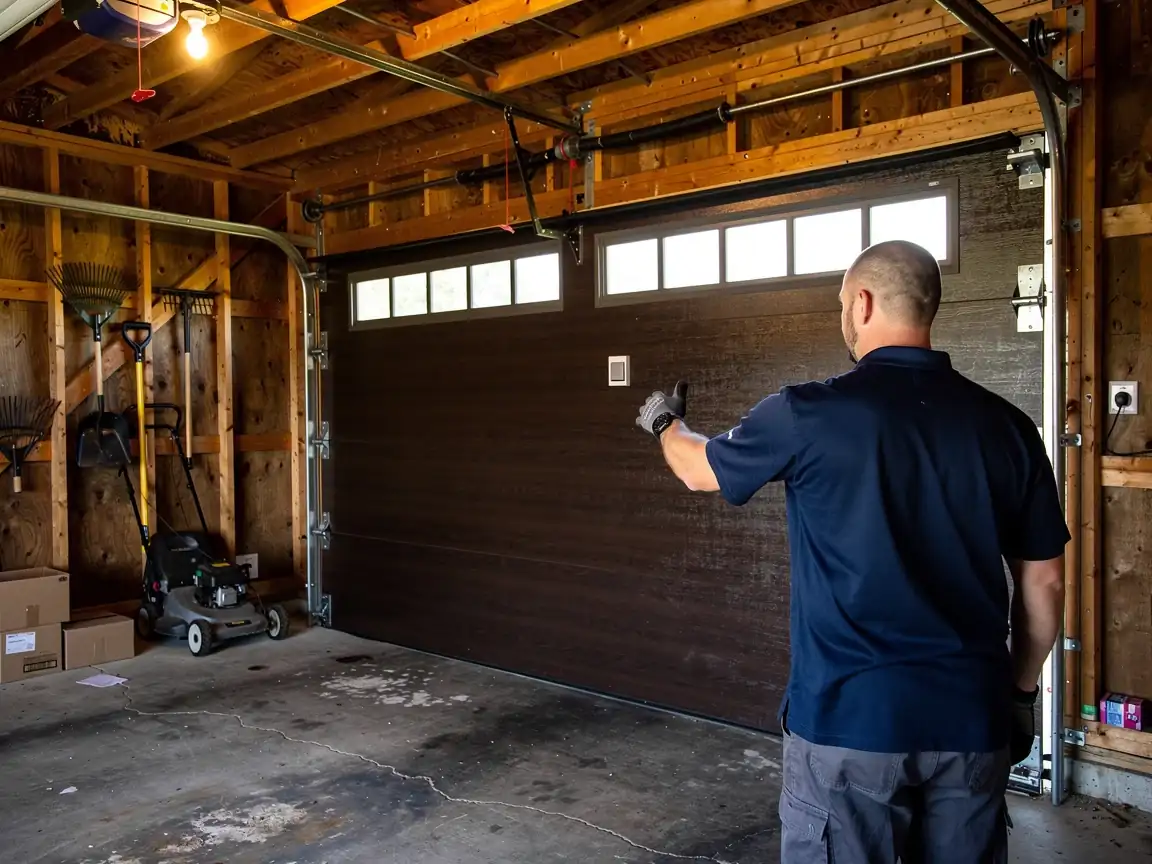
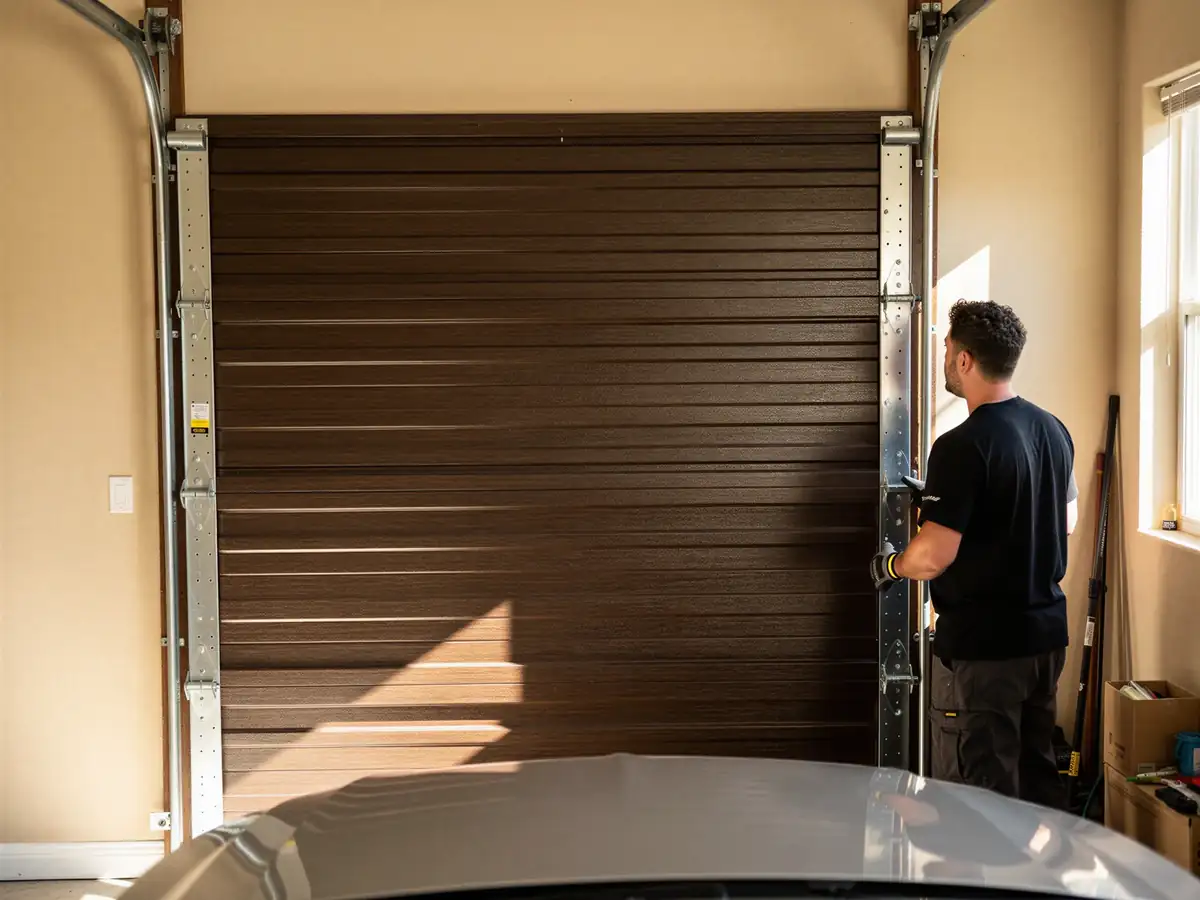
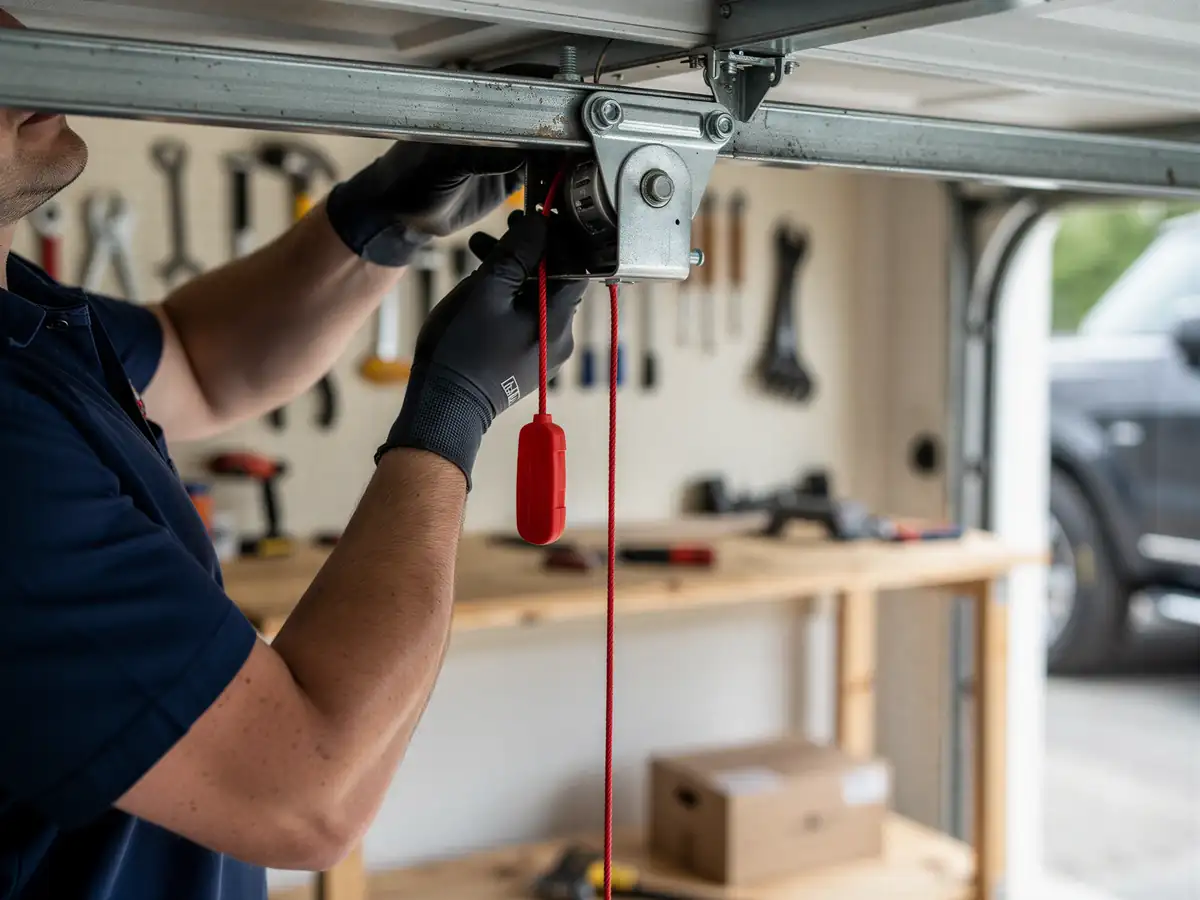
Most opener calls in Brighton break down to one of three jobs: a dead logic board, a motor that runs but won't lift, or sensors that have gone out of alignment and won't let the door close. Board swaps and sensor realignments are usually the shorter visits. A full motor and drive-gear replacement takes longer, mostly because it means pulling the old unit down, remounting a new rail and head unit, and reprogramming the remotes and keypad to match. Houses built around 1984 tend to have standard-width openings and conventional ceiling clearance, which keeps install straightforward - we're not working around low headroom or a jackshaft retrofit on most of these jobs. What adds time isn't the opener itself, it's when the door's own hardware - a worn roller, a bent track - has been masking the real problem and the opener just took the blame first.
Booking a Visit
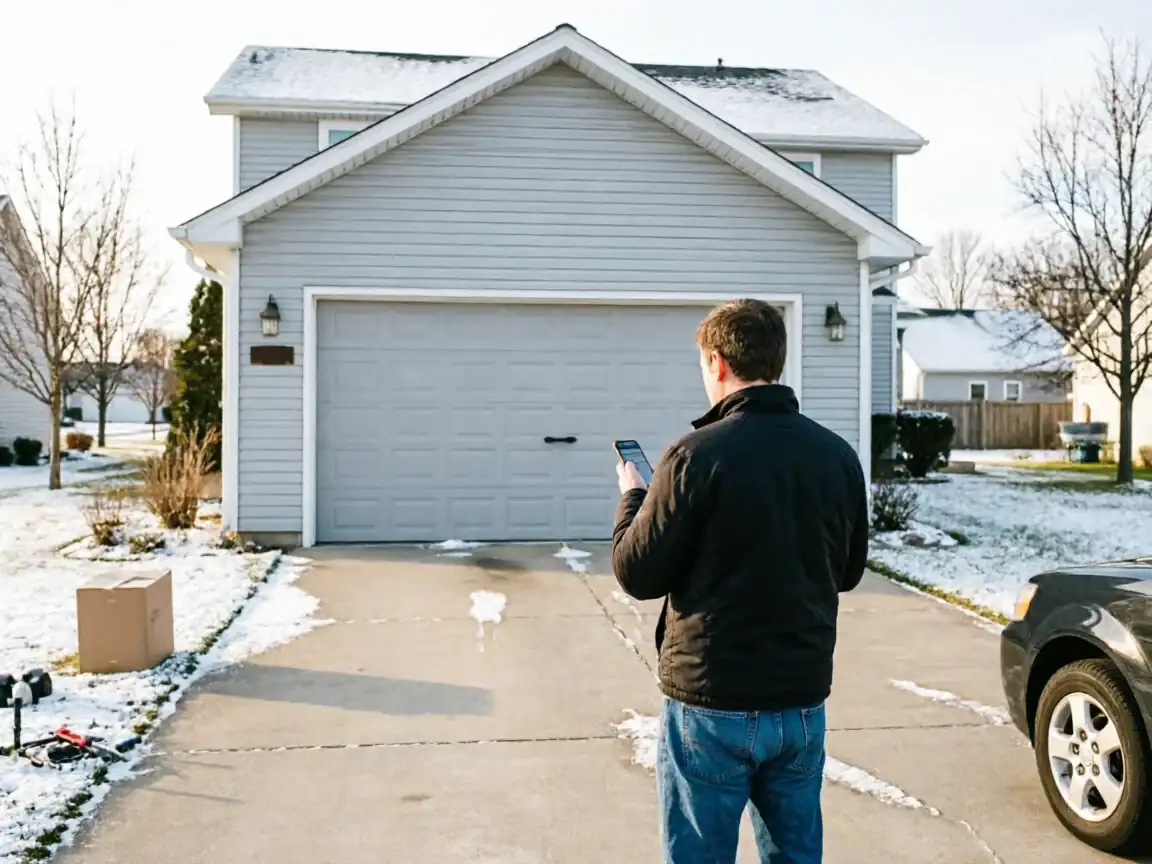
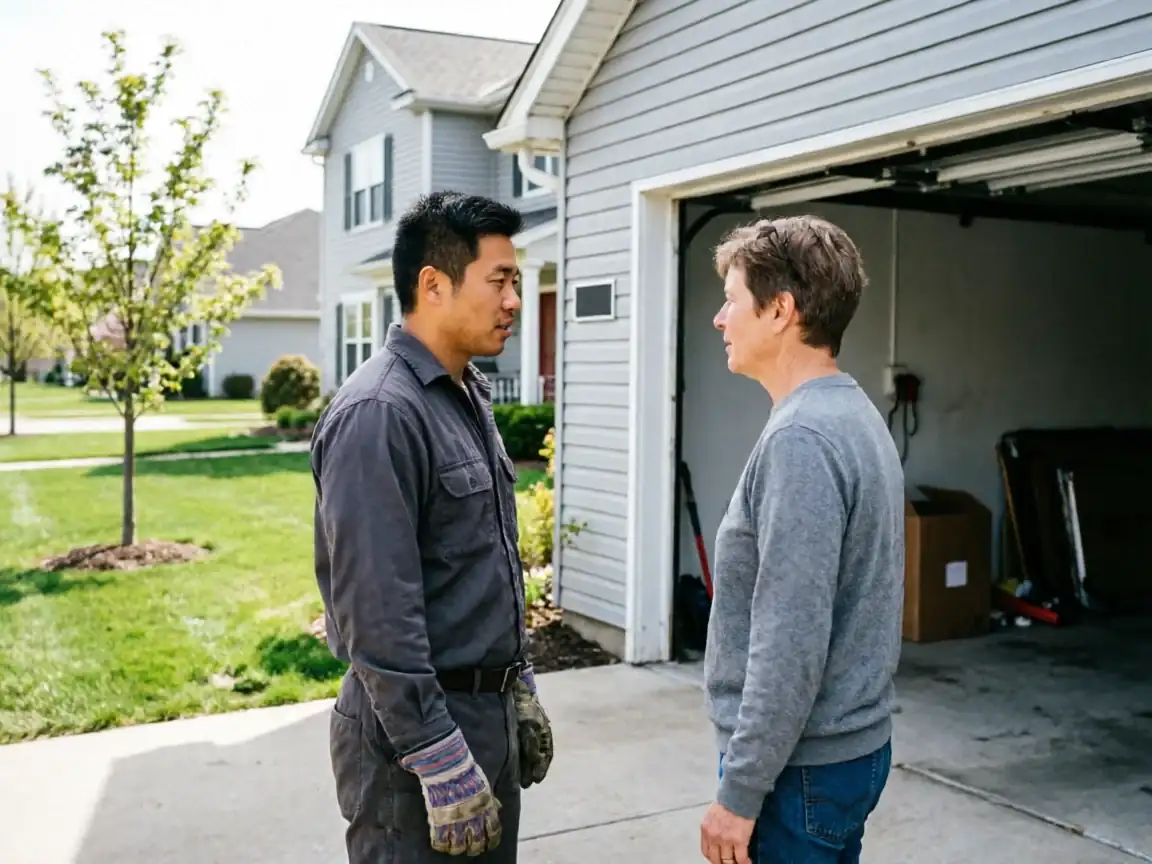
We run this job out of Waterford, about 18 miles from Brighton, so we book opener repair here as a scheduled visit rather than a drop-in. When you call, tell us what the opener is doing - grinding, humming, reversing, dead - and whether the door moves by hand without the opener engaged. That one detail tells us a lot before the truck even leaves. We bring common parts for the chain and belt-drive units typical of Brighton's housing stock, so most single-opener jobs are a one-visit fix. If the unit needs a part we don't carry standard - an obsolete board for a model no longer made - we'll say so on-site rather than take a second trip to find out.
Where This Job Goes Sideways
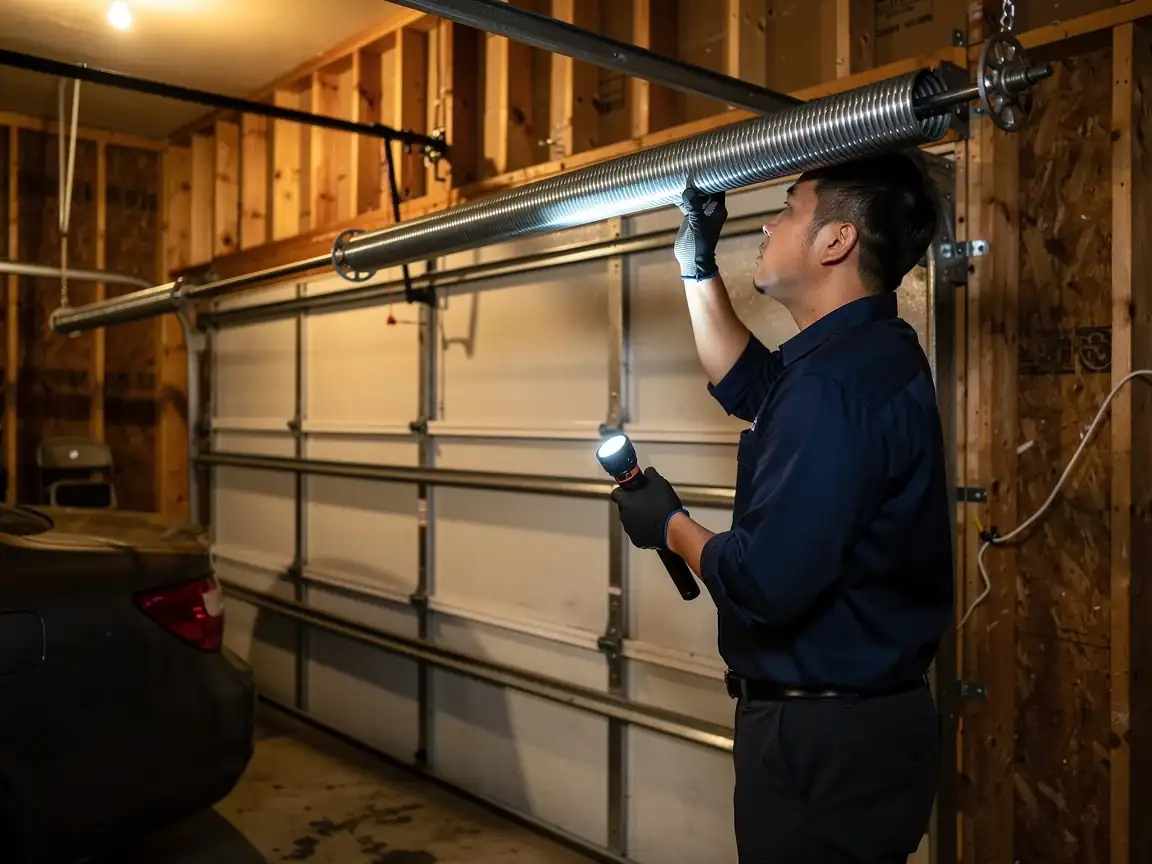
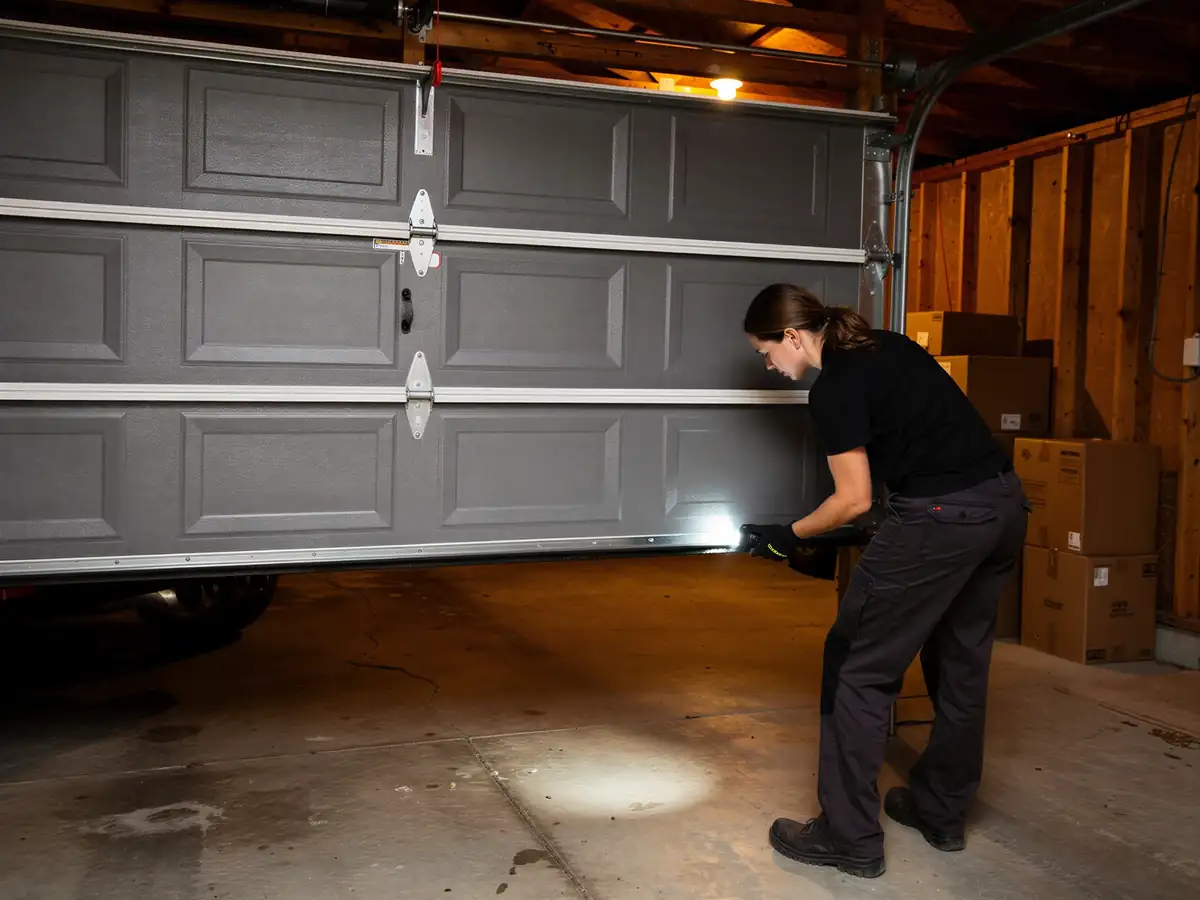
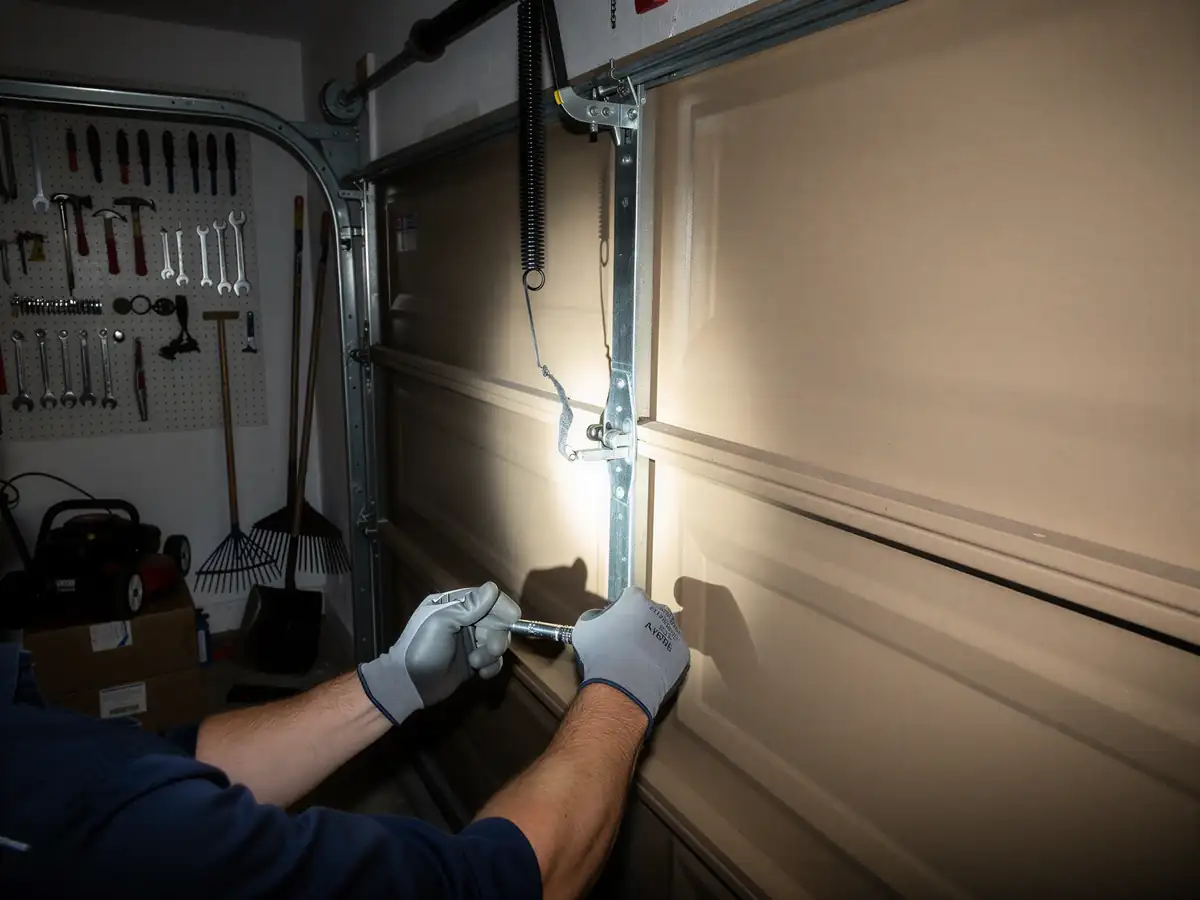
The opener takes the blame for problems that actually live in the door. If the springs are under-tensioned or a cable has started to fray, the opener motor will strain, overheat, and eventually burn out trying to lift weight it was never built to carry alone. Replacing the opener in that case just buys you a second burned-out motor down the line. We'll tell you when that's what's happening instead of swapping the unit and moving on. The other place it goes sideways: a household with a smart or app-connected opener installed after the original 1984-era build, where the wiring doesn't match factory wiring anymore. That takes a little longer to diagnose because we're tracing someone else's retrofit work, not the house's original setup. Worth knowing going in.