Where This Job Goes Sideways
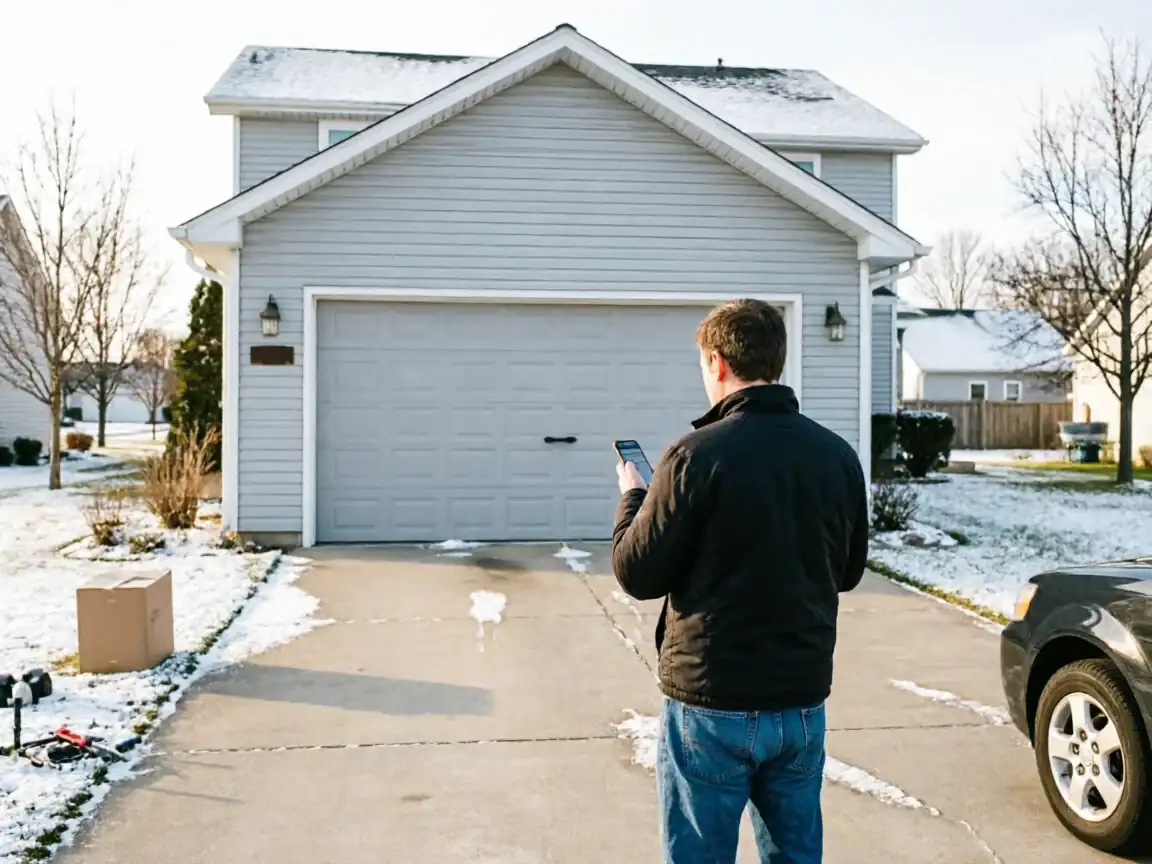
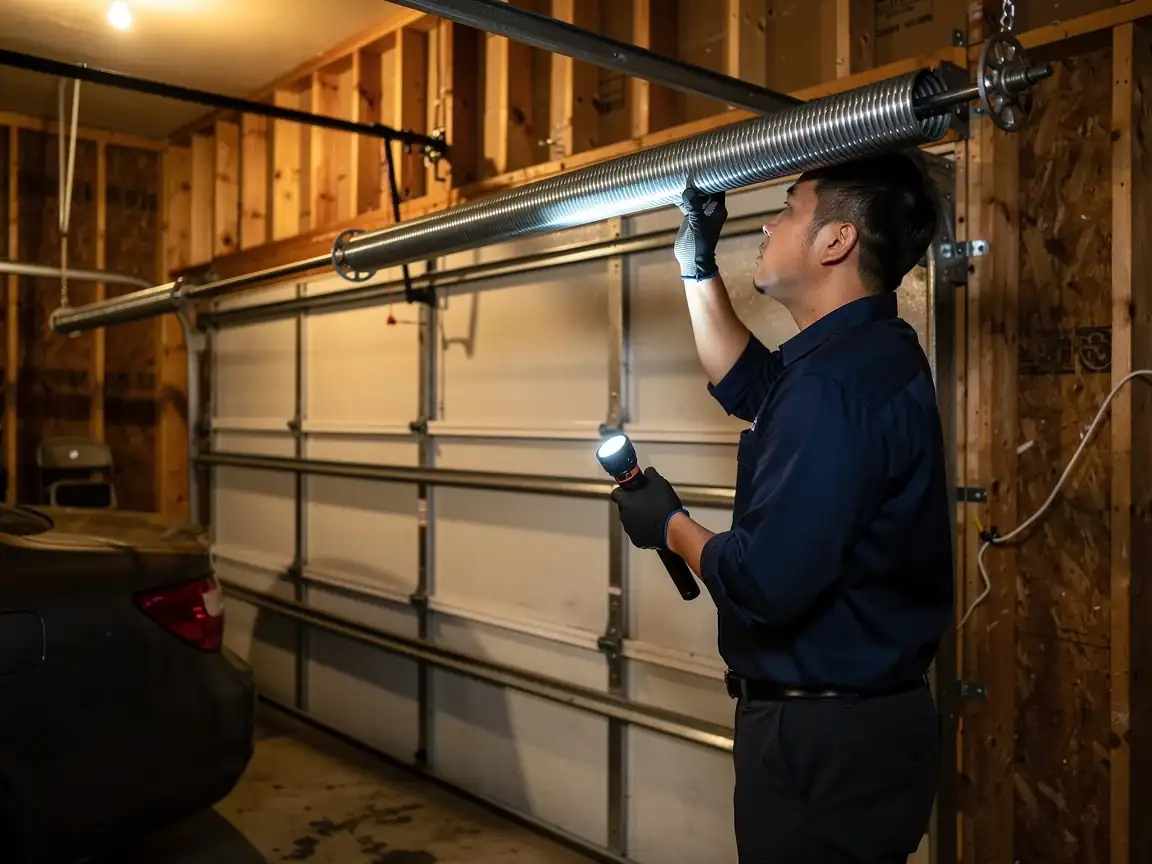
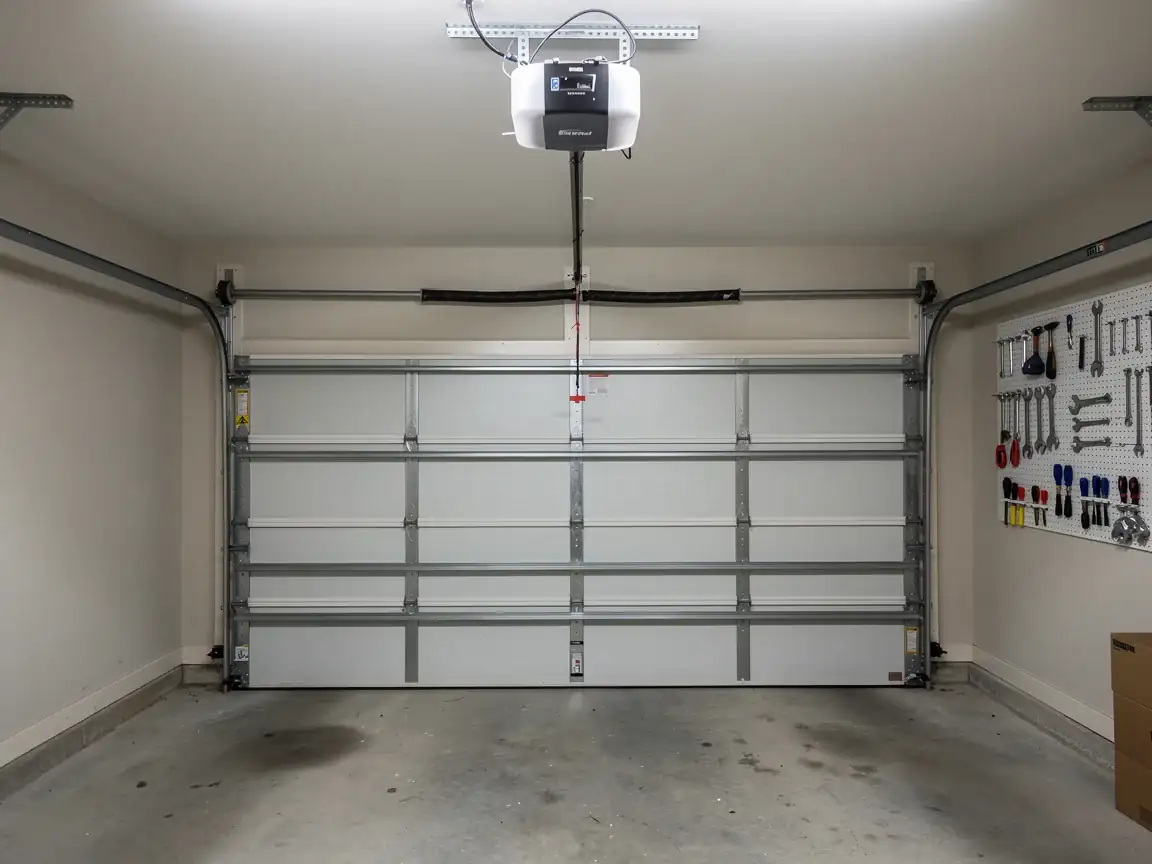
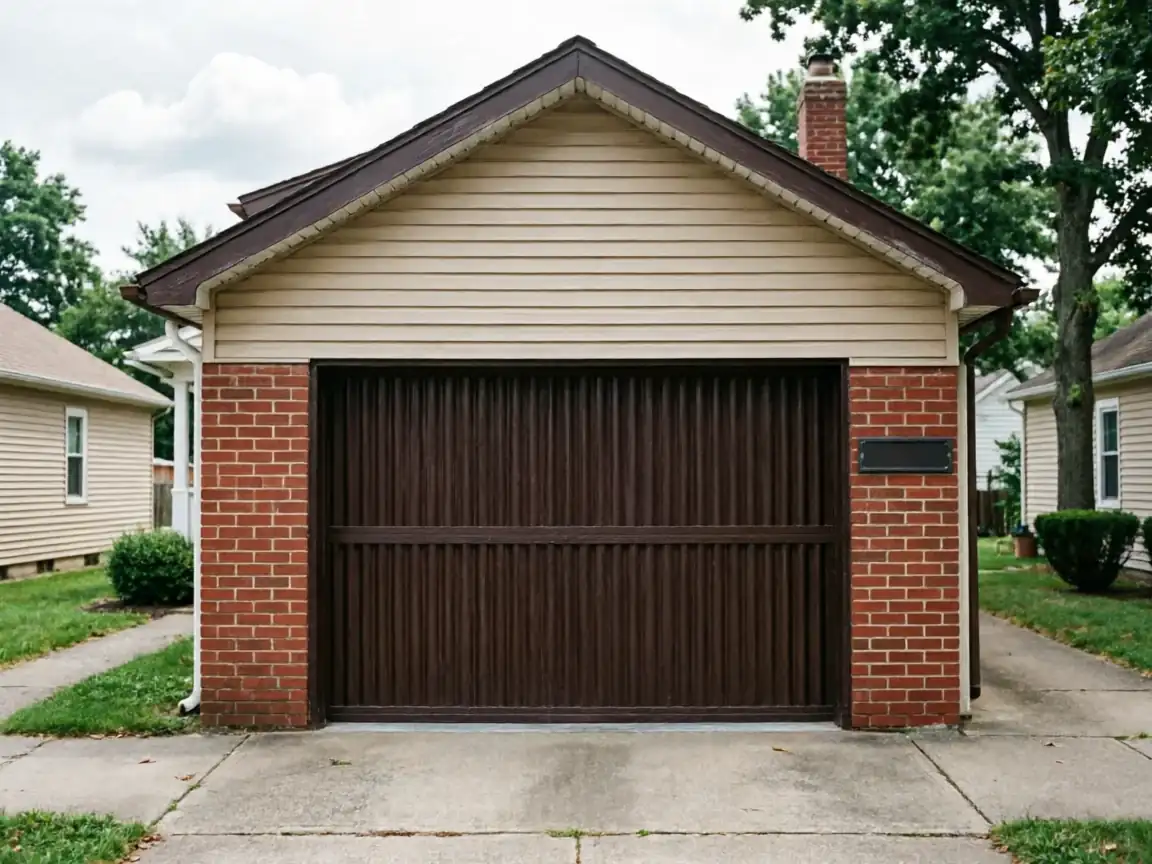
Pontiac carries about 25,605 households, a meaningful piece of the roughly 127,814 across the whole Waterford service area, which means the truck sees a steady run of calls here even though there's no branch in town - every visit starts seven miles out from Waterford. What shows up on those calls looks different from newer suburbs. Pontiac's housing stock centers on 1960, a decade earlier than the 1973 median for the rest of the service area, so more of the doors here are still running on original or first-generation replacement spring hardware that's well past any rated cycle count. That shows up as a spring that lets go without warning, a cable that's frayed at the drum, or a center bearing plate that's worn oval instead of round. The cold-climate rating for this area adds its own wear pattern: grease that thickens in January, tracks that pick up ice at the bottom roller, openers straining against a door that's heavier to lift than it was in June. None of that is unique to one street - it's what a 60-plus-year-old garage does in a hard winter. We route from Waterford, so a same-day fix here depends on what's already booked closer to home that morning. For repair calls rather than upkeep, see Pontiac garage door repair.
What You Pay
We don't post a flat number for Pontiac specifically, because what a maintenance visit costs depends on what's on the door, not what street it's on. That said, the income context here matters for how people schedule the work. Median household income in Pontiac runs $42,791, well under the $102,333 median across the full Waterford service area, and that gap shows up in the calendar: more owners here wait until a door won't open at all, fewer book the twice-a-year tune-up that catches a worn roller before it jumps the track. A maintenance visit is cheaper than the breakdown it prevents, but we understand why a routine check gets pushed when money's tight - it's not the job that loses you the house. If you're already past that point and dealing with a door that's stuck or grinding, that's a repair call, not a maintenance one, and the pricing works differently. We'll tell you on-site which one you actually need before any work starts, and we won't pad a maintenance visit into a repair quote just because the door's old.
Doing It Yourself
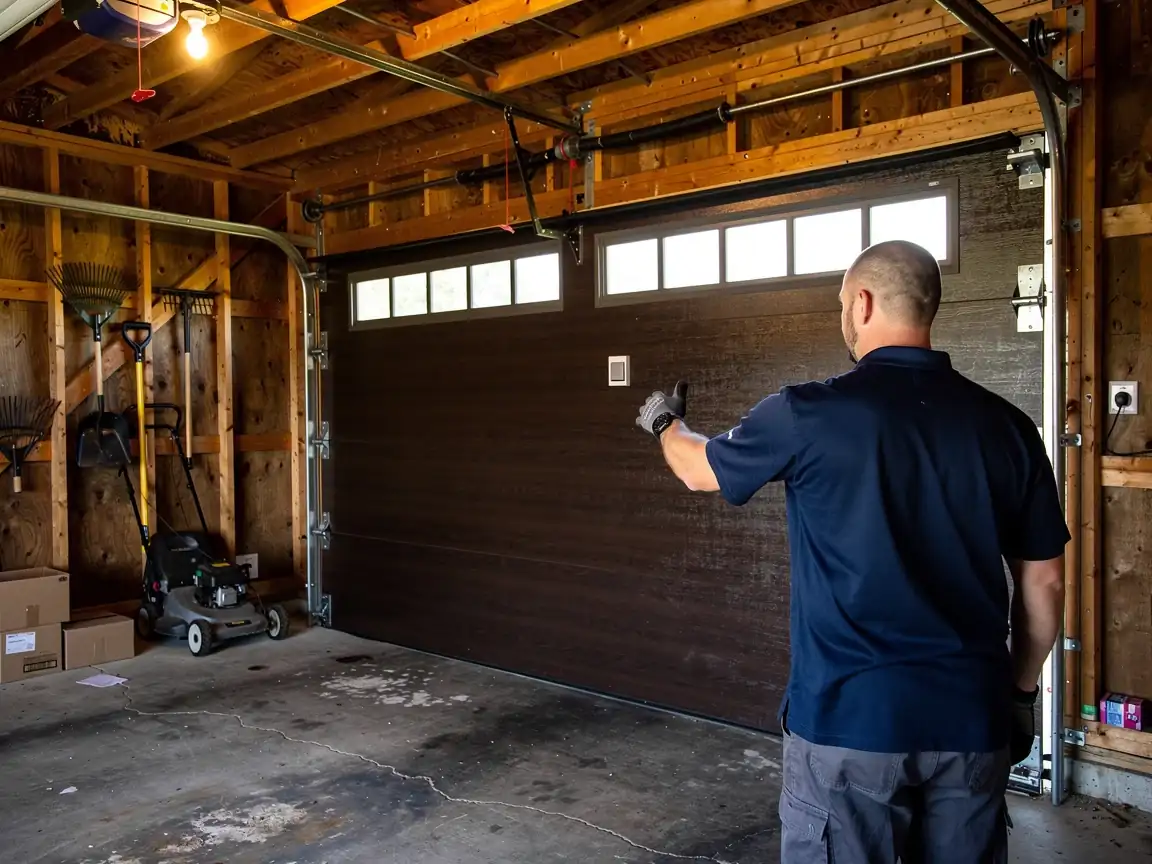
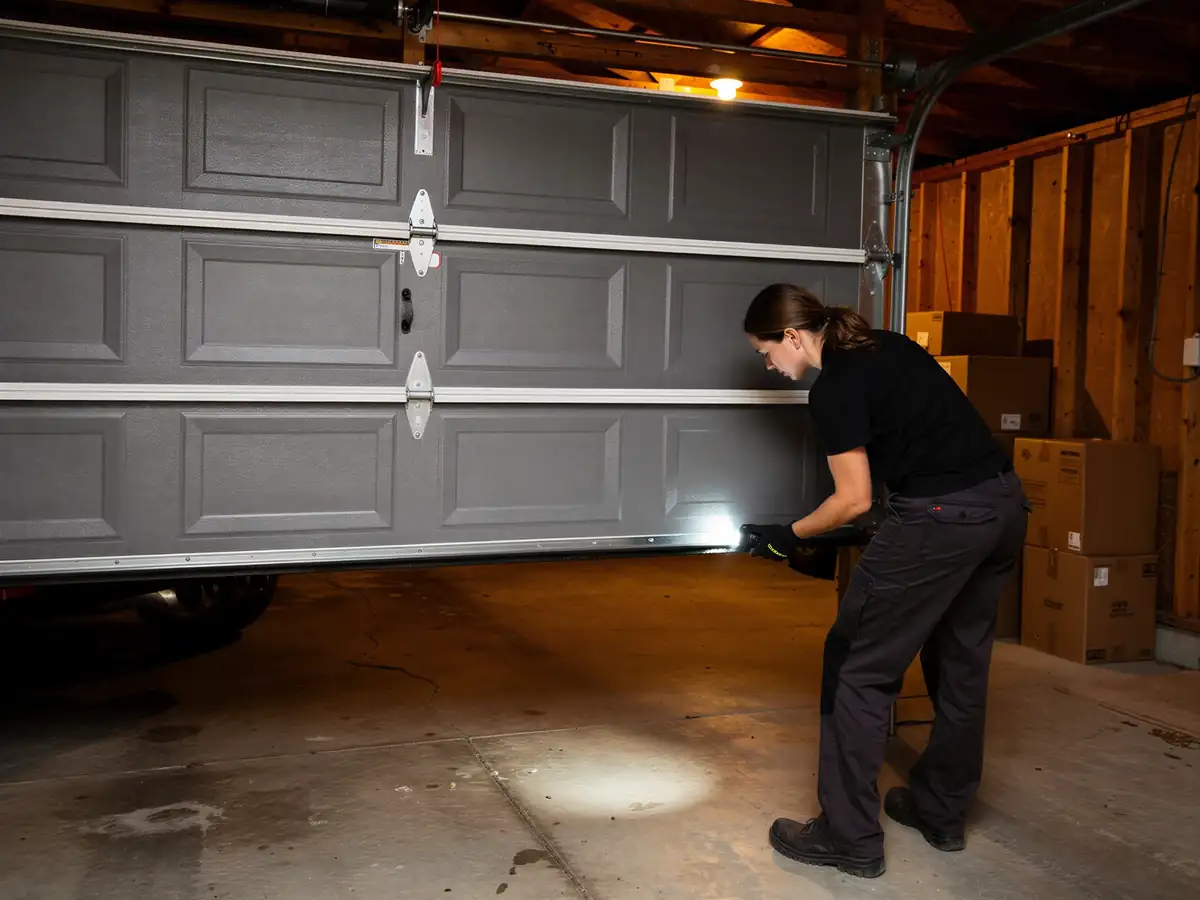
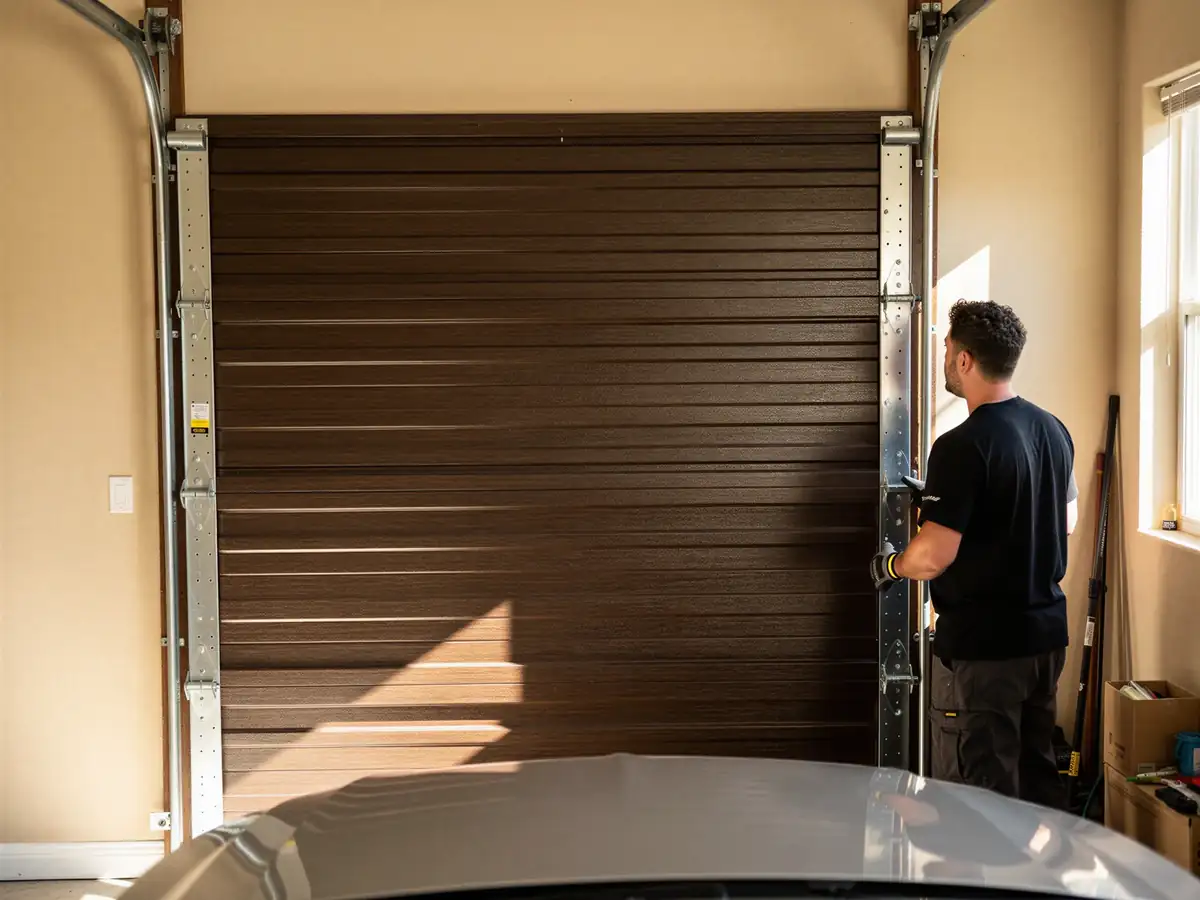
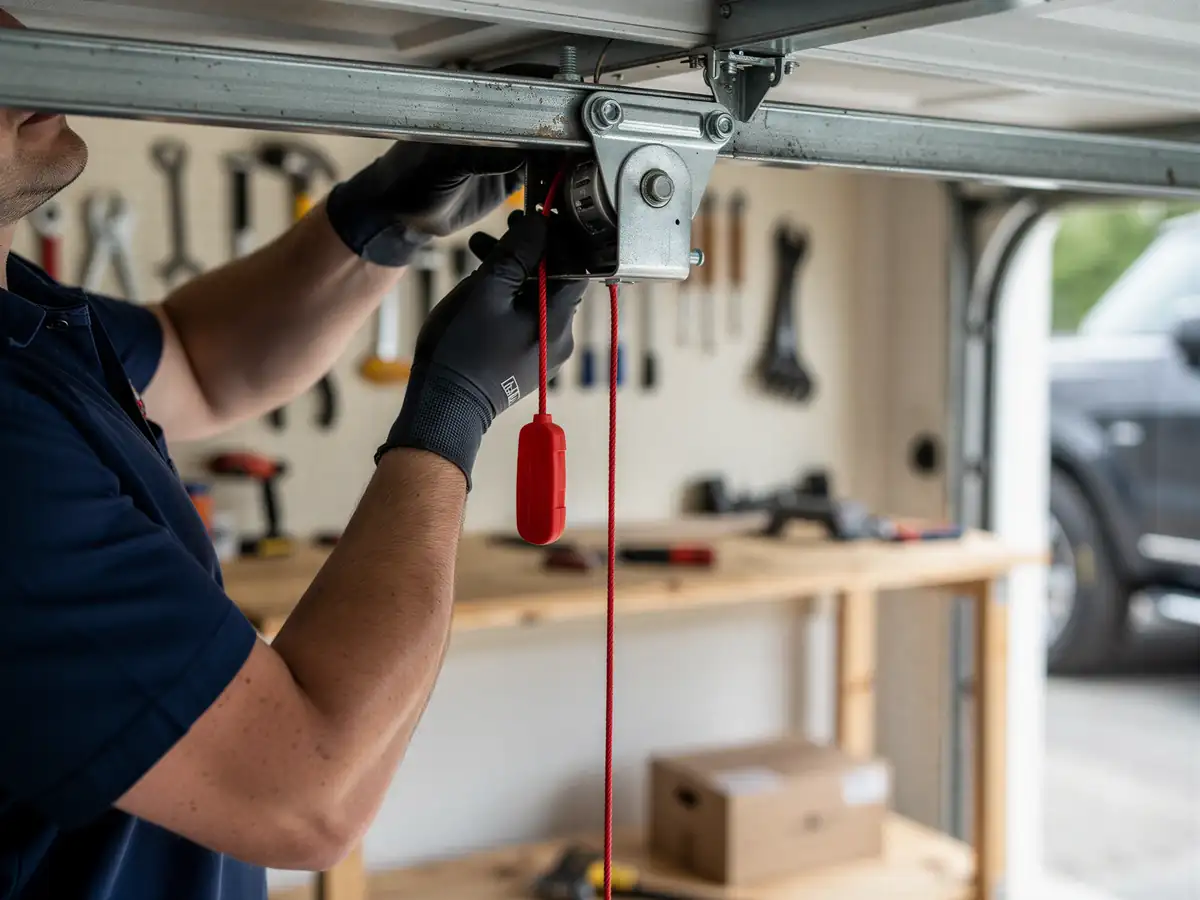
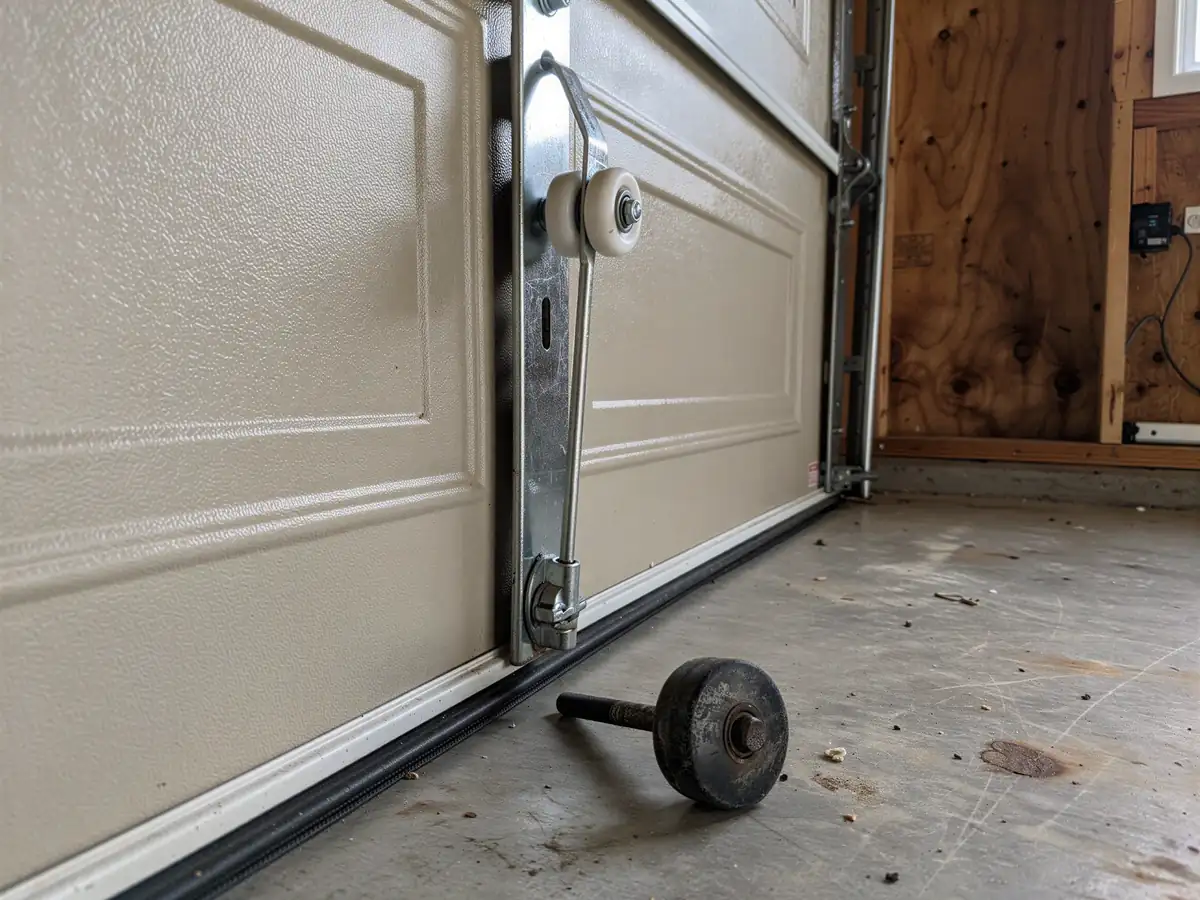
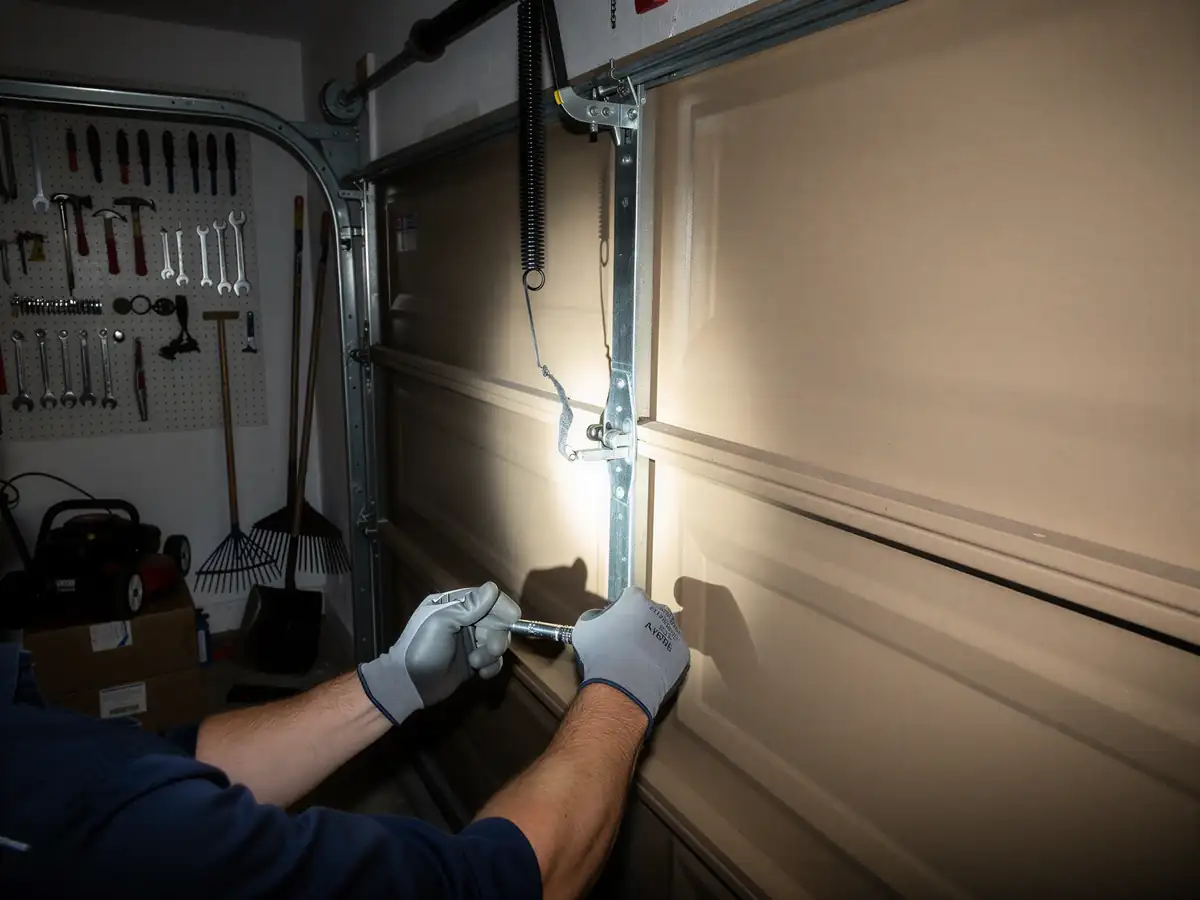
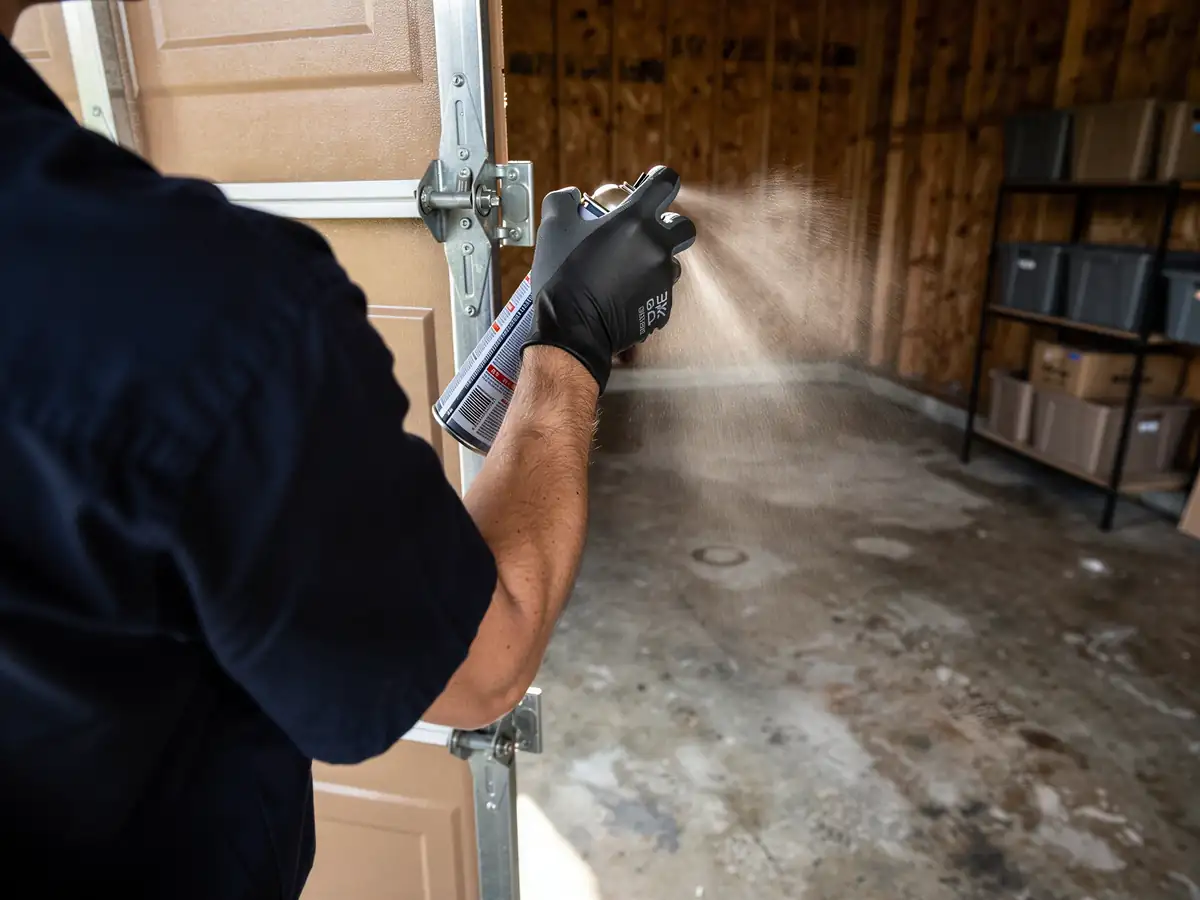
Some of this you can check without tools. Pull the emergency release, lift the door by hand to the halfway point, and let go - a balanced door stays put; one that drops or shoots up means the spring tension is off, and that's not a DIY adjustment on a residential torsion spring under load. Look at the cable where it wraps the drum for fraying, and check the bottom rollers for flat spots or cracking, especially on a door that's been through a few winters without lubrication. A silicone-based spray on the rollers, hinges, and track - not grease, which gums up in the cold - once or twice a year is genuinely worth doing yourself and costs almost nothing. What isn't worth doing yourself: anything involving the torsion spring, the cables under tension, or the bottom bracket, all of which store enough energy to cause a serious injury if they let go while you're working on them. If the balance test fails or you hear a loud bang from the garage, that's a call, not a project. Details on that side of the work are on Waterford Garage Door Pros' maintenance page.