Where This Job Goes Sideways
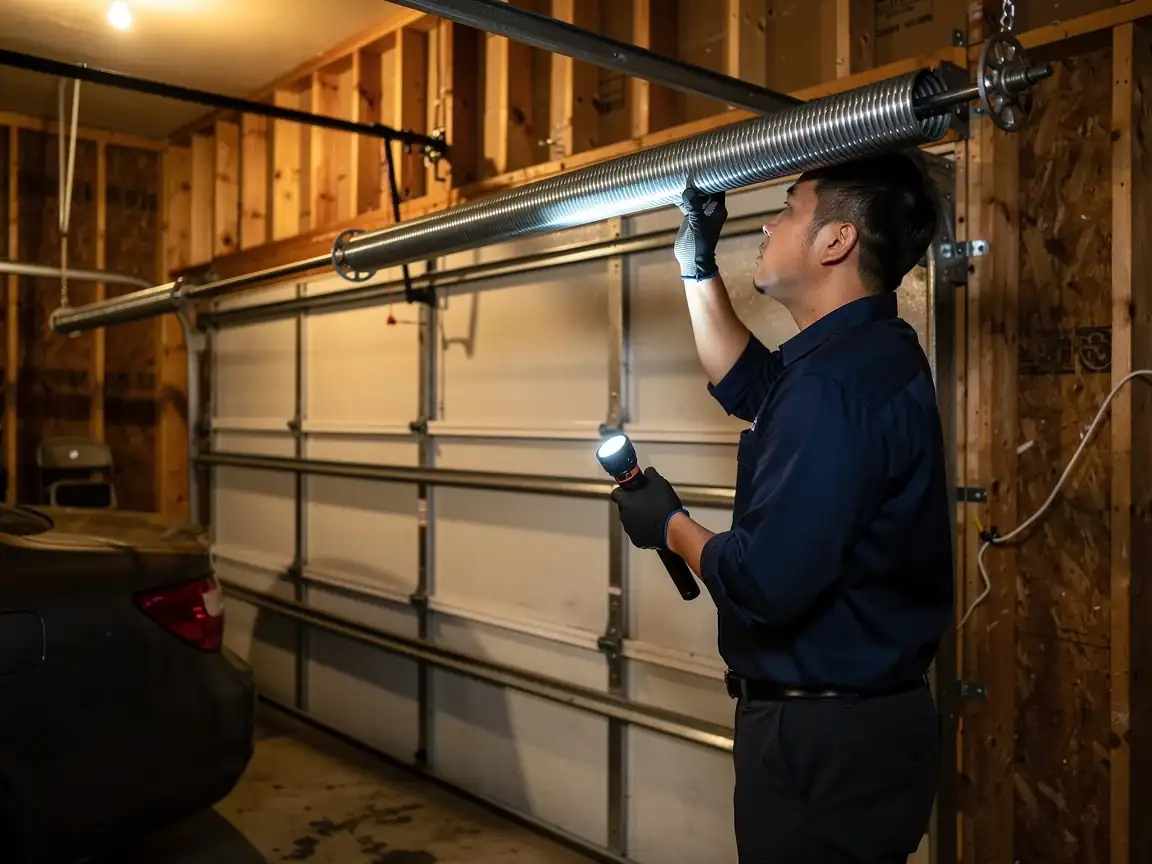
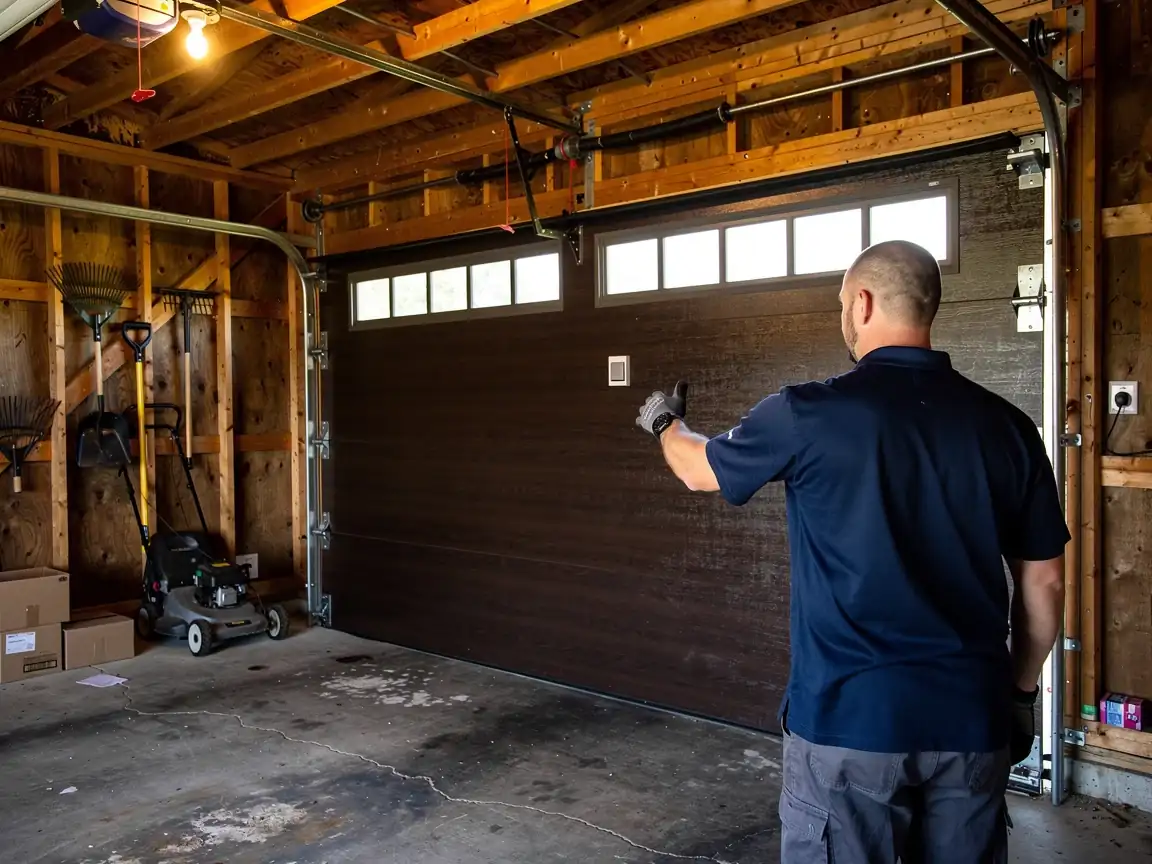
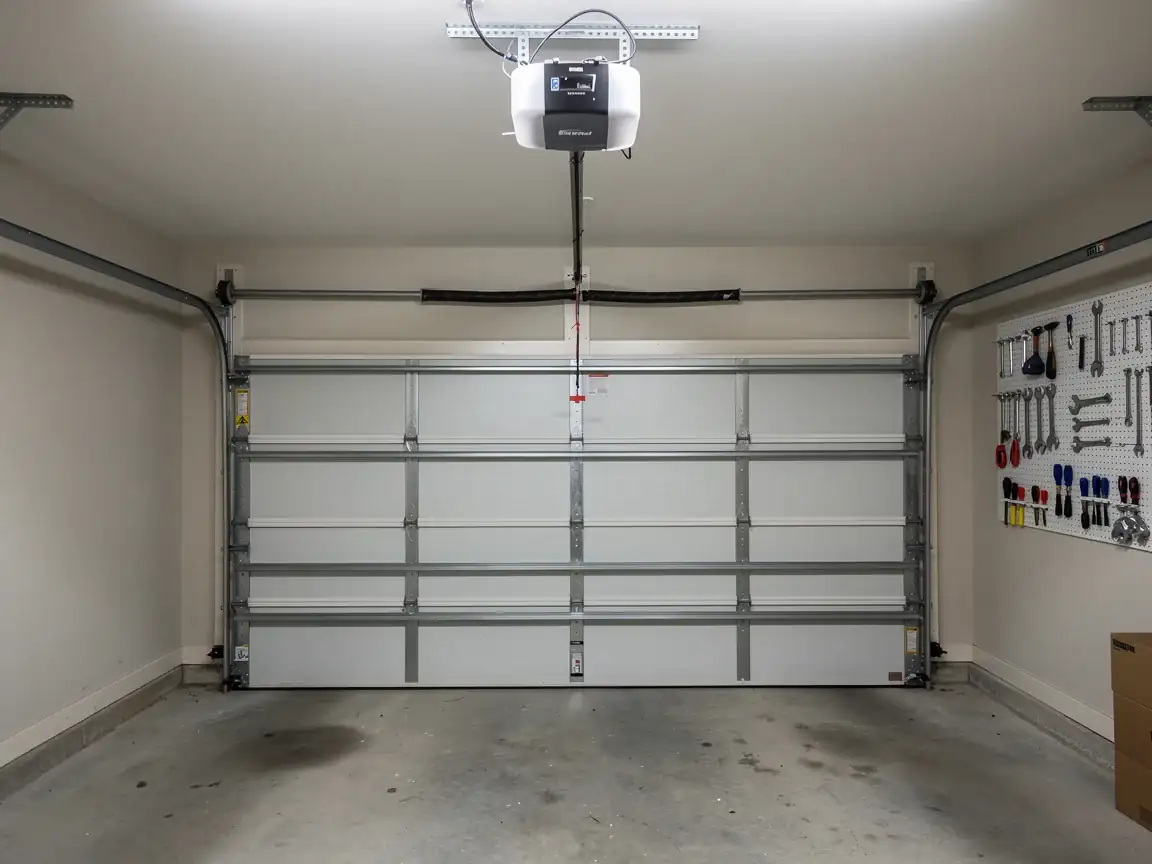
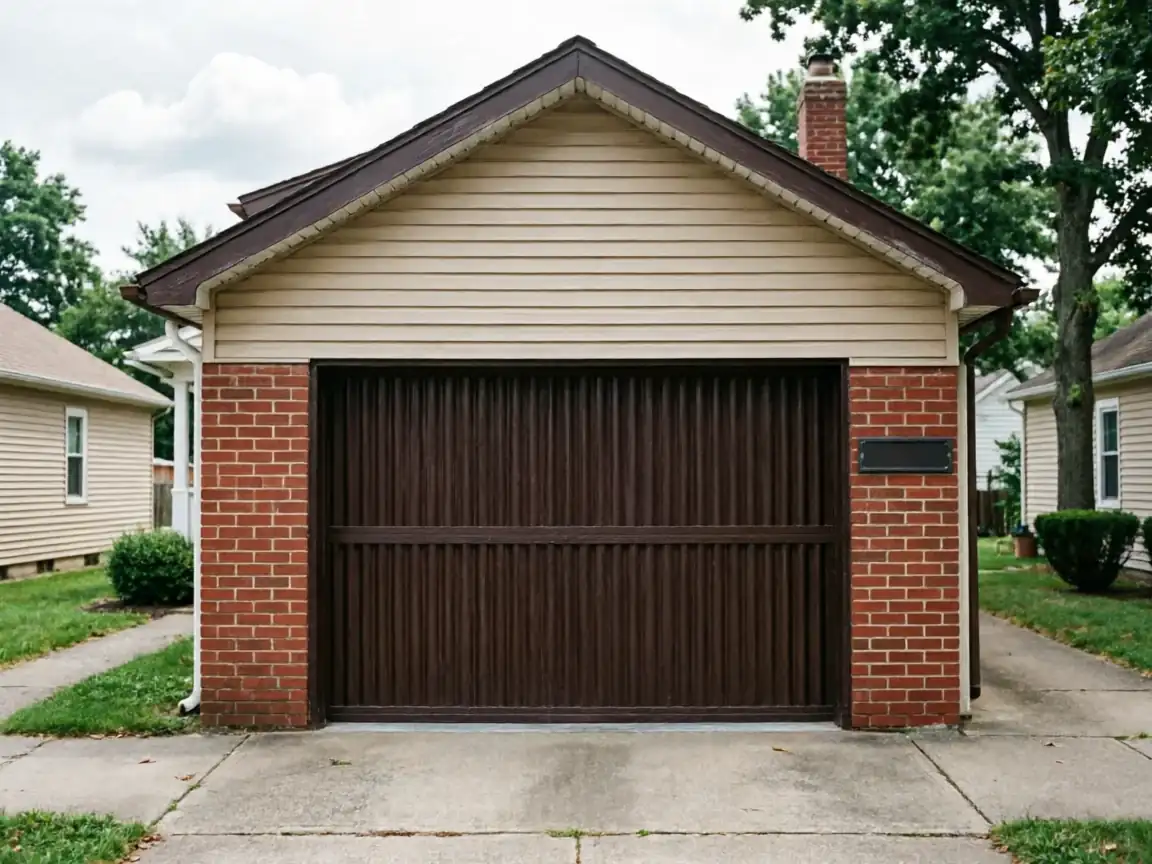
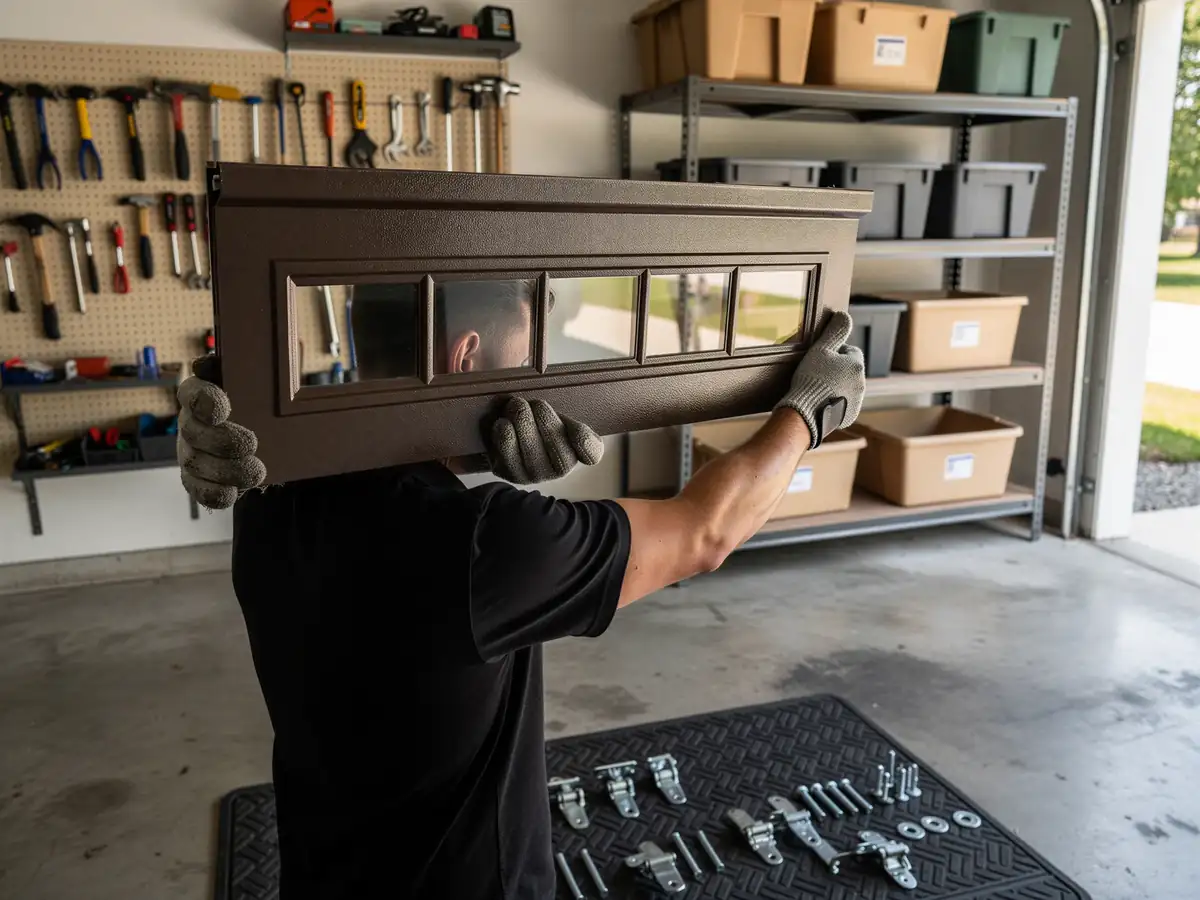
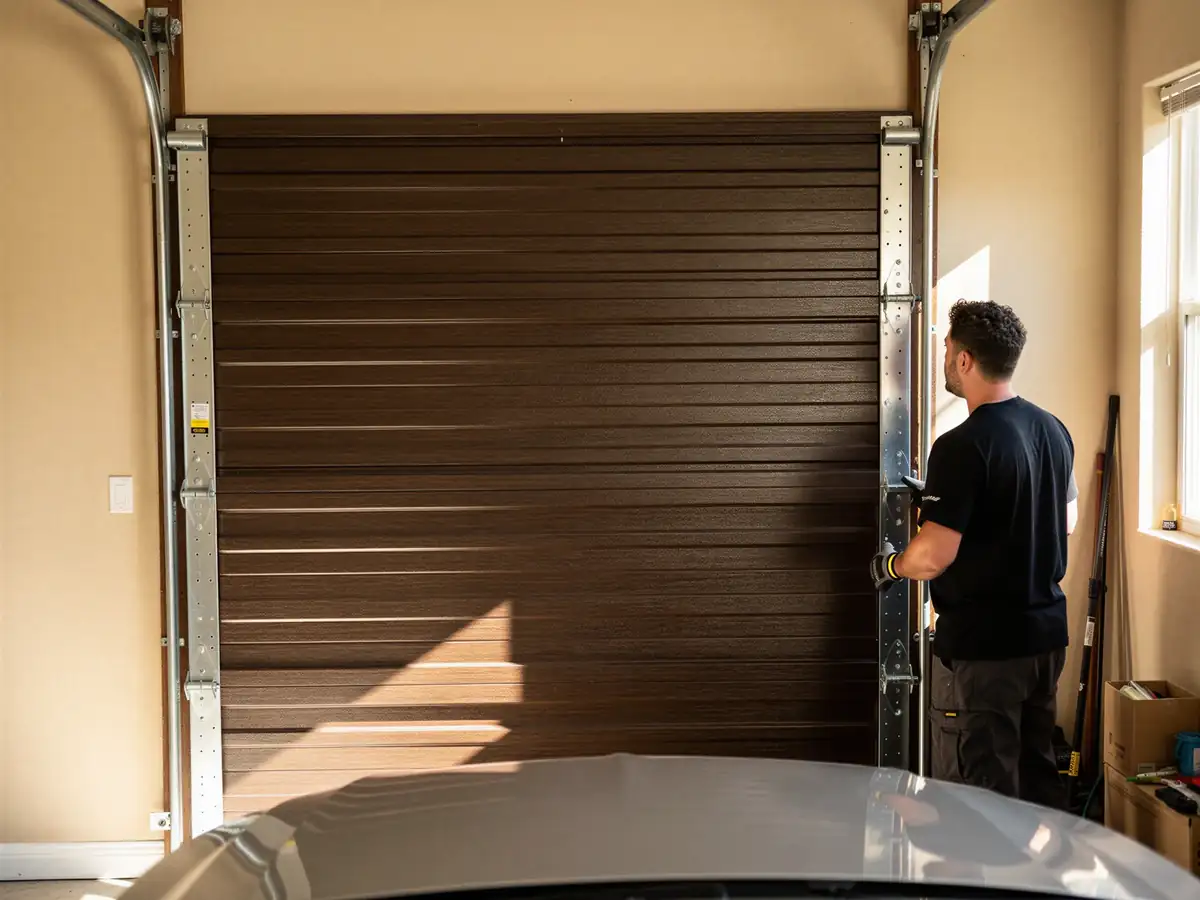
Pontiac's housing stock centers on a build year of 1960, a decade or so ahead of the 1973 median for the wider service area. That decade means a lot of these garages still carry their original header brackets and single-run tracks, sized for the lighter doors that were standard mid-century: hollow steel, no insulation layer, narrow jamb clearance. When a homeowner here calls for a new install, the first problem usually isn't the door itself - it's the opening. Framing built for a 1960s door doesn't always match the stiles and seals on current doors, so the job often starts with shimming or trimming the jamb before anything new goes in. Torsion spring placement is the other common snag: older headroom here runs tighter than what newer doors assume, and that changes which track and spring combination actually fits. None of this is unique in a dramatic way - it's what you get when a neighborhood built mostly in one ten-year stretch meets a door industry that's changed its minimum clearances more than once since.
What You Pay
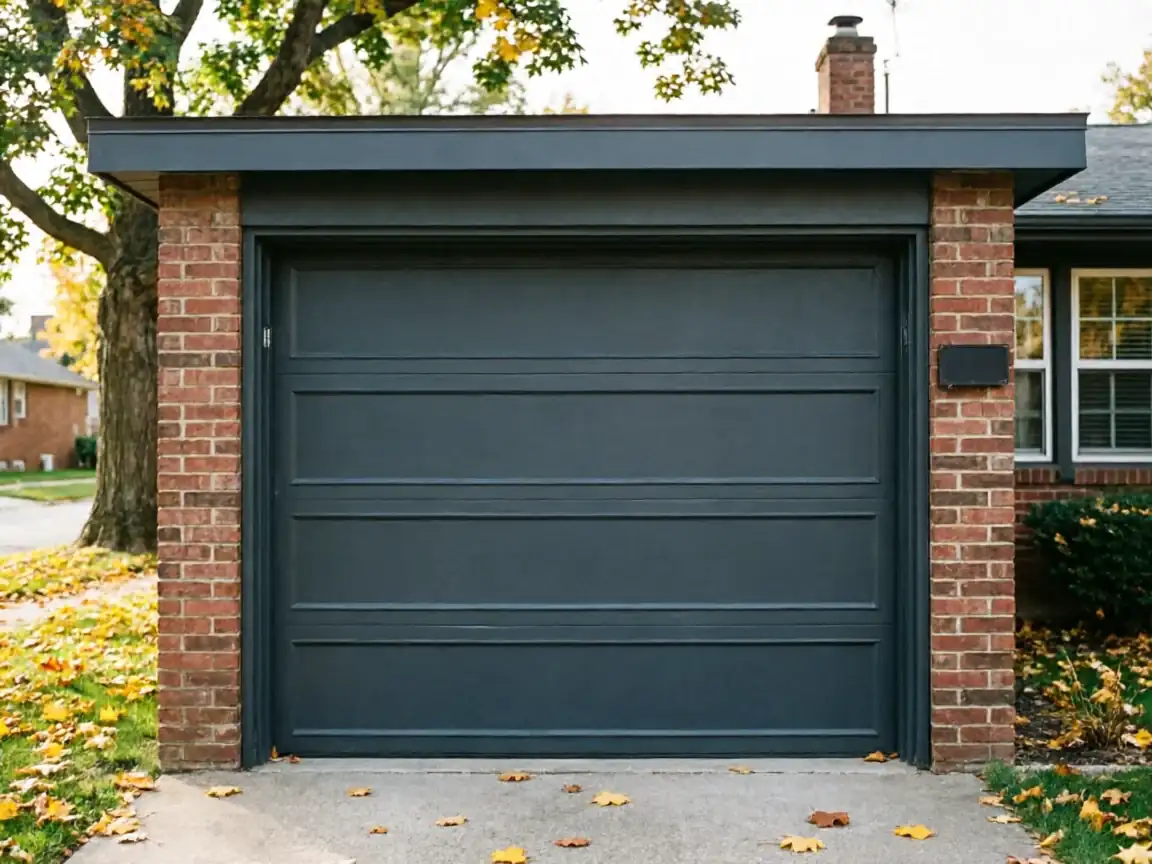
Pontiac's median household income sits at $42,791, well under the $102,333 median for the broader service area Waterford Garage Door Pros covers. That gap matters when picking a door tier. A double-layer insulated steel door makes sense in plenty of homes nearby, but on a fixed budget, a single-layer steel door with a solid weatherstrip often covers what the house actually needs, especially if the garage isn't heated space. We don't have a price list to publish here, and we won't invent one - final cost on any job depends on opening size, spring count, and whether the old jamb needs rework before the new door goes in. What we can say is that the choice between door types in Pontiac tends to be driven by that income gap more than by anything stylistic. A homeowner weighing a new install here is usually deciding between 'enough door' and 'more door than the budget needs,' and that's worth settling before ordering anything.
Doing It Yourself
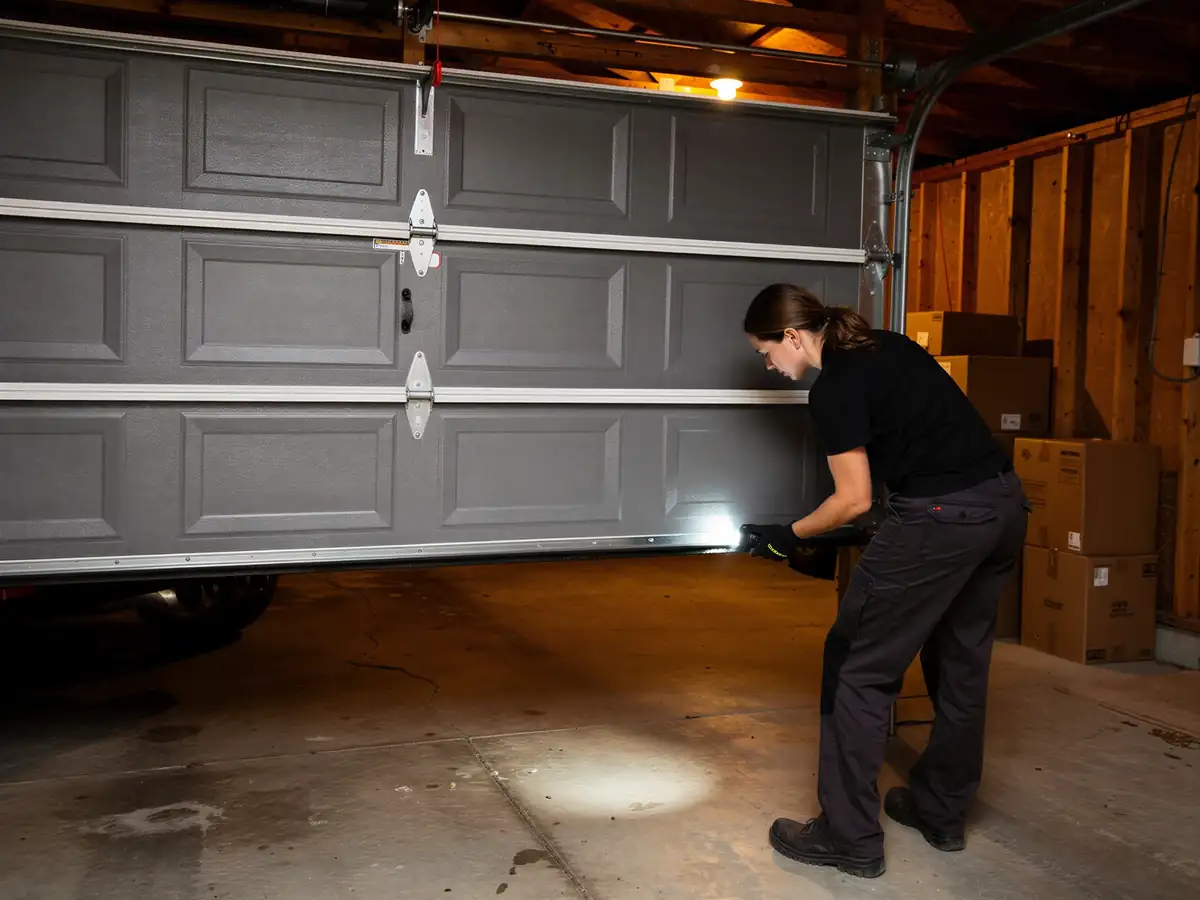
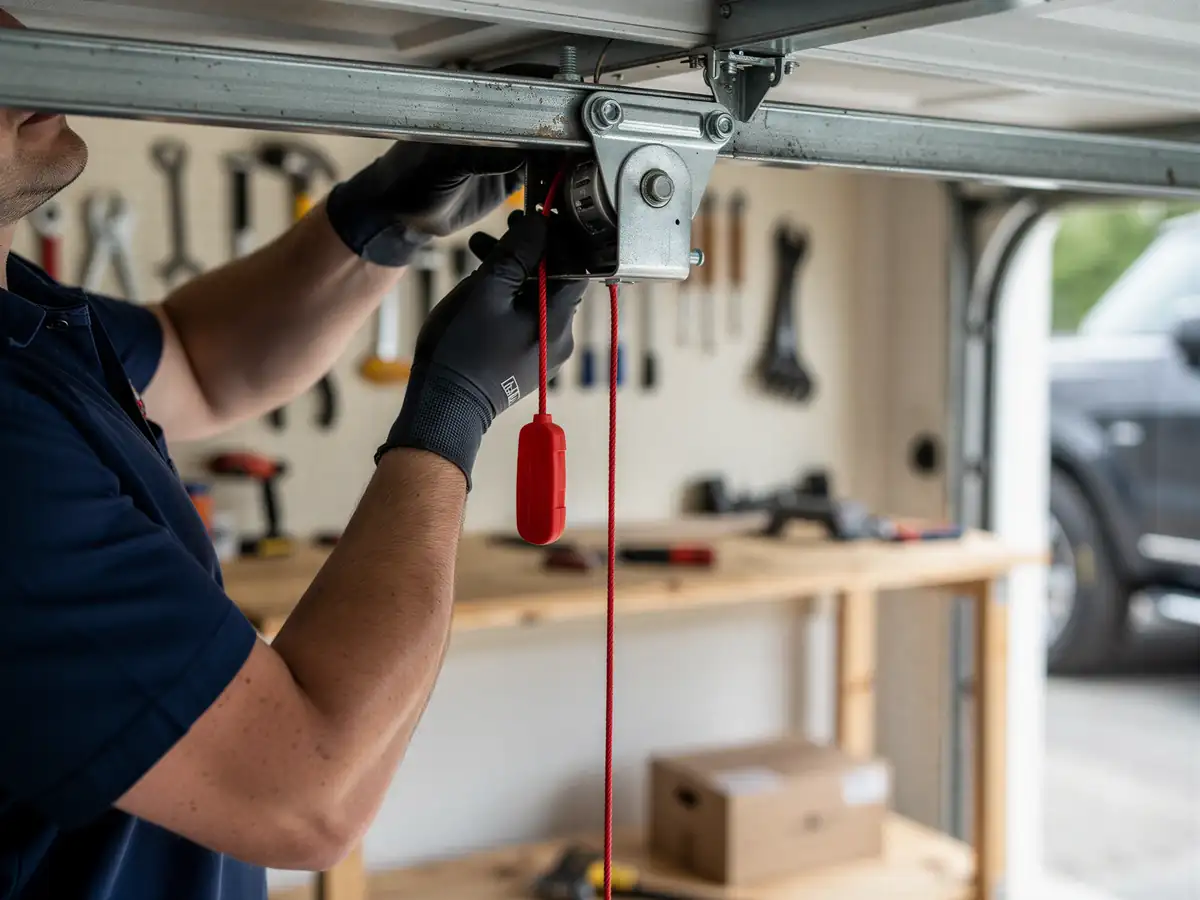
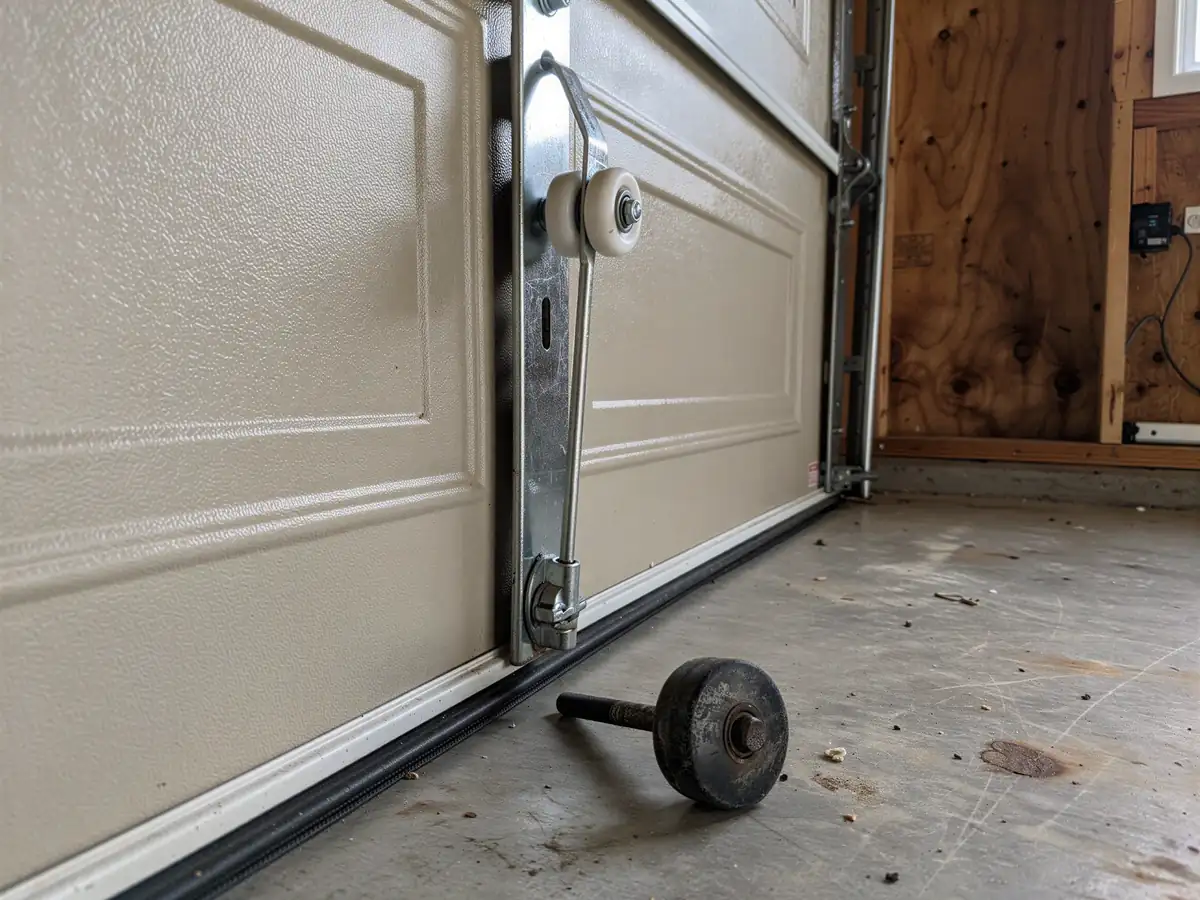
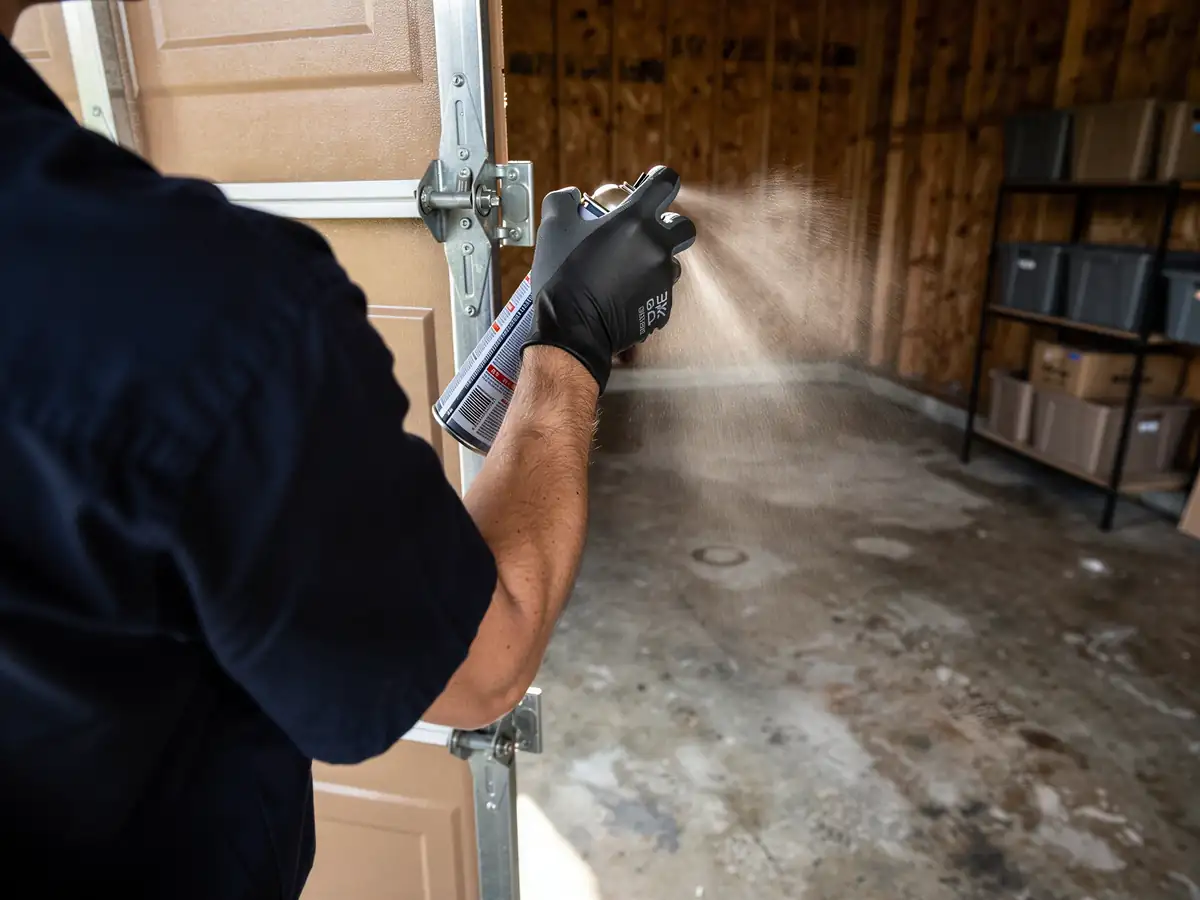
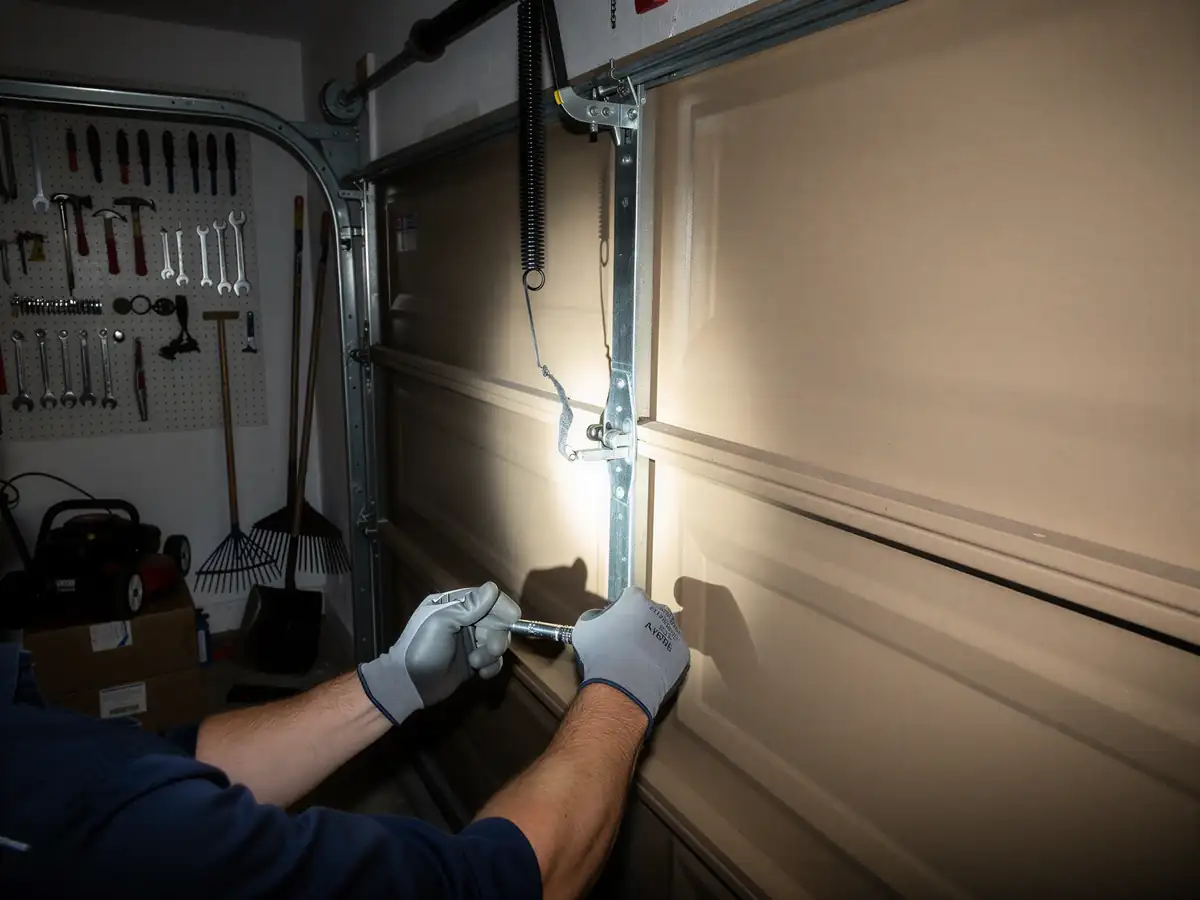
A new garage door install isn't a weekend bolt-together job, and that's truer in a house with 1960s framing than in newer construction. Torsion springs store enough force to break bones if the winding bar slips, and on older jambs, you're also dealing with brackets and anchor points that may not be square anymore. We'll say plainly: we don't recommend DIY installs on torsion-spring doors, full stop, regardless of how the opening is framed. Where a homeowner can reasonably do their own work is in the easy stuff - swapping weatherstrip, oiling rollers, tightening loose hinge bolts. The honest limitation on our end is that we travel from Waterford to reach Pontiac, 7 miles out, so we're not a same-day walk-in shop; jobs get scheduled, not dropped in on. If you're set on doing the full install yourself, at minimum get someone to check spring tension and jamb square before you order a door sized for an opening that might not match what the original builder cut.