Where This Job Goes Sideways
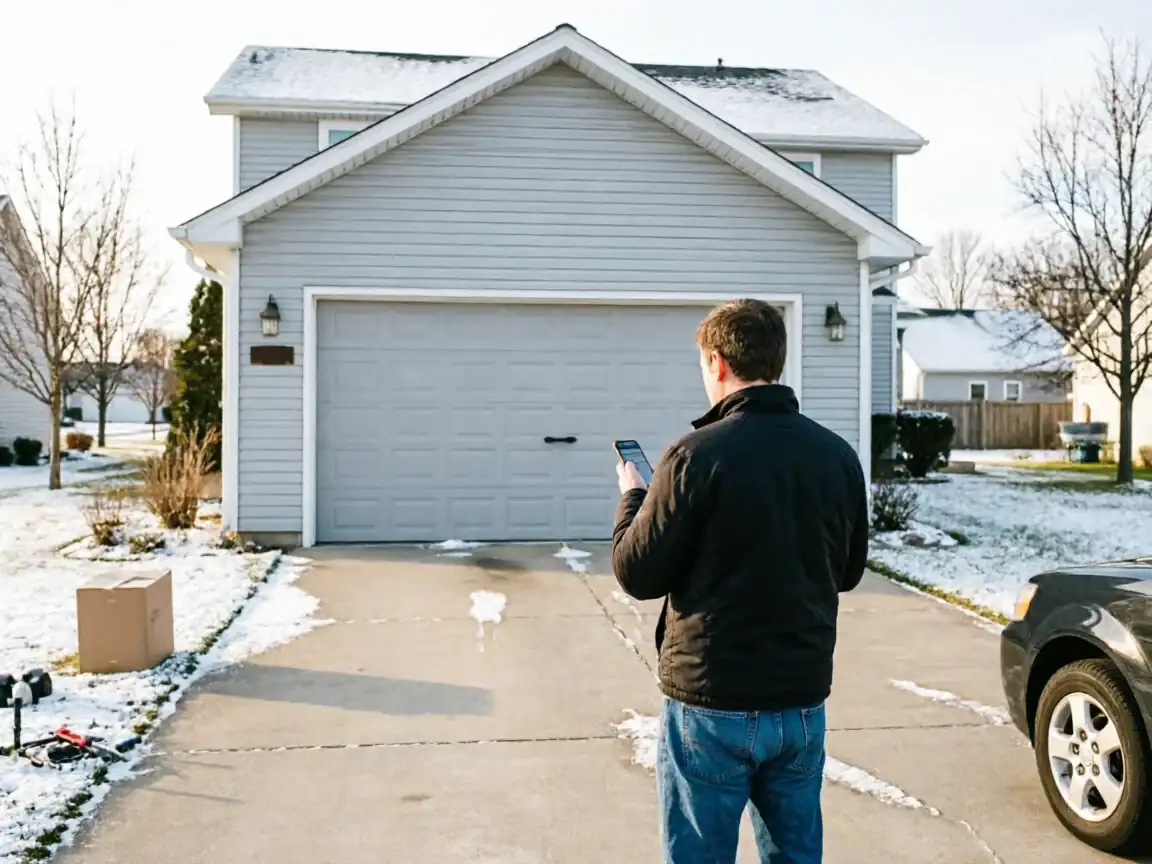
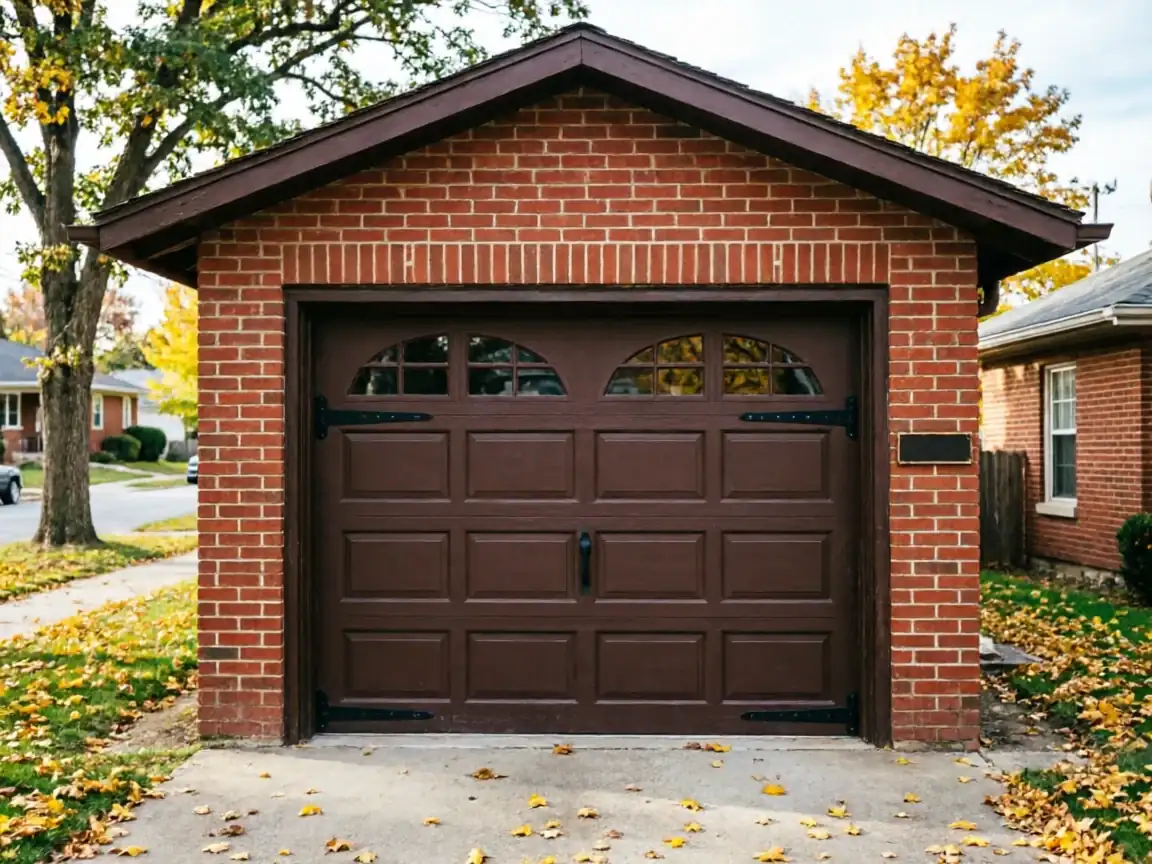
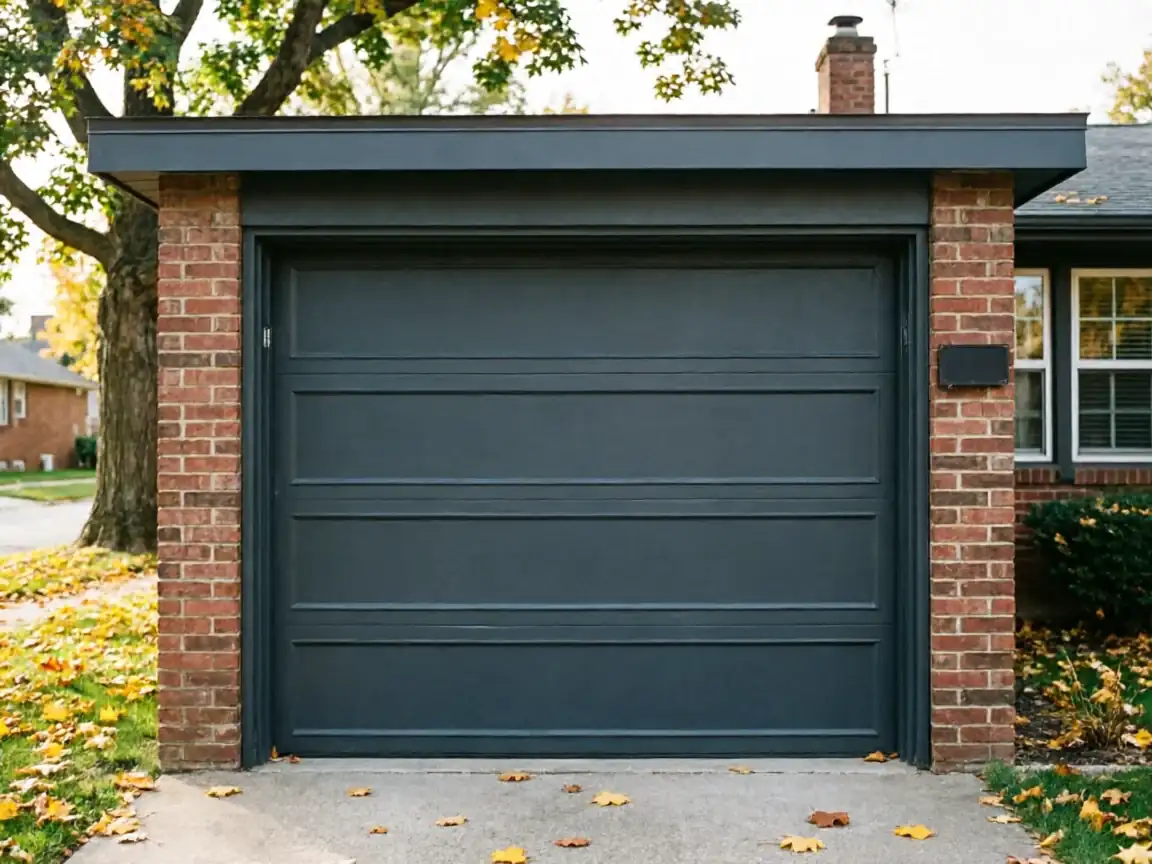
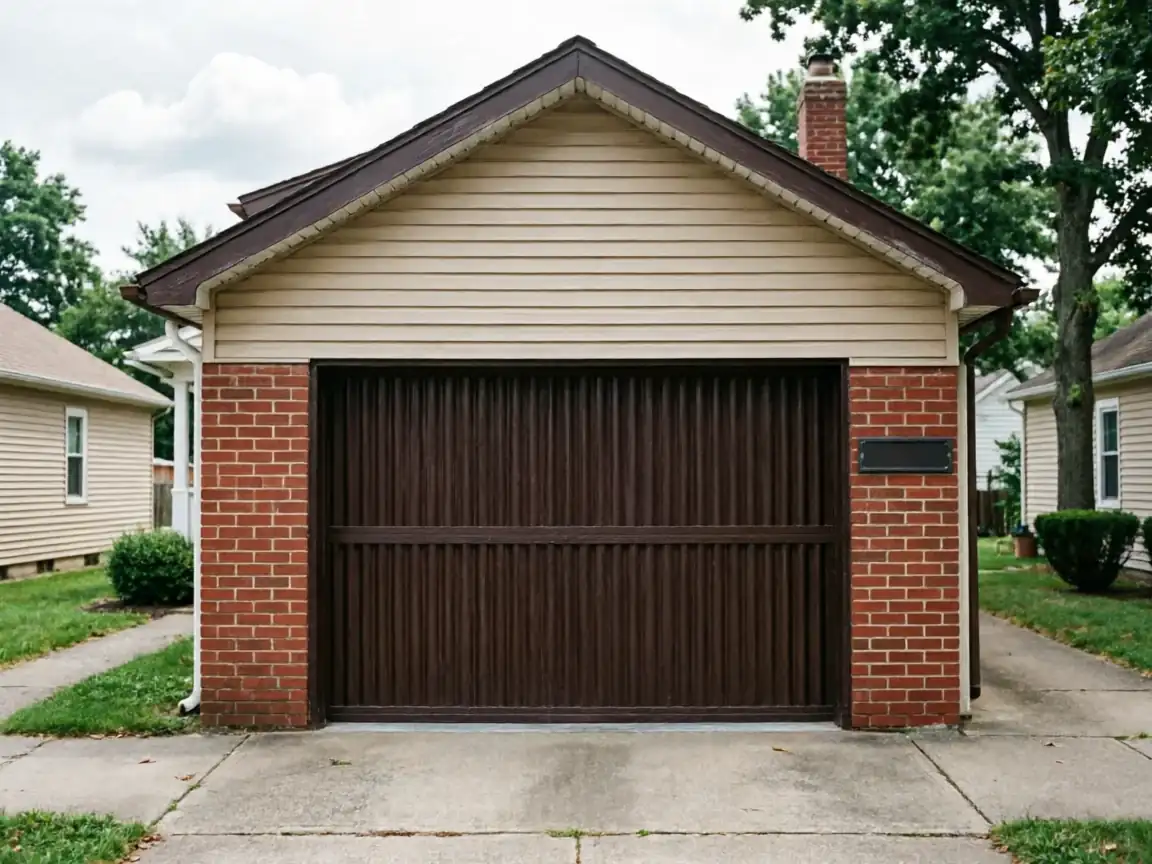
Walk through a Pontiac neighborhood built around 1960 and the garage doors tell you the story before you knock on anyone's door. Most are the original steel panel doors that came with the house - flat-panel, single-layer, no foam core, hung on side-mounted torsion hardware that was standard for the era. Sixty-plus years of Michigan winters have worked on that steel and that hardware the same way they've worked on the roof and the furnace.
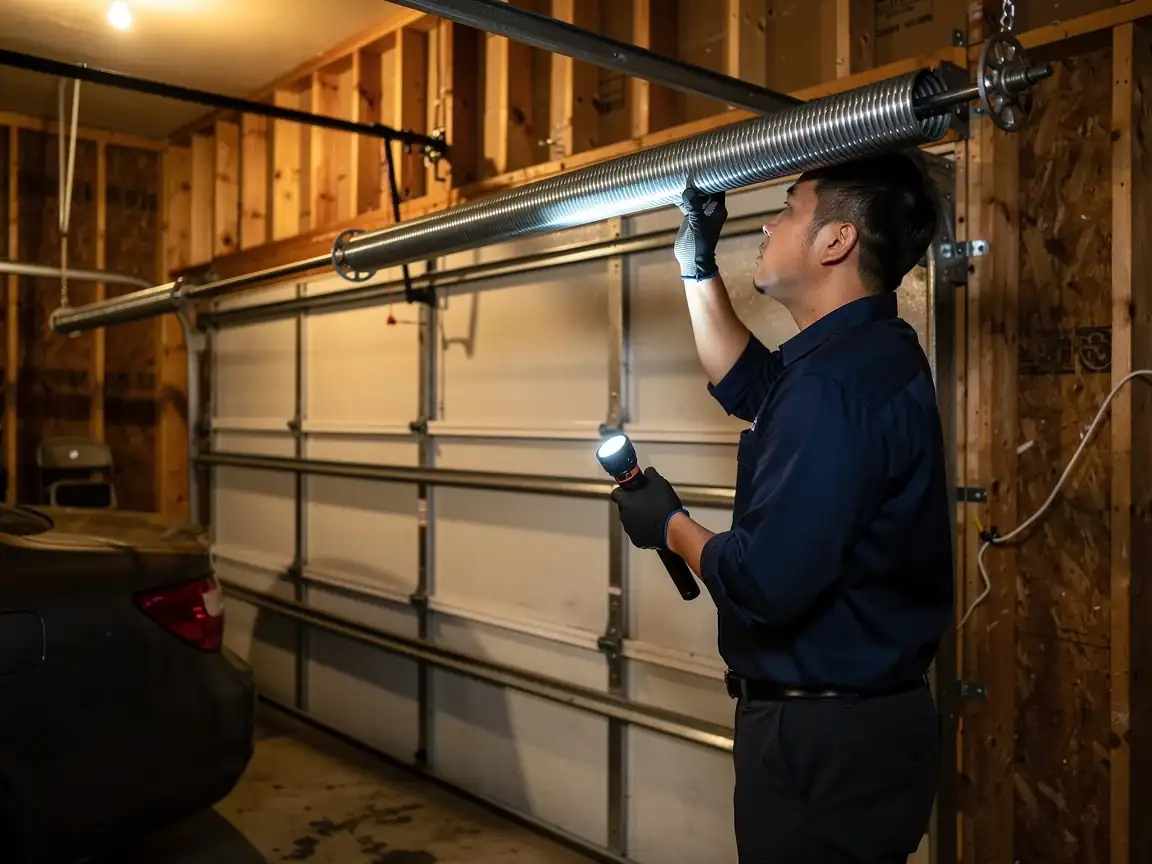
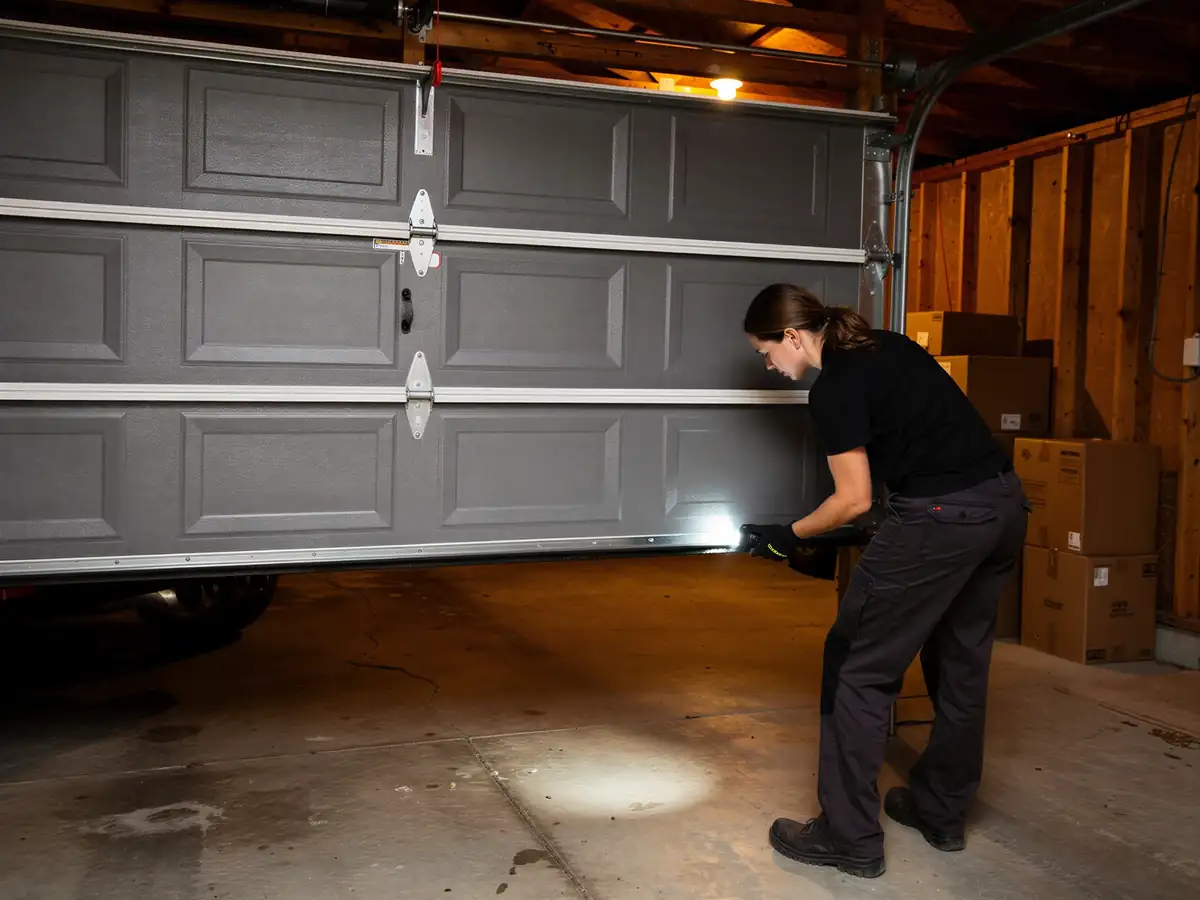
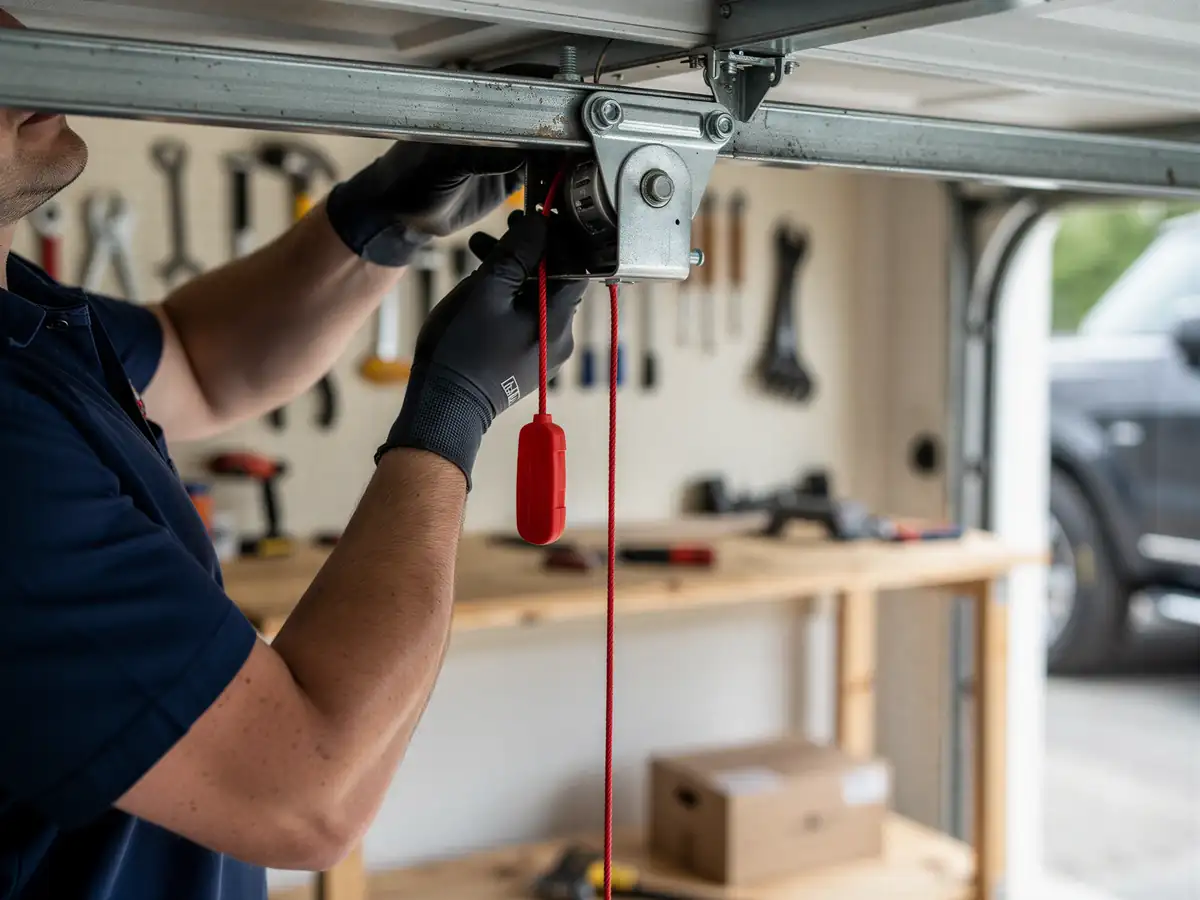
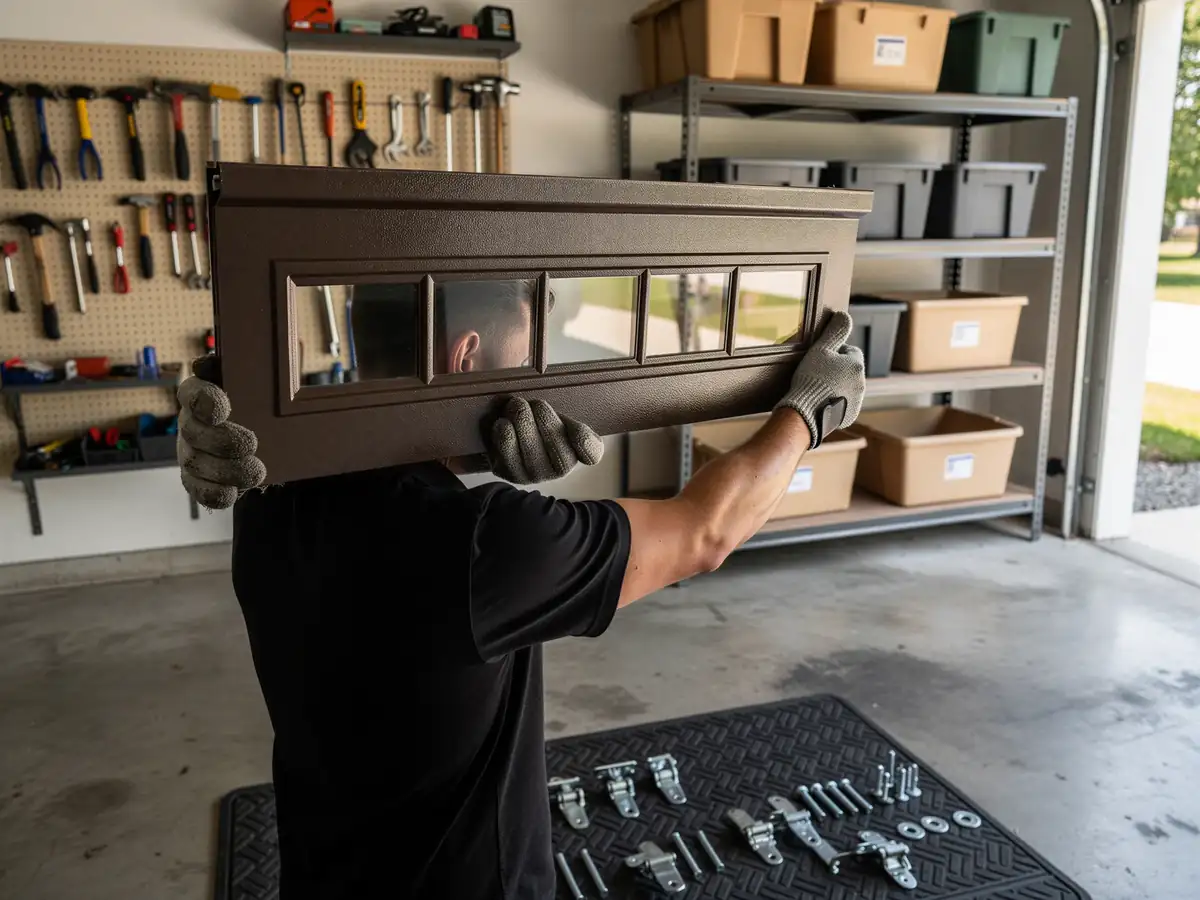
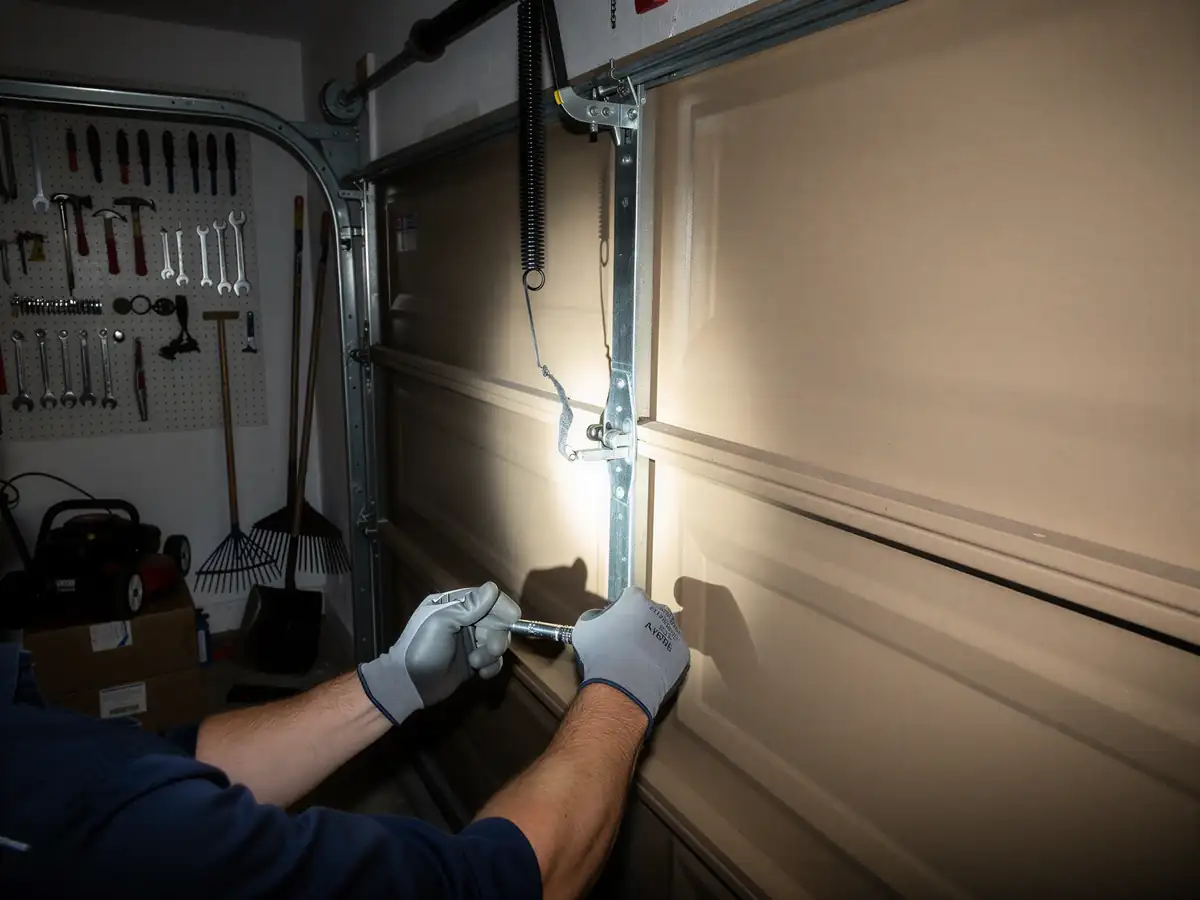
What goes wrong first is predictable: the torsion spring loses tension and the door won't lift, or it lifts unevenly and binds in the track. The steel panels themselves start to bow or rust along the bottom section where snowmelt sits against them. Rollers that were fine for the first thirty years start grinding in tracks that have shifted slightly as the slab settled. None of this is dramatic until the spring snaps - and on a door this old, a broken spring usually means the whole torsion assembly needs attention, not just the one part.
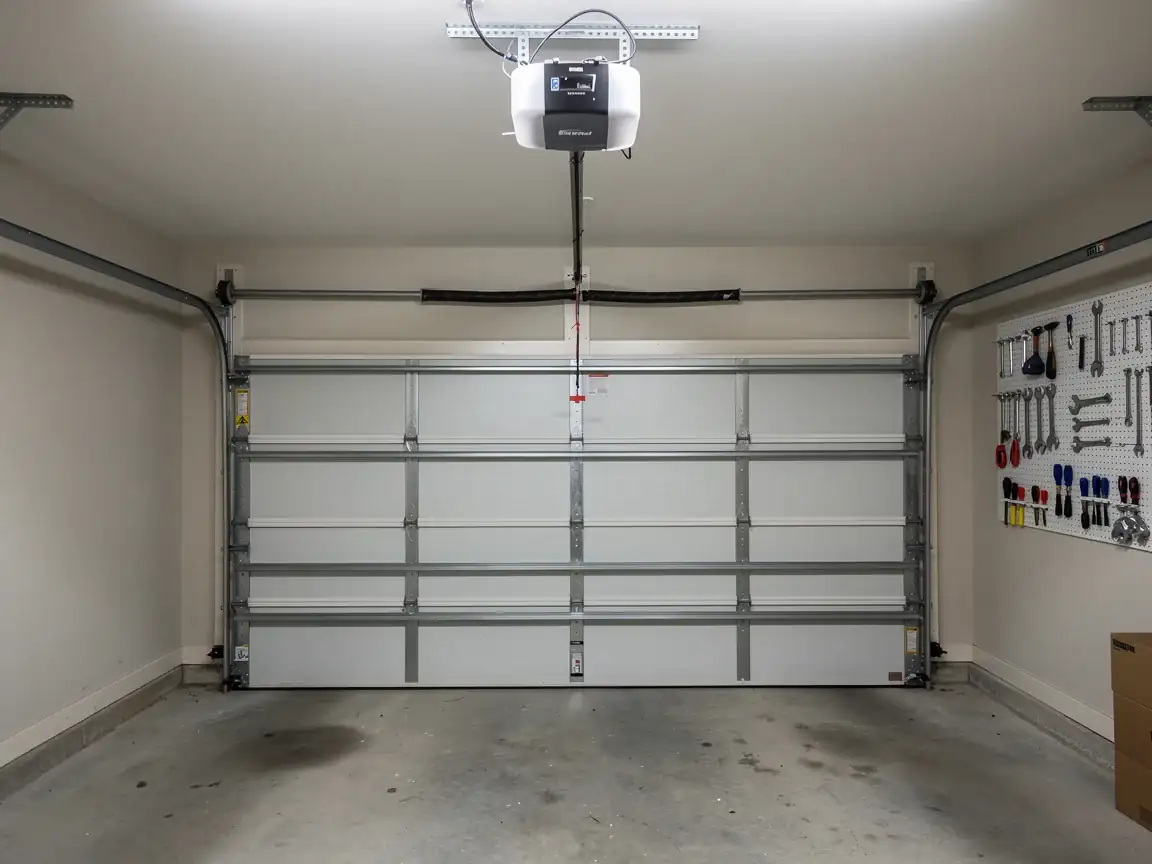
The doors that fail hardest are the ones nobody's touched since the house was built. If your opener still has a chain drive and a pull-chain light, that's the tell.
What You Pay
We don't have a set price sheet for Pontiac jobs on this page, and we're not going to make one up. What we can tell you is what shapes the number when we quote you over the phone. Median household income in Pontiac runs $42,791 - well below the $102,333 median across the rest of the service area - and that gap matters more here than almost anywhere else we drive to. It's the difference between telling a homeowner to replace a dented, rusted-through panel outright versus patching the spring and hardware and getting another decade out of a door that still has good bones.
A repair on a 1960s torsion setup - spring, cables, maybe a roller or two - usually costs less than people expect, but if the track has rusted through or the panel steel is thin enough to flex, no amount of hardware work fixes that. We'll tell you straight which side of that line your door is on before we touch anything, not after.
If you want an exact number for your door, that's a phone call, not a web page - too much depends on what's actually failed.
Why It Happens Here
Pontiac sits in a cold-climate band with severe winter conditions
The kind that stresses garage door hardware twice a year - once when the cold snaps steel and grease in January, once when the spring thaw lets moisture back into tracks and bottom seals. On a door built around 1960, that cycle has run sixty-some times already.
Across roughly 25,605 households in Pontiac
A large share of those doors share the same birth year and the same hardware generation. That means when one torsion spring on a given street starts going, the others aren't far behind - they were all built to the same spec, strung the same week, aged by the same weather. It's not a coincidence when we get two calls from the same block in the same month; it's the stock catching up to itself at once.
- 25,605 households
Steel doors from that era also weren't insulated
Which means condensation inside an attached garage runs higher than on a newer foam-core door, and that moisture sits on the bottom bracket and hinges longer than it should. Rust starts from the inside of the hardware before it shows on the outside of the panel - one more reason a door that looks fine from the driveway can still be seizing up underneath.
Doing It Yourself
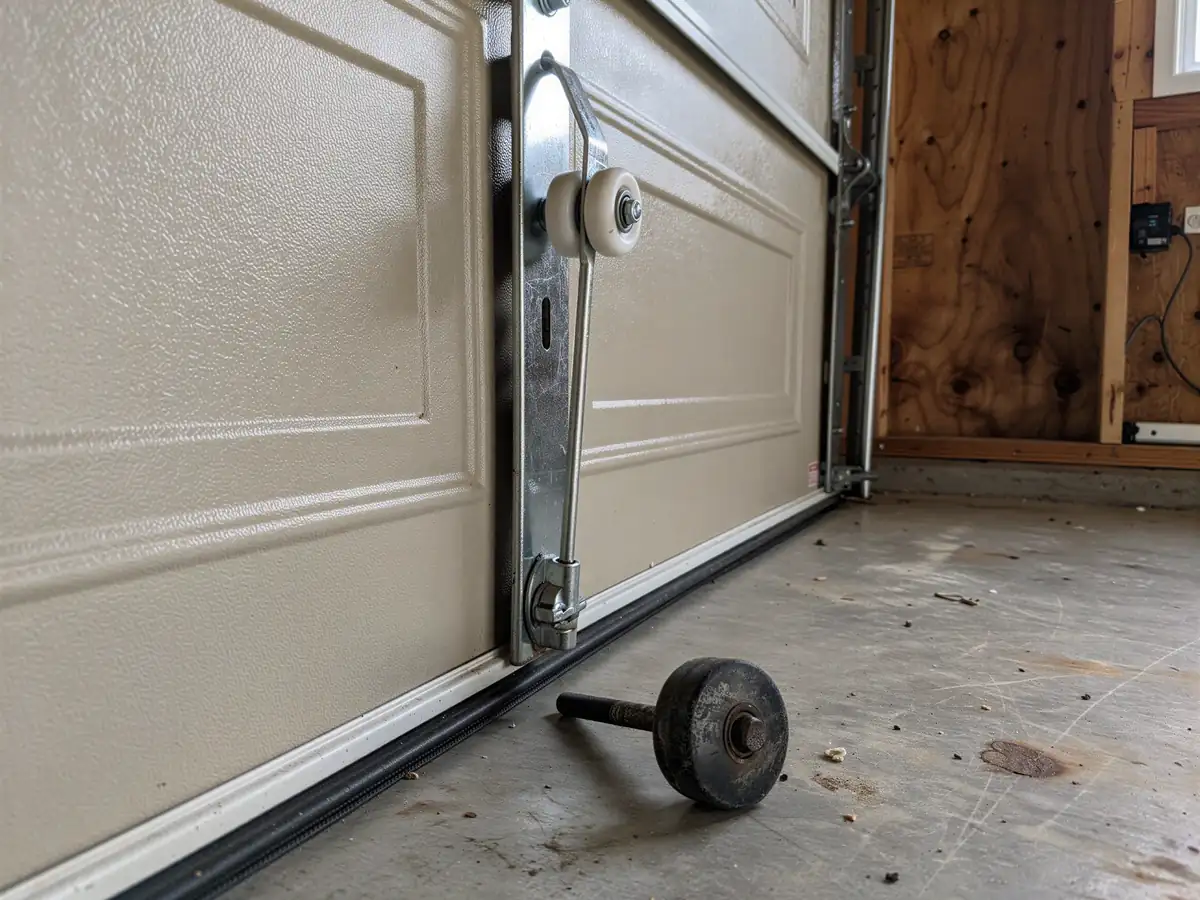
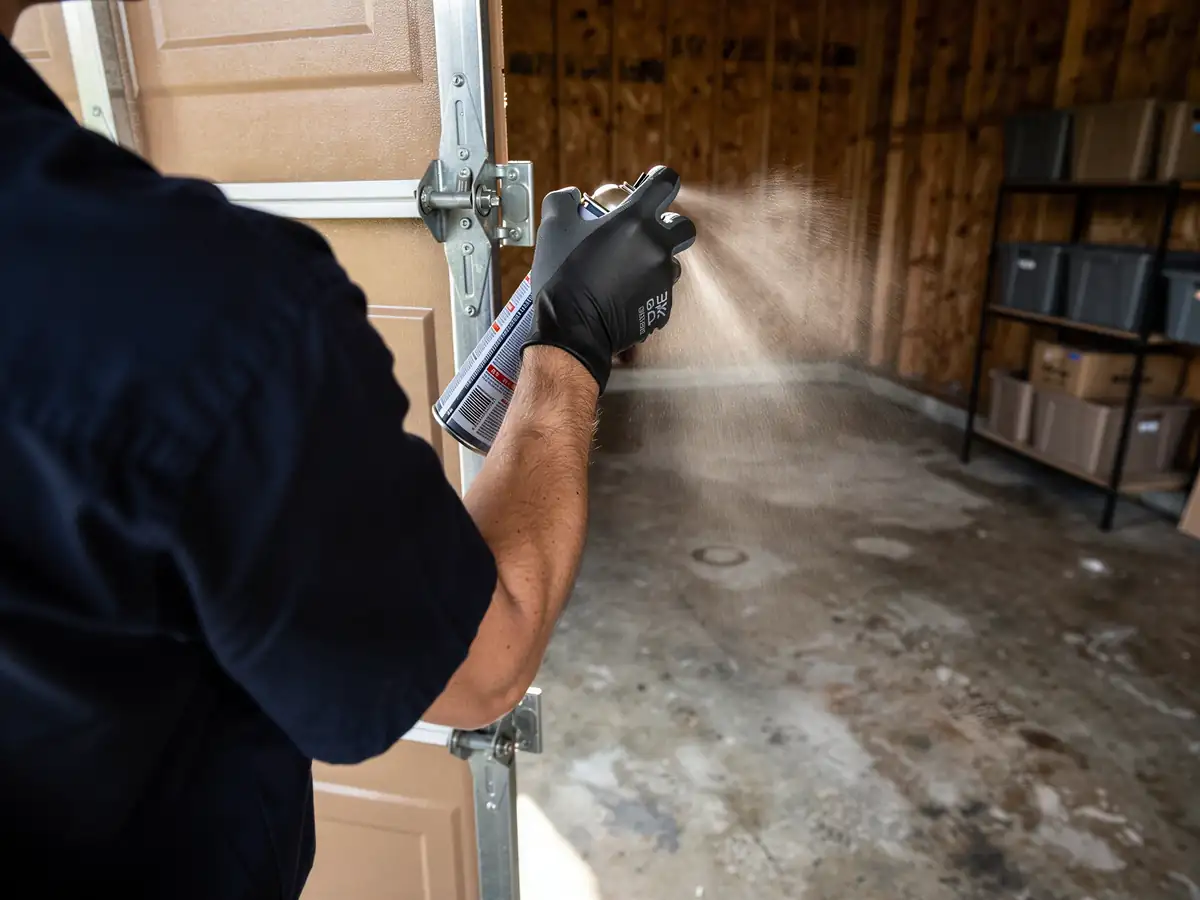
There's real work here a homeowner can do safely. Vacuum out the tracks, check that the bottom seal isn't cracked and letting weather in, tighten loose hinge bolts, and listen for a grinding roller before it jumps the track. None of that needs a truck.
What you shouldn't touch is the torsion spring. On a 1960s door, that spring has been under load for sixty-plus years, and the winding cone it's attached to can be worn in ways you can't see from the floor. People lose fingers and worse on these - it's not an exaggeration, it's why the trade treats spring work as a two-person, right-tool job even for people who do it every day.
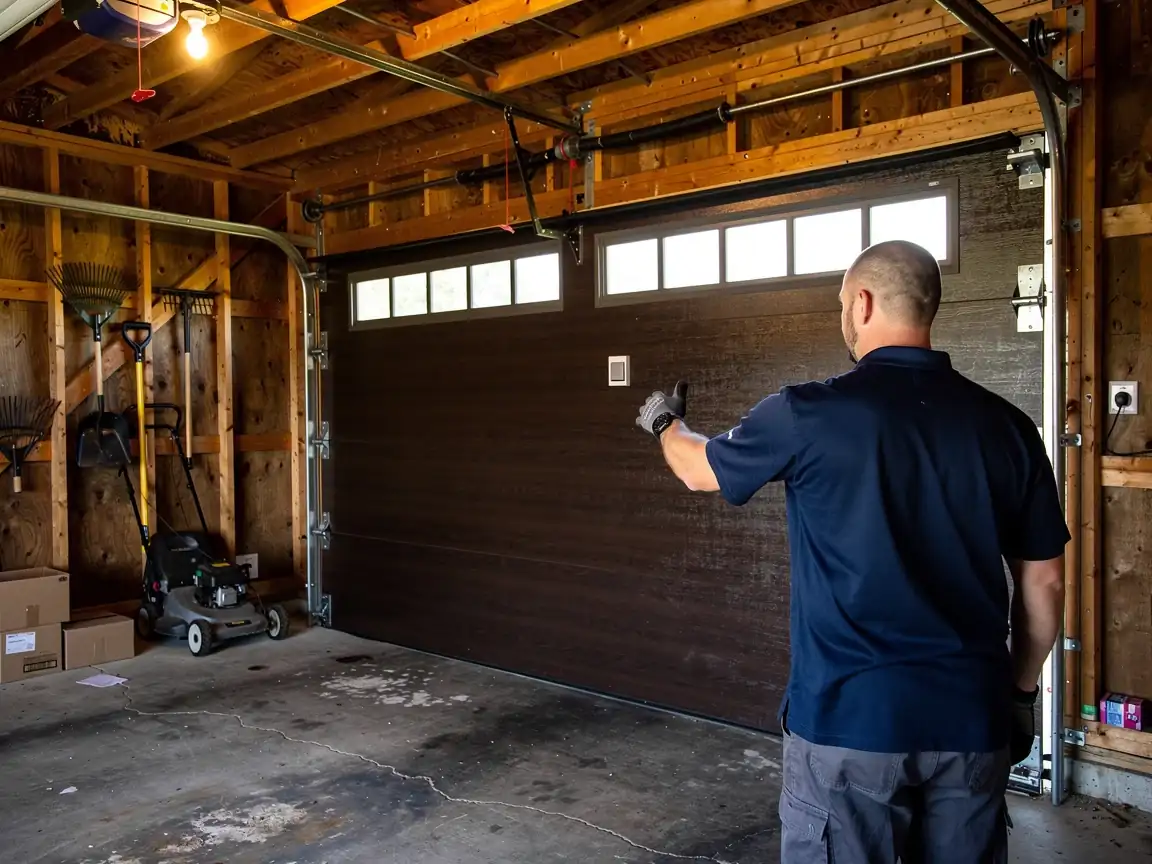
If your opener is original to the house, don't try to diagnose a chain-drive unit from 1960 the way you'd troubleshoot a modern belt-drive opener - the control board, if there even is one, isn't the same, and parts for openers that old mostly don't exist anymore. At that point you're not repairing, you're deciding whether it's worth swapping the whole unit. For more on what we cover in Pontiac, see our Pontiac garage door repair page or the main Waterford service page.