Where This Job Goes Sideways
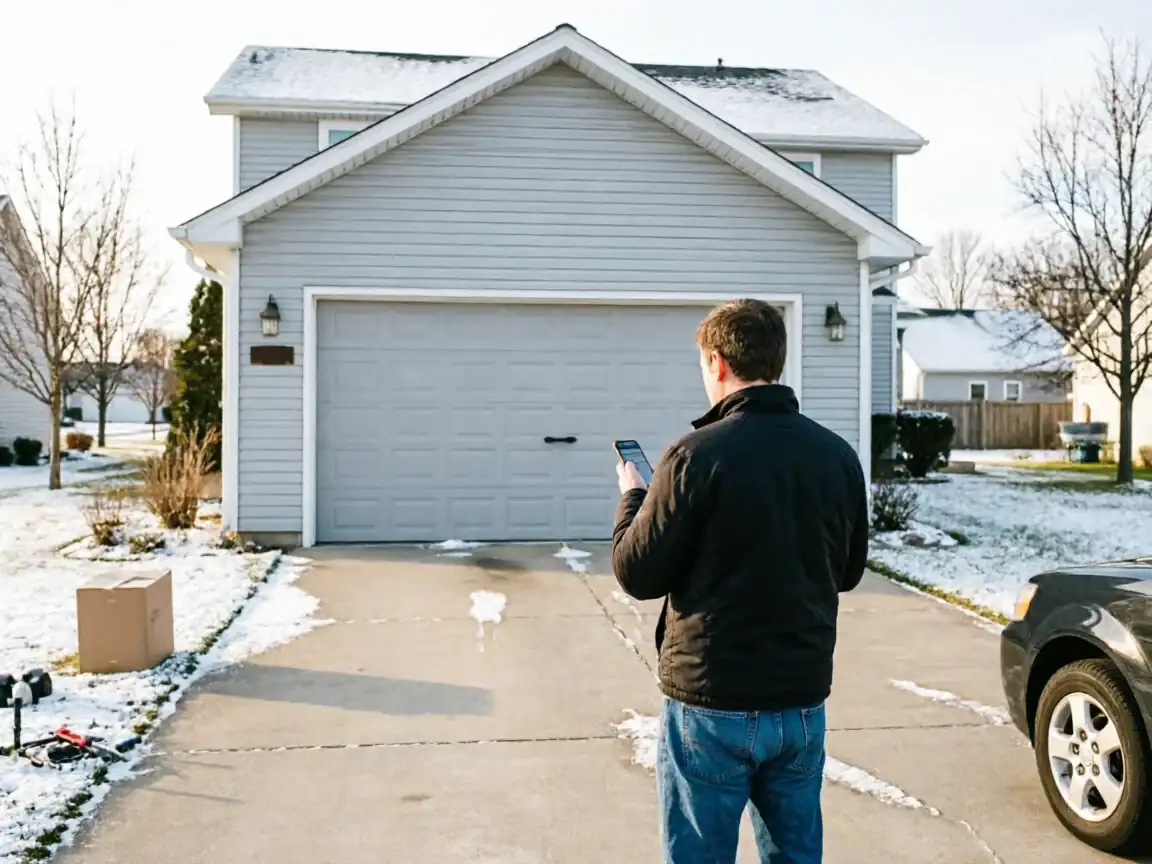
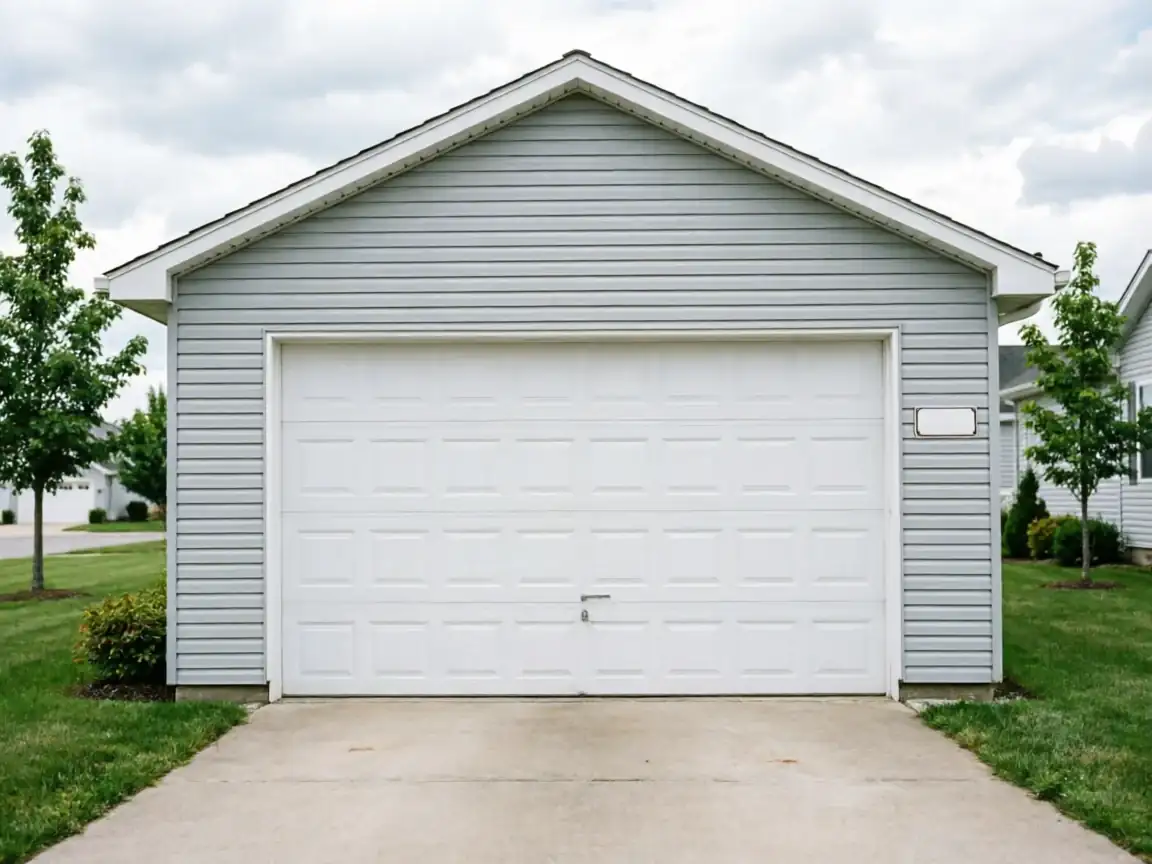
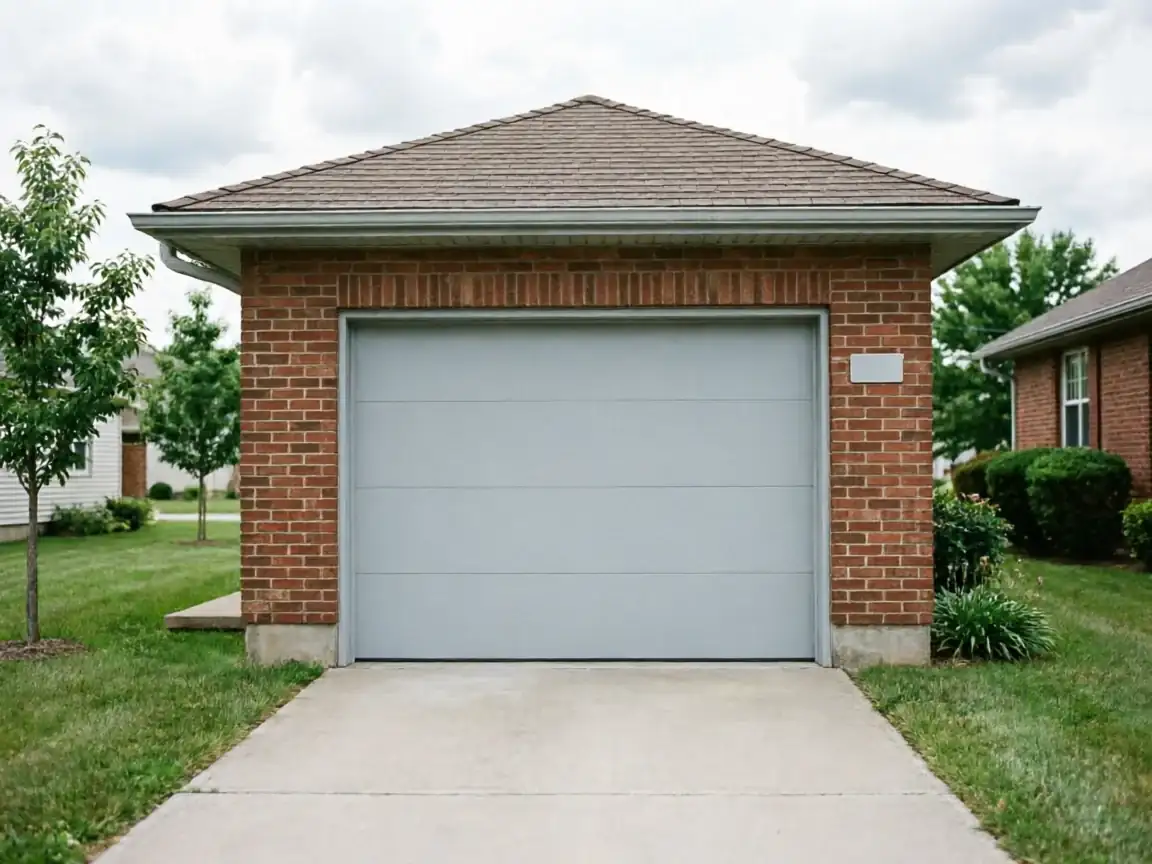
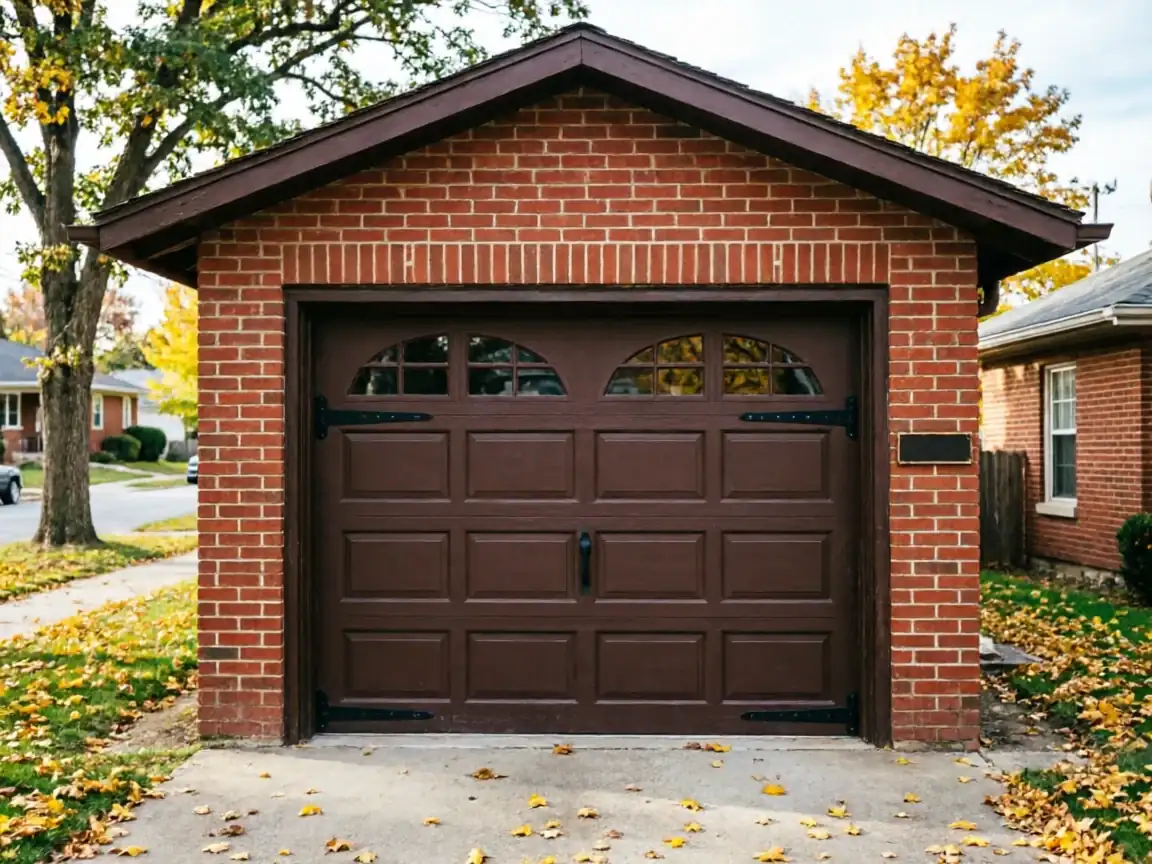
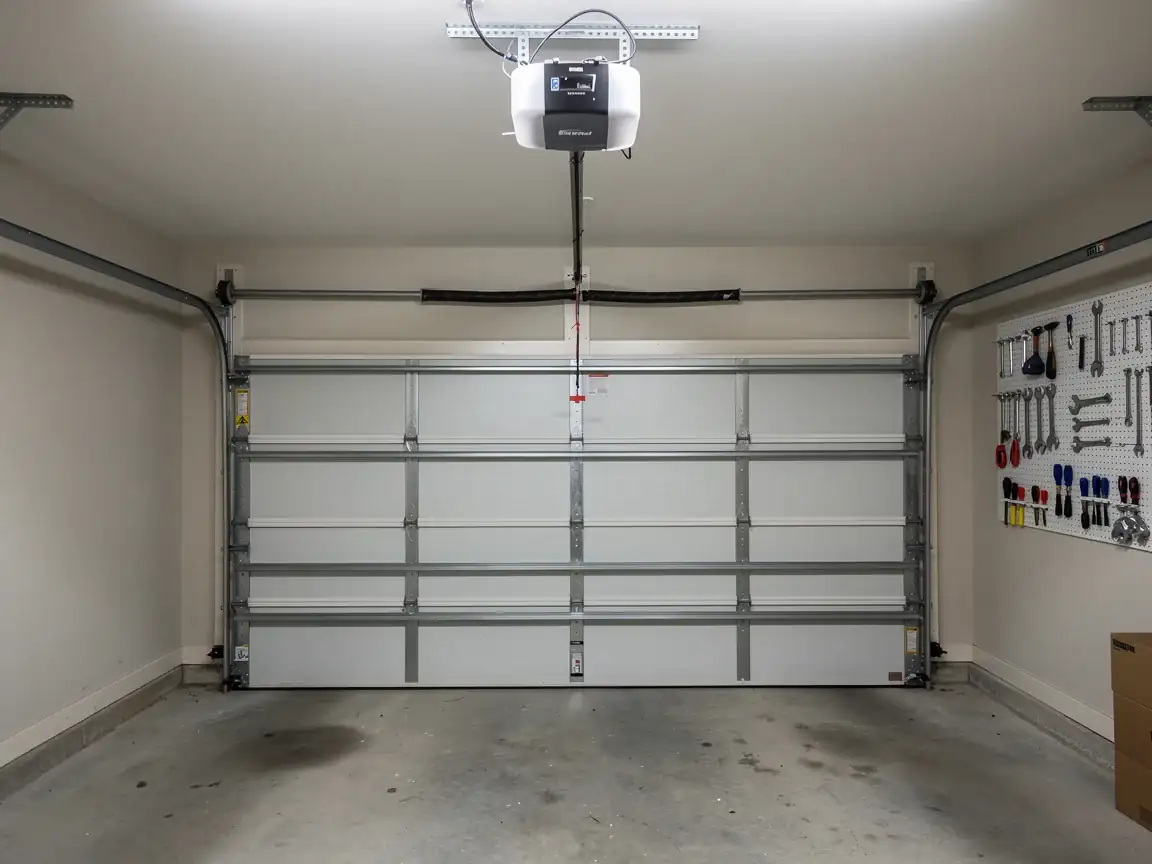
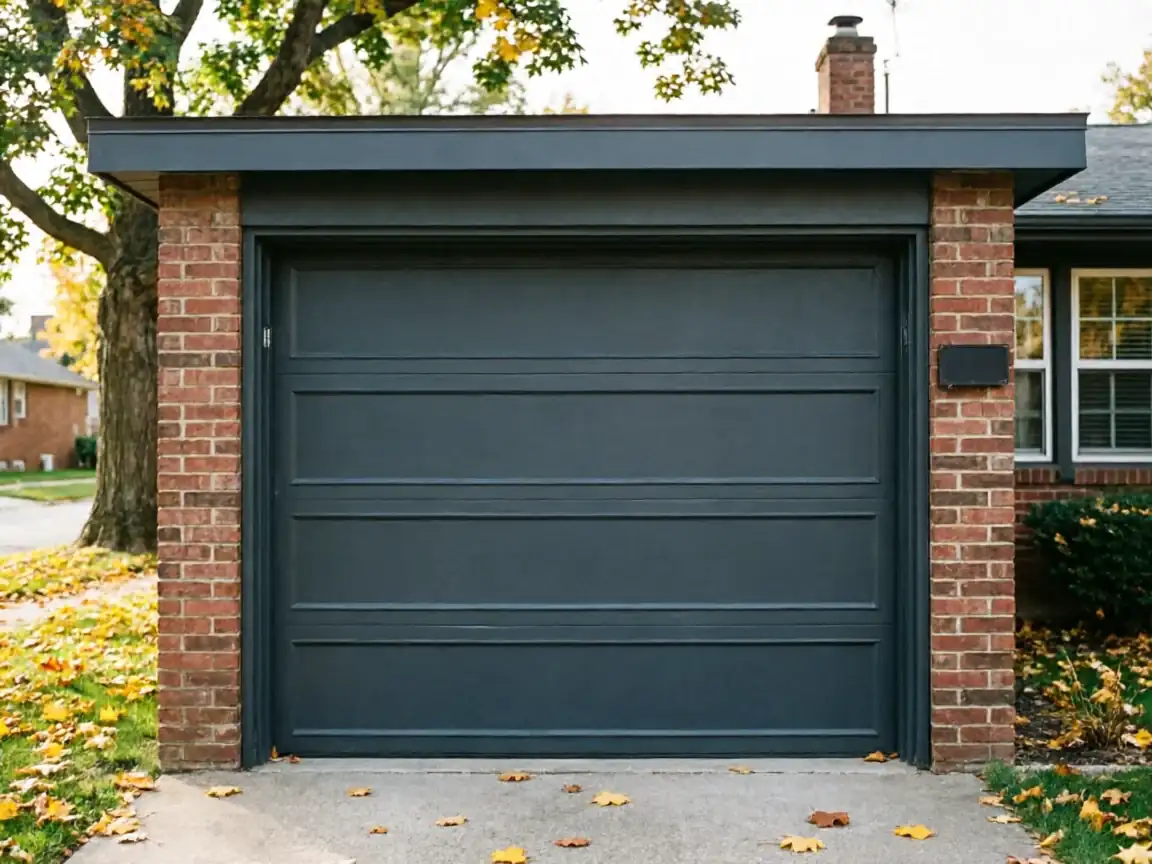
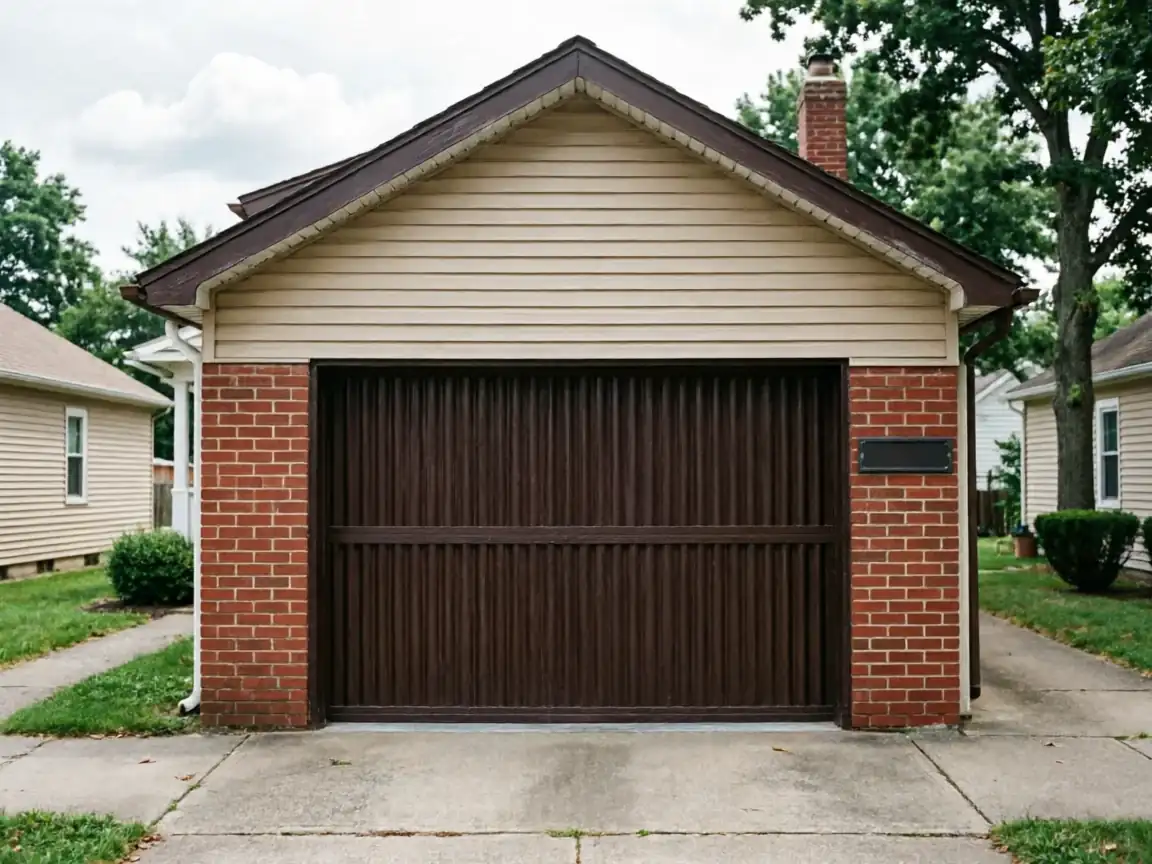
Pontiac sits seven miles from our shop in Waterford, close enough that a call here doesn't turn into a highway trip but far enough that we're not sitting on the block waiting for the phone to ring. That distance matters less than what's behind the door once we get there. A lot of Pontiac's housing went up around 1960, a decade or more ahead of the newer construction further out in the service area, and that older stock tends to carry extension springs instead of torsion, plus steel doors and track hardware that were never built to the tolerances you'd find in a door installed in the last twenty years.
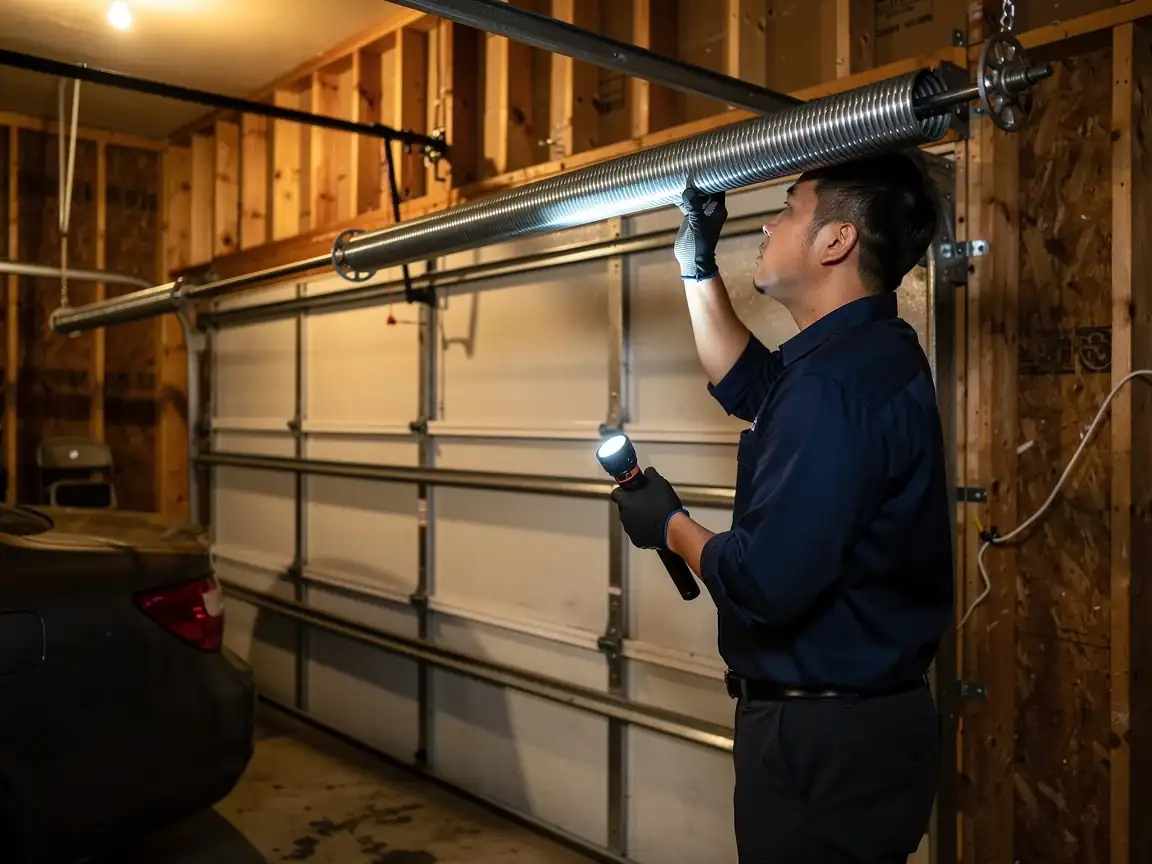
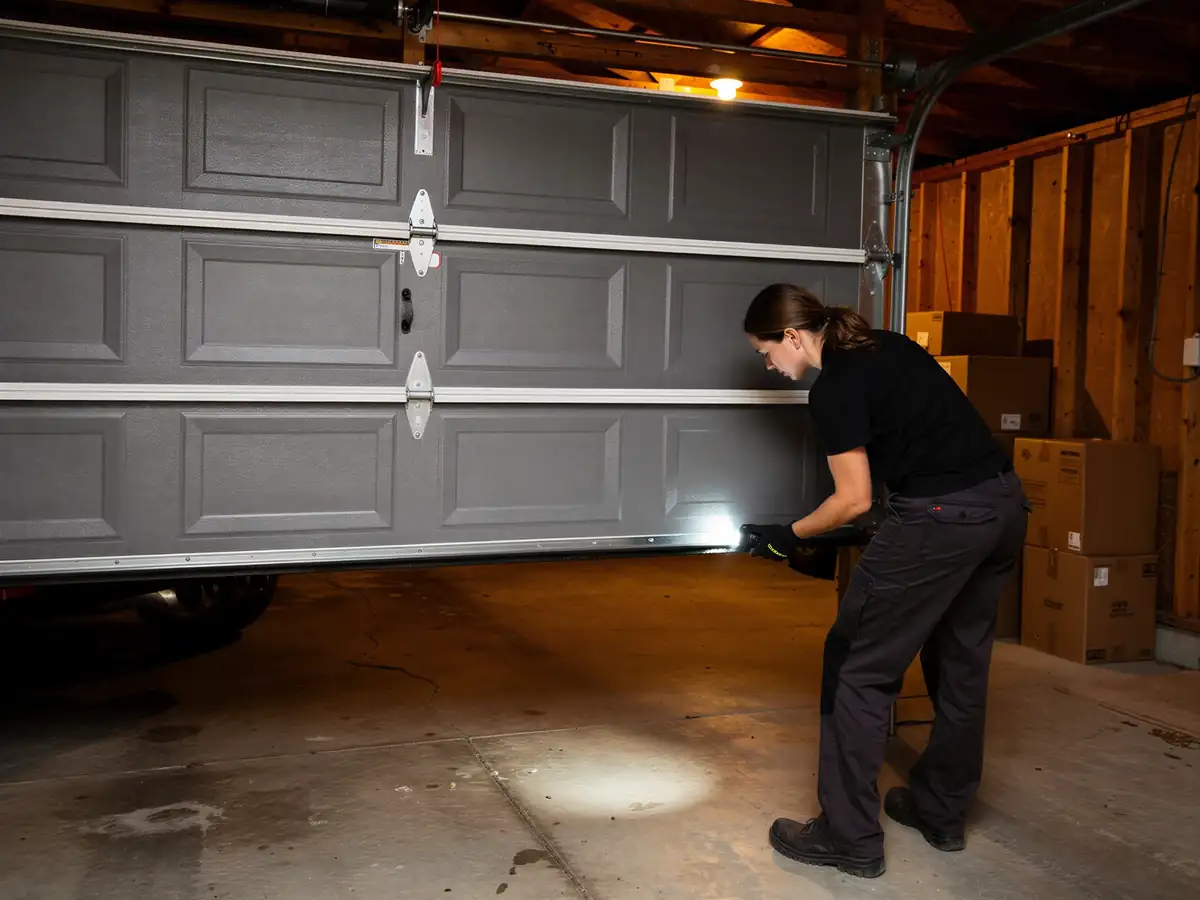
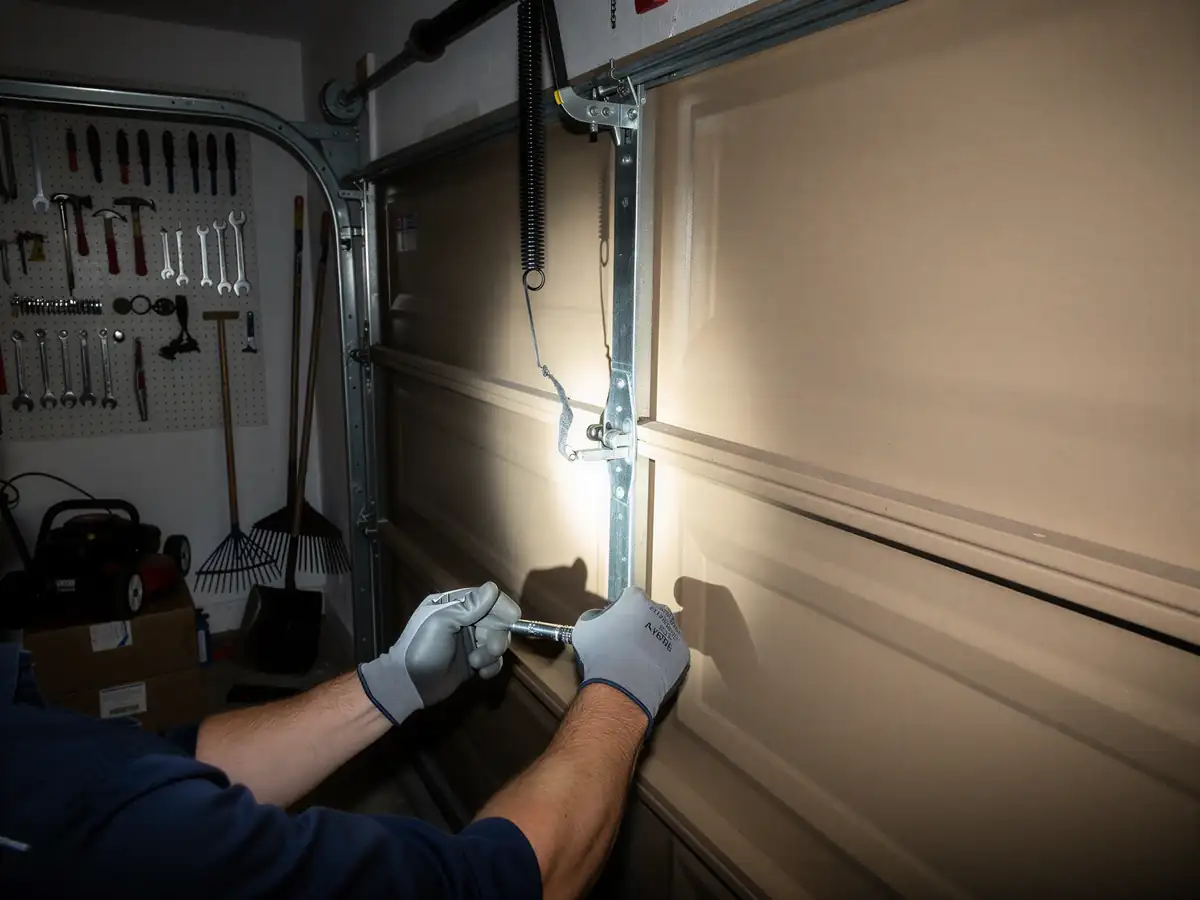
When one of those doors jams, it rarely jams cleanly. An extension spring that's been flexing since the Kennedy administration doesn't just lose tension, it frays, and a frayed cable under load is what turns a stuck door into a door that drops on somebody's hand. We've seen the pattern enough times across this part of the county to know it's not bad luck, it's the age of the hardware doing exactly what fifty-plus years will do to steel.
What You Pay
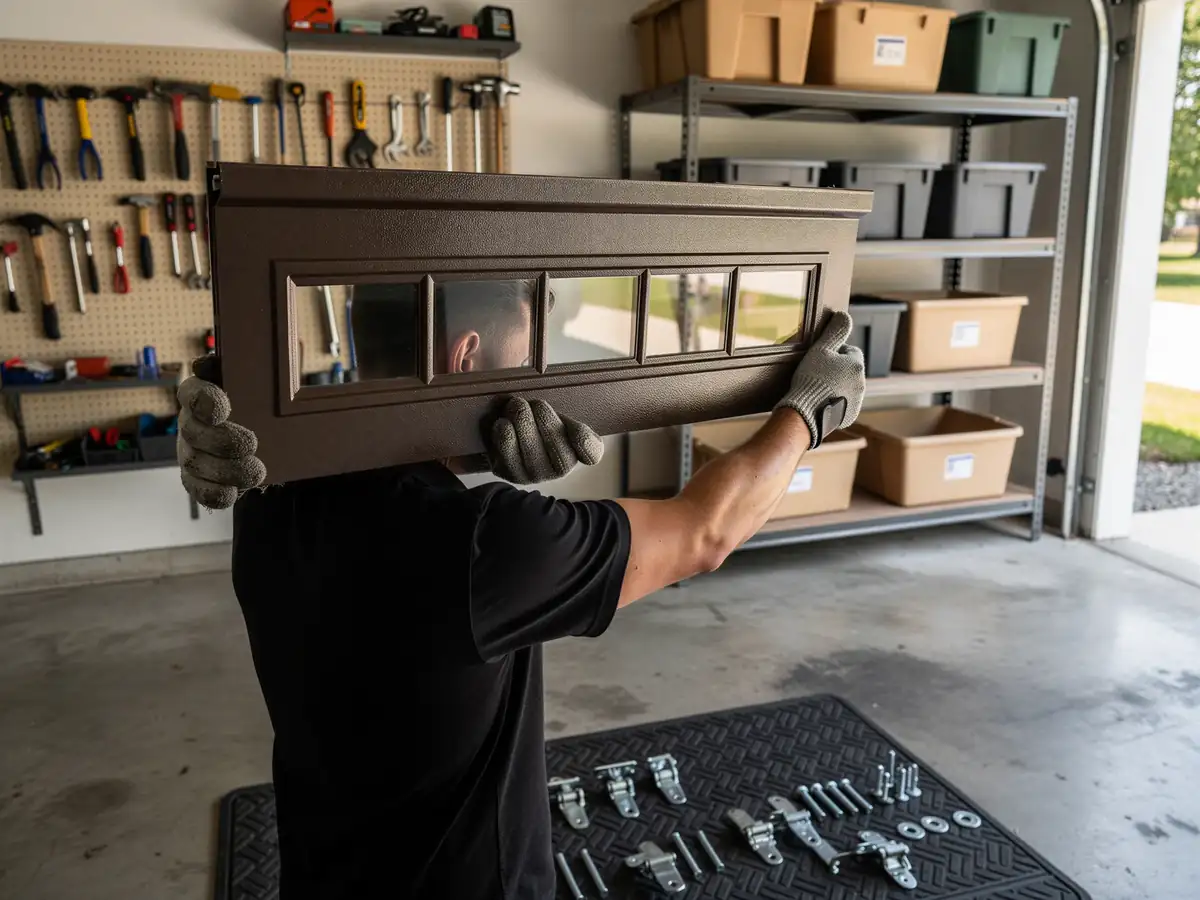
We don't have a flat emergency rate to quote you here, and we're not going to invent one just to fill this paragraph. What we can tell you honestly is that older doors cost more to fix than newer ones, because the parts aren't always sitting on a shelf. A 1960s-era extension spring setup or a track width that nobody runs anymore means we sometimes special-order a part rather than swap it off the truck, and that adds a day, not an hour.
Median household income in Pontiac runs $42,791, well under the $102,333 median for the wider area we cover out of Waterford. We mention that because it shapes a real decision a lot of owners here make: ride the dying opener through one more winter instead of replacing it in August when it's cheap and unhurried. That's a reasonable call. Just know that deferred maintenance on a door this old tends to end with a spring letting go at the worst possible hour, not a quiet retirement.
Why It Happens Here
Two things stack on top of each other in Pontiac: the age of the housing and the winters
Our whole service area sits in a climate band the federal data classifies as severe cold, but that number hits older hardware harder. A torsion spring rated for a modern door flexes through a cold snap and holds. A fifty-plus-year-old extension spring on a 1960-built garage, already stretched thin from decades of use, is the one that finally gives when the temperature drops hard and the steel loses what little give it had left.
It isn't random which doors fail first
The 25,605 households in Pontiac are, on average, sitting on older stock than the broader territory we run out of Waterford, where newer builds run into the 1990s. That gap in build year is the whole story. Newer doors in other parts of the service area get opener failures and worn rollers. Pontiac gets springs and cables, because that's what's actually installed on the house.
- 25,605 households
Doing It Yourself
If a cable has already come off the drum or a spring has let go, leave it alone. A door held up by one working spring on a double-wide panel is carrying weight it wasn't built to carry solo, and jacking it open yourself is how a hand or a foot ends up under two hundred pounds of steel. That's not us being cautious for the sake of it, that's the actual failure mode on a door this old.
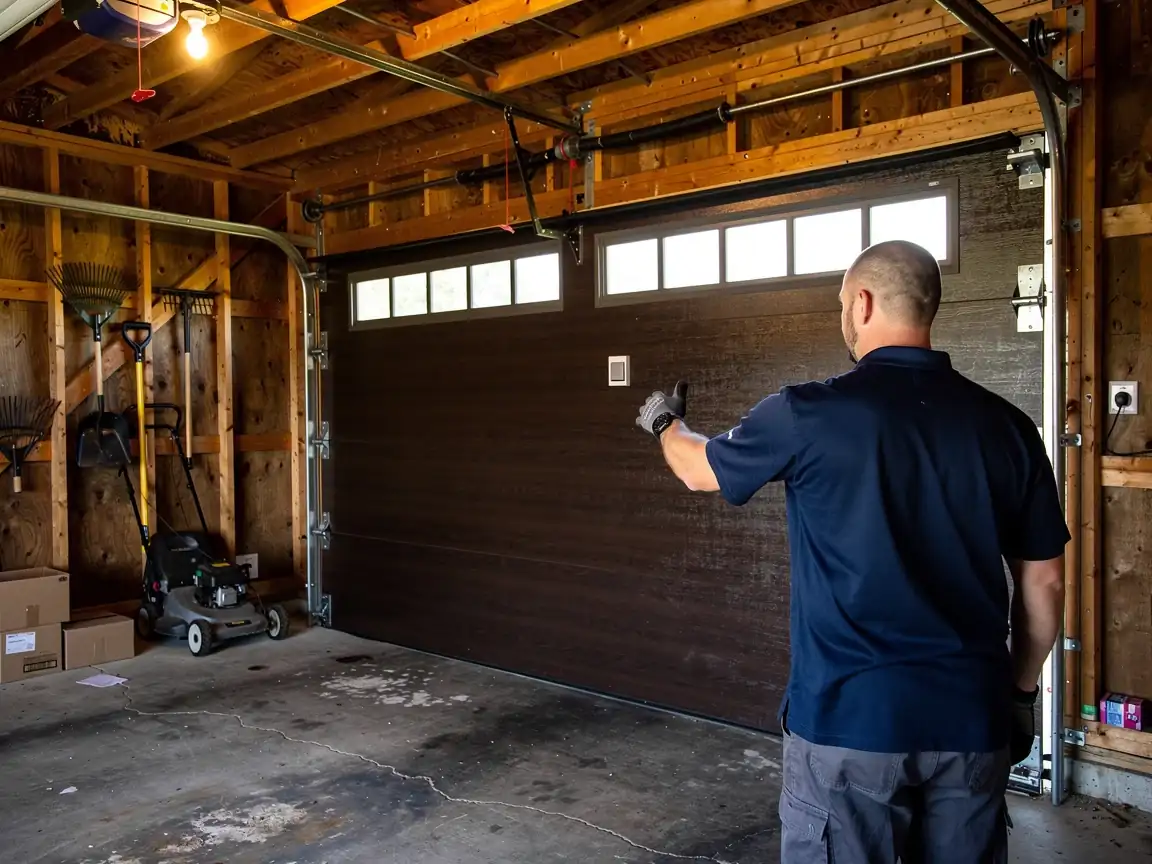
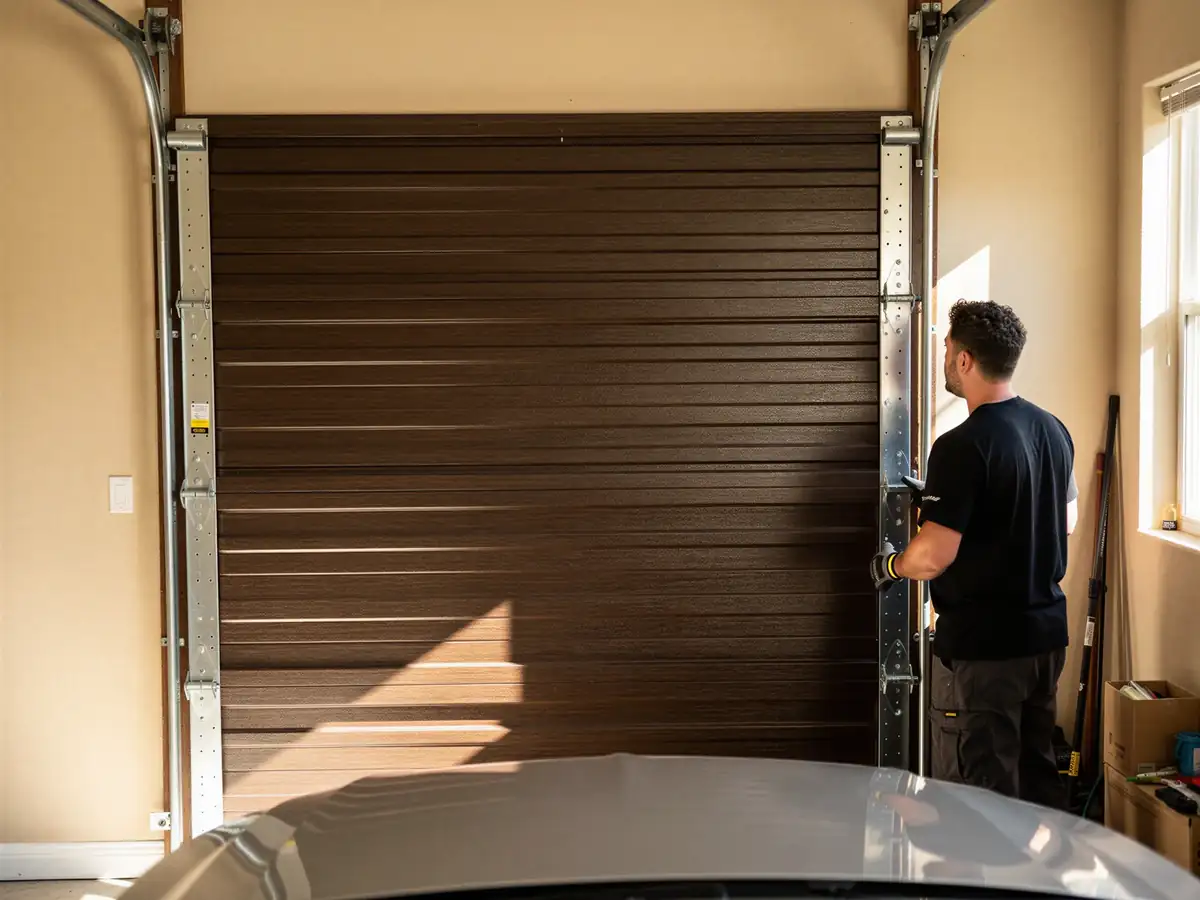
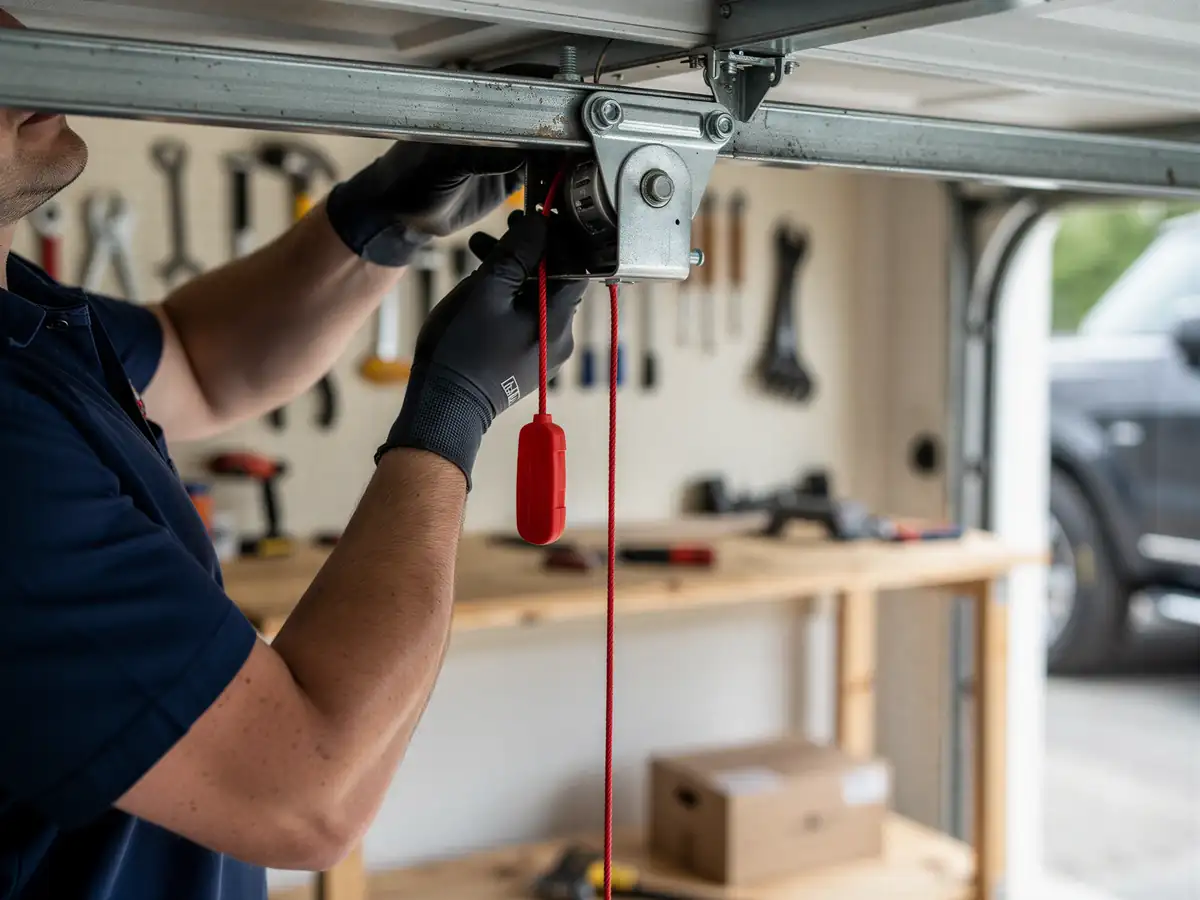
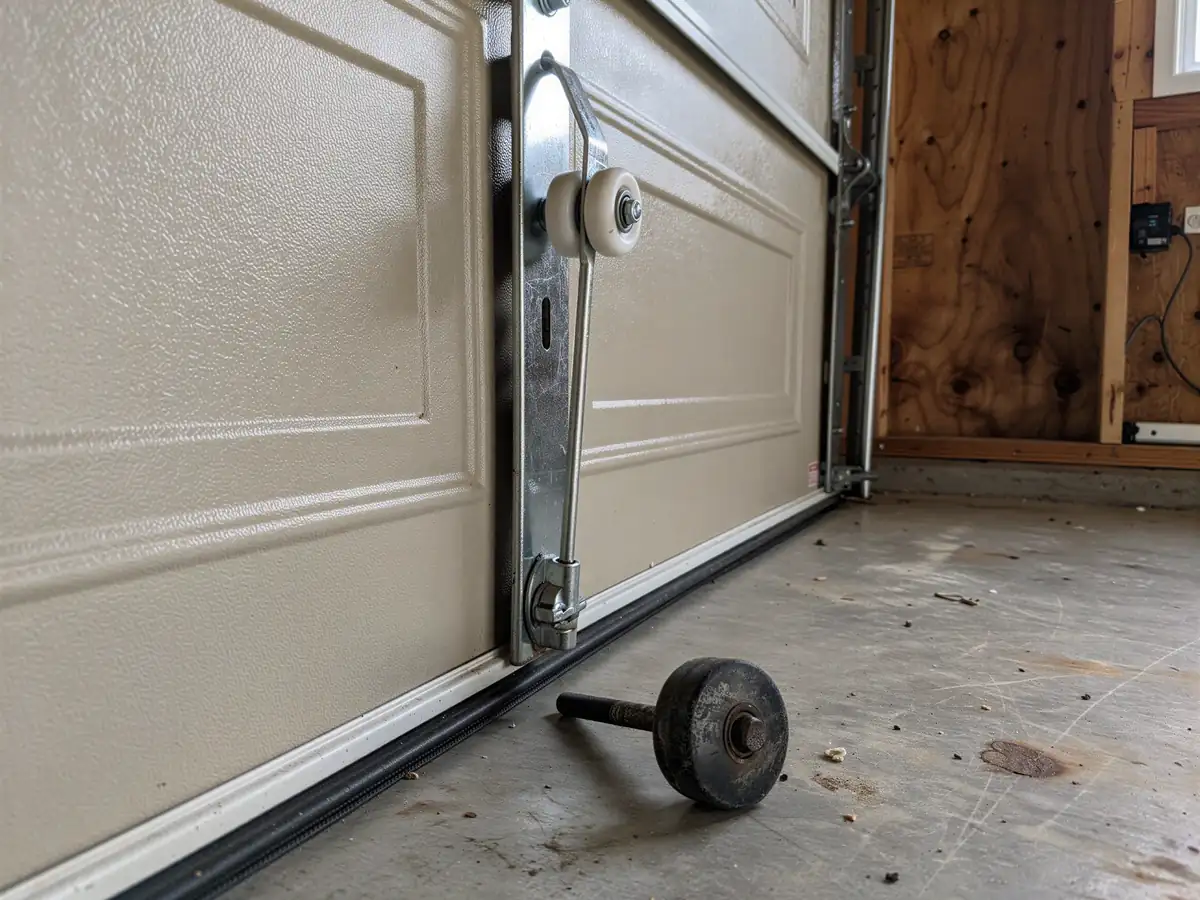
What you can safely check before calling: whether the opener has power, whether the manual release cord has been pulled by accident, and whether the track is visibly bent near the bottom roller. Those are five-minute checks that sometimes save you a call entirely. Past that, we don't recommend touching spring tension or cable routing on a door built in this era. The hardware is old enough that a part shift you don't expect is more likely than on a newer install, and that's exactly the kind of surprise that turns a fix into an injury.