Where This Job Goes Sideways
Most of the garage doors we see called in from Oak Park went up around 1958, which puts them on narrower steel track than anything built after the 1980s. That track was sized for 2-inch steel rollers on solid steel stems, no sealed bearing, no nylon. Over sixty-plus winters those stems wear oval instead of round, and the rollers start binding in the track instead of rolling through it. You hear it before you see it: a grinding or barking sound on the way up, worse on the first cold start of the day.
Across the wider service area, homes run anywhere from 1949 to 1993, with a median around 1973 - but Oak Park sits well on the older end of that range. Older track means two things at once: the roller is probably original-spec steel, and the track itself may be narrow enough that a standard nylon roller kit from a big-box store doesn't seat right without a track swap too. That's the part that trips up a DIY job - the roller isn't the whole story, the track opening is.
How We Fix It
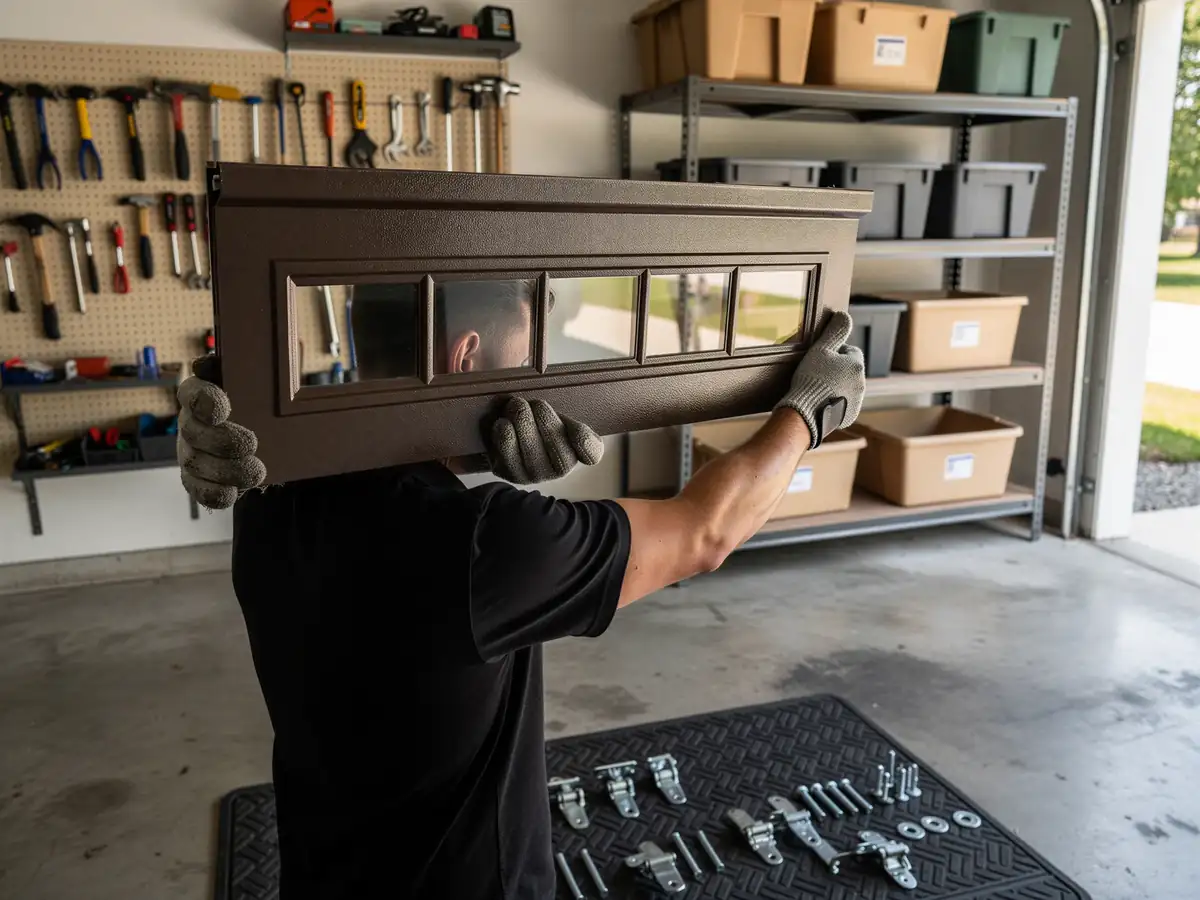
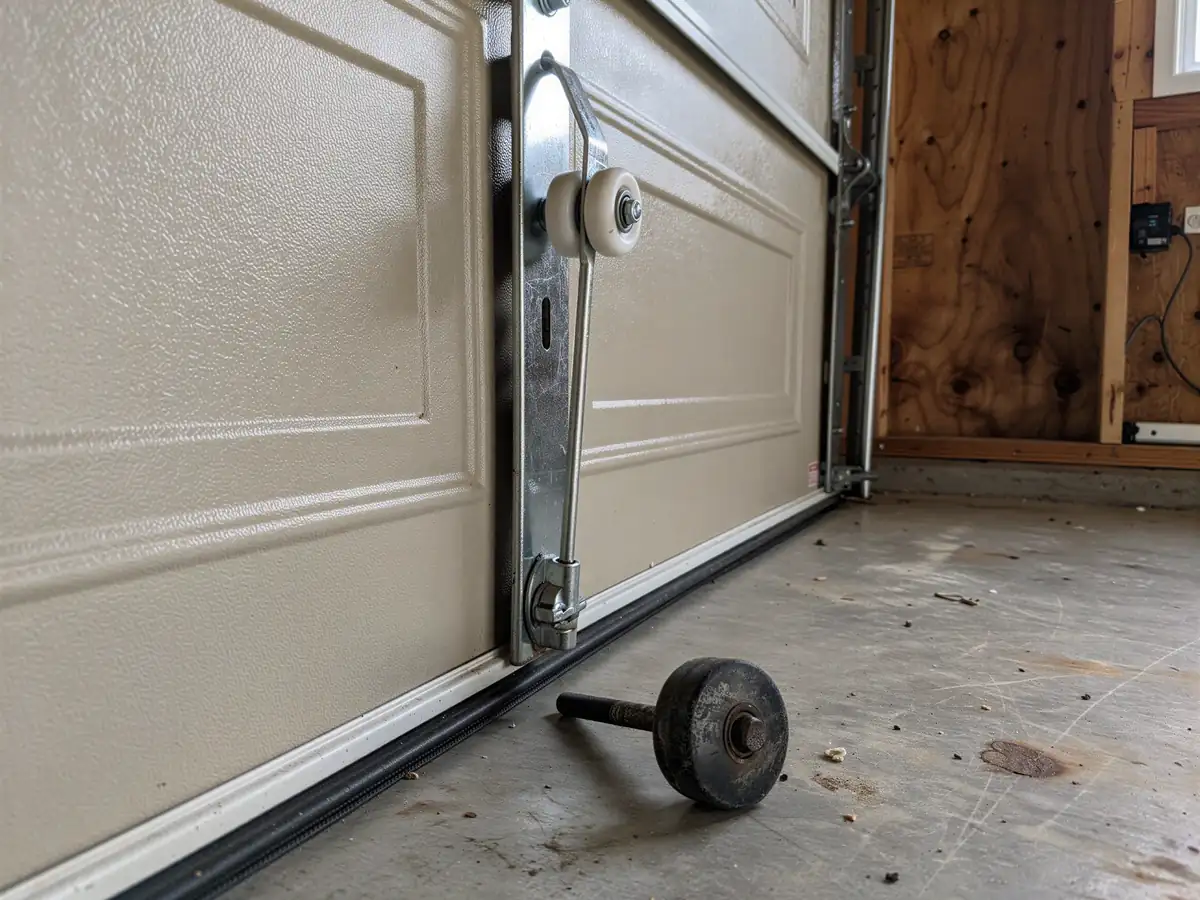
We pull the door, check the track gauge, and match roller stem length and wheel diameter to what the track actually takes rather than what's cheapest on the shelf. On a lot of these 1958-vintage doors that means a 2-inch steel wheel on a 4-inch stem, sometimes a 7-ball sealed bearing if the owner wants quieter operation and the track clearance allows it. We don't force a wider nylon roller into a track built for steel; it'll ride rough for a season and then fail the same way.
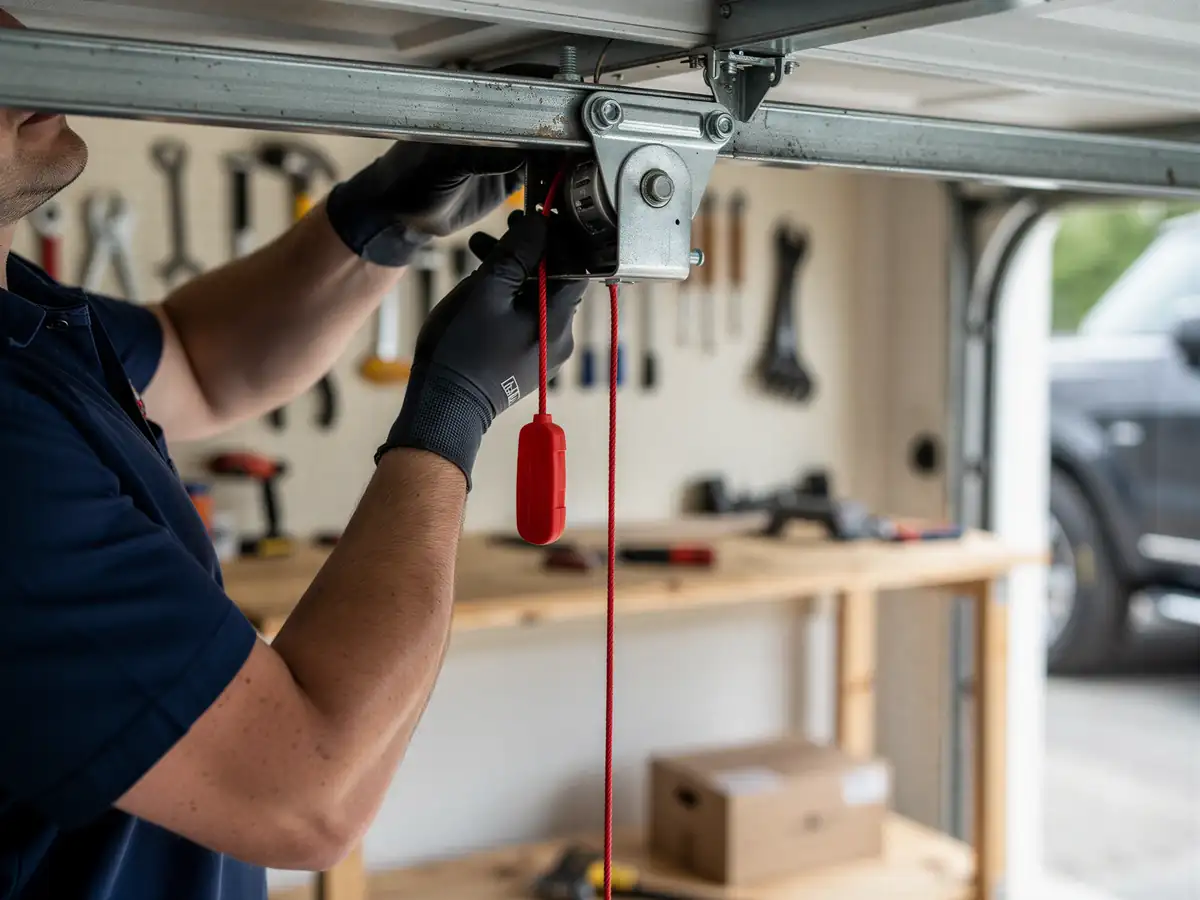
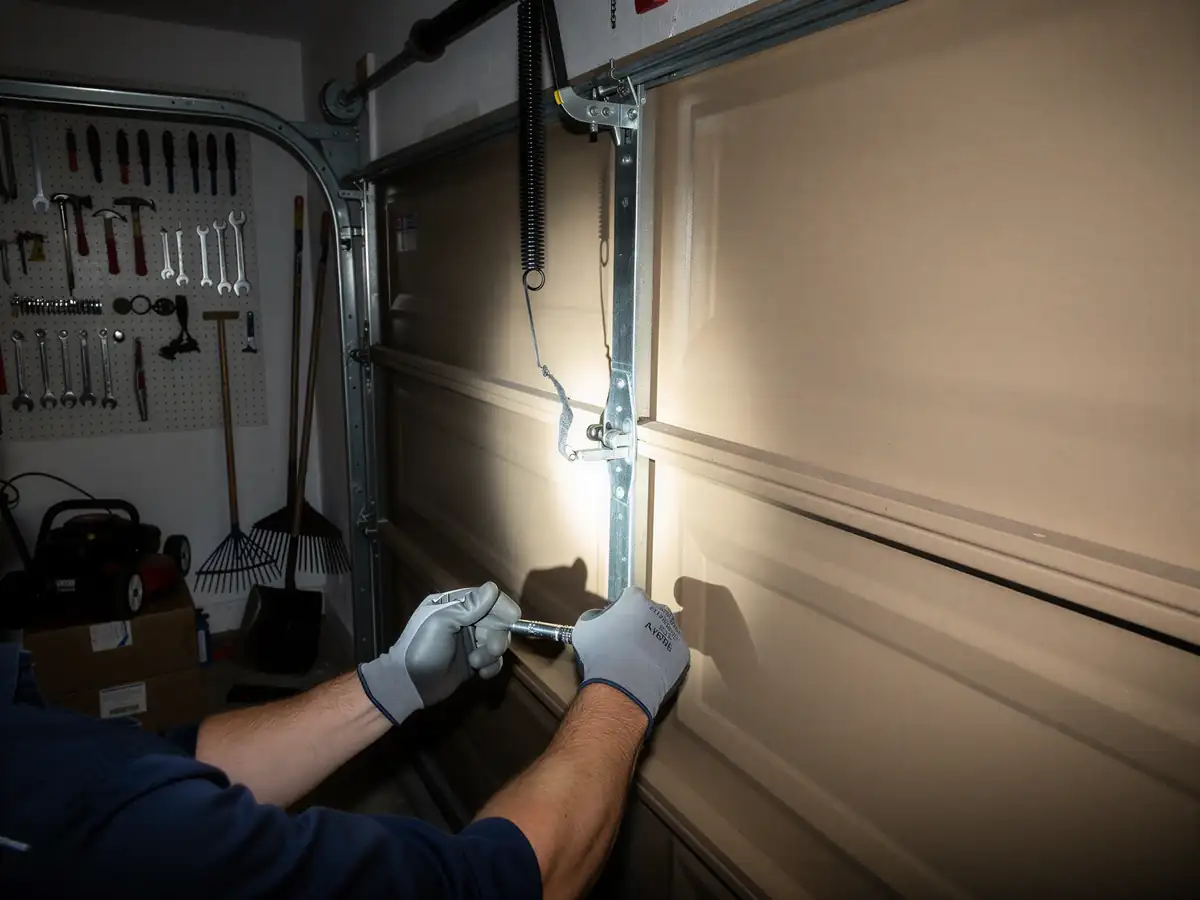
We replace all the rollers on the door in one pass, not just the one that's screaming. If one stem is worn oval, the others on that door are close behind it - they went in the same year, they've seen the same winters. We also check the hinges the rollers ride in, since a bent hinge on an old multi-panel door throws the roller angle off no matter how new the wheel is.
One limit worth saying plainly: if the track itself is rusted through or bent at the curve, roller replacement alone won't fix the noise. That's a track job, and we'll say so rather than sell you rollers that won't hold.
How Long It Takes
A straight roller swap on a double door, once we're on site, usually runs under an hour
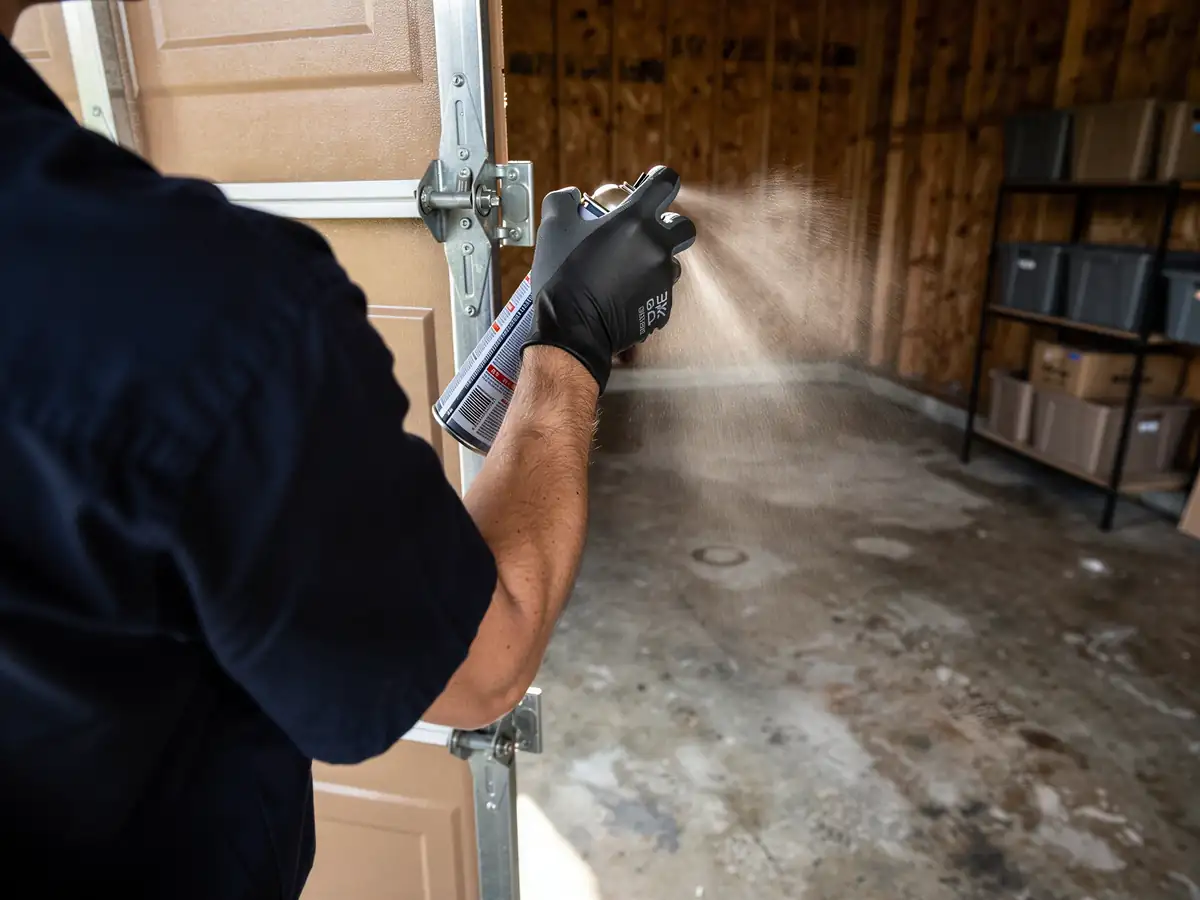
Ten rollers, two hinges checked, lubricated, tested through a full cycle. We travel the 20 miles from Waterford to reach Oak Park, so the time on your driveway is short but the scheduling window around it isn't instant; we're not running a branch out of Oak Park itself.
- 20 miles
If the track needs straightening or a hinge is bent beyond adjustment
Add time for that on the spot rather than a second visit. We'd rather fix it in one trip than have you wait on a callback for a part we could have carried out with us. Steel stem rollers sized for older track aren't always something we're carrying every truck, every day, since most newer work in the area calls for the common nylon sizes - so on an unusual stem length, we may need to confirm stock before the appointment.
Doing It Yourself
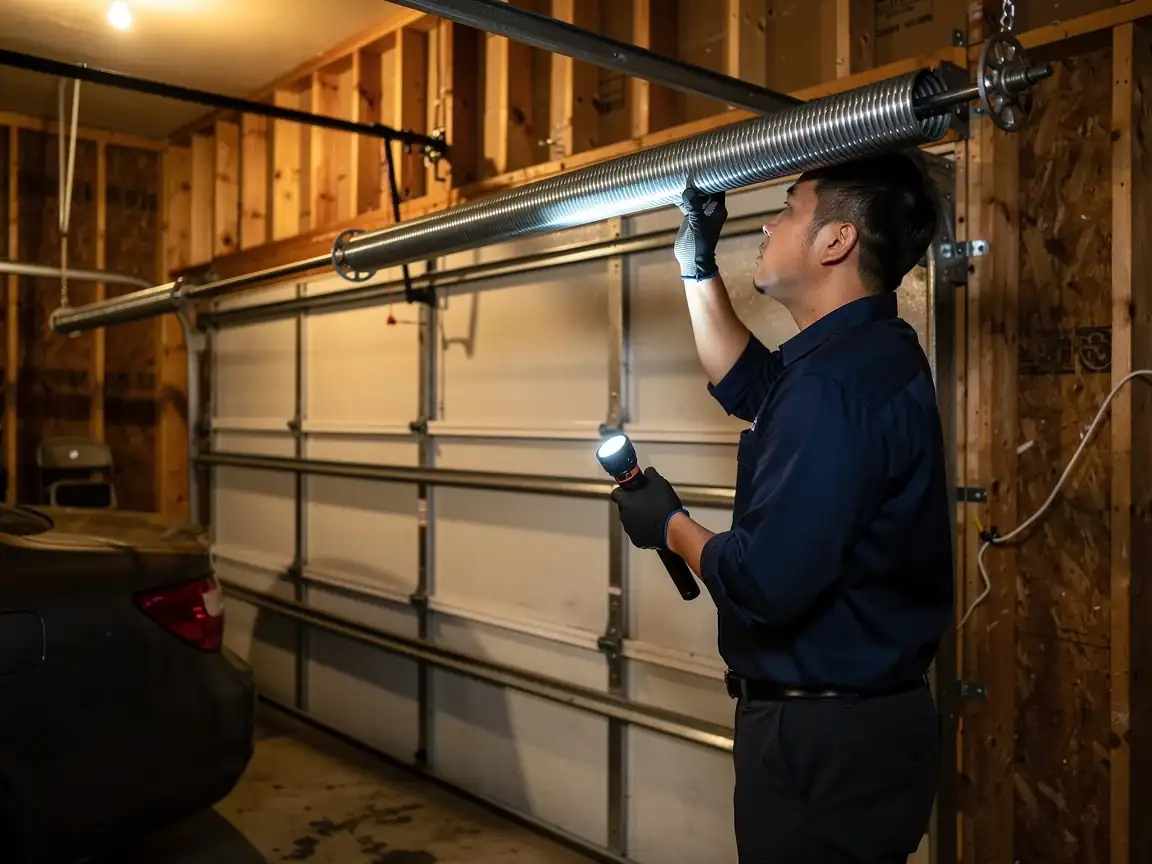
Rollers look like a weekend job, and on a newer door with standard nylon wheels, a careful owner can sometimes manage it. On an Oak Park door from the late 1950s, the risk is less the roller and more the spring. These doors are old enough that the torsion spring has usually been replaced at least once already, and nobody can tell you its exact wind count just by looking at it. Pulling rollers means supporting the door open while the spring is under tension, and a spring that's been quietly losing strength for a decade doesn't announce itself before it lets go.
If you do attempt it yourself, at minimum match the stem length to the hinge you pull it from before you buy replacements - don't guess from a hardware store display. And never work on a roller with the door held open only by the opener arm; that's not a hold, it's a hope.
How It Shows Up
The sound comes first - a hard scrape or a repeated click as each roller crosses the same worn spot in the track, usually loudest in the first cold snap of the season when the steel has contracted. On a lot of Oak Park's older doors, owners tell us it got noticeably worse after the coldest stretch of winter, then quieted some as temperatures came back up, before returning the next cold morning.
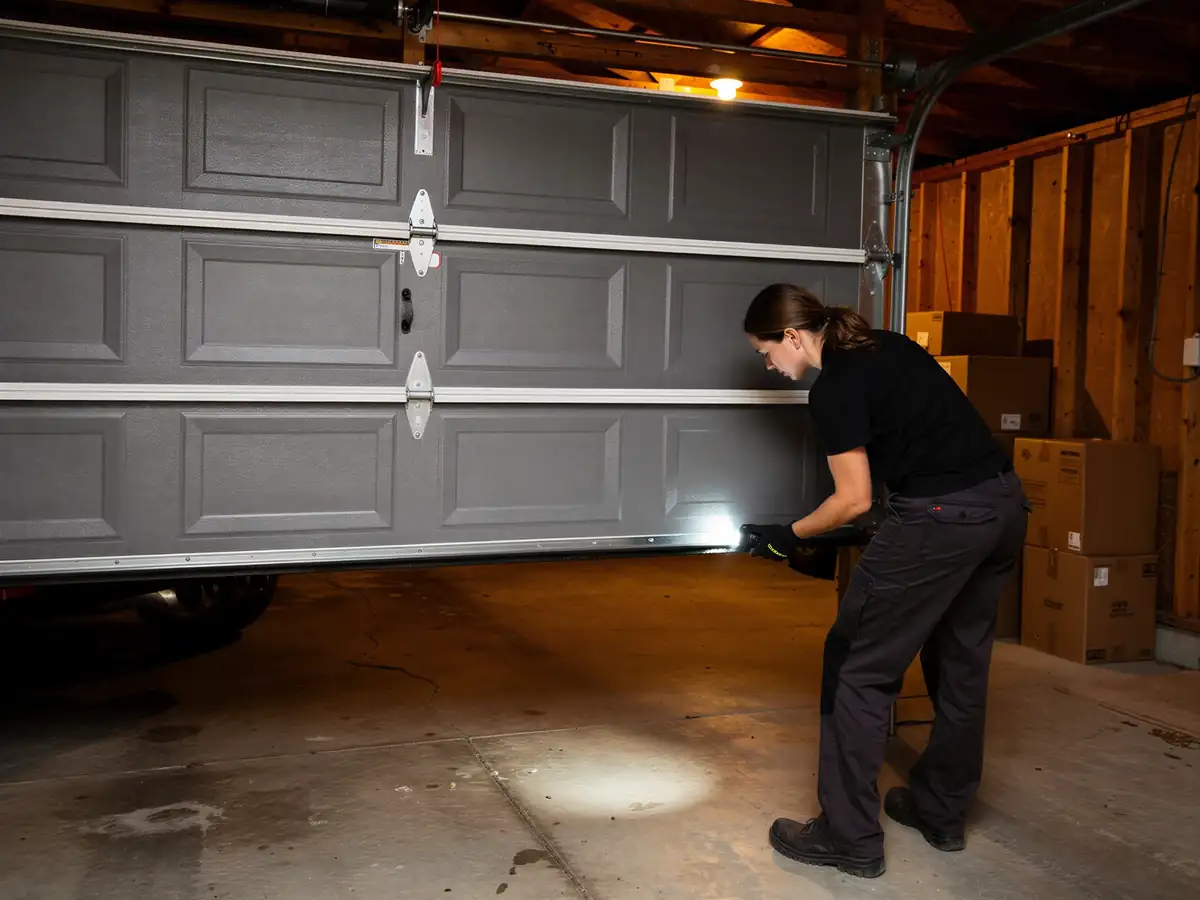
Look next for a roller that's visibly chewed down on one side, or a wheel that doesn't spin at all when you turn it by hand with the door closed and the opener disconnected. If the door catches or jumps at roughly the same spot on every cycle, that's the worn section of track lining up with the bad roller, not a one-time fluke. Oak Park's 12,722 households are mostly in houses built in this same stretch of years, so this pattern repeats block to block rather than being one unlucky house.