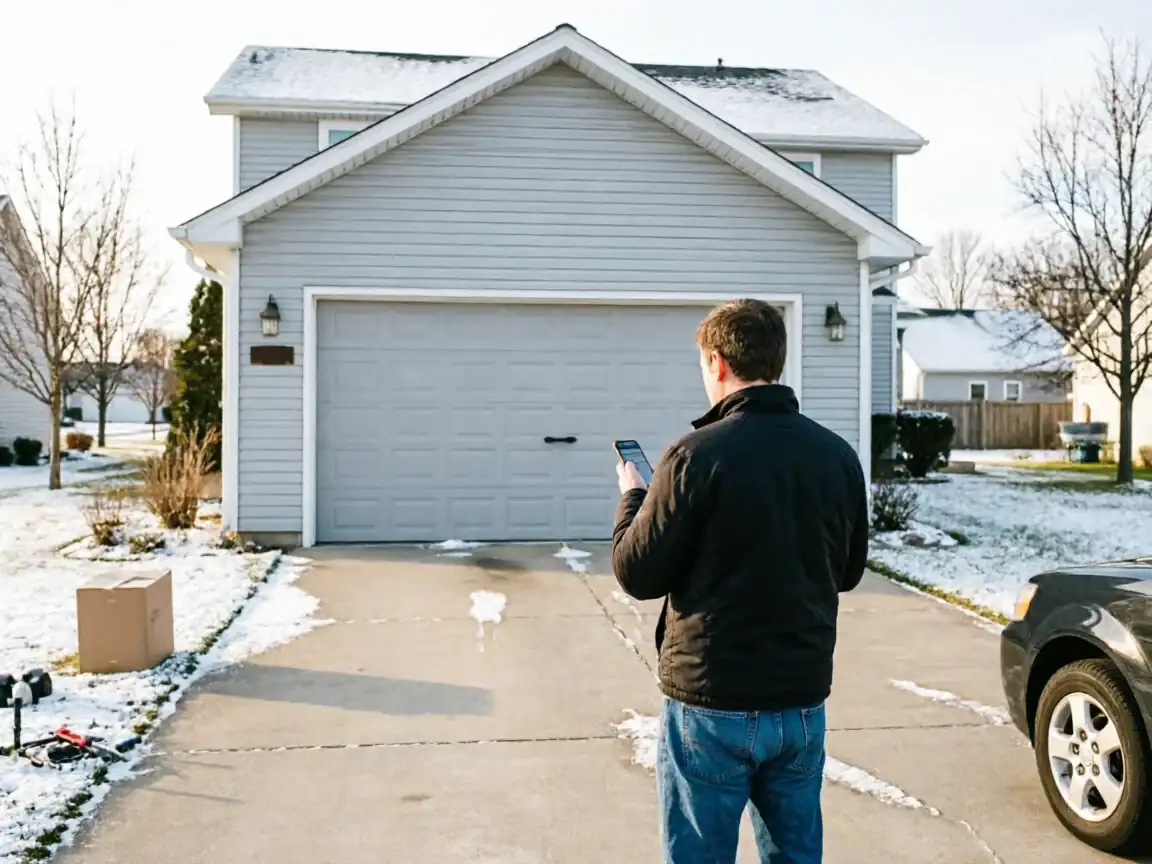
Where This Job Goes Sideways
Start with the number that actually decides this job: median household income in Oak Park runs $65,882, well under the $102,333 average across the rest of the Waterford service area. That gap matters because an opener repair call almost always turns into a repair-or-replace conversation, and at Oak Park income levels, a $300 logic board swap on a ten-year-old chain-drive unit doesn't pencil out the way it does on a newer belt-drive opener in a higher-income block. We're usually looking at fixing what's there, not upgrading it. Oak Park's housing stock centers on 1958, which puts it toward the early end of the 1949-to-1993 range we see across the broader Waterford area. A house built in 1958 has probably had three openers in its life already, and the one on the wall now is likely a mid-2000s chain-drive unit nearing the end of its own run - gears stripped, circuit board flaky, or both. The fix isn't exotic. It's just old, and it's old on a budget, which is the combination that makes this a different job than the same complaint from a newer subdivision.
How We Fix It
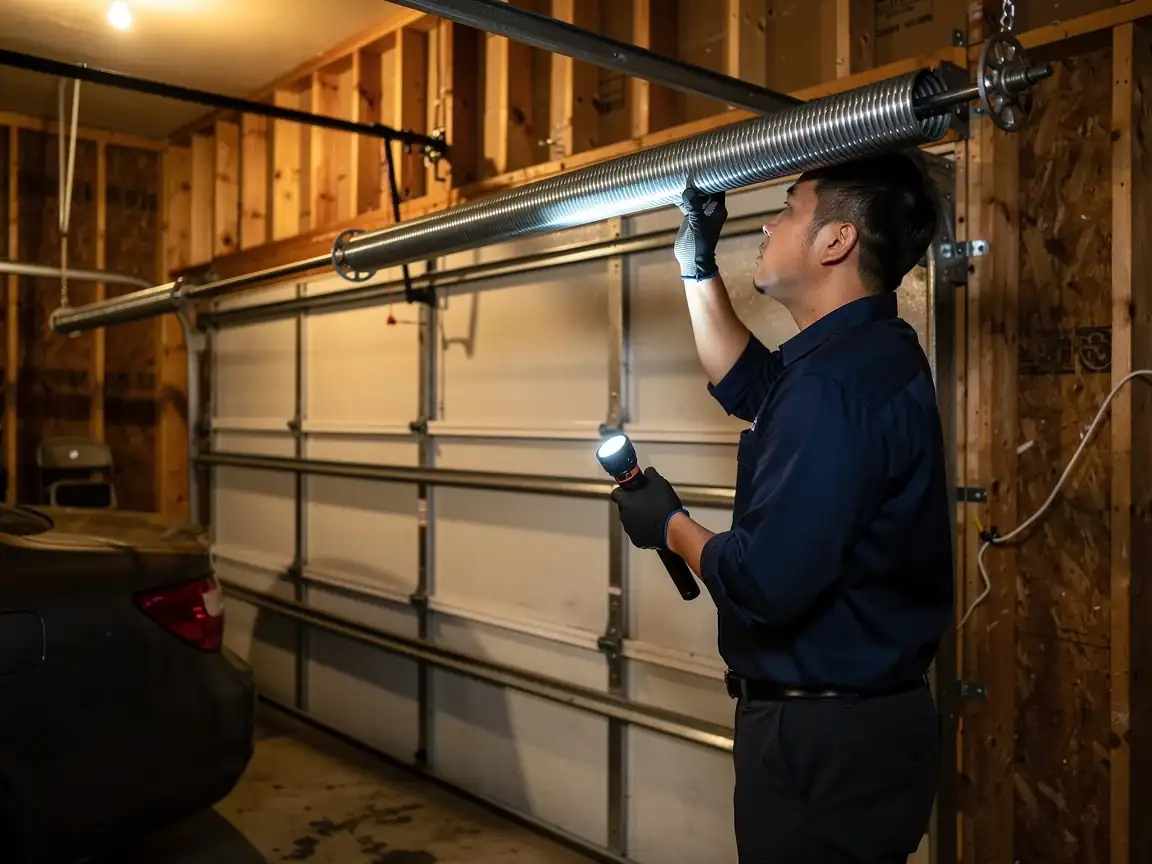
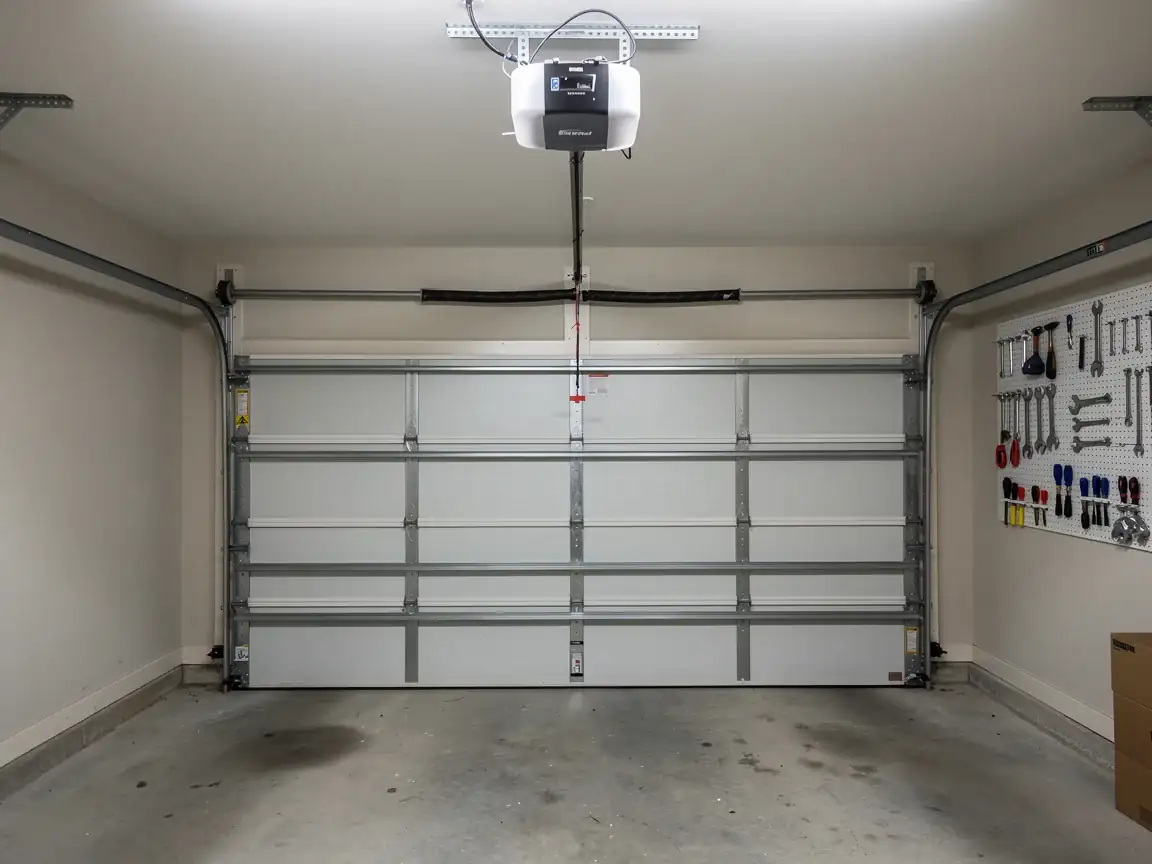
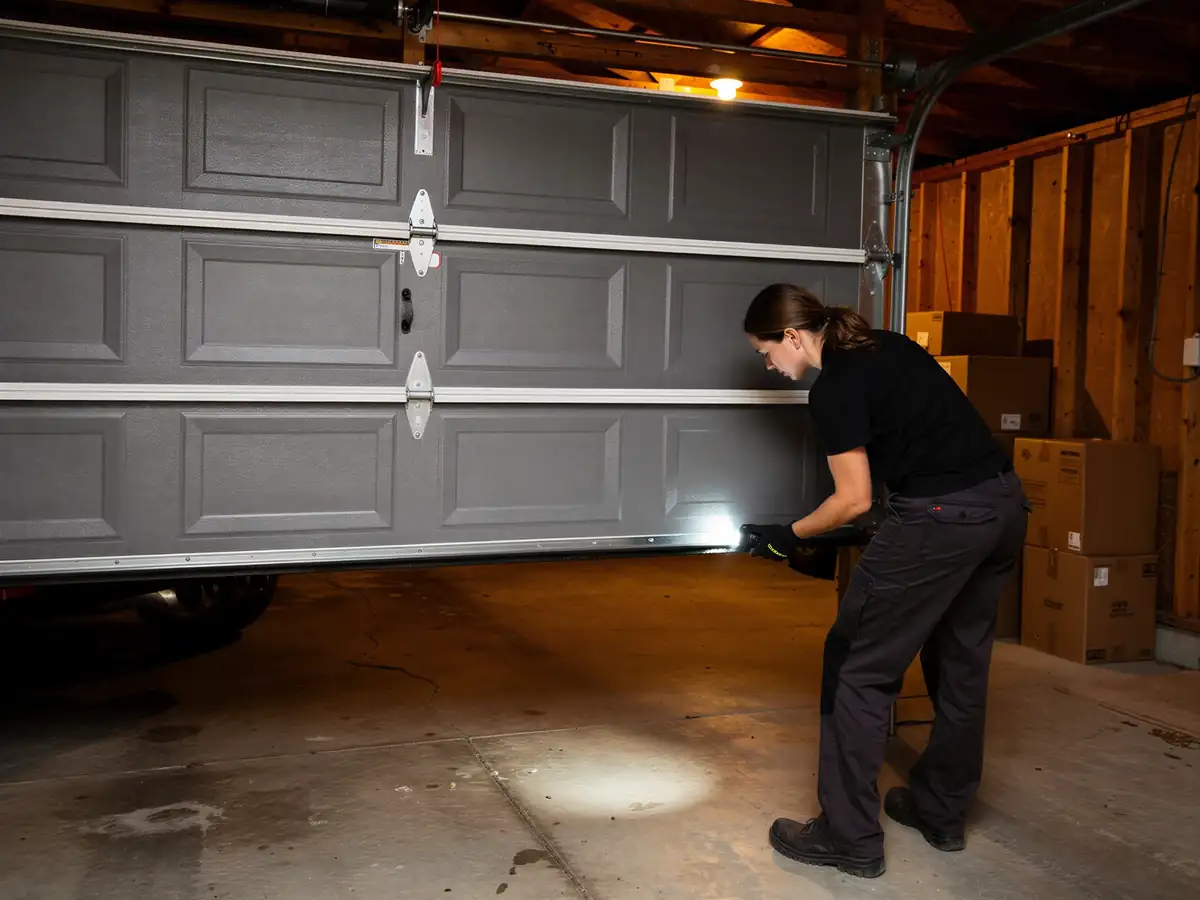
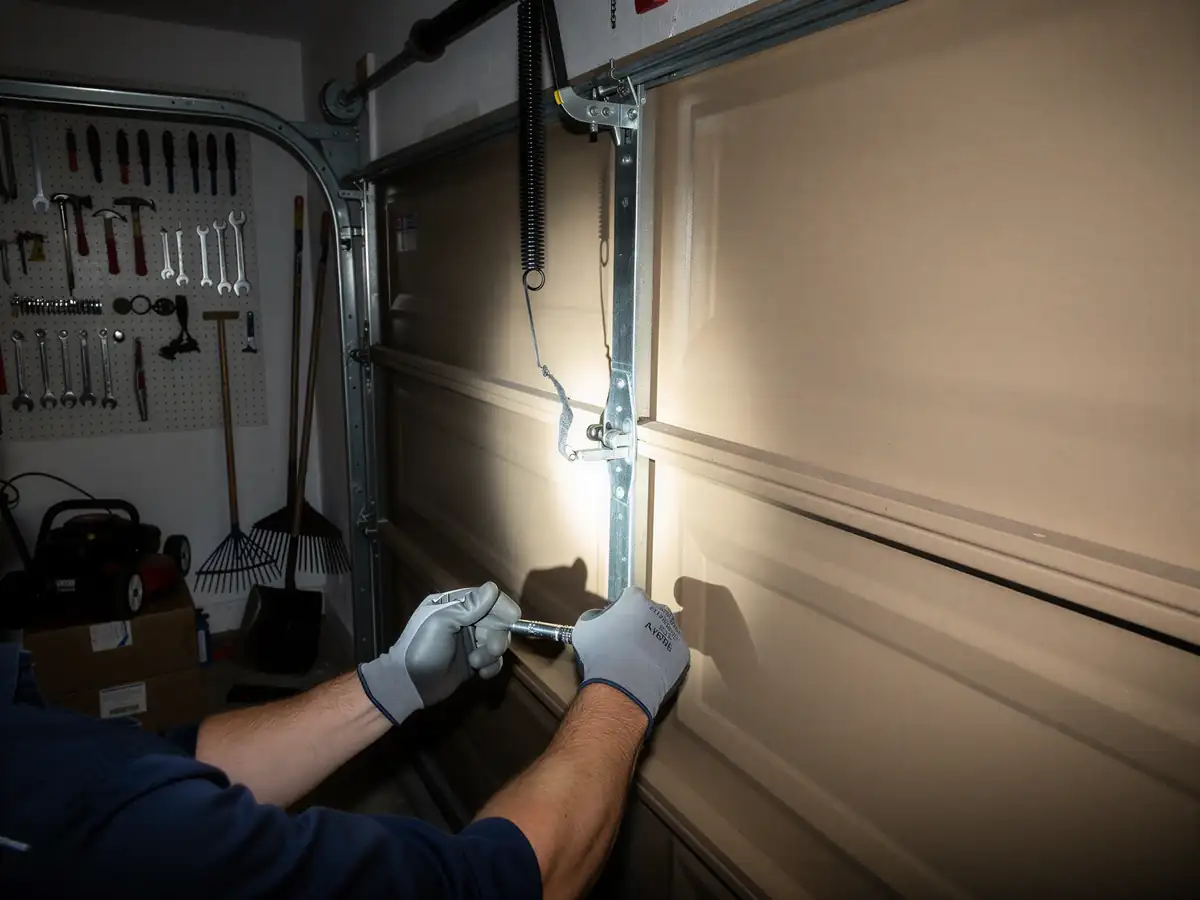
Most opener calls here split into three buckets: the motor runs but the door won't move (stripped drive gear, worn sprocket), the motor won't start at all (dead capacitor, bad logic board, tripped circuit), or the door moves but the safety reverses misfire (misaligned photo-eye sensors, often knocked loose over years of use). On a house from the 1958 wave, we're also checking whether the opener predates the 1993 federal rule requiring photo-eye safety sensors - if it does, that's not a repair, that's a replacement, no way around it. For everything else, we carry common gear kits, capacitors, and logic boards on the truck and fix in place rather than swap the whole unit. The truck runs the 20 miles from Waterford to get to Oak Park, so we try to diagnose by phone first - get a sense of the symptom, the brand, roughly how old - before we load parts. That cuts down on a second trip for a part we didn't know we needed.
Doing It Yourself
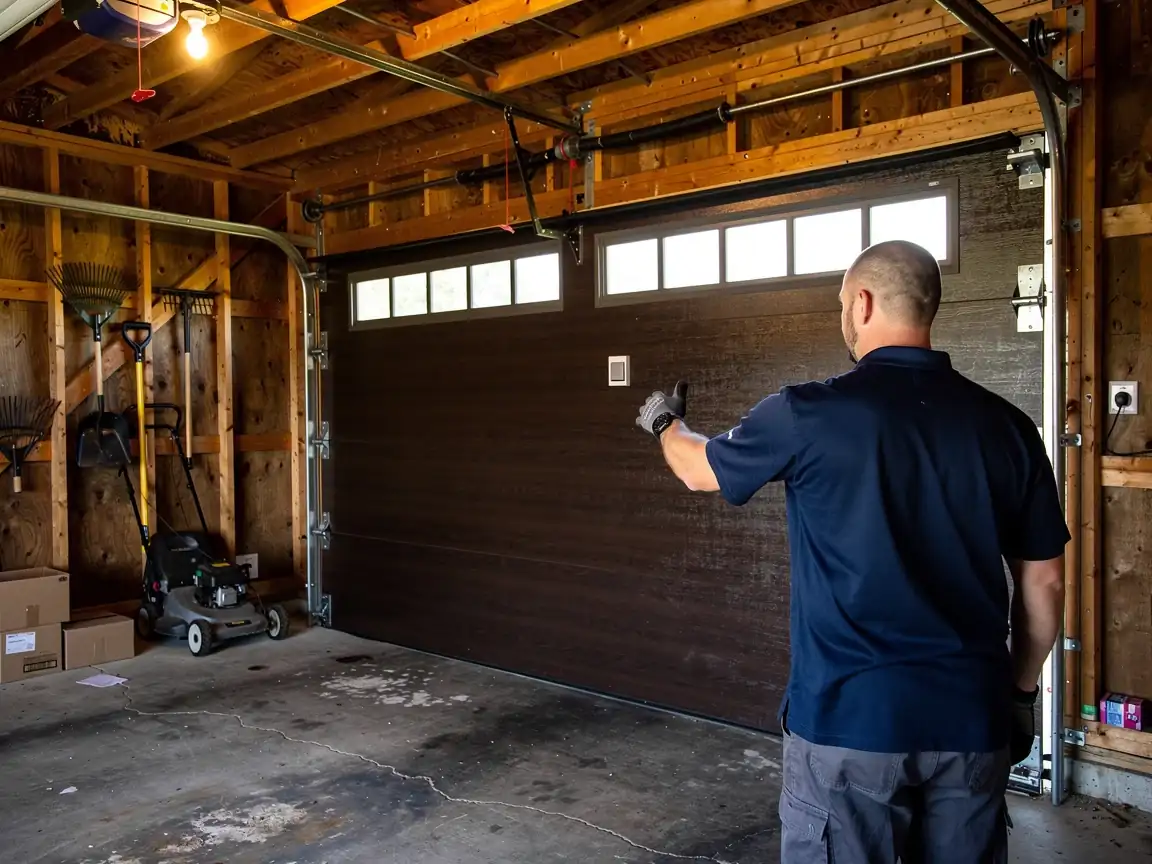
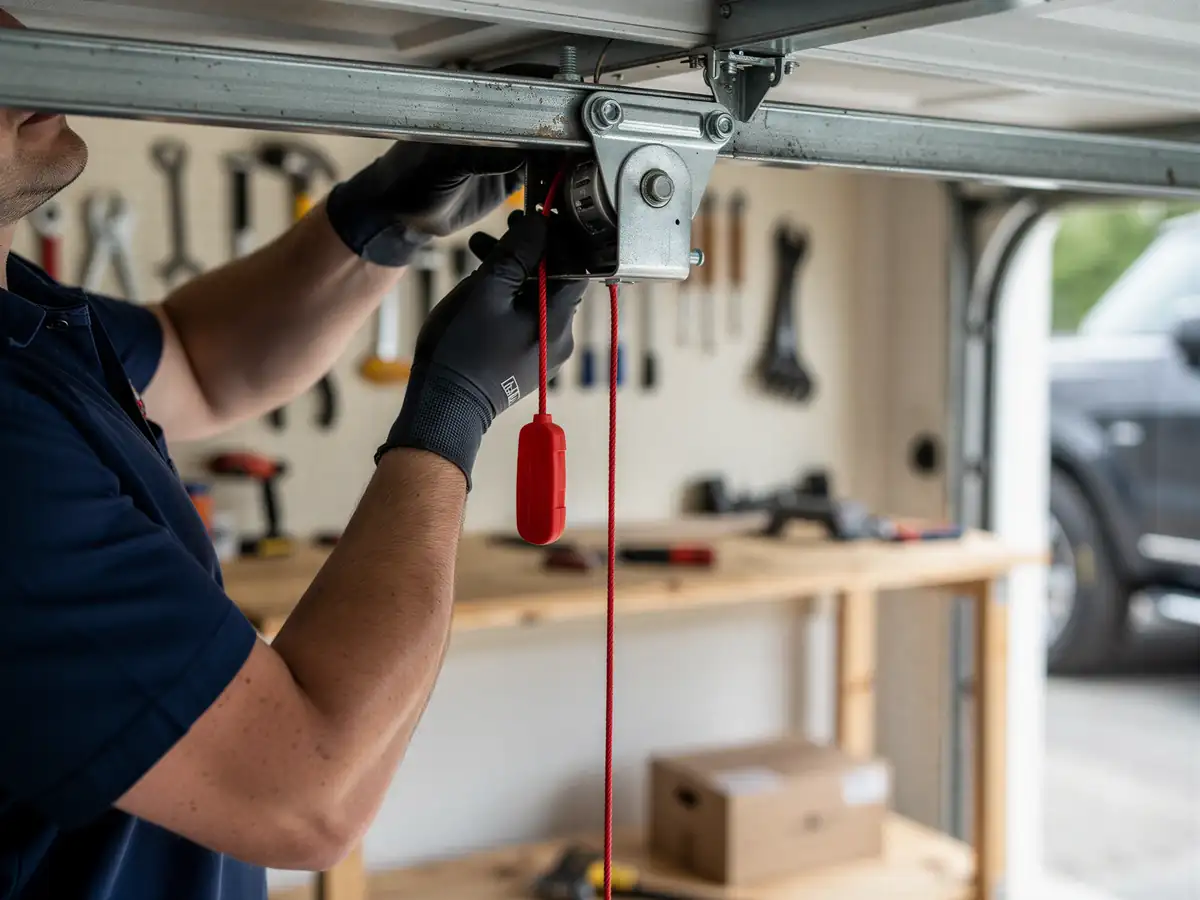
Before you call anyone, there are a few things worth checking. If the opener hums but the door doesn't move, look at the drive gear through the housing vent - a stripped nylon gear is a common failure on units that have been running 12,722 households' worth of garage doors in this area for a couple decades, and it's visible without opening the unit fully. If the door reverses right before it closes, clean the photo-eye lenses on both sides of the track first; dust and cobwebs cause more false reversals than actual sensor failure. What we don't recommend: opening the opener housing to replace a circuit board yourself. The boards aren't standardized across brands even within the same era, and a wrong part number means a return trip regardless of who made the mistake. If the unit is original to a 1958-era build and has never been replaced, that's also not a DIY call - there's a real chance it predates modern safety-sensor requirements, and that's a code issue, not a convenience one.
How It Shows Up
On houses from Oak Park's 1958-centered stock, the complaint usually isn't sudden - it's the opener getting louder over months, then one day not responding to the remote at all. Grinding on open, a door that stutters halfway up, or a motor that runs but goes nowhere all point to the drive gear. A clicking relay with no motor response usually means the capacitor or start winding has gone. Keypads that work intermittently, especially in damp weather, often trace back to corrosion in the wall-button wiring rather than the opener head itself - common in houses this age where the low-voltage wiring was never upgraded. The one pattern we see less here than in newer construction: smart-opener app failures, simply because fewer of these units have been upgraded to wifi-enabled models yet.