Where This Job Goes Sideways
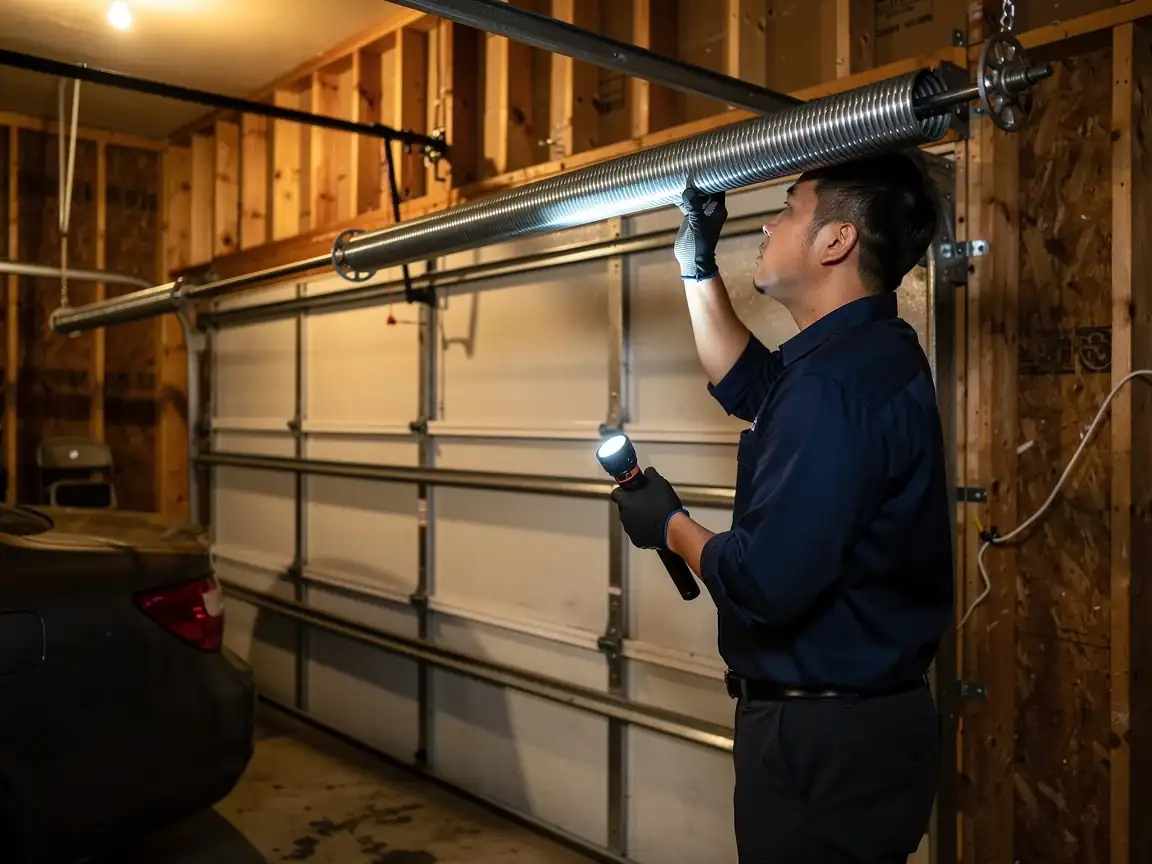
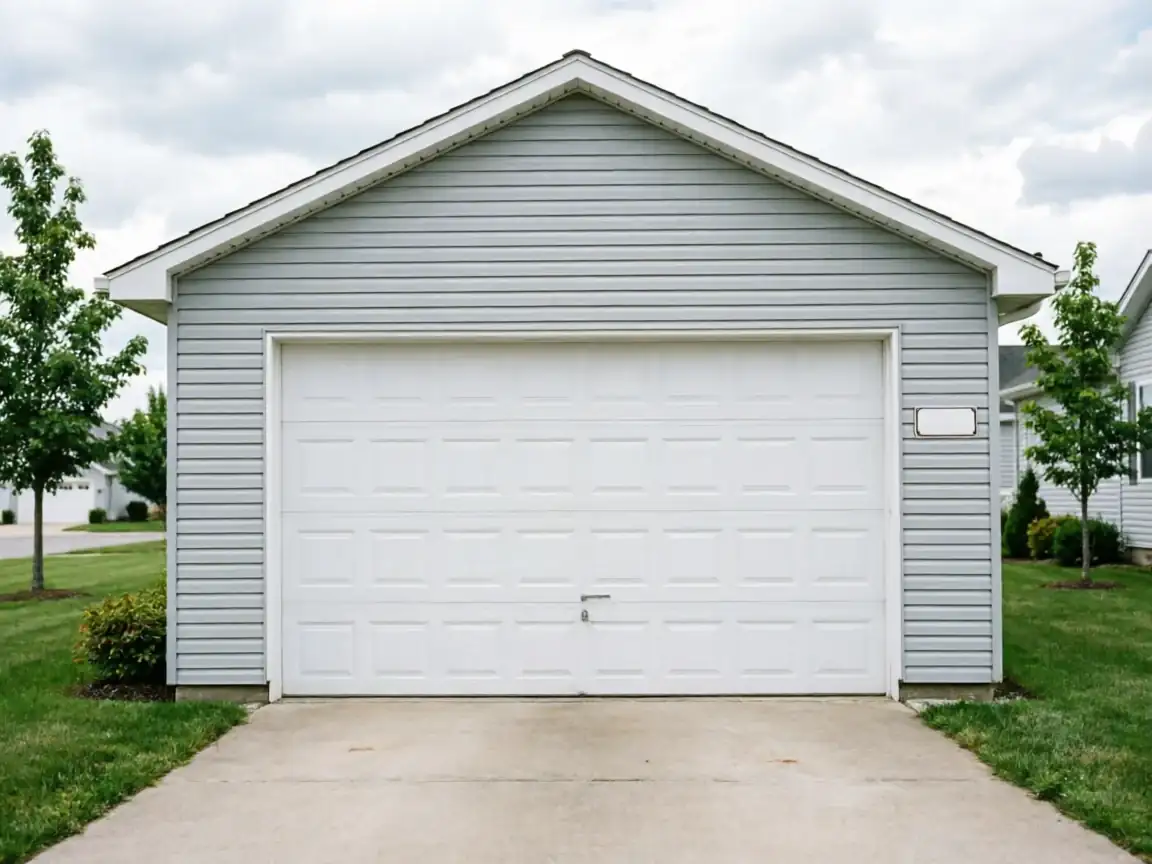
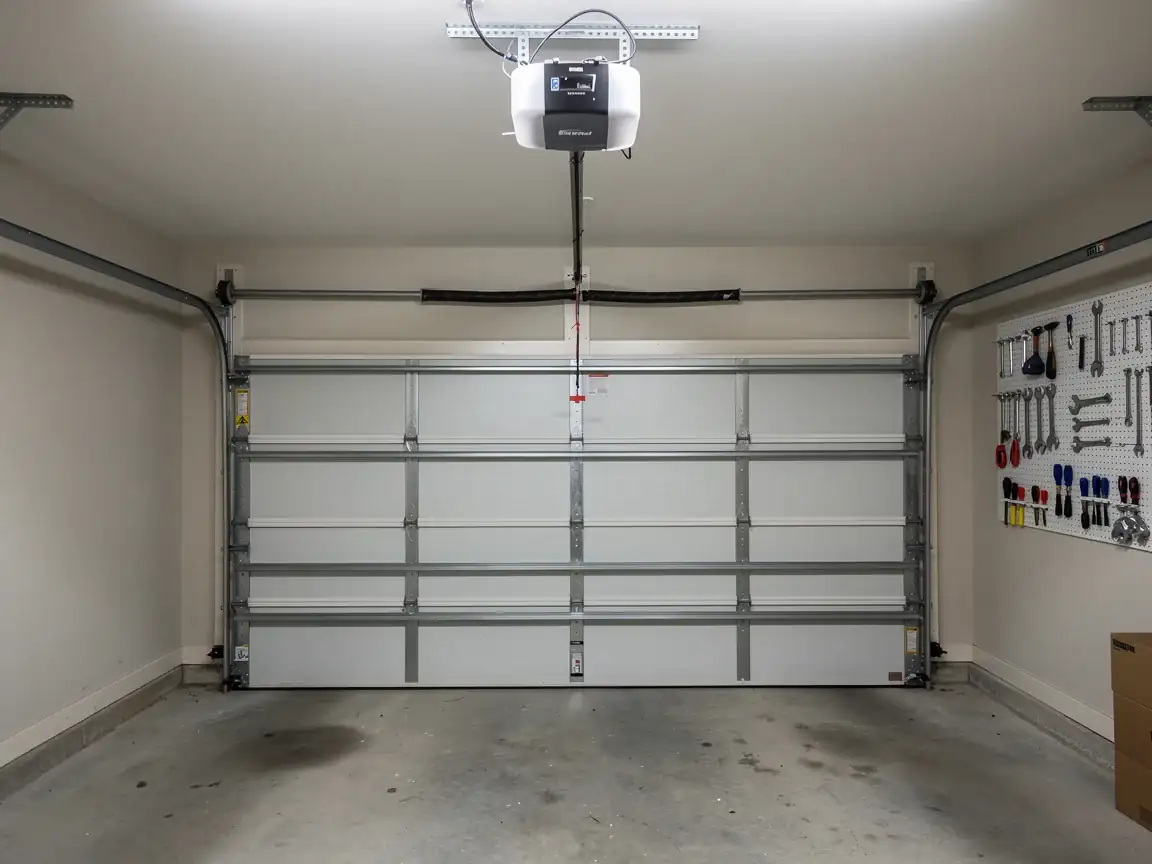
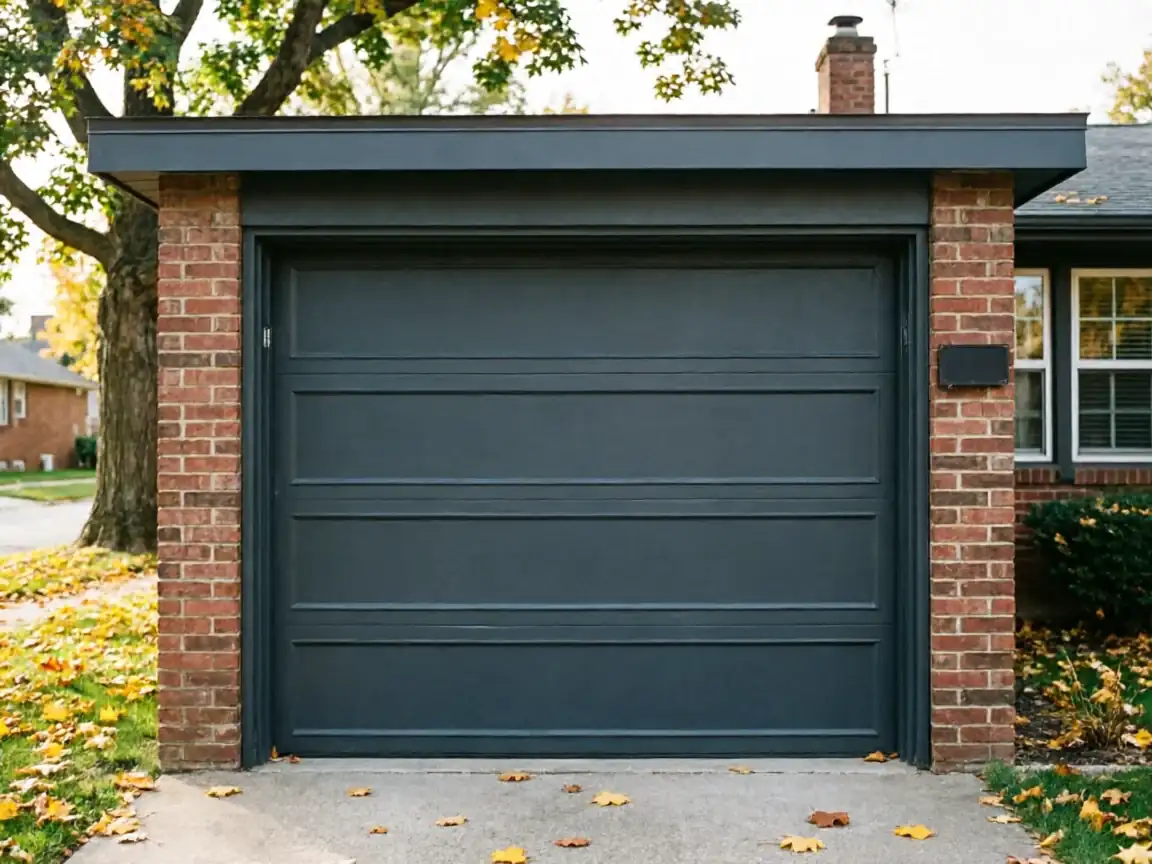
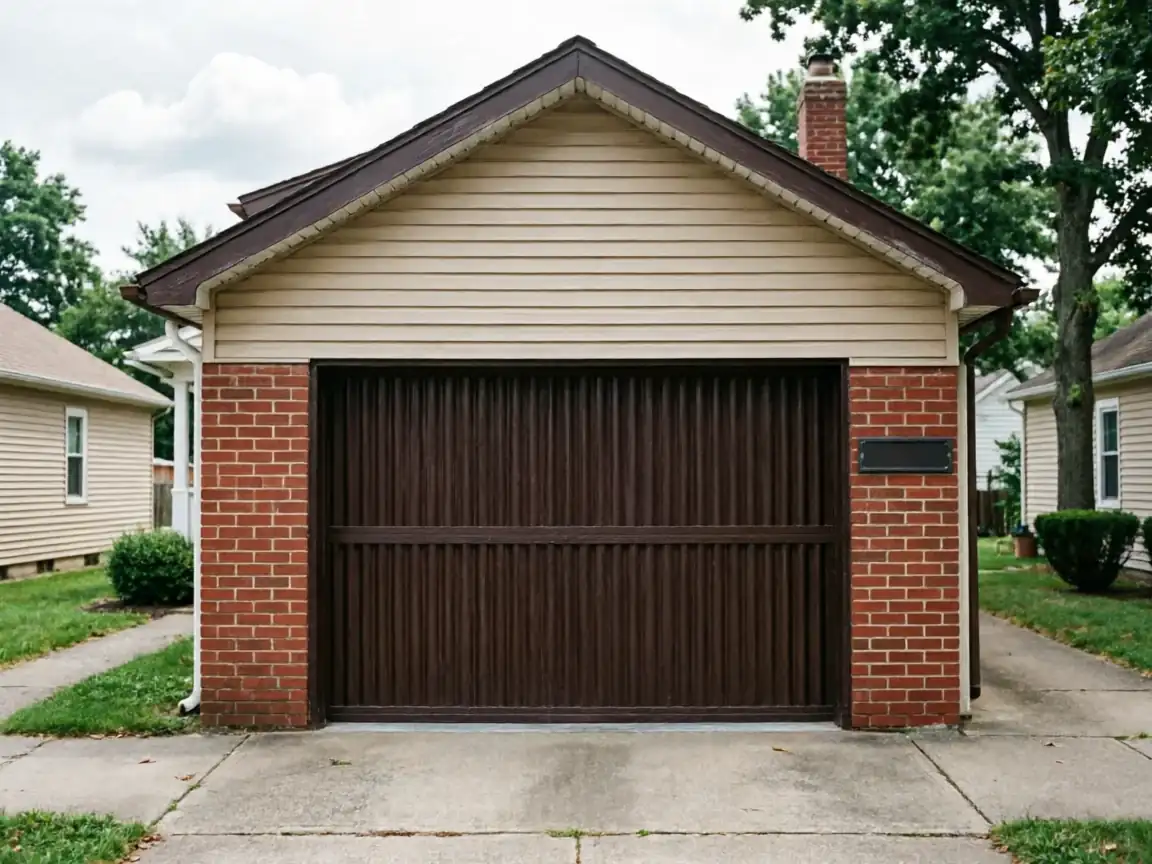
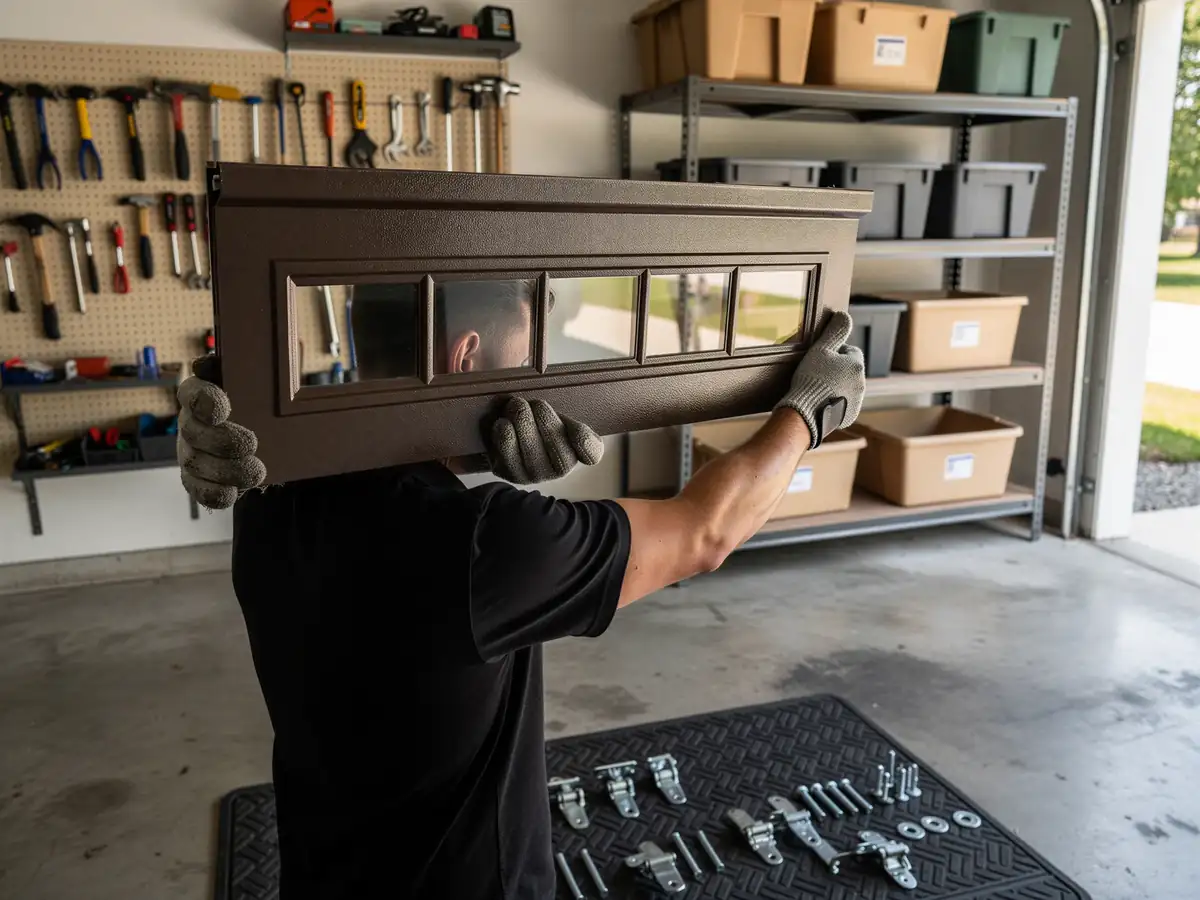
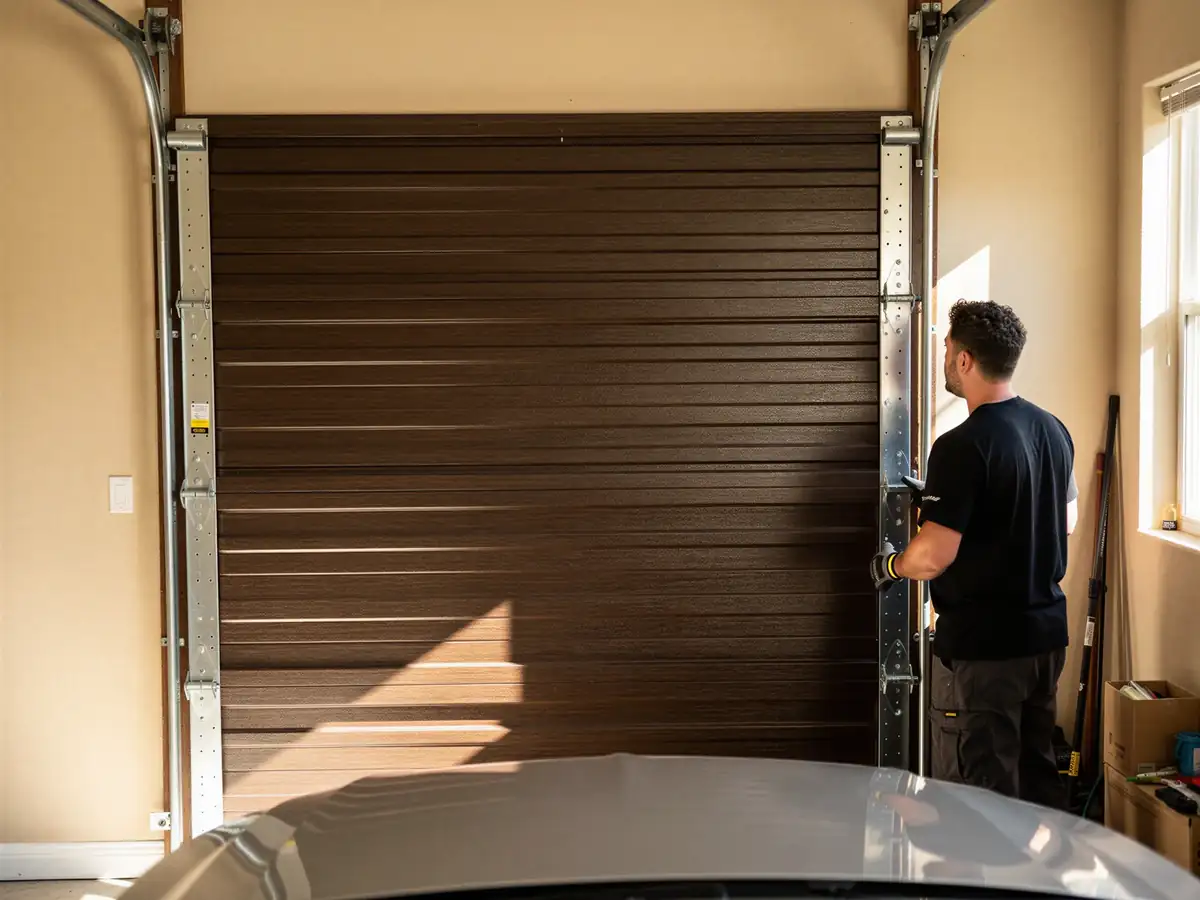
Oak Park's housing stock centers on construction around 1958, which tells you a lot before we even get there. Doors from that period were almost always single-layer steel or wood composite, hung on narrower openings than what manufacturers build to now, and run on extension springs mounted along the horizontal track rather than torsion springs over the header. That's the setup that trips people up. A homeowner measures the rough opening, orders a 'standard' 16x7 door online, and it doesn't sit right because the framing was never built to today's standard. We've seen jamb width, header clearance, and track position all run slightly off from current code minimums on houses from this era. None of that is a defect - it's just what builders did in 1958. But it means a straight swap-in install, where you pull the old door and bolt up a new one assuming the opening is standard, is the wrong approach here more often than not.
How We Fix It
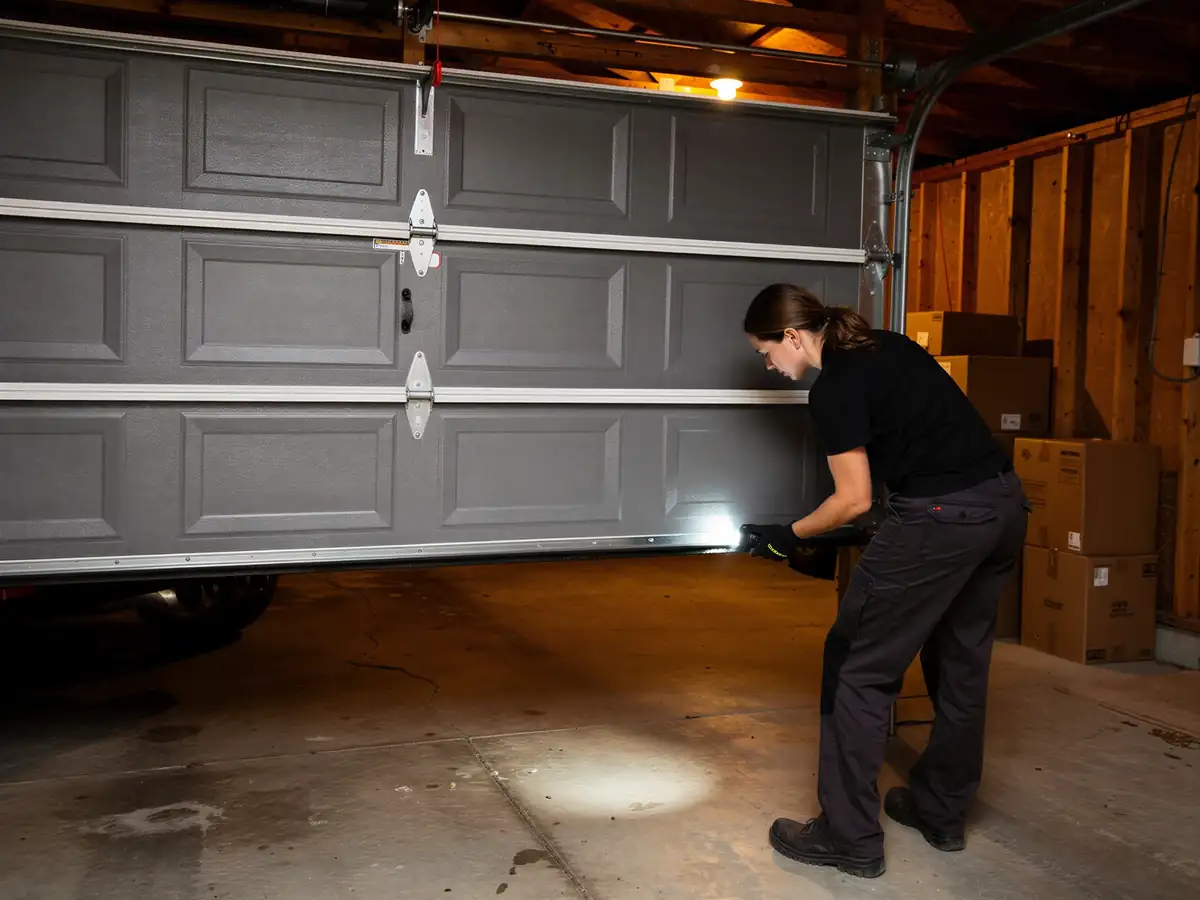
We start by measuring the actual opening and the actual header clearance, not the nominal size on the box. If the jamb or header doesn't match current spring and track hardware, we adjust the install - sometimes that means a different spring system than what's listed as standard for the door model, sometimes it means trimming or shimming the frame before the door goes in. With 12,722 households in Oak Park, we're not guessing at what's typical here; the pattern repeats enough that we know what to check before the truck leaves the shop. We also factor in the region's cold climate when we spec insulation and weatherstripping - a door that isn't sealed right against a Michigan winter will show it in the first hard freeze, with frost forming along the bottom panel and the opener straining on cold mornings. We don't sell the thickest, most expensive door as a default; we size insulation to what the opening and the garage's use actually call for.
Doing It Yourself
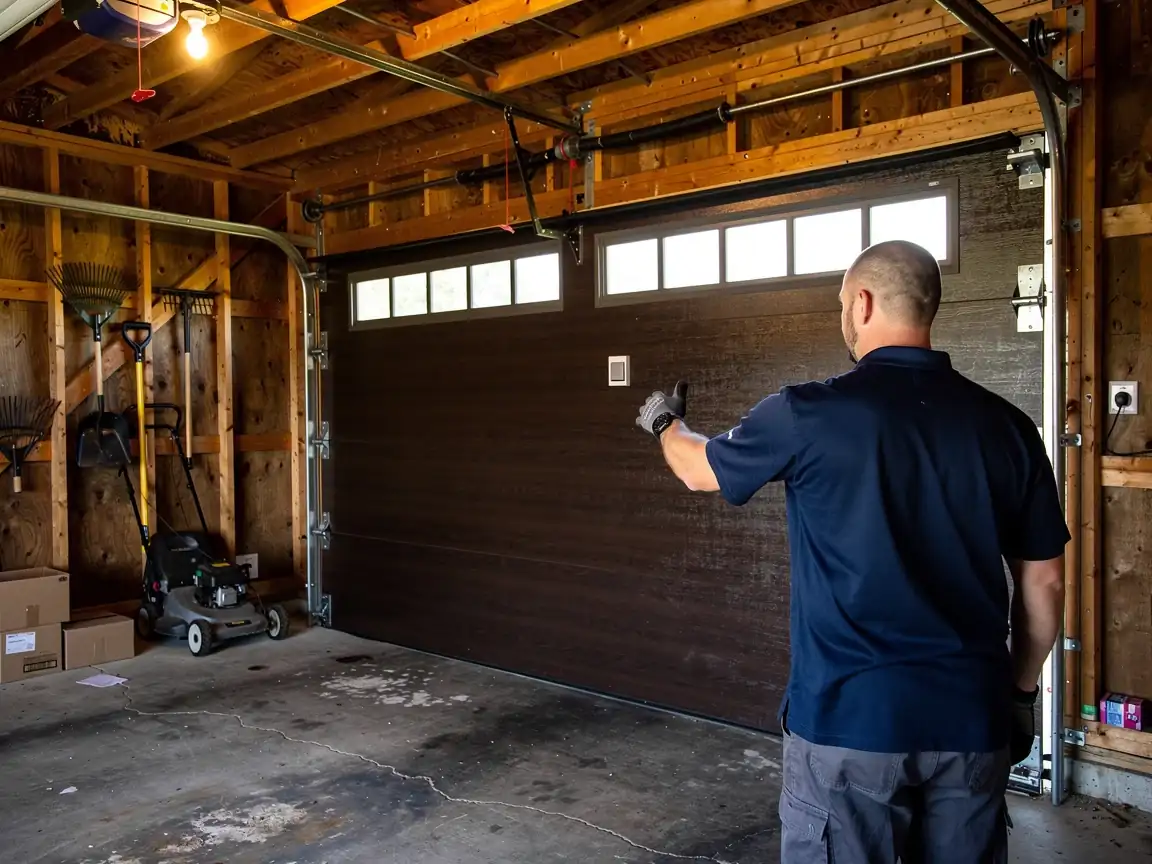
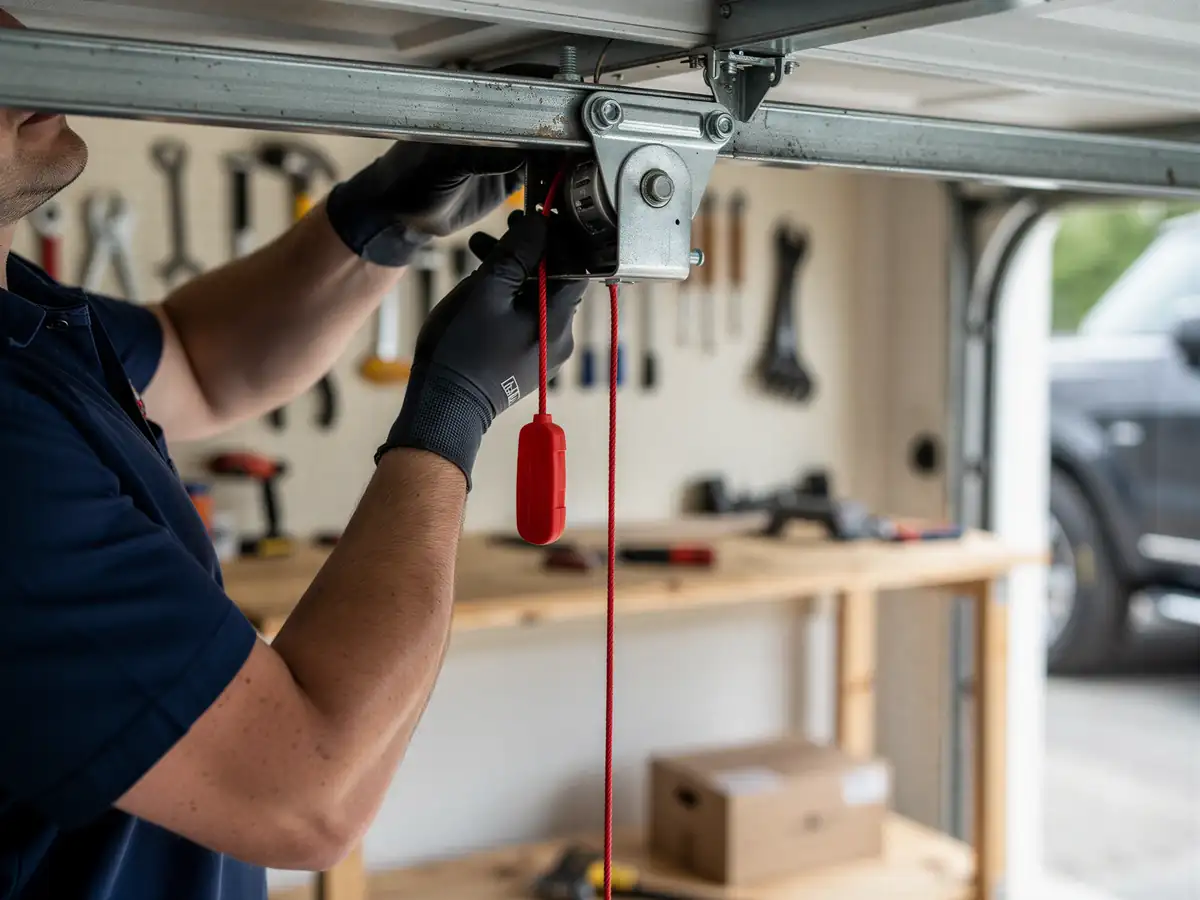
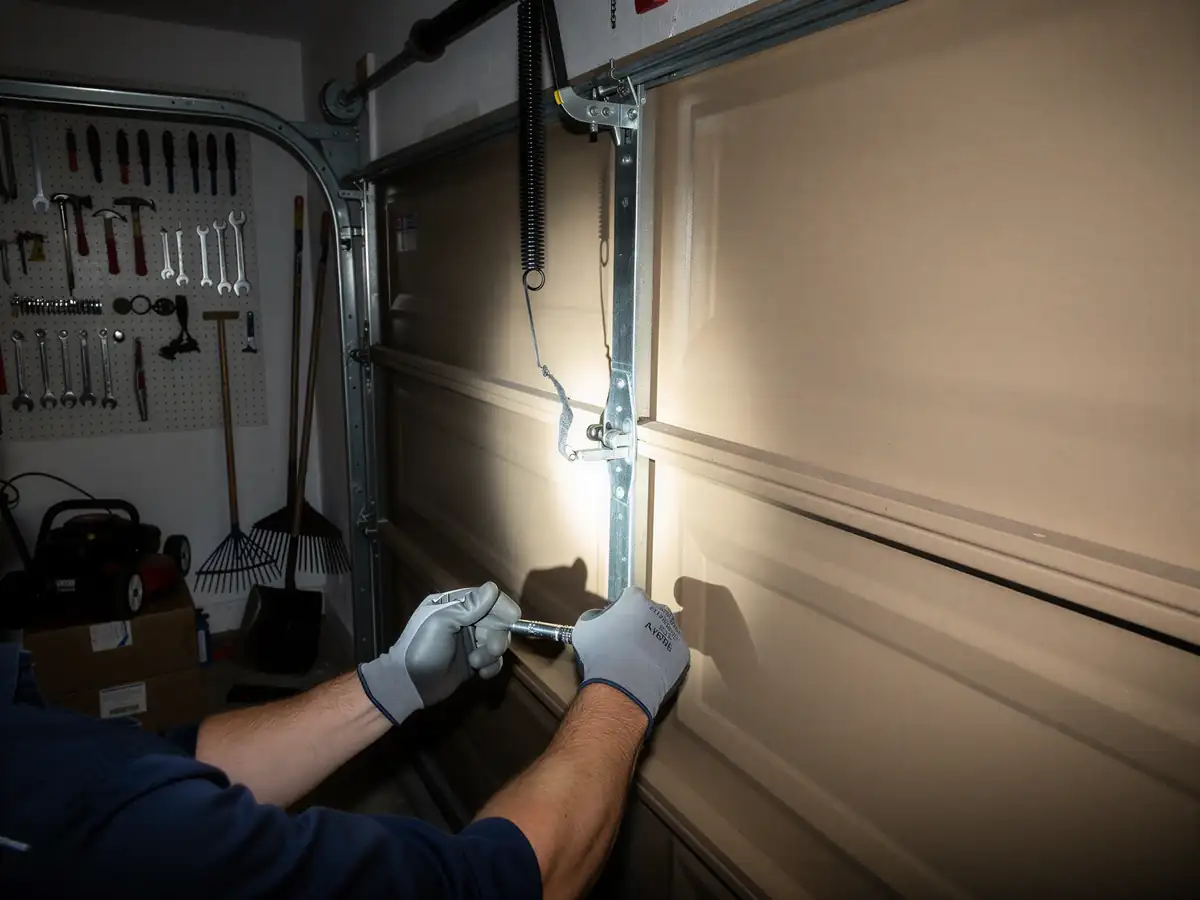
A full door replacement isn't a great DIY project, and we'll say that plainly. The springs on a garage door - whether extension-style, common on older Oak Park installs, or torsion-style on newer setups - store enough tension to break a hand or worse if they let go while you're working on them. Swapping the whole door also means getting the track, cable, and opener bracket all aligned at once, and on a framing setup that doesn't match current standard dimensions, that alignment problem gets worse, not easier. Where a homeowner can reasonably do their own work is cosmetic - repainting a panel, replacing weatherstripping, lubricating rollers. The structural swap, especially on a home from this build era where the opening itself may need adjustment, is where we'd tell you to call rather than rent a tool.
How It Shows Up
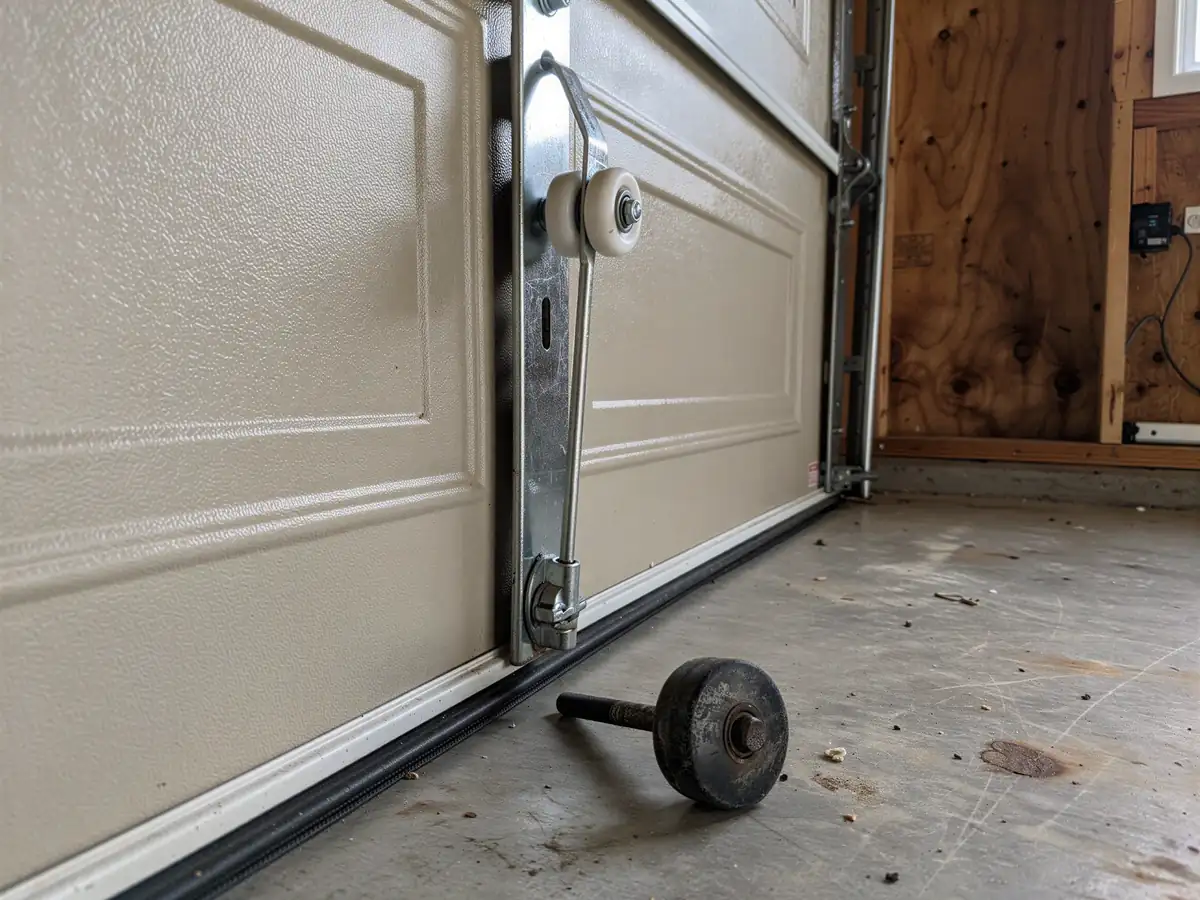
On a house built around 1958, a failing door usually announces itself as uneven closing - one side drops faster than the other because the extension spring on that side has lost tension unevenly, which is common on hardware this age. You might also notice the door binding partway up, which often means the track has shifted slightly out of the original alignment over sixty-plus years of settling. With a median household income of $65,882 in Oak Park - notably lower than the roughly $102,333 median across Waterford's broader service area - we hear from a lot of owners who want the door repaired rather than replaced if repair is realistic. We'll tell you straight when a worn panel or spring is a simple fix versus when the door and hardware together are old enough that replacement is the better dollar for the long run. For repair work specifically, see our Oak Park repair page.