Where This Job Goes Sideways
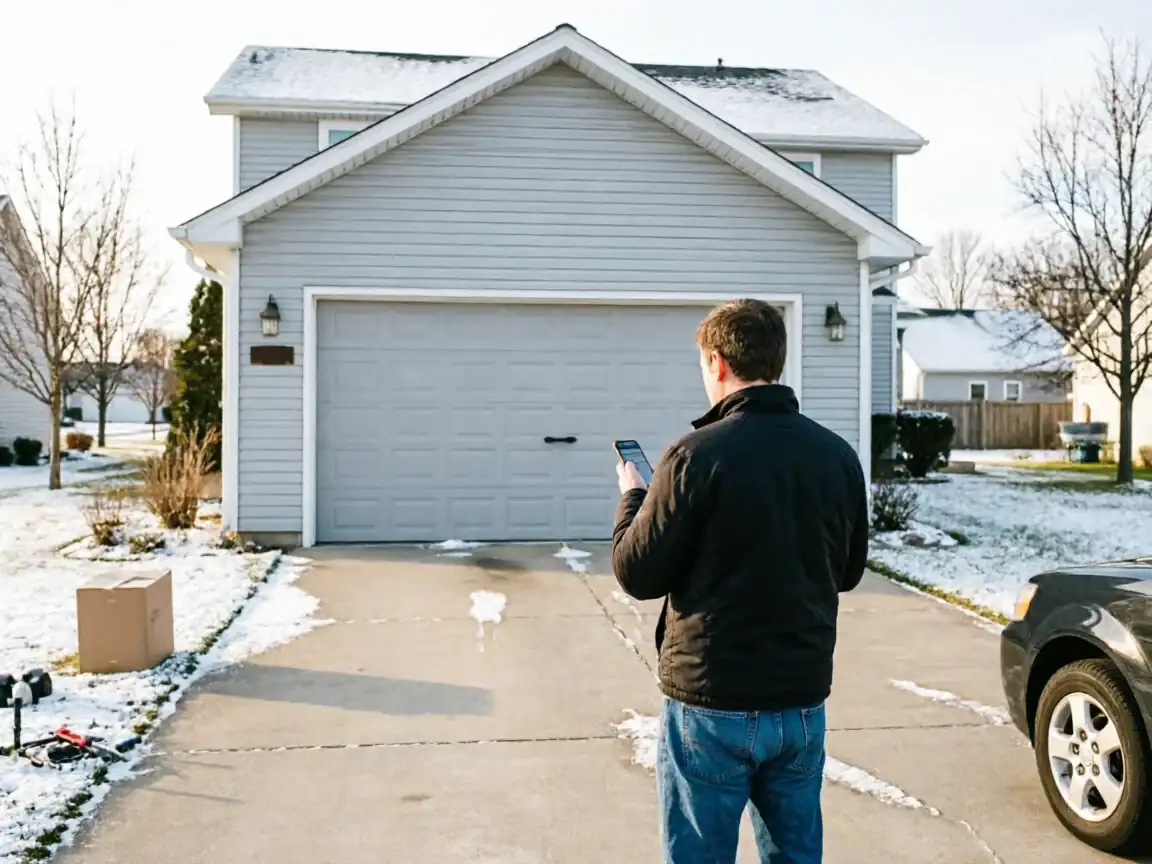
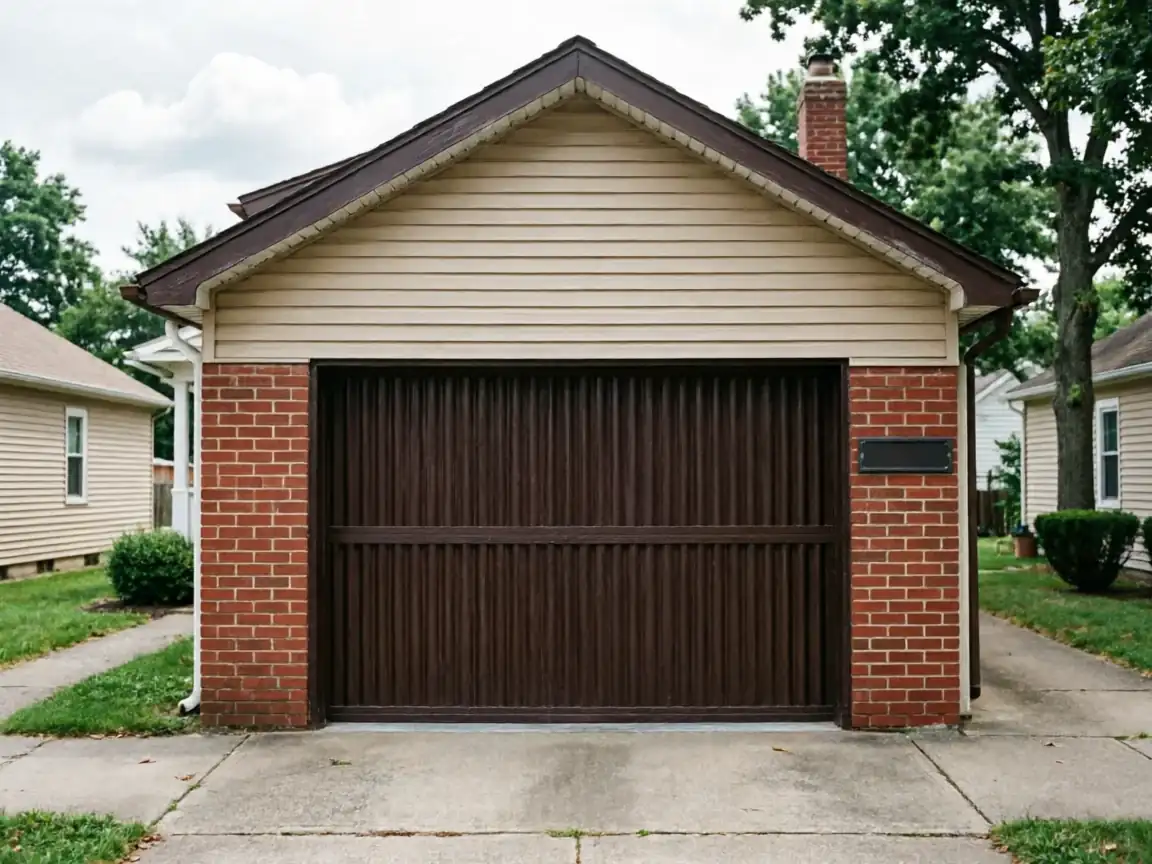
Oak Park is a small, dense place as these things go - about 12,722 households, most of them in houses built around 1958. That's a tighter build window than the wider service area, where homes run anywhere from 1949 to 1993. A town this size and this uniform in age means the doors have a lot in common with each other, which is good for us but bad for the hardware: when one neighbor's torsion spring goes on a Tuesday, three more on the same block are closing in on the same number of cycles. The original garage doors from that era were built for the openers and springs of the day, not for the 300-plus cycle counts a modern household runs through a garage door every year. What goes wrong here isn't exotic. It's old steel, old lubrication, and brackets that were torqued down once in 1958 and never touched again.
Michigan's cold band hits this hardware harder than it hits newer doors with sealed bearings and better-rated springs. Cold steel is brittle steel, and a spring that's already fatigued from 60-plus years of use is the one that snaps on the coldest morning of the year, not the mildest.
How We Fix It
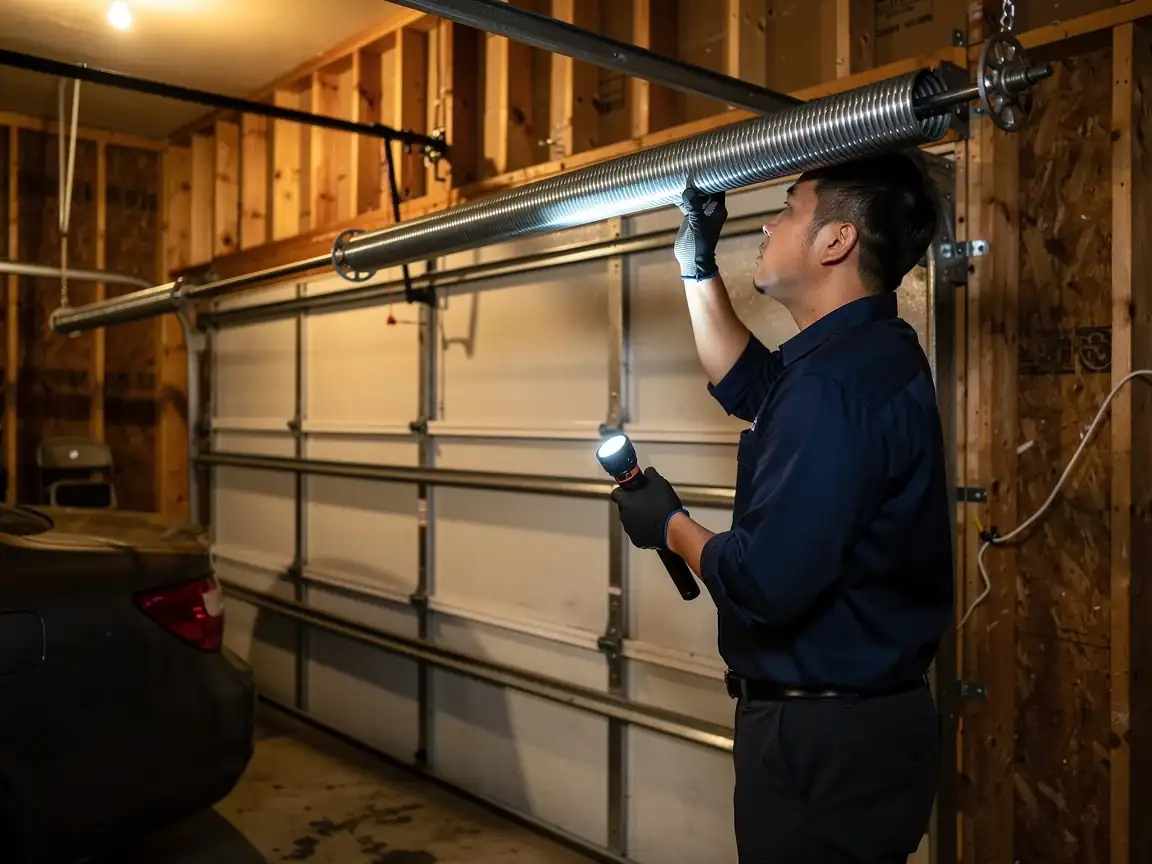
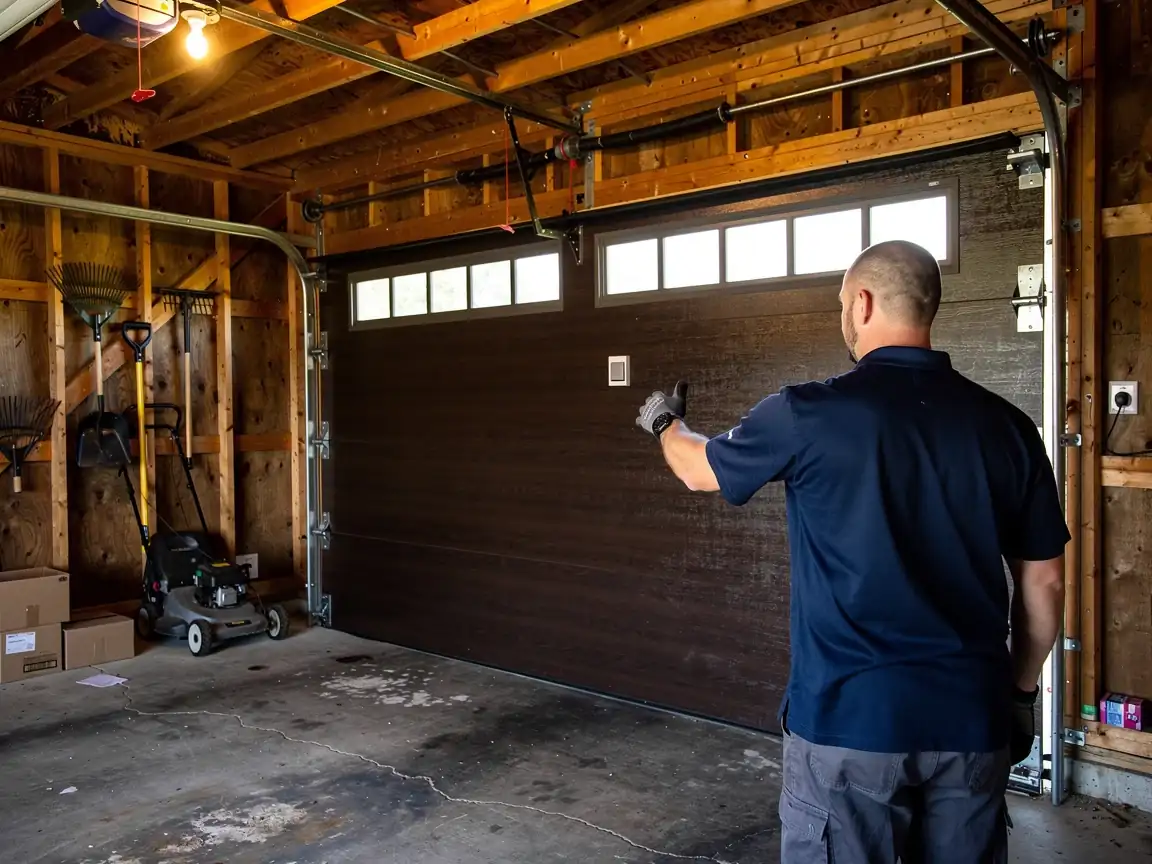
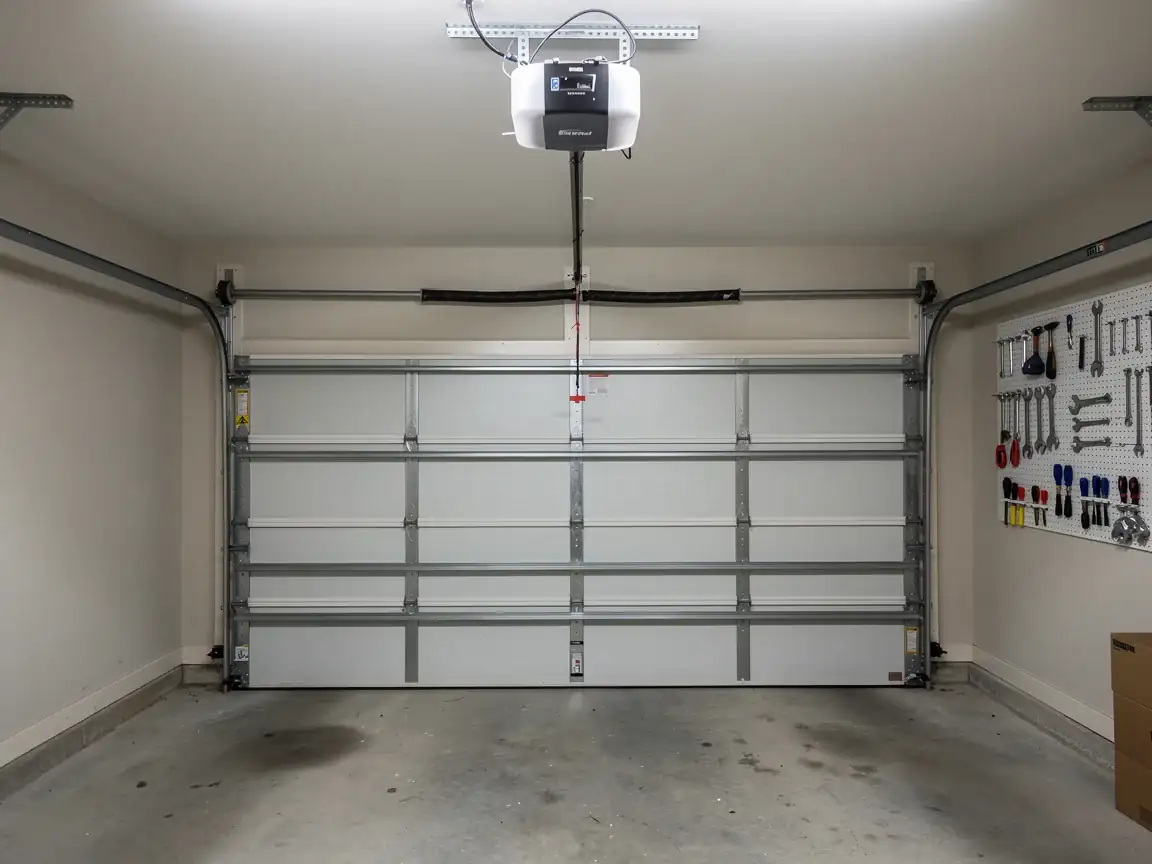
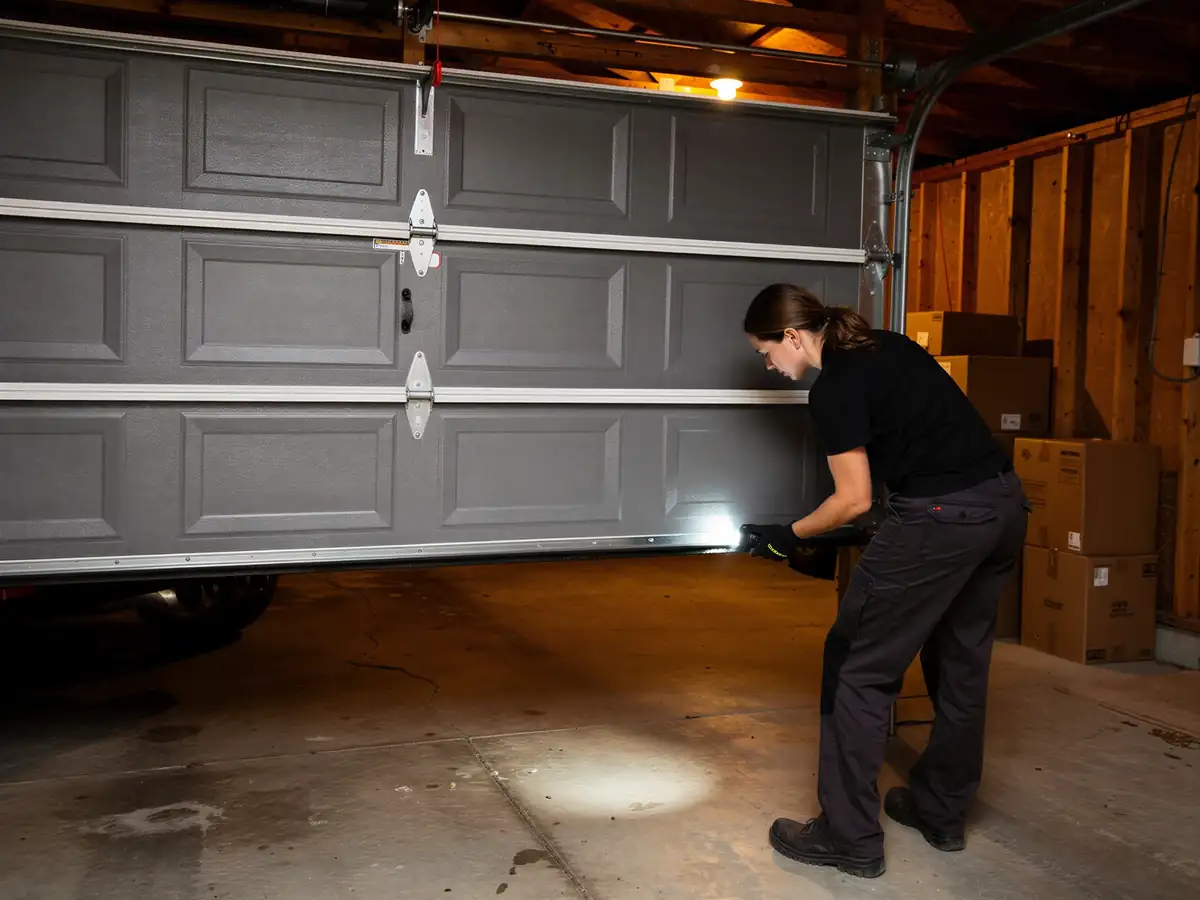
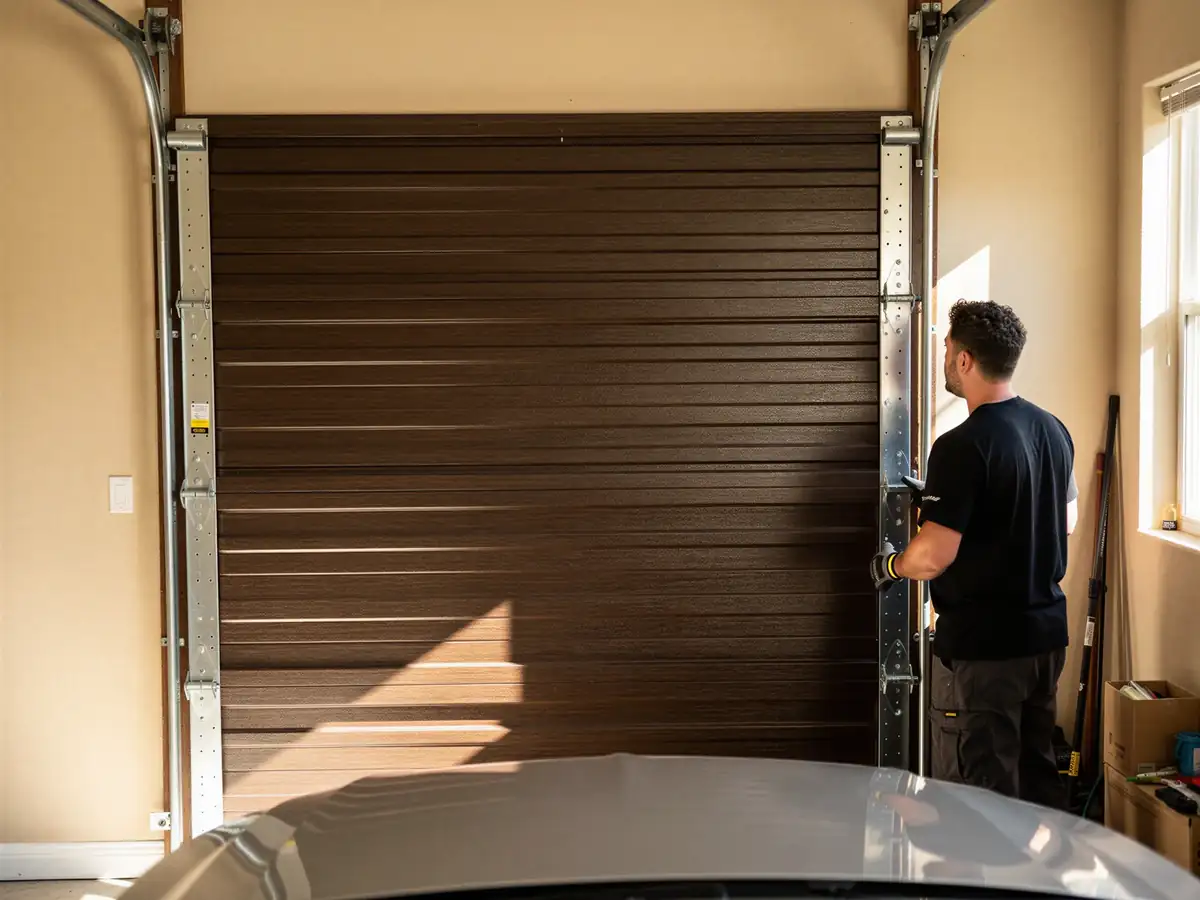
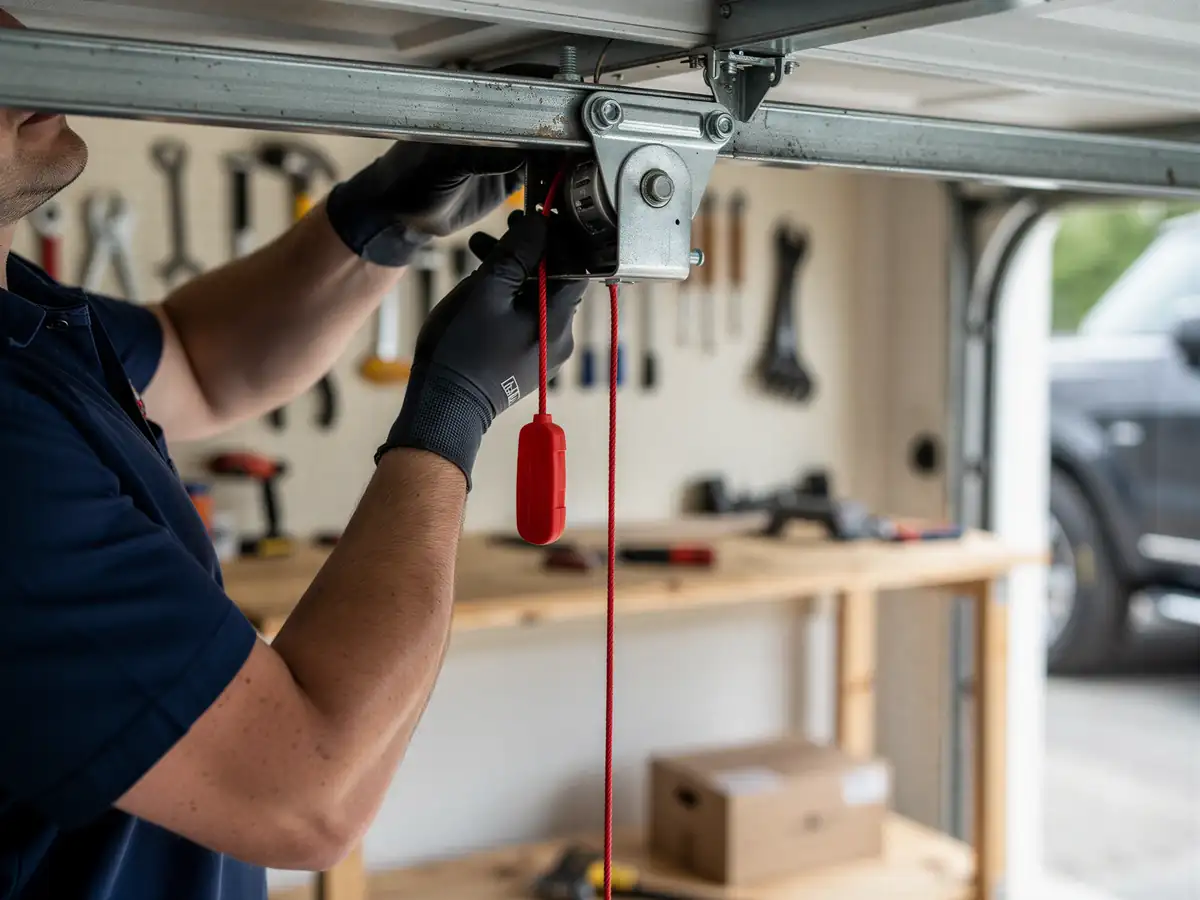
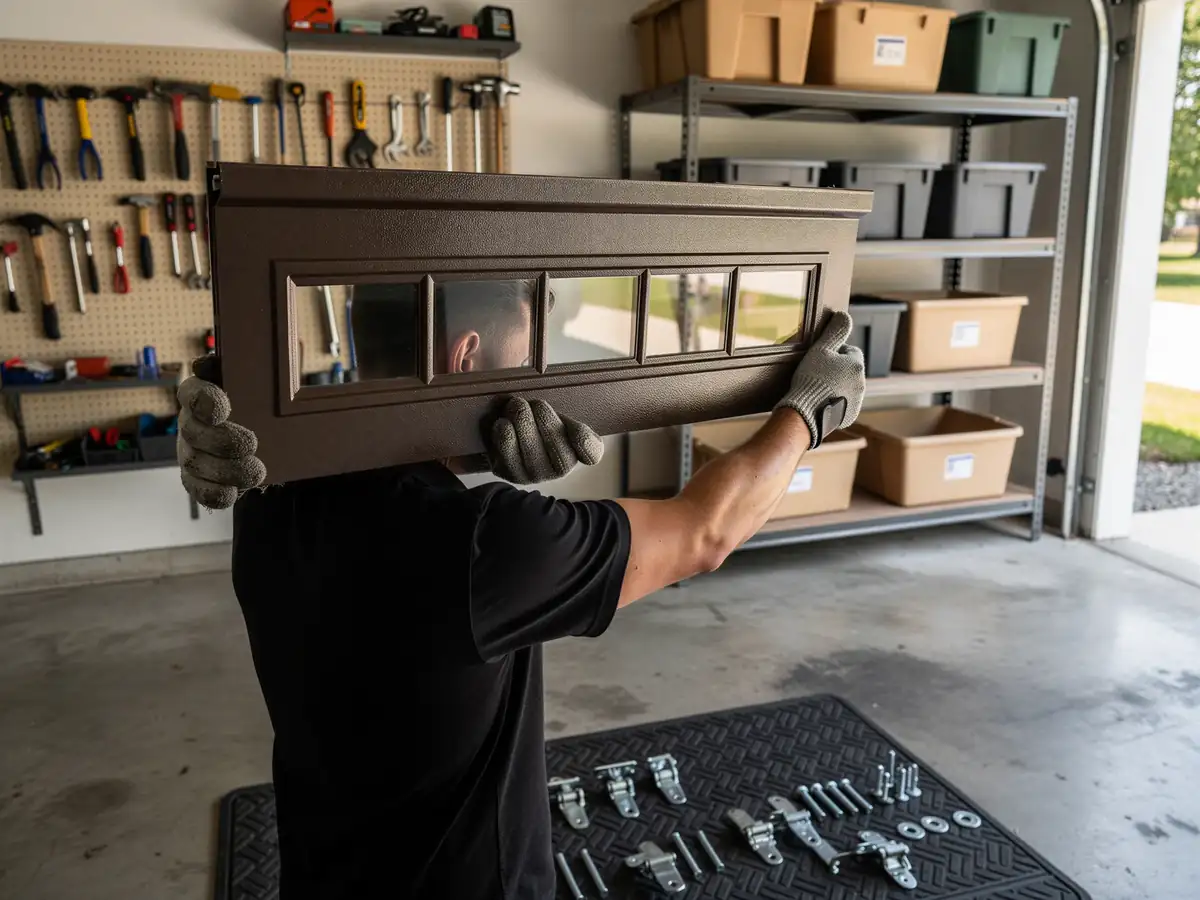
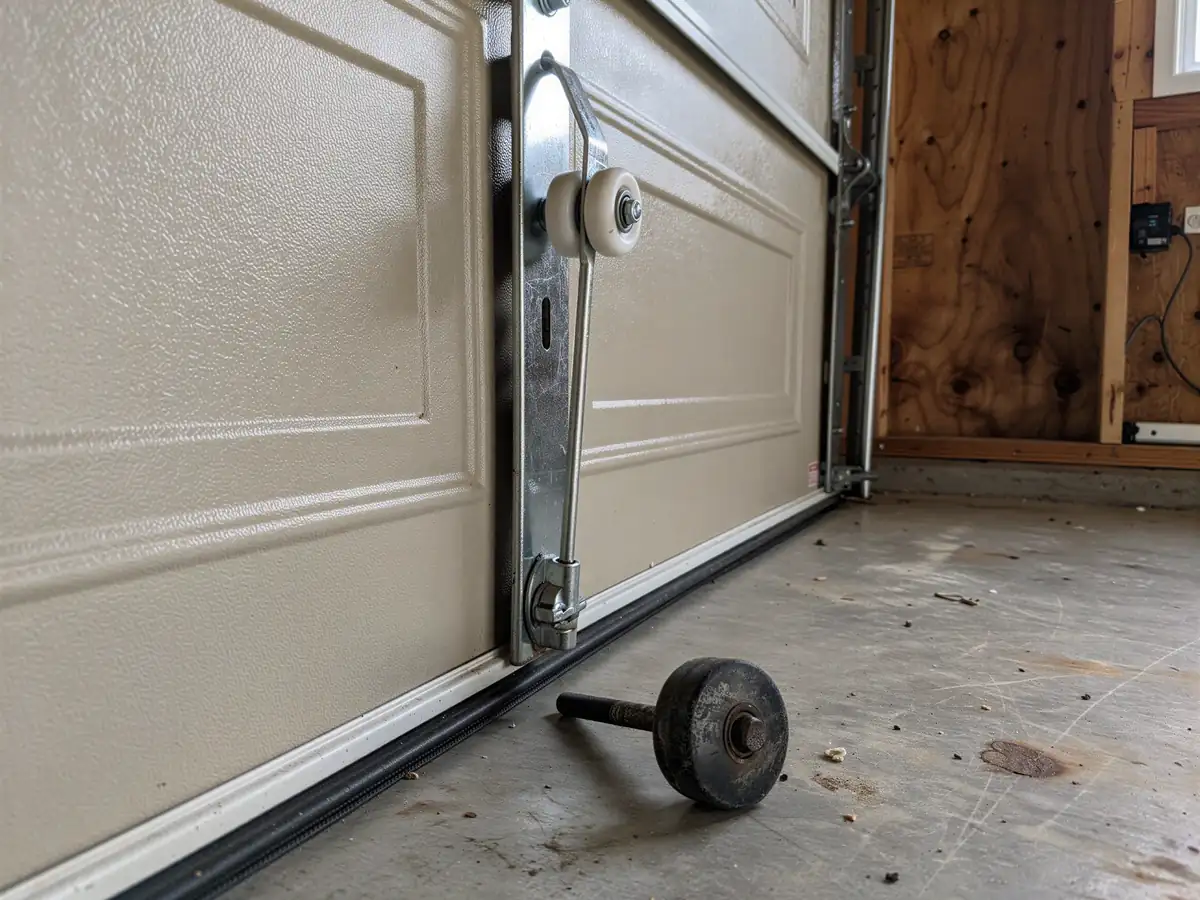
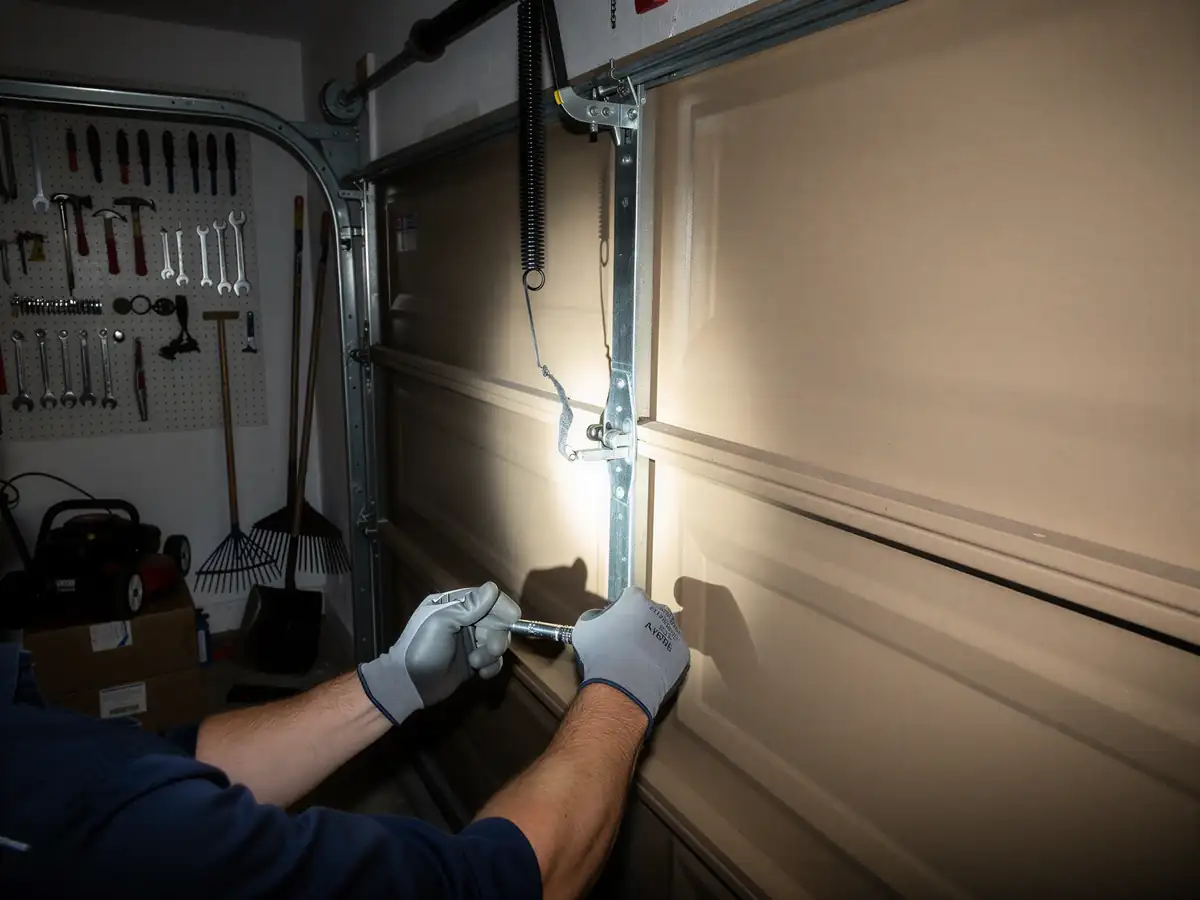
We come out from Waterford, about 20 miles, so a maintenance visit here is scheduled, not a same-day emergency run - plan for that when you're booking. On the visit we check the obvious wear points on a 1958-vintage door: spring tension and wind count, roller condition (steel rollers were standard then and they're loud and gritty by now), track alignment, and the cable drums, which on original hardware were sized for lighter doors than a lot of homeowners have since swapped in.
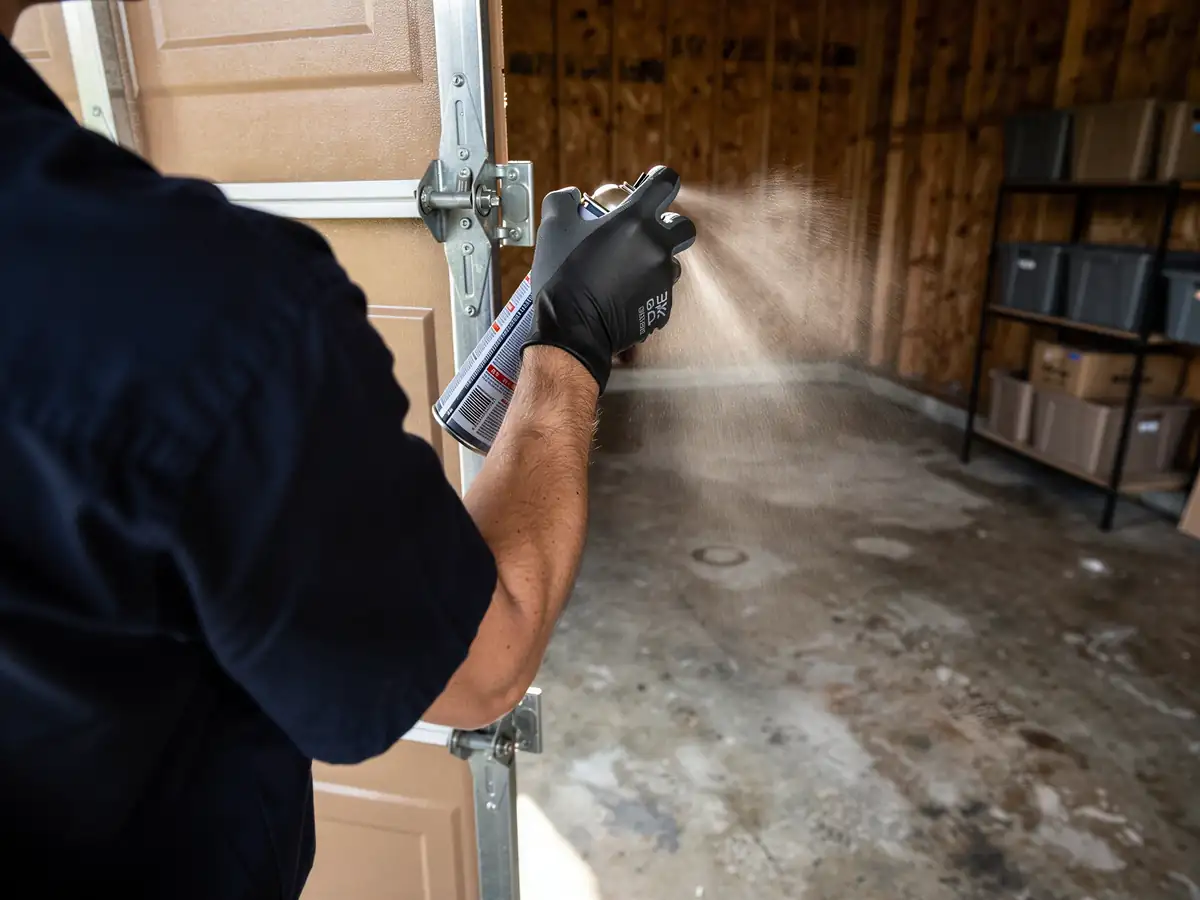
We lubricate what should be lubricated and leave what shouldn't be - torsion springs get a light coat, not a drenching, and we don't touch nylon rollers with oil at all. We check the opener's force settings against the door's actual weight, because original hardware combined with a newer opener is a common mismatch we see in houses from this build era. If a part is original and still within tolerance, we leave it. If it's at the end of its life, we tell you that and let you decide, because not every worn part needs replacing the same visit.
Doing It Yourself
Some of this is fine to do on your own. Wiping down tracks, checking for visible rust on an old bracket, listening for the specific grinding sound a dry steel roller makes - none of that requires a call. What we don't recommend touching yourself is anything involving the torsion spring itself. On a door this old, the winding cone and shaft are original parts that have taken decades of stress, and a spring under tension that lets go while you're adjusting it can put you in the hospital. That's not a scare line, it's the actual failure mode, and it's the one honest limit we'll put in writing: if your door is original to a 1958 build, leave the spring to someone who does it daily.
How It Shows Up
In a town where median household income runs $65,882, a lot of owners here are weighing a $40 maintenance visit against letting a noisy door run another year - and for a door that's merely loud, that's a reasonable bet. The failures that aren't a reasonable bet to defer are the ones tied to tension: a spring that's visibly stretched or gapped, a cable that's starting to fray at the drum, or a door that slams the last six inches instead of settling. Those get worse on the next cold morning, not better.