Where This Job Goes Sideways
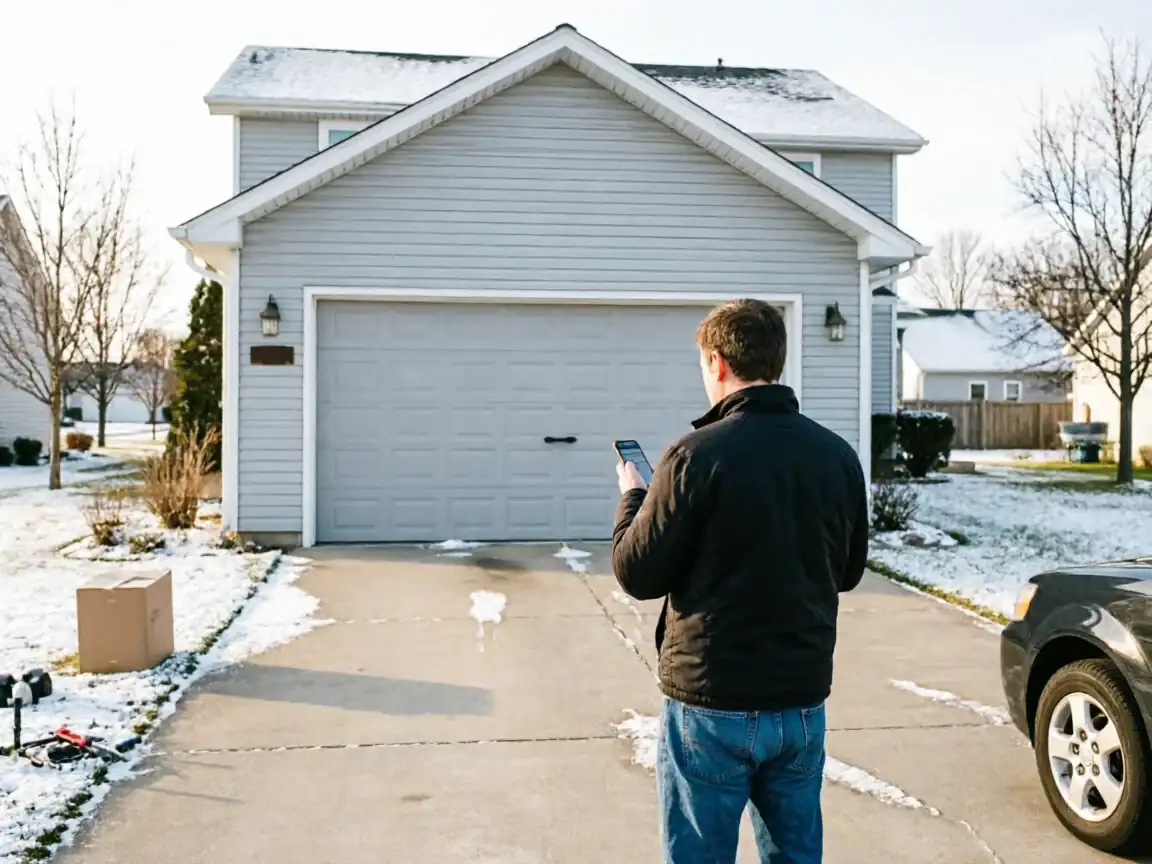
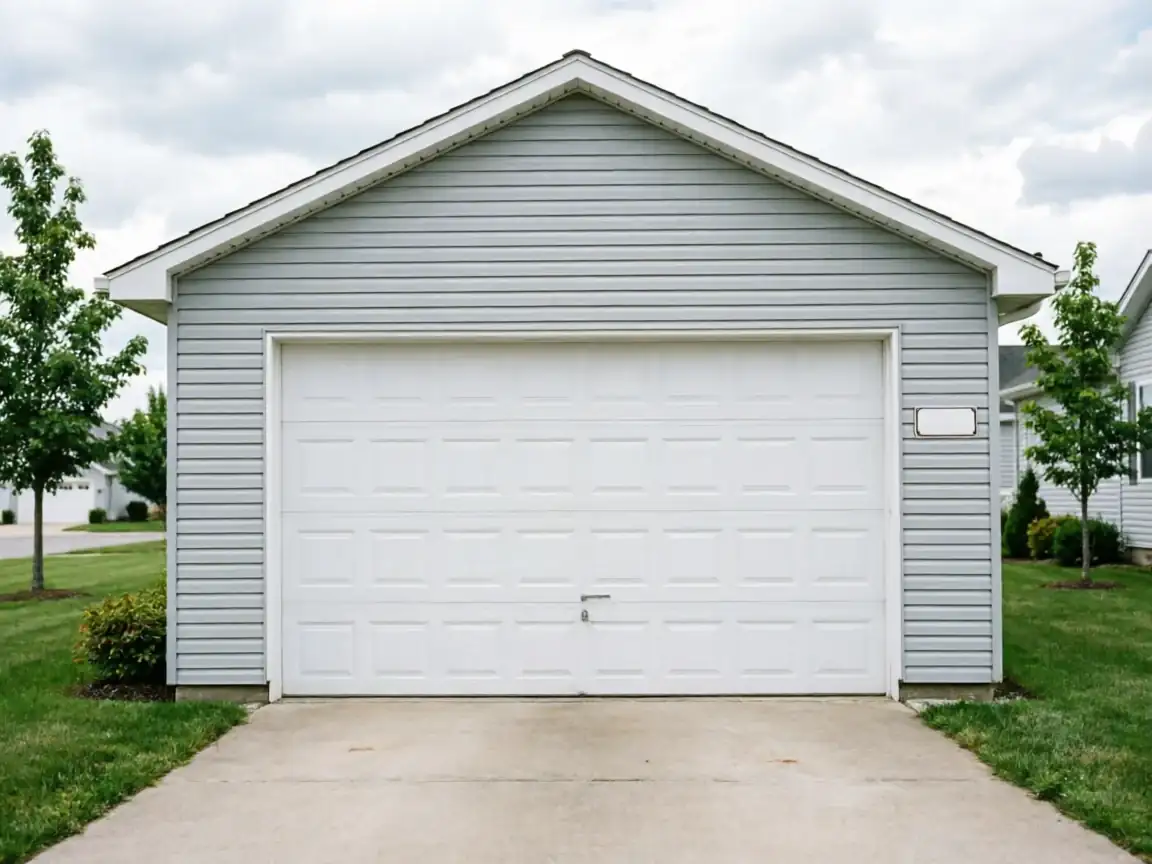
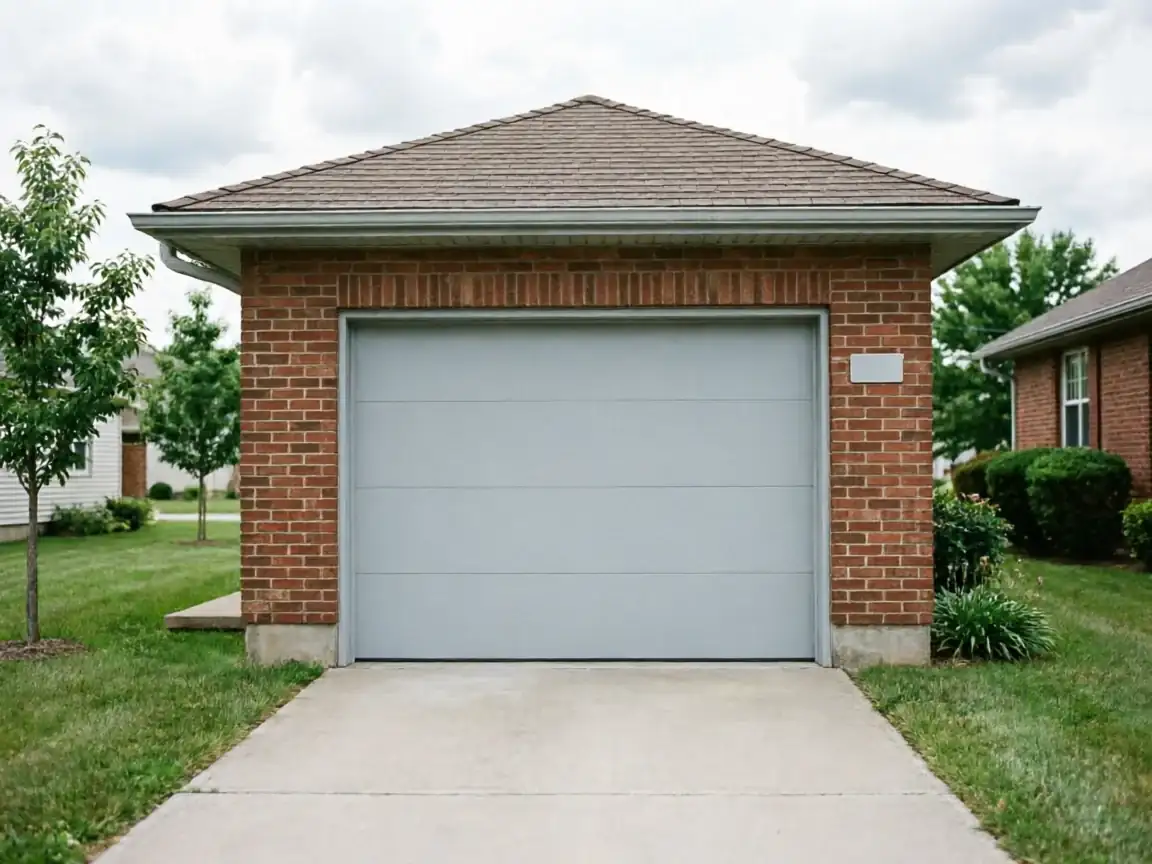
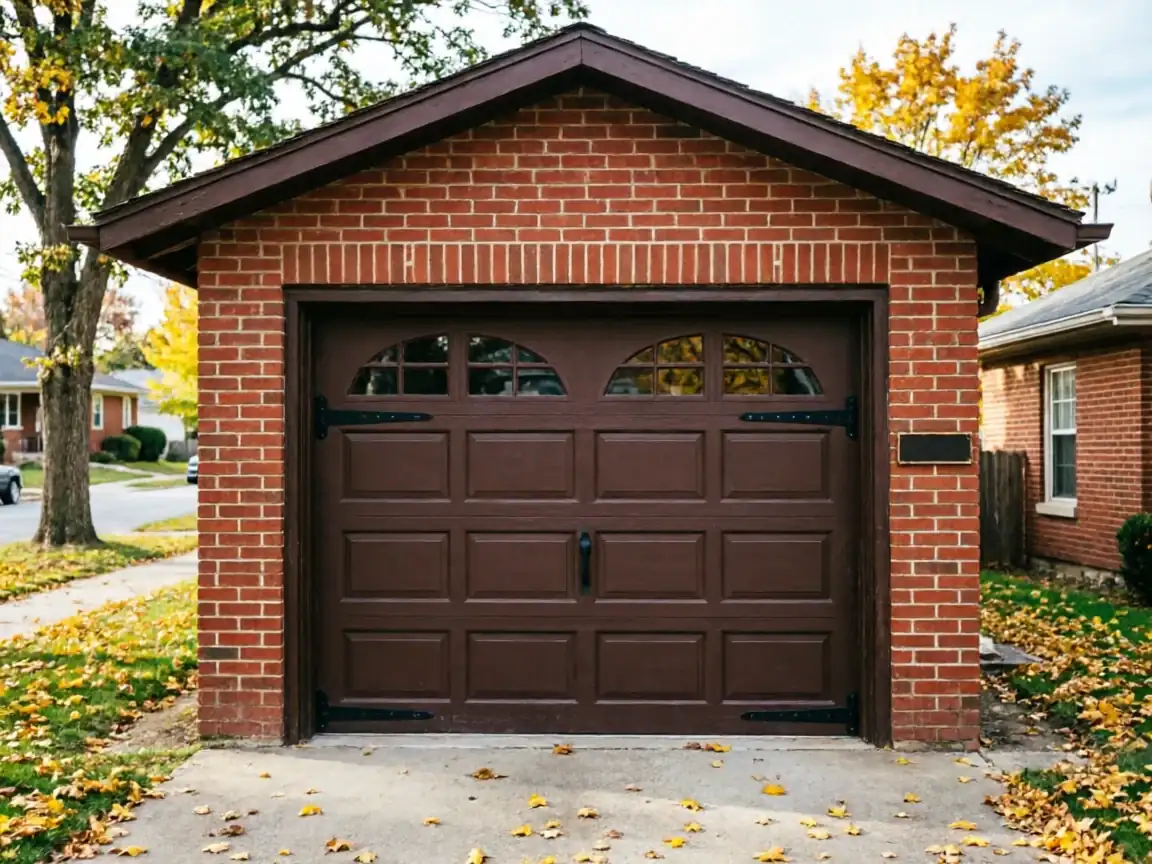
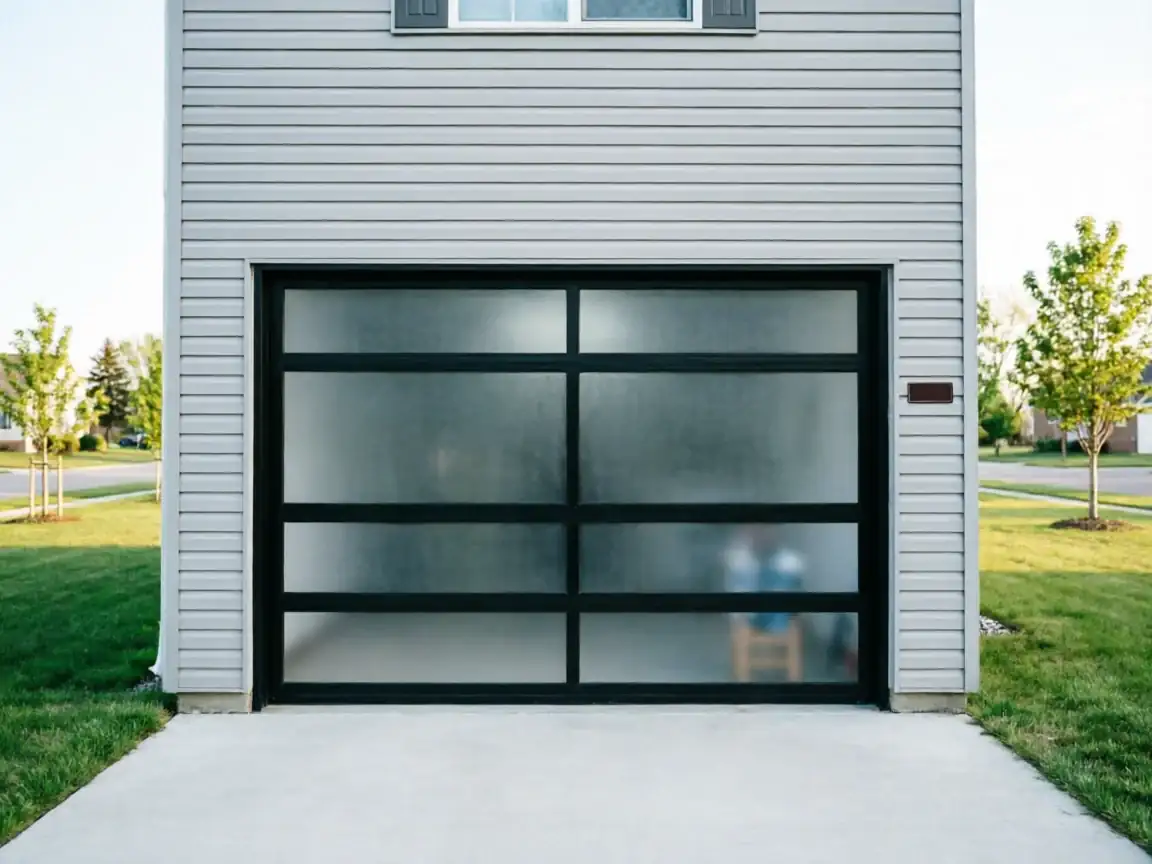
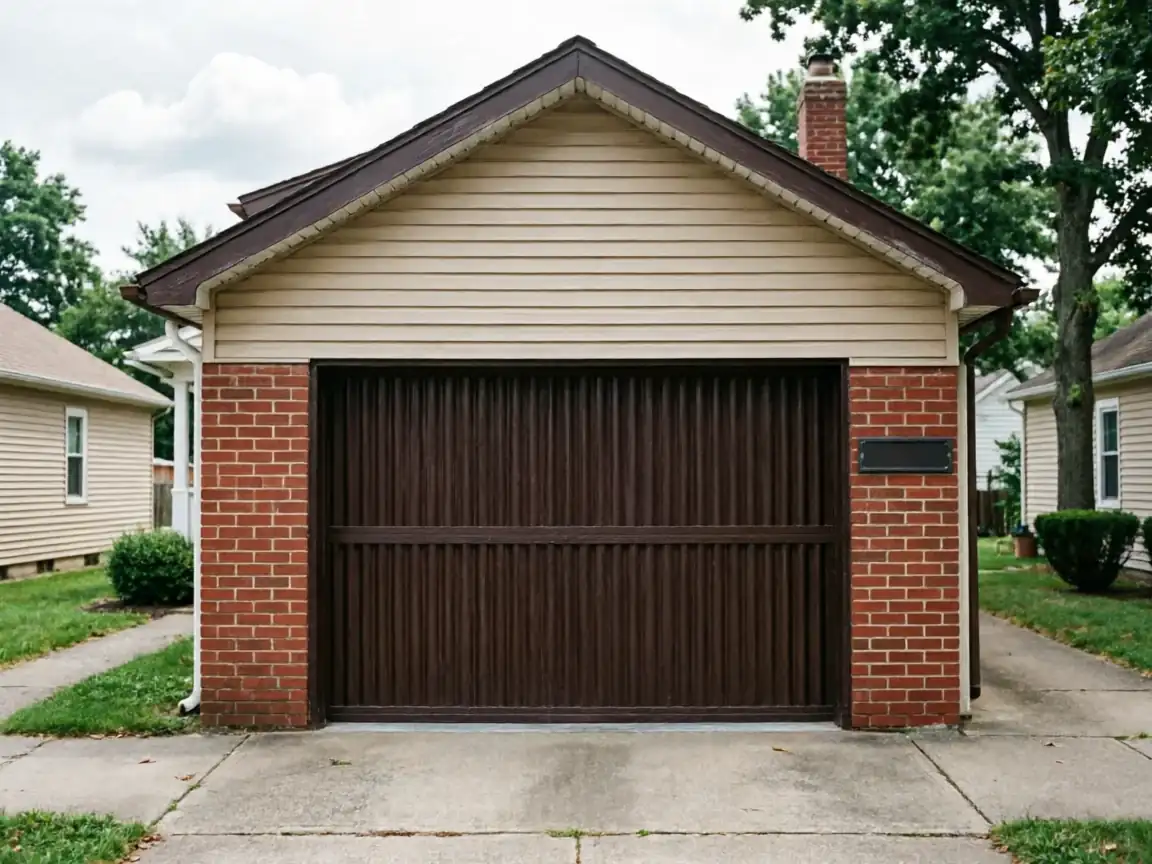
Oak Park's houses mostly went up around 1958, about fifteen years ahead of the 1973 median we see across the rest of the territory Waterford Garage Door Pros covers. That gap matters more than it sounds like it should. A door installed on a house built in the late 1950s is more likely to be an older steel sectional with a panel width or rib pattern that got phased out once manufacturers standardized designs in the 1970s and 80s. When one panel on a double door gets hit by a car bumper or caves in from a falling branch, the obvious fix - order a matching panel, swap it in - runs into a wall. The matching panel isn't made anymore, or the company that made it changed hands twice since. We end up hunting for a close match, modifying hardware to fit, or, more often than we'd like, telling the homeowner the whole door needs to come out. That's not a sales pitch. It's just what happens when the stock is this old. Newer subdivisions closer to Waterford don't have this problem nearly as often, because their doors came out of a narrower, more standardized era of manufacturing.
How We Fix It
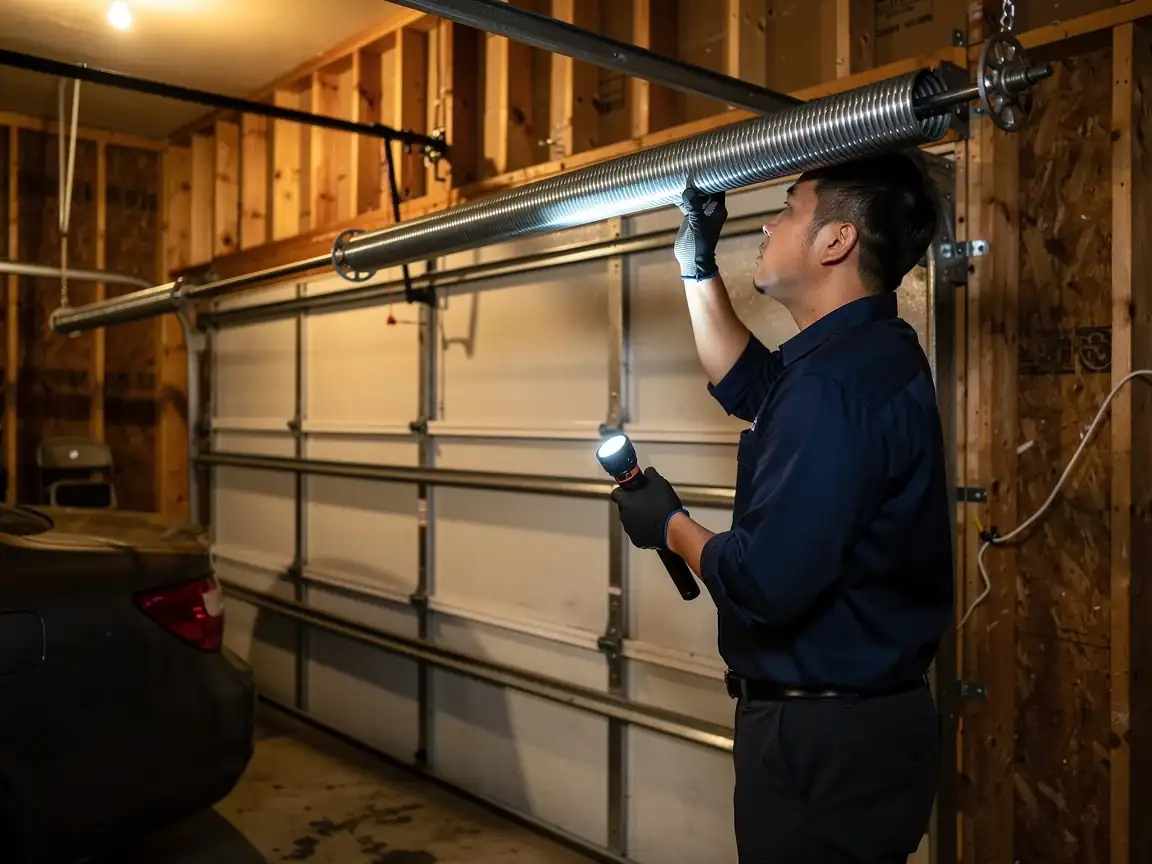
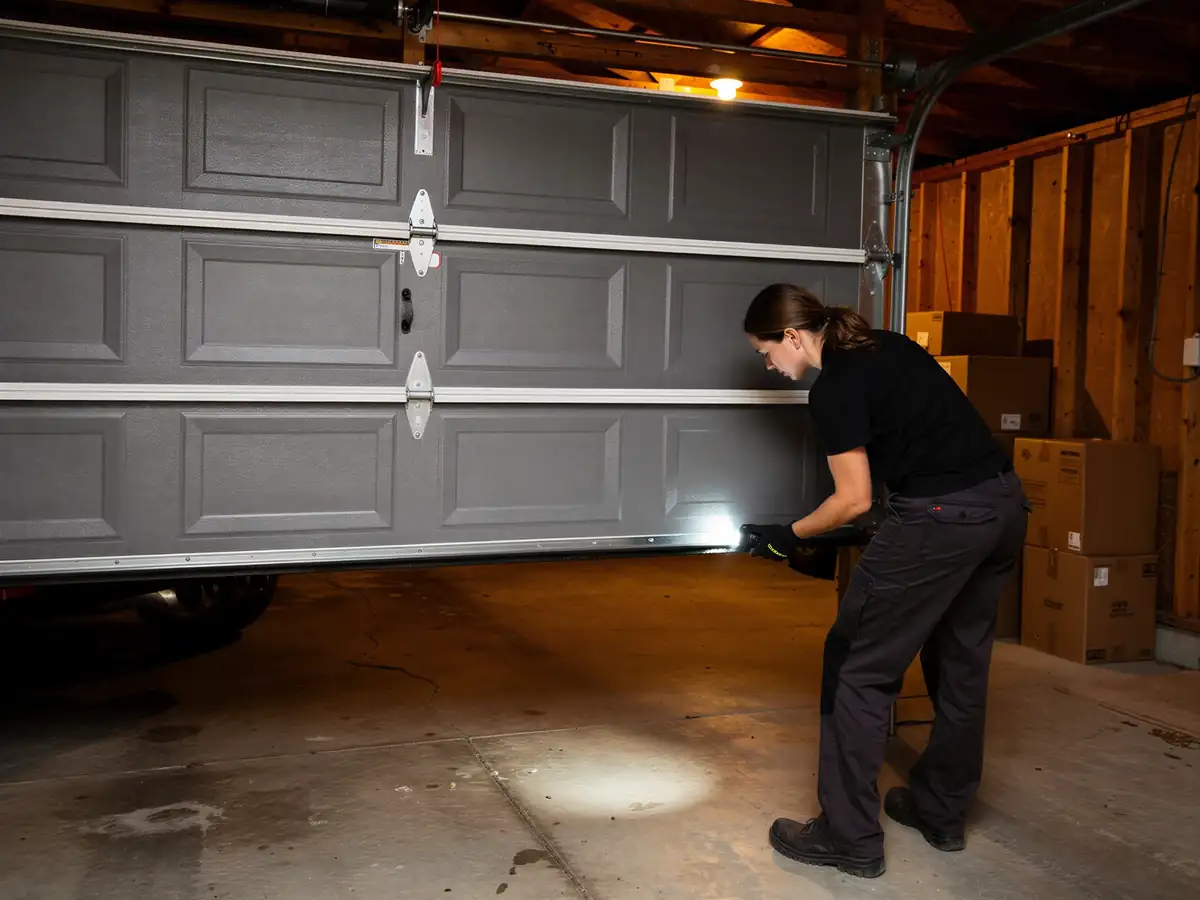
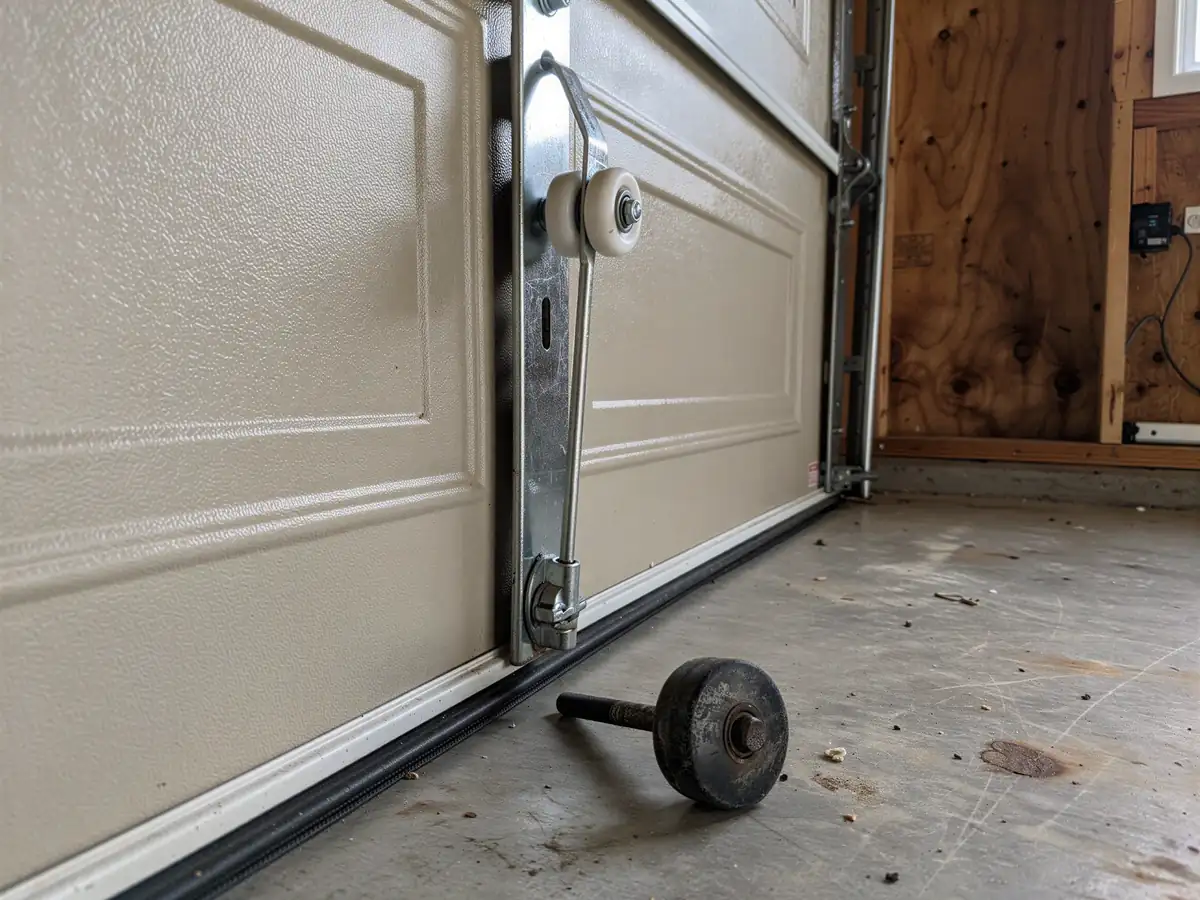
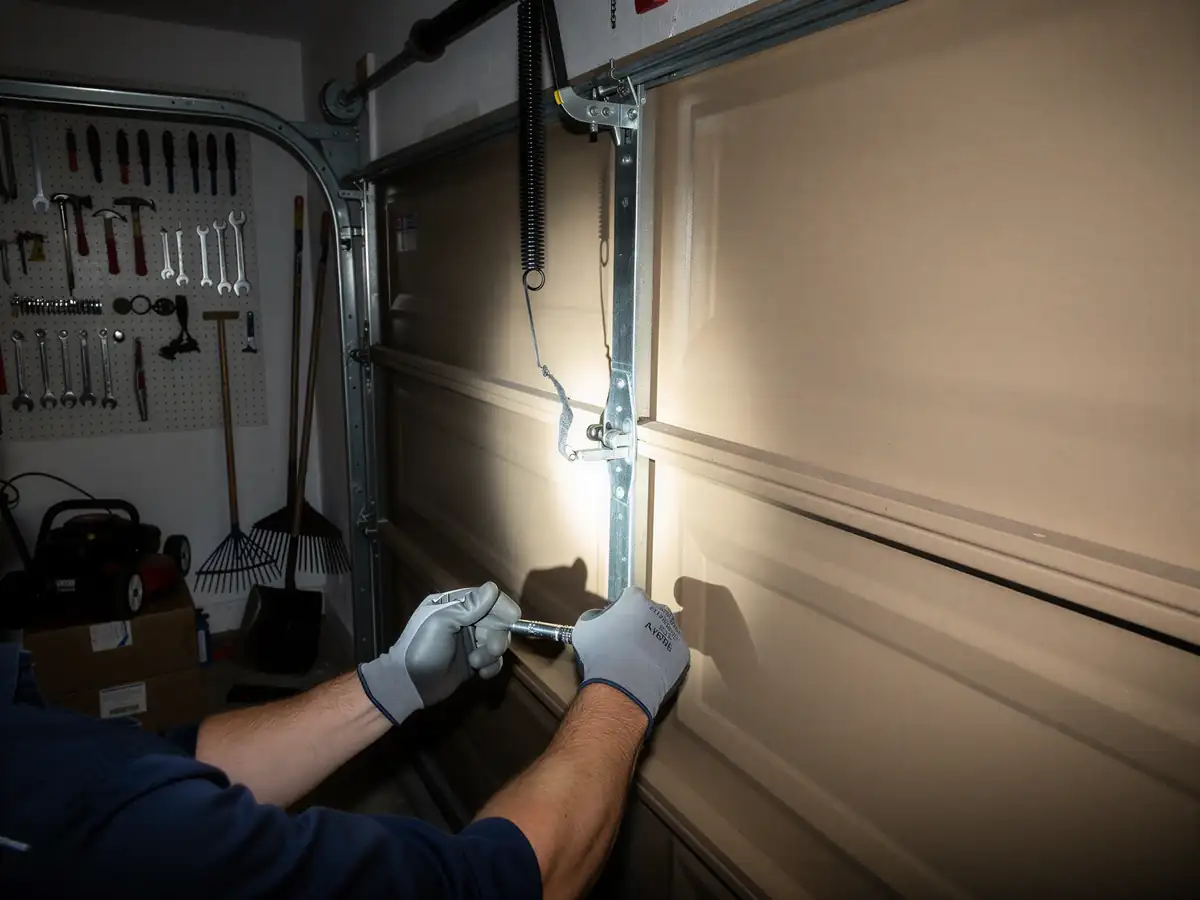
First step is always identifying what's actually on the house - brand, panel style, hinge spacing, whether the track is still original or was replaced at some point without matching hardware. On Oak Park's older stock, we often find the track and spring system has been serviced before but the panels themselves are original, which tells us a lot about what we're working with before we even touch a panel. If a matching panel exists, we order it and swap it in, matching paint and hardware as close as we can get. If it doesn't, we price out the honest options: a near-match panel that won't be invisible but will function and hold paint fine, or replacing the full door since by that point the cost difference often isn't as large as people expect. We don't push full-door replacement as the default. If a single-panel fix will hold for years, that's what we recommend. The call changes house to house, and we tell you which situation you're in before we quote anything, not after.
Doing It Yourself
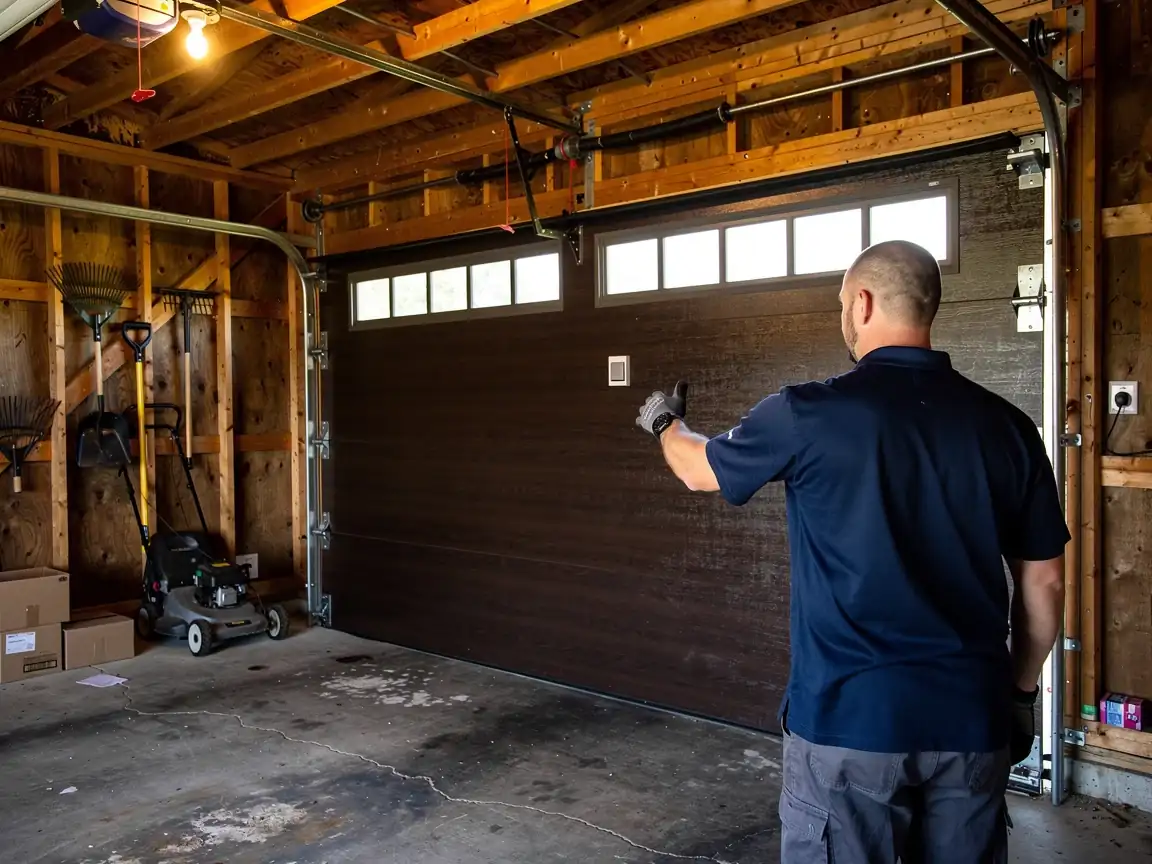
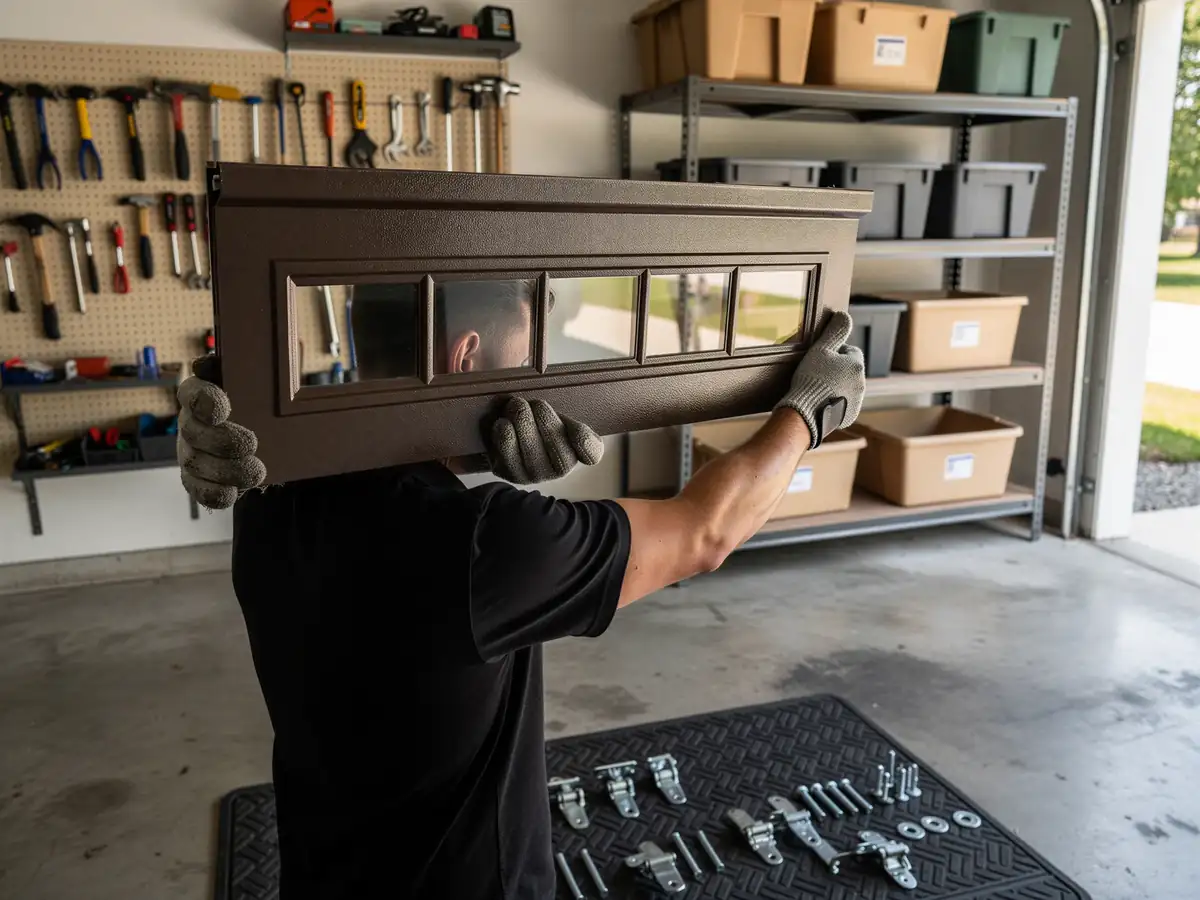
A single cracked or dented panel on an otherwise sound door is one of the more tempting DIY jobs out there, and on paper it looks simple: unbolt the old panel, bolt in the new one. The part that trips people up is the fastener pattern and panel weight on older doors - Oak Park's late-1950s stock often predates the lighter, more uniform hardware used on doors built closer to the 1973 service-area median, so bolt spacing and panel thickness don't always match what a hardware store or online listing assumes. Get that wrong and you can throw the door out of square, which stresses the opener and the spring system in ways that aren't obvious until something else fails a few months later. If you've got a newer door and a clean replacement panel in hand, this is a doable weekend job for someone comfortable with a drill and a level. If you're not sure your panel is a true match, that's the point to call rather than force it.
How It Shows Up
Most calls for this start with something specific: a panel caved in from impact, a long vertical crack from age and temperature swings, or rust working through a seam on an older steel panel that's been sitting through a few decades of Michigan winters. With a service-area median income of $102,333 and Oak Park running lower at $65,882, we see more requests here for the single-panel repair over the full-door swap, and we price accordingly rather than defaulting to the bigger job. Across 12,722 households in Oak Park, the housing stock is tighter and more consistently built-out than some of the newer pockets farther from Waterford, which means panel questions here tend to be about sourcing an obsolete match rather than picking from a current catalog. If your door looks fine from the street but one panel is visibly bowed or rippled, that's usually enough reason to get it looked at before it affects the track.