Where This Job Goes Sideways
Oak Park sits roughly 20 miles from Waterford, which puts it on the far edge of the service area, not around the corner from the shop. That drive shapes how a call here actually runs: we're not dispatching from a block away, we're crossing the whole service territory to get to you, so the first thing we ask on the phone is what's actually happening with the door, not just when can you get here.
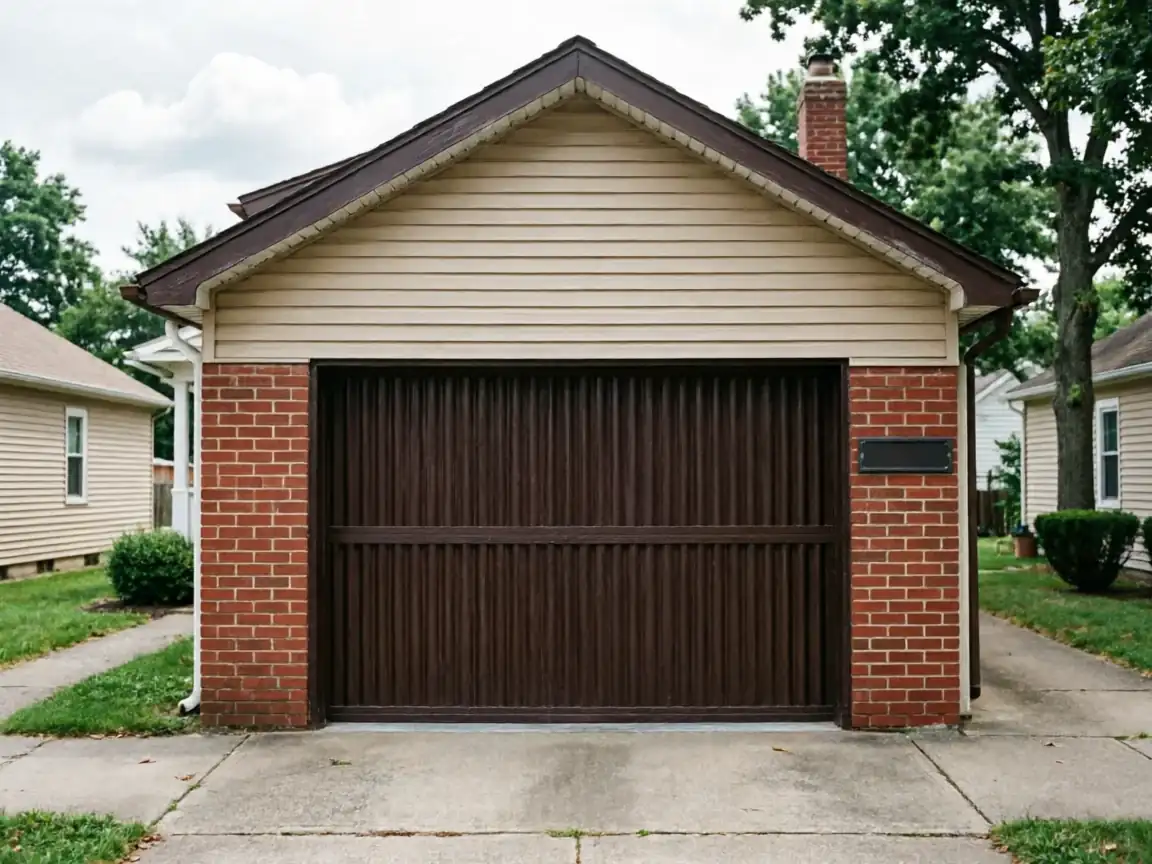
Most houses in Oak Park went up around 1958, well before the 1973 median for the wider service area, which means older torsion springs, narrower track clearances, and hardware patterns that later-built subdivisions don't have. A door installed on a house that age has usually been through at least one spring replacement already, sometimes with parts that don't quite match the original mounting.
Winters here fall into the same severe cold band as the rest of the region, and a steel torsion spring wound in 1958 has had a lot more freeze-thaw cycles behind it than one installed in a 1990s subdivision. Cold makes steel brittle and lubricant thick, and that combination is what turns a slow-closing door into a snapped cable at 6am.
How We Fix It
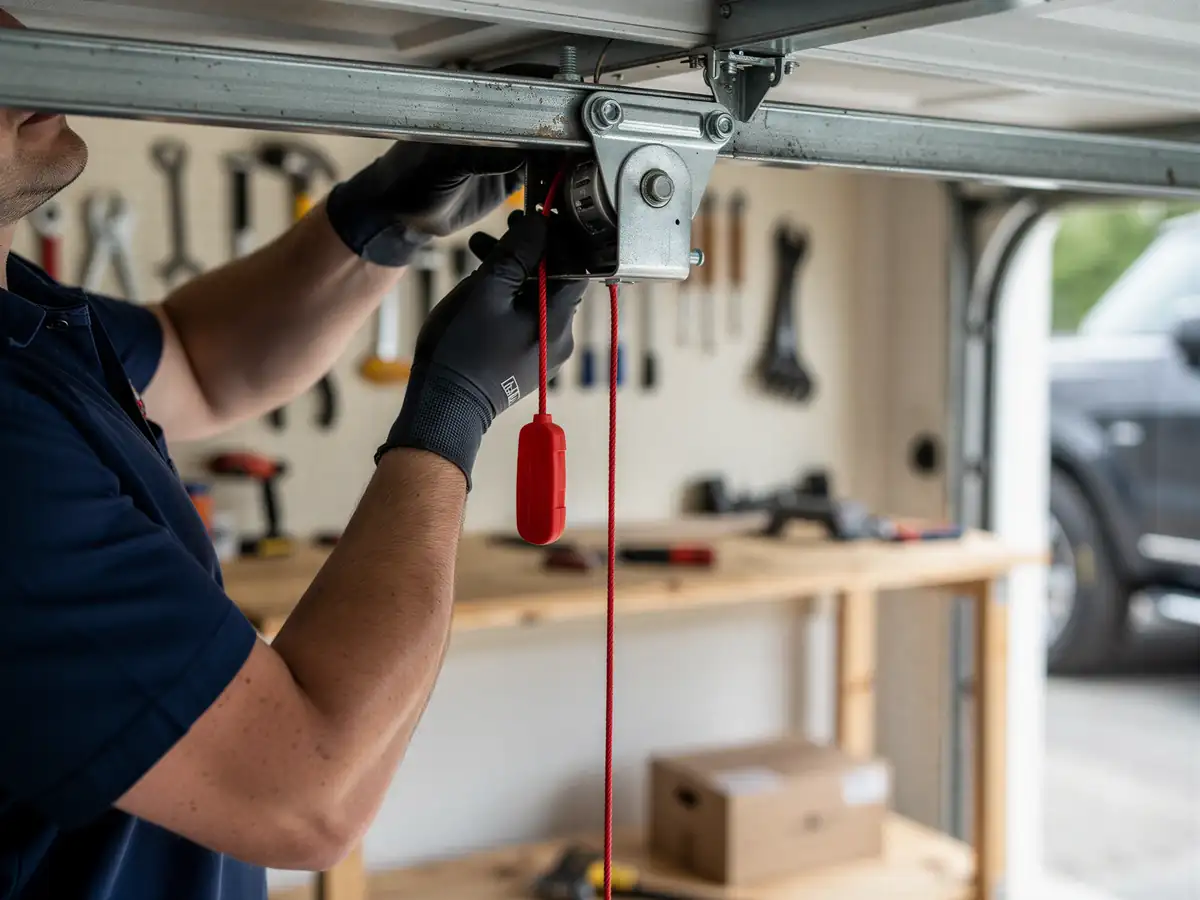
We diagnose over the phone first, because a 20-mile drive is worth doing once, not twice. We ask about the age of the door, whether it's a torsion or extension spring setup, and whether the opener has been replaced since the door went in - on a 1958 house those two things are often from different decades entirely.
At $65,882, the median household income in Oak Park runs lower than the $102,333 median for the service area as a whole, which changes the math on repair versus replacement. We'll tell you straight when a spring swap or roller replacement is the right call and when the door itself - rusted panels, warped track, an opener that's outlived its gears - isn't worth sinking more parts into.
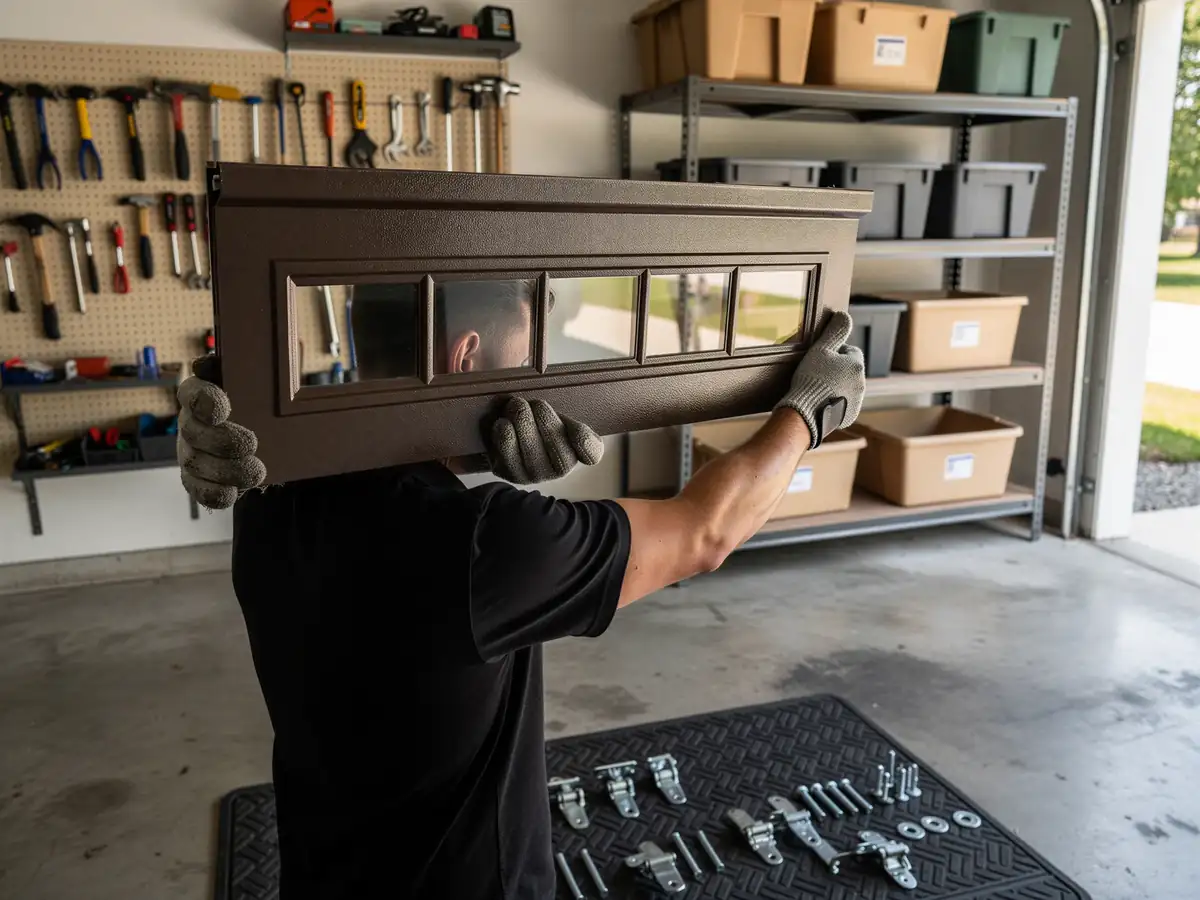
The honest limitation: we don't stock every odd-sized torsion spring or discontinued track bracket on the truck. Hardware from 1958-era doors sometimes has to be ordered, and we'll tell you that up front rather than pretend otherwise. What we carry covers the common failures - broken springs, snapped cables, worn rollers, slipped track - which is most of what we see.
How Long It Takes
We don't promise a response time for Oak Park, because the truck isn't based here
With about 12,722 households in Oak Park, this is a smaller slice of the 127,814-household service area, and that scale is part of why the truck isn't stationed here. The drive from Waterford is part of every call, and traffic on the way determines more of your wait than anything else.
- 12,722 households
What we can tell you is what changes the job length once we're on-site
A straight spring replacement on a standard double door is a different job than an opener swap on an undersized single door with a track that's been knocked out of alignment. Older hardware sometimes needs more time simply because the bolts have corroded in place or the bracket is a size nobody makes anymore.
If your door is stuck shut with the car inside, say so when you call
That moves differently than a door that's merely noisy or slow.
Doing It Yourself
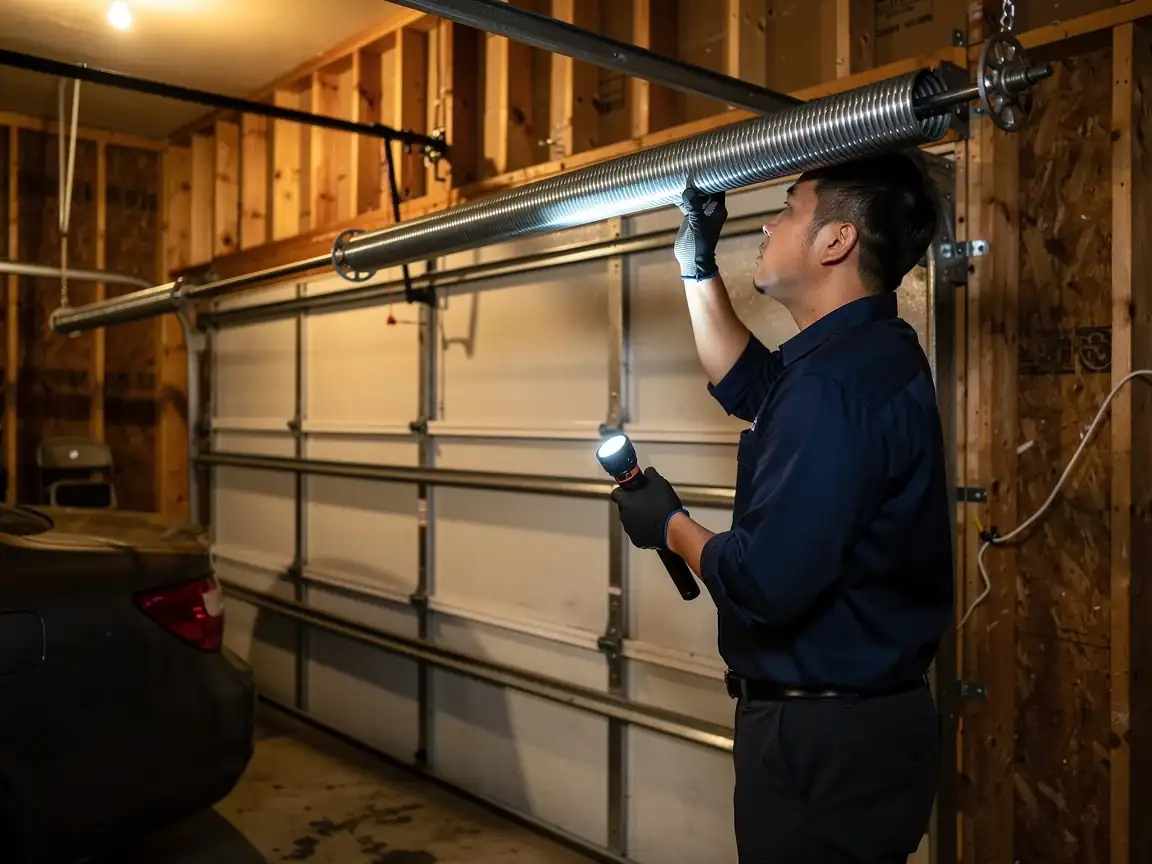
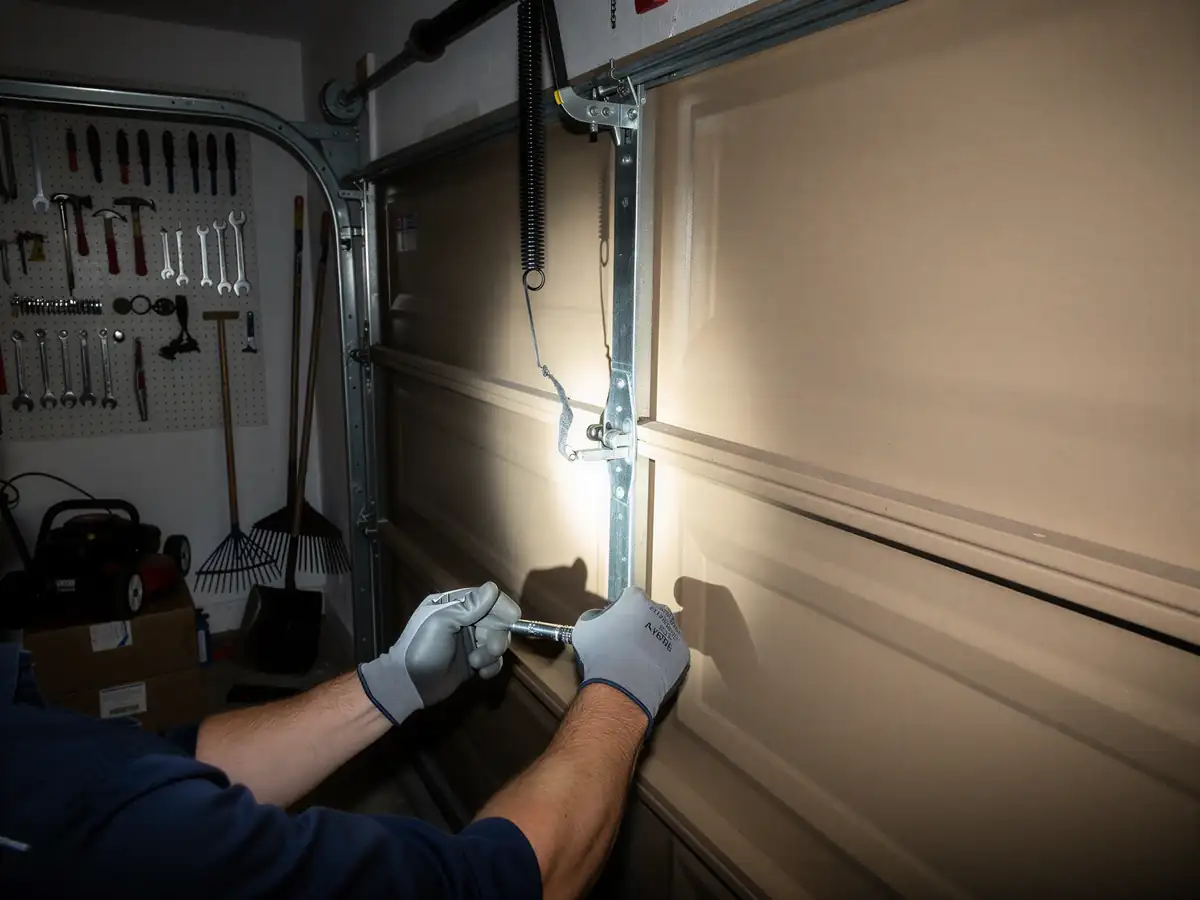
A torsion spring under load can take a finger or worse, and that risk doesn't go down because the house is older - if anything it goes up, since a spring that's been wound since 1958 has had decades to fatigue in ways you can't see from the floor. Don't cut a wound spring. Don't try to adjust the winding cones without the right bars. That's not caution for its own sake; it's the one repair on this list that puts people in the hospital.
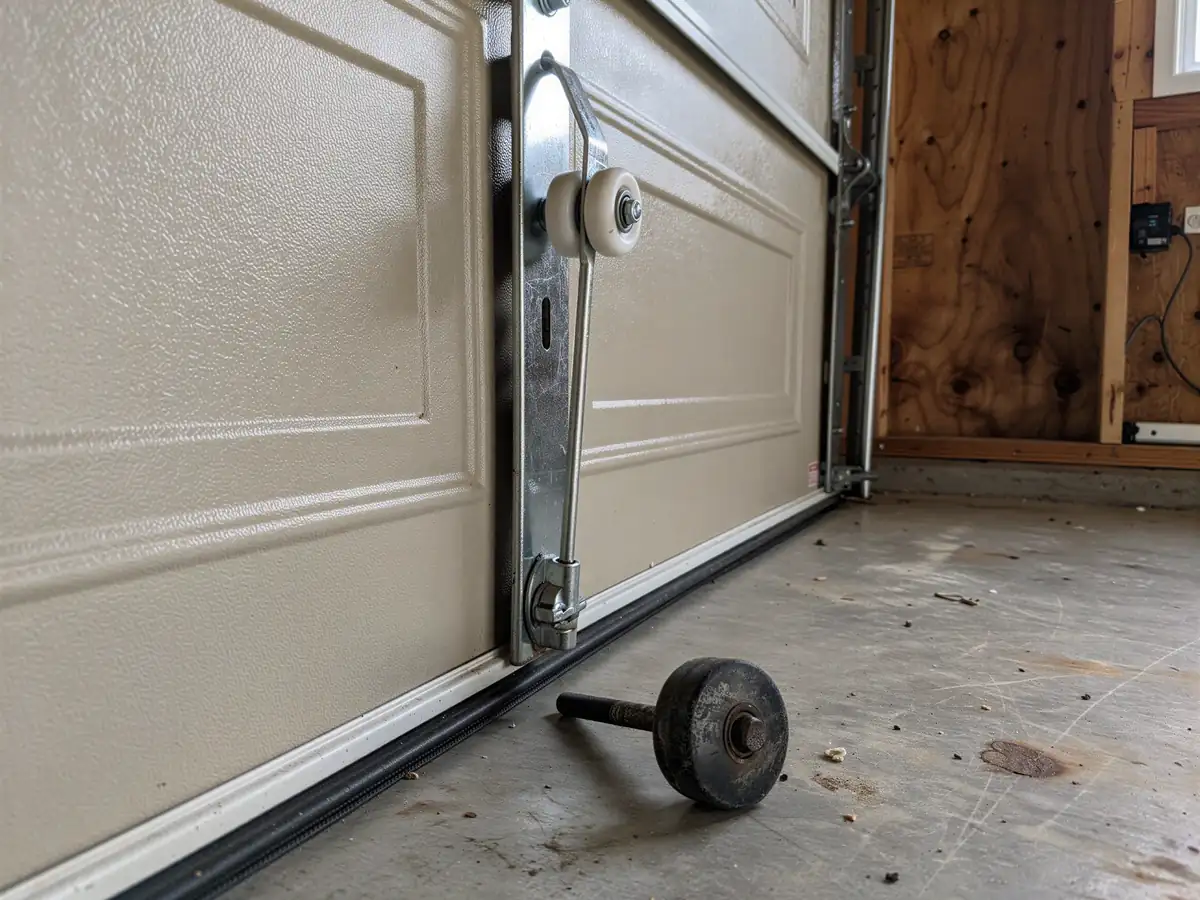
What you can reasonably do yourself: check that the track bolts are snug, clear ice or debris from the bottom seal in cold weather, and listen for a grinding or popping sound before it becomes a snapped cable. If the door is off-balance - it won't stay open halfway, or it slams down fast - that's a spring problem, and that's where DIY stops and a call starts.
We'd rather talk you out of a job that's genuinely dangerous than show up to a hospital story.
How It Shows Up
On a 1958-era house, failure tends to look like wear, not sudden breakage - though it can end suddenly. A door that's been getting a little slower to close every week, a cable with visible fraying near the bottom bracket, a spring with a gap that wasn't there last winter. Severe cold accelerates all of it: grease thickens, metal contracts, and a marginal spring that would've lasted another season snaps on the coldest morning of the year.
Rust on panel bottoms is common on doors this age if drainage near the slab isn't great - that shows up as flaking paint and eventually a panel that won't seal at the bottom, letting cold air into the garage.
Openers from an earlier retrofit often show their age before the door does: slower travel, a motor that hums before it catches, a remote range that's shrunk to almost nothing. If you're noticing more than one of these at once, it's worth a call before the door fails completely and traps a car inside.