Where This Job Goes Sideways
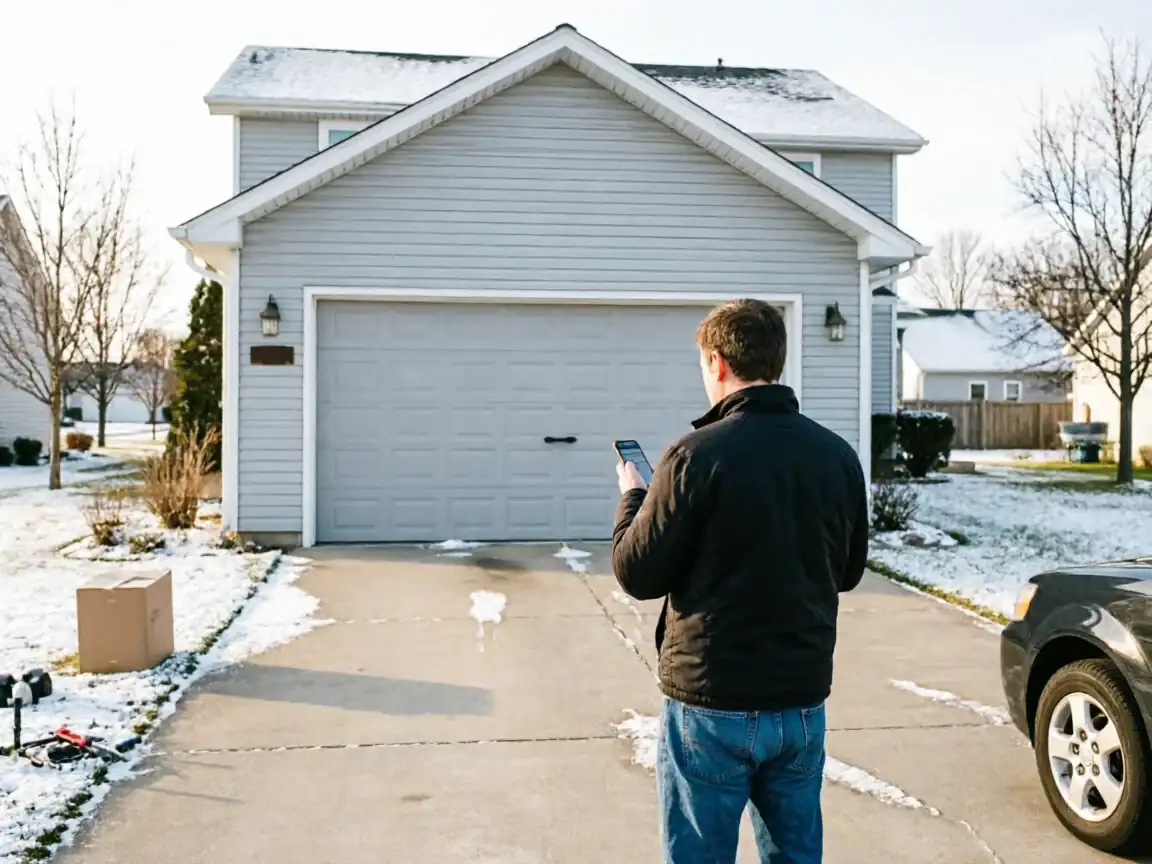
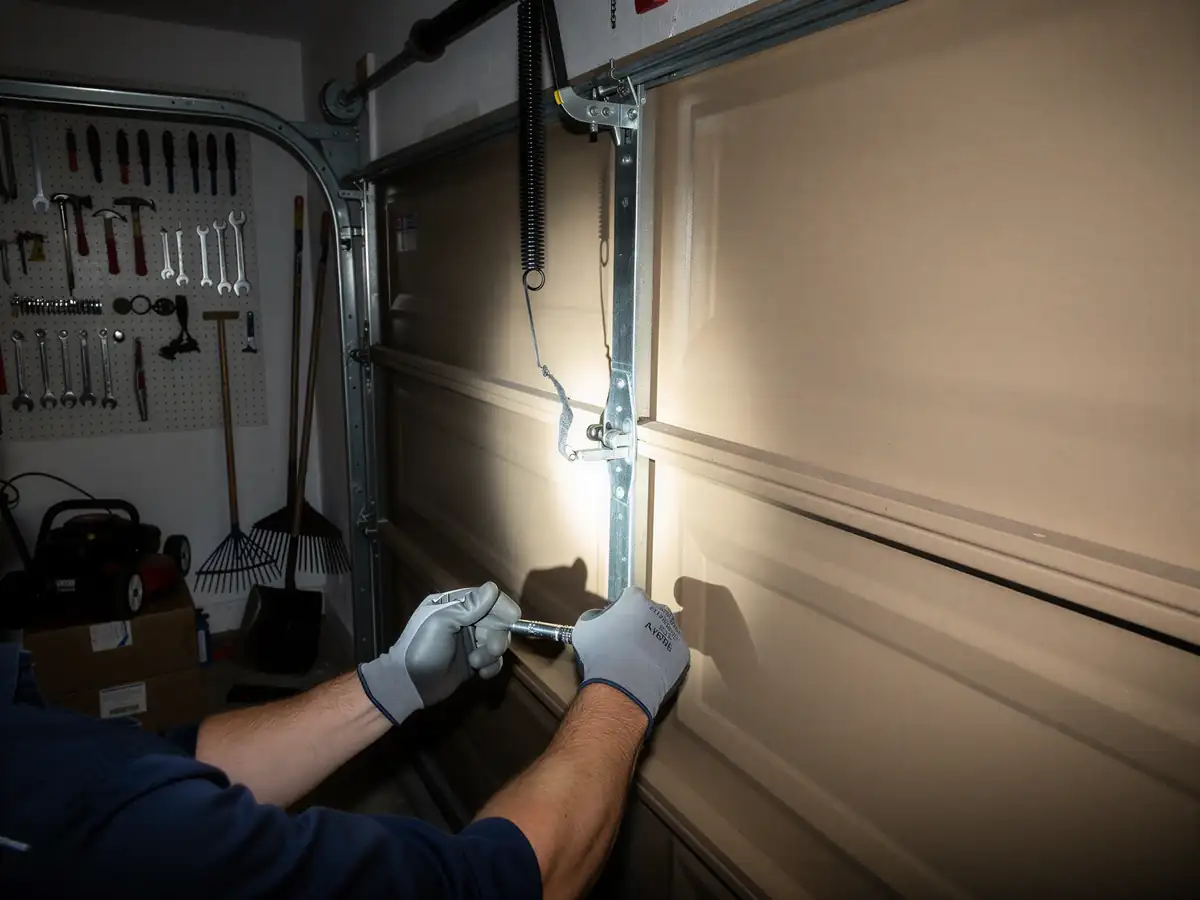
Oak Park's housing stock runs older than most of the area we cover out of Waterford - median build year here is 1958, a good fifteen years ahead of the 1973 median across the wider service territory. That matters because a lot of these garages still have hardware nobody's touched since the house was framed. Extension springs instead of torsion, steel track that's been re-shimmed more than once, and openers bolted to joists that have shifted with the slab over sixty-some years. When a cable frays or a spring finally gives out on a door this old, it rarely fails clean. The drum's worn, the end bearing plate has play in it, and the track alignment has drifted just enough that a straight spring swap won't fix the real problem. We see more of this compounding-wear pattern in Oak Park than we do in newer pockets of the territory, simply because the clock on the hardware has been running longer.
How We Fix It
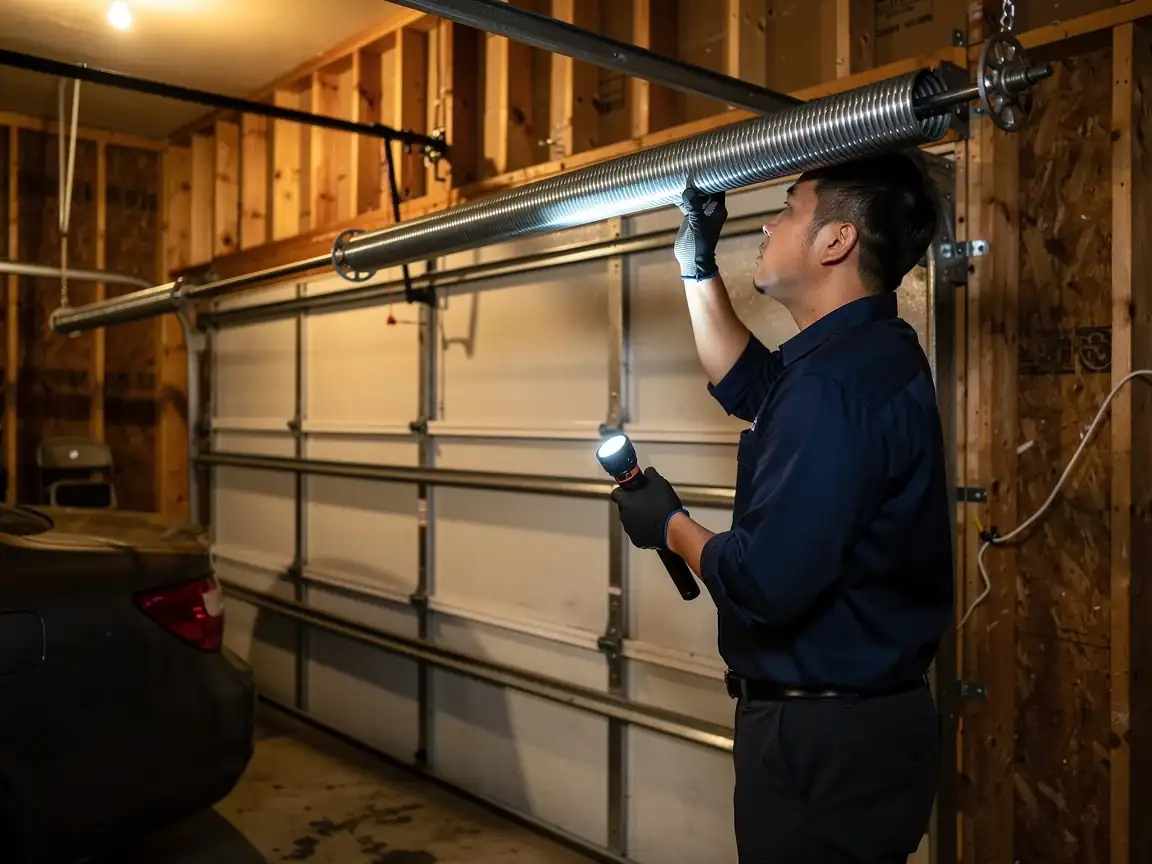
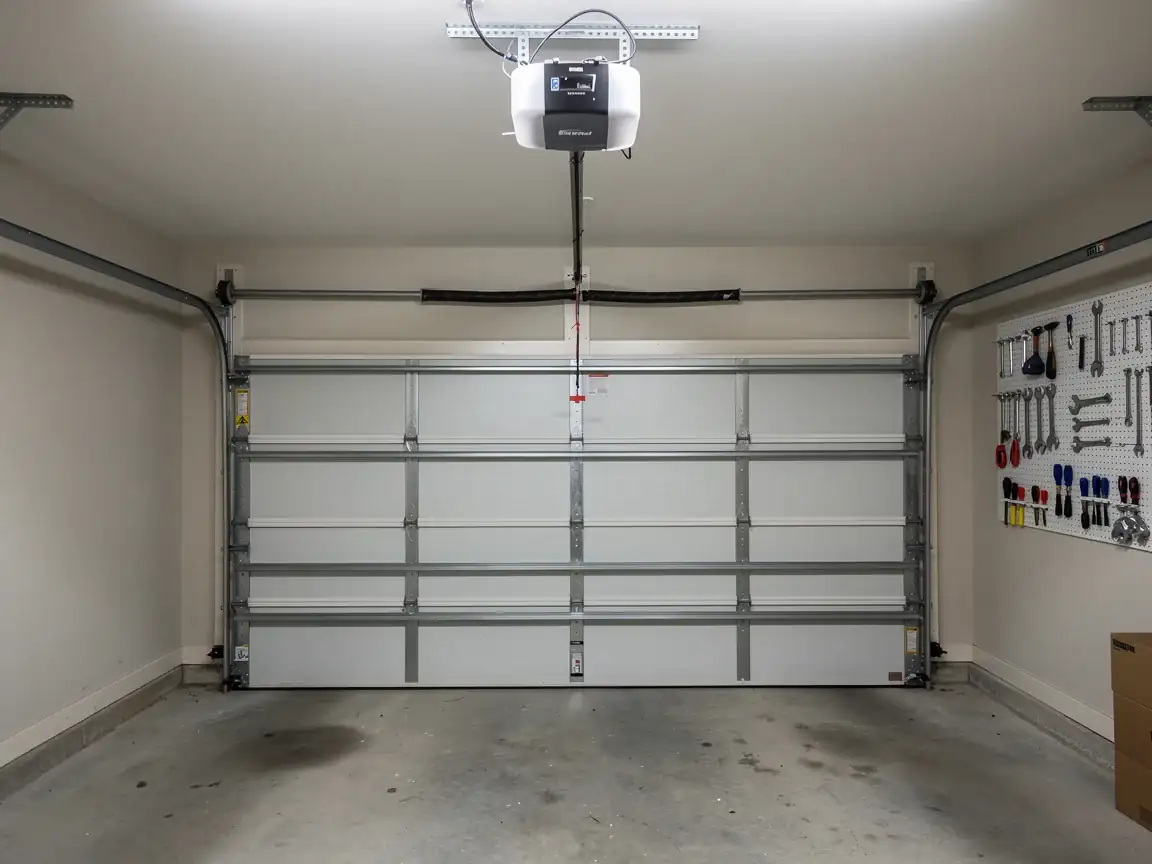
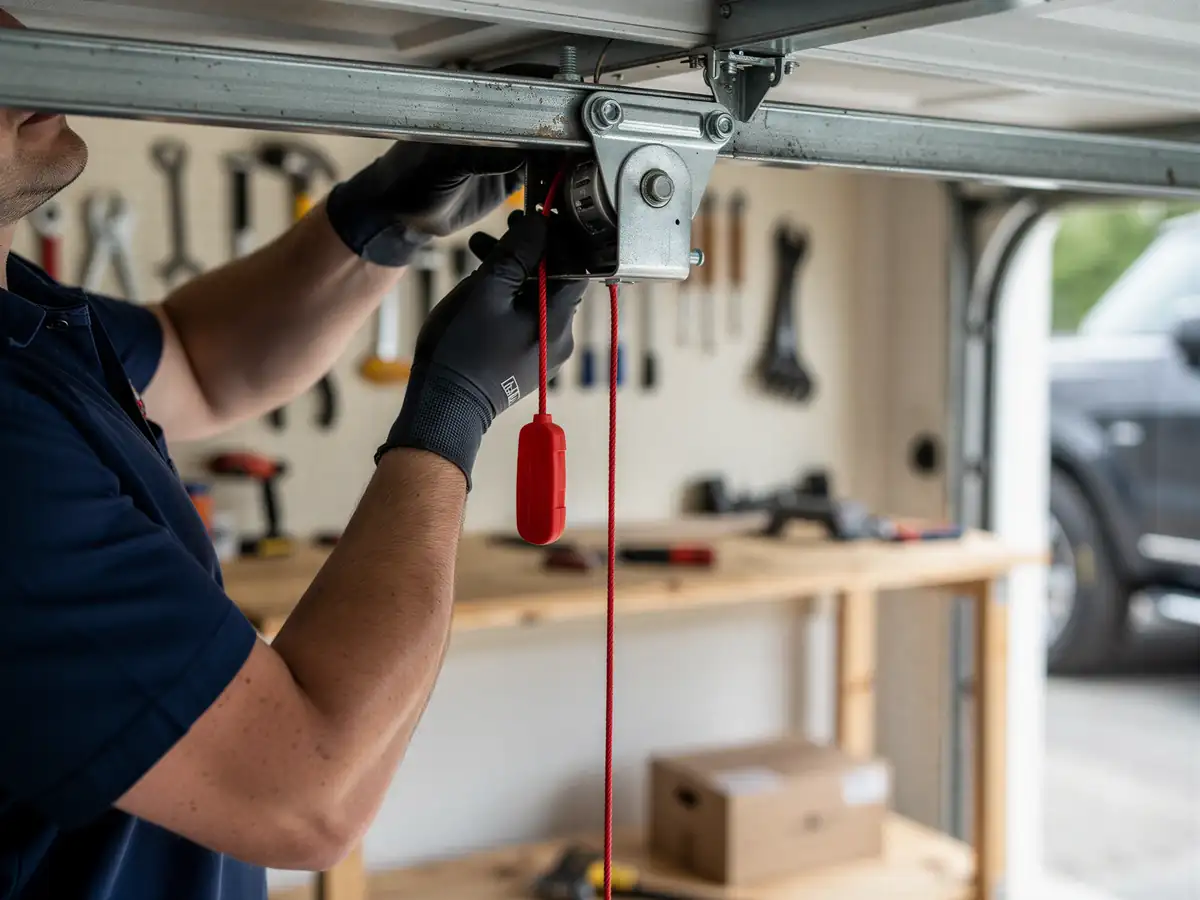
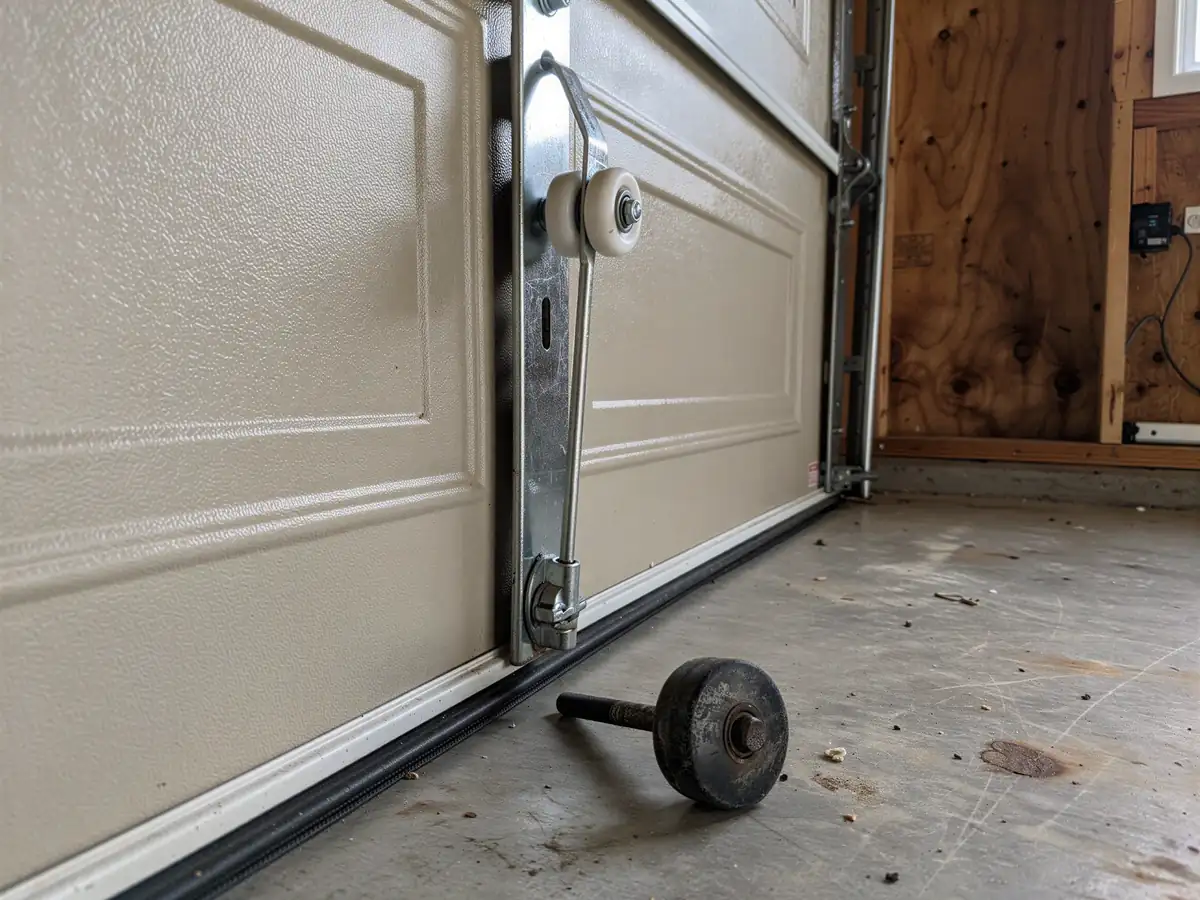
Start with what's actually original versus what's been swapped out - a lot of these doors have had one piece replaced at some point without the rest being brought up to spec, which throws off balance. On a 1958-era garage we check the spring type first, since extension springs on this vintage carry different safety requirements than the torsion setups that became standard later. Track gets checked for level and plumb, not just tightened where it's loose, because a track that's been shimmed crooked for decades will eat a new roller in a season. If the opener is original or close to it, we're honest about whether it's worth repairing versus replacing - a fifty-year-old chain drive with a worn gear set usually isn't. We travel the 20 miles from Waterford with the stock to cover common spring sizes and standard track hardware, but we won't pretend every part for a door this old is sitting on the truck.
Doing It Yourself
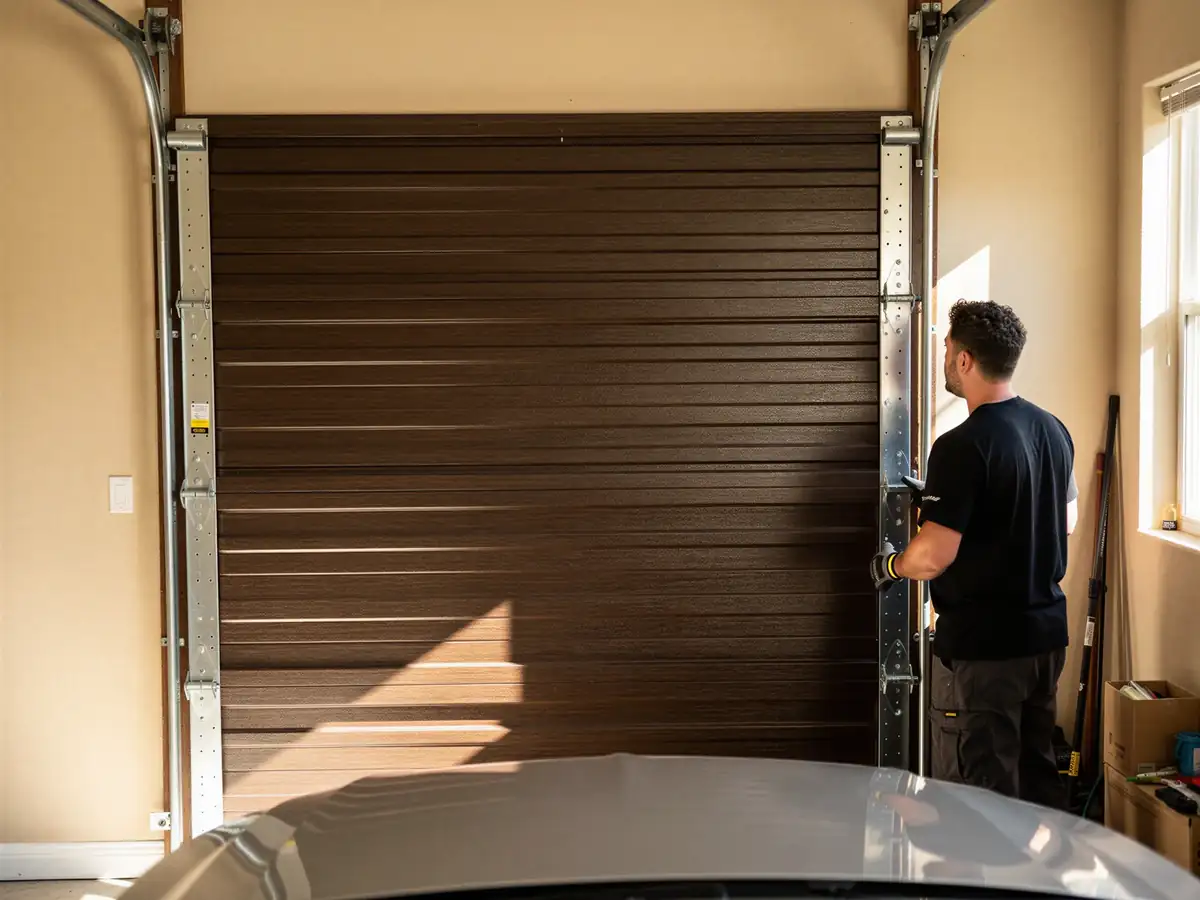
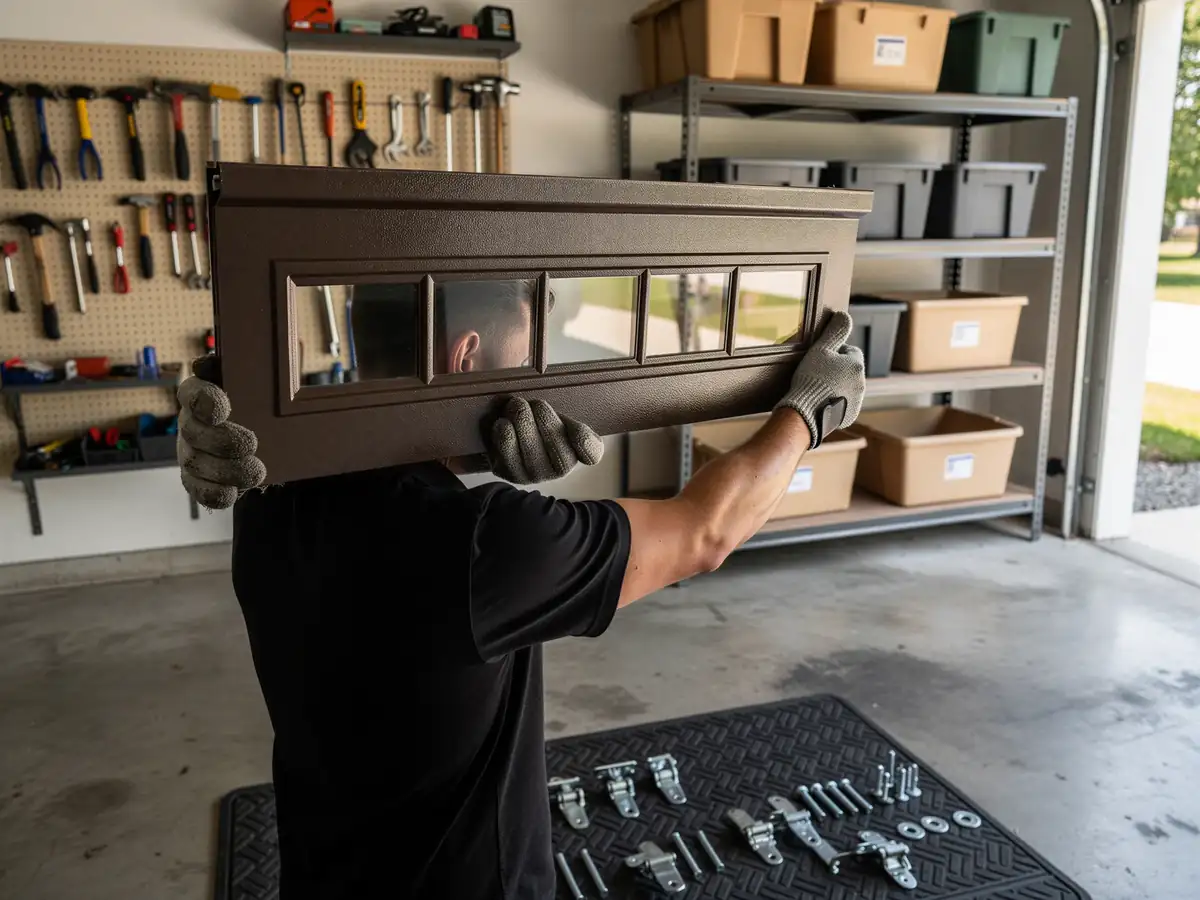
If a cable's jumped the drum or a panel's dented, you can often get the door moving again with basic tools and some patience. What you shouldn't touch on a house this age is the spring system. Extension springs under tension have taken off fingers and worse, and on original 1958-era hardware you're also dealing with mounting brackets and end bearing plates that have decades of fatigue you can't see from the outside. If the door won't open, won't stay up, or the opener reverses for no clear reason, that's a call-us job, not a weekend project.
How It Shows Up
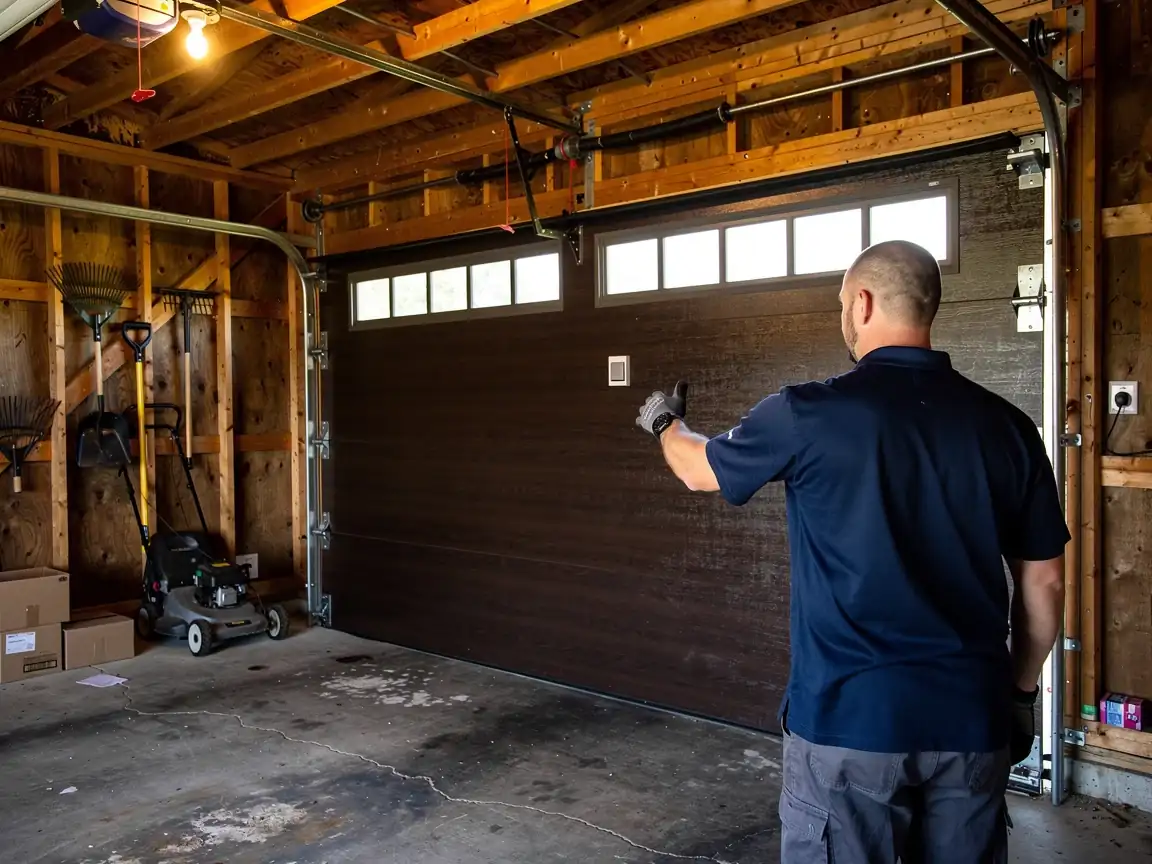
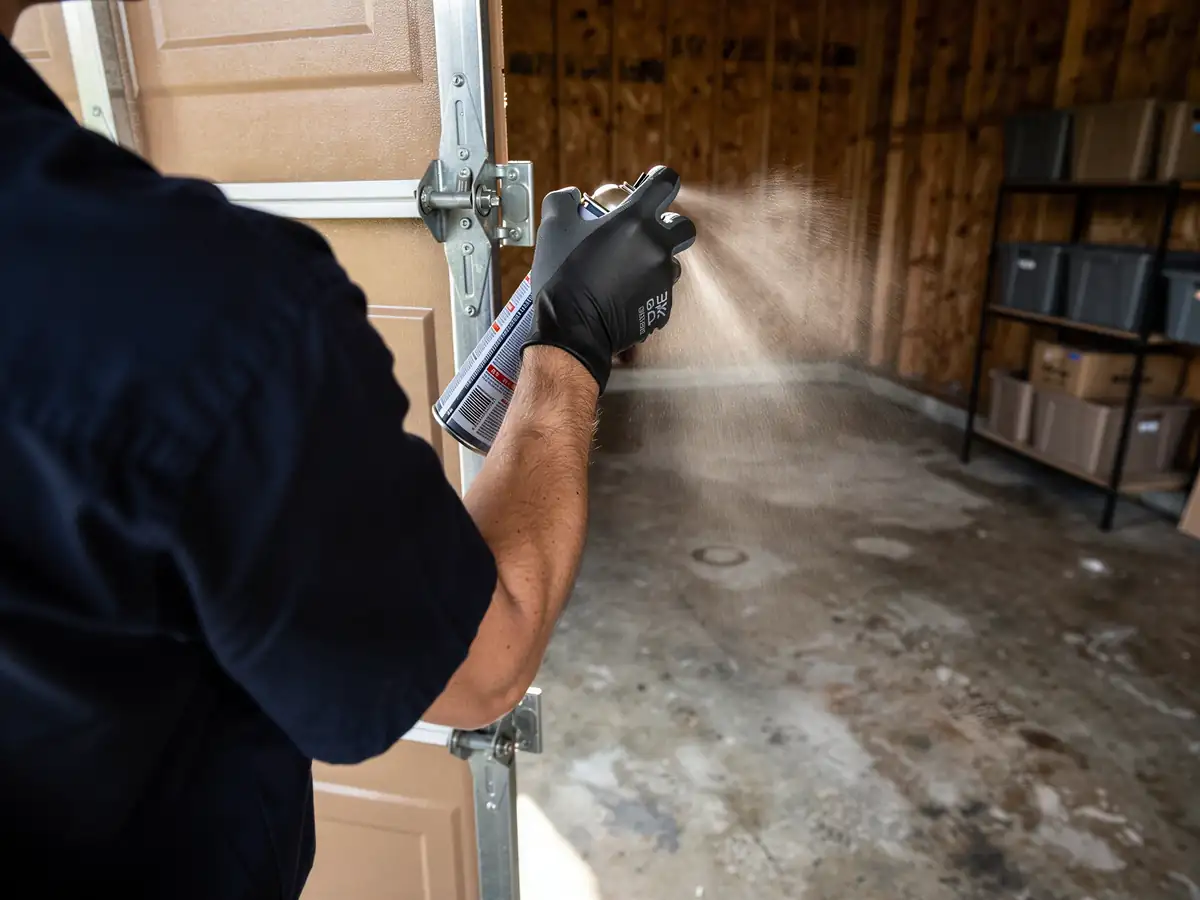
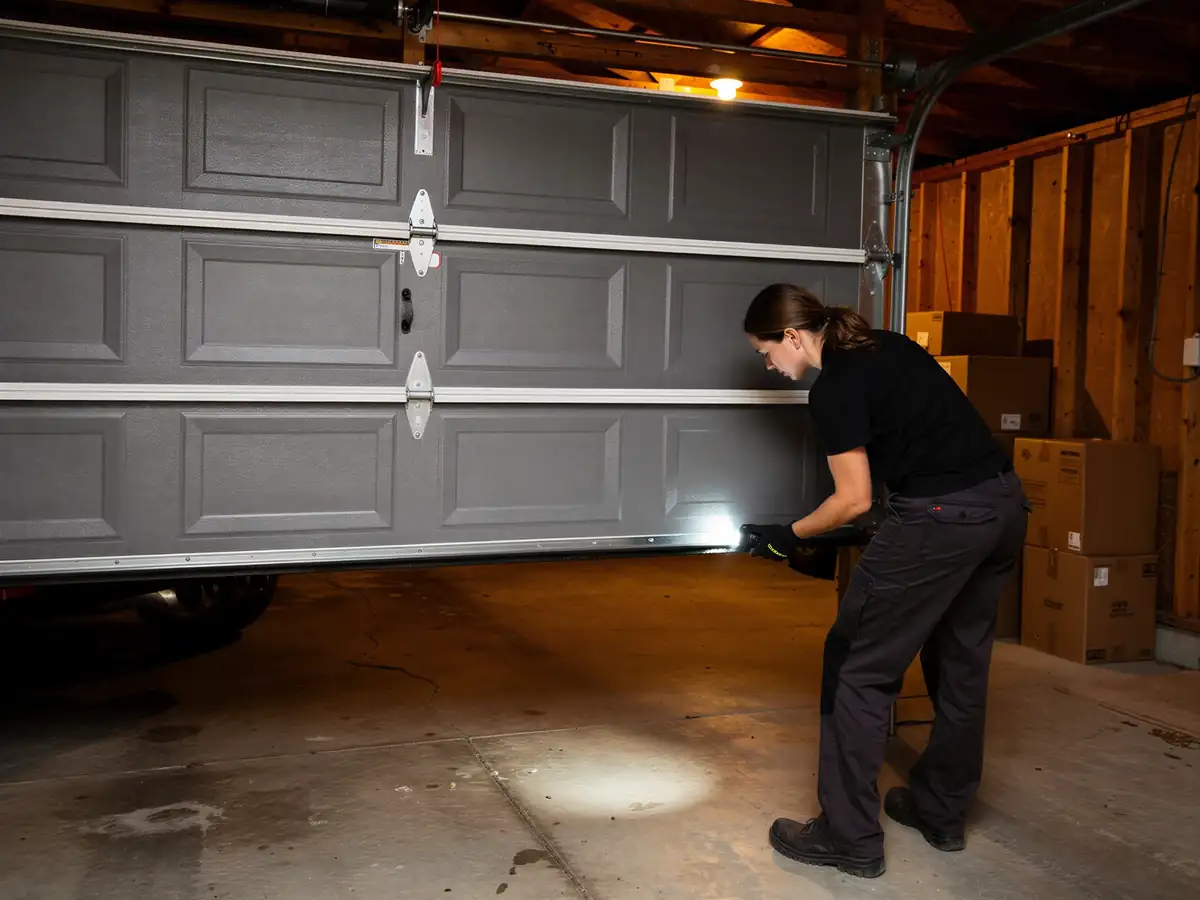
On original hardware this old, the first sign is usually noise - a grinding or popping on the way up that wasn't there a month ago. Sometimes it's the door hanging crooked, one side lower than the other, which points to a spring or cable that's about to go rather than one that already has. Given how much of Oak Park's garage hardware traces back to the original 1958 build, we treat these early symptoms seriously rather than waiting for a full failure, since a door that drops unexpectedly on a sixty-year-old track system is a lot harder to catch safely than one that's still moving, just wrong.