Parts We Carry
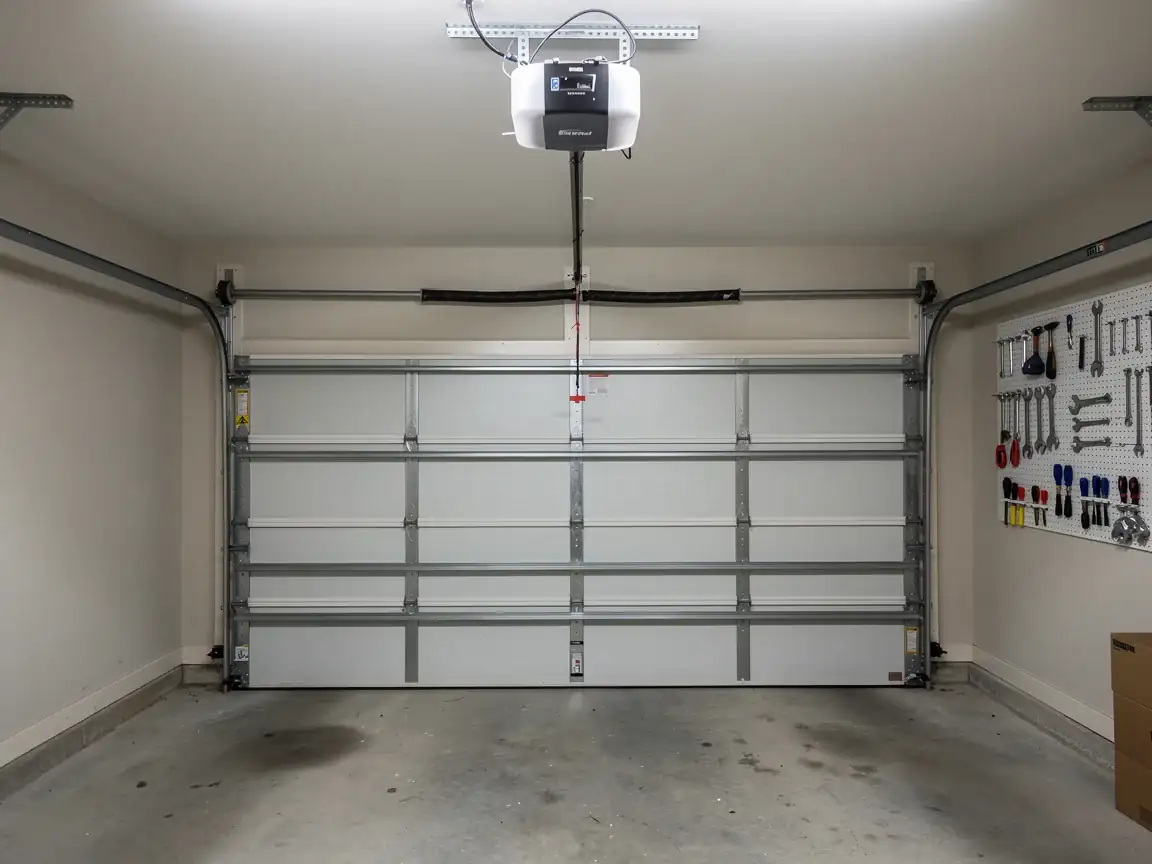
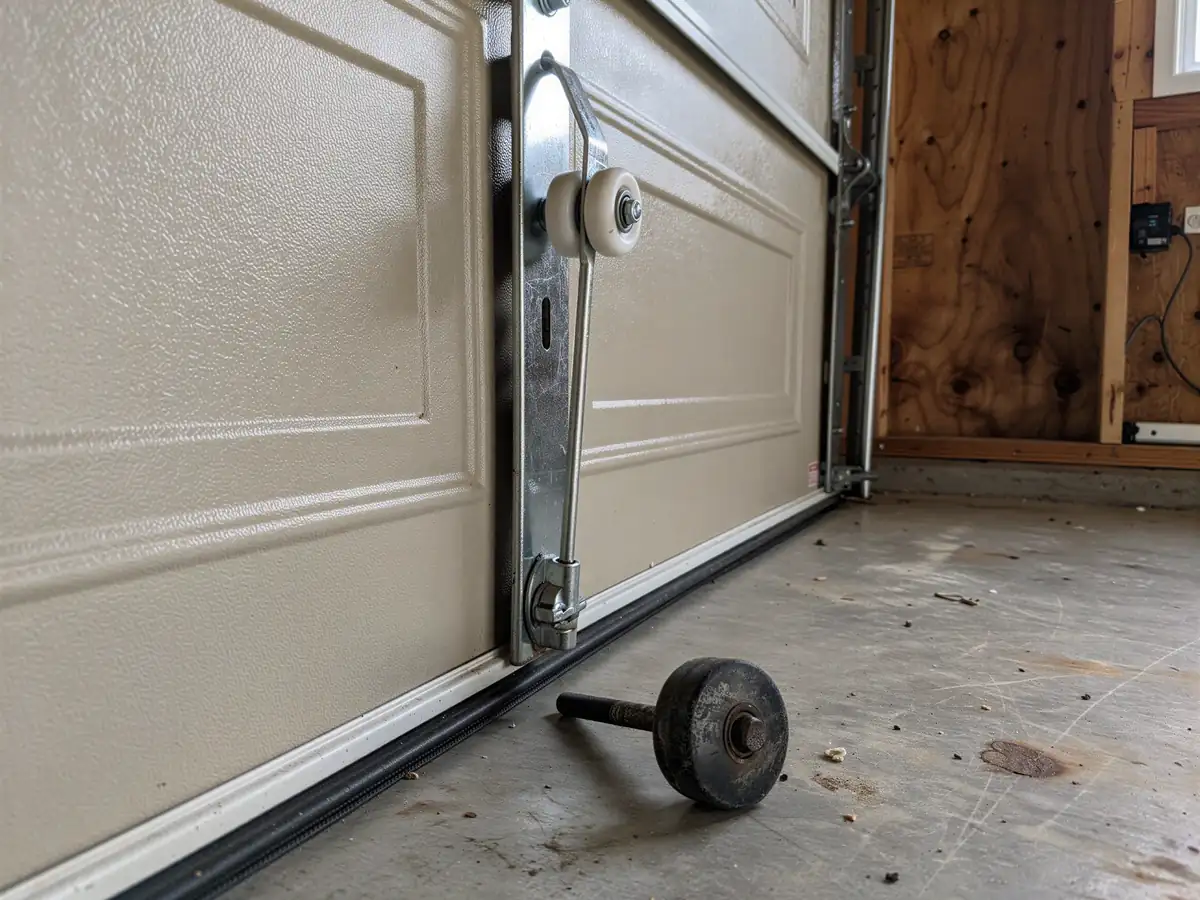
Birmingham is a small town by household count - about 9,326 of them - so we don't stock a shelf of parts sized just for this one suburb. What we carry on the truck covers the two things that actually show up here: 7-ball sealed nylon rollers to replace the plain steel ones that came standard on doors built around 1960, and the stem lengths and roller-bracket hardware that fit the tracks those older doors still ride on. Steel rollers were the builder-grade default back then, and they're loud and they wear the track faster than nylon does. Most Birmingham jobs are a straight swap: pull the old steel rollers, drop in nylon, check the track for the grooving the steel left behind. If the track itself is bent or worn from decades of steel rollers dragging through it, that's a track repair, not a roller swap, and we'll tell you which one you actually need before we start.
How Long It Takes
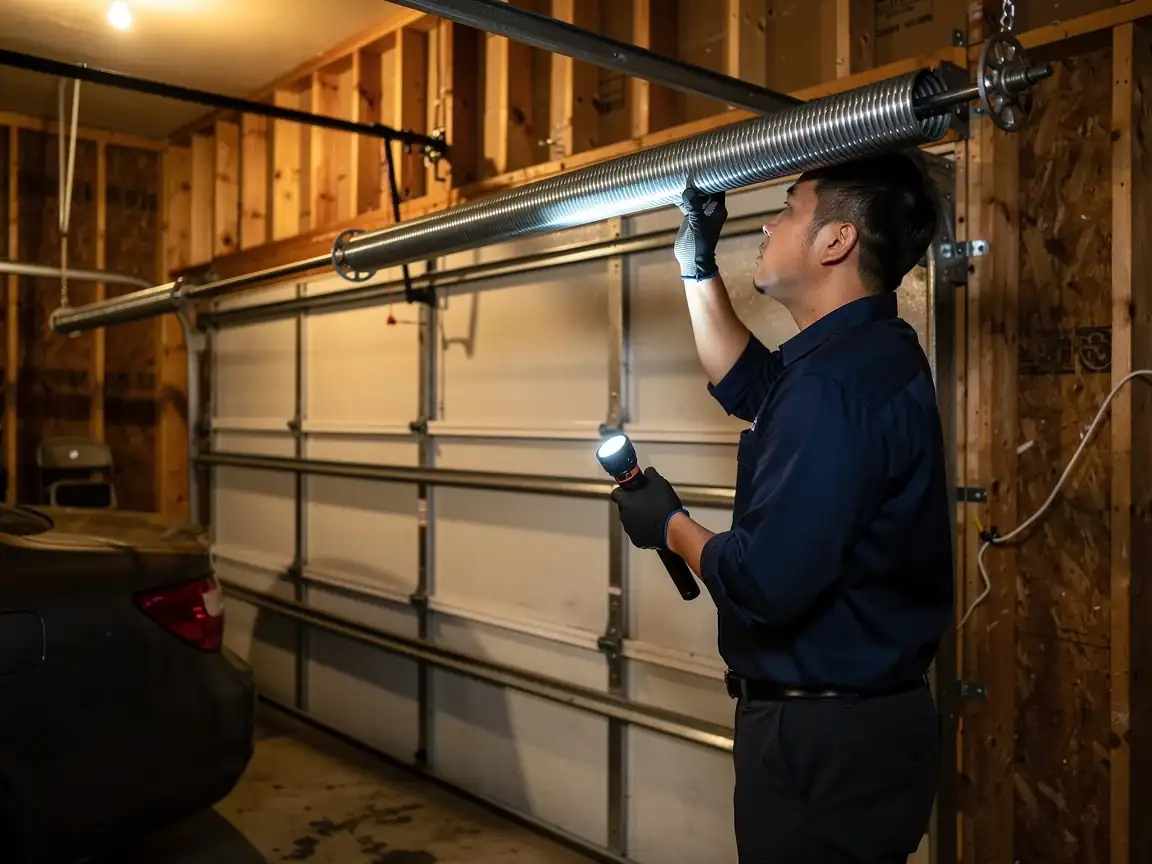
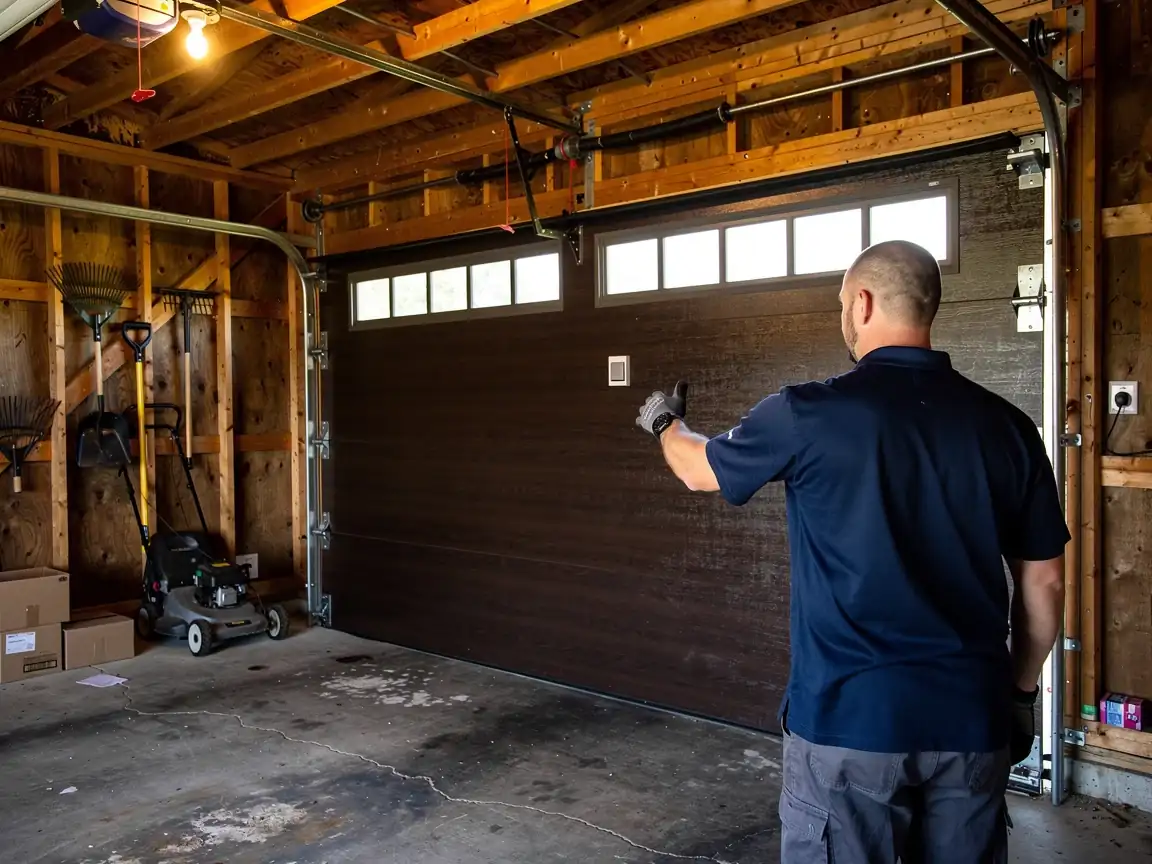
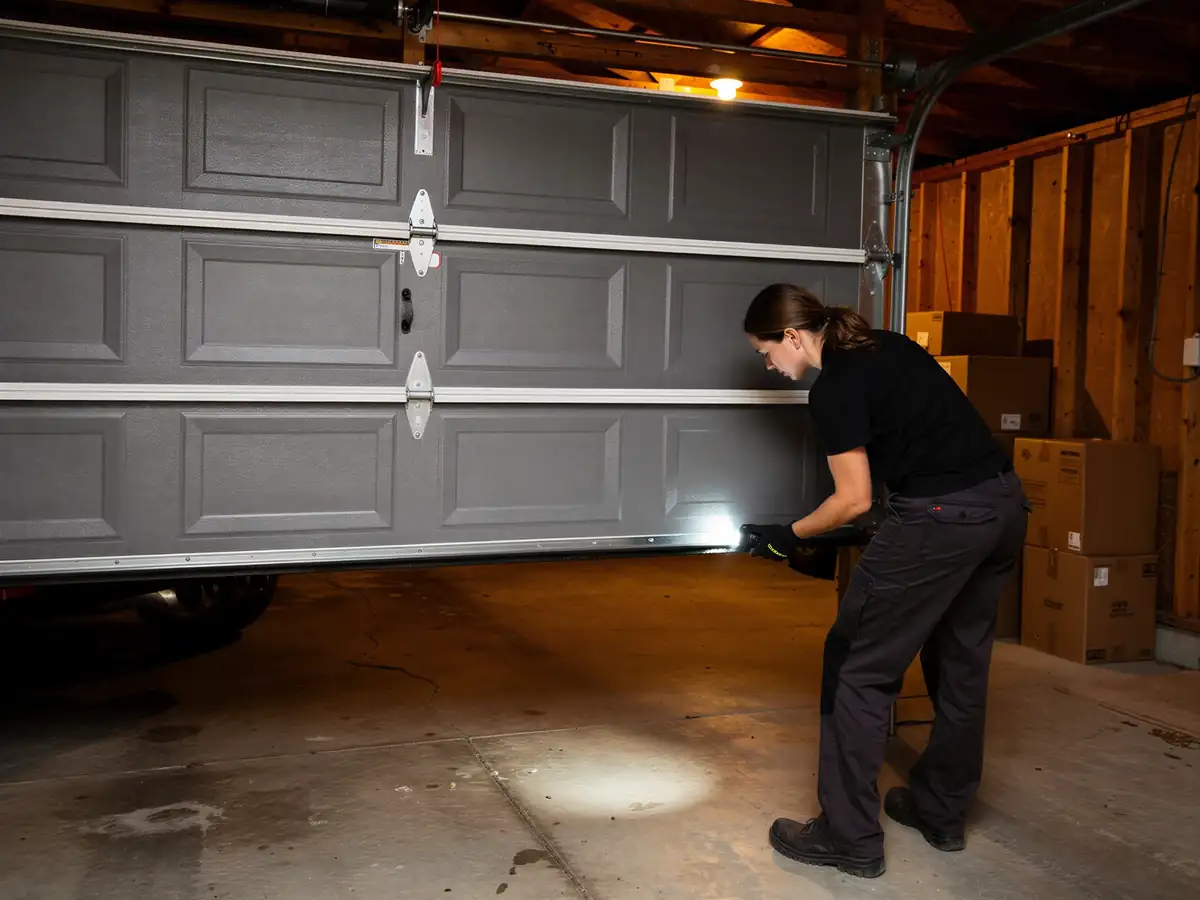
A standard roller swap on a double door runs about the same whether it's eight rollers or ten, and most Birmingham doors from the 1960 era only need the full set replaced once - they weren't built with nylon to begin with, so there's no partial-wear pattern to chase. Expect the job itself to take under an hour once we're on site; the rollers come out one at a time with the door mostly closed, no spring work involved unless something else is wrong. What takes longer is diagnosing noise that isn't actually the rollers - a dry hinge or a loose track bracket can sound identical to a rough roller from inside the house. We walk the whole door before we commit to "it's the rollers" so you're not paying twice.
How It Shows Up
On a 1960-built door in Birmingham, the complaint is almost always the same: a grinding or scraping sound that gets worse in cold weather, because steel rollers contract and bind in the track more than nylon does. You'll hear it most on the first opening of the morning. Some owners also notice the door catching or jerking partway up - that's a roller that's worn enough to ride off-center in the track rather than rolling smooth through it. It's rarely one roller; steel rollers on a door this old tend to wear out close together since they've all logged the same years and the same cold mornings. By the time one is loud, the rest usually aren't far behind.
Where This Job Goes Sideways
The job stops being a simple roller swap when the track itself has worn a groove from decades of steel rollers dragging through it - nylon rollers dropped into a grooved track still bind, and you've paid for parts that don't fix the noise. It also goes sideways if a bottom bracket bolt is rusted solid on an older house; forcing it with the door under spring tension isn't something to do without the door secured. And on some 1960-era doors the roller stem size has been swapped once already by a previous repair, so the replacement set has to match what's actually in the track now, not just what's standard. We check all three before we quote the job, not after.