Parts We Carry
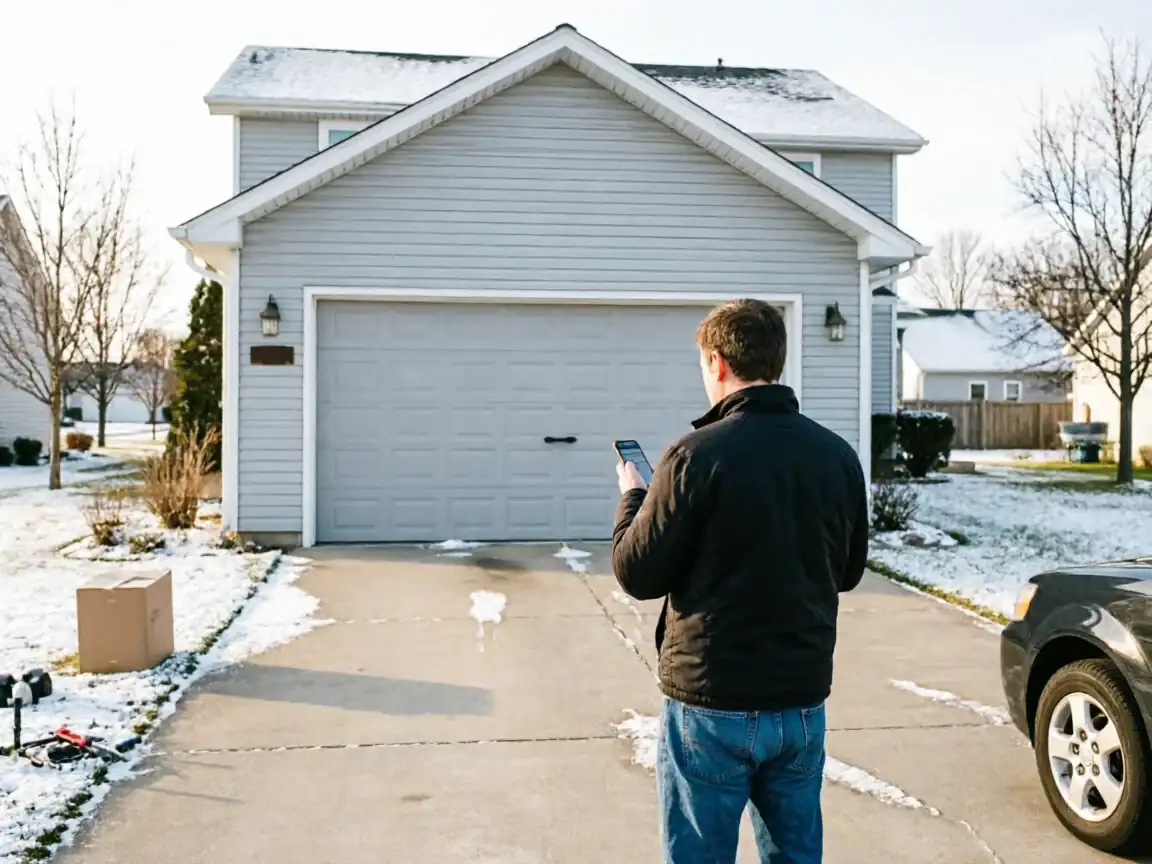
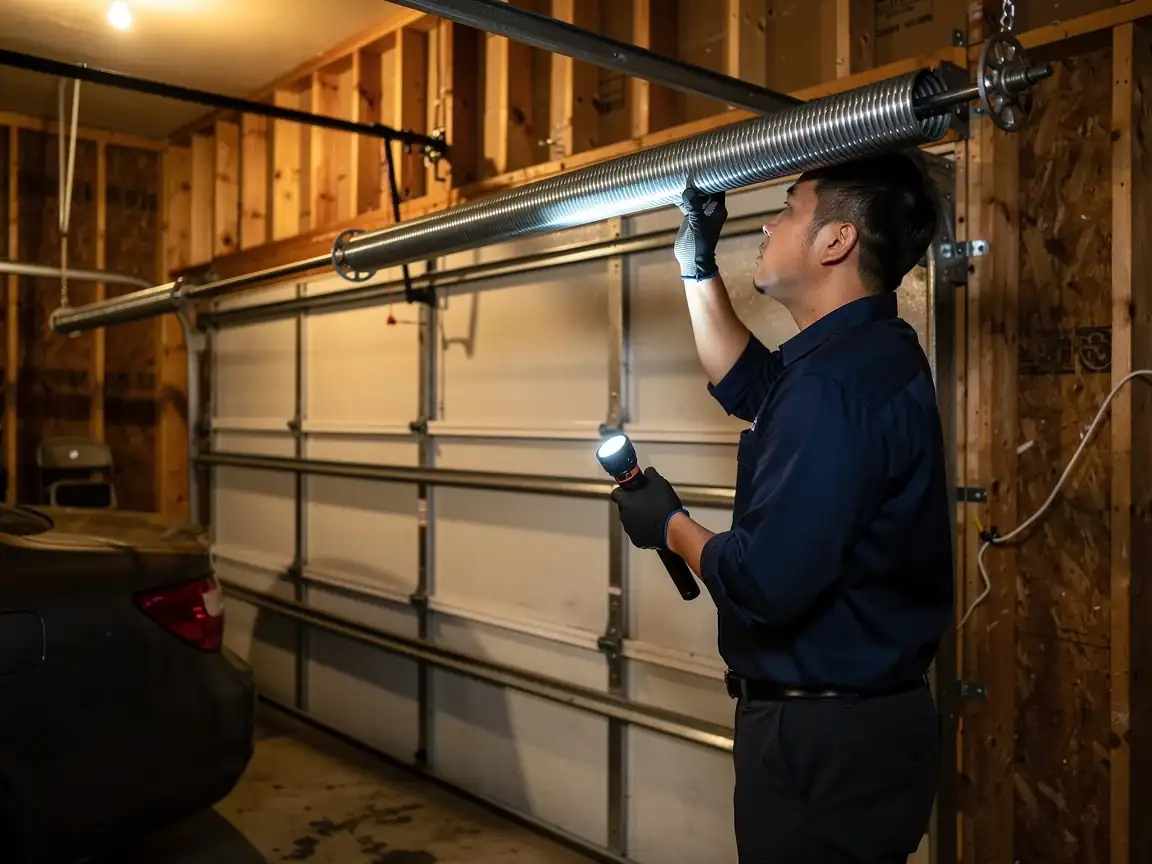
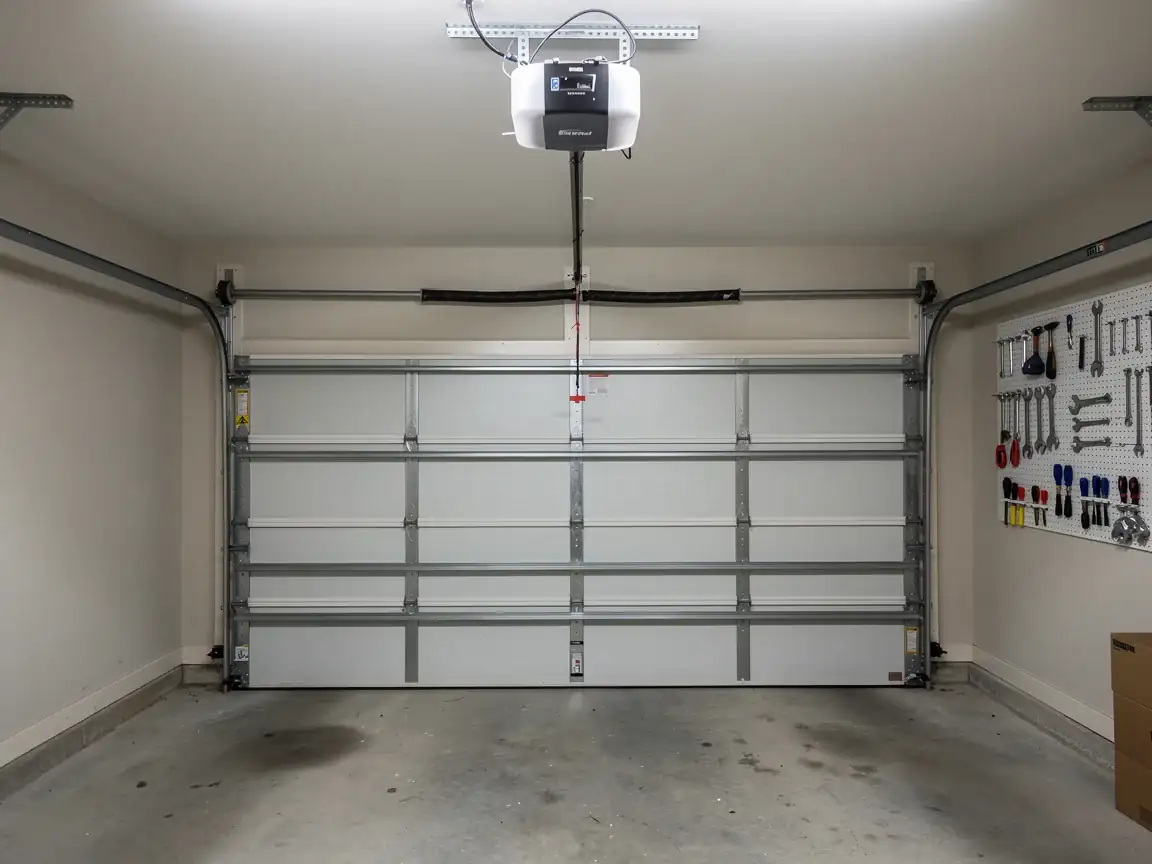
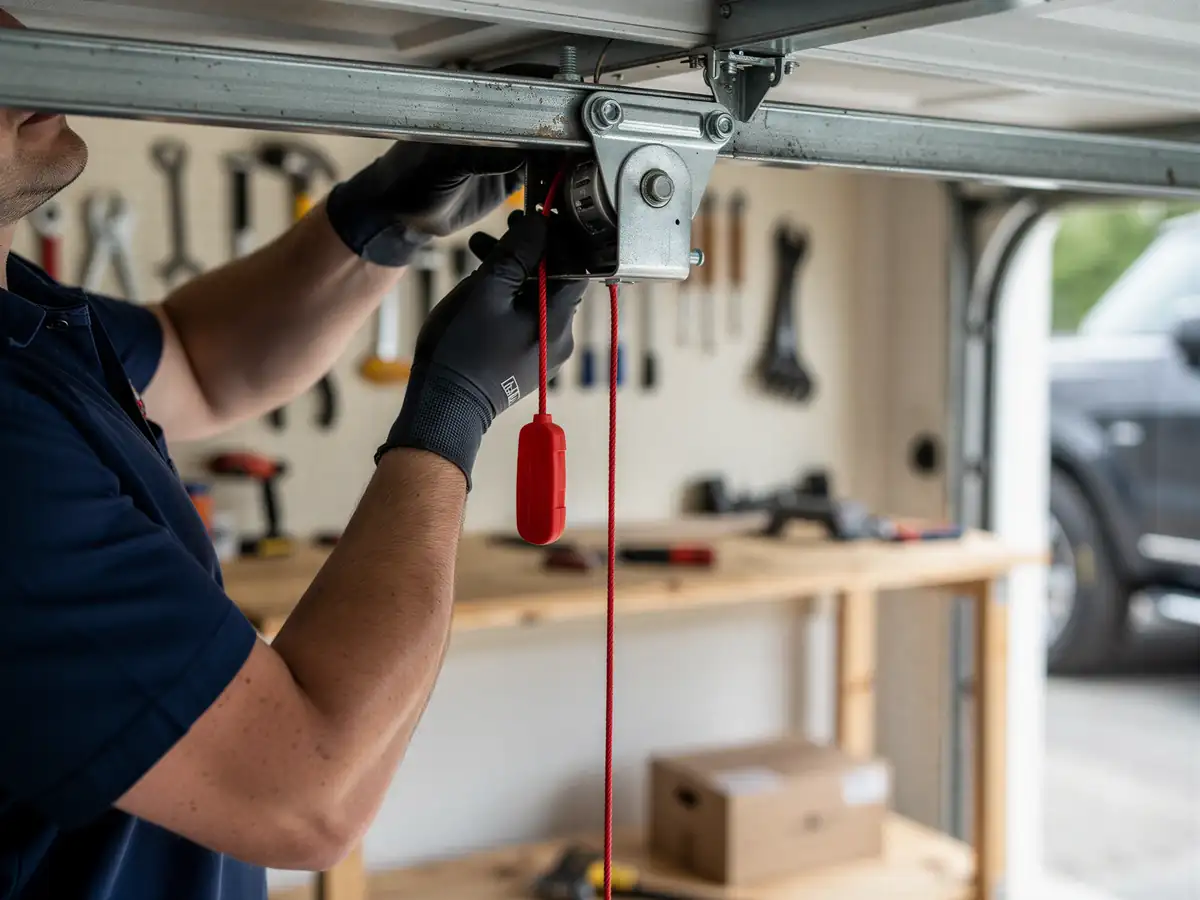
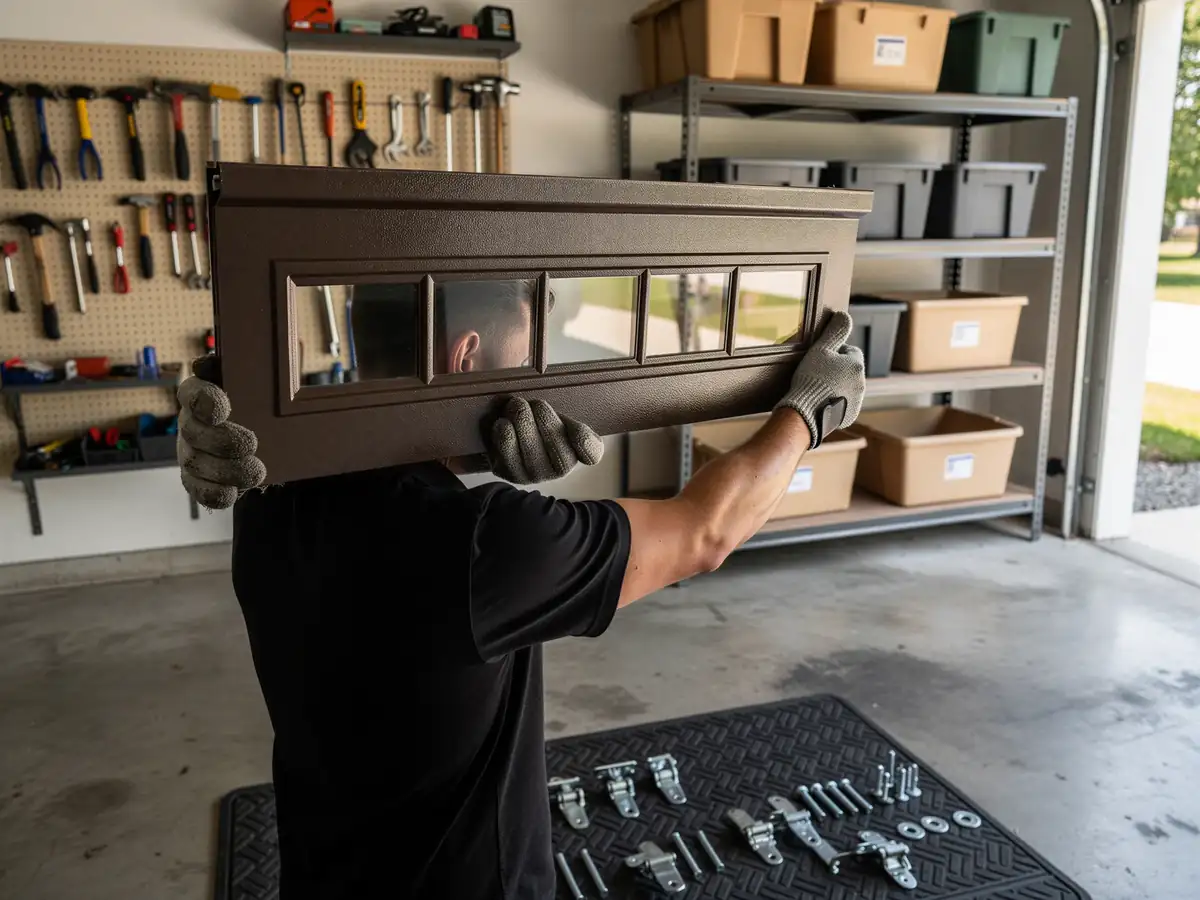
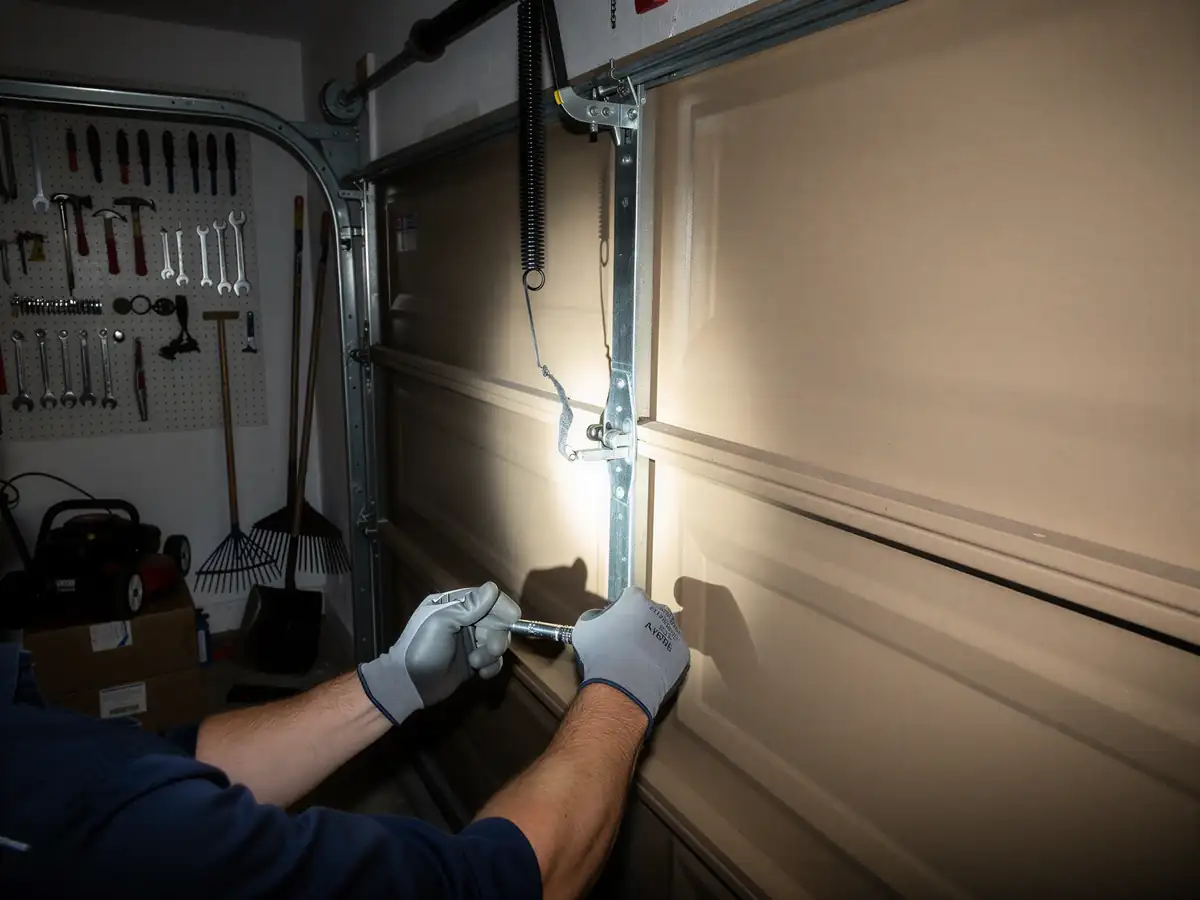
Birmingham's median household income runs about $153,125, well above the roughly $102,333 median across our wider service area, and that changes the math on a repair call before we even open the garage. At this income level, most owners aren't choosing a $180 cable fix because it's all they can afford - they're choosing it because the door is worth saving. A torsion spring, a set of rollers, an opener gear kit: these are the parts that make sense to replace rather than argue with a whole-door swap. We carry standard torsion springs, extension springs, steel rollers, cables, and common opener circuit boards on the truck. What we don't stock is anything specialty - oversized custom panels or obsolete opener models from houses that haven't touched their original door since it went in. If your house needs one of those, we order it and tell you honestly how long that takes before we start the job, not after.','placeholder':''}
How Long It Takes
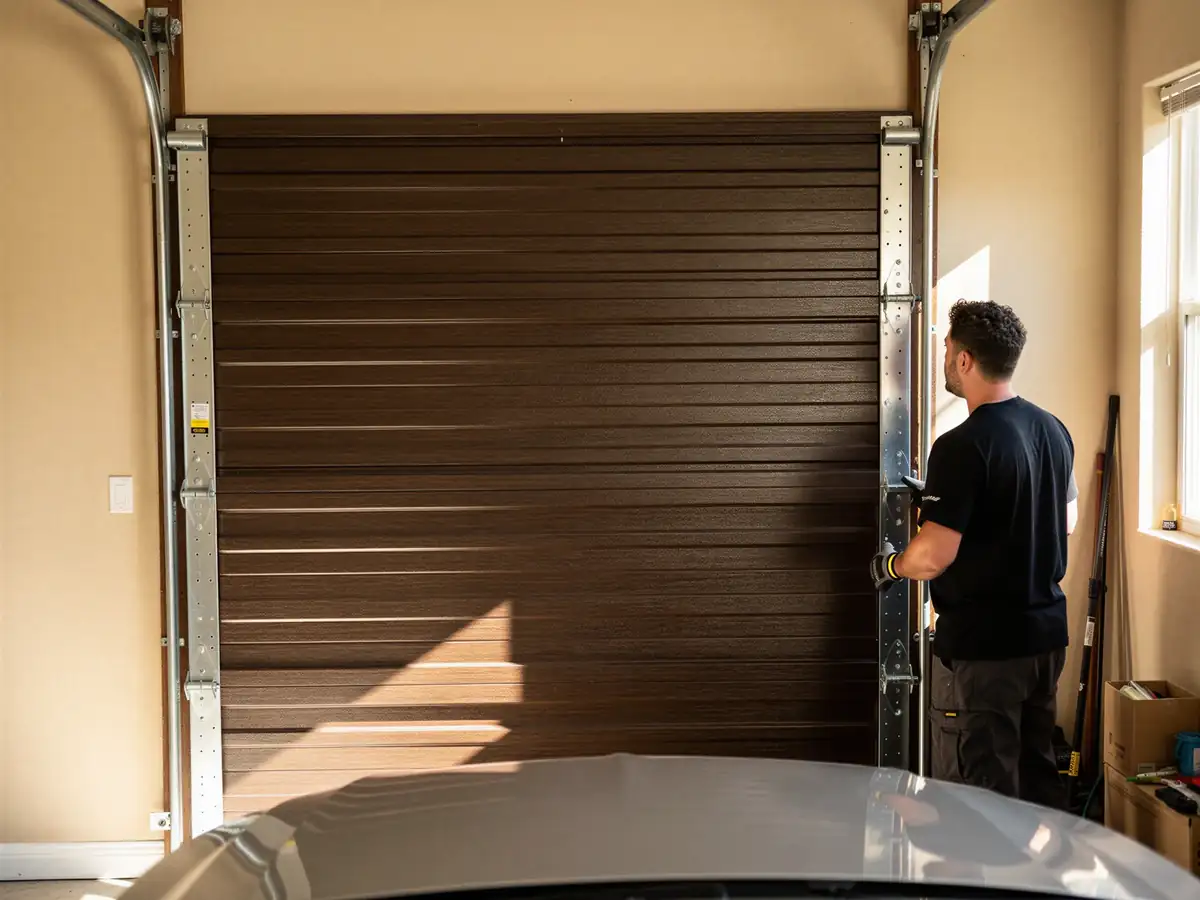
We run this call out of Waterford, about 14 miles from Birmingham, so the drive is part of the schedule, not an afterthought. Once we're on site, most spring and cable repairs on a single door run under two hours. Opener board swaps and full track realignments take longer, especially on houses from Birmingham's 1960 median build year, where the frame and door opening were sized to older standard dimensions and don't always match what's sold off the shelf today. We won't quote you a Waterford-based arrival window as if we're parked down the street - we're not. We tell you the day and a realistic block of time, and we call before we're close.
How It Shows Up
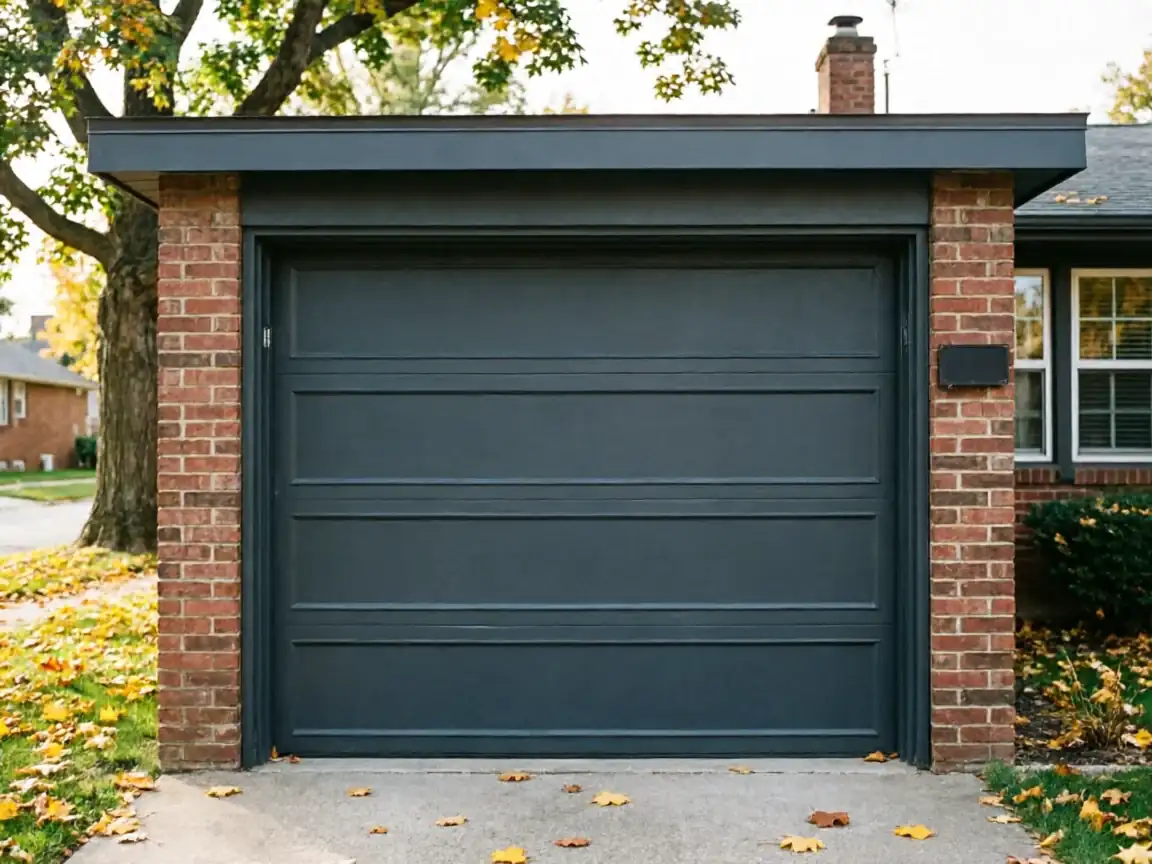
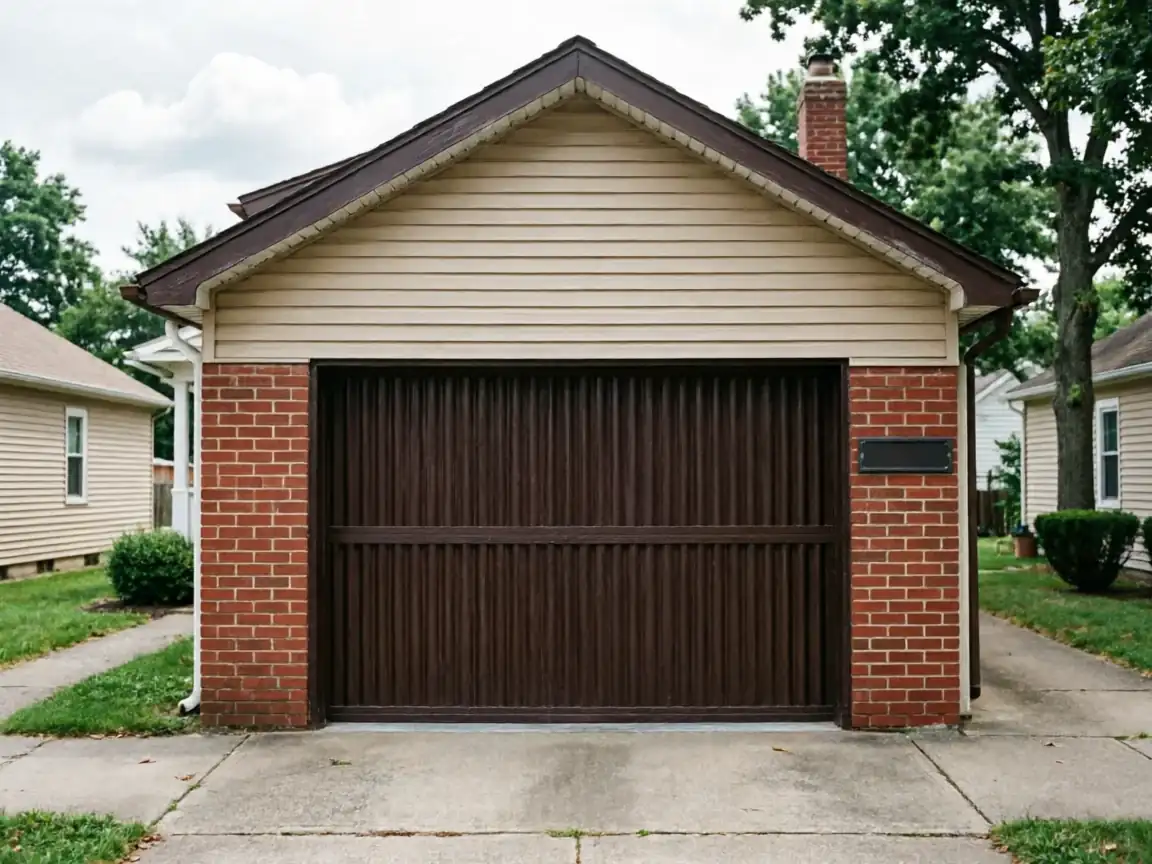
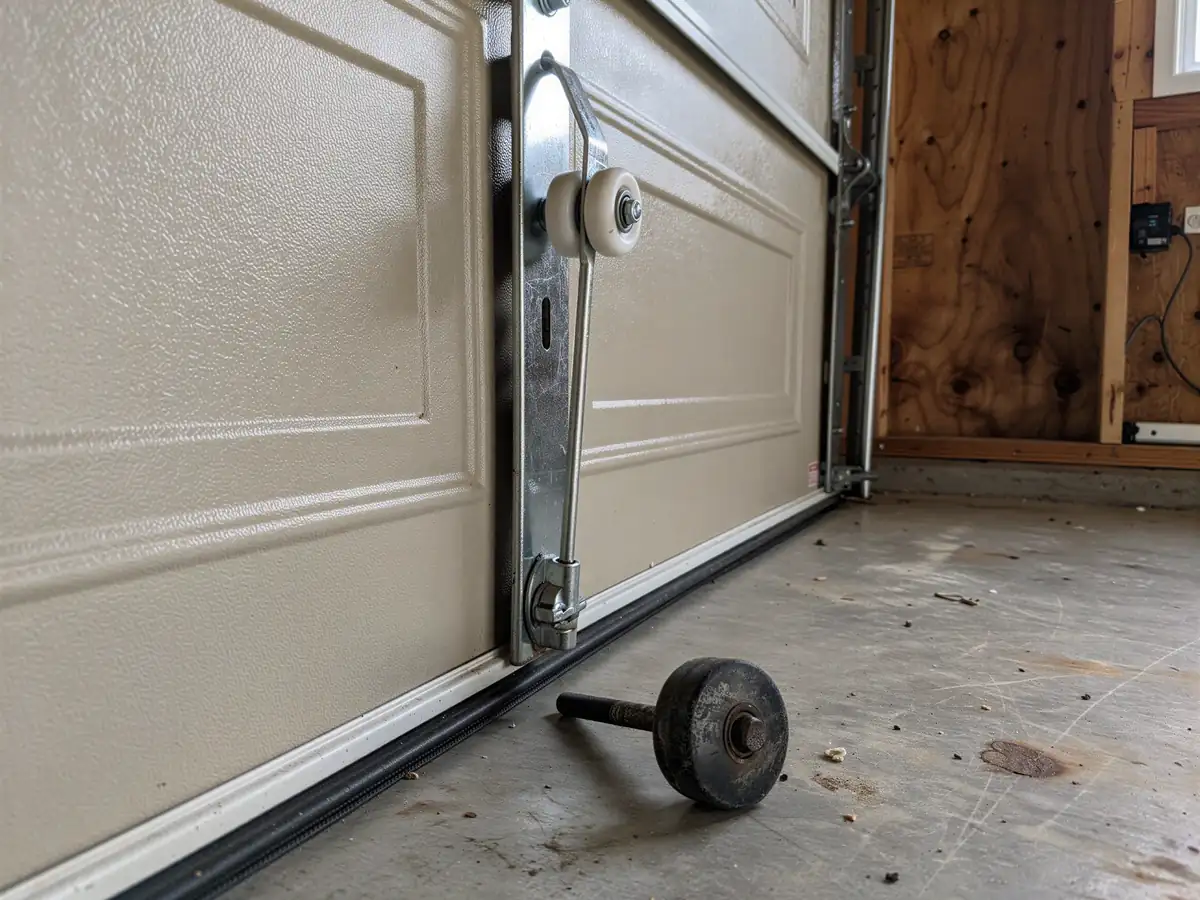
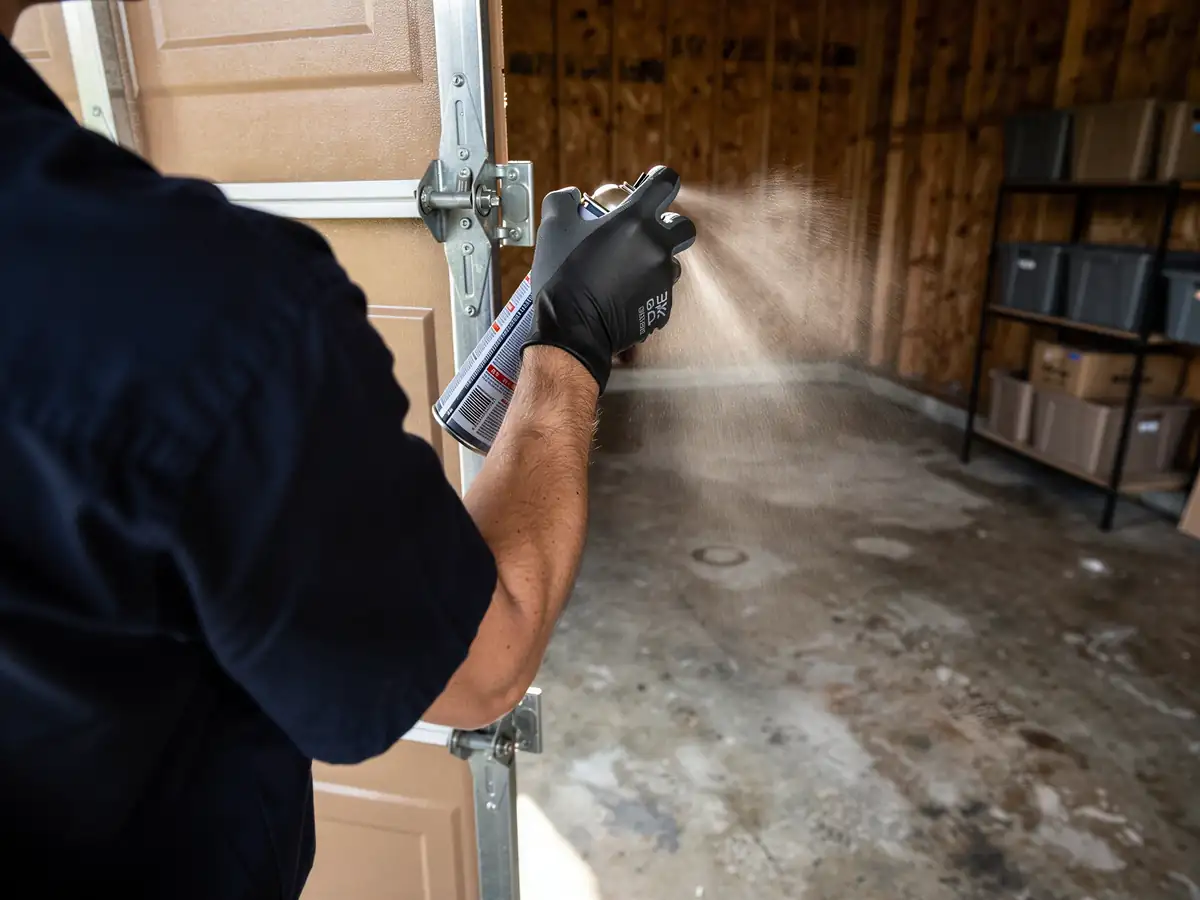
Our service area sits in a severe cold climate band, and that matters more in Birmingham than the weather report alone suggests. A house built around 1960 was not engineered around today's insulated steel door assumptions - it was built with a single-layer wood or early steel door in mind, hung on hardware that wasn't designed to flex through decades of freeze-thaw cycling. What we see most often in these houses: torsion springs that have gone brittle and let go in a cold snap, bottom seals that have hardened and cracked, and opener motors straining against a door that's gotten heavier with age and weather exposure. None of that is unique to one street - it's a function of the house's age meeting the climate it sits in.
Where This Job Goes Sideways
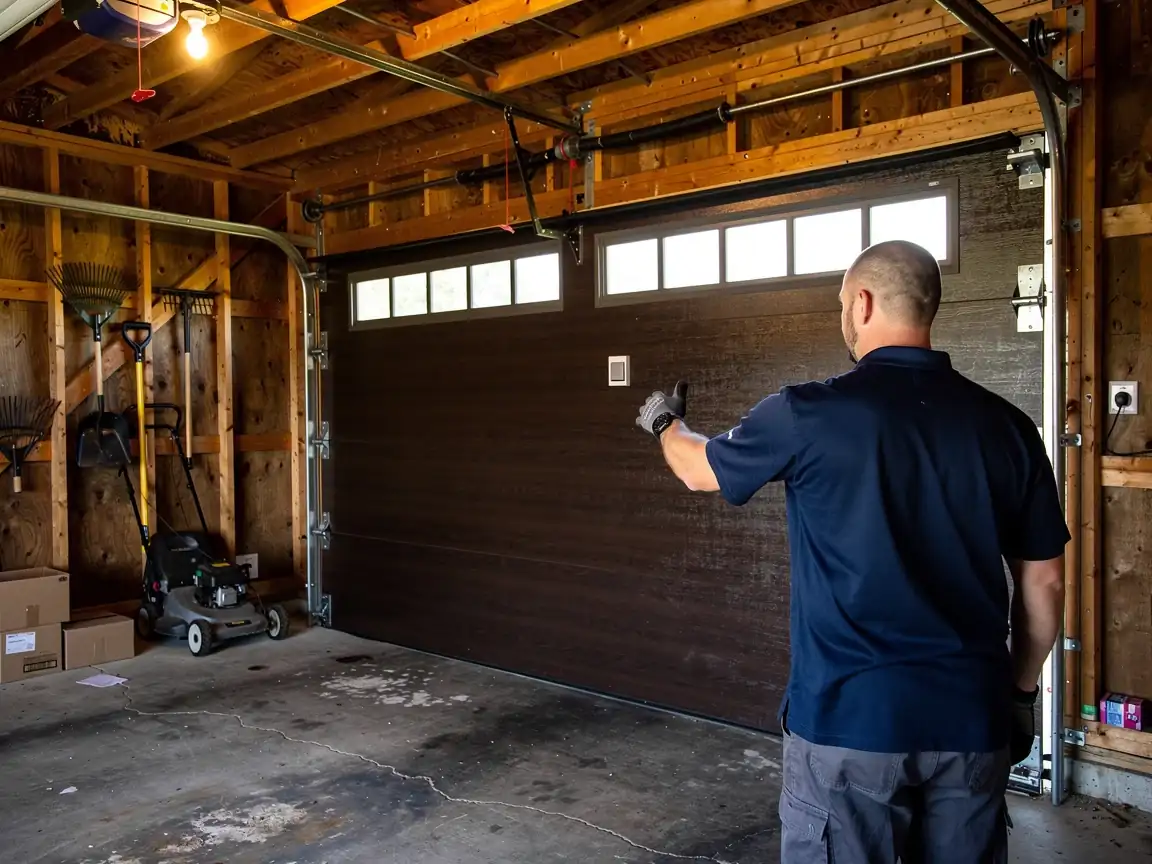
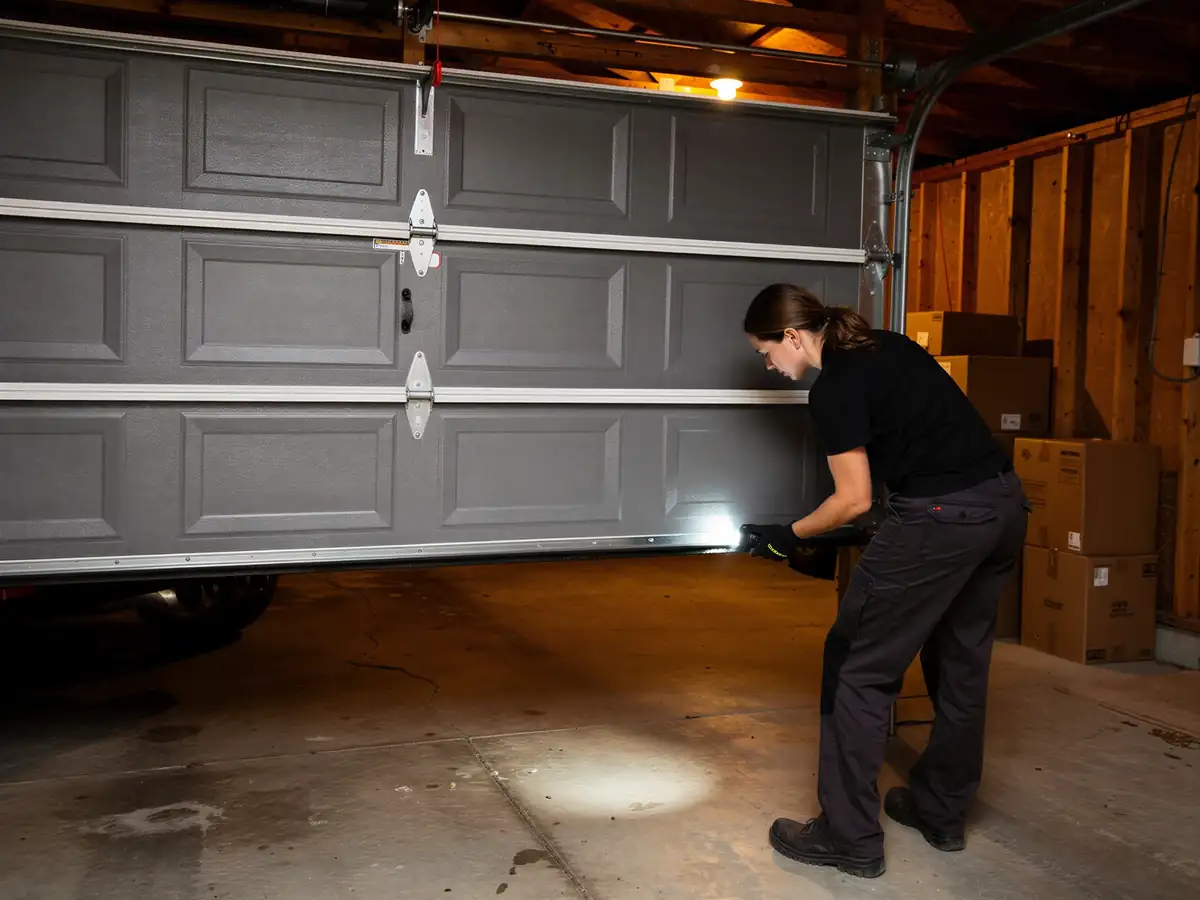
The repair-or-replace call gets harder, not easier, in a town where the median income supports either option. We've seen owners sink two or three service calls into a door that was already fighting its frame - chasing a rattle or a slow close with a new part each time instead of addressing that the track itself has shifted with the house's foundation over sixty-plus years. If a door is misaligned at the frame rather than failing at one part, replacing rollers or a cable buys you a few months, not a fix. We'll tell you when we think you're past that point, even if it means a shorter invoice for us.