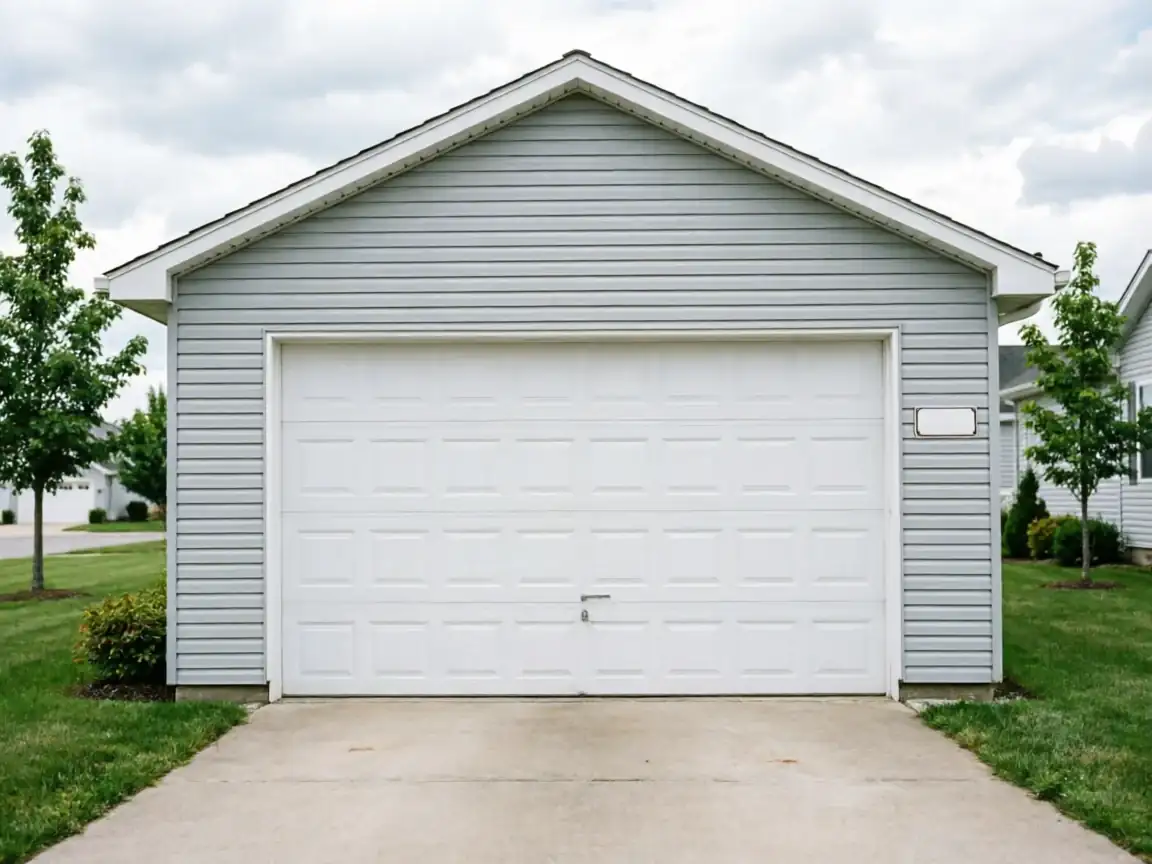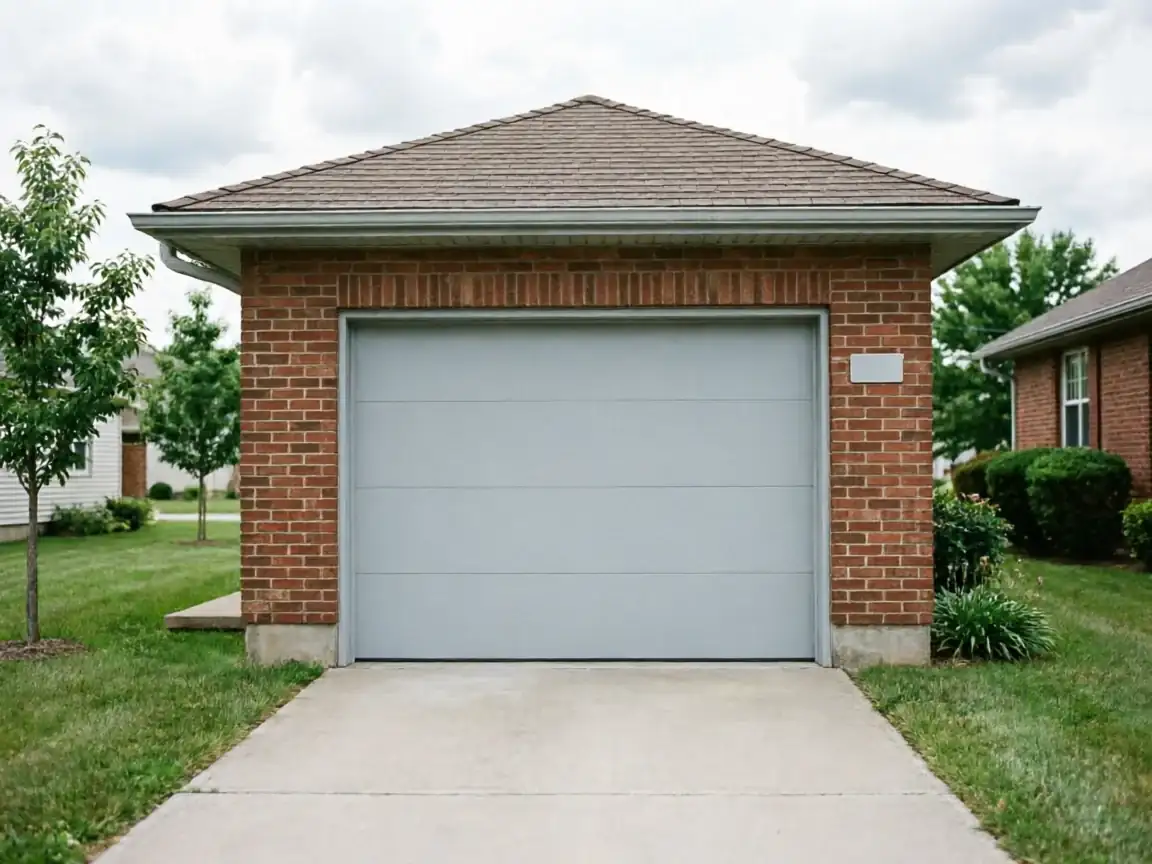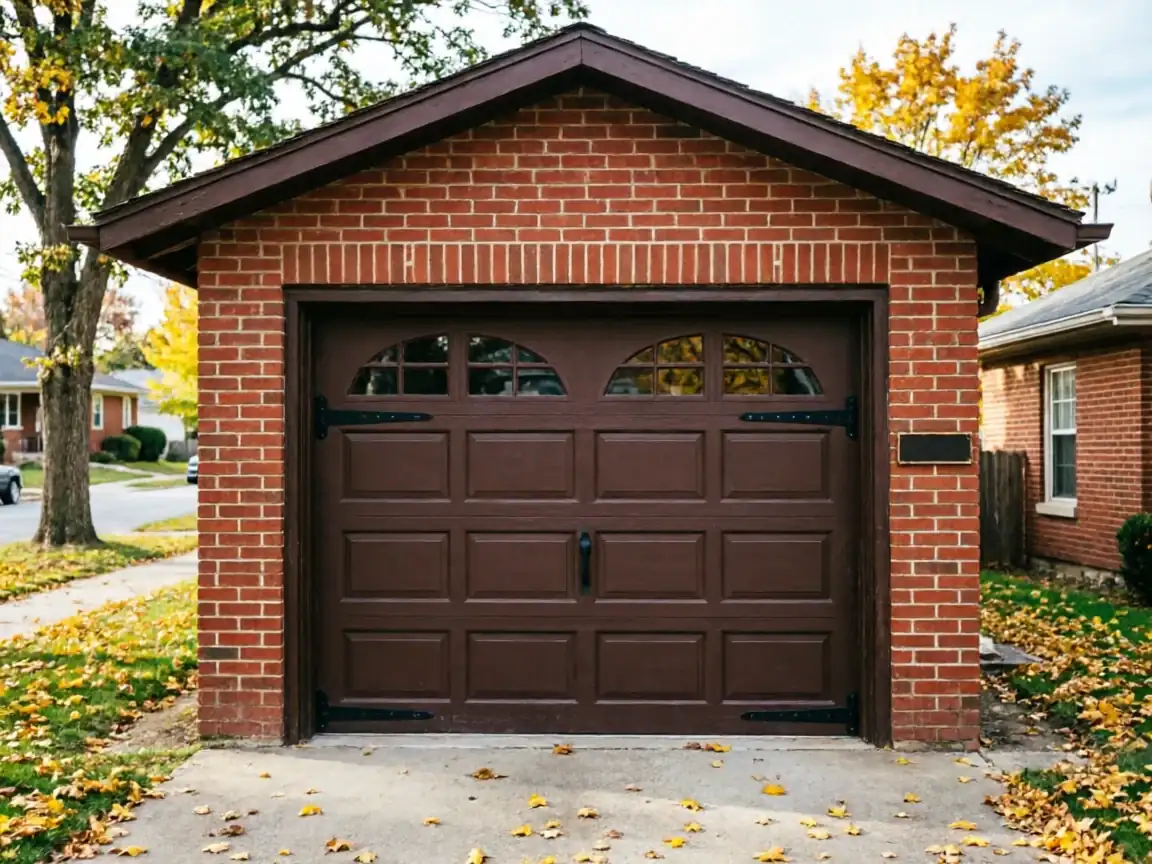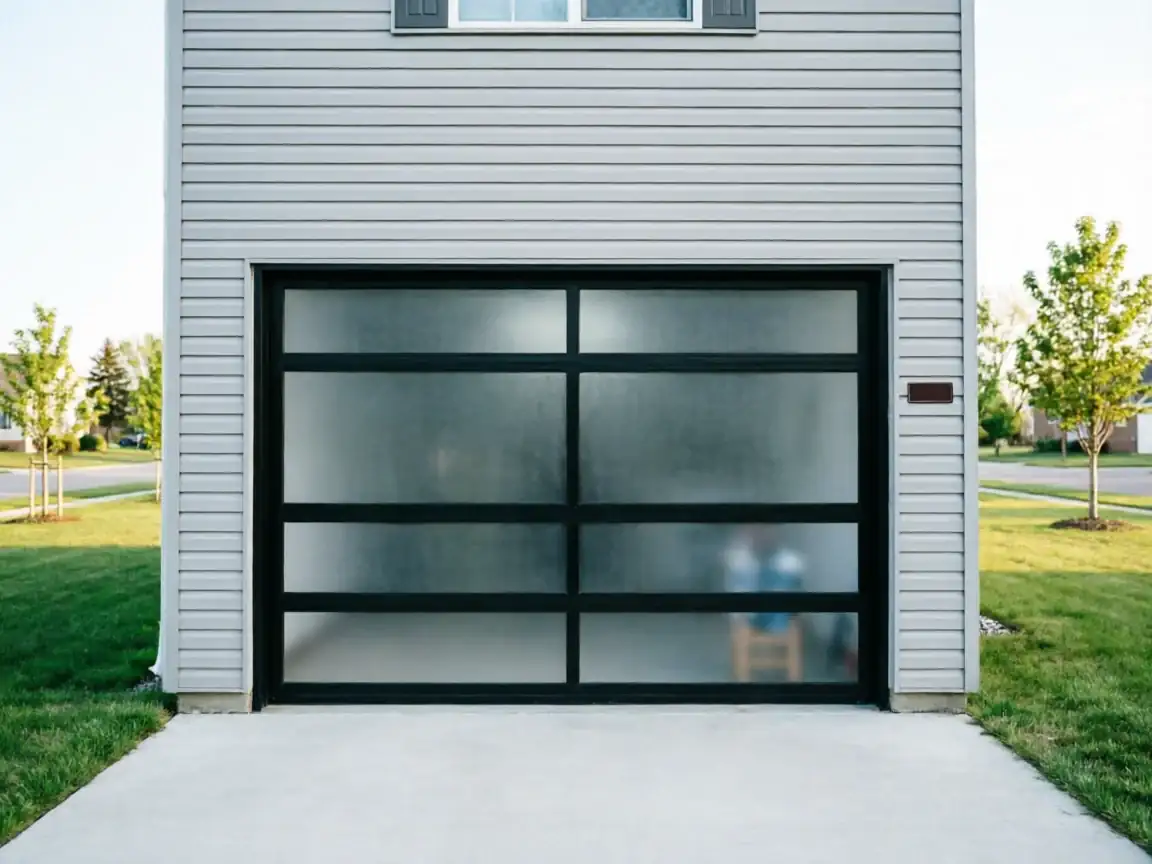
Parts We Carry
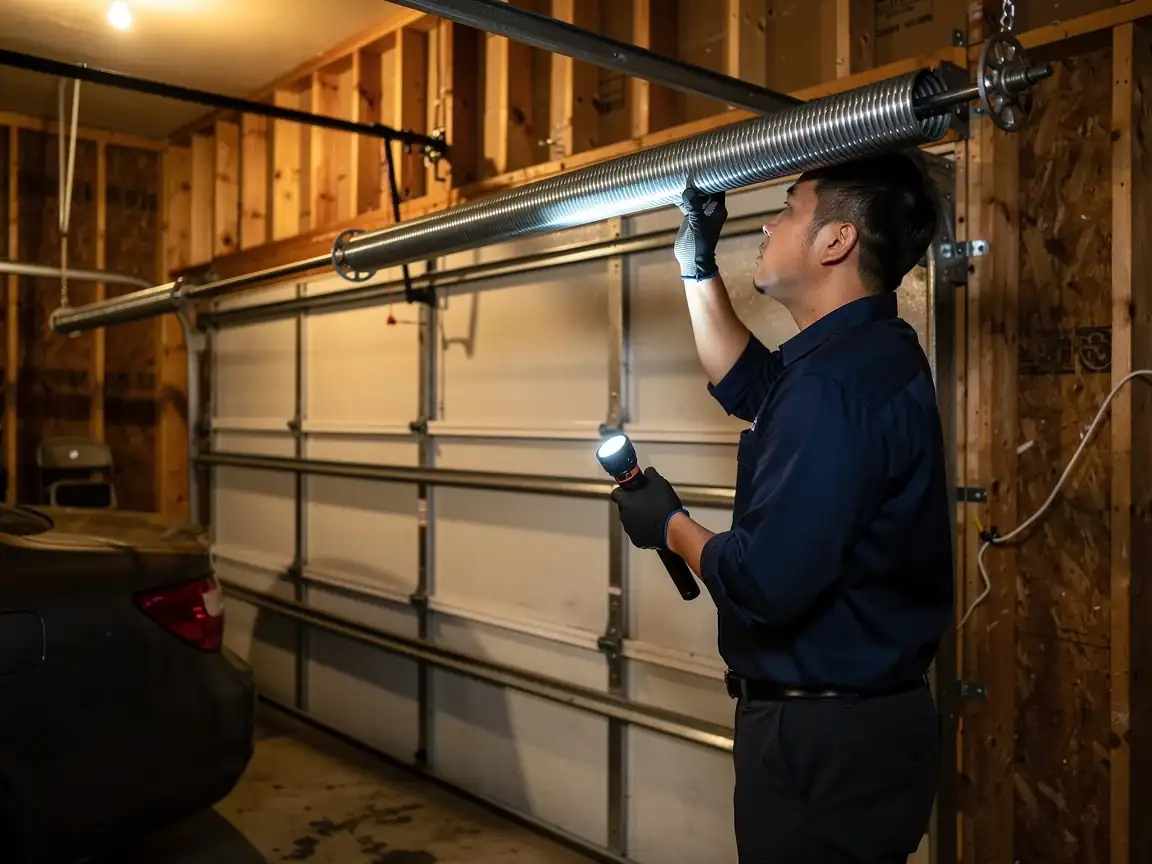
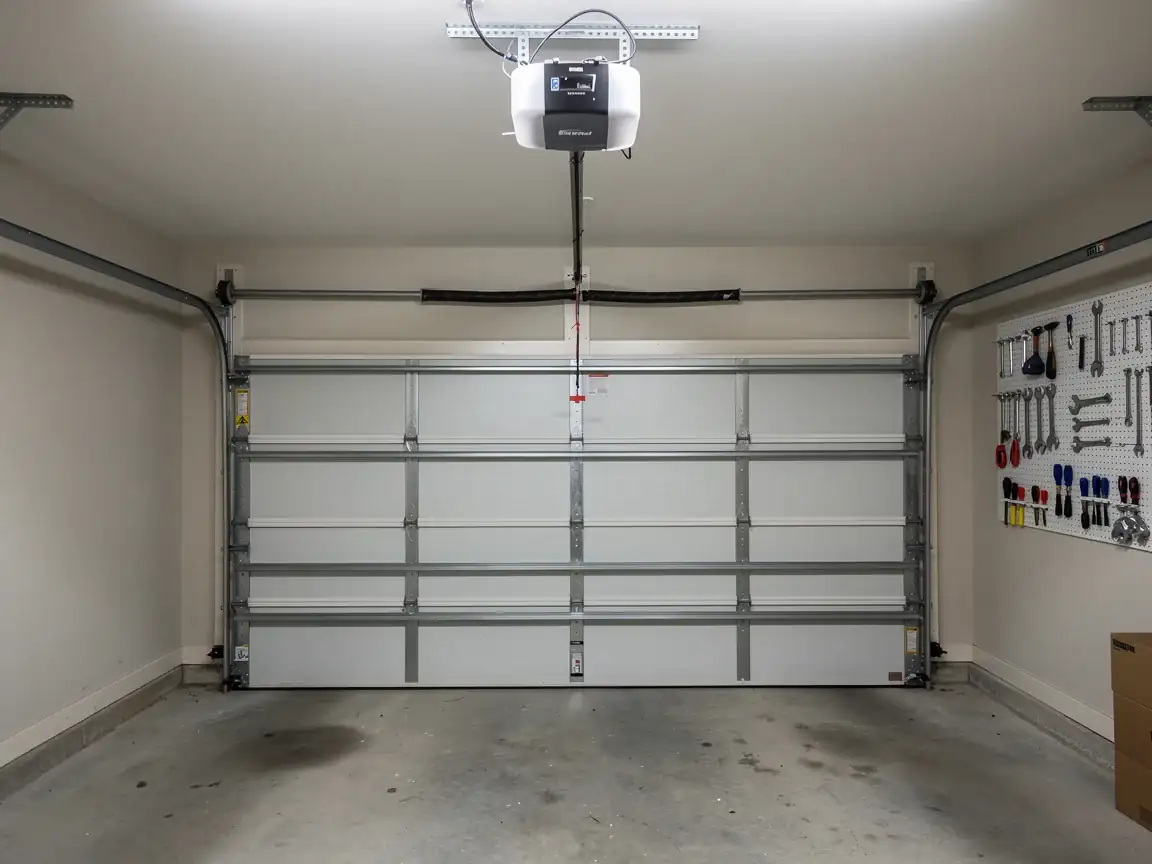
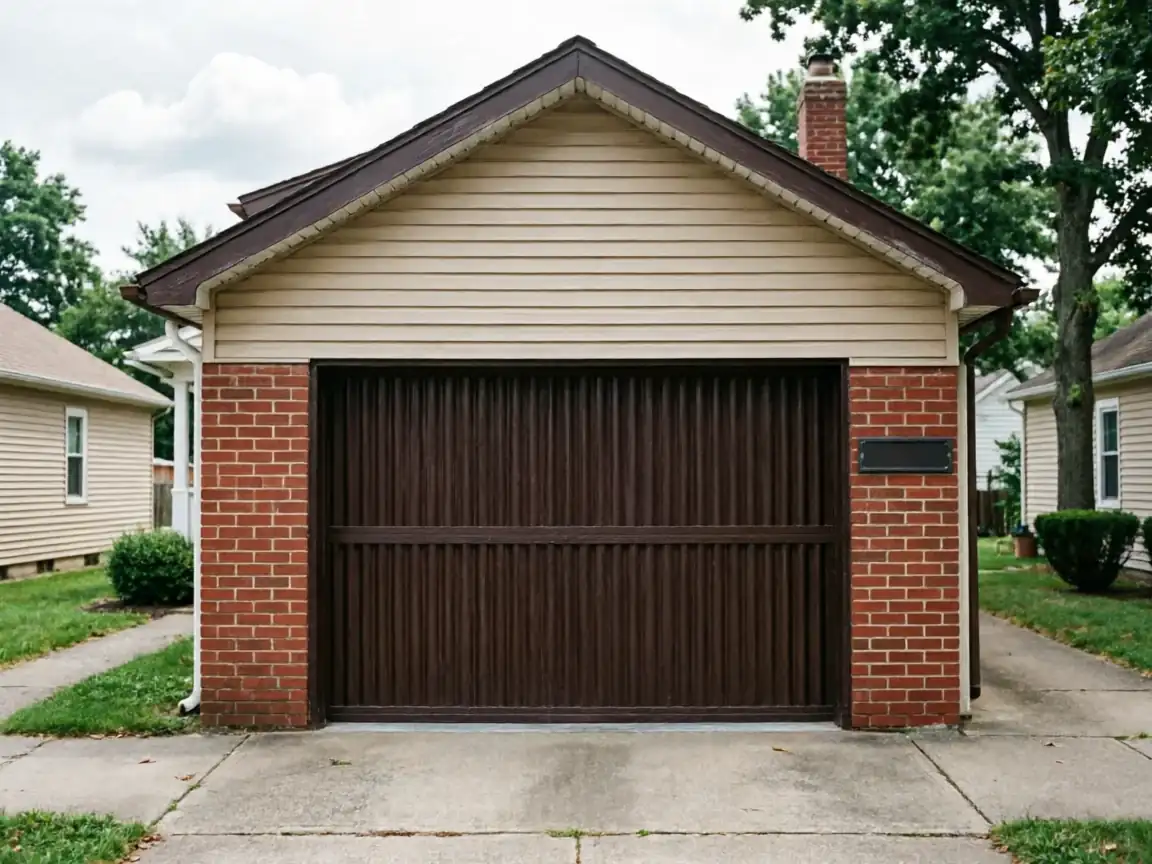
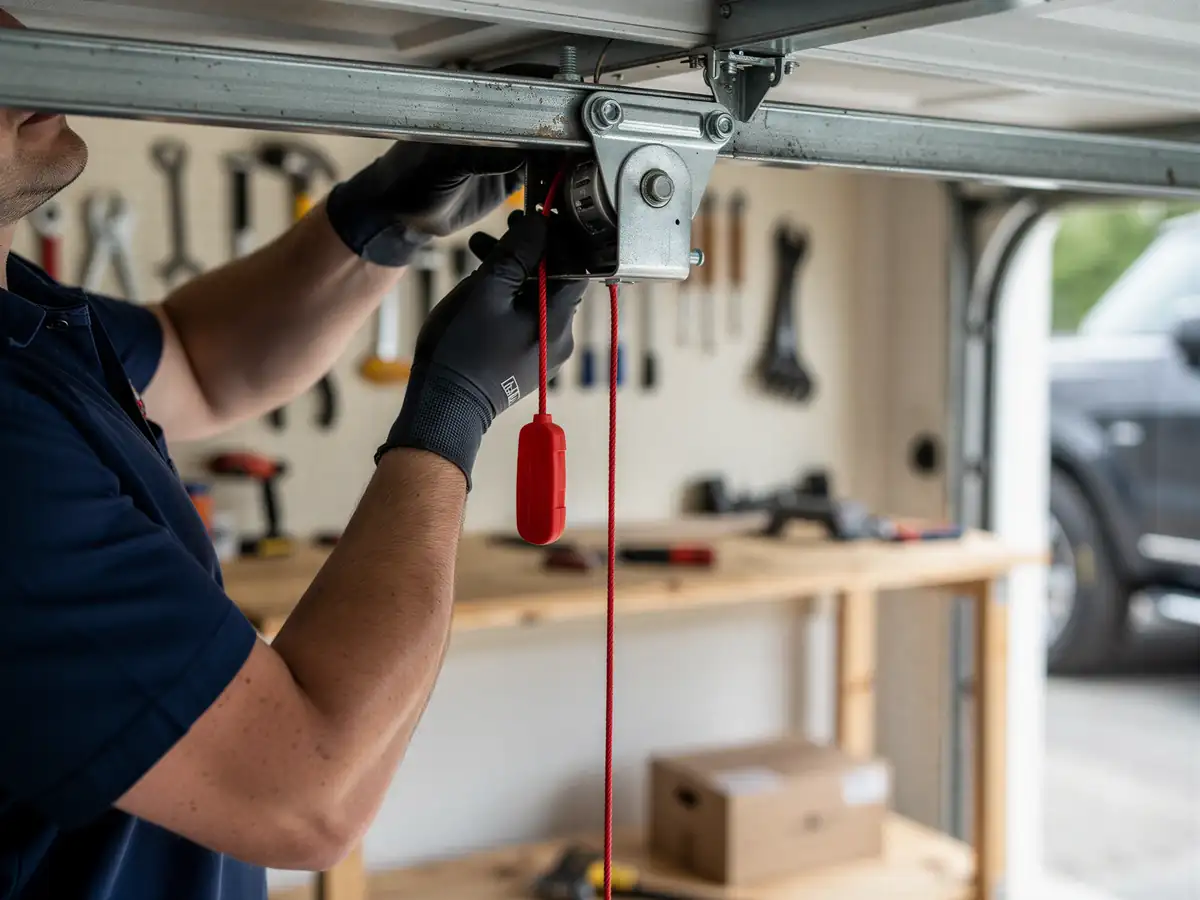
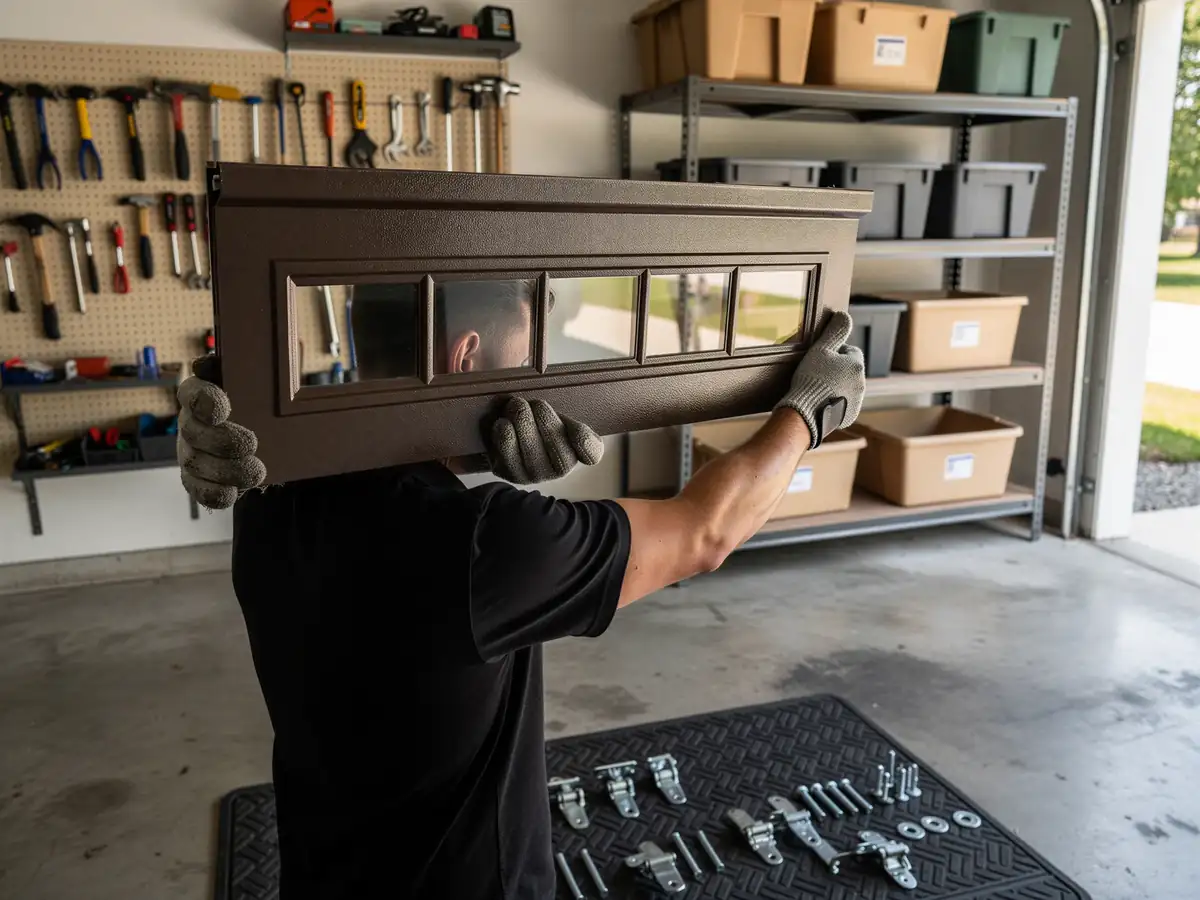
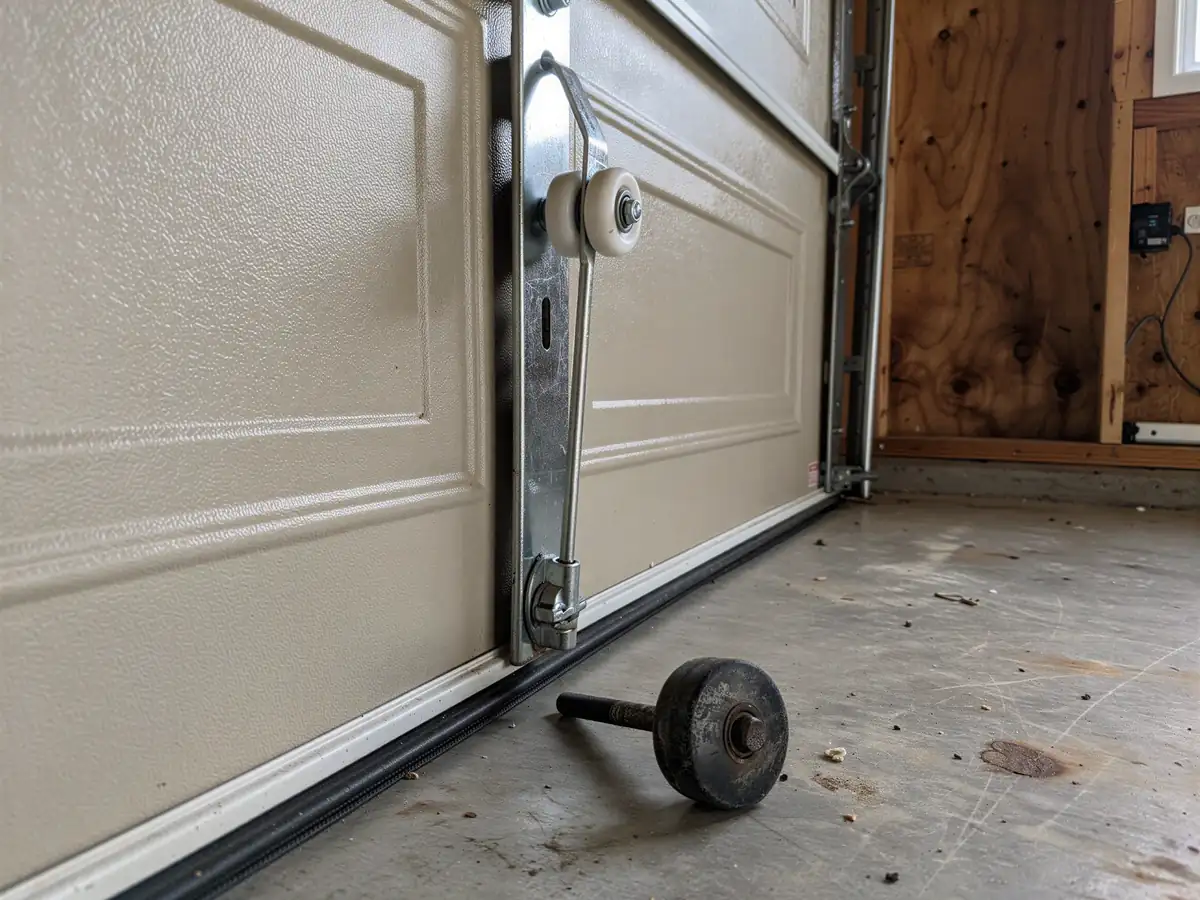
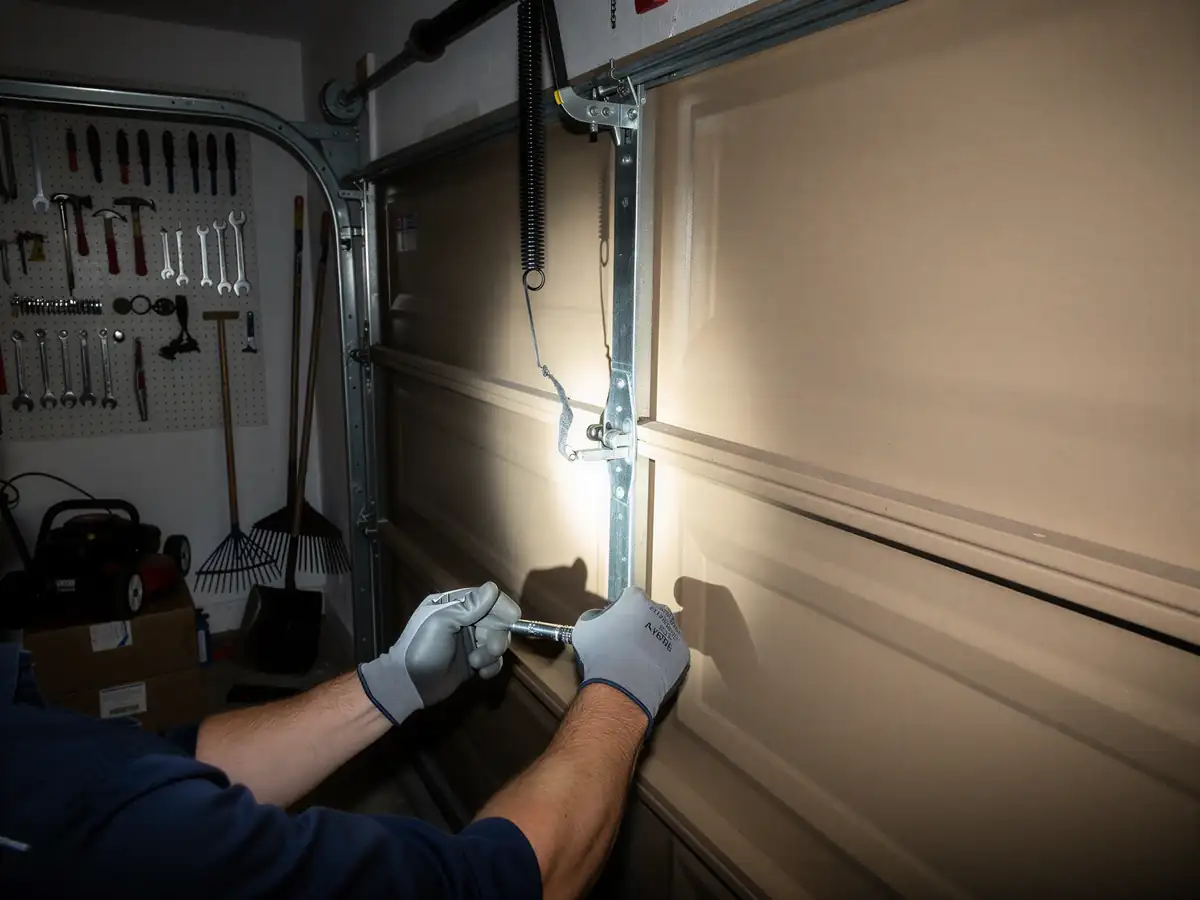
Birmingham's housing stock centers on 1960, which means a lot of garages still have whatever torsion spring and extension cable went up when the house was framed. Nobody re-springs a door unless it breaks, so a house built in 1960 that's never had a documented repair is very likely running 60-plus-year-old steel. We keep common torsion springs, extension springs, nylon and steel rollers, and standard cable sized for single and double residential doors on the truck. What we don't stock is anything custom - a non-standard track width or an obsolete opener logic board sometimes means a special order, and we'll tell you that up front instead of promising same-day on a part we don't have. Birmingham's median household income runs well above the wider service area's $102,333 figure, and we see that reflected in the doors: more insulated steel sections, more belt-drive openers, fewer bare single-layer panels than you'd find on an older starter-home street. That doesn't change what breaks - springs still fatigue, cables still fray - but it does mean the replacement hardware we bring often needs to match a heavier, better-finished door rather than a bare-bones one.
How Long It Takes
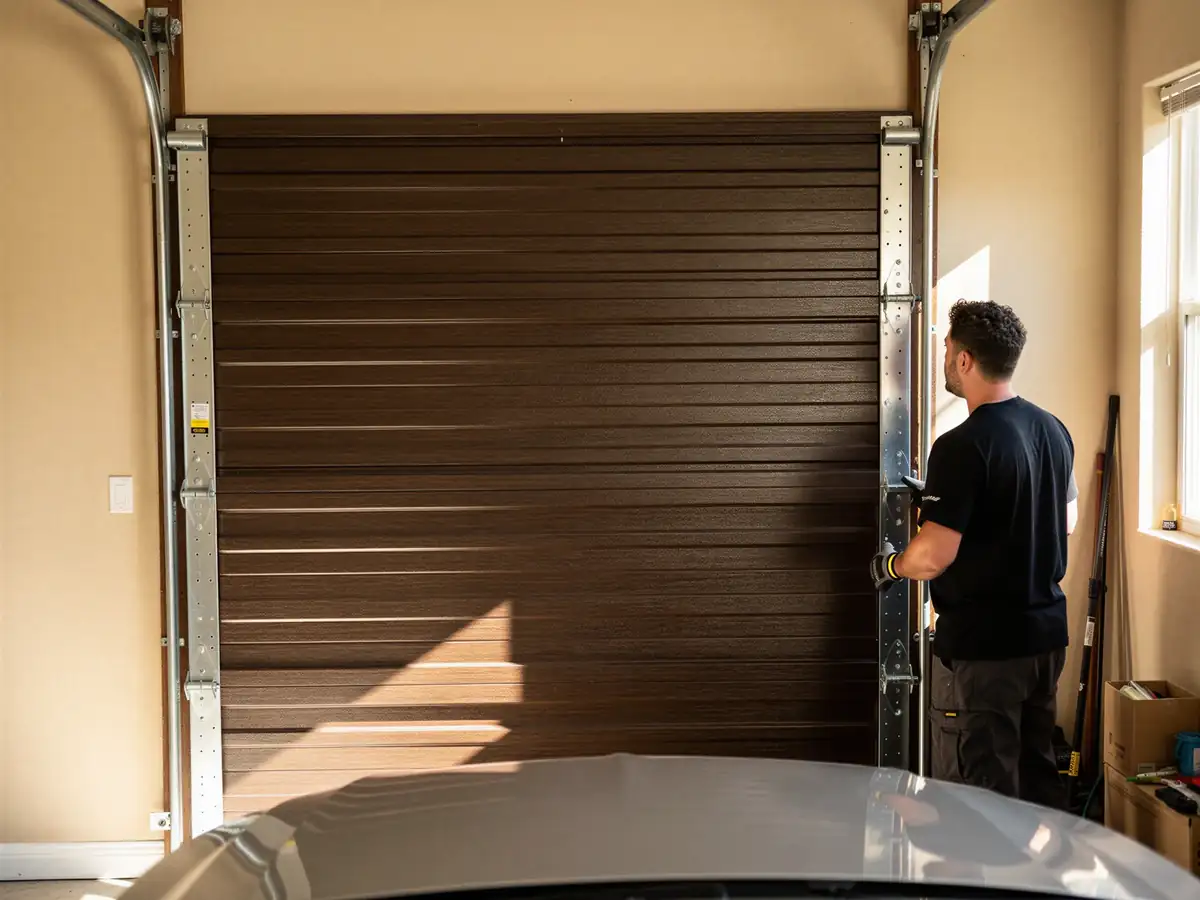
We run this call out of Waterford, roughly 14 miles away, so figure that drive time into when we can be at your door - we don't have a branch or a standing truck in Birmingham, and we won't pretend otherwise. Once we're there, a torsion spring swap on a standard door usually runs under two hours; a cable off the drum or a roller replacement is often faster. Opener board failures take longer to diagnose than to fix, since we have to rule out the wall switch, the photo-eye sensors, and the logic board before we know which part is actually dead. We don't give a fixed response-time promise for Birmingham specifically - traffic on the drive out varies, and we'd rather tell you honestly when we're close instead of quoting a number we can't guarantee from 14 miles away.
How It Shows Up
In this climate band - cold and severe winters - the failure pattern on older hardware is predictable. Steel contracts in deep cold, torsion springs that are already fatigued from 60 years of cycling lose a little more flex, and that's when a spring that's been slowly weakening finally lets go, usually on the first cold snap of the season rather than mid-summer. You'll hear it as a loud bang from the garage, and the door won't lift, or it'll lift a few inches and stop. A door that's suddenly heavier to open by hand, or an opener that strains and reverses partway up, is the same spring fatigue a few weeks earlier in the process. Track noise - a grinding or popping sound as the door travels - usually points to a roller that's worn past its bearing, which on original-era hardware is often original too.
Where This Job Goes Sideways
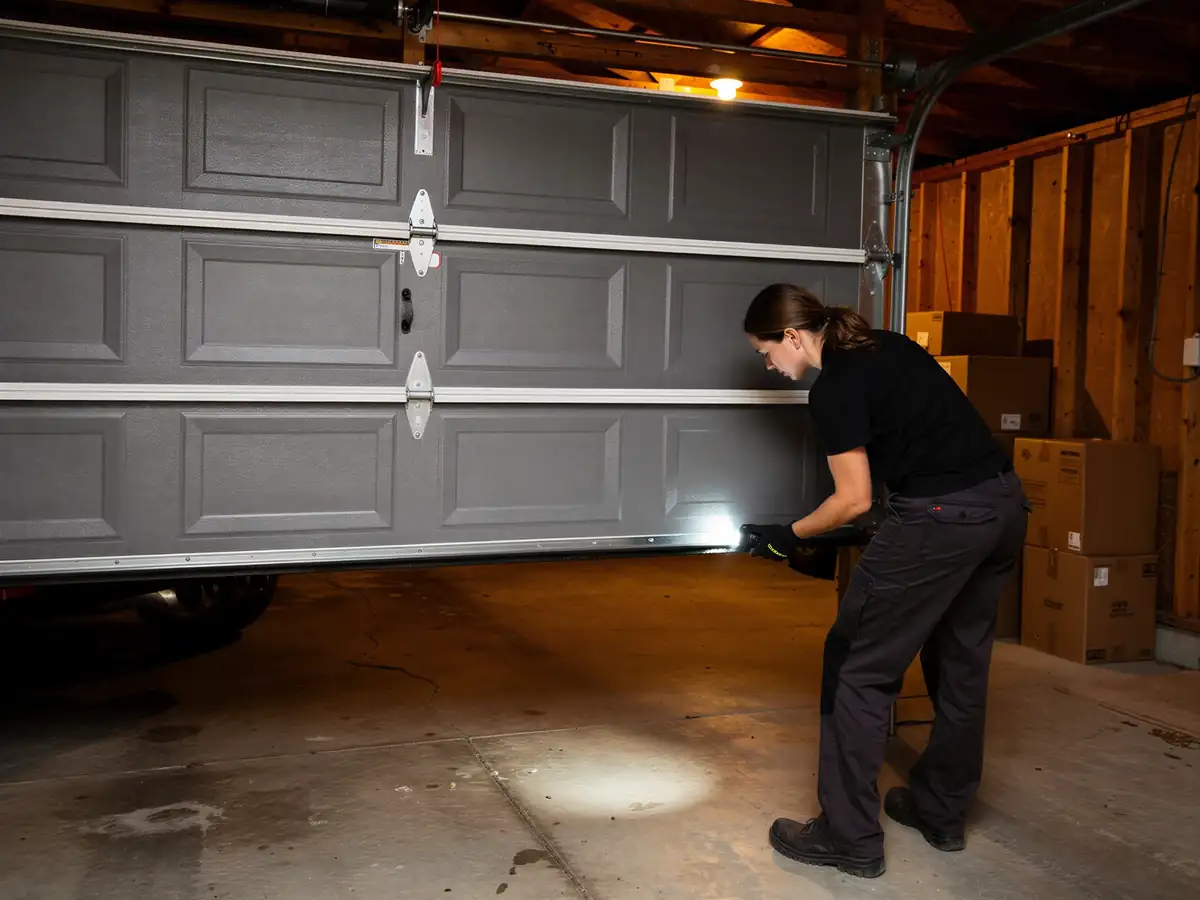
The job goes wrong when someone treats a spring repair like a roller swap. We've already said it once and it's worth repeating: wound torsion springs store real force, and on a door this age the mounting hardware itself - the end bearing plates, the center support - can be as original as the spring, which means it may not be in the condition a brand-new install would assume. We also won't quote a flat price over the phone before seeing the door, because a 1960-era double door with original track can need more than a spring: bent track, a worn drum, or a cable that's frayed further than it looks from the floor. If we get out there and the honest call is that the door's cheaper to replace than to keep patching, we'll say so rather than stack another repair onto hardware that's past its service life.