Parts We Carry
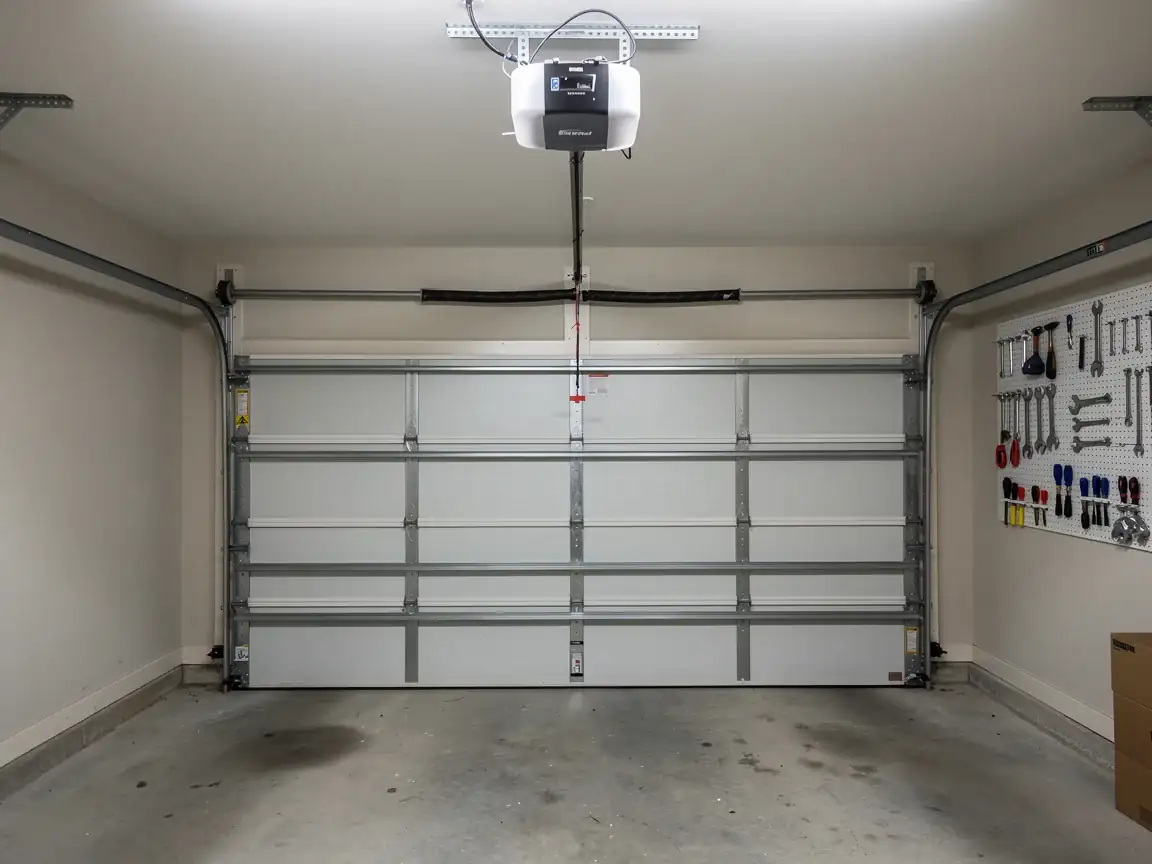
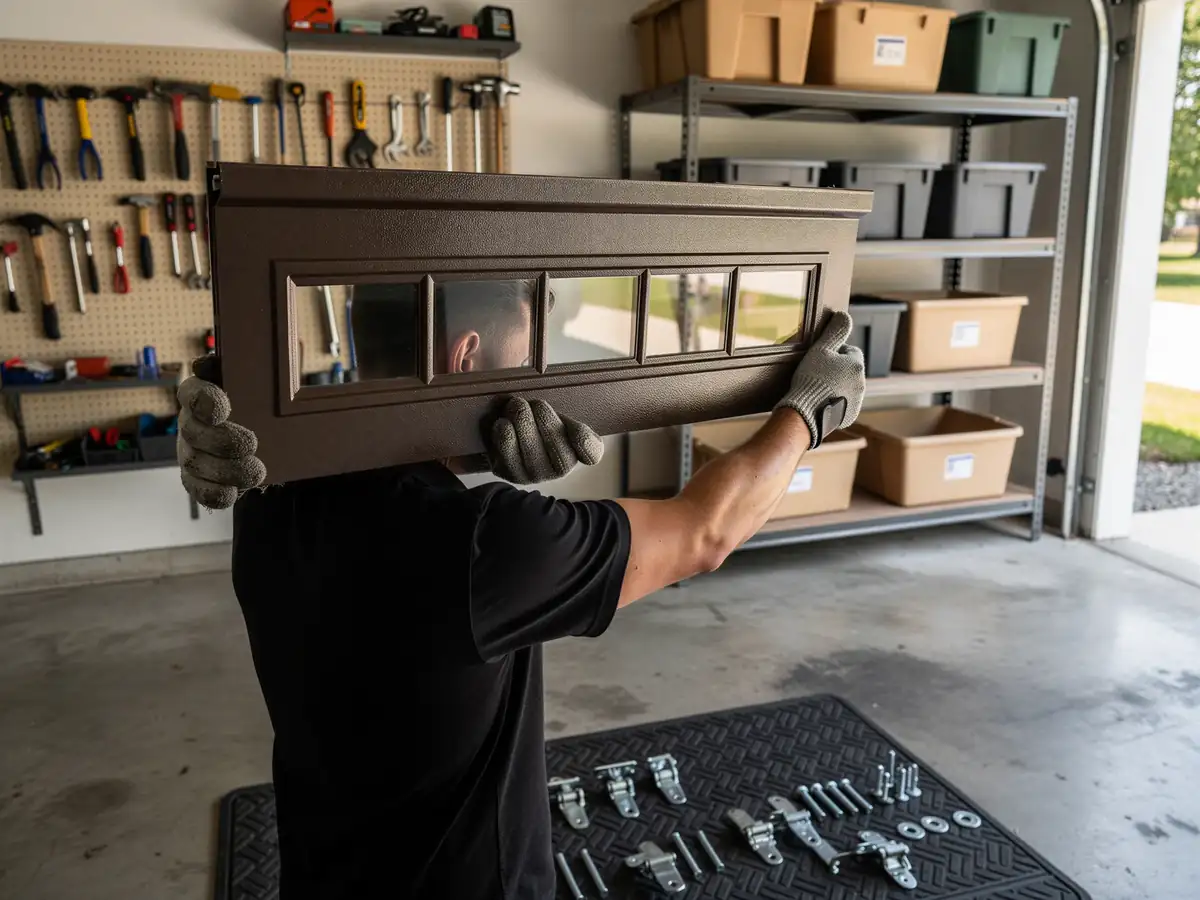
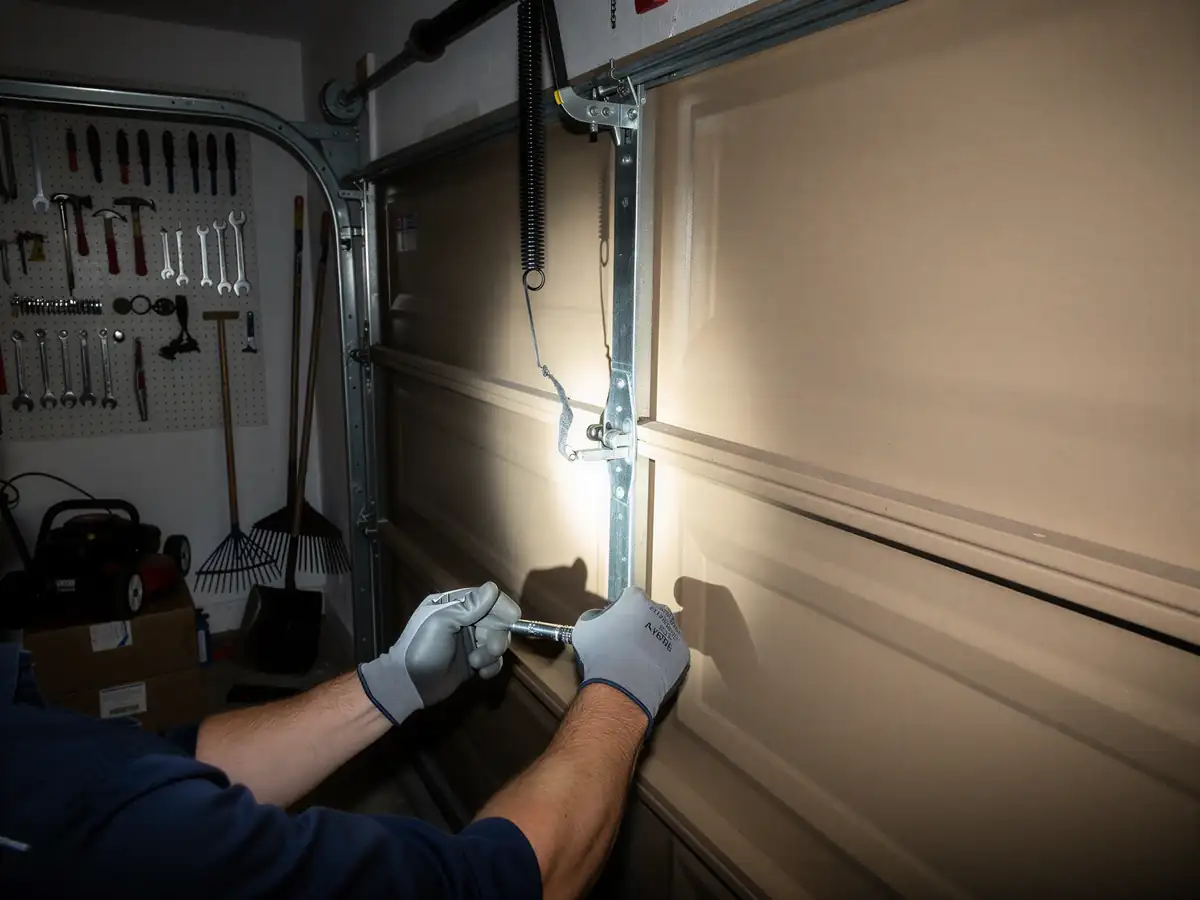
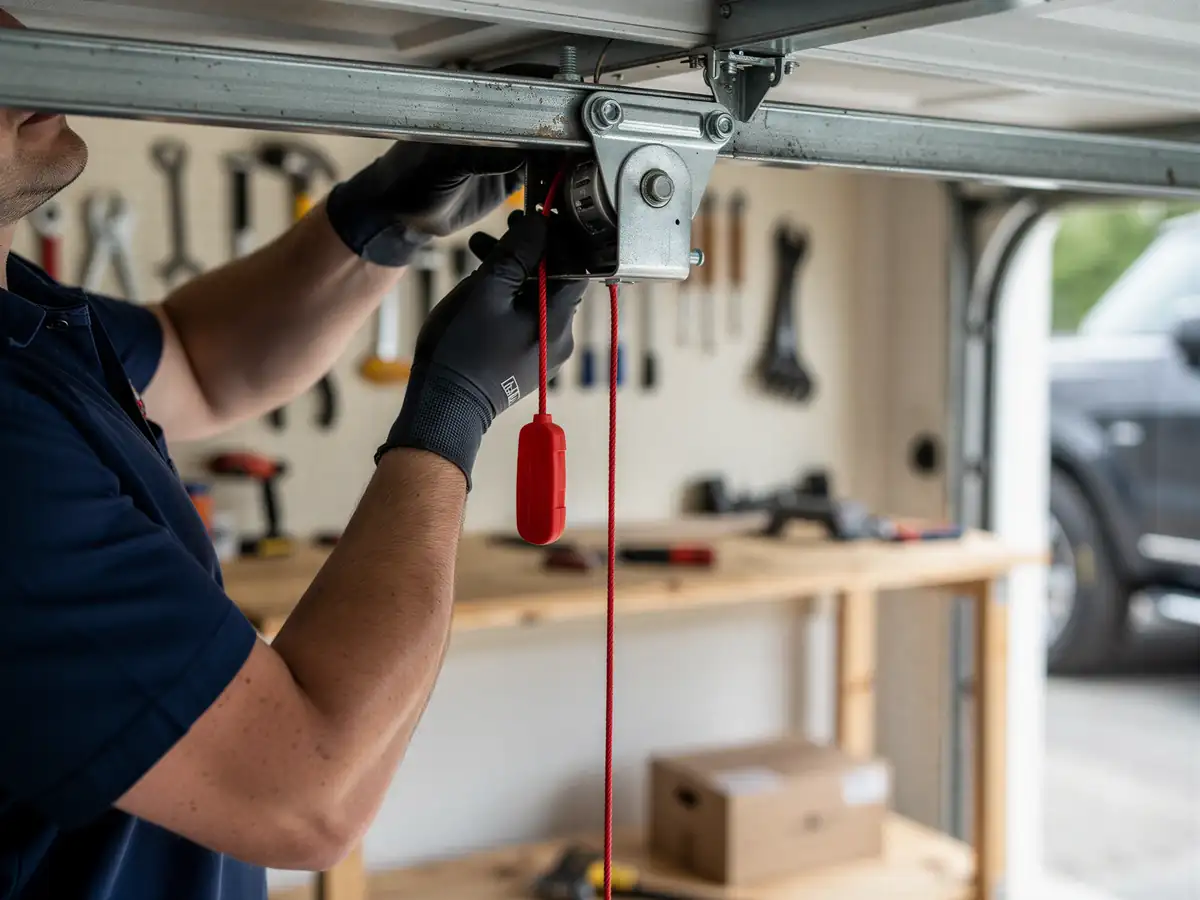
Birmingham's homes cluster around a median build year of 1960, which is earlier than a lot of the other communities this company reaches from Waterford. That matters for openers because houses from that era were built before the 1993 federal rule requiring photo-eye safety sensors, so a lot of them have gone through at least one retrofit already - sometimes two. We carry logic boards and sensor kits that work with both the older chain-drive units still hanging on in some of these garages and the belt-drive replacements that went in during later upgrade waves. We also stock standard wall controls, remotes, and the wiring harnesses that bridge an old rail to a newer motor head, since mismatched generations of hardware is common here. What we don't stock is anything proprietary to a single builder-installed system from the 1960s - those parts are long discontinued, and if your opener is that original, replacement is usually the honest answer, not a repair.
How Long It Takes
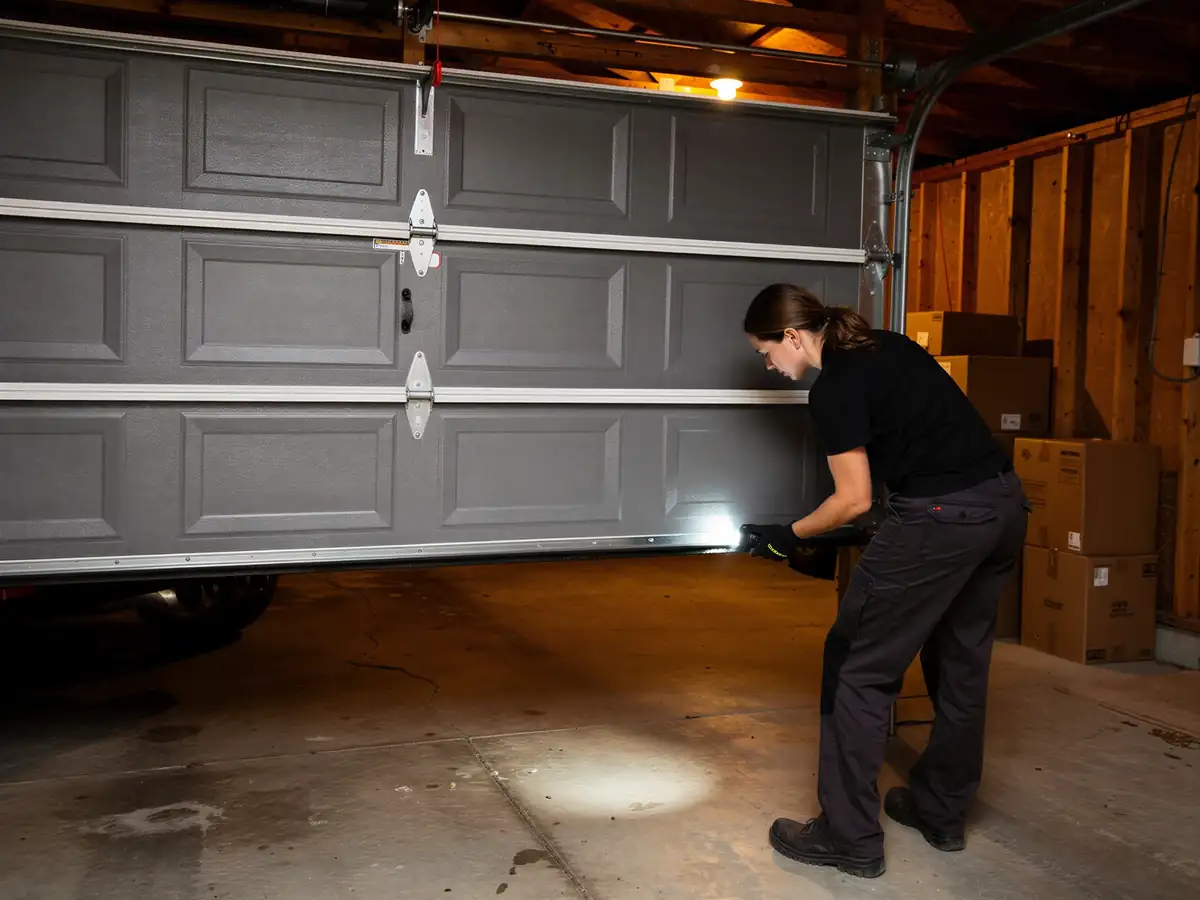
Waterford is about 14 miles out, so a visit here means drive time built into the schedule, not a branch around the corner. Most opener repairs - a dead logic board, a misaligned sensor, a stripped gear - run under two hours once the truck is on site. What slows a job down in Birmingham specifically is age: on a house built near 1960, the opener mount, the header, and the wiring behind the wall plate have usually been touched by more than one prior installer, and tracing what's actually connected to what takes longer than the repair itself. We don't quote a fixed arrival window for this area, since that's a Waterford-specific promise, not a Birmingham one. We do tell you upfront if a part has to be ordered rather than carried on the truck.
How It Shows Up
In Birmingham, the most common call is an opener that runs the motor but the door barely moves - usually a stripped gear in an older chain-drive unit that's been grinding quietly for months. Second most common: a door that reverses immediately on closing, which on houses from this era is often a sensor pair that was added during a retrofit and never quite aligned to the new door track. We also see openers that work fine until the garage gets cold, then hesitate or stall on the first try of the morning - grease in an original gearbox thickening up overnight. Given the median household income here, a fair number of these calls end in a decision to replace rather than patch, since a quieter belt-drive unit with battery backup is a straightforward swap once the old chain-drive hardware is out.
Where This Job Goes Sideways
The job goes sideways when someone installs a new opener model onto an old mount without checking what's actually behind the header. On a house built around 1960, that header has frequently been notched or drilled for a prior unit, and a new motor bolted onto softened wood or a stripped lag hole will work for a few months before it starts walking loose under vibration. It also goes sideways when a sensor retrofit from an earlier upgrade gets left in place and a second, newer sensor pair gets added on top - now there are two sets wired in, one of them doing nothing, and troubleshooting takes twice as long as it should. With roughly 9,326 households in Birmingham, a decent share of them have been through more than one opener generation, and the wiring behind the switch plate doesn't always get cleaned up between jobs.