Parts We Carry
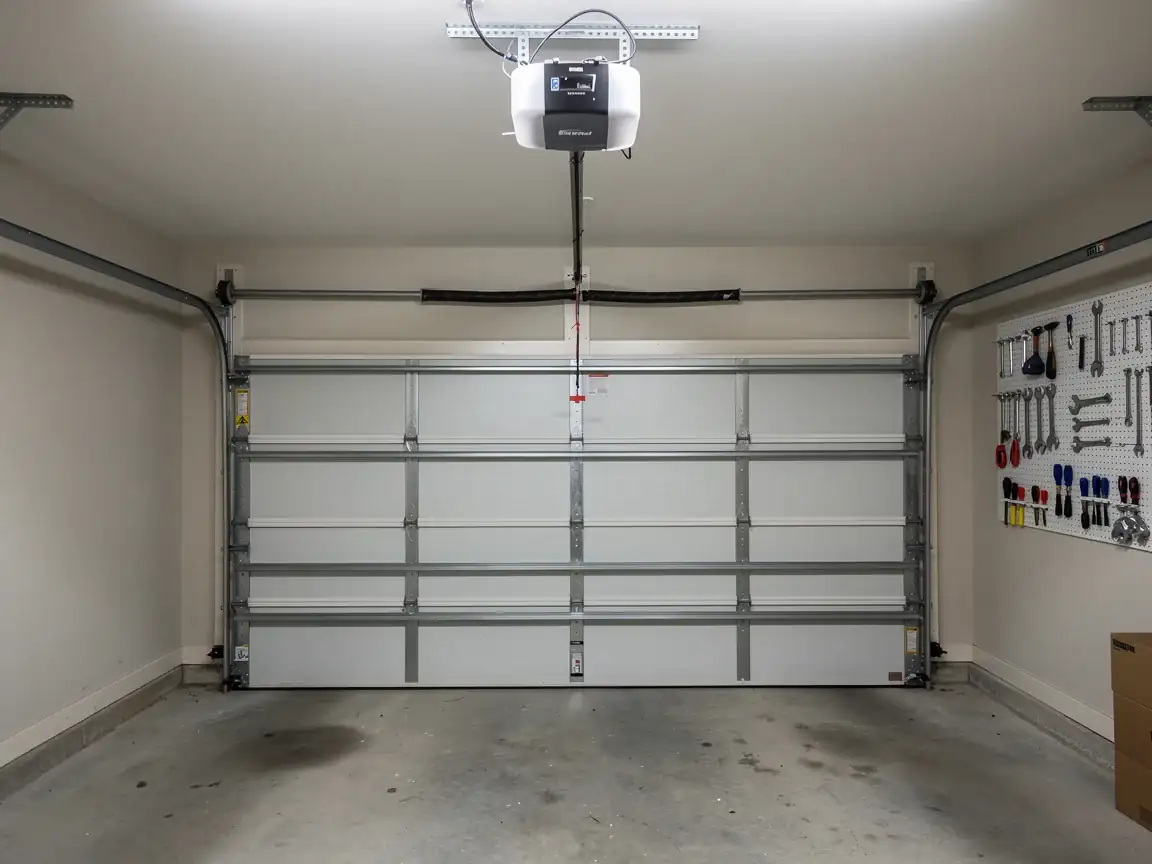
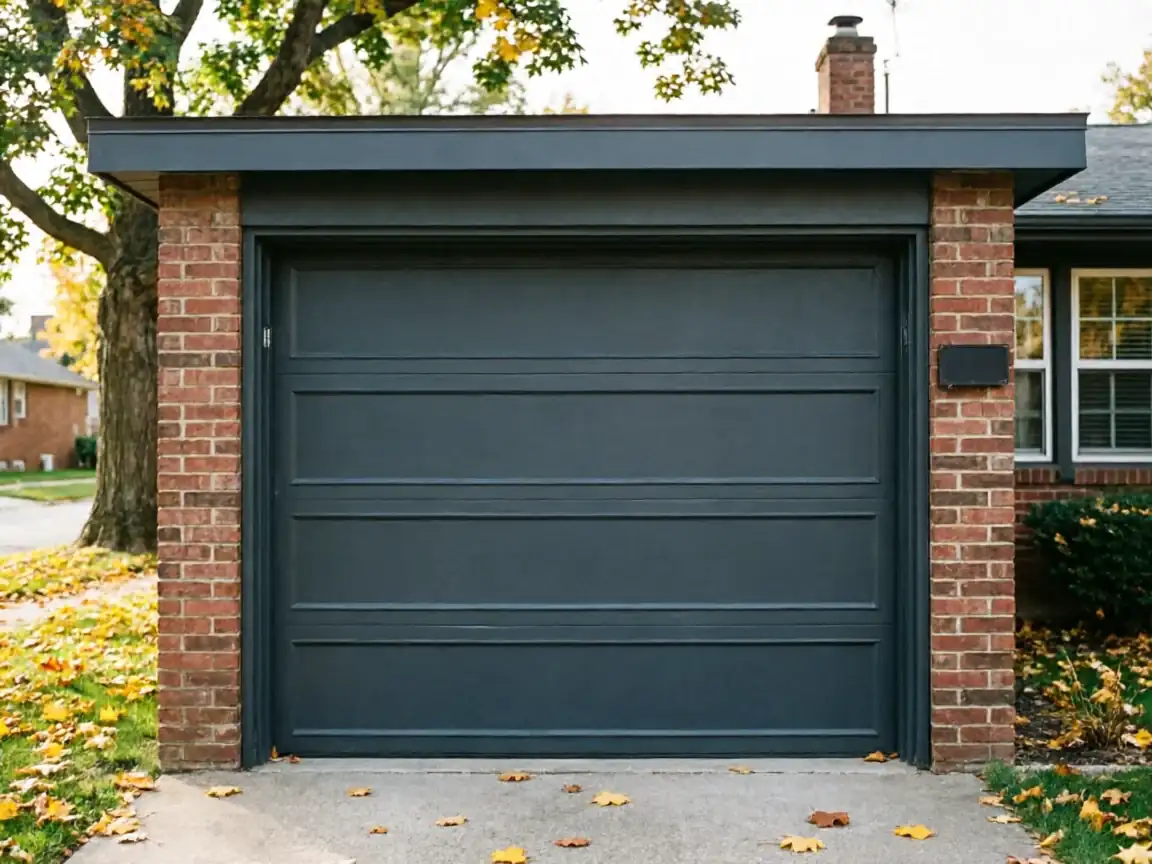
The fault we see most in Birmingham isn't a broken spring - it's a door that was never right for the house in the first place. A lot of this stock dates to around 1960, built in an era when garages were an afterthought and doors were single-layer steel or wood, sized for cars that don't exist anymore. Openers from later retrofits often got bolted onto hardware that was never upgraded to match, so you end up with a door too light for the opener driving it, or too heavy for the springs holding it up.
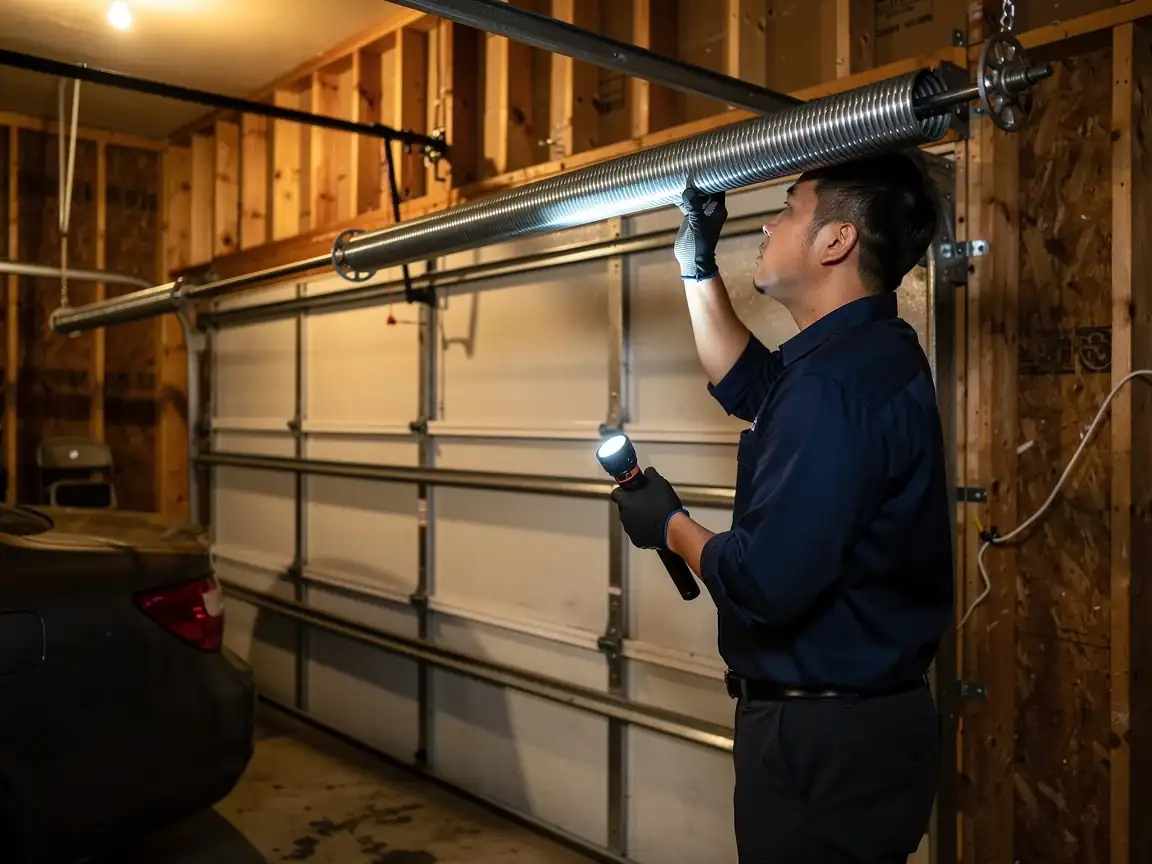
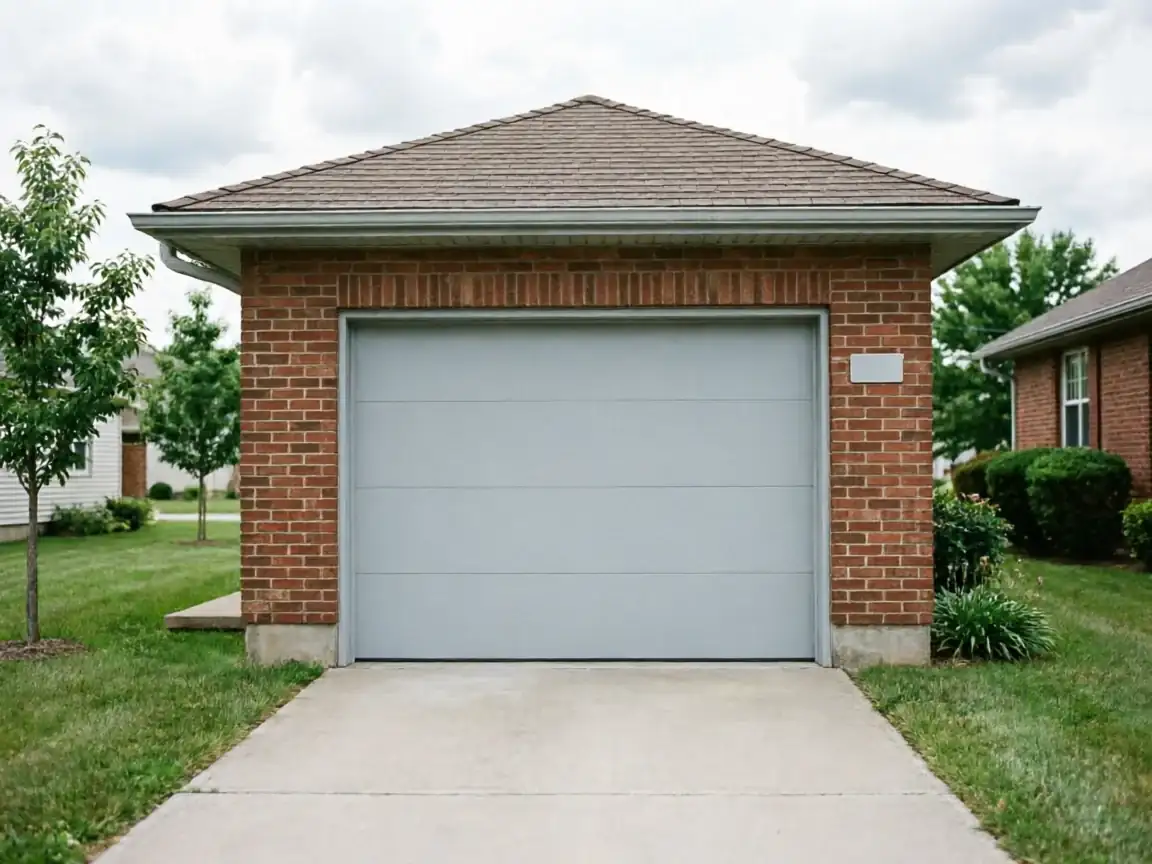
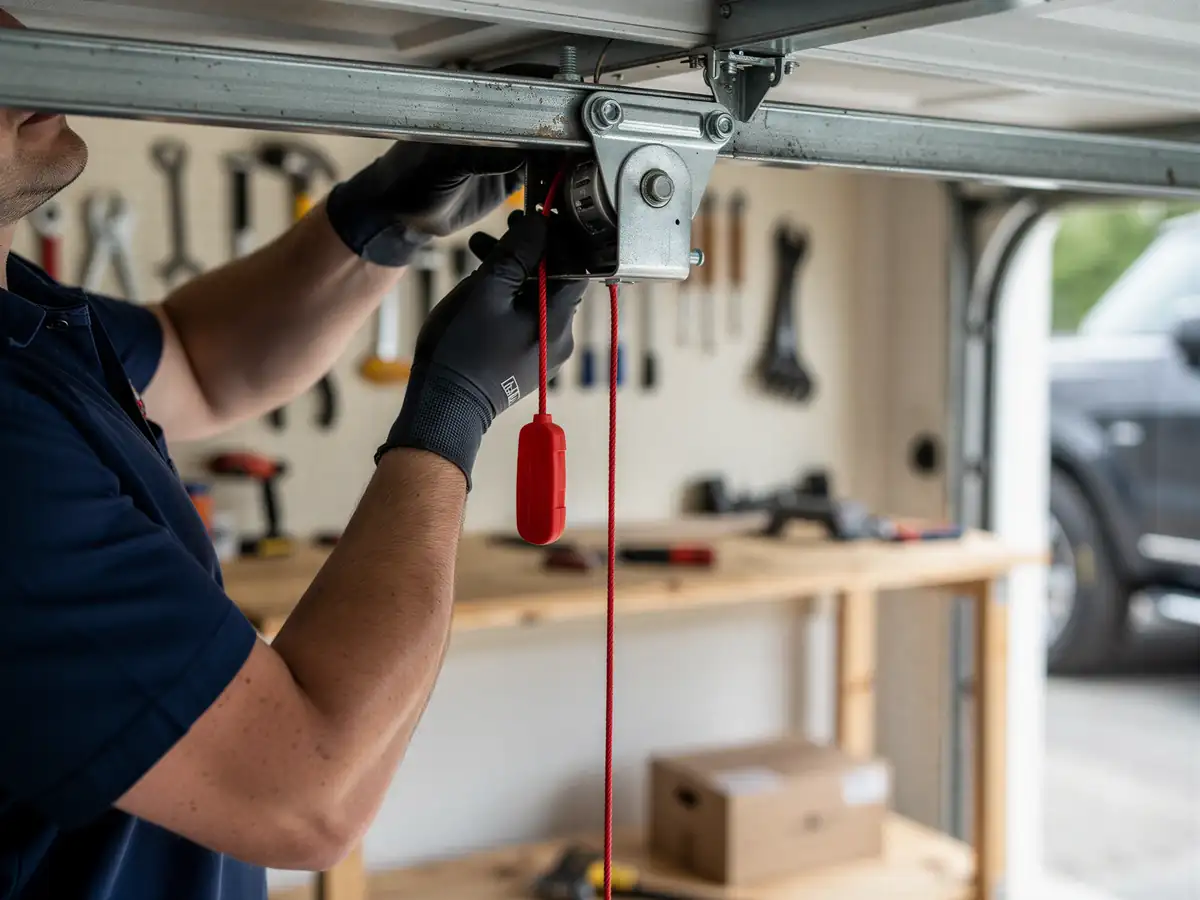
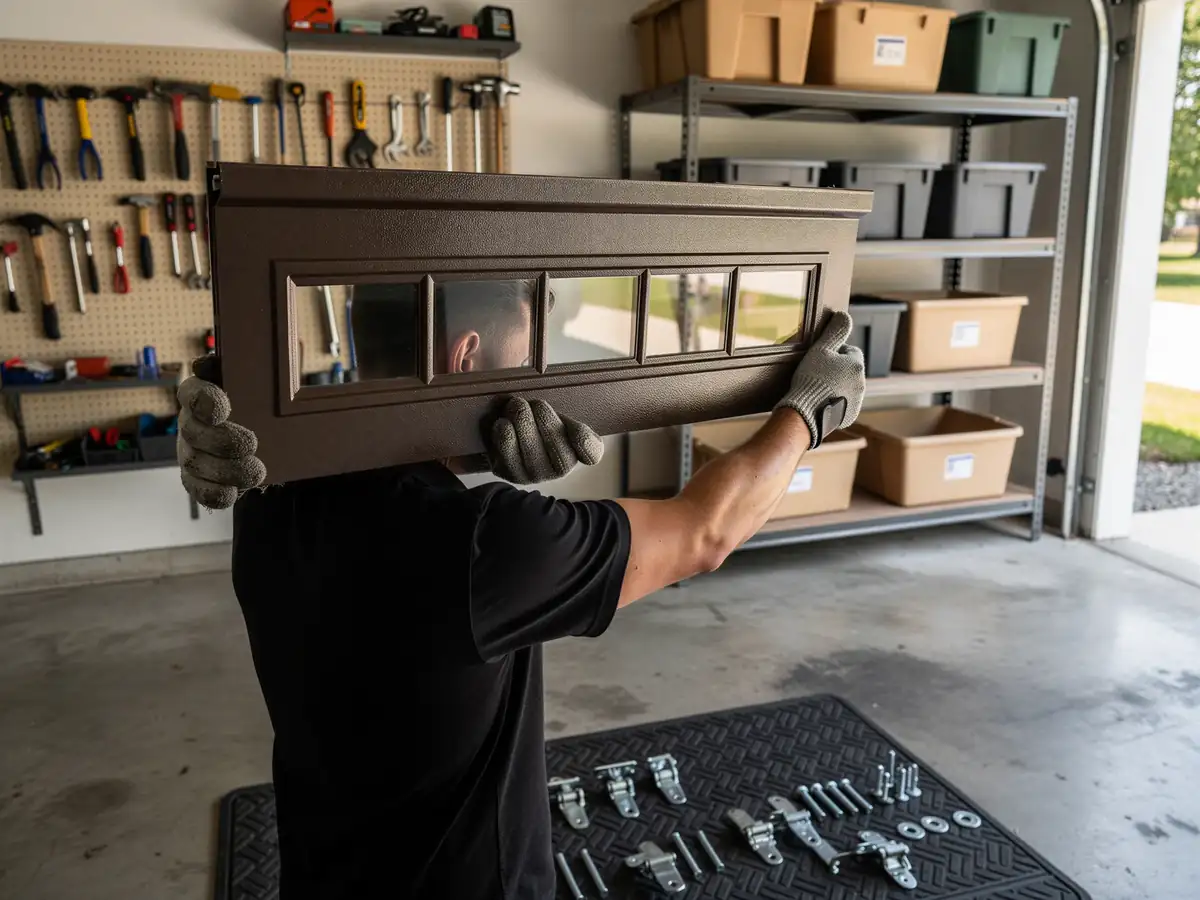
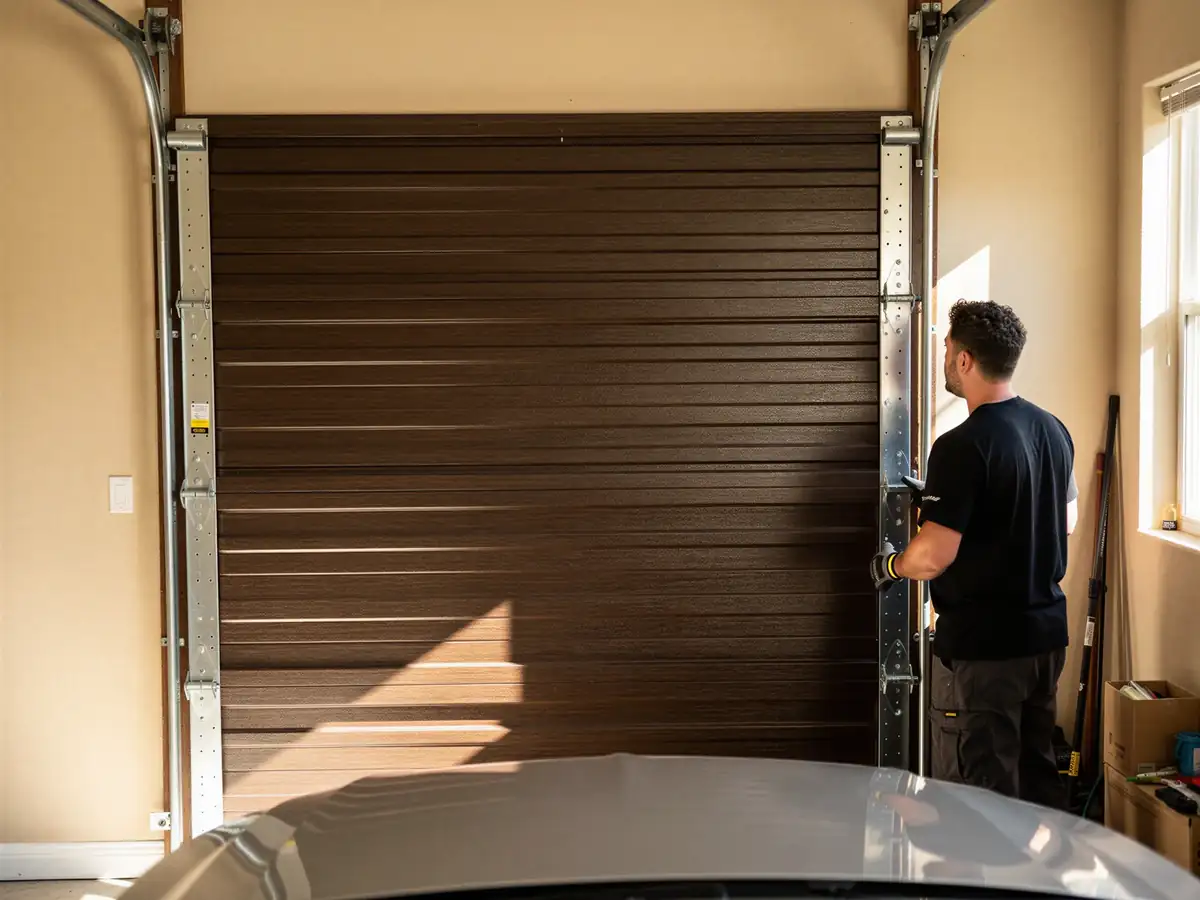
We carry insulated steel and composite doors in widths that actually match older Birmingham garage openings, along with torsion spring sets rated for heavier insulated panels. Given the cold winters this area sits in, we push insulated sections with sealed bottom brackets as the default, not the upsell - a single-layer door on a 1960-era opening loses heat fast and fogs up hardware with condensation cycles all winter. We stock standard track and jamb hardware sized for these older rough openings, so we're not improvising trim on-site.
How Long It Takes
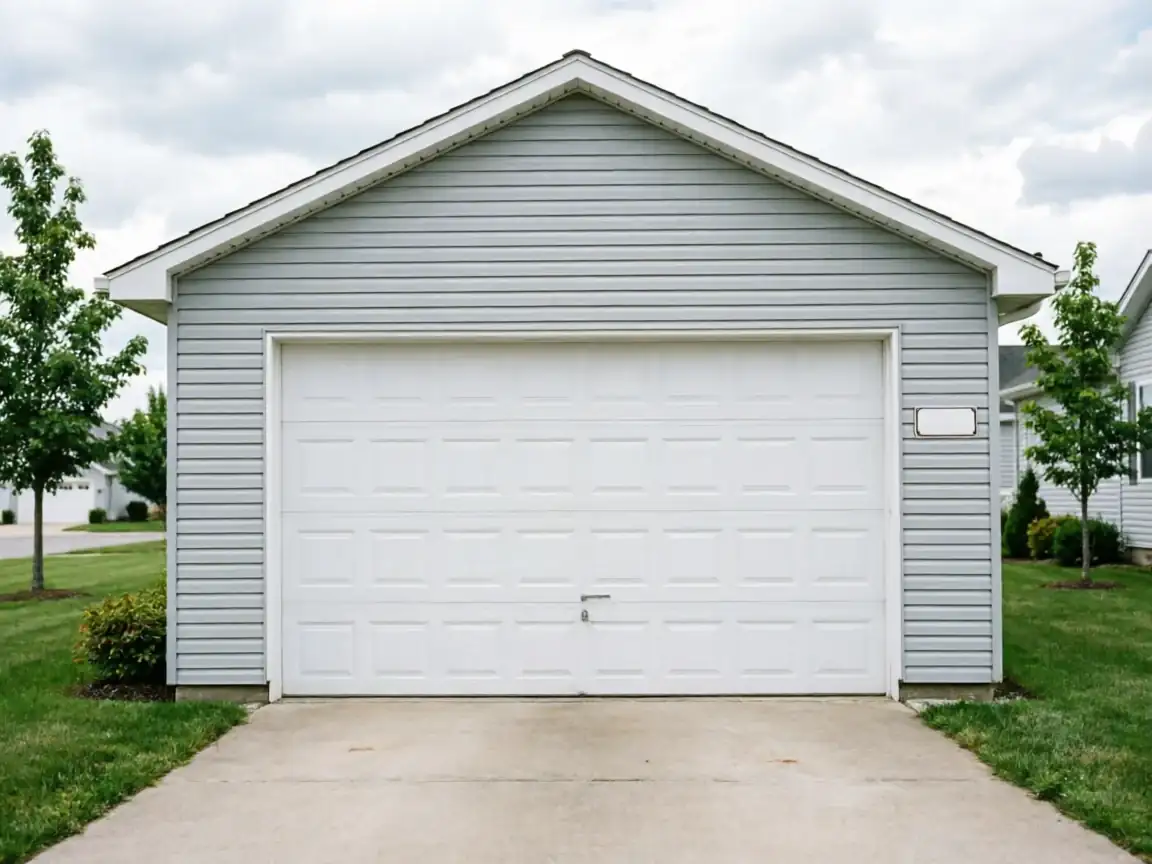
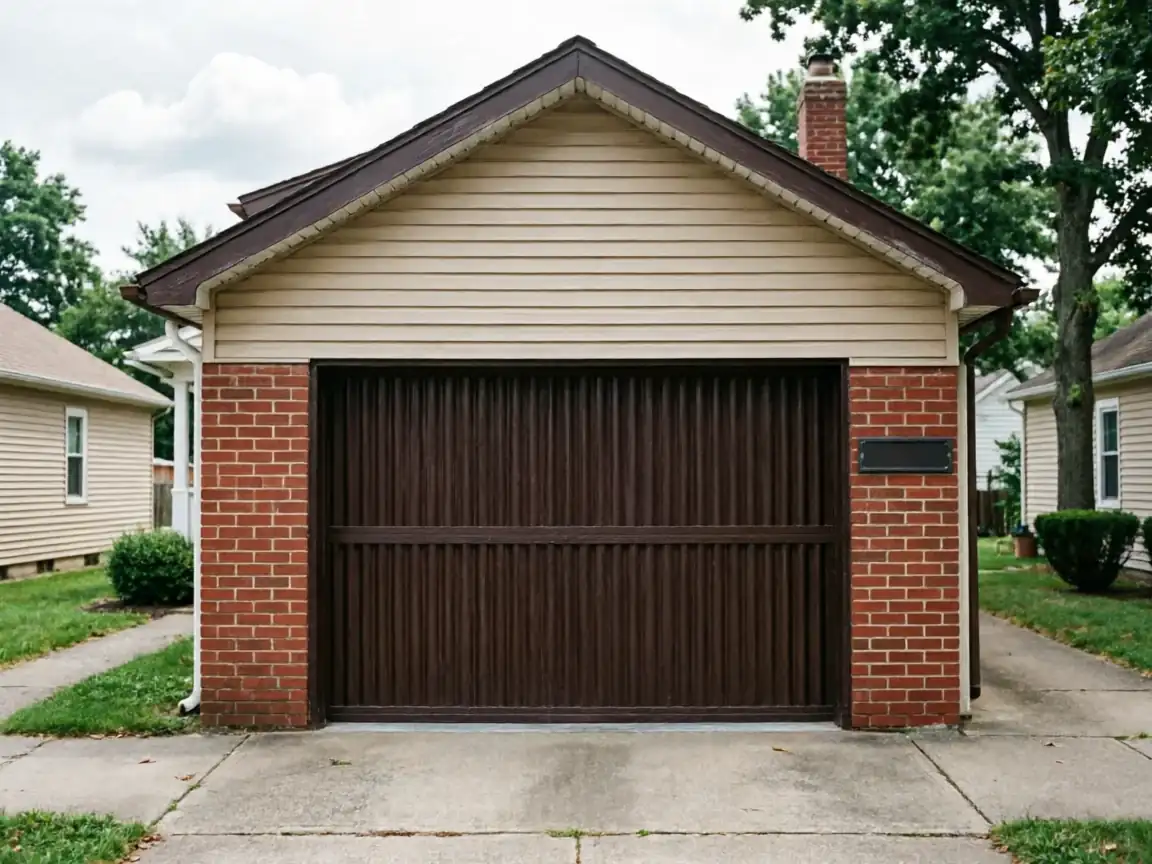
A straight swap - same size opening, new insulated door, same track position - usually runs a half day once we're on-site. Where it stretches out is the framing. Houses built around 1960 sometimes have openings that were framed slightly out of square or sized half an inch off modern standard, which is common enough in this stock that we plan for it rather than treat it as a surprise. That adds time for jamb shims and track realignment, not a second visit.
We're coming from Waterford, about 14 miles out, so we schedule the full job - old door off, new door set, opener matched and tested - in one trip rather than splitting delivery from install.
How It Shows Up
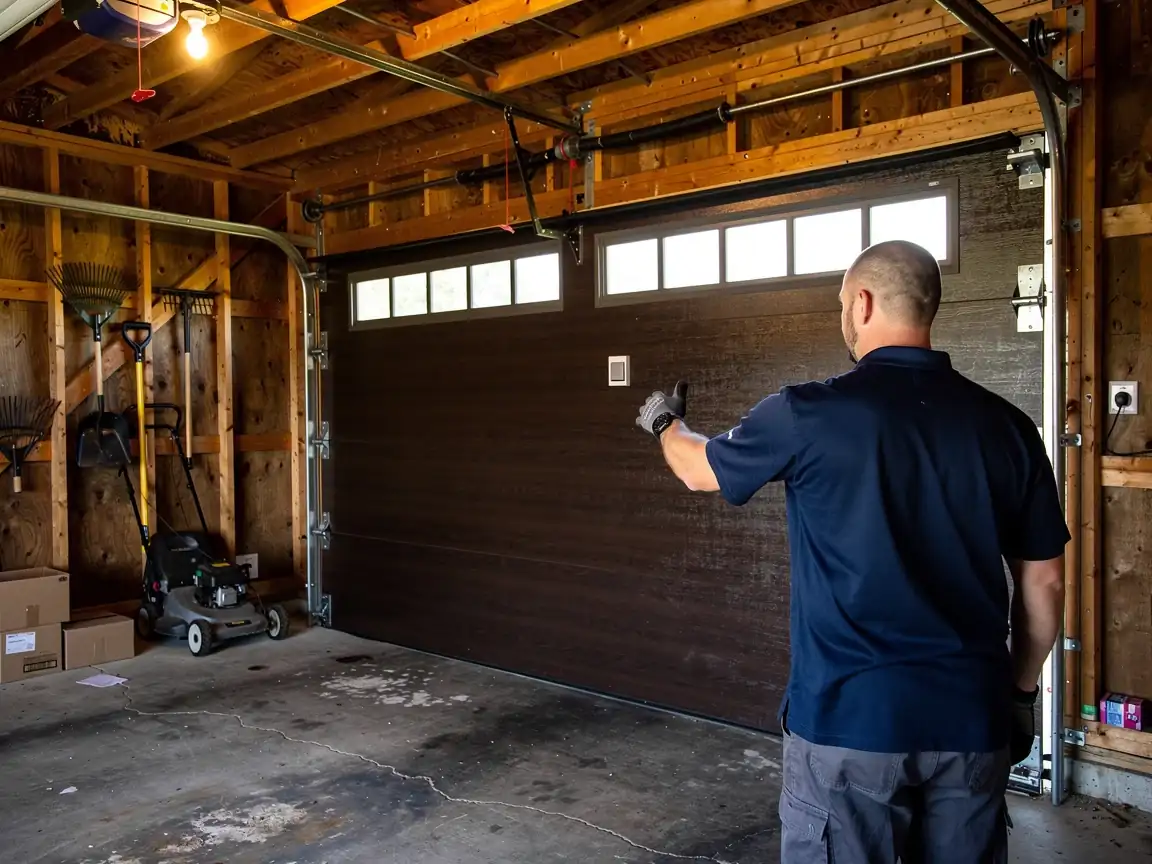
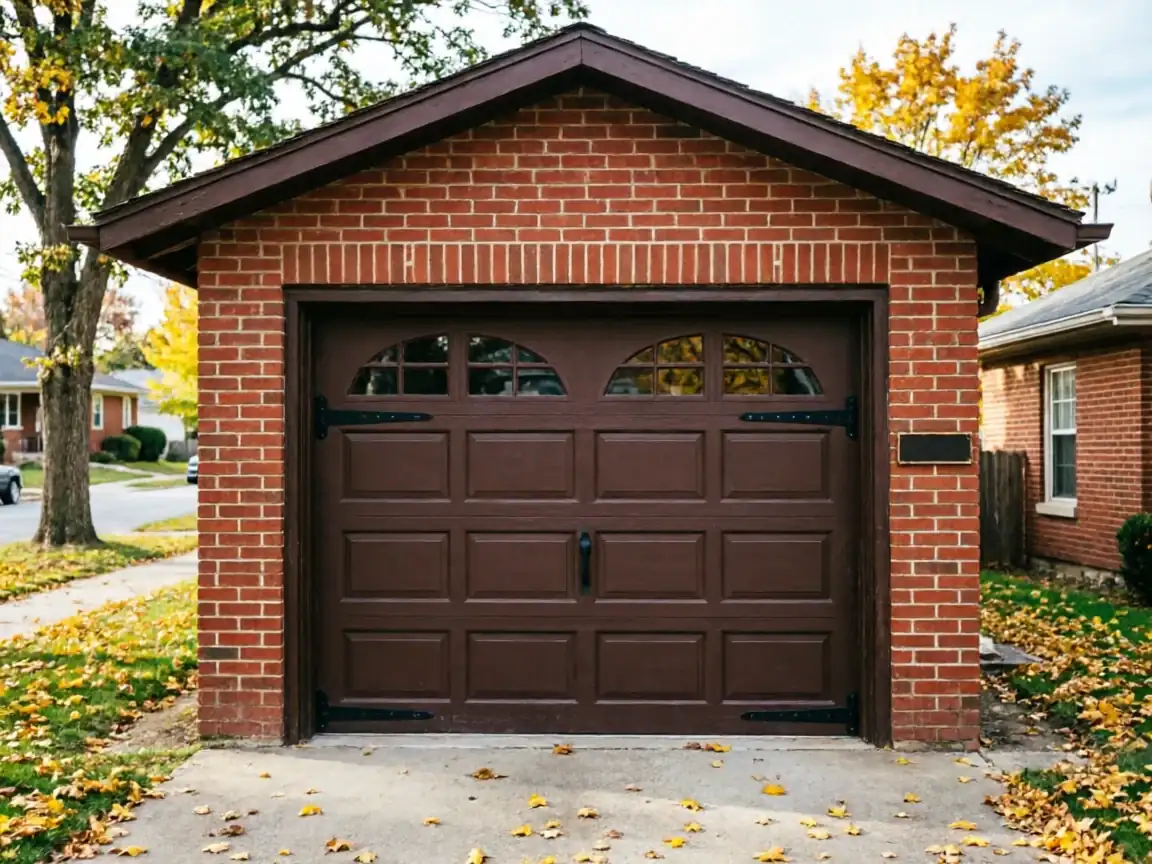
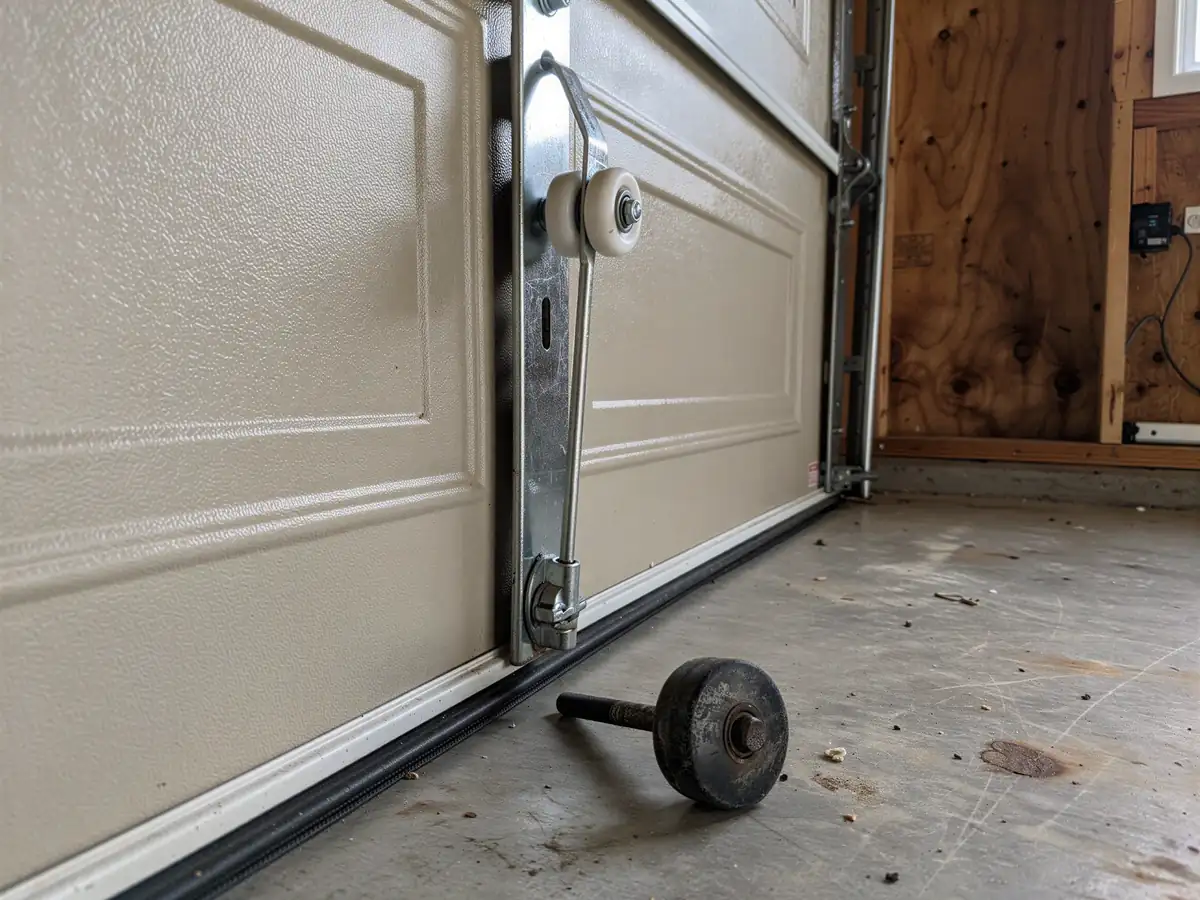
On a house built around 1960, the sign it's time for a new door - not another repair - is usually cold air at the bottom seal that won't close out no matter how many times you adjust the track, or an opener straining audibly to lift a door that's gotten heavier with age and warped panels. With median household income here well above the surrounding area, we also see more requests for a door that actually looks right on the house - real wood-grain composite, matching trim - rather than the cheapest panel that fits the hole. Both are legitimate reasons to replace, and they often show up together on the same job.
Where This Job Goes Sideways
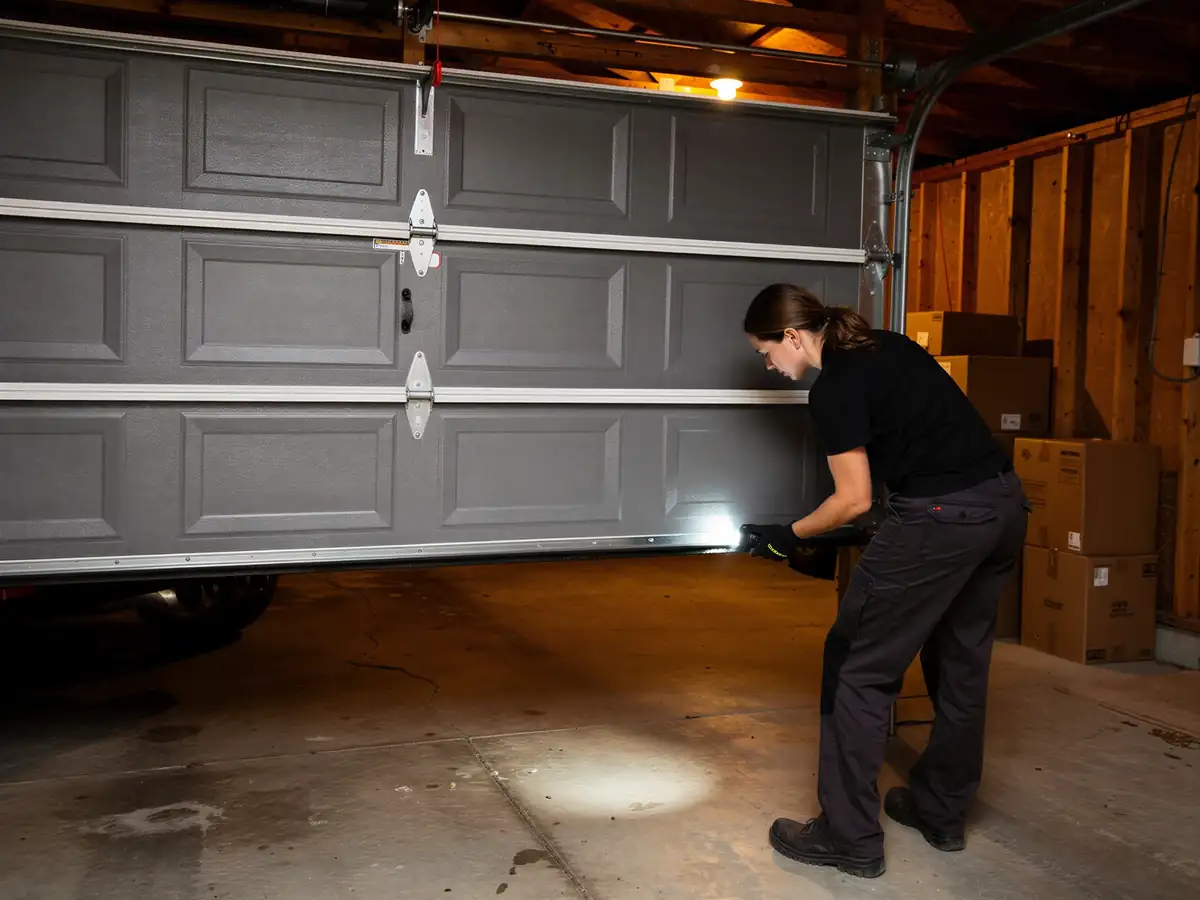
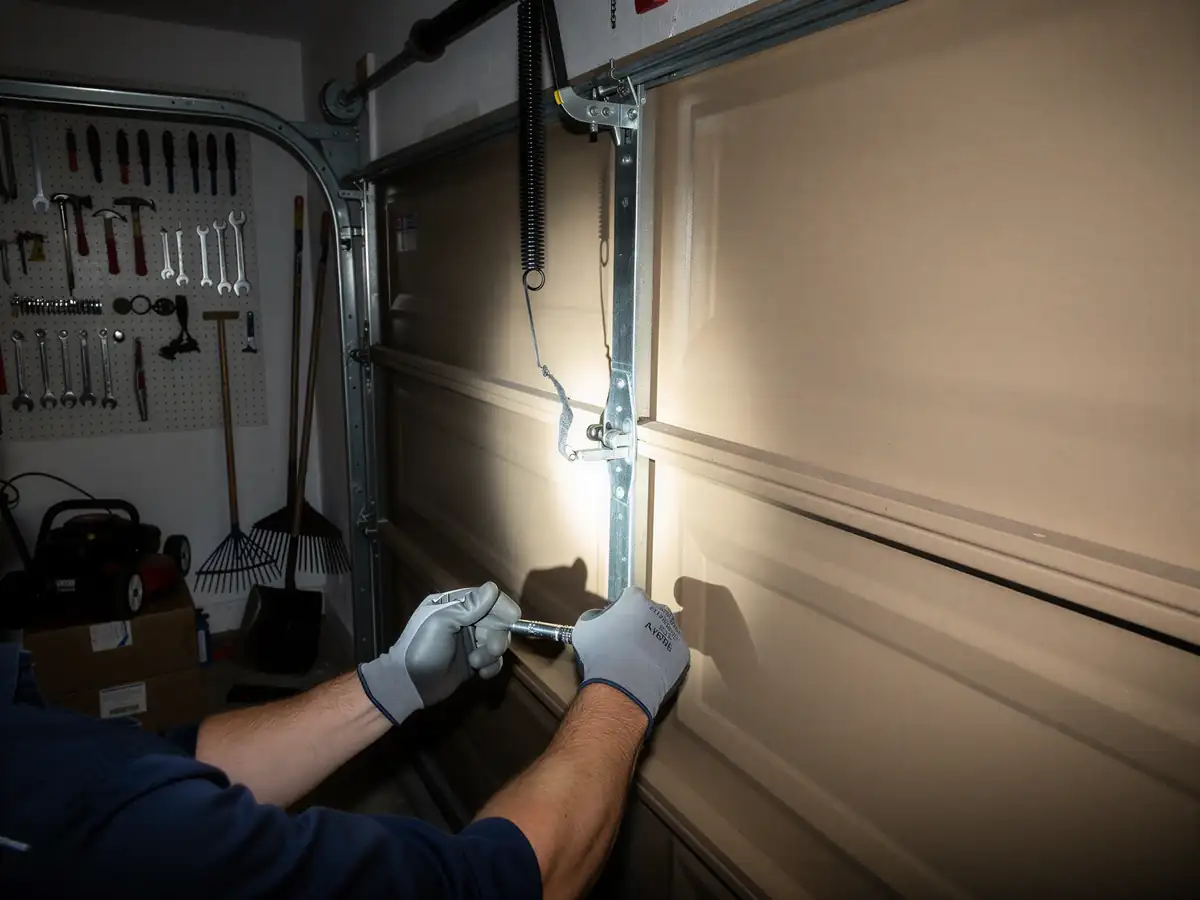
The job goes sideways when someone orders a door by width and height alone and skips the headroom and backroom measurements, which matter more on older openings where the track configuration wasn't standardized the way newer builds are. We've also seen springs re-used from the old door to save money on a heavier insulated replacement - that's a mismatch that shows up as a door that won't stay up, usually within the first few weeks. Honest limitation: if the opening itself is out of square beyond what shimming can fix, that's a carpentry job before it's a door job, and we'll say so rather than force a door into a frame that won't hold it square long-term.