Parts We Carry
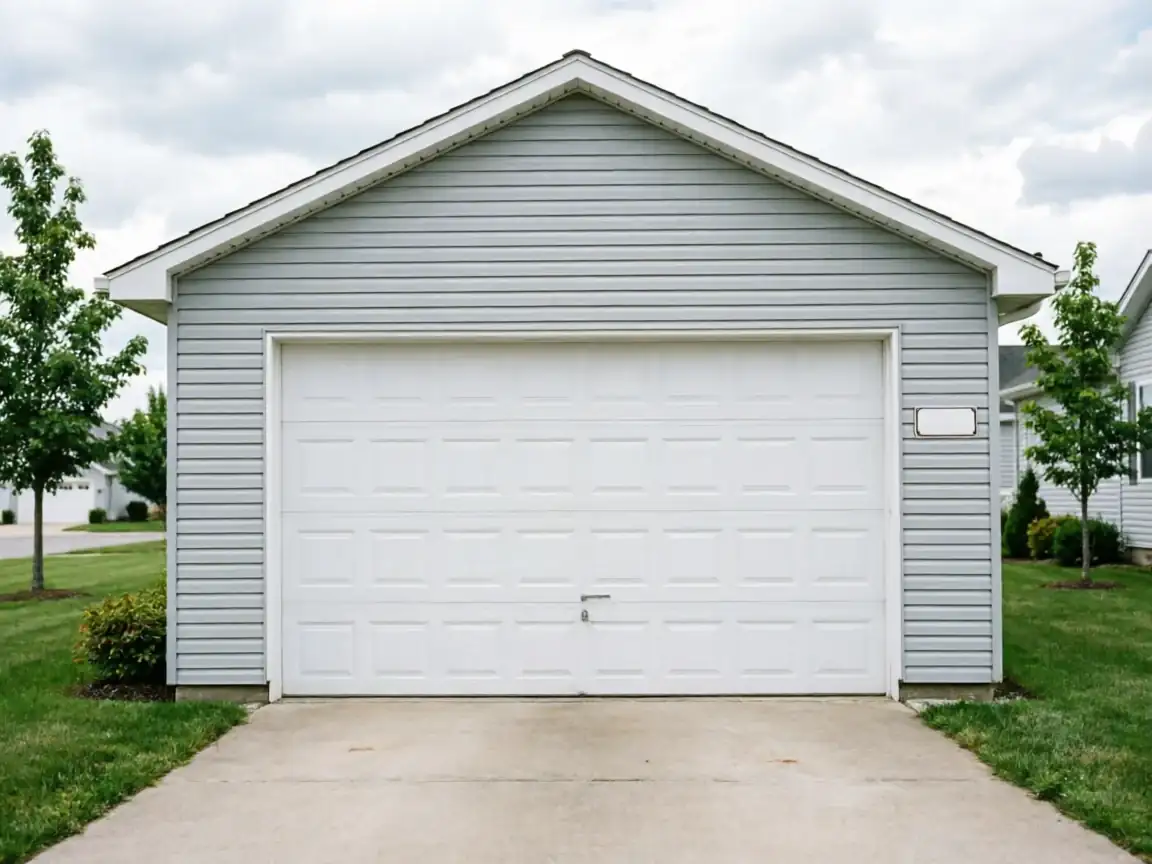
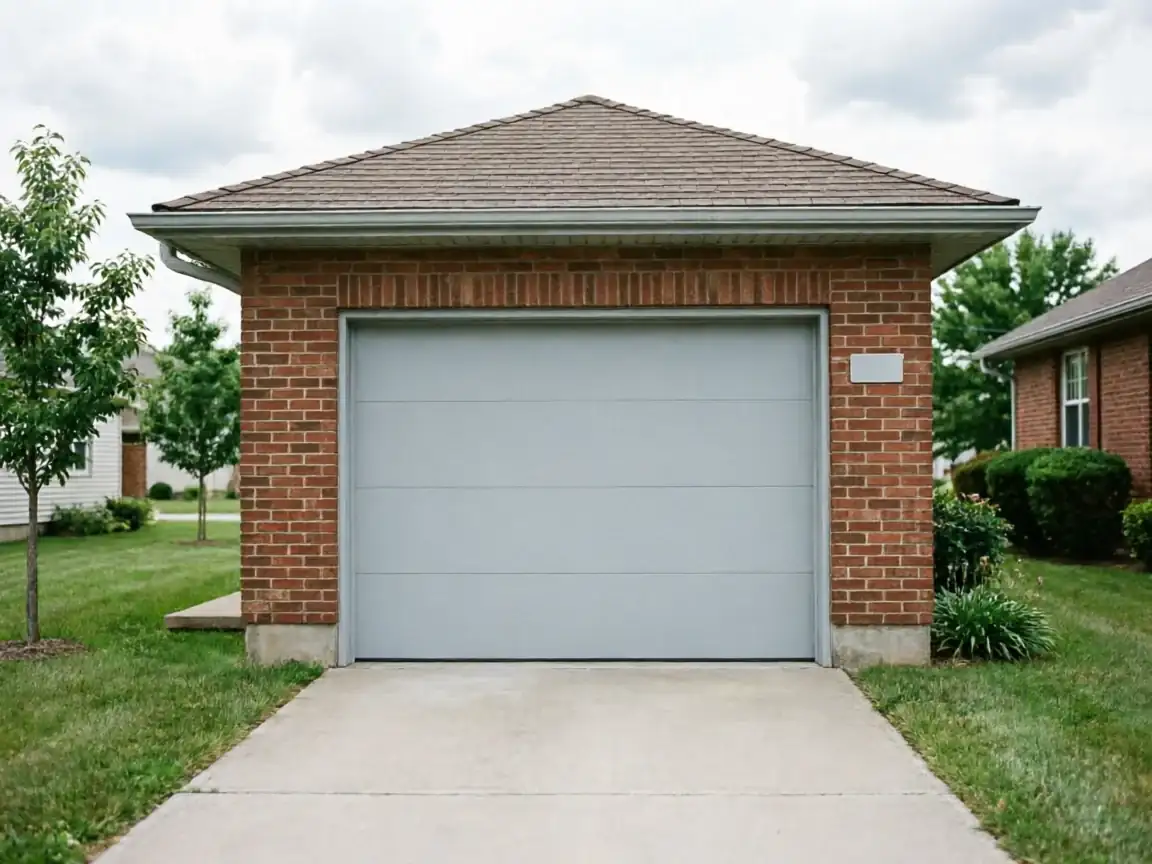
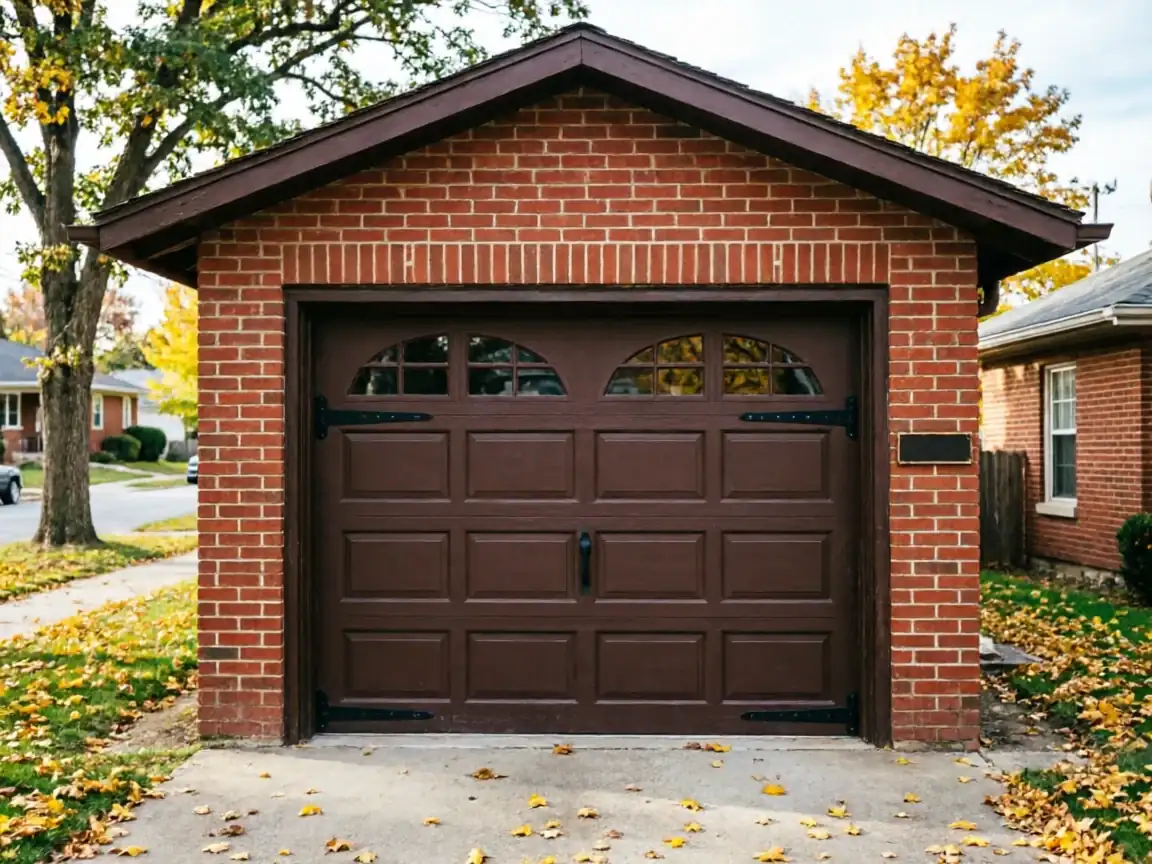
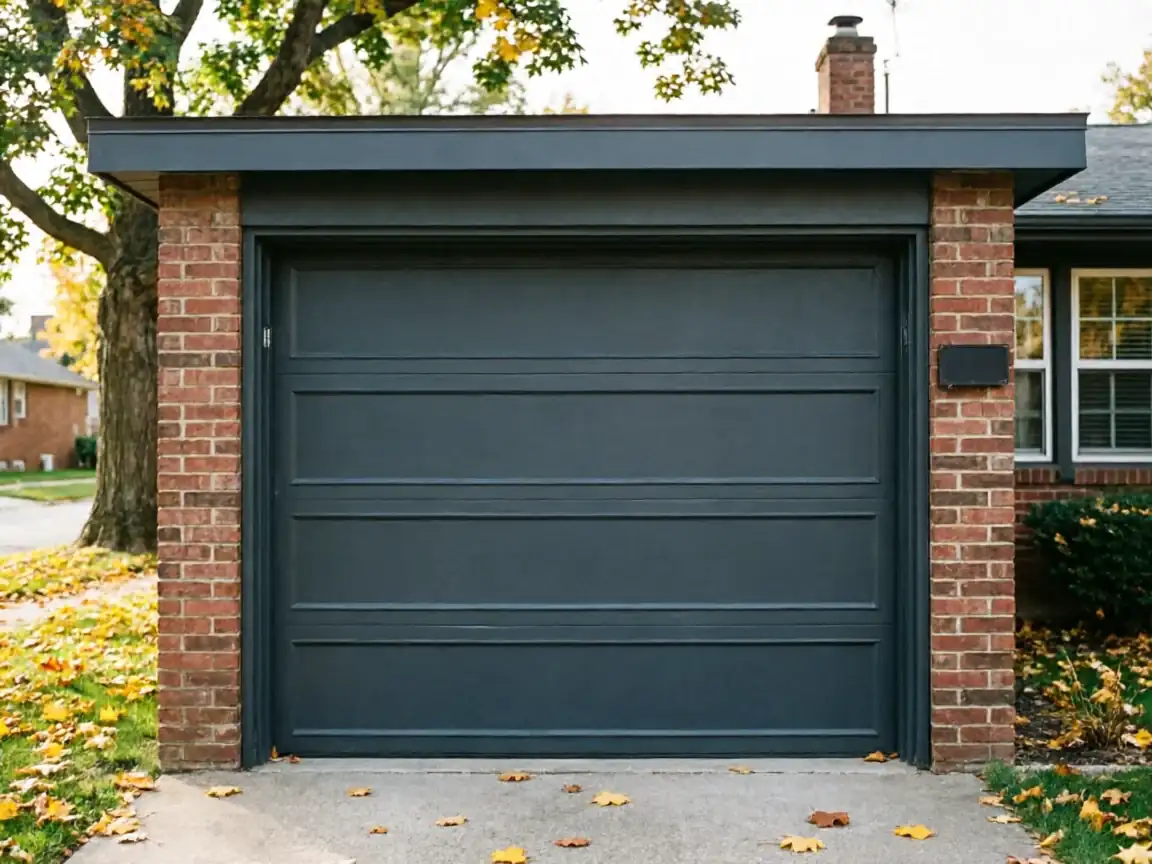
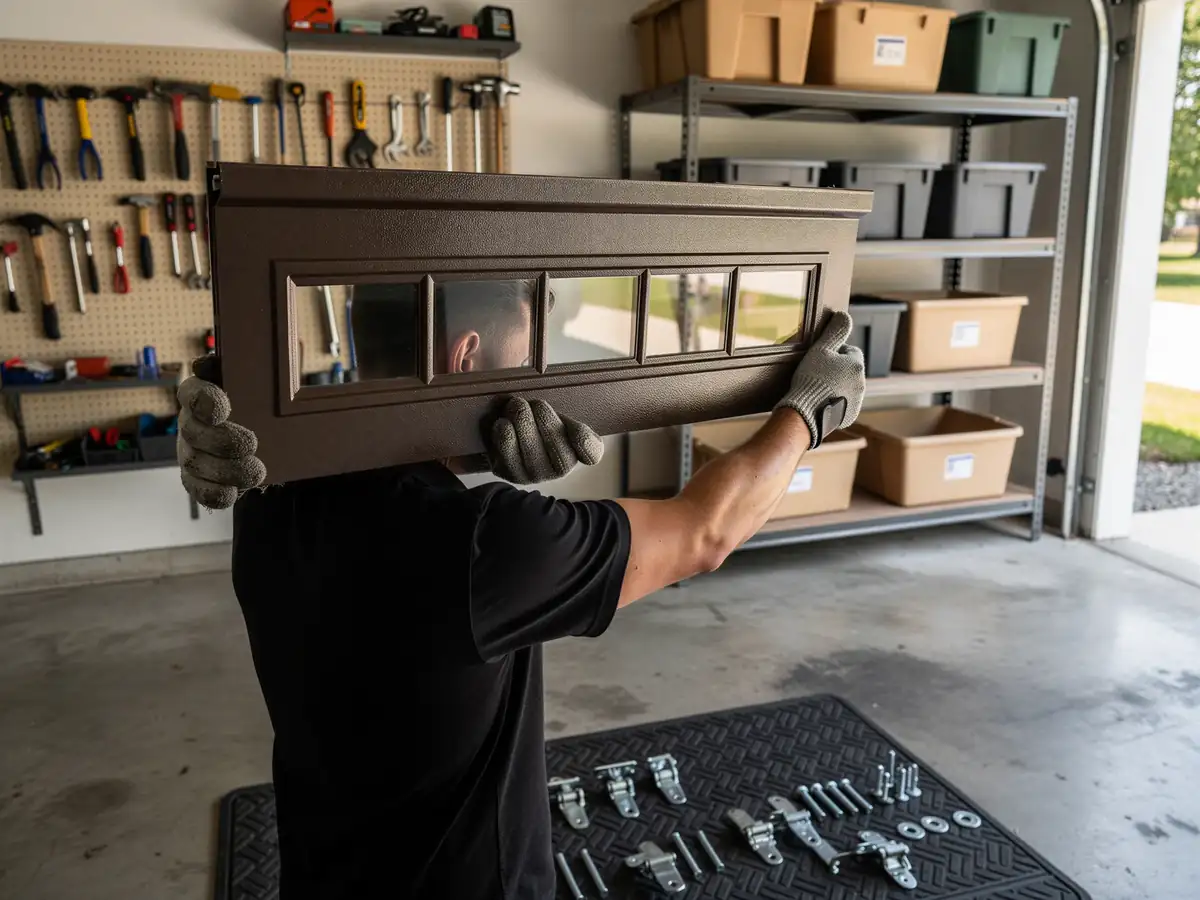
A door built for a Birmingham house from around 1960 is almost always a wood-panel or early single-layer steel door, sized for the single-car and modest two-car openings common to that build year. That's different from the 1973 median across the rest of the service area, where doors tend to be wider, heavier insulated steel on taller openings. On the truck we carry torsion springs sized for both eras, nylon and steel rollers, galvanized lift cable, and hinges rated for the cold-climate flex that comes with winter swings here. For the older wood doors still in service, we also carry the longer lag screws and reinforced brackets that panel is more likely to need, since the original hardware on a door that age is rarely still doing its job.
We don't stock every obsolete wood-panel part on the truck. If a door still has its 1960s-original track or a section that's warped past square, that's usually a special-order item, and we'll tell you that up front rather than make you wait on-site while we guess.
How Long It Takes
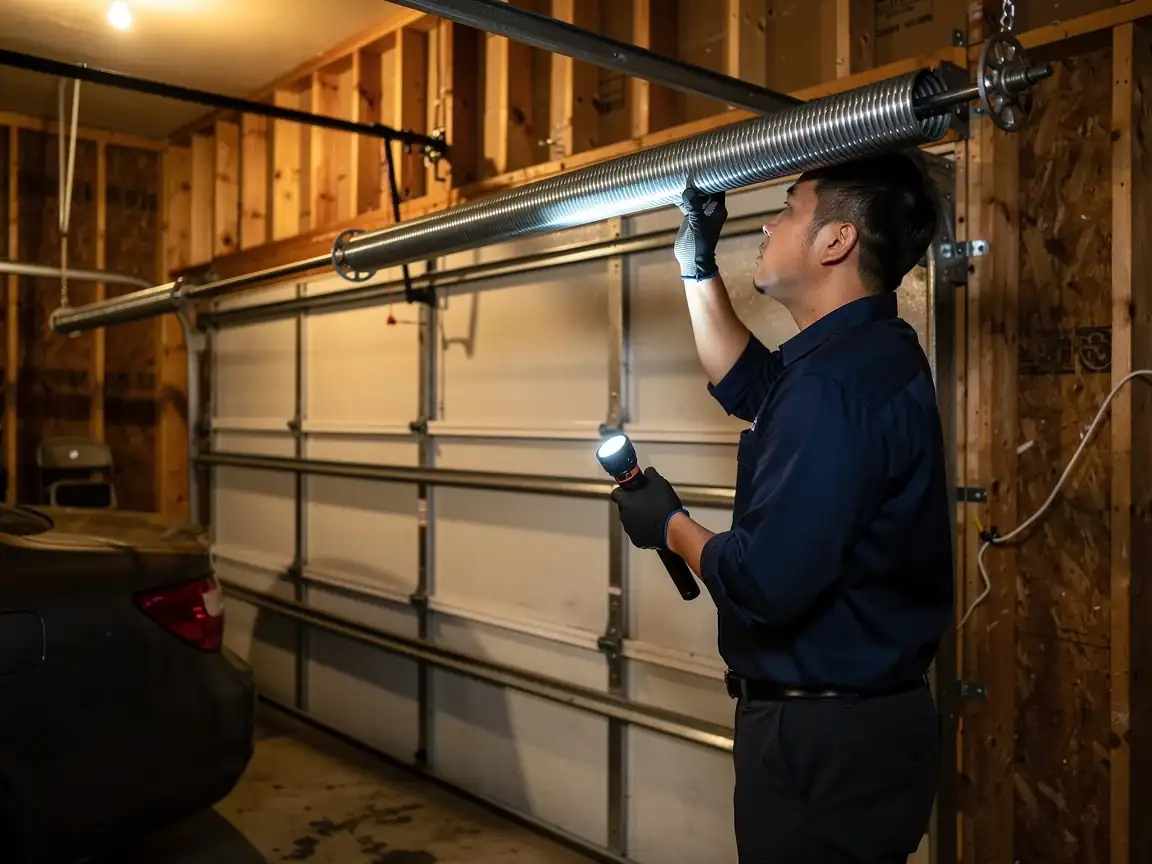
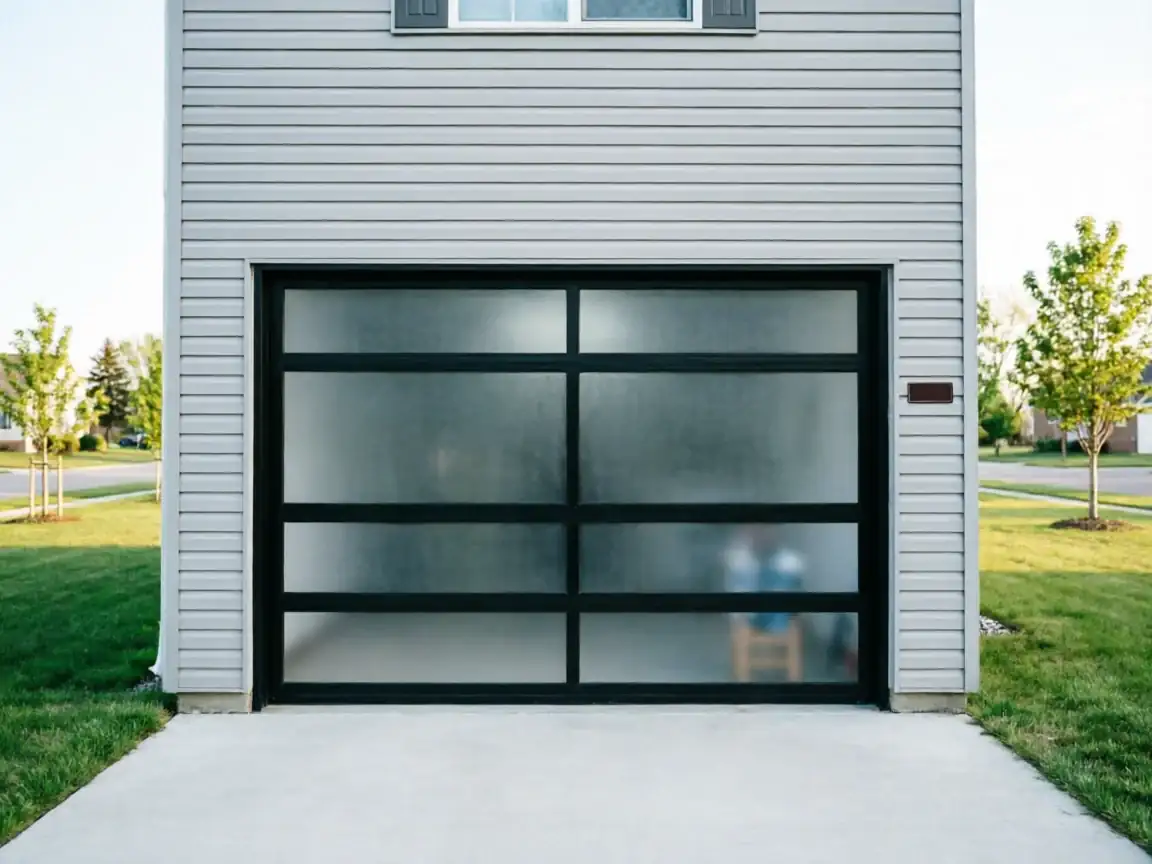
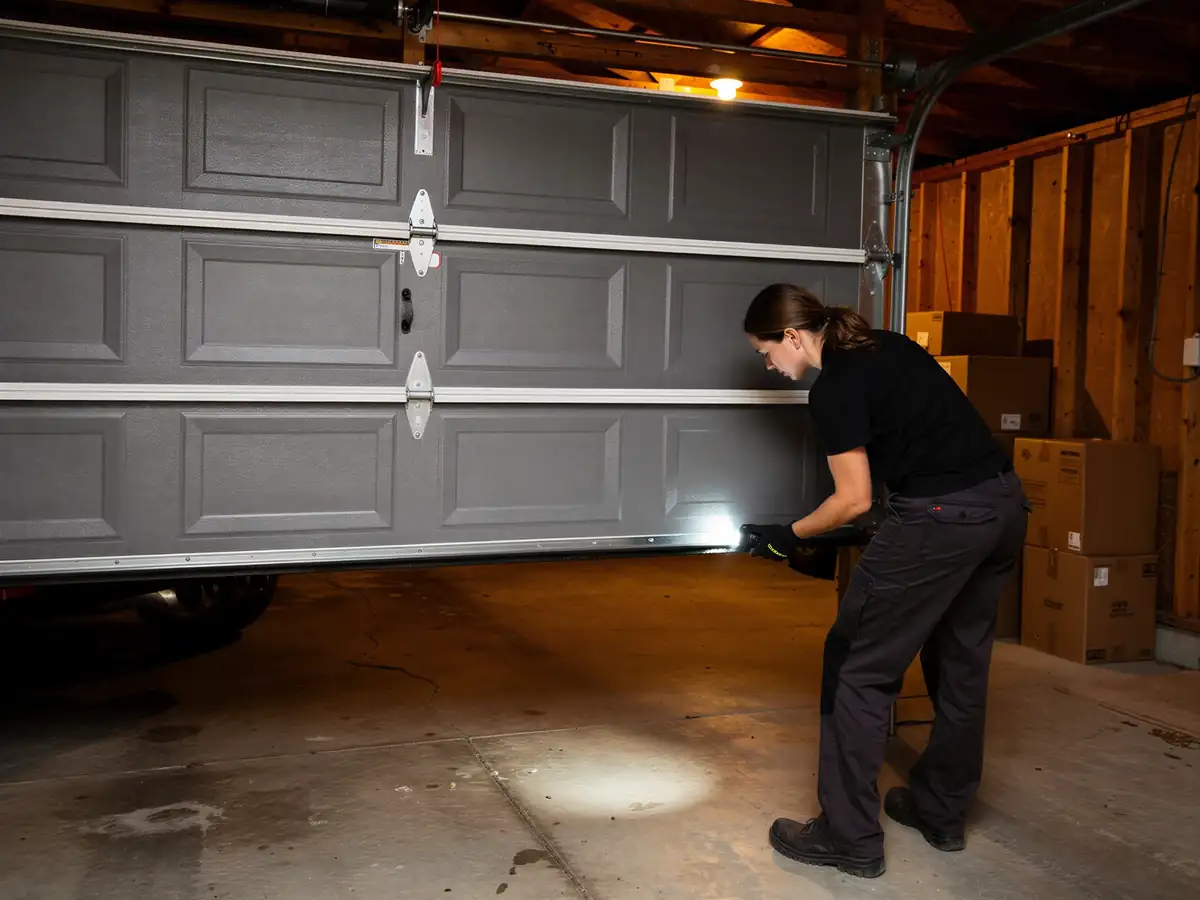
A full tune-up on a door this age takes longer than it would on a newer steel door, mainly because of inspection time. Wood panels need a check for rot at the bottom section and water intrusion at the seams, on top of the usual spring tension, cable wear, and track alignment checks you'd do on any door. Higher household income in Birmingham, at $153,125 versus the $102,333 median across the rest of the service area, often means more of these doors have been upgraded with glass inserts or added insulation at some point, and that upgrade work needs to be checked too since it changes the weight the springs are carrying.
We don't give a fixed number of minutes here, because a door that's had three owners and two retrofits takes longer to go through properly than one that's original and unmolested. What we can tell you is that the visit covers the full door, not just the noisy part.
Doing It Yourself
You can handle some of this yourself between visits
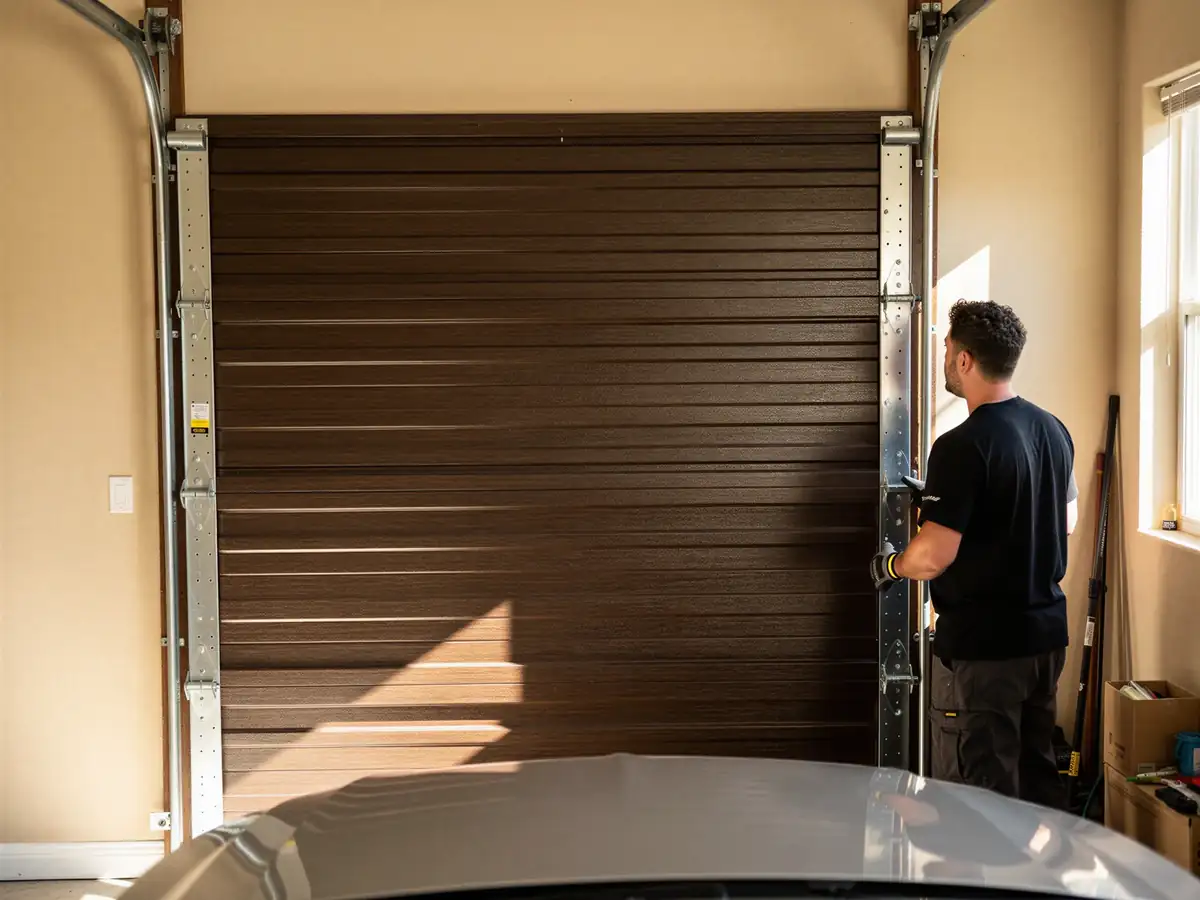
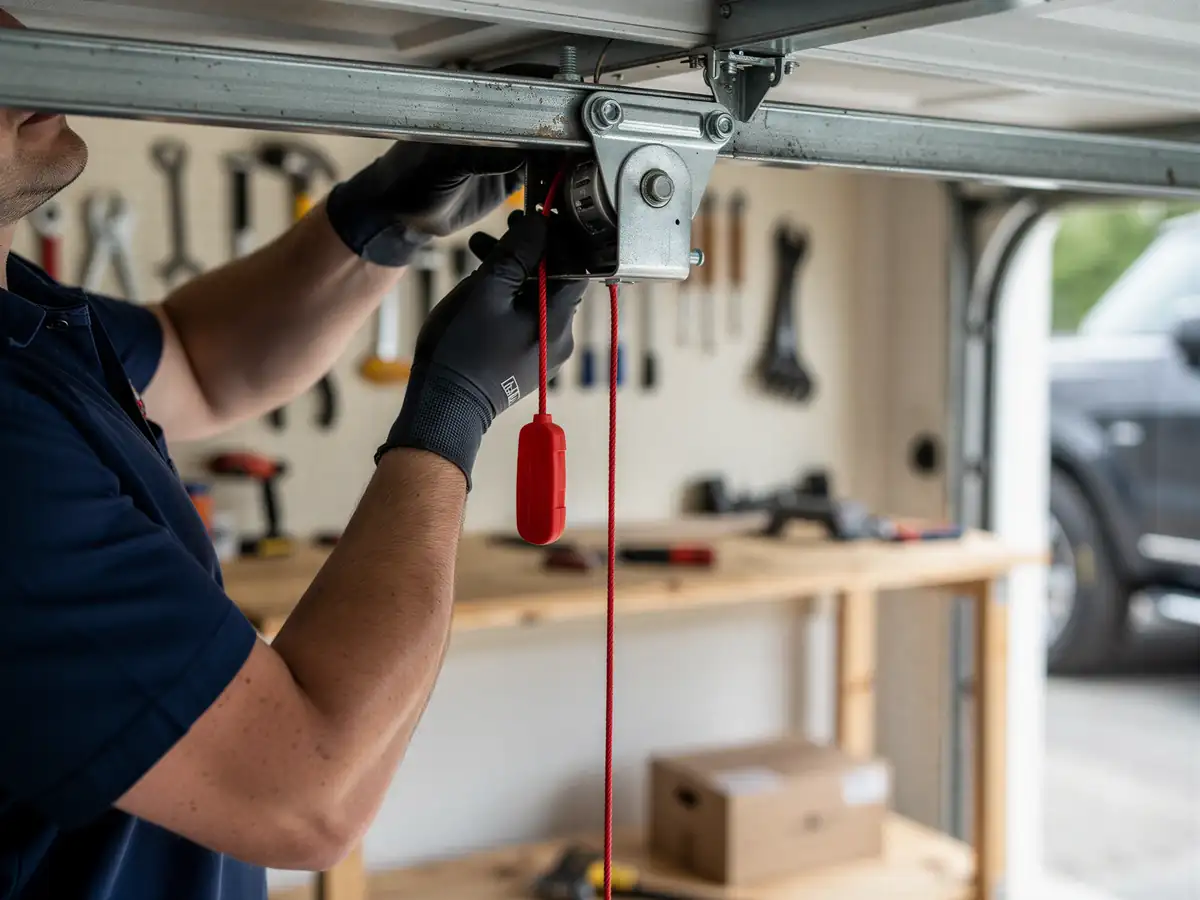
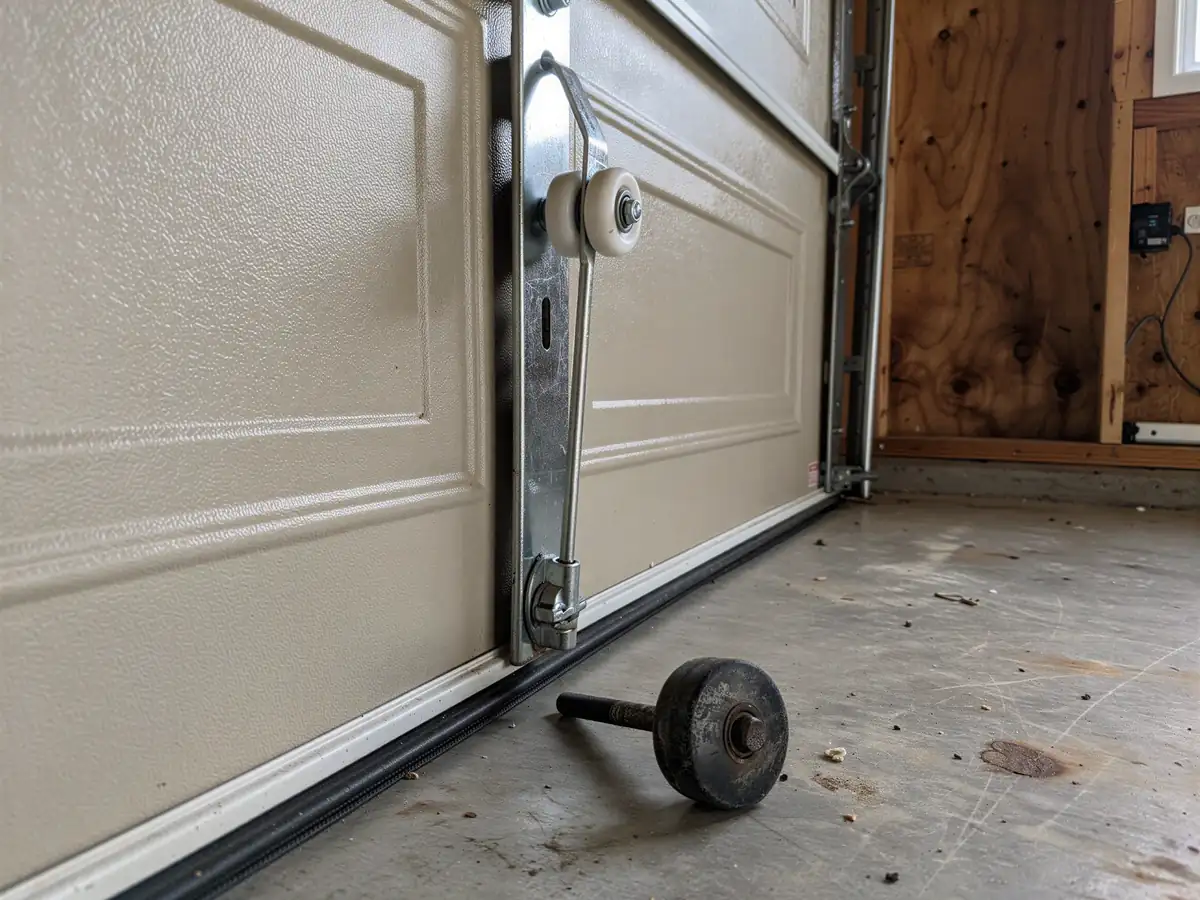
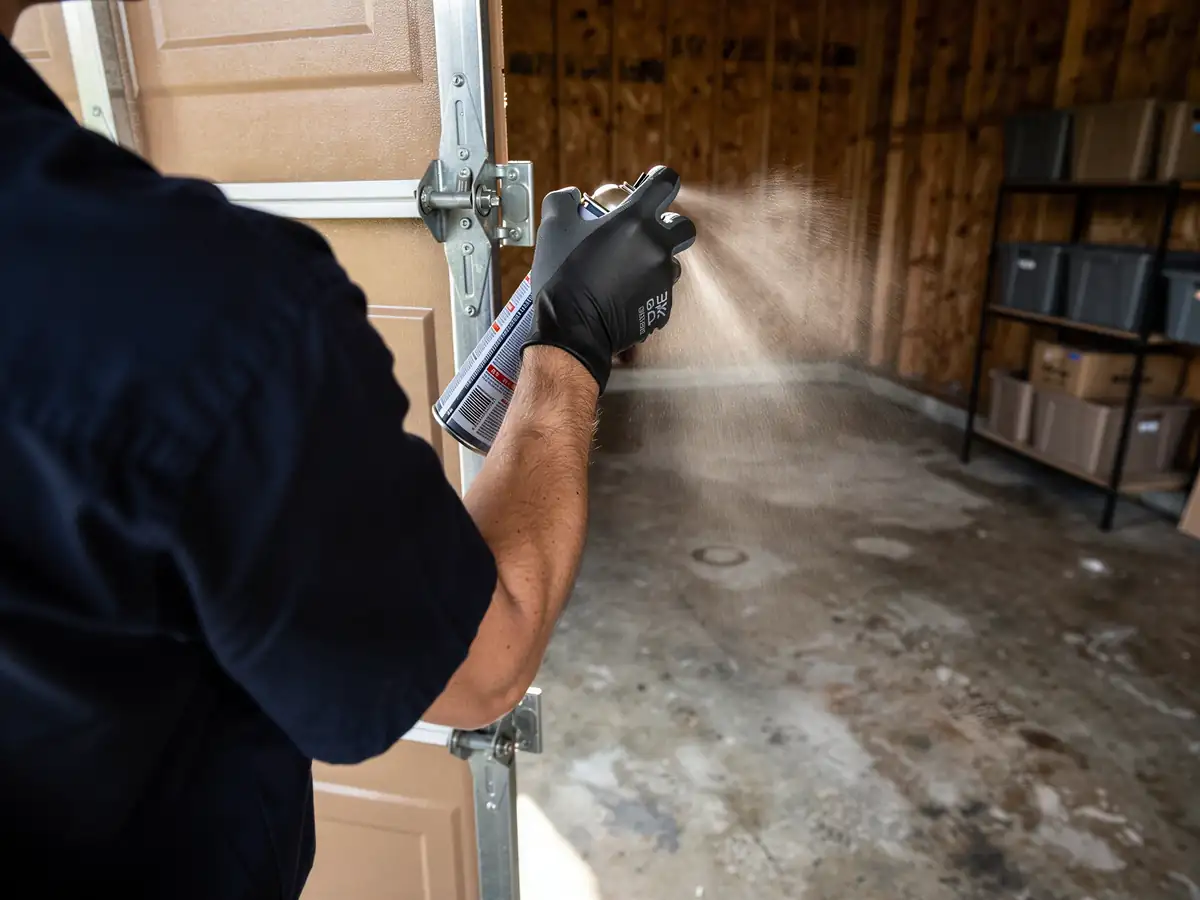
Wipe down and lubricate the rollers and hinges with a silicone-based lubricant, not WD-40, which washes out in cold weather faster than it protects. Check the weatherstripping at the bottom of the door for cracking, especially on a wood door from the 1960 era where the stop molding has likely been replaced more than once already. Look at the cables for fraying where they wrap the drum.
What you shouldn't touch is the torsion spring itself
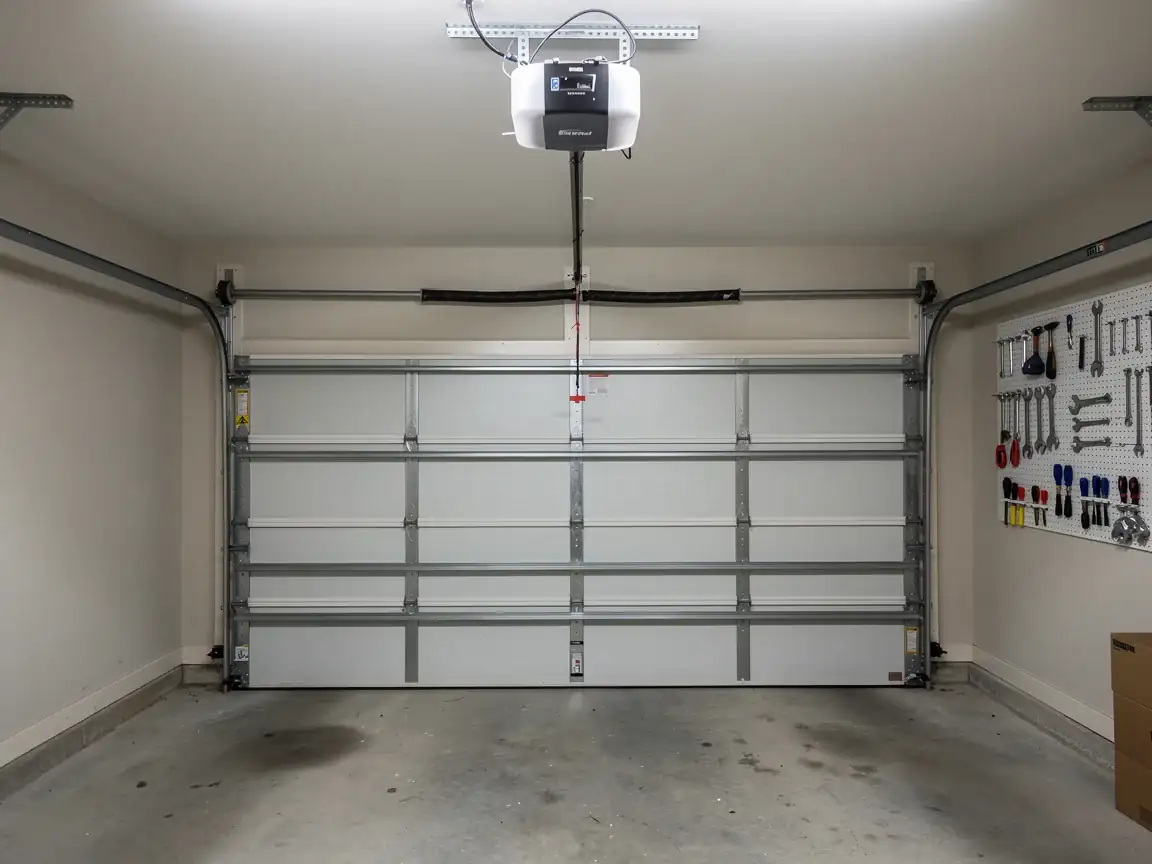
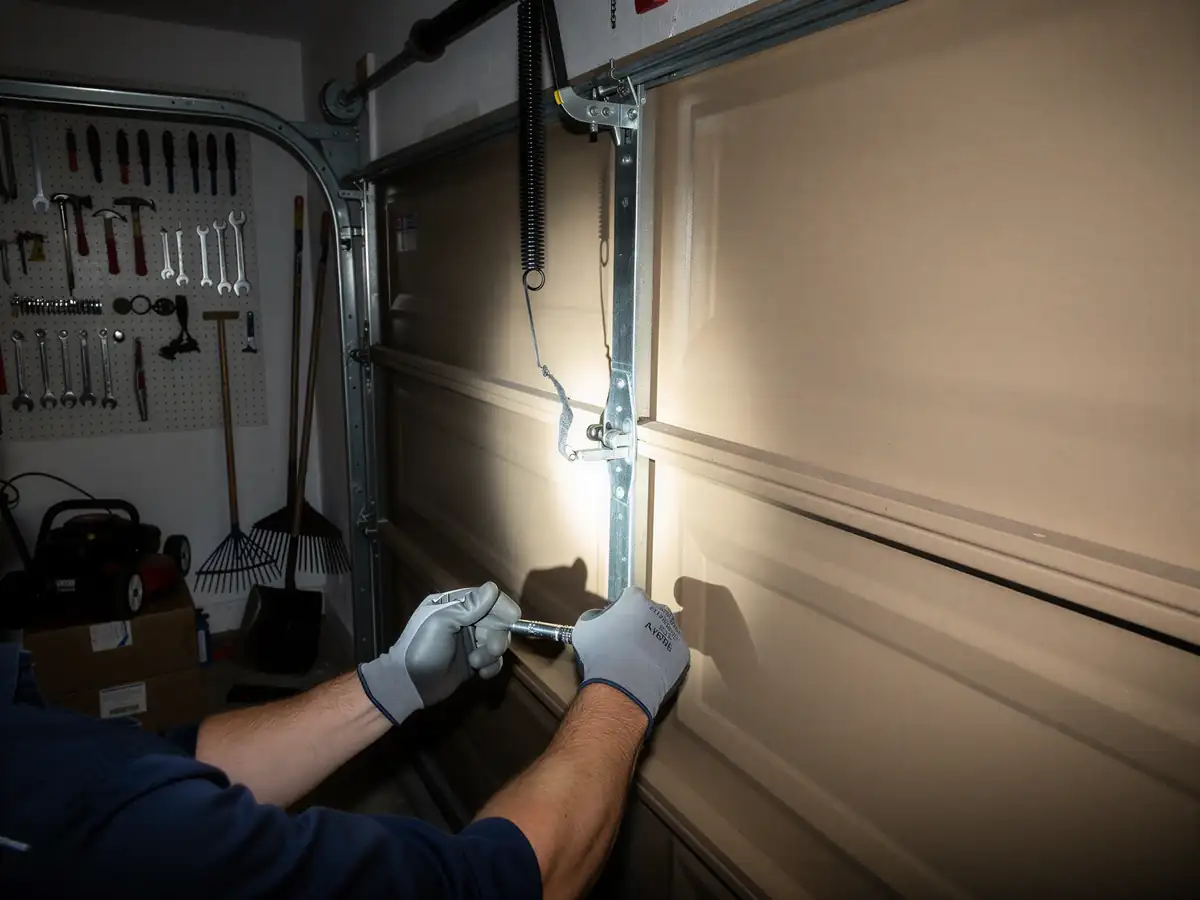
A door built in 1960 may still be running on an old high-cycle spring that's well past its rated life, and the tension stored in it doesn't care how handy you are. If a panel has started to sag or a cable has jumped the drum, that's a call, not a project.
How It Shows Up
On a door this age, trouble usually shows up as noise before it shows up as failure. A wood-panel door that's swelled slightly with age will scrape the track on the way up, especially after a hard freeze-thaw cycle, which this area gets its share of given the cold severe climate band it sits in. Springs on original or early-replacement hardware tend to go quiet and then snap, rather than squeal first, because the coil has been under constant tension for six decades of winters.
If you've got a two-car door from this era running on a single torsion spring instead of two, that's worth a look regardless of noise, since that setup puts more strain on the shaft bearing than the newer two-spring systems carry.
Where This Job Goes Sideways
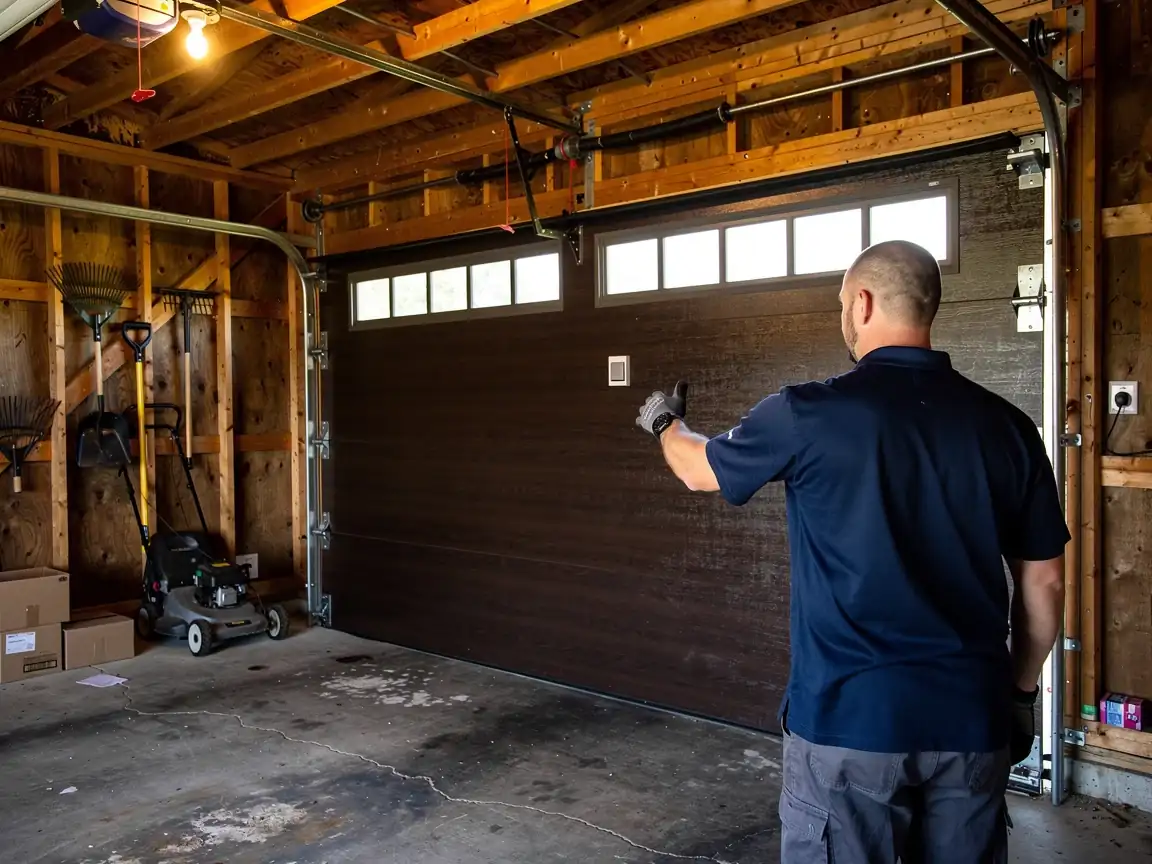
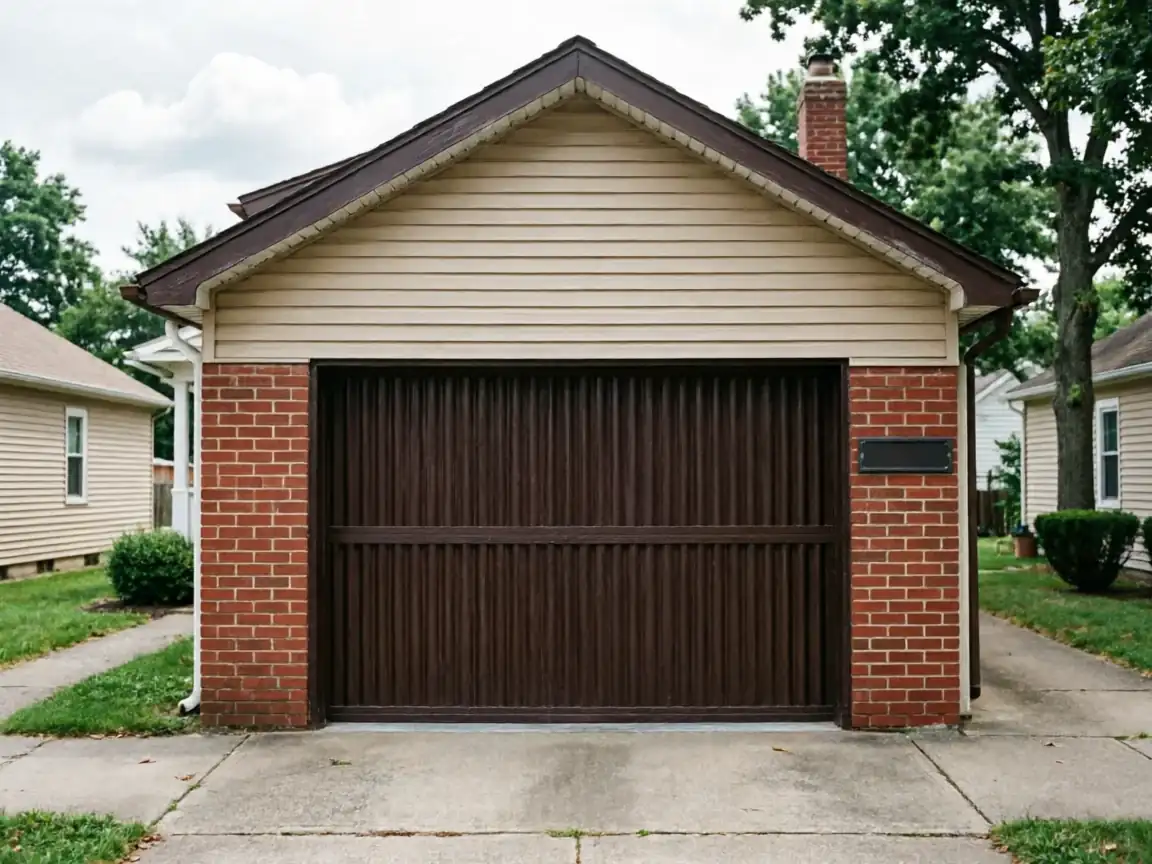
The job gets harder when the door itself is original wood from 1960 and the section needs replacing rather than repairing. Matching panel profiles on a door that old sometimes isn't possible, and at that point the honest answer is replacement, not another repair that patches one section while the rest ages out from under it. We'll say that plainly rather than keep billing for fixes on a door that's done.
The other place this goes sideways is skipped maintenance on upgraded doors. If insulation or glass panels were added without reinforcing the spring system for the new weight, that mismatch doesn't show up until the spring fails early. We check for that specifically on Birmingham's older stock, since it's common enough here to look for every time.