Parts We Carry
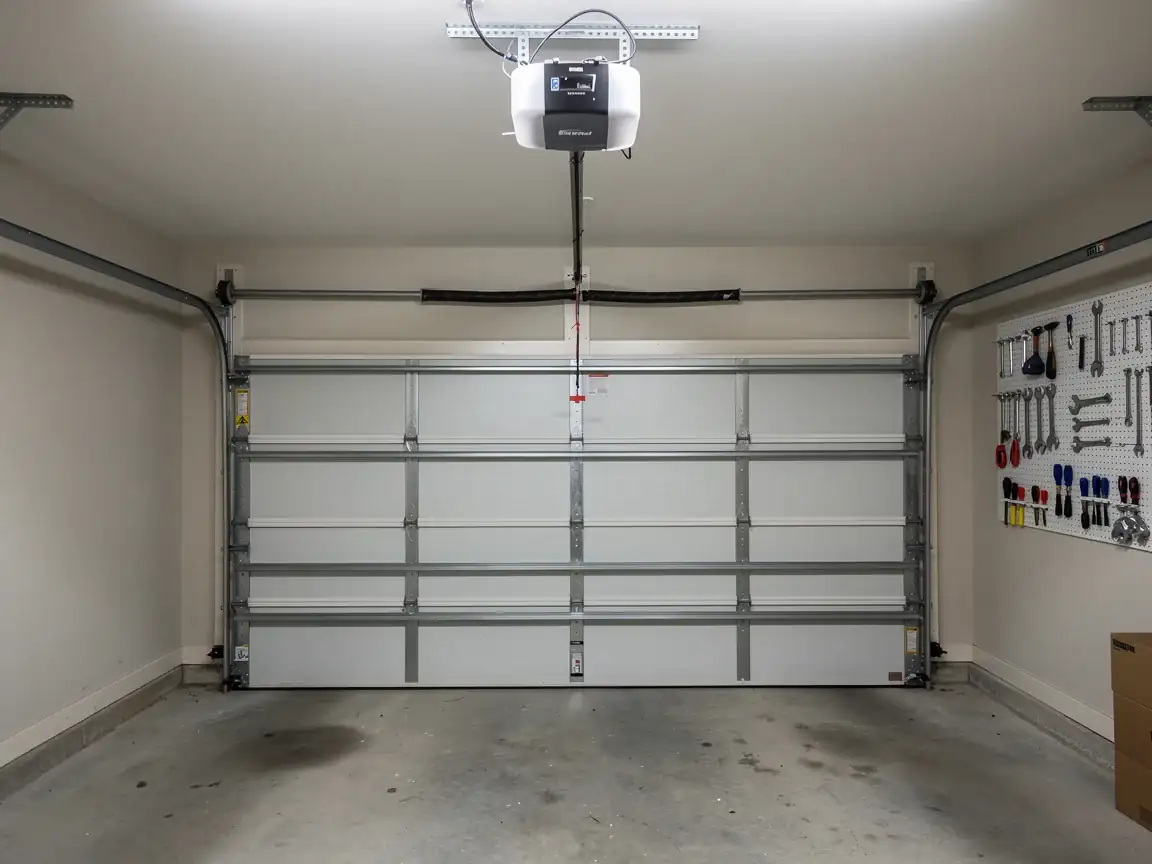
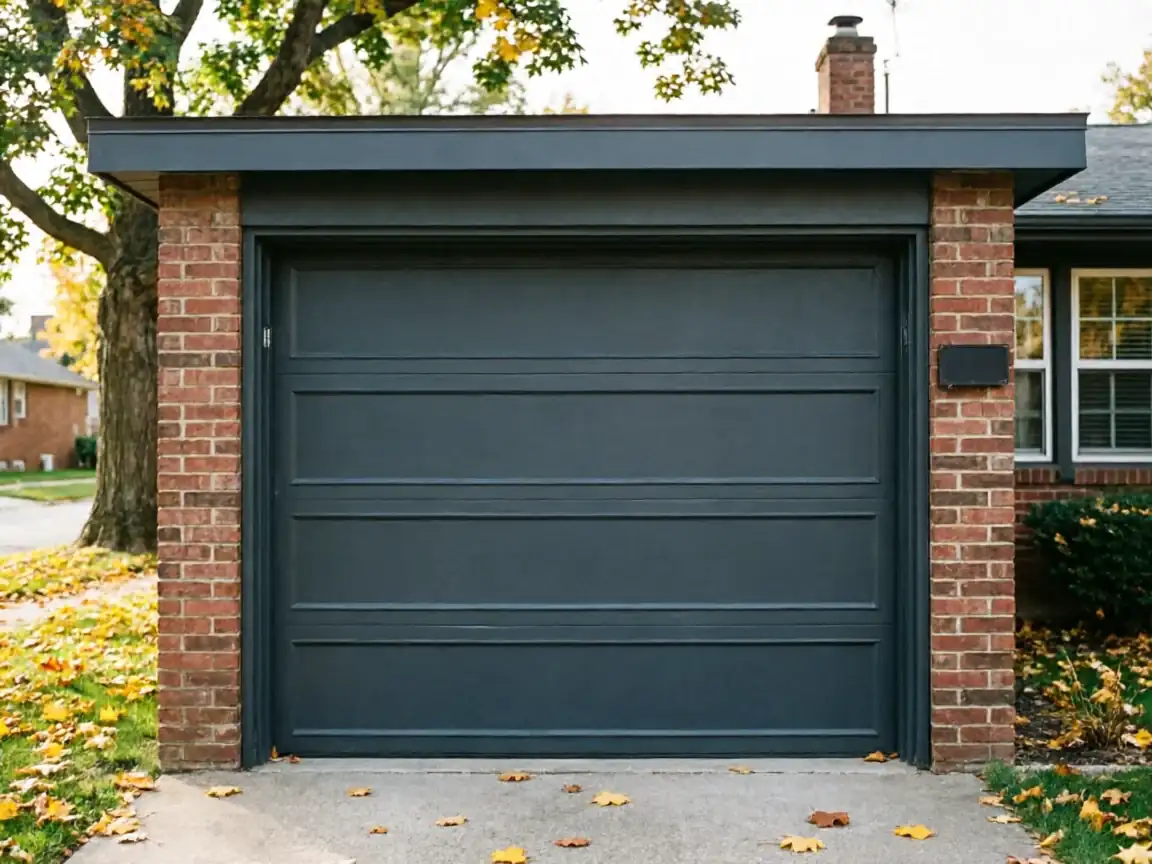
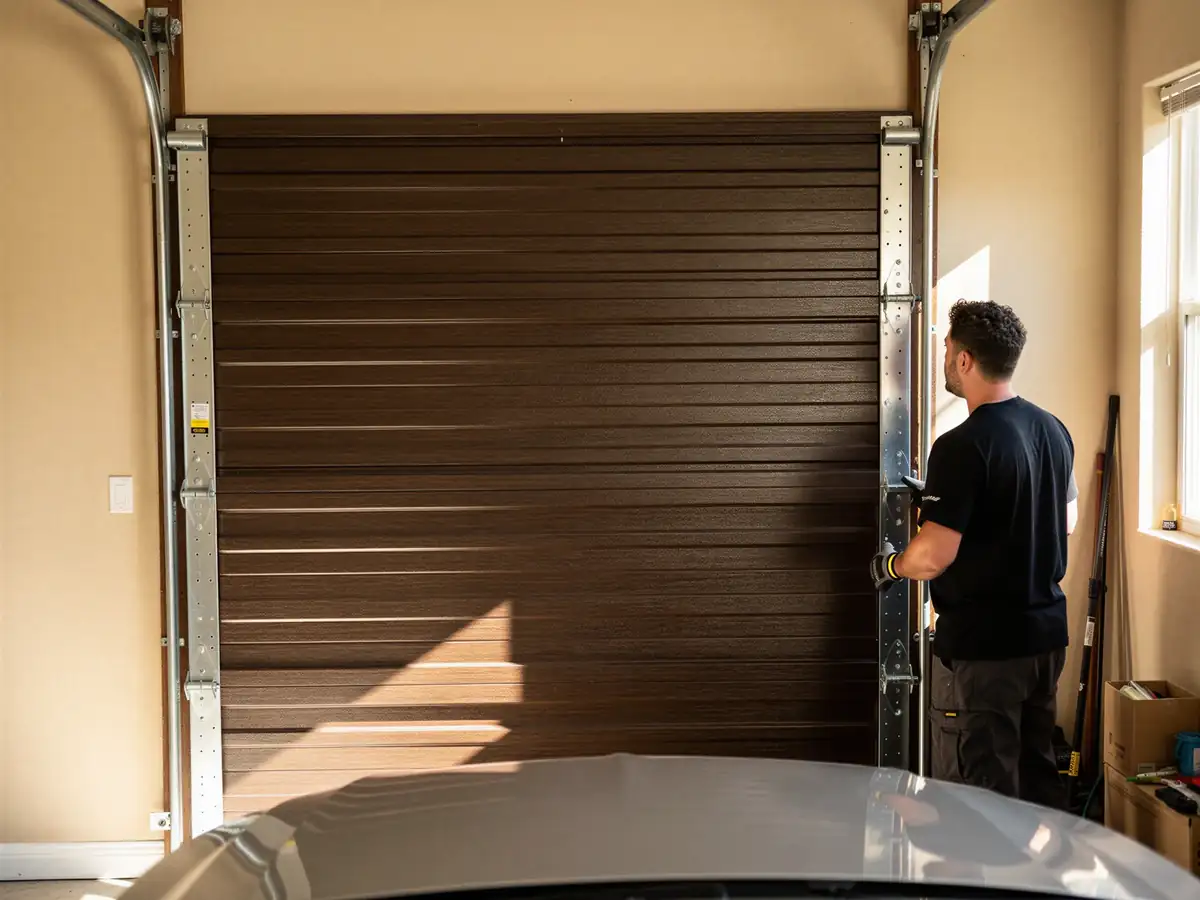
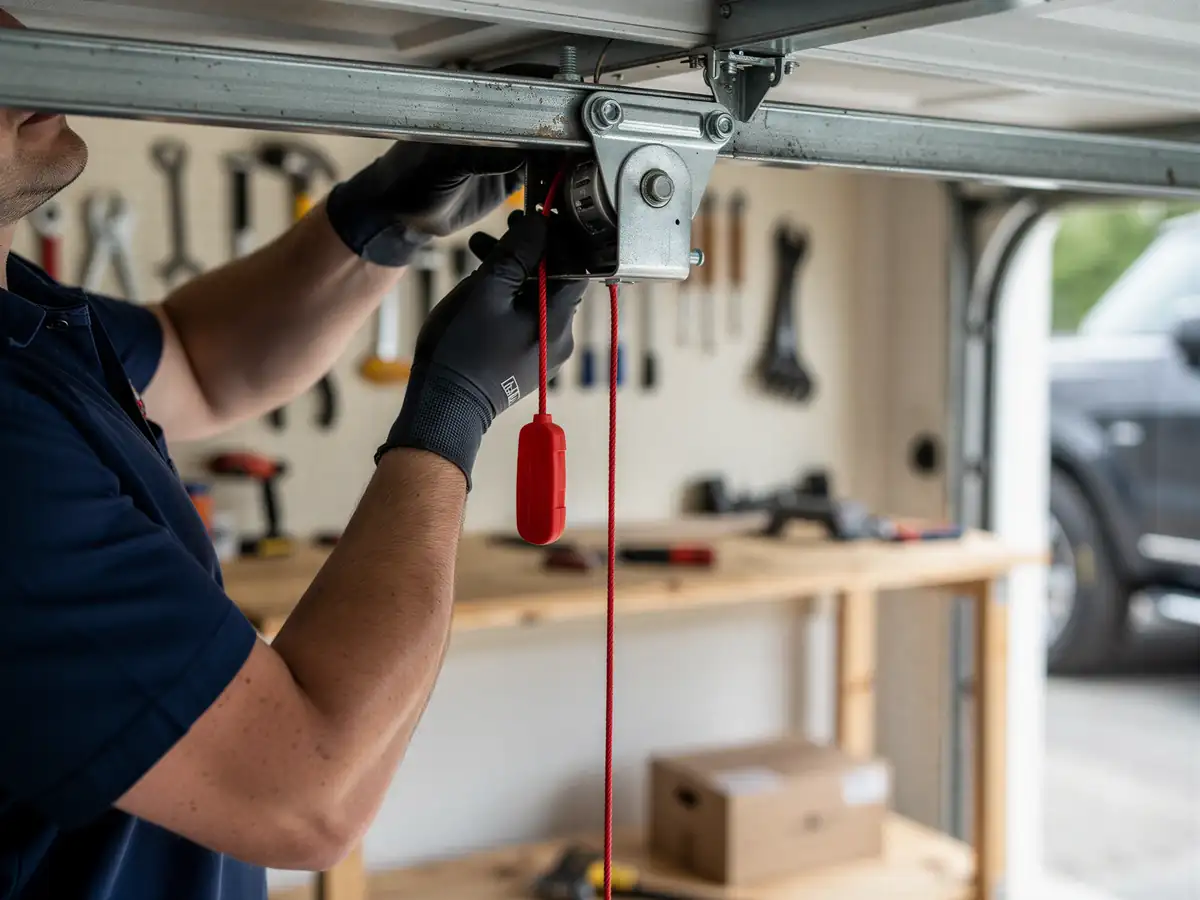
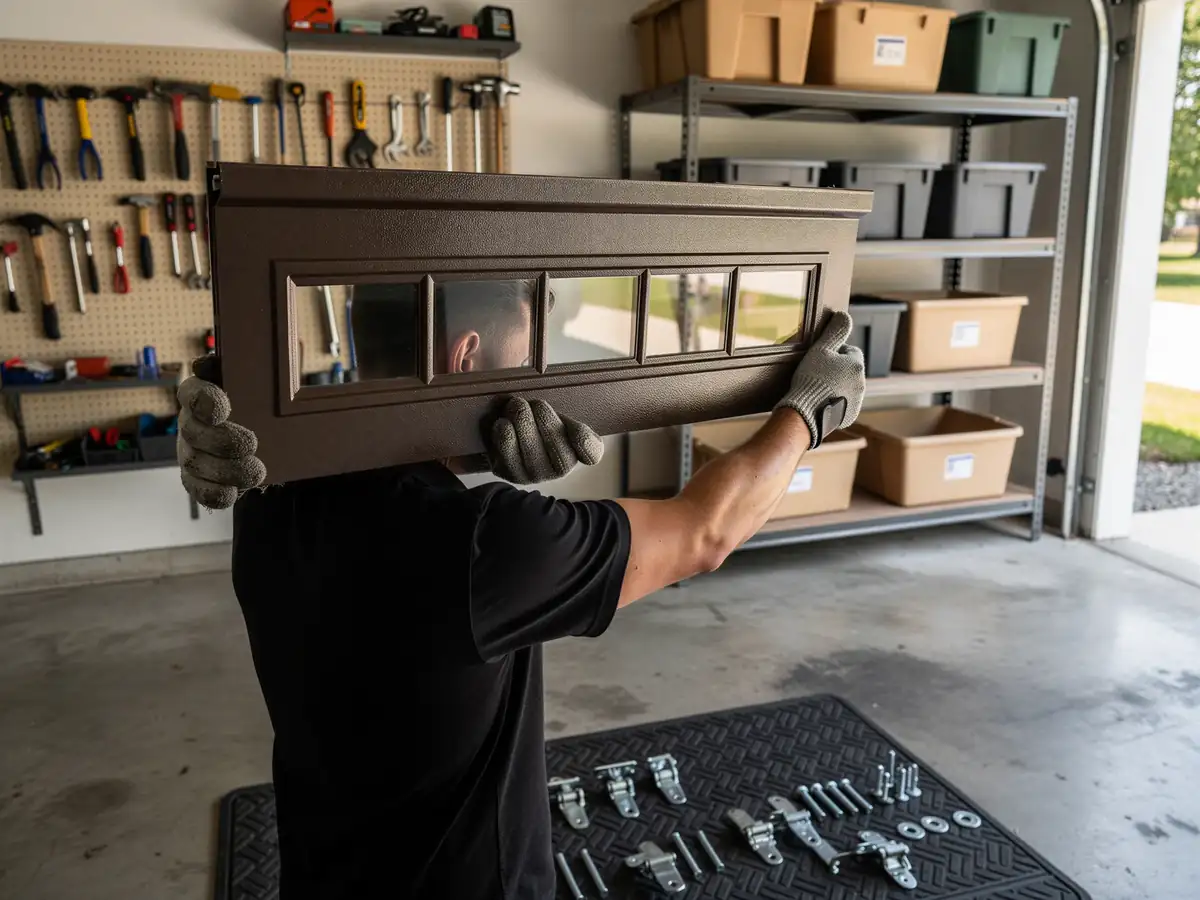
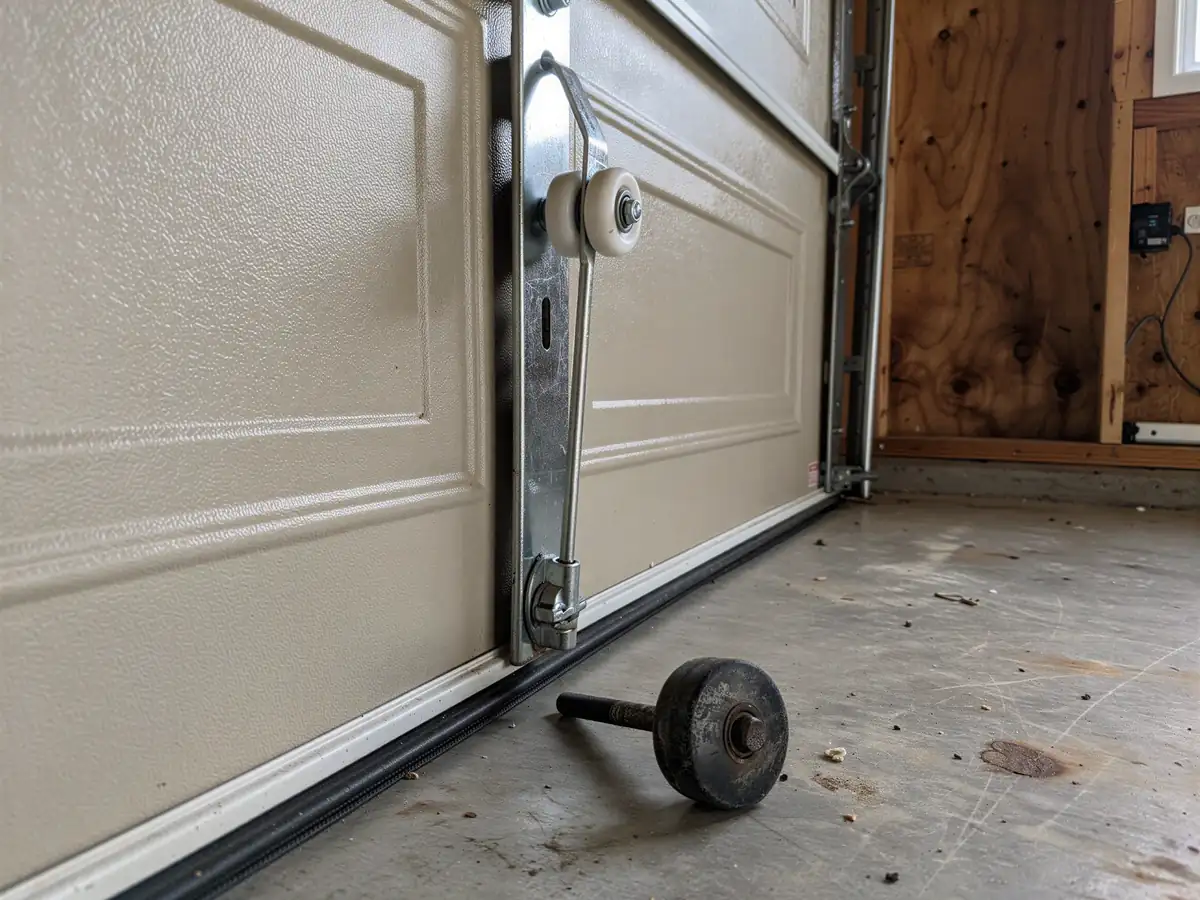
Birmingham's housing stock centers on 1960, which puts it ahead of the 1973 median we see across the rest of the Waterford service area. That ten-plus year gap matters on the truck. A door from 1960 is more likely to be an older steel or wood sectional on torsion hardware that predates the lighter-gauge springs and galvanized track common in homes built after 1980 elsewhere in the area. We carry torsion springs sized for both eras, plus standard 2-inch and heavier-duty rollers, because showing up with only the newer parts means a second trip. Cable and drum sets for older low-headroom setups ride on the truck too, since those show up more often on houses this age than on newer construction. One limit worth naming: if a specific original-equipment panel from a 1960s door is no longer made, we won't pretend otherwise - we'll fit a compatible replacement panel or price out a full section, and say so up front rather than stringing out a repair that can't be matched exactly.
How Long It Takes
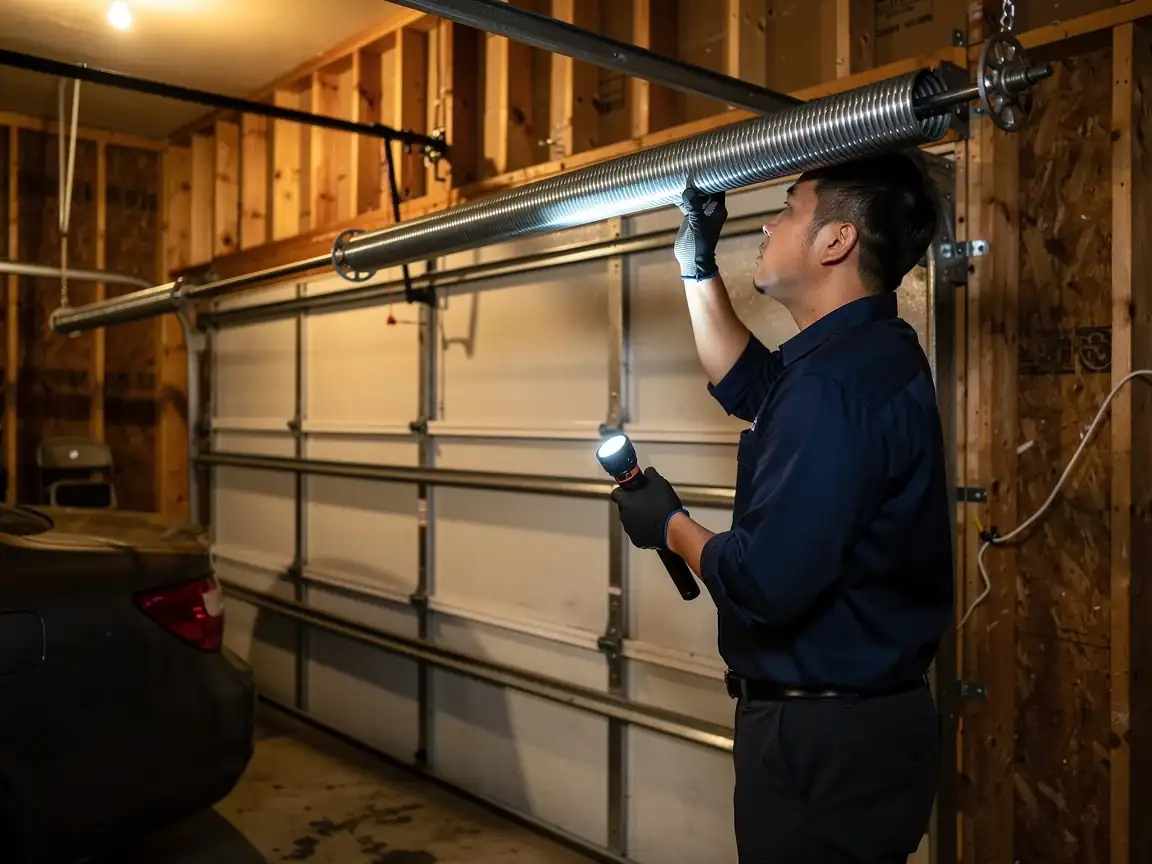
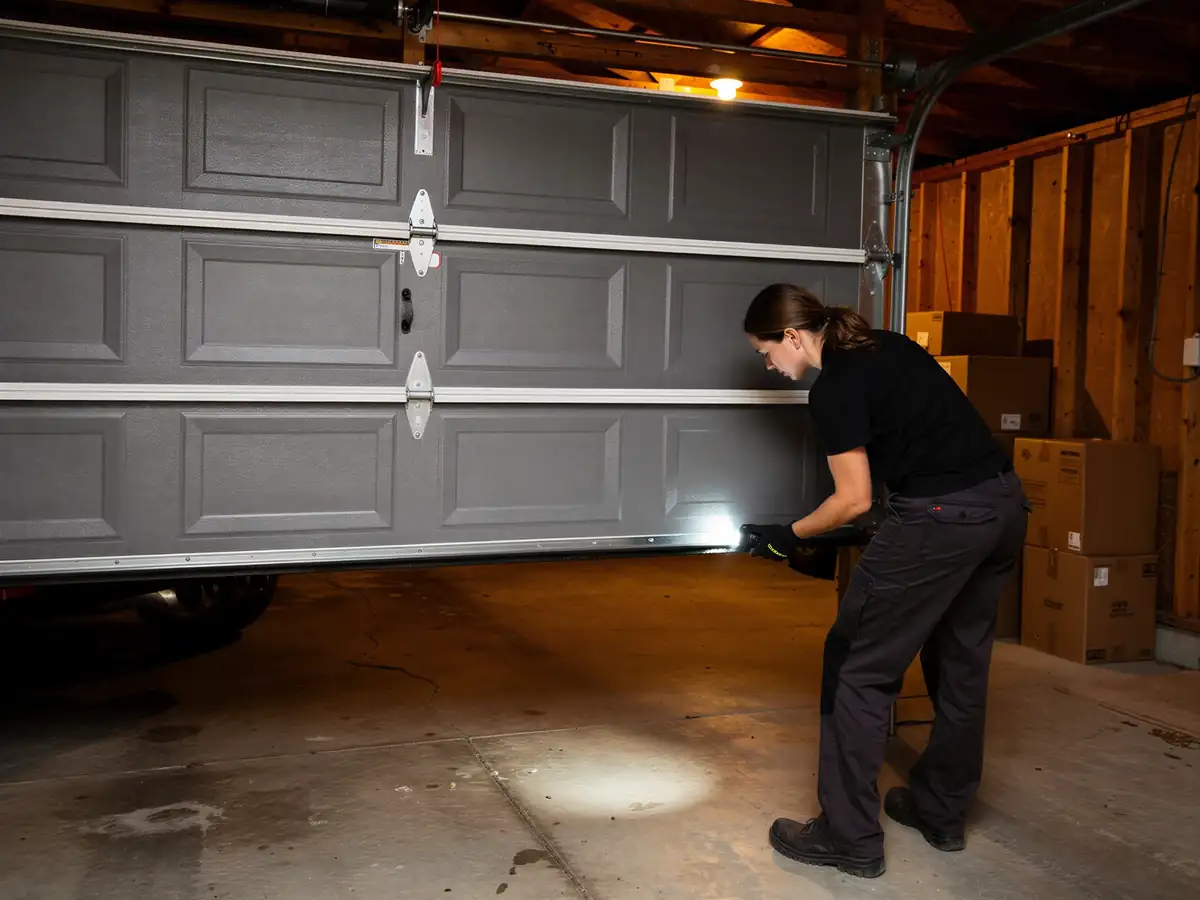
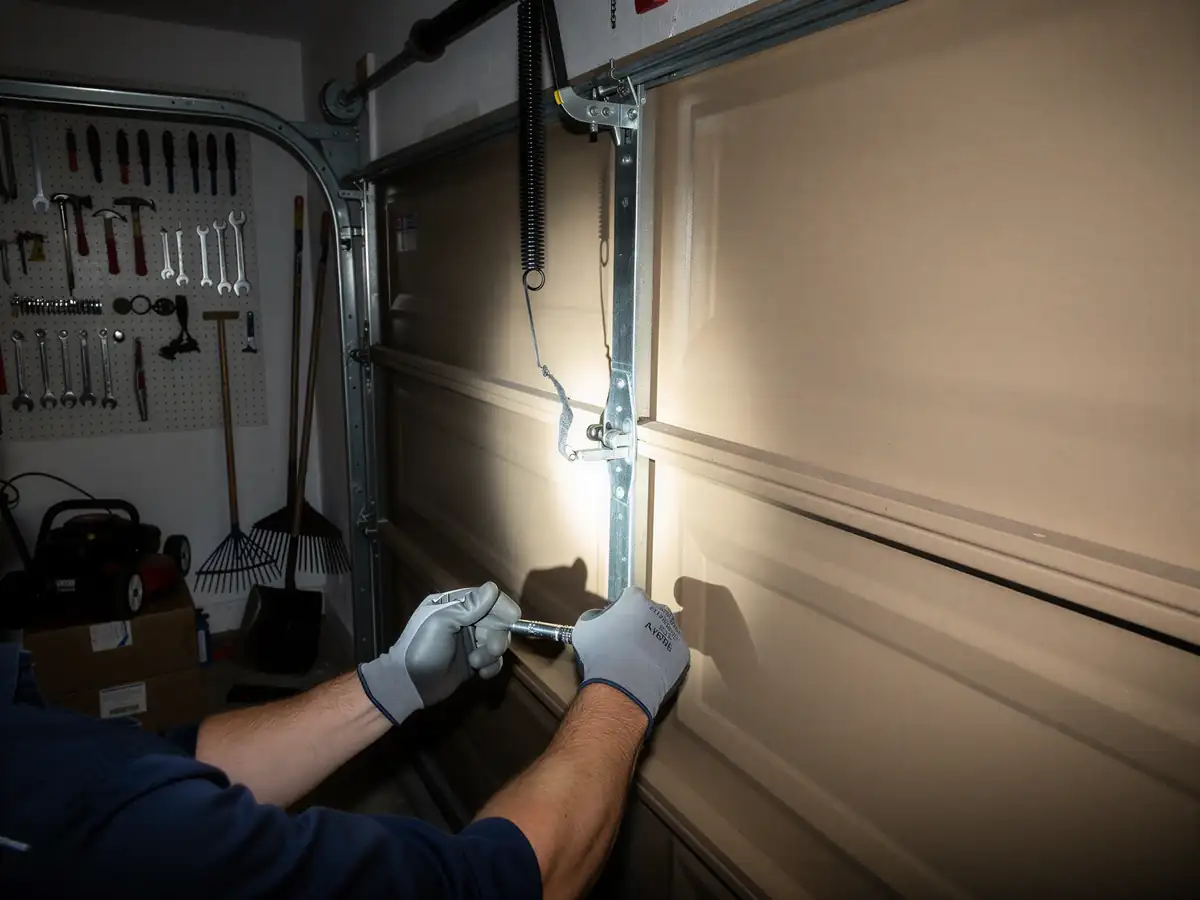
A straightforward spring or opener repair on a Birmingham job runs the same window as any call out of Waterford once the truck is on site - the extra time here is the 14-mile drive itself, which puts Birmingham on the farther end of the route compared to closer stops like the Village of Clarkston or Keego Harbor. On older torsion setups tied to 1960s construction, diagnosis can take a few extra minutes just to confirm spring wind direction and drum size before parts get pulled off the truck, since that hardware wasn't standardized the way it is on newer doors. We don't carry every obsolete part for every vintage door, so if something needs to be special-ordered, that adds days, not hours, and we'll tell you that before starting rather than after.
How It Shows Up
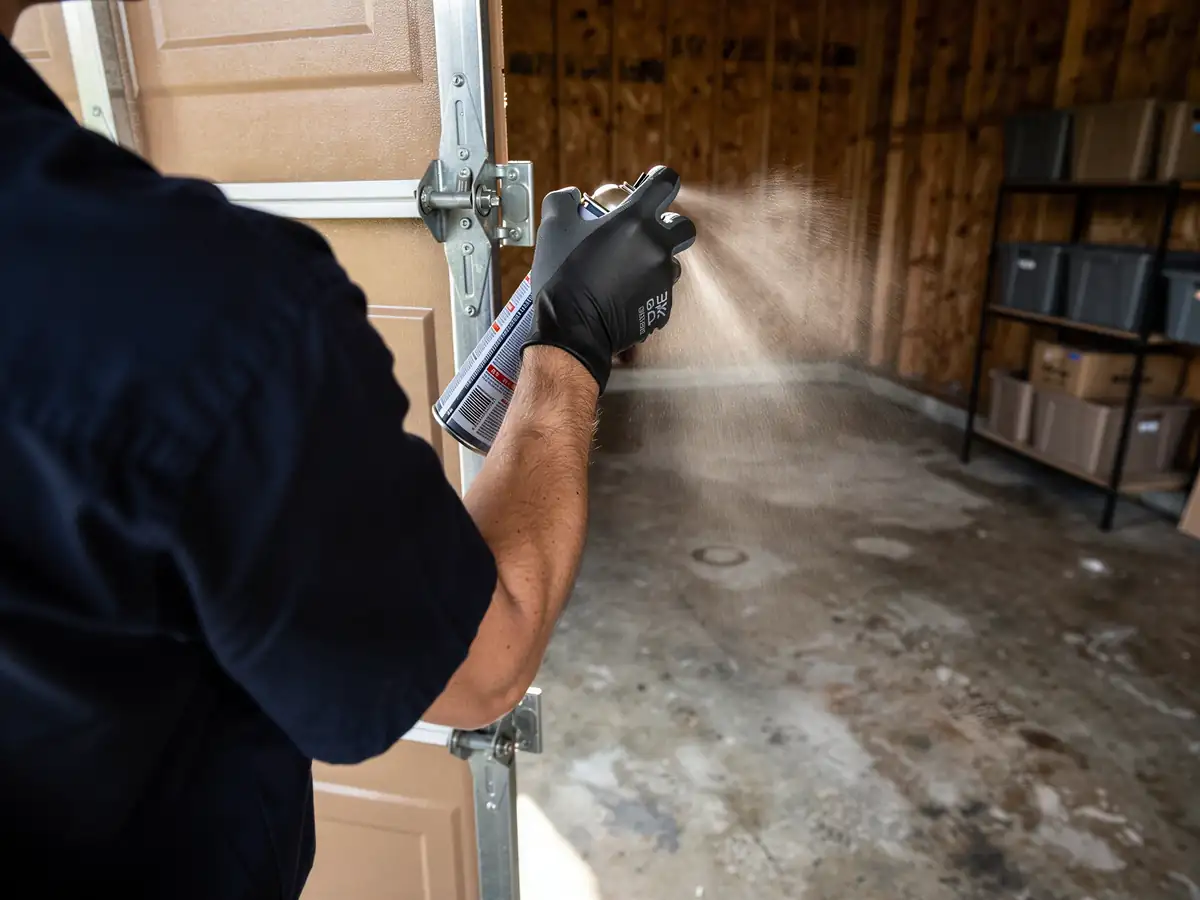
On a house built around 1960, the most common complaint we hear is a door that's suddenly heavy to lift by hand or that an opener strains and reverses partway up - that's almost always a spring that's lost tension or snapped outright, and it's more common on original hardware that's simply run its full lifespan. Cold-weather stiffening is also part of the picture here, since the region sits in a severe-cold climate band and grease that's fine in July turns thick in January, slowing rollers and tracks on doors that are already decades old. Rust on exposed springs and hinges turns up more on houses that haven't had hardware replaced since original construction, which, given the 1960 median build year here, is a real share of the housing stock.
Where This Job Goes Sideways
The job gets harder when a homeowner's already tried to force a stuck door by hand or run the opener against resistance - that can bend track, strip the opener's gears, or snap a cable that was still holding. On a 1960s-era door, it also goes sideways when someone assumes a universal spring from a hardware store will fit; torsion springs are sized by wire diameter, length, and wind direction, and getting any one of those wrong either won't lift the door or will put dangerous tension on the wrong hardware. We've also seen openers from that era paired with newer safety sensors added later in a way that doesn't fully meet current reversal standards - worth flagging even on a repair call, not just a full replacement.