Parts We Carry
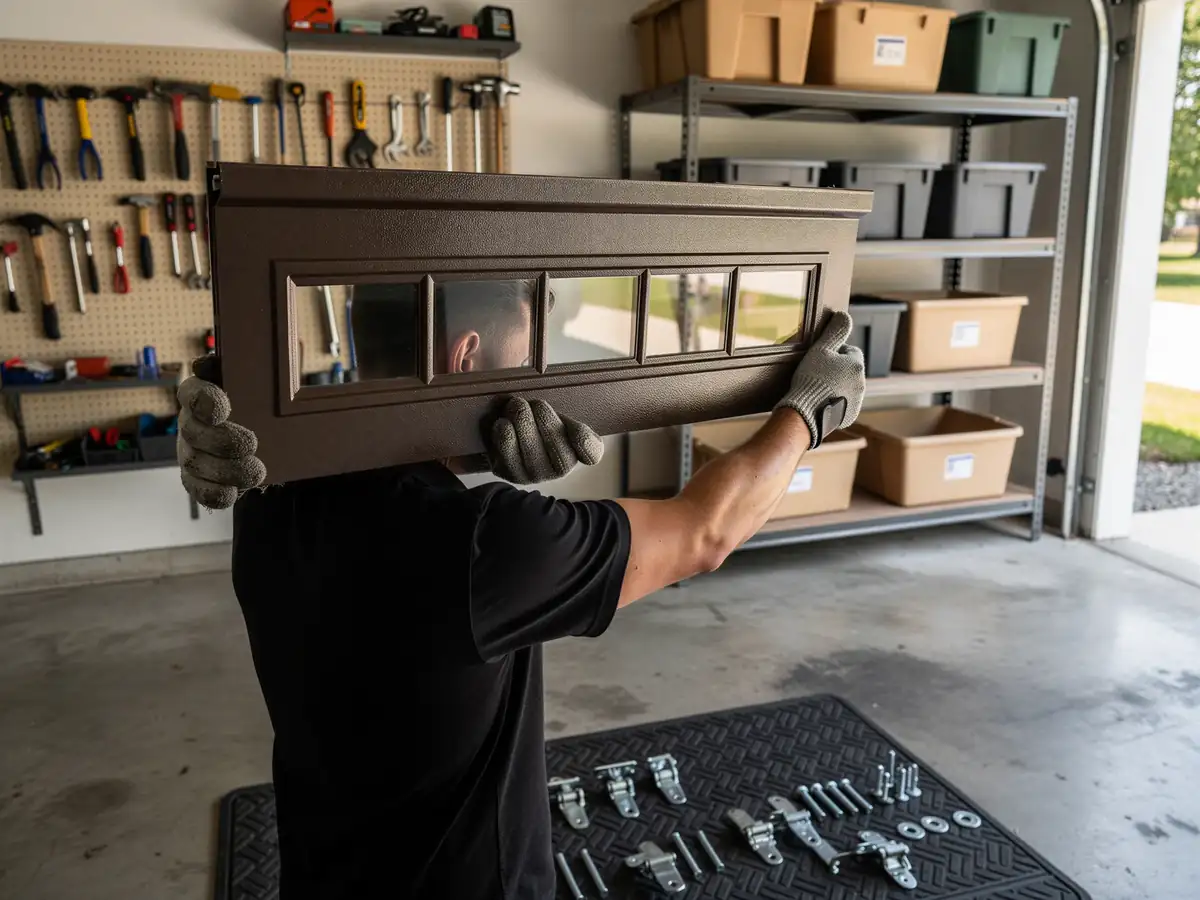
We stock common steel panel sections on the truck, but Birmingham sits 14 miles from our Waterford shop, so anything outside the standard run gets ordered before we schedule the visit, not after we're already parked in your driveway. Most houses here went up around 1960, which puts the doors on the older edge of what we see across the wider service area. That matters because panel height and section profile shifted more than once between the 1960s and the 1990s, and a replacement section cut for a newer door won't sit flush against an older frame. We bring a tape and the door's existing section dimensions to the first look so we're not guessing at a supplier catalog. If your door is original to a 1960 build, there's a real chance the exact profile isn't made anymore, and the honest answer is a matched after-market panel rather than a factory one - it'll look right from the street but it's not identical steel. We tell you that up front rather than promising a perfect match and delivering something close.
How Long It Takes
A single-section swap on a double door usually runs under two hours once the part is in hand. What stretches the timeline is the drive and the ordering. Because we're coming from Waterford, we try to batch the panel pickup with the appointment rather than making two trips, which means if your section needs sourcing, the quote visit and the repair visit are usually a few days apart, not same-day. We won't pretend we can turn it around faster just because the job itself is quick - the 14 miles each way and supplier lead time are the real constraints, and we'd rather tell you that than leave you waiting on a truck that was never coming that afternoon.
How It Shows Up
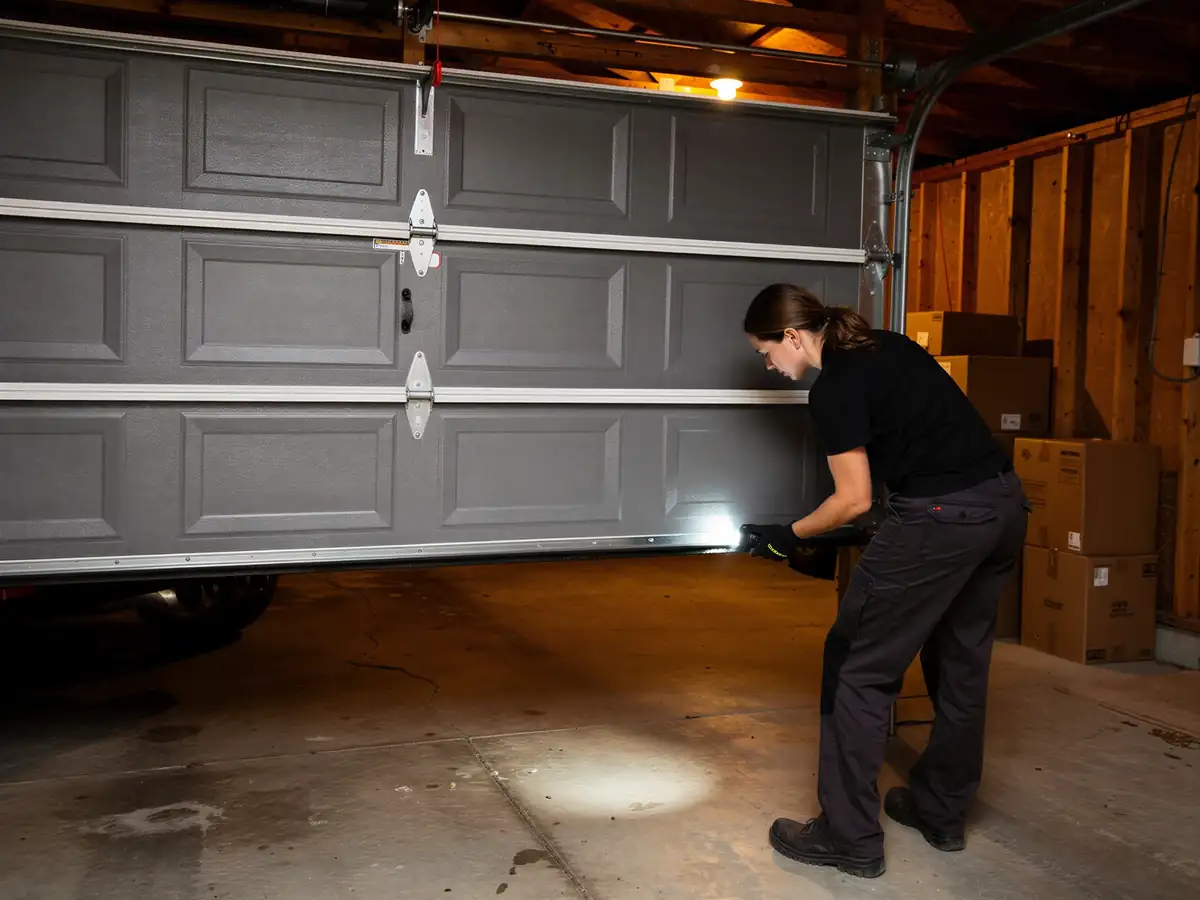
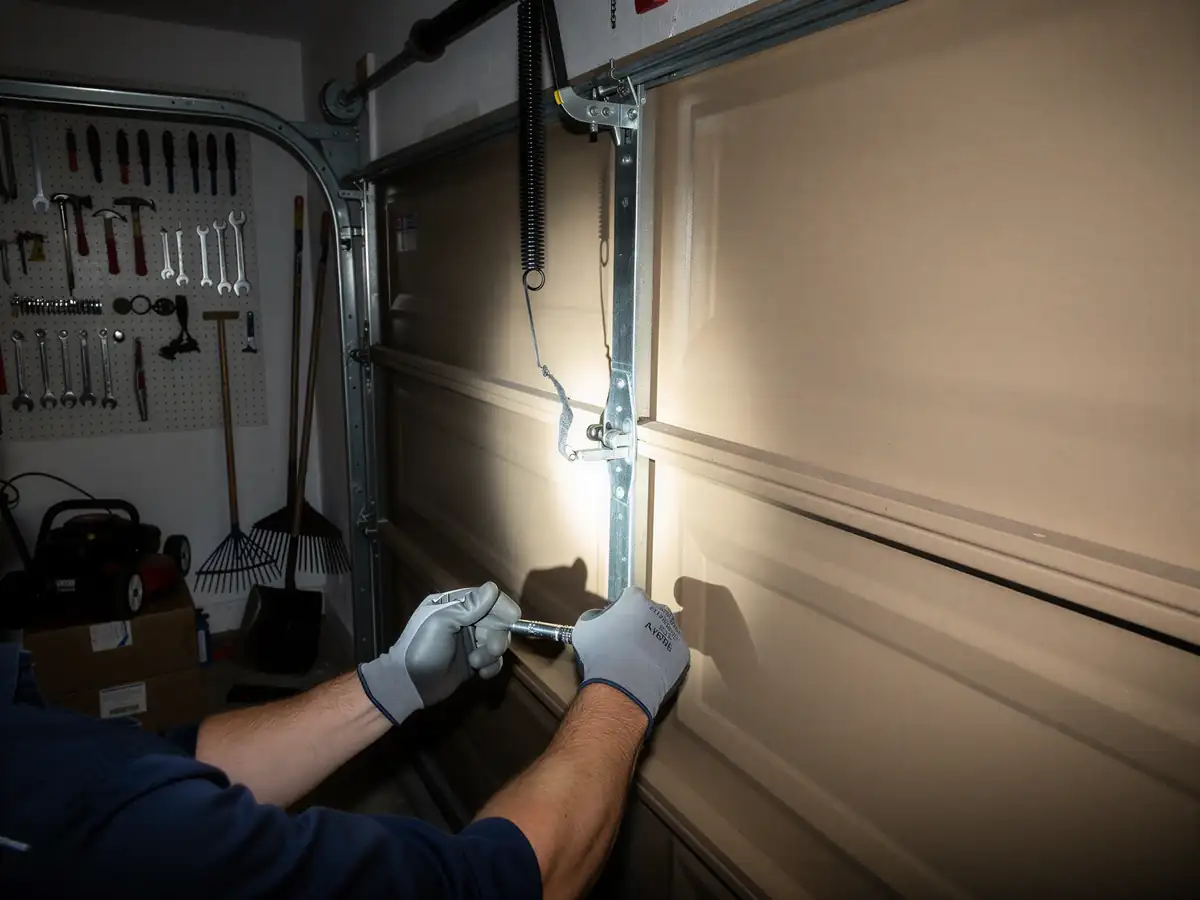
The giveaway on a damaged panel is usually a dent or a crack that's purely cosmetic at first, then starts affecting how the door tracks once the section is bent enough to bind against the rollers. On older steel, especially doors original to 1960s construction, the panel gauge is often heavier than what's sold today, so a dent from a car bumper or a basketball tends to stay put rather than pop back - and that stiffness is part of why a full replacement panel can look slightly different in flex and sound even when the color matches. In this part of the service area, with winters cold enough that steel contracts hard, an already-dented panel is more likely to crack along the bend line than it would in a milder climate, which is one reason we don't recommend waiting a full season on a visible dent.
Where This Job Goes Sideways
The job goes sideways when the panel isn't actually the problem - the track or the opposing section is slightly out of plumb, and a new panel just makes the mismatch more visible instead of fixing it. It also goes sideways on color and texture match: a 1960 door that's been painted or faded over decades won't match a brand-new embossed steel panel no matter what finish we order, and we'd rather say that before the job than have you staring at a two-tone door afterward. Given the income level and home values typical of Birmingham, we also get asked more often here whether a full door replacement would look better than a patched repair - sometimes it would, and we'll say so rather than sell a panel swap that leaves a visible seam on a door you're planning to keep for years.