What You Pay
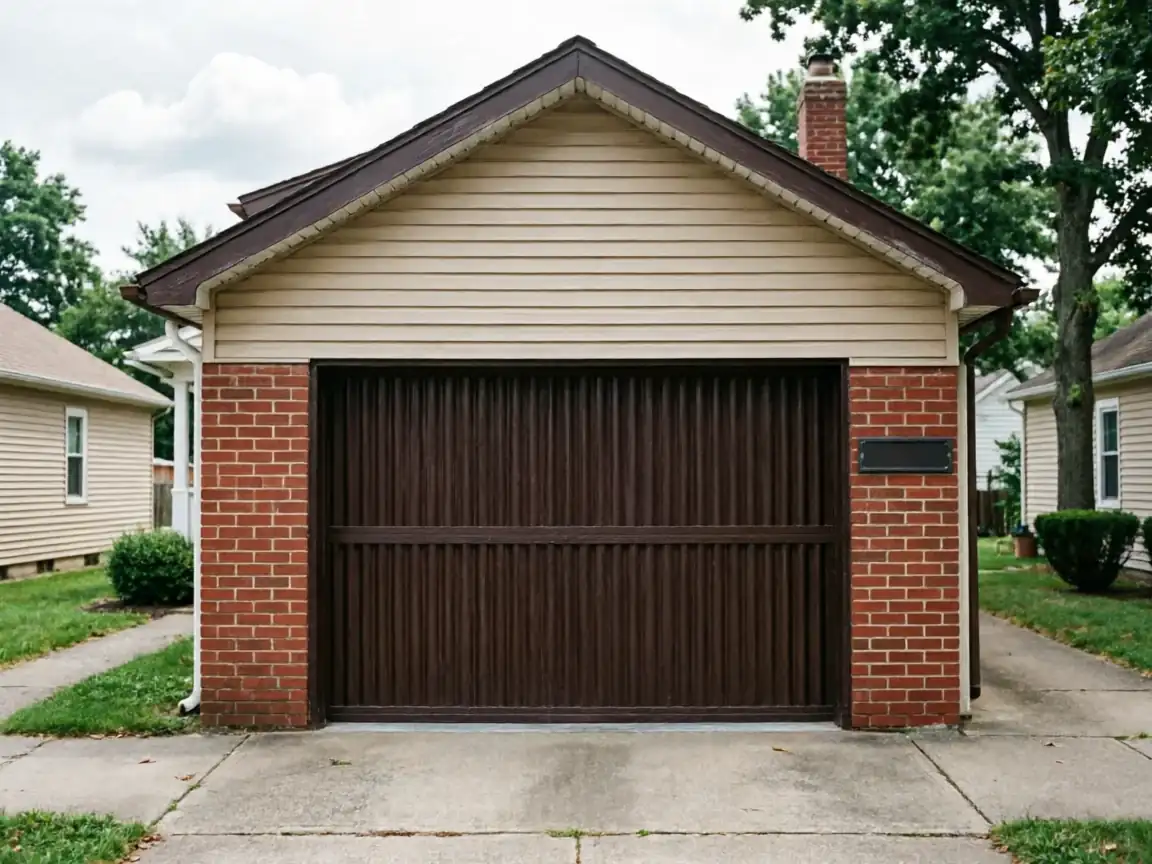
We don't post a flat number for roller jobs because the fix depends on what's actually worn - a full set of ten rollers is a different bill than two rollers and a bent track section. What we can tell you is what drives the cost in Keego Harbor specifically: most of the doors we open here are original to houses built around 1971, median build year for this area, so the roller stems are often the older 7-inch style that doesn't match what's sold off the shelf today. That mismatch sometimes means swapping the roller type across the whole set rather than patching in two or three, which changes the quote. With a median household income of $70,185 in Keego Harbor, we see more owners asking for a straight roller swap than a full door replacement - the math usually favors fixing what's there. We'll tell you on site, before any work starts, whether your door needs the full set or just the failed ones, and we won't talk you into more than the door needs.
Where This Job Goes Sideways
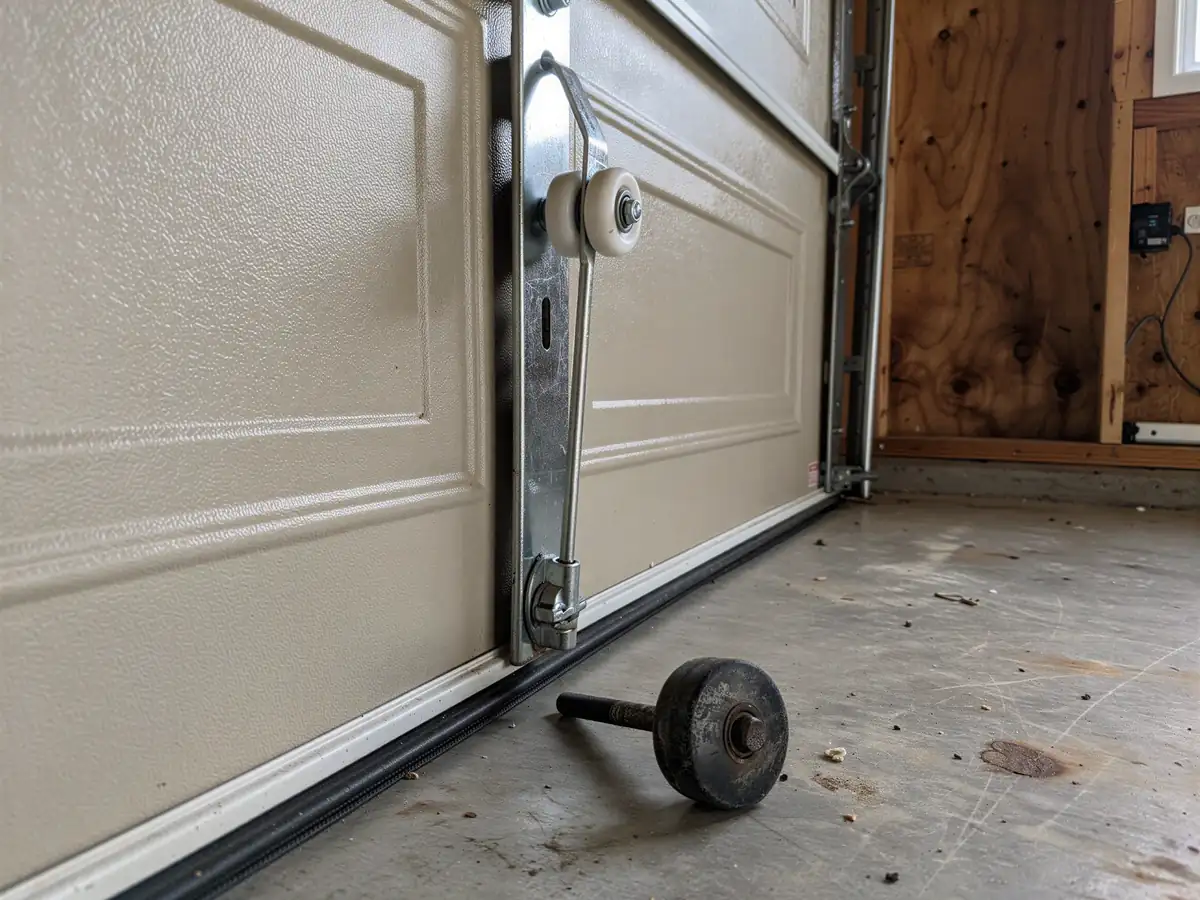
The roller itself is rarely the hard part. Where a roller job goes sideways is the track. On a door from the early 1970s, the track brackets have usually been painted over, rusted, or re-bent at some point by somebody muscling a stuck door, and a roller that's cracked or flat-spotted has often already chewed a groove into the track rail. Swap the roller without checking the rail and you've got a new roller rattling in a damaged track within a few months. We also run into stems that have corroded into the hinge hole - not uncommon with 50-year-old steel - and those don't come out clean. If a stem shears off inside the hinge, that hinge usually needs replacing too, not just the roller, and that's the point where a quick roller swap turns into an hour longer on site. We'll flag that before we start if we see it, not after.
How It Shows Up
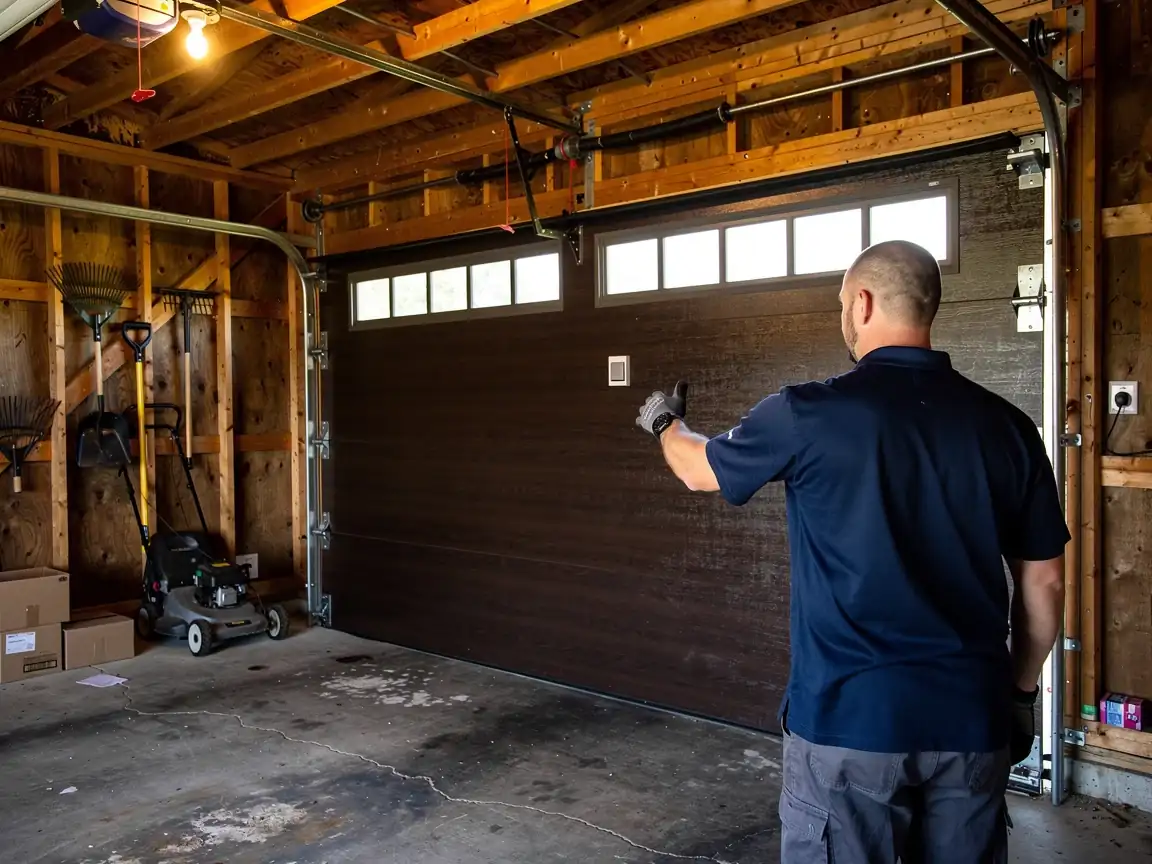
Most owners call us about noise before they call us about anything else - a grinding or clunking that gets worse as the door travels, loudest right around the bend where the track curves from vertical to horizontal. Some notice the door hesitating or jerking at that same spot, which usually means a roller has gone from round to flat and is catching on the curve instead of rolling through it. Others see it visually: a roller sitting crooked in the track, or a wheel that's visibly cracked around the edge where the nylon or steel has worn thin. If the door comes off the track entirely, that's usually a roller that's failed completely rather than just worn, and at that point the door shouldn't be run again until someone looks at it - forcing a door with a derailed roller can bend the track further and turn a roller job into a track replacement.
How We Fix It
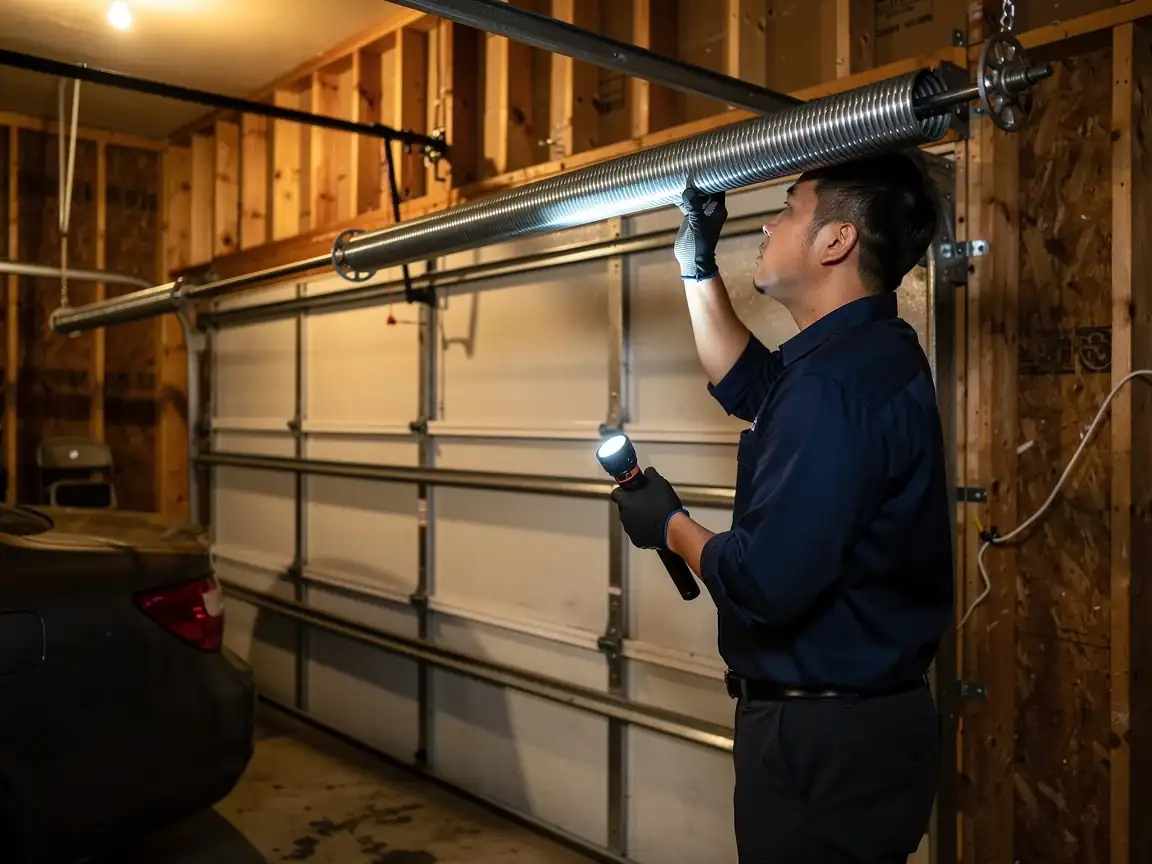
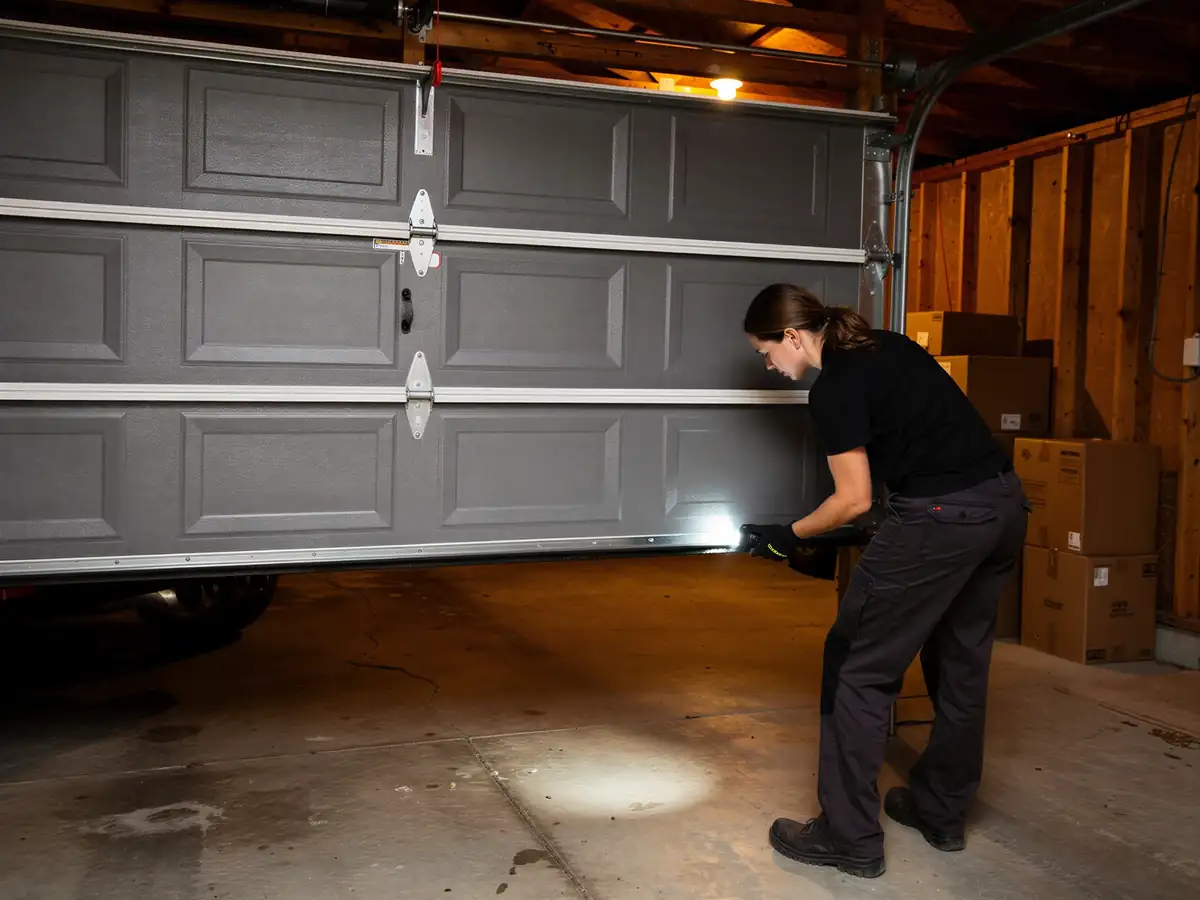
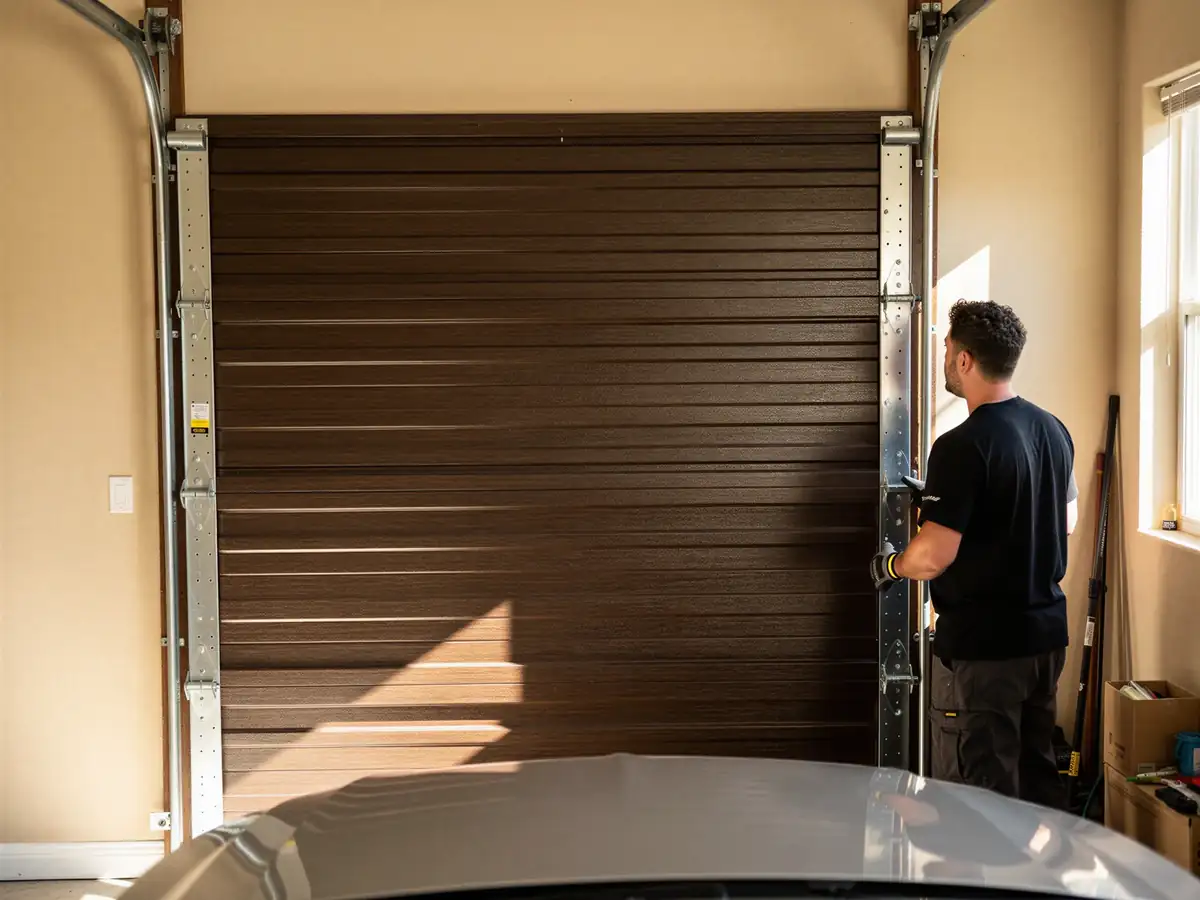
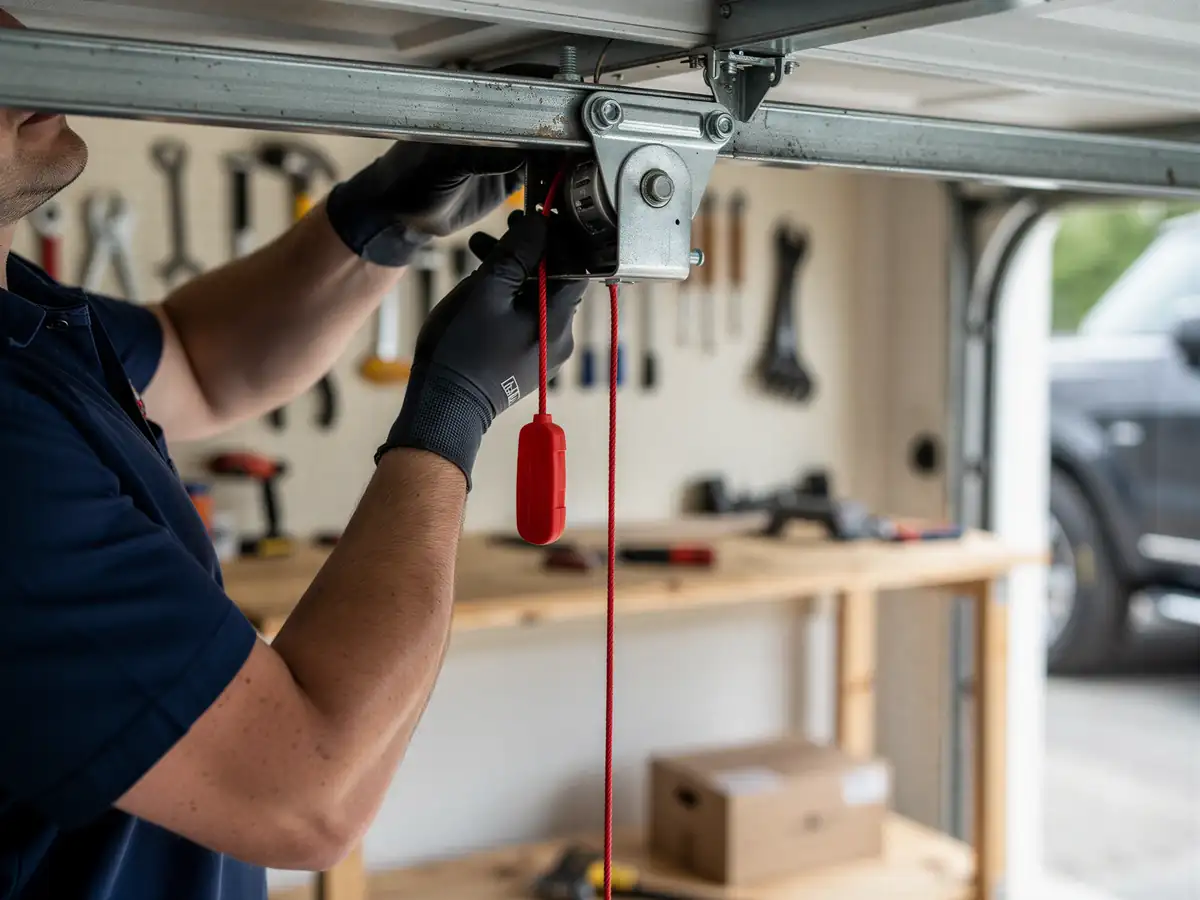
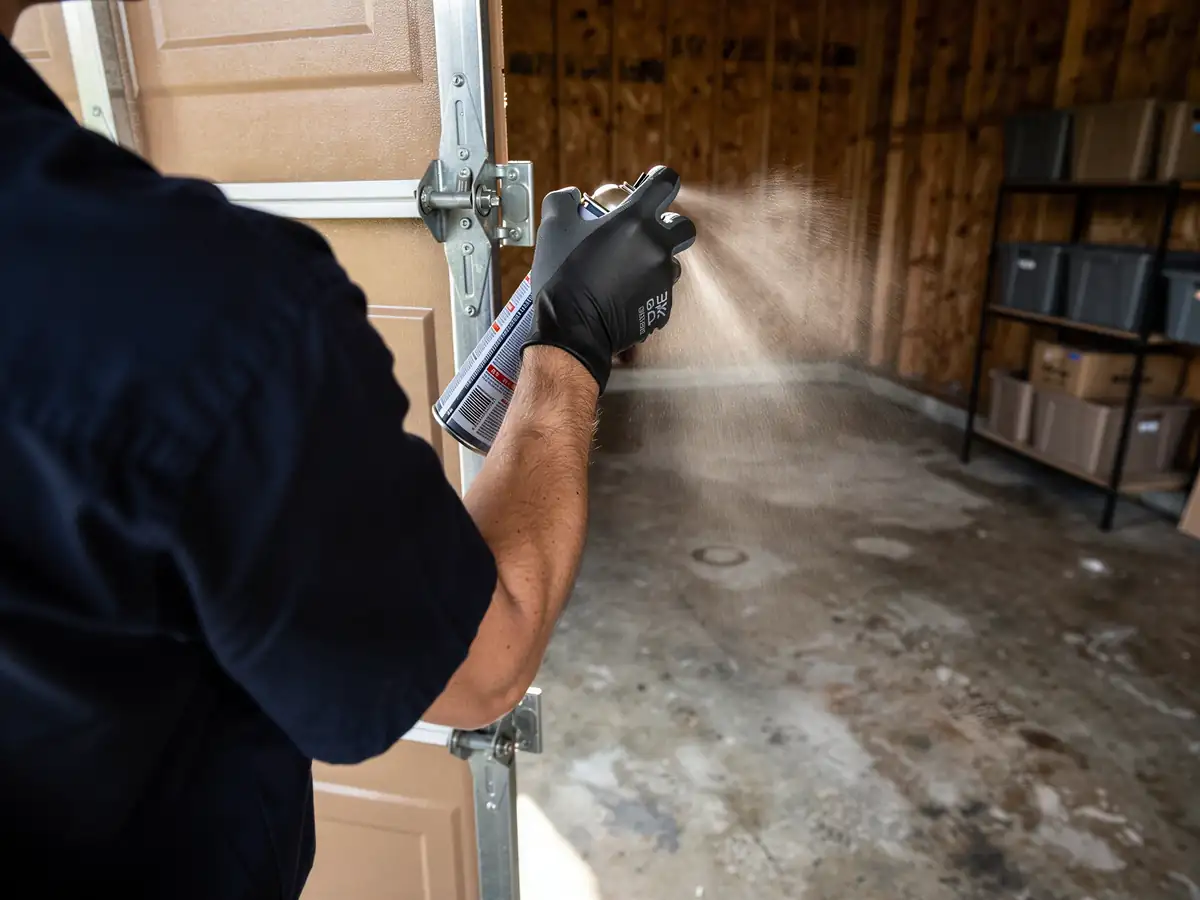
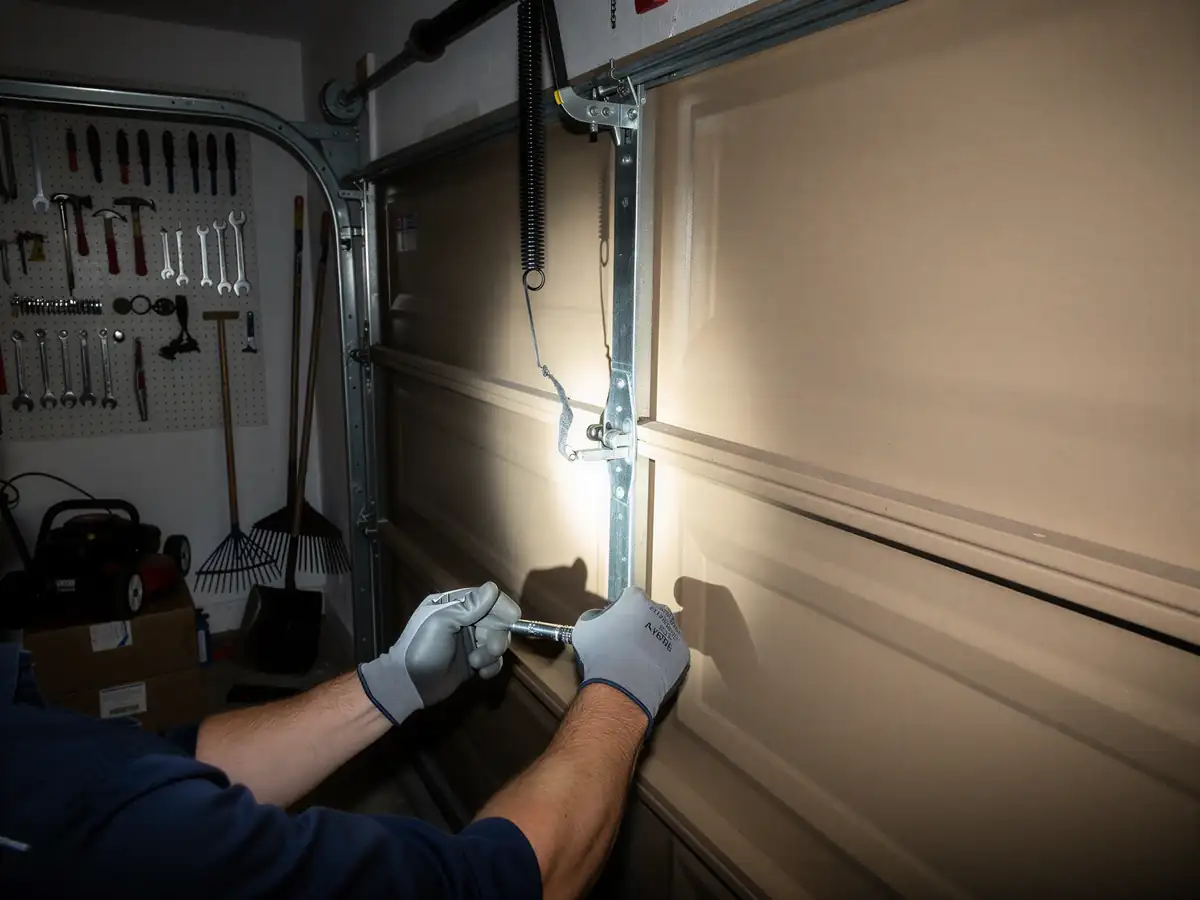
We come out from Waterford, about 7 miles over, so there's no local branch or standing crew in Keego Harbor - just a truck that makes the trip. On site we check every roller on the door, not just the one that's obviously failed, because on a door this old the rest of the set is usually close behind. We check the track alignment and the hinges at the same time, since a worn roller and a bent track often arrive together. If the stems are the older size that doesn't match current stock, we'll say so and tell you what we're installing instead. One limit worth knowing up front: if the track itself is bent badly enough, roller replacement alone won't quiet the door down, and we'll tell you that rather than charge you for rollers that won't fix the actual problem.