What You Pay
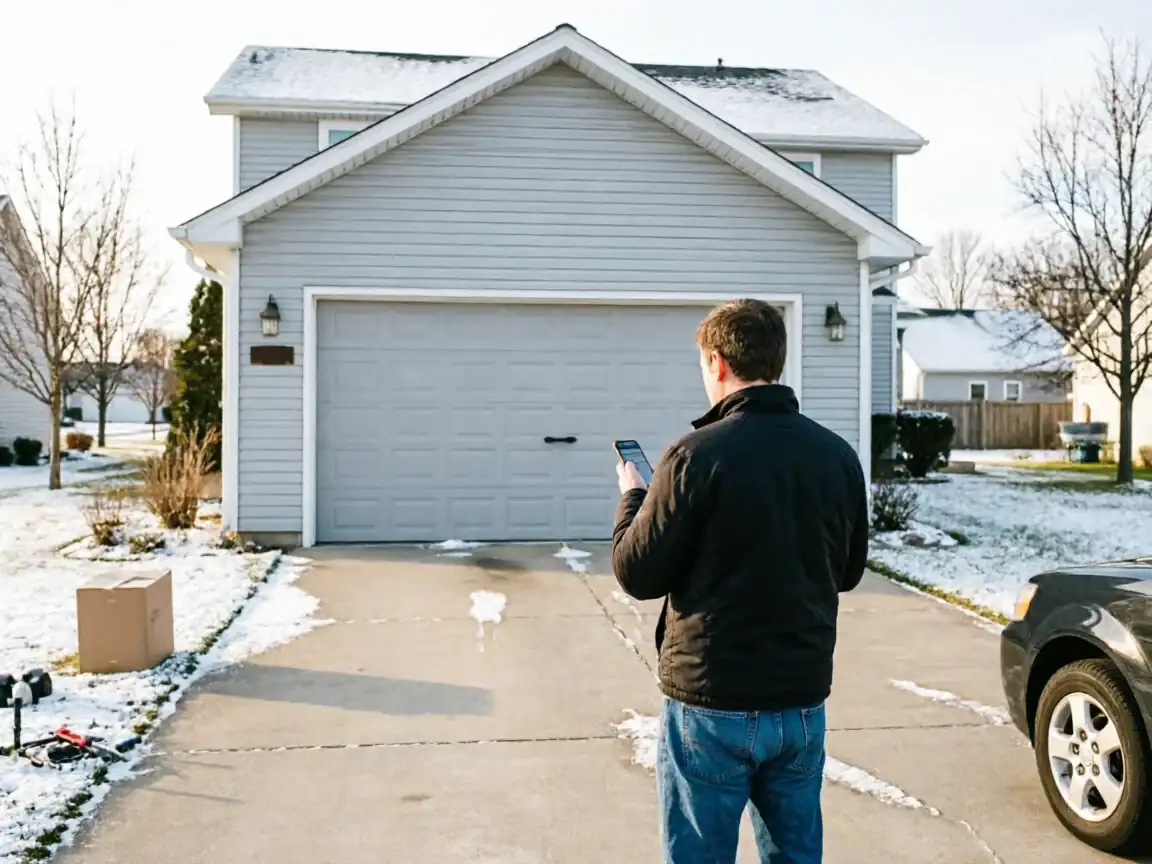
Median household income in Keego Harbor runs $70,185, noticeably below the $102,333 median across the wider service area. That gap matters when you're staring at a dead opener and wondering whether to fix it or replace it. At this income level, a $300-$500 repair on a chain-drive opener usually makes sense if the unit is under 12-15 years old and the problem is a gear, a sensor, or a logic board. Replacing a whole opener system starts to look reasonable once you're past that age, or once you're paying to fix the same unit twice in a year. We're not going to tell you to replace a working motor because it's old - we'll tell you what the part costs and let you decide. What we won't do is sell you a premium belt-drive system when a basic chain unit does the job for a house this size. The honest limit here: if your opener predates 1993 wiring standards tied to the broader area's housing stock, some replacement parts just aren't made anymore, and repair stops being the cheaper option.
Where This Job Goes Sideways
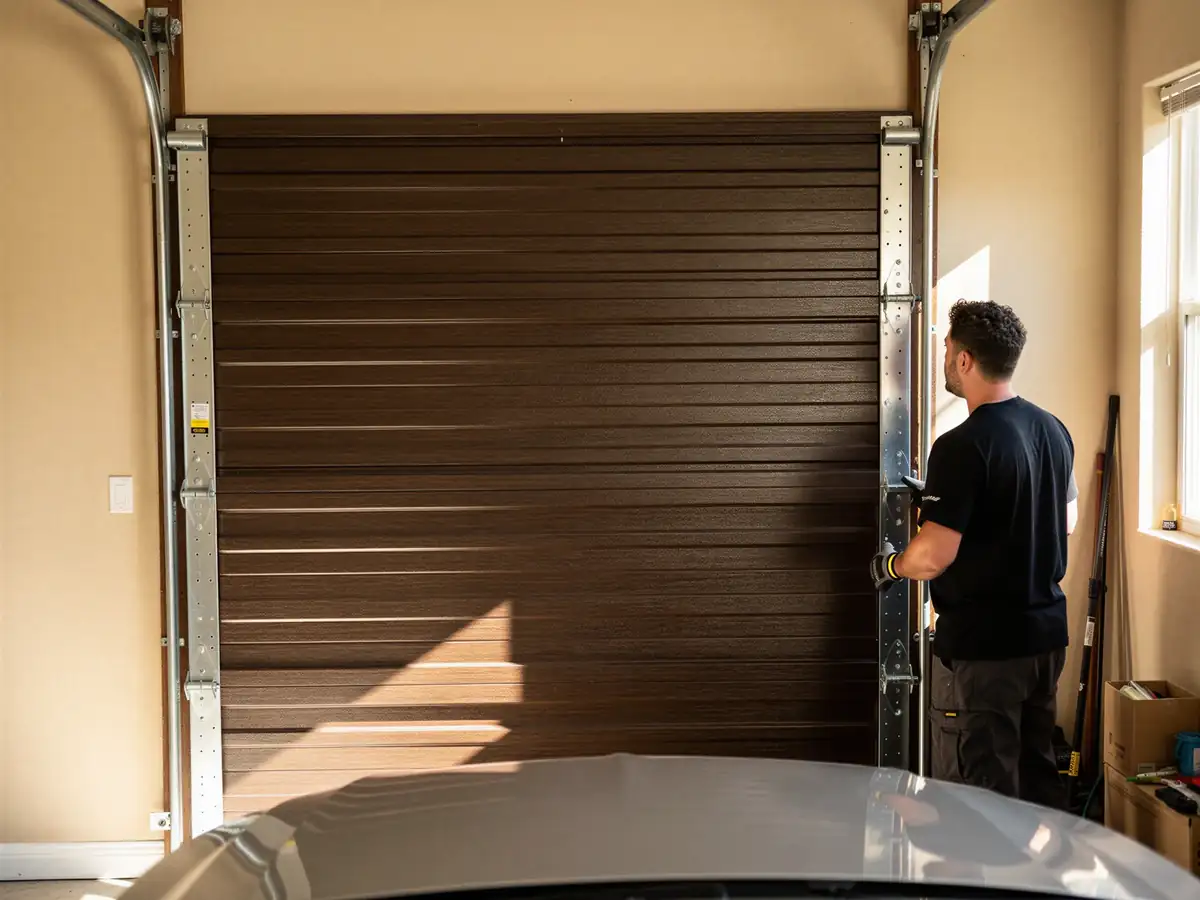
Keego Harbor's housing stock centers on a median build year of 1971, right in the middle of the 1949-1993 range seen across the wider area. Openers installed in homes from that era were often swapped out once, sometimes twice, by previous owners - which means the unit on your ceiling today may not match the door, the track, or the wiring run it's bolted to. We see mismatched travel limits, safety sensors added after the fact with exposed wire stapled along the ceiling, and logic boards paired with motors they weren't designed for. The job goes sideways when a repair tech treats the opener as a standalone unit instead of checking whether the door and track it's lifting were part of the original build or a later retrofit.
How It Shows Up
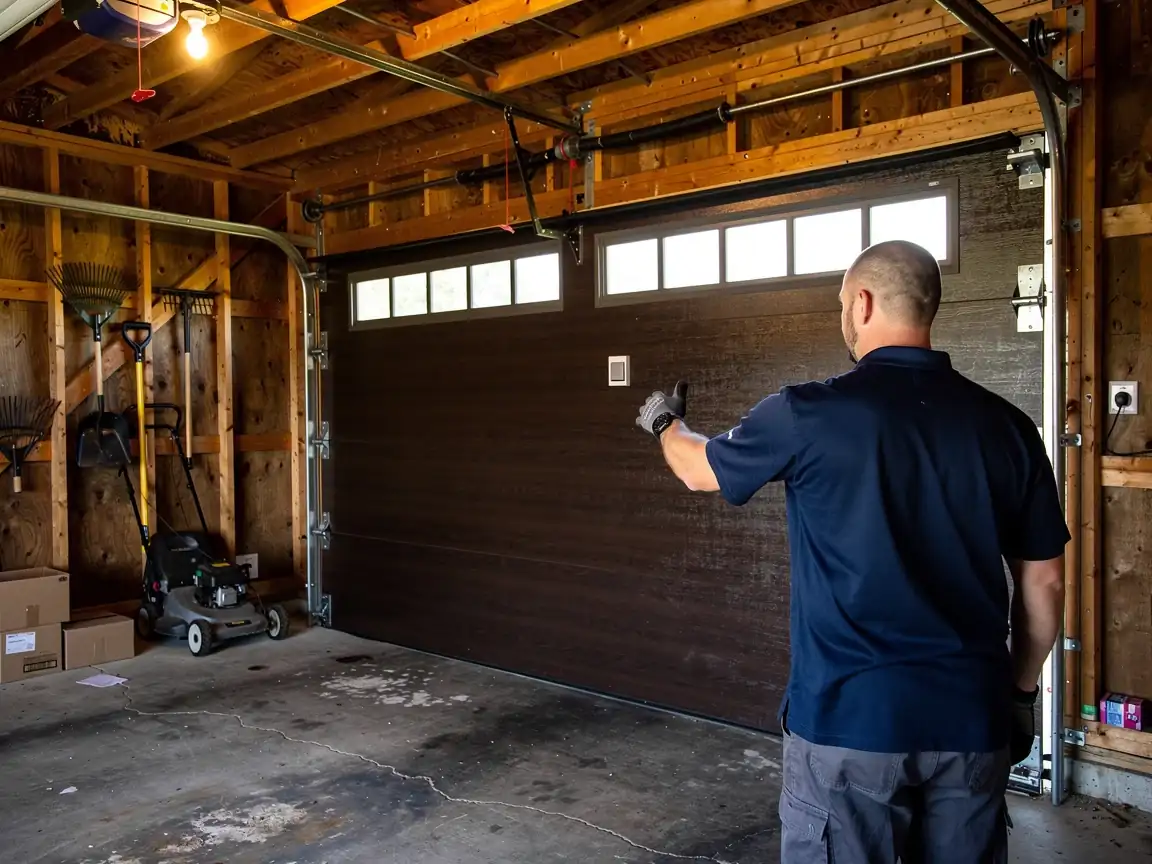
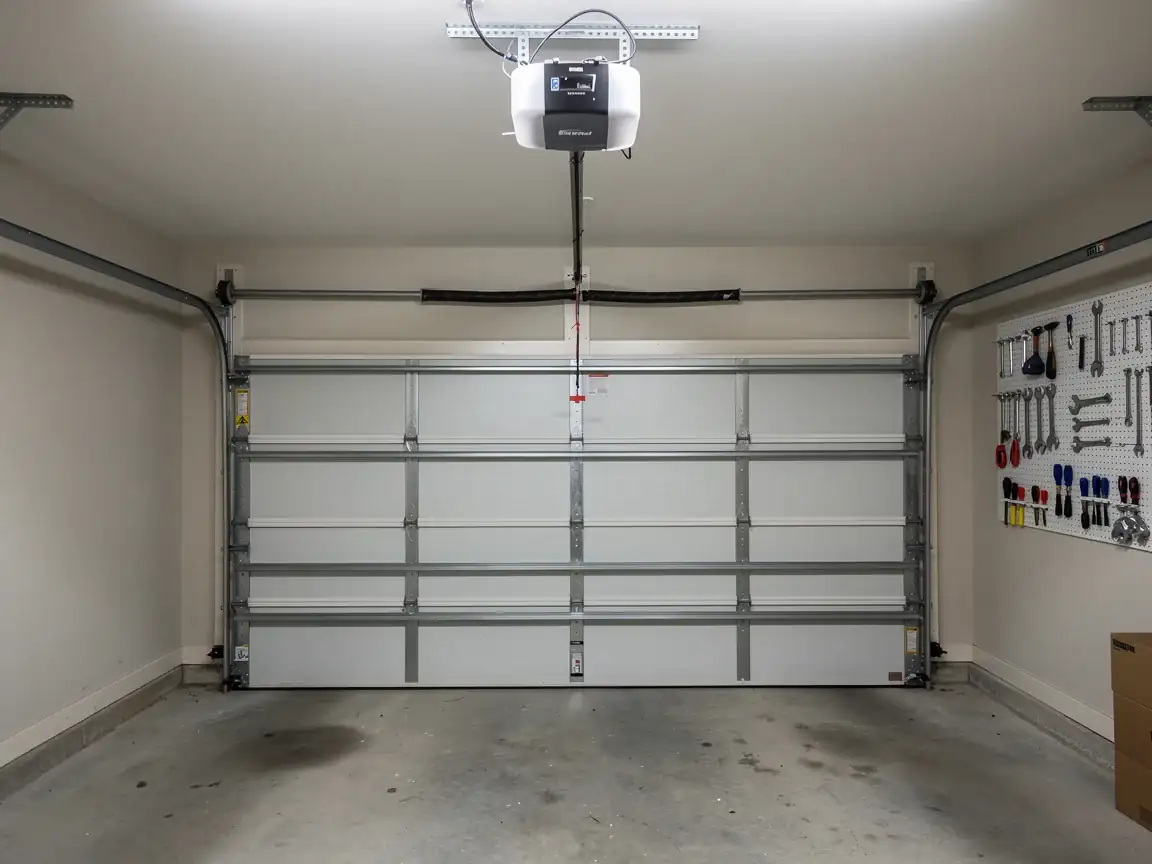
The most common call: the opener runs, the light comes on, but the door won't move, or moves a few inches and reverses. That's usually a stripped gear or a chain that's jumped its sprocket, both common in units that have seen 15+ winters of cold-start torque. Second most common: the door opens fine but won't close, or closes partway and reverses - almost always a safety sensor knocked out of alignment, often from a shelf or bike leaned against the track near the sensor eye. Less common but real: a remote that works intermittently, which is usually a dying logic board rather than a battery, especially in units old enough to predate rolling-code security standards.
How We Fix It
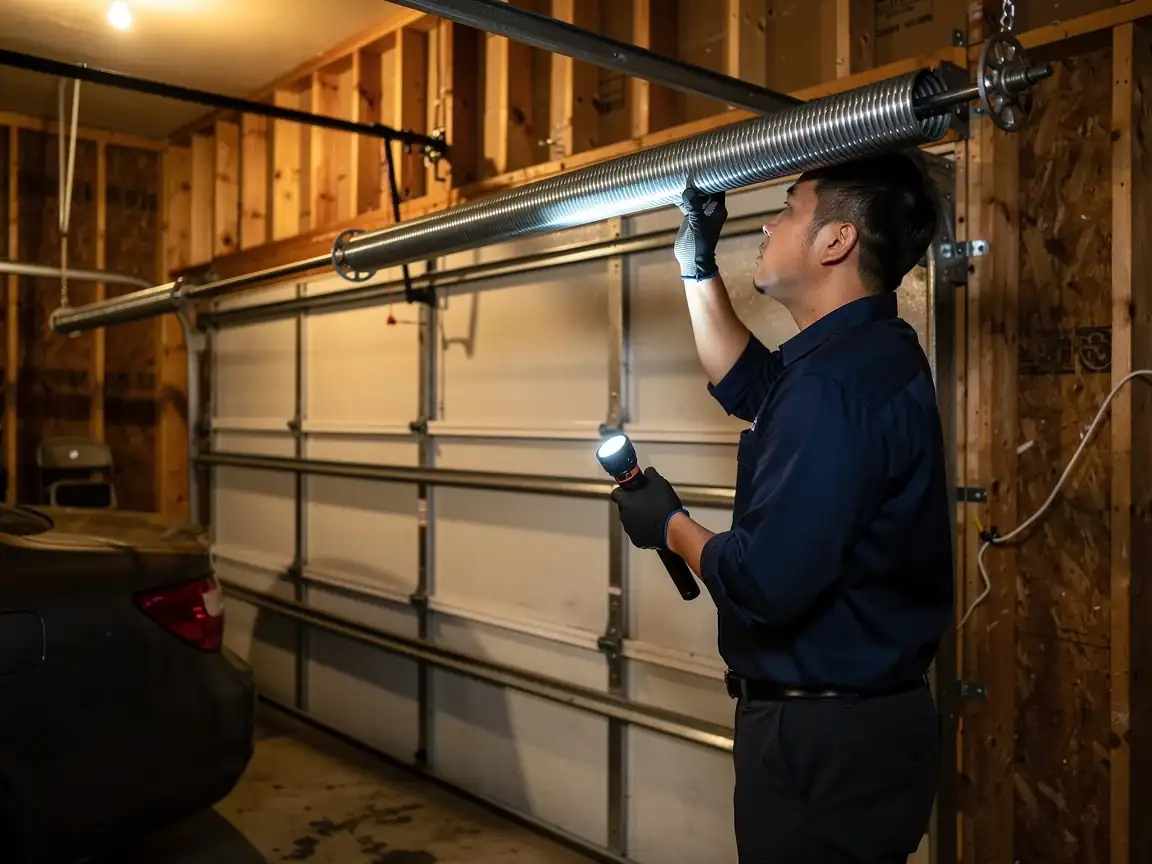
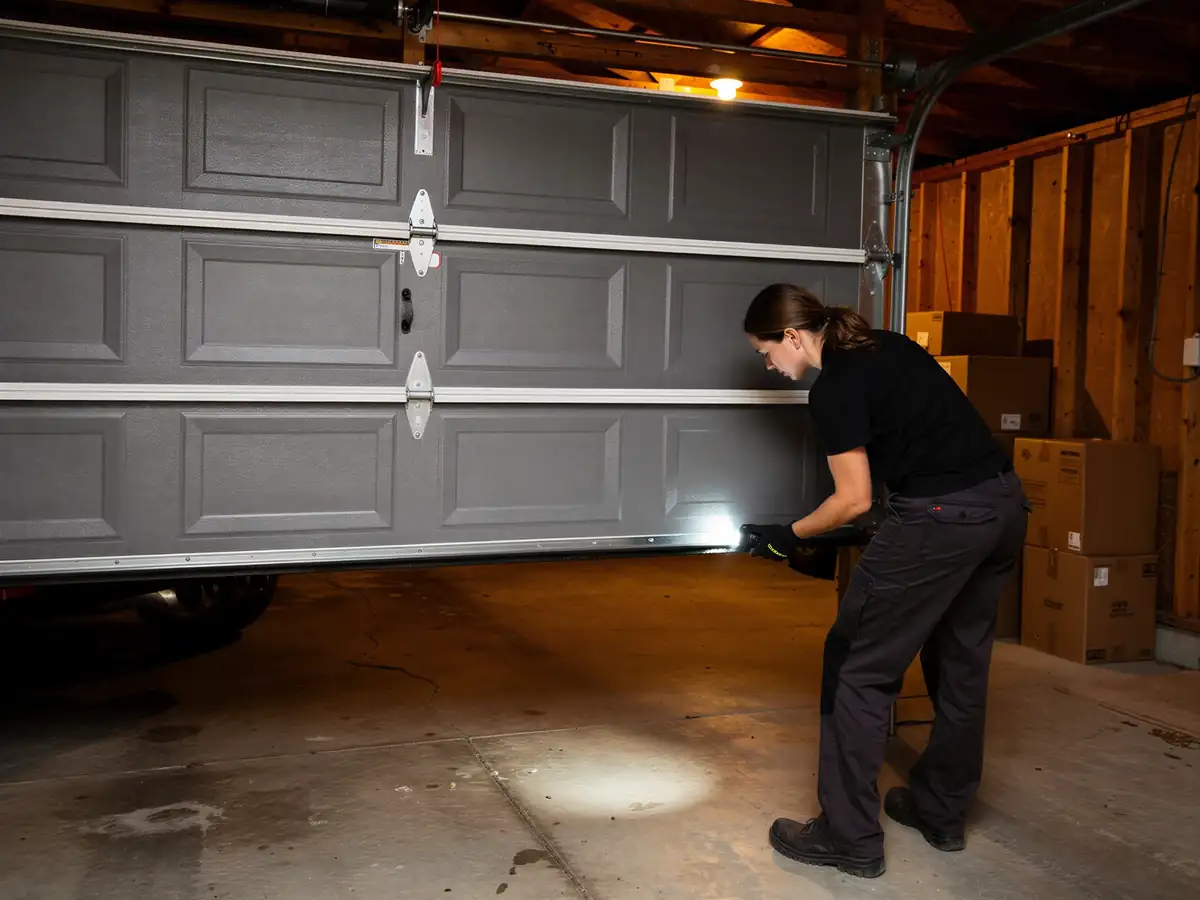
We drive the 7 miles from Waterford with the gears, sensors, and logic boards that cover most opener brands installed in homes from the 1960s-70s era. On a service call we test the motor under load, check sensor alignment, and inspect the gear housing before we recommend anything. If the fix is a $40 sensor or a $90 gear kit, that's what we quote - we don't upsell a full opener swap unless the motor itself has failed or the unit is old enough that parts are genuinely unavailable. One limitation worth saying plainly: if you need a specific obsolete logic board for a unit from the early part of that build era, lead time can run past a week, and we'll tell you that up front instead of promising same-day on a part we don't have.