What You Pay
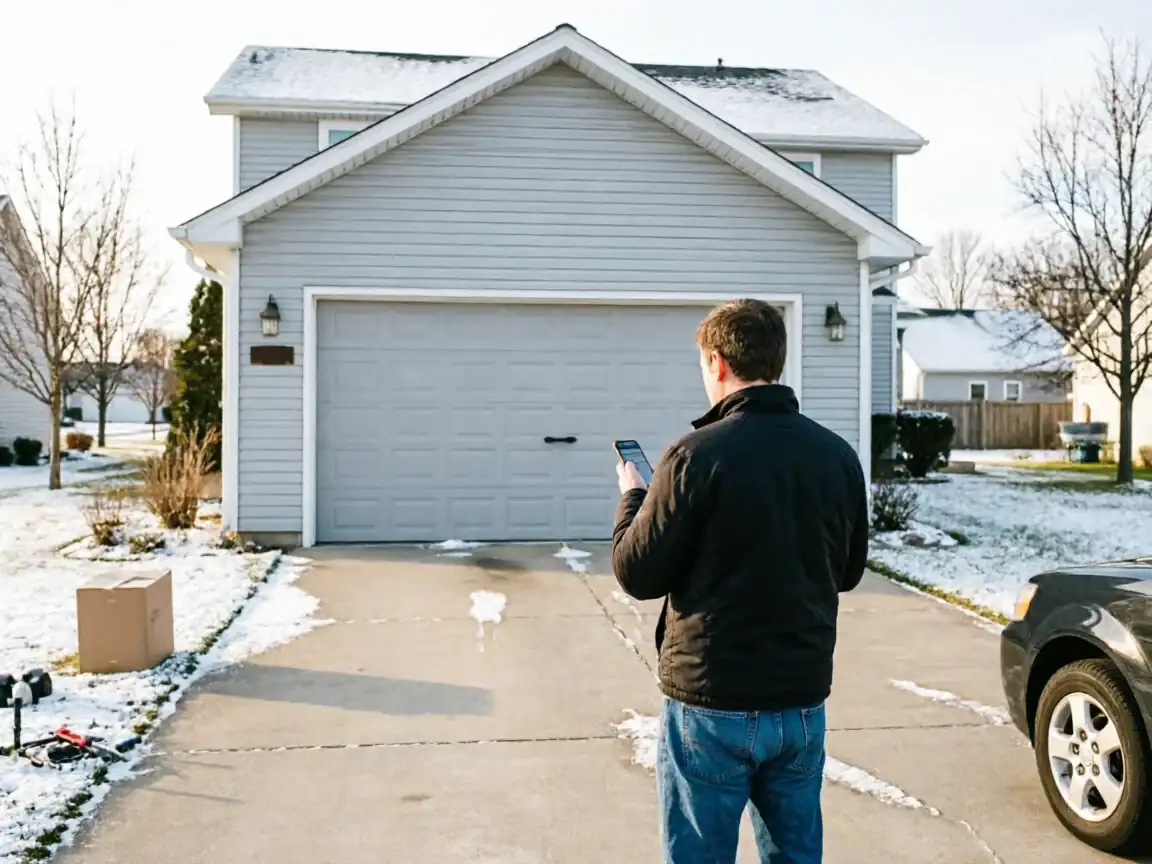
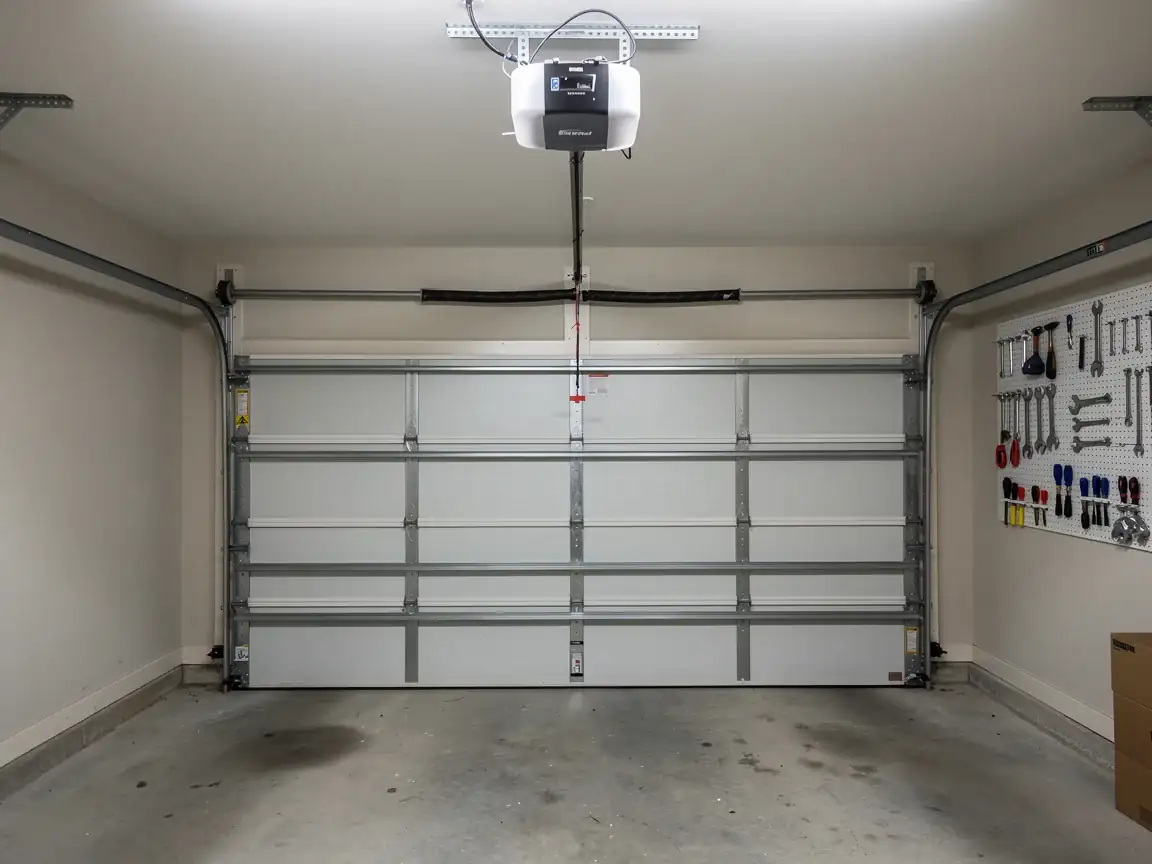
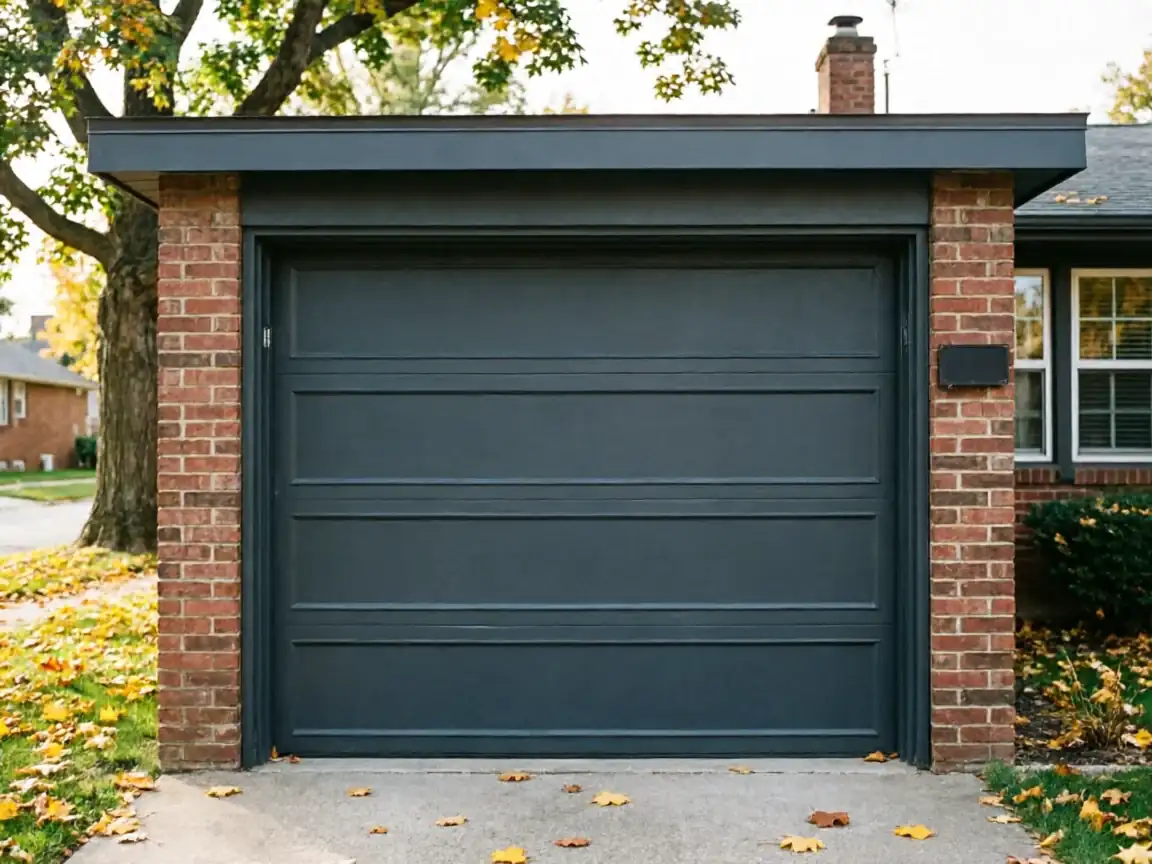
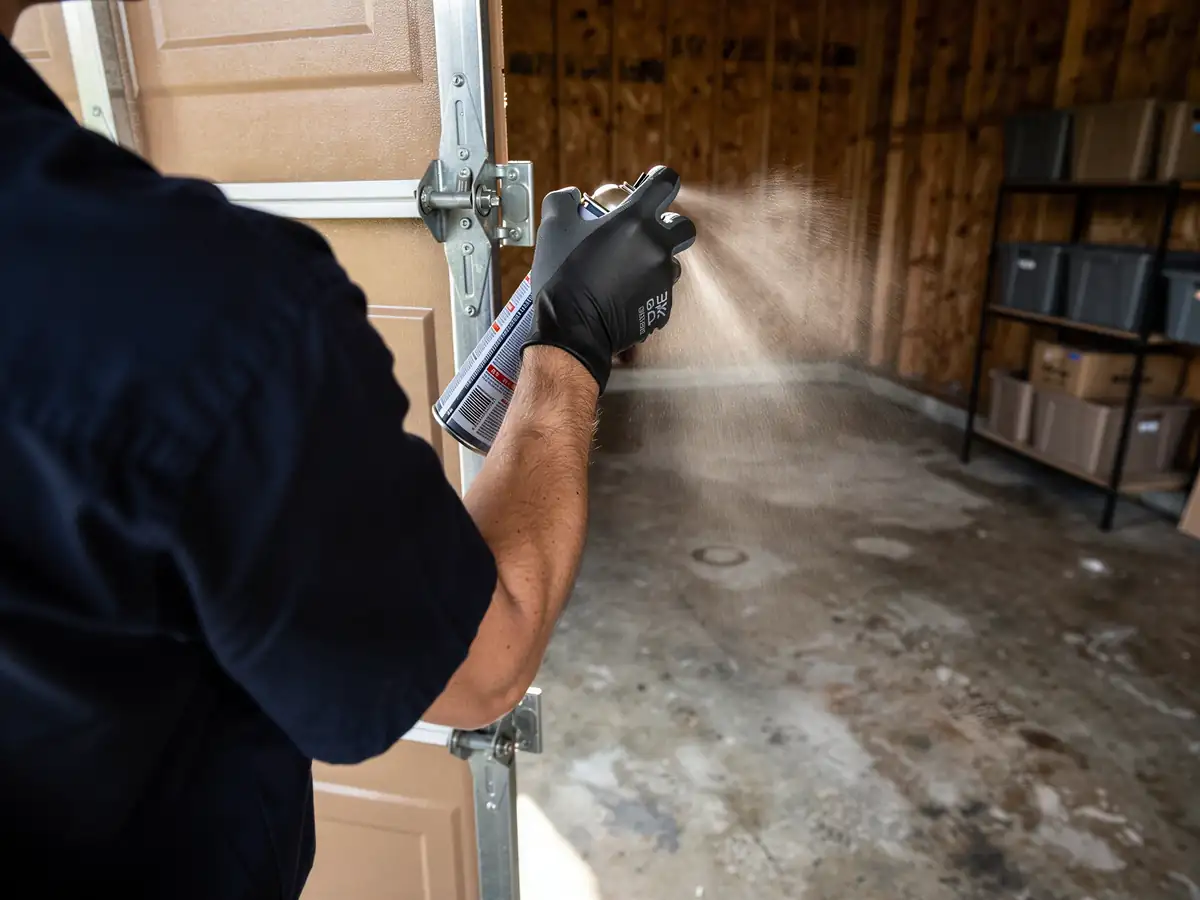
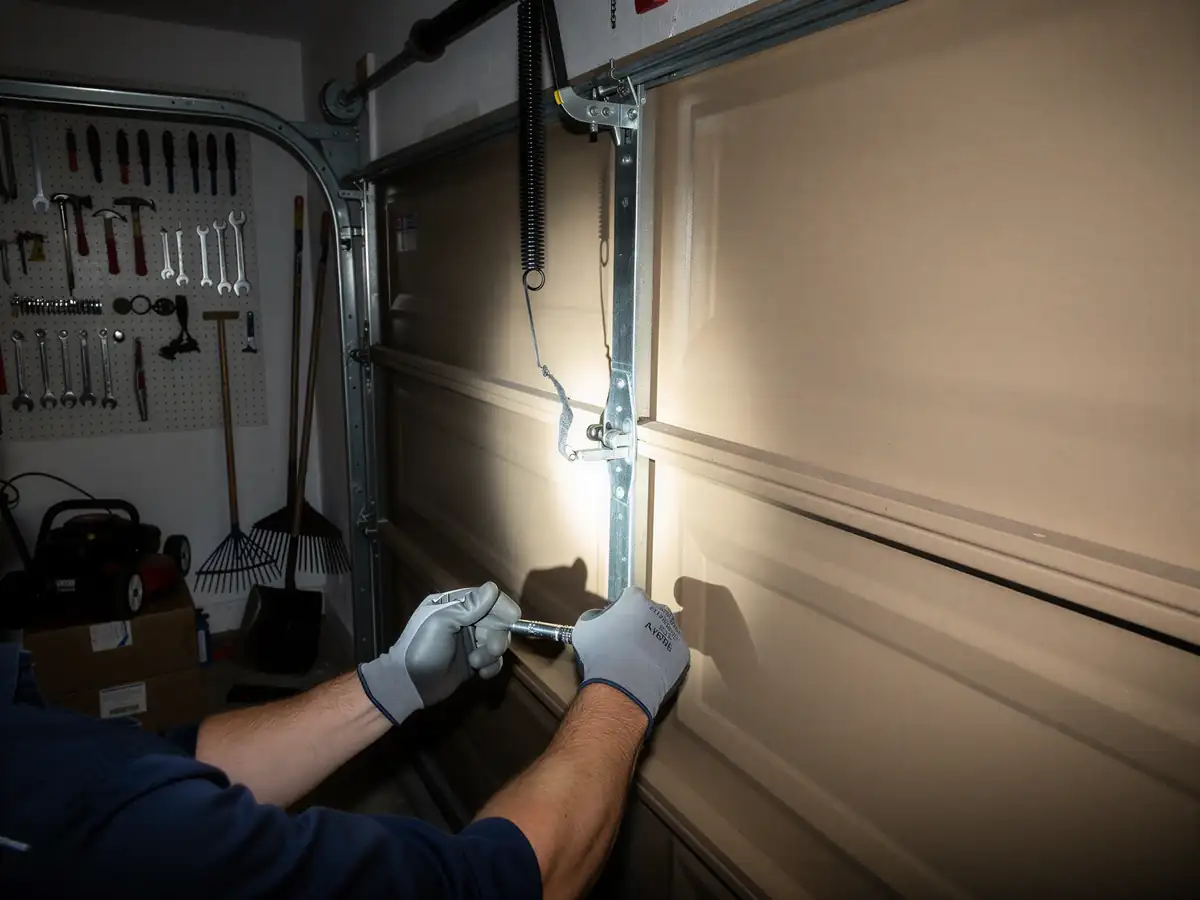
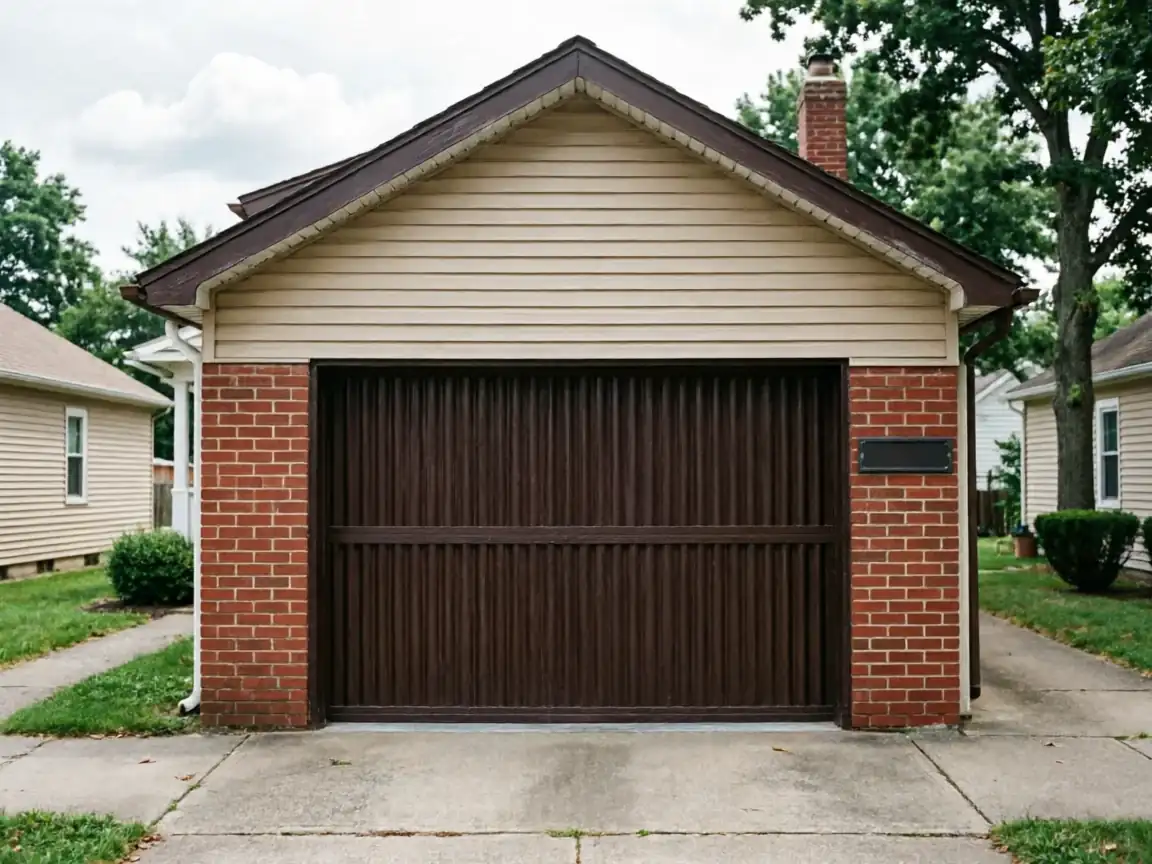
What a repair runs in Keego Harbor comes down to what's actually on the house, and most of what's on the house here is the same steel, single-layer panel door that went up when the lot was built - 1971 is the median year, right in the middle of the 1960s-70s run that covers most of this side of the service area. These were not insulated doors. They were not built with today's heavier torsion springs either, so when a spring on one of these finally lets go, the job is often a straight swap to a spring rated correctly for the door's actual weight, not a guess. Keego Harbor is a small pocket - about 1,300 households - so we're not pricing against a big new-construction market where half the doors are five years old. We're pricing against houses that are over fifty years old, with original hardware. A tune-up is cheaper than a tear-out. A dead opener on a door that still tracks straight is a different bill than an opener plus a bent track plus a cable that frayed through because nobody's lubed it since the Carter administration. We don't quote a flat number here because the fix depends on what's actually failed, not on the zip code.
Where This Job Goes Sideways
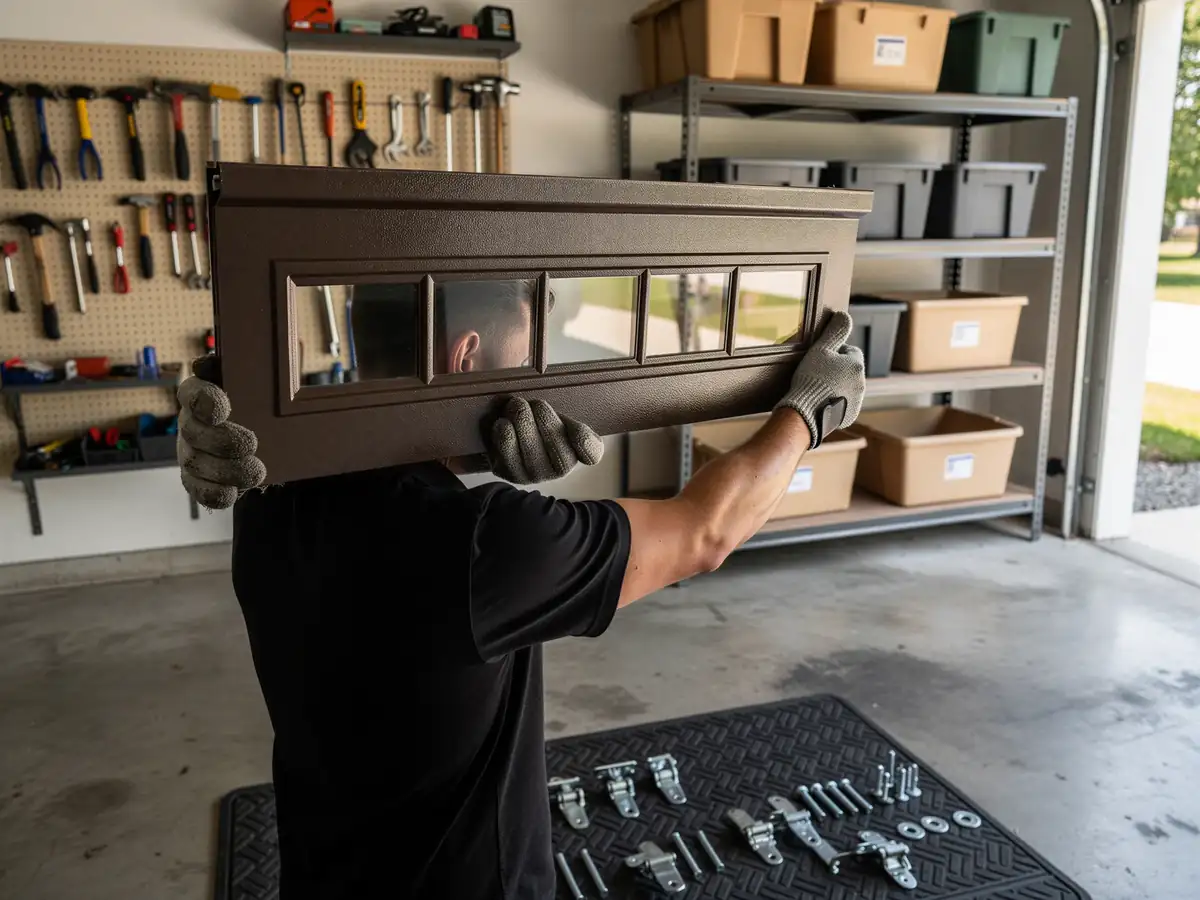
The job goes sideways when someone tries to match new parts to a fifty-year-old door without checking the spec first. A 1971 door wasn't engineered for a heavier insulated replacement panel, and bolting modern hardware onto an original frame without adjusting the counterbalance is how you get a door that slams instead of lowering. It also goes sideways when a homeowner's median household income here - $70,185, notably below the roughly $102,333 median across the rest of the area we cover - gets read by a contractor as a reason to push a full replacement instead of a repair that would actually hold. We don't do that. If the track's straight, the opener's sound, and it's one broken spring, we replace the spring. Full stop. The other way this goes wrong: cheap universal springs that aren't rated for the door's actual cycle count. On a door this old, we measure, we don't guess.
How It Shows Up
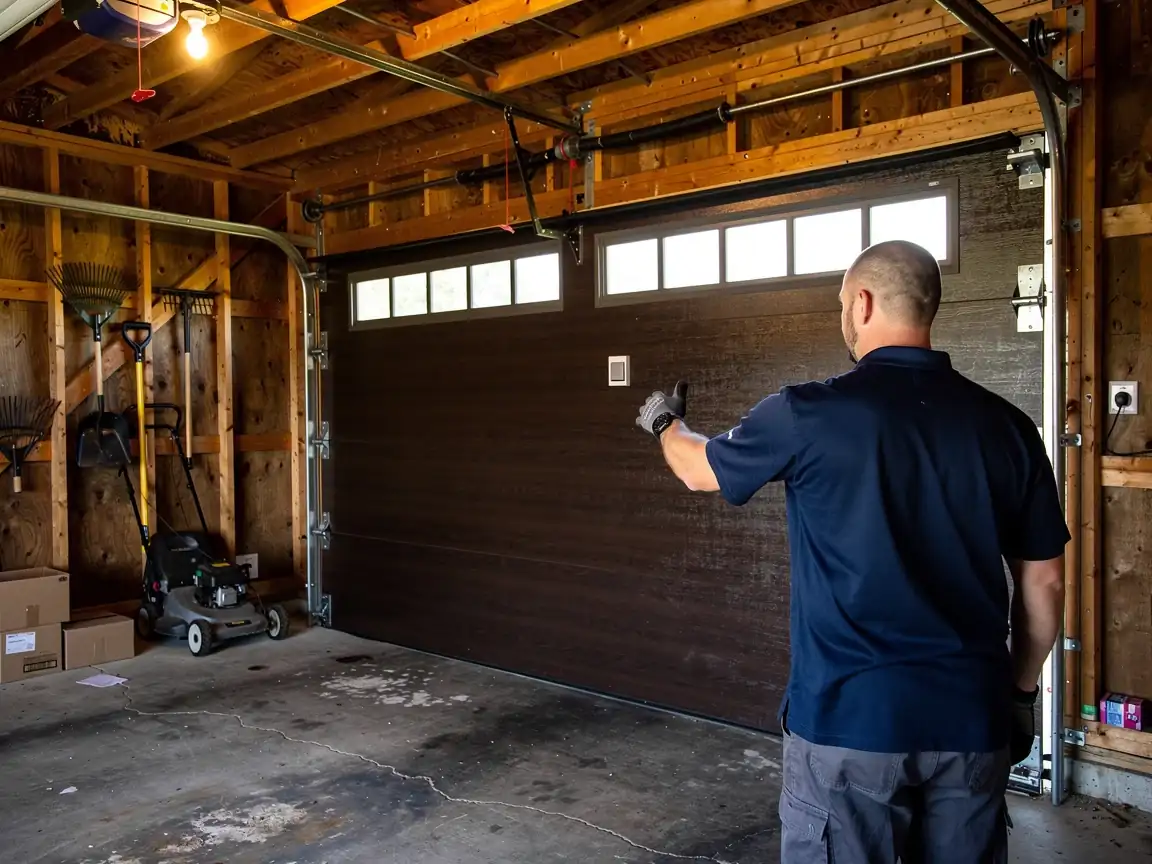
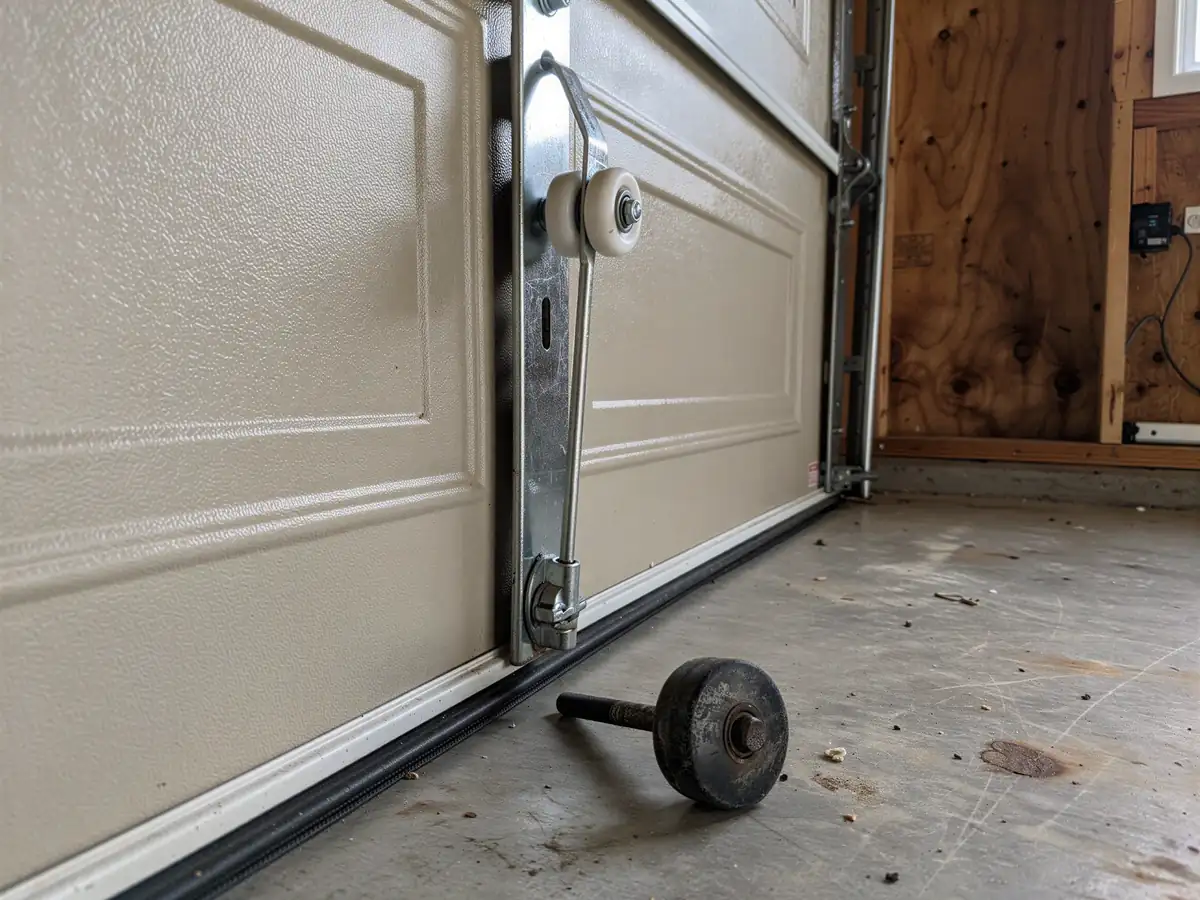
On a door like this, it usually starts as noise - a grinding or a popping sound on the way up - before it becomes a door that won't move at all. Rollers that were steel to begin with wear grooves into the track over decades, and once that groove is deep enough the door starts to bind on one side before the other, which reads to most owners as "the opener's dying" when the opener is fine and the track is the problem. Cables on these original setups fray at the drum first, usually invisible until the day one lets go and the door drops unevenly. None of this is dramatic until the spring goes, and then it's sudden and loud and the door won't move either way.
How We Fix It
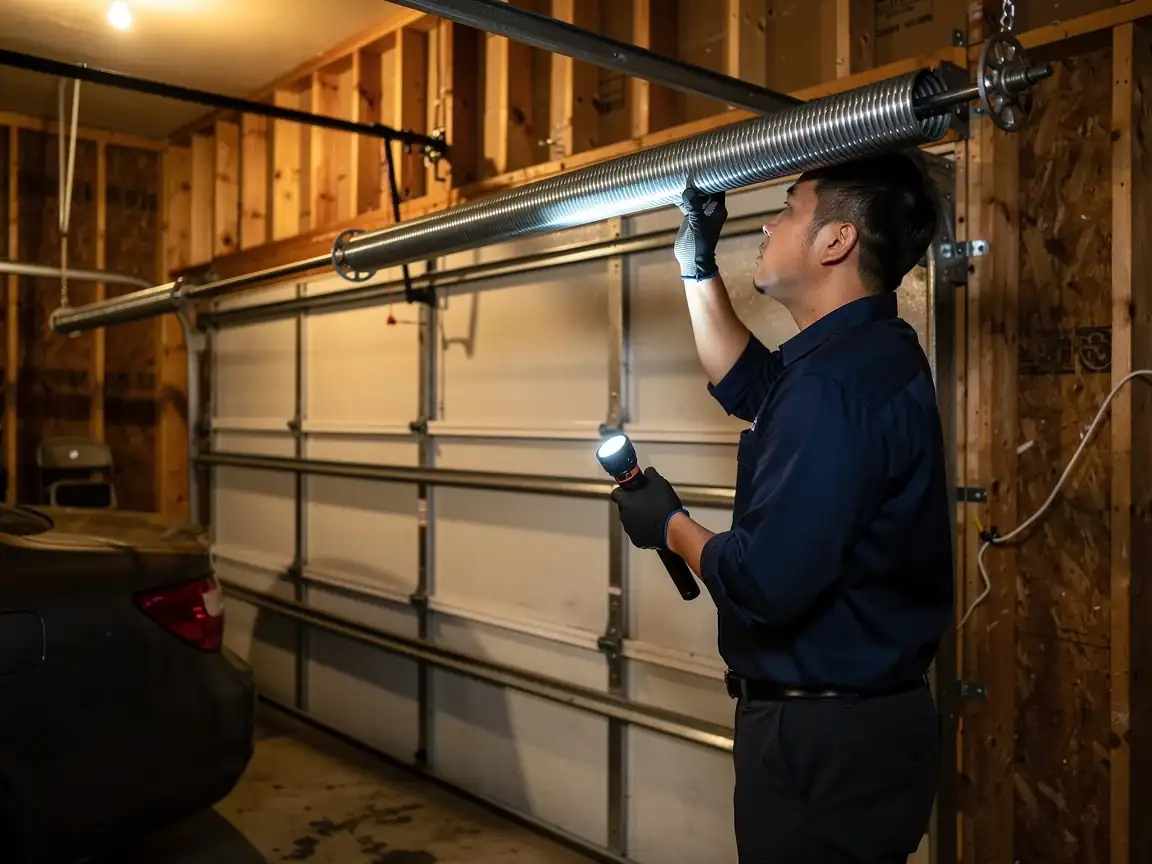
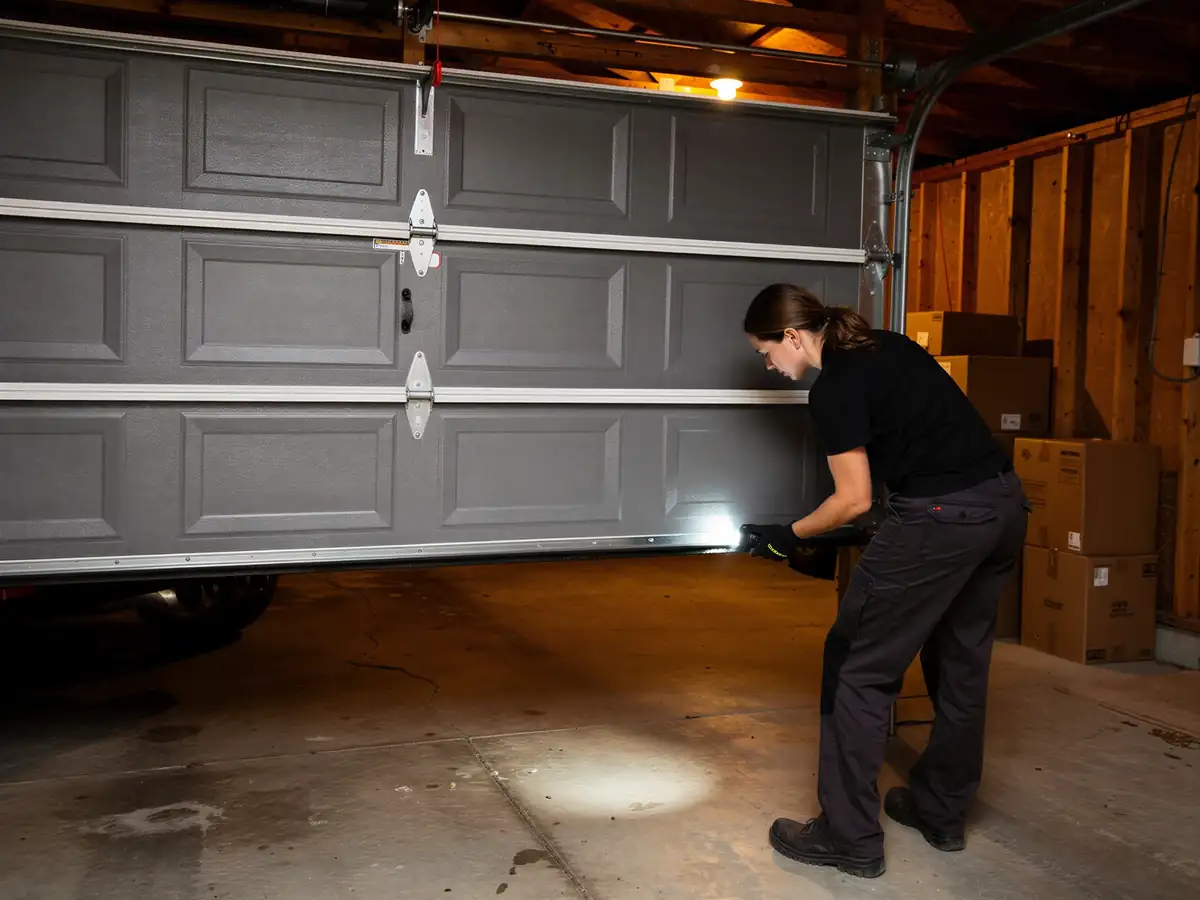
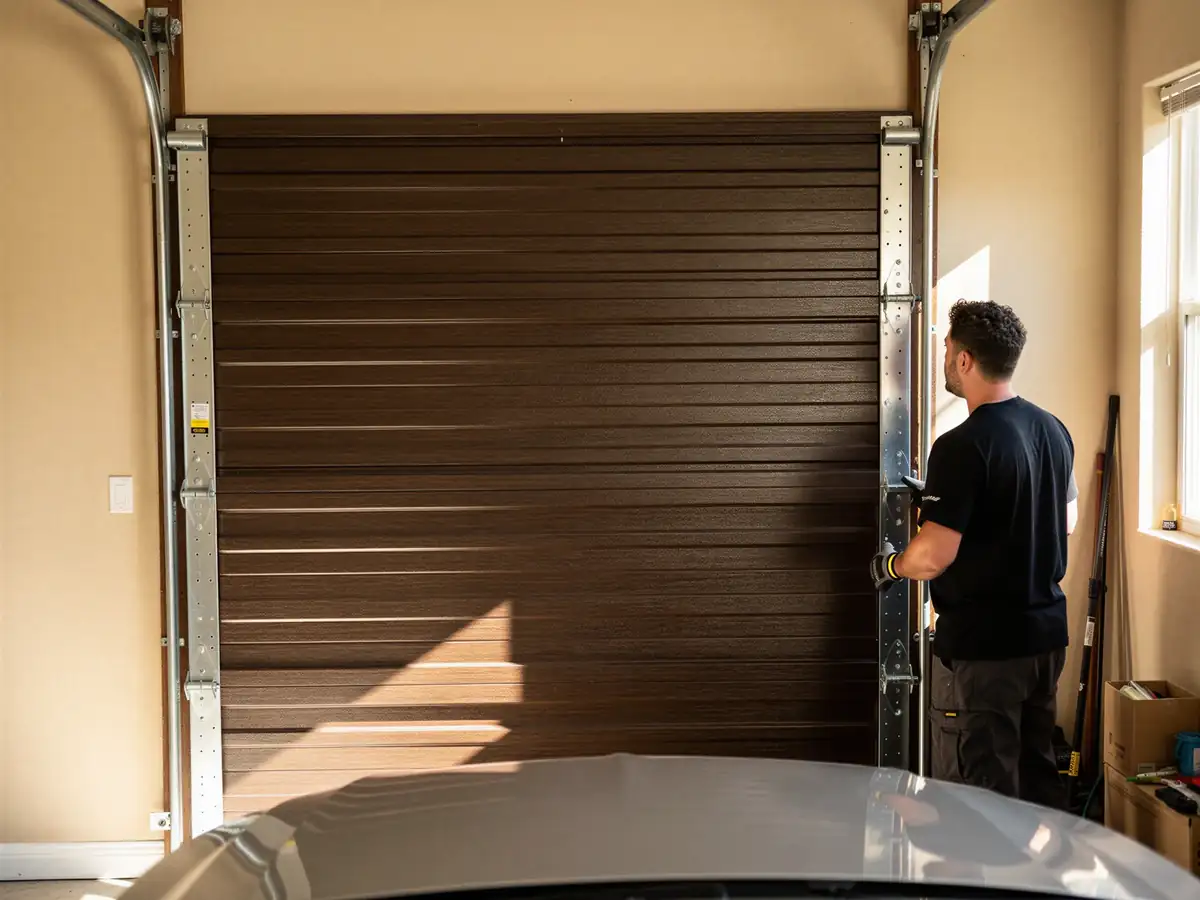
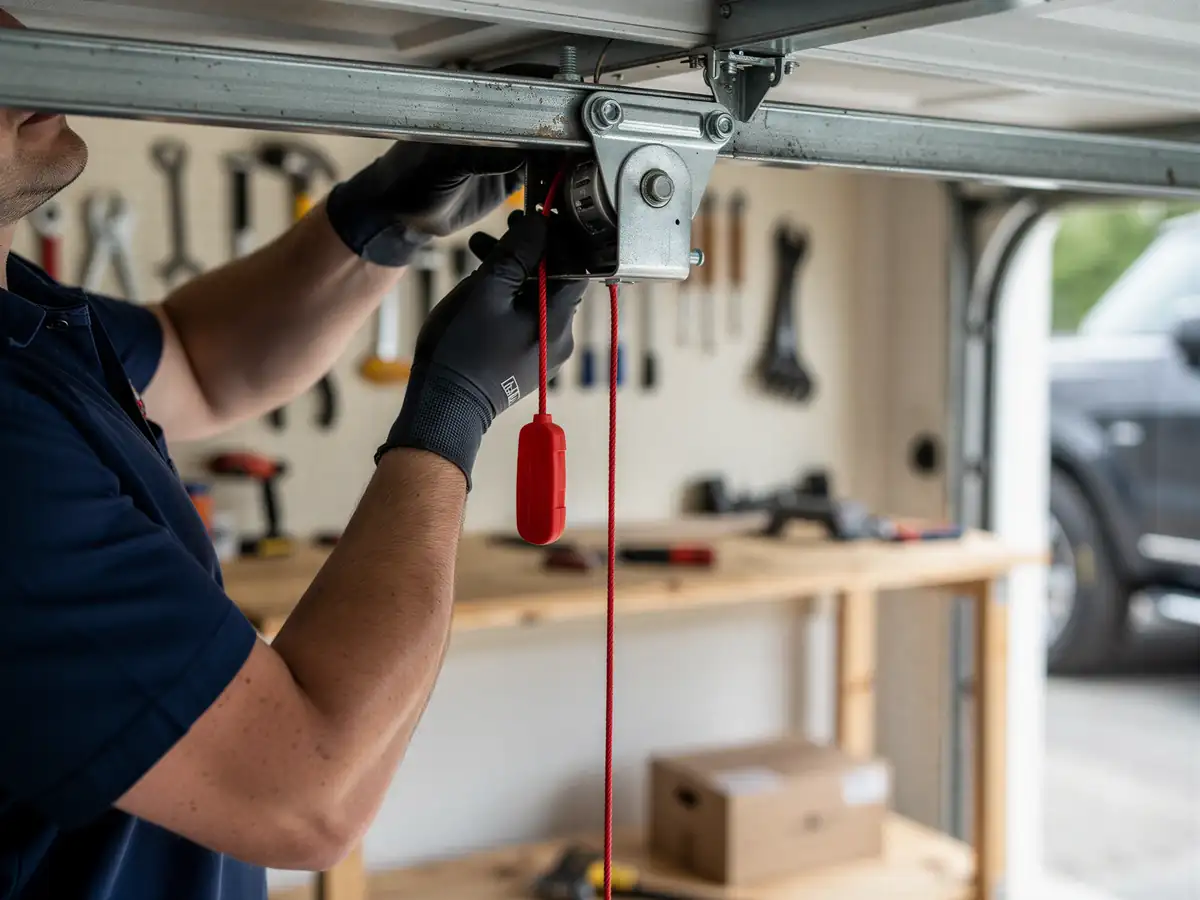
We come out from Waterford, seven miles from Keego Harbor by the route Google lists, so this isn't a different branch or a different crew - it's the same truck that covers the rest of the area. On arrival we check the spring rating against the actual door weight before swapping anything, because an original 1971 steel door doesn't weigh what a modern insulated one does, and fitting the wrong spring is how you get a door that slams or won't stay up. If the track's grooved from fifty years of steel rollers, we replace the rollers and true the track rather than replacing the whole assembly - that's usually the cheaper and correct fix. One honest limit: if the door itself is rusted through or the panels are too warped to true up, repair stops making sense and we'll tell you that instead of billing for a patch that won't hold.