What You Pay
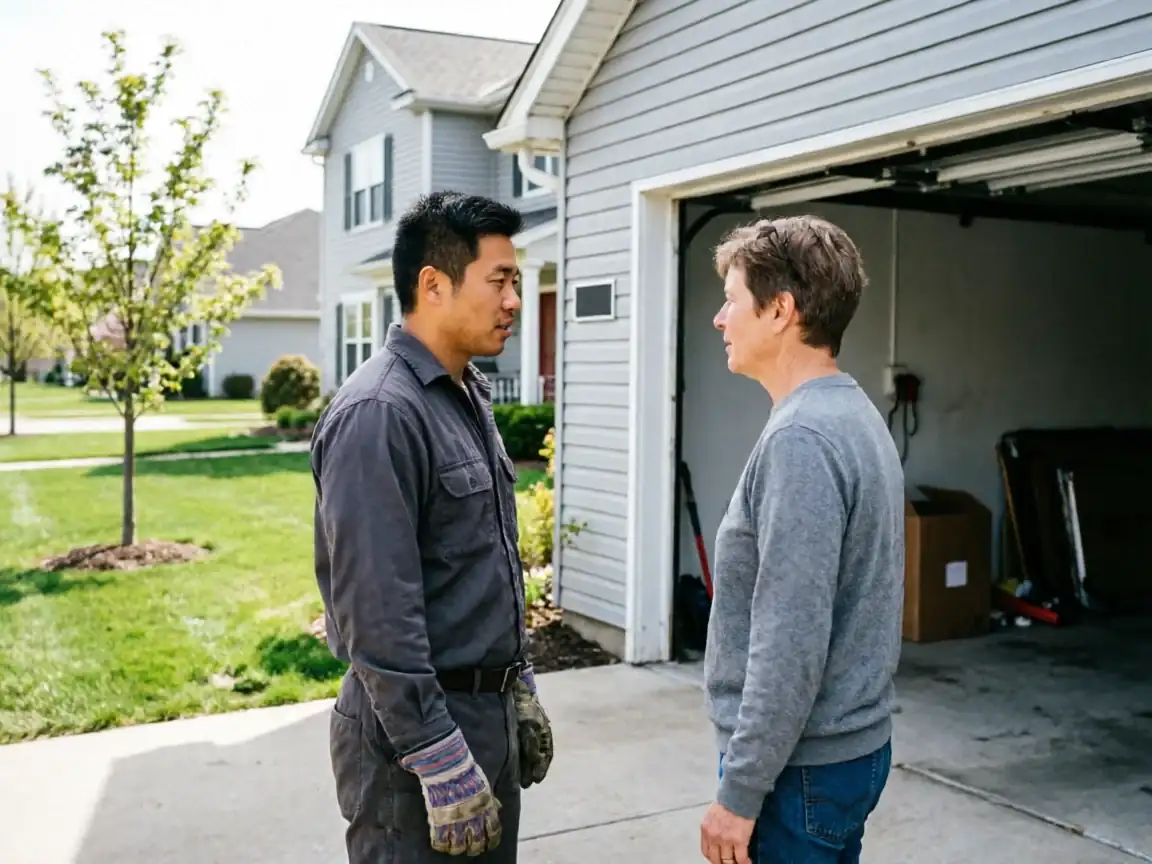
Keego Harbor is a small town - about 1,300 households total - so there isn't a published local rate sheet the way there might be for a bigger suburb with its own service history. What we can tell you is that maintenance pricing here runs on the same structure as the rest of the area we cover out of Waterford: a flat visit charge plus parts, no guesswork added for driving the 7 miles over. Median household income in Keego Harbor sits at $70,185, noticeably under the $102,333 median across the wider service area, and that gap shows up in the calls we get - more owners here ask for a spring or roller fix that buys another few years rather than a full door swap. That's a reasonable call in most cases. Where it isn't is when the track is bent badly enough that a new roller just wears the next one out faster - at that point we'll say so instead of selling another repair. We don't carry a branch inventory in Keego Harbor itself, so if a part isn't on the truck, that's a second trip, not a same-day fix. Ask up front what's billed as labor versus parts; it keeps the invoice from surprising anyone.
Where This Job Goes Sideways
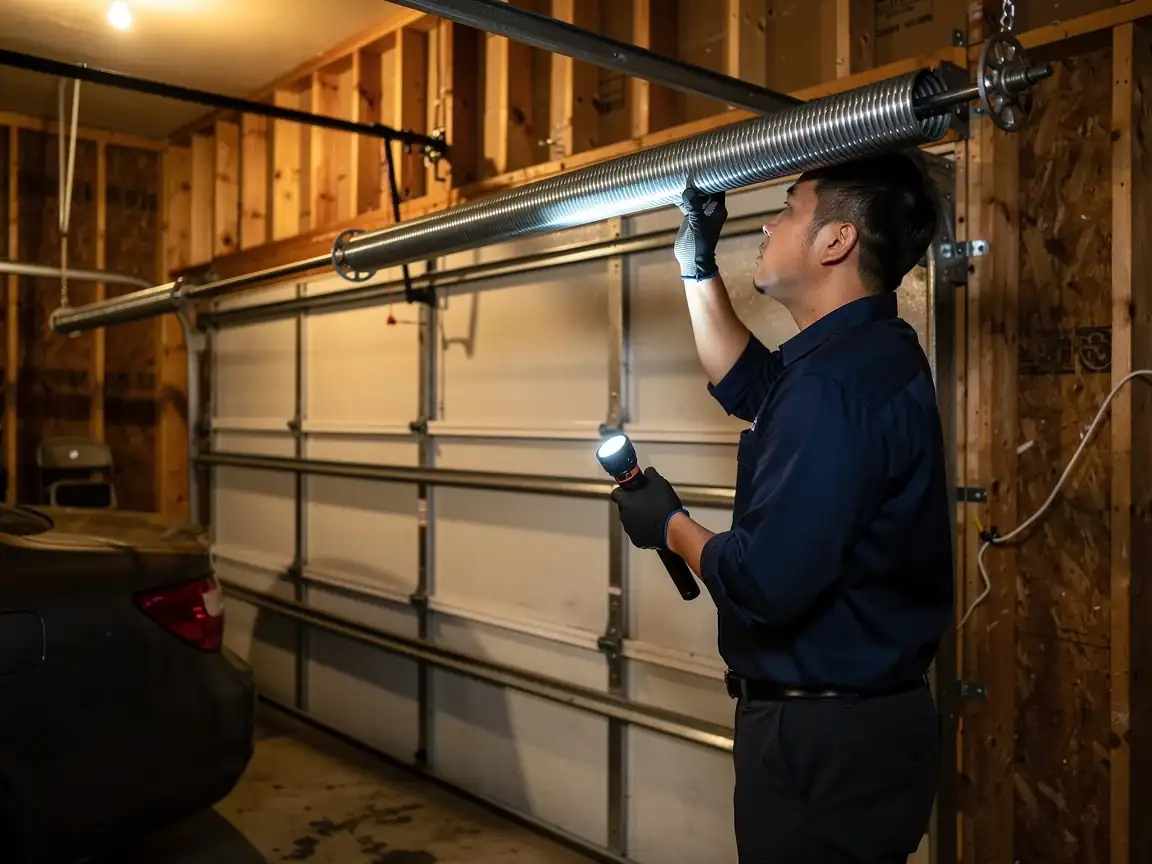
The failure we see most in Keego Harbor isn't a dead opener, it's a spring that's been quietly losing tension for a year before it lets go on a cold morning. With roughly 1,300 households in town, we're not running a high volume of calls here, but the pattern repeats enough to notice: the original torsion spring, still in service decades past when it should've been swapped, finally snaps on a door that otherwise looks fine. Owners sometimes assume the opener is the problem because that's the part that makes noise. It usually isn't. The second place this goes wrong is skipped lubrication - rollers and hinges that haven't seen oil since the house changed hands, grinding until a cable frays. Neither of these is dramatic until the day it is, and by then the fix costs more than the maintenance visit would have.
How It Shows Up
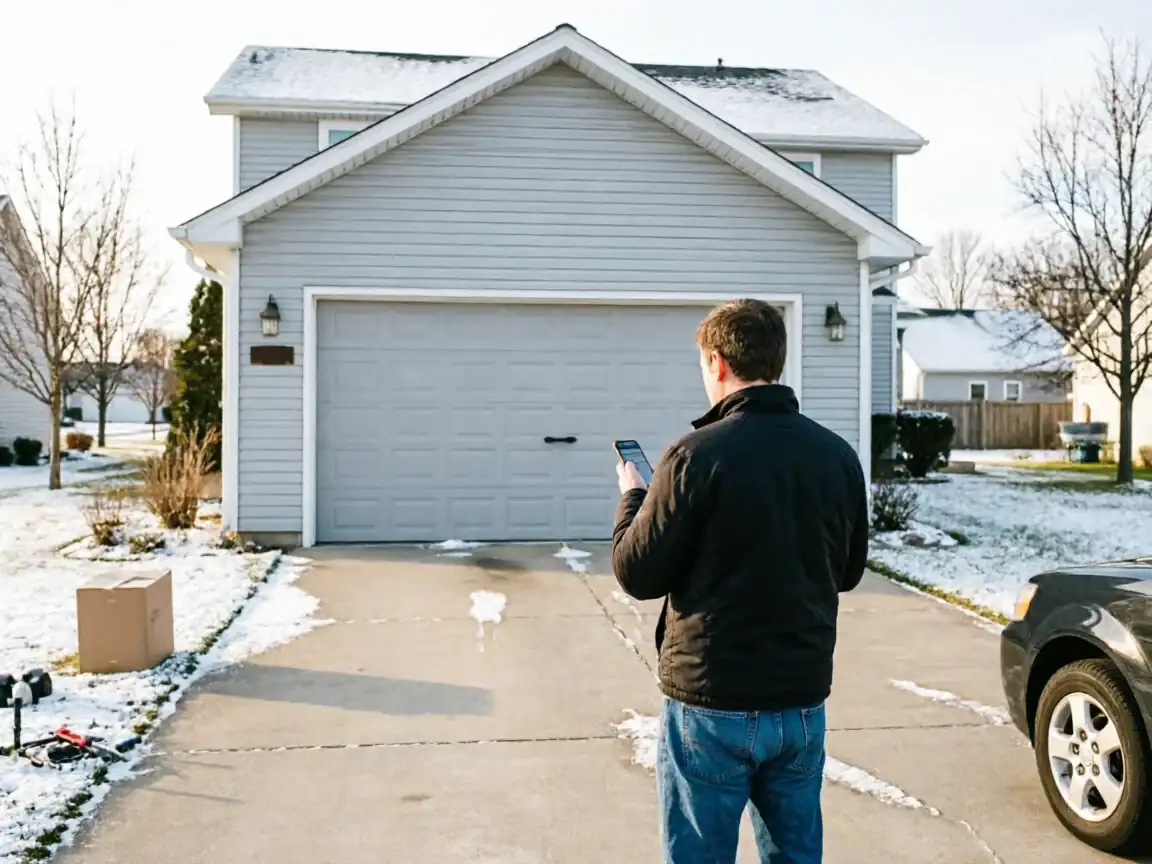
Most owners notice one of three things first: the door shudders partway up instead of moving smooth, the opener strains and reverses before fully closing, or there's a sharp bang from the spring area followed by a door that won't lift at all. In a town this size, we don't get a flood of identical calls in the same week, but the underlying cause tends to repeat - aging torsion springs and dry rollers on doors original to, or close in age to, the 1971-era housing stock. A door that's merely loud, versus one that won't move, usually means the difference between a maintenance visit and an emergency repair call. If you're already past the loud stage, that's the point to call rather than wait.
How We Fix It
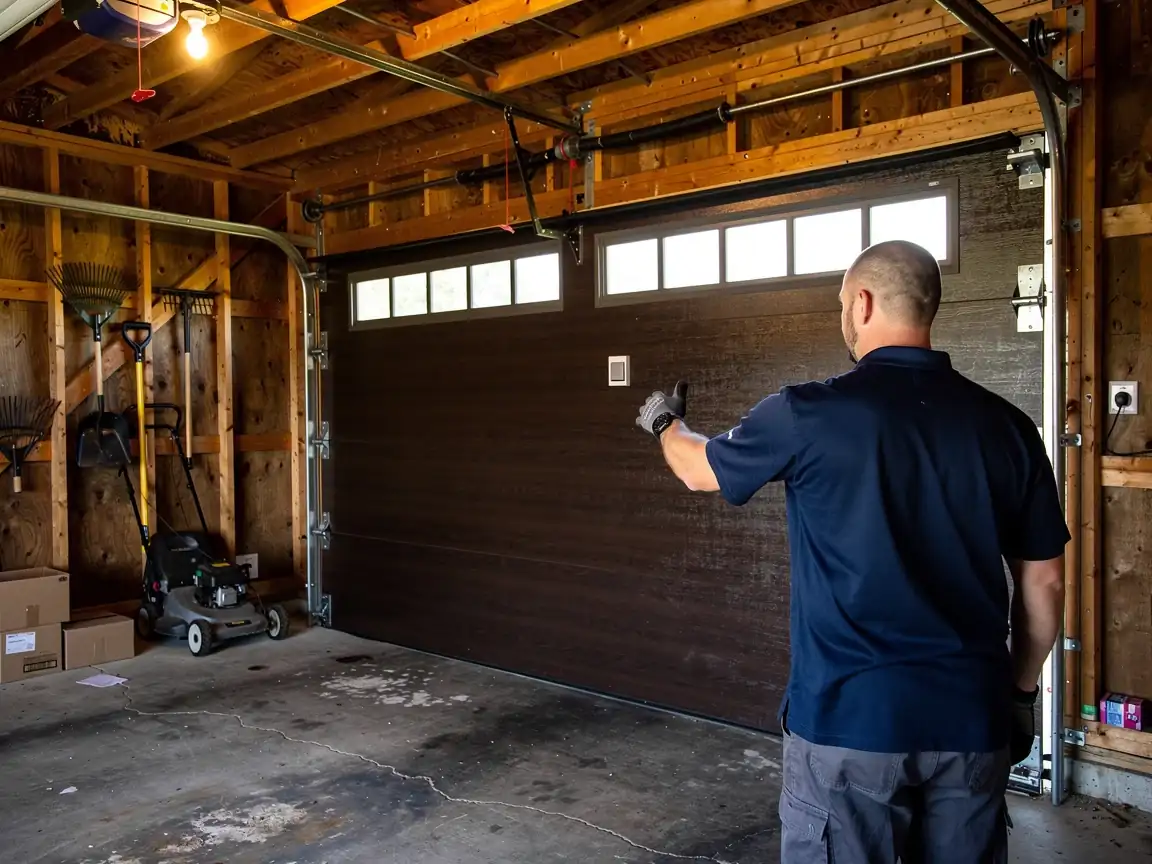
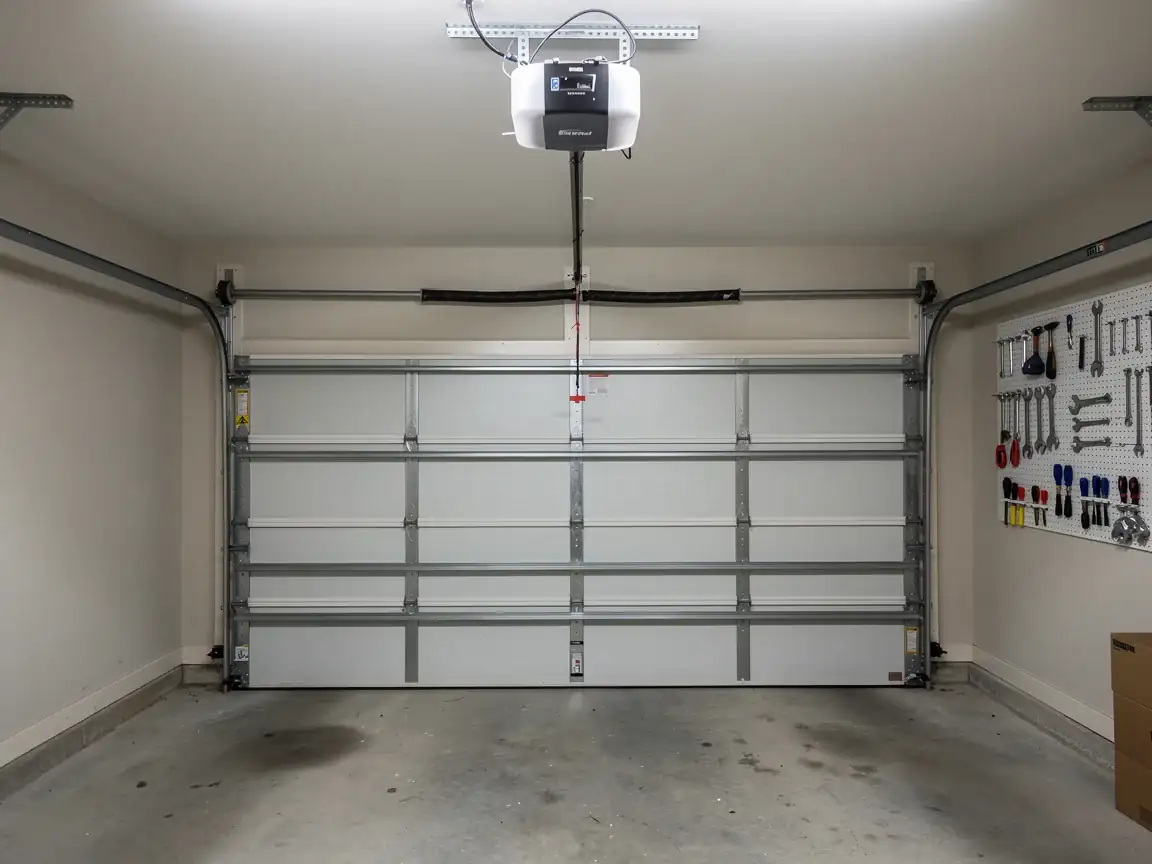
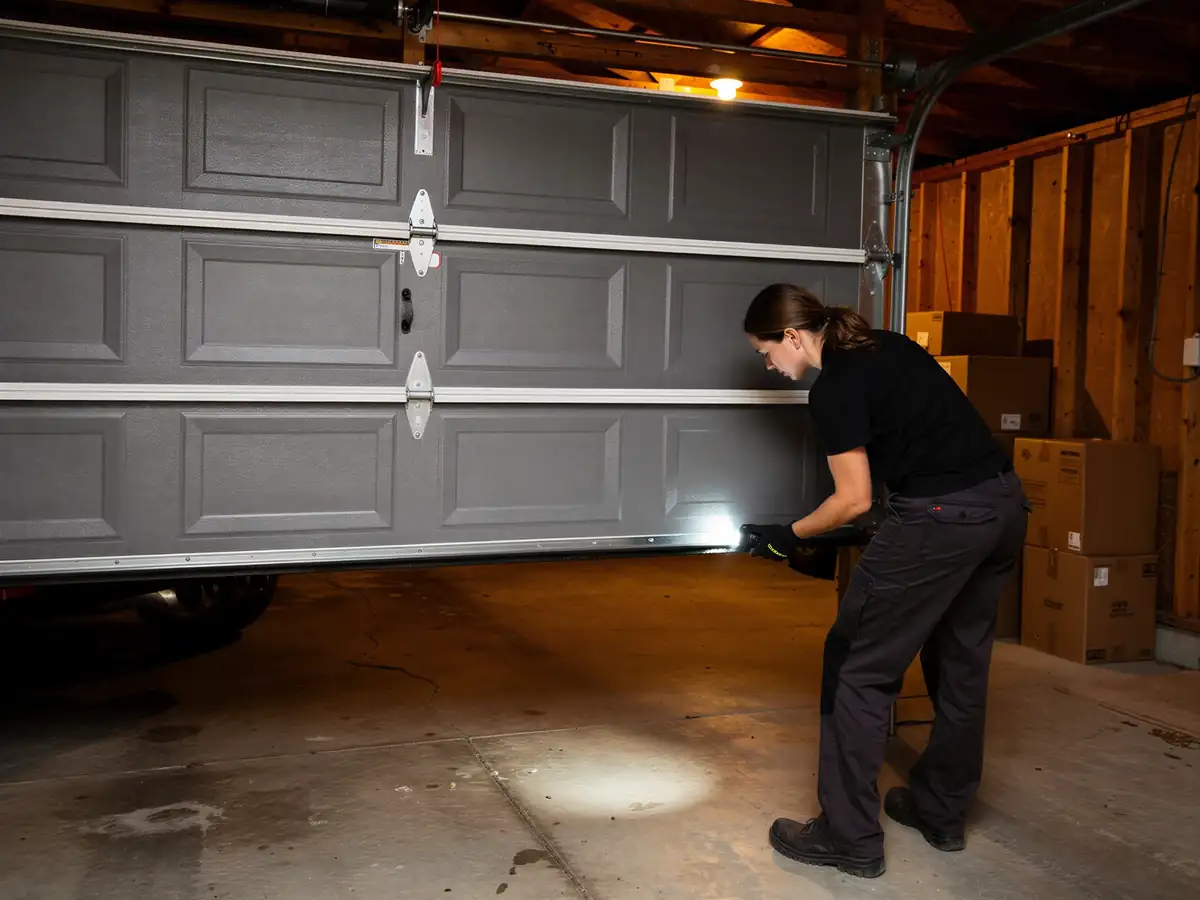
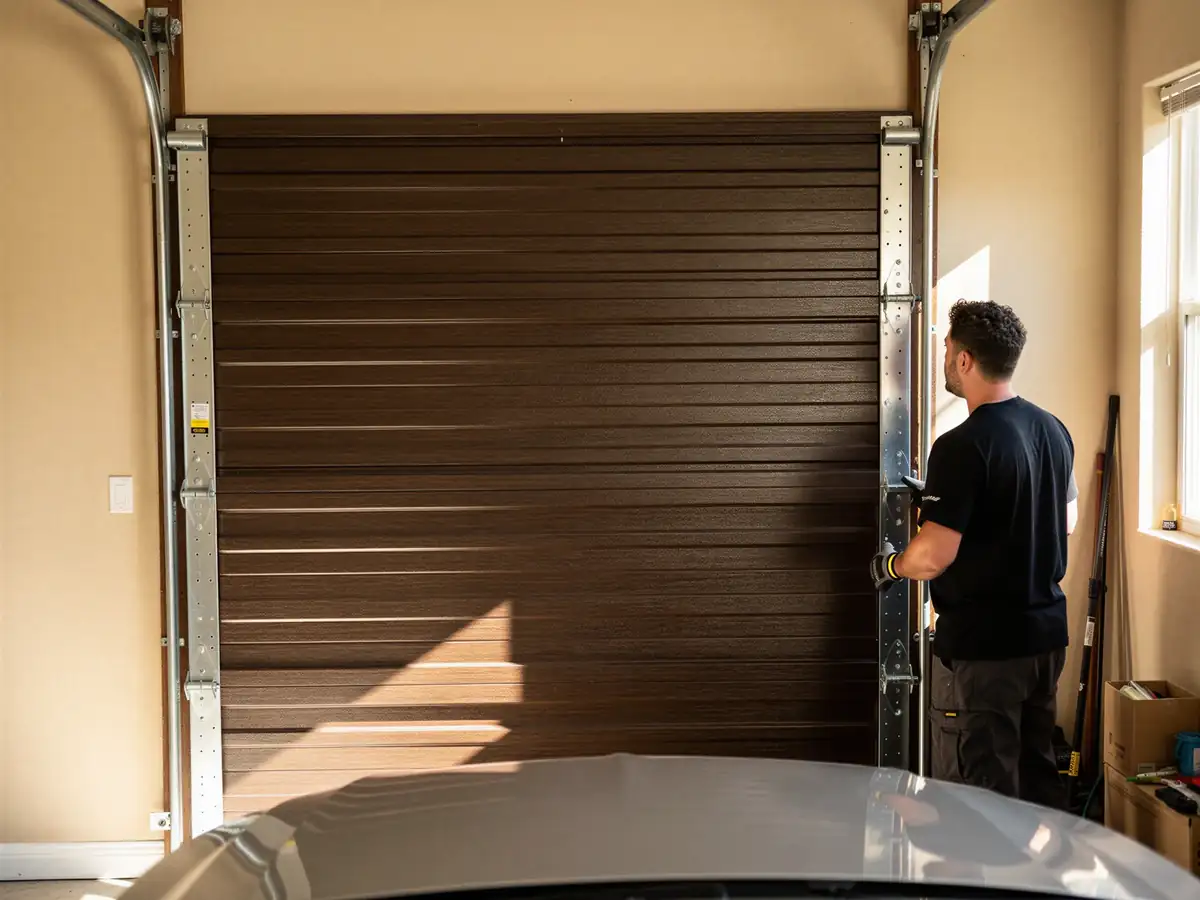
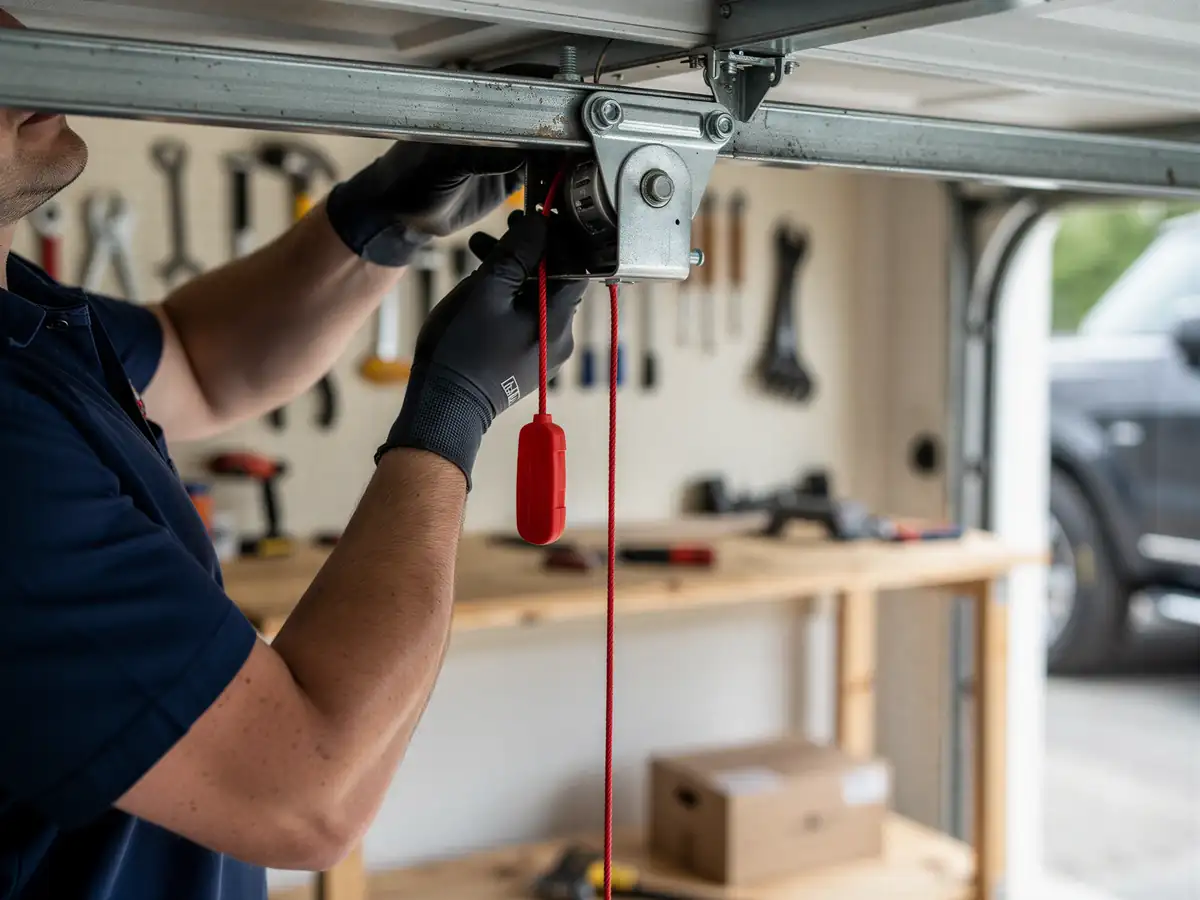
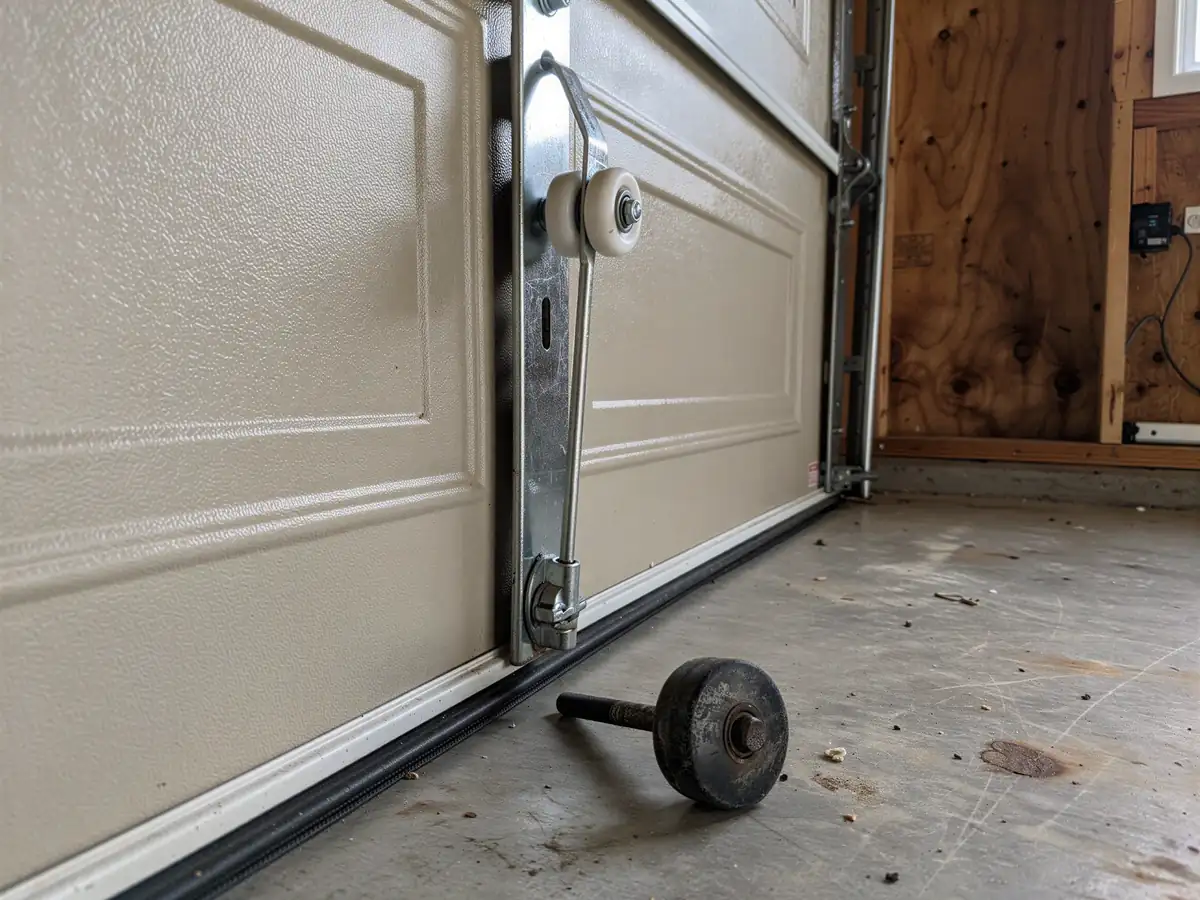
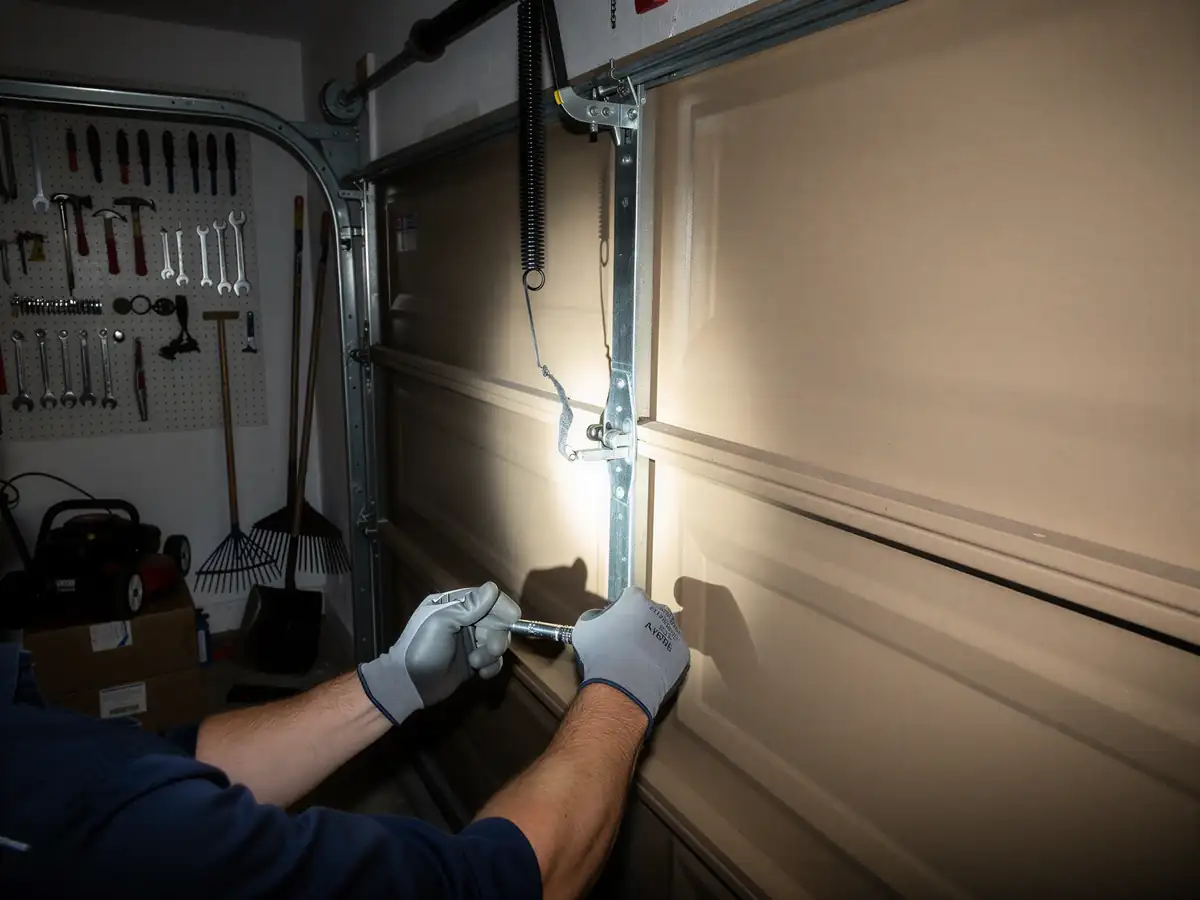
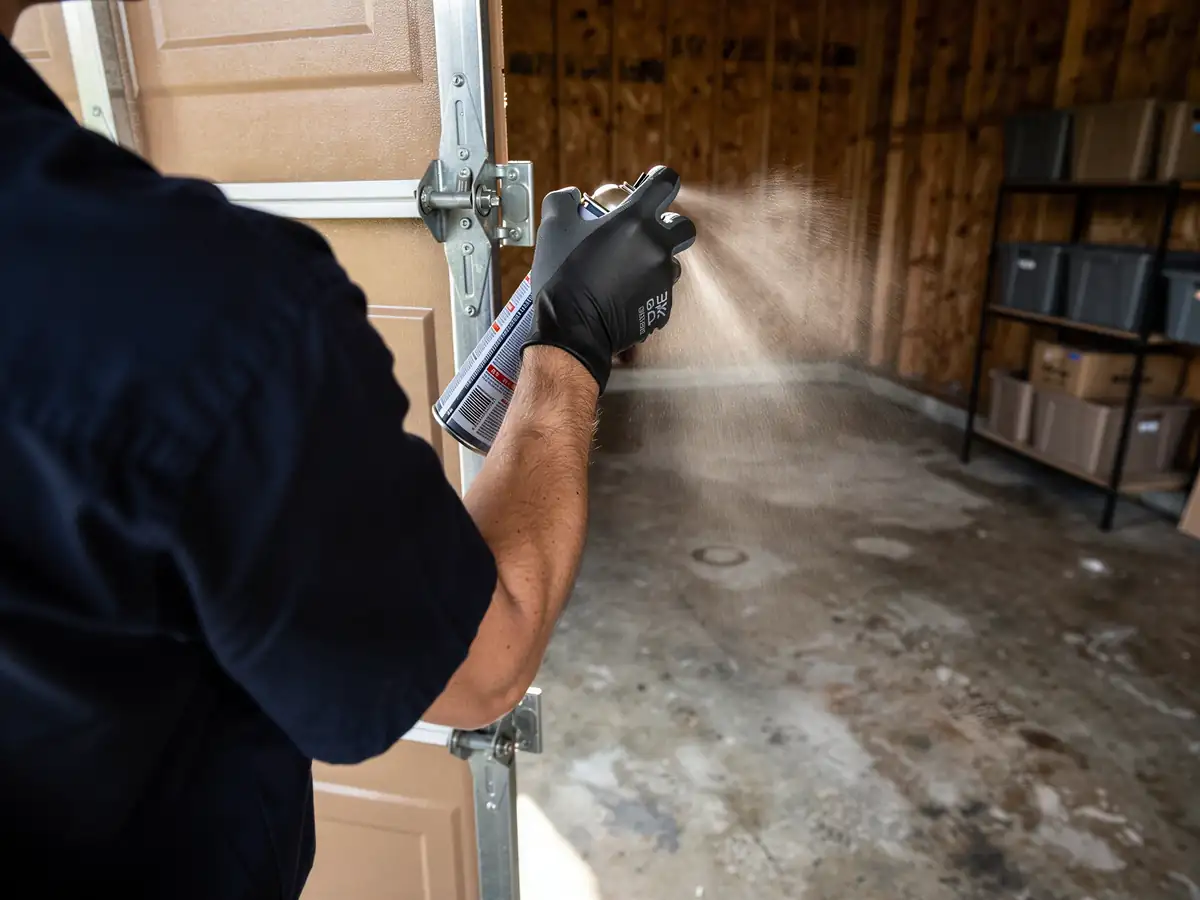
Maintenance here means checking spring tension and balance, lubricating rollers and hinges, tightening hardware that's worked loose, and inspecting the cables and track for wear before they fail outright. On a door built or installed during Keego Harbor's 1971-era construction wave, we're also looking at whether the track and header bracket - the parts least likely to have been replaced - are still carrying the door correctly, since that's what we see go unnoticed longest. We travel from Waterford for this work; there's no branch stocked in Keego Harbor, so if a spring size or track part isn't common stock, we'll schedule the return trip rather than guess at a fit. For anything beyond routine maintenance, see our Keego Harbor garage door repair page, and for the full rundown of what maintenance covers across the service area, the Waterford maintenance page has the broader detail.