What You Pay
Keego Harbor is a 7-mile run from our Waterford trucks, which puts it on the short end of our service area - not a same-town call, but not a cross-county haul either. What that distance buys you is a predictable arrival window instead of a guess, because the truck isn't crossing half the county to get to you. What it doesn't buy you is a flat number we can print here, because what you pay depends on what's actually broken: a snapped torsion spring is a different bill than a cable off a drum, and a dead opener board is different again. Keego Harbor's 1,300 households sit at a lower median income than the wider service area ($70,185 here against $102,333 across the full territory), and we keep that in mind when we talk through repair-versus-replace instead of pushing a new door on every call. If your opener still has life in it, we'll say so.
Where This Job Goes Sideways
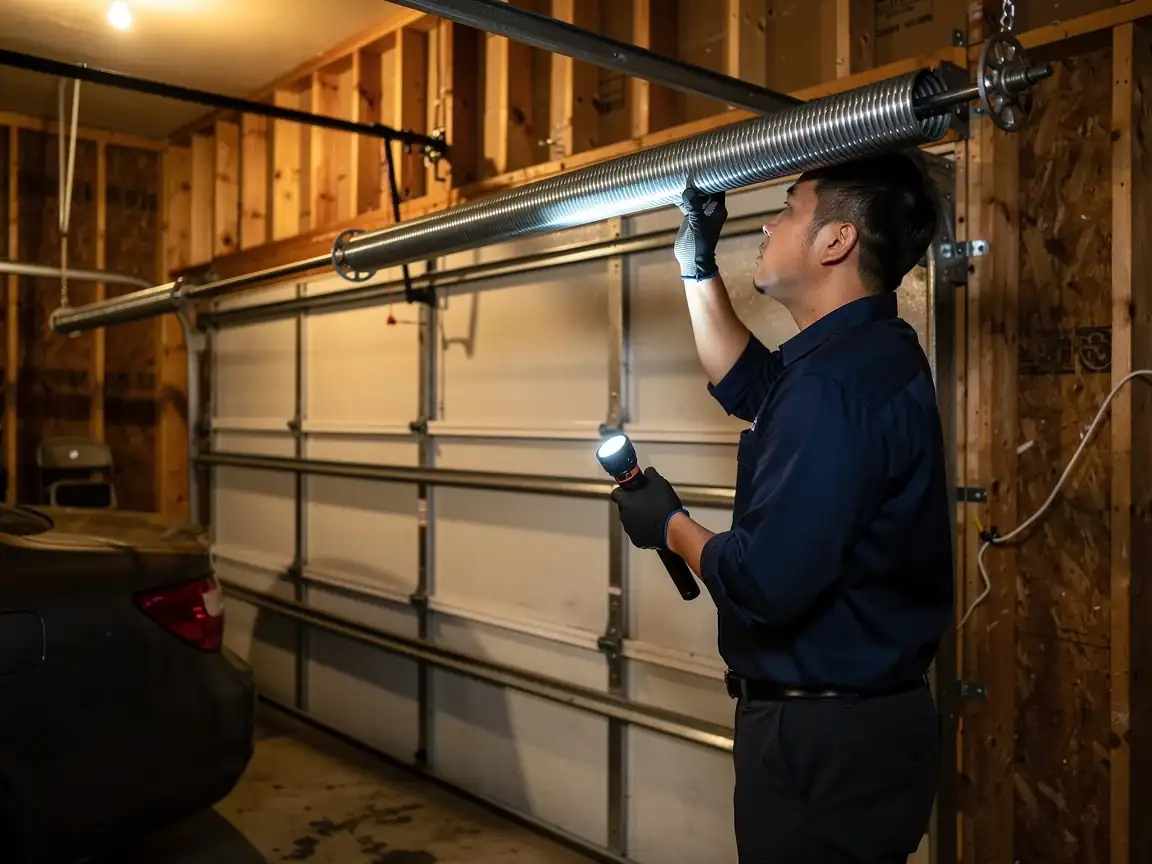
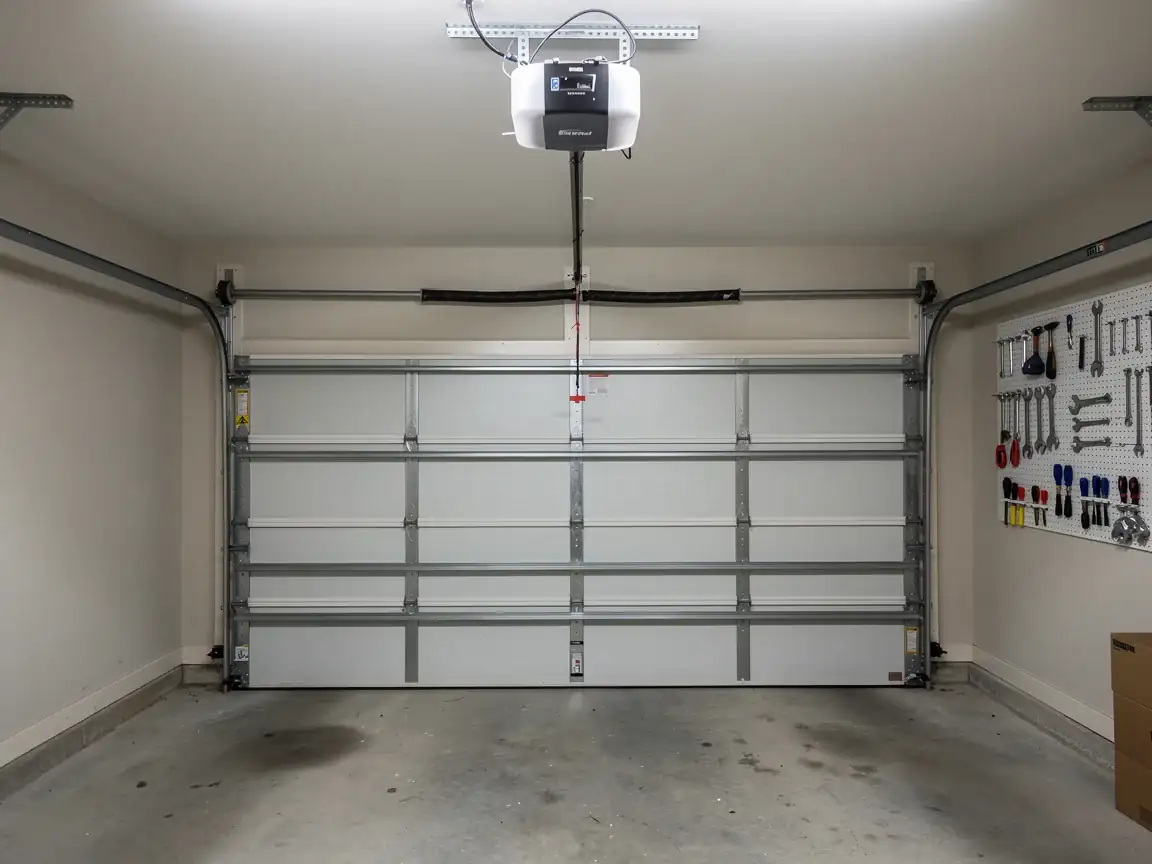
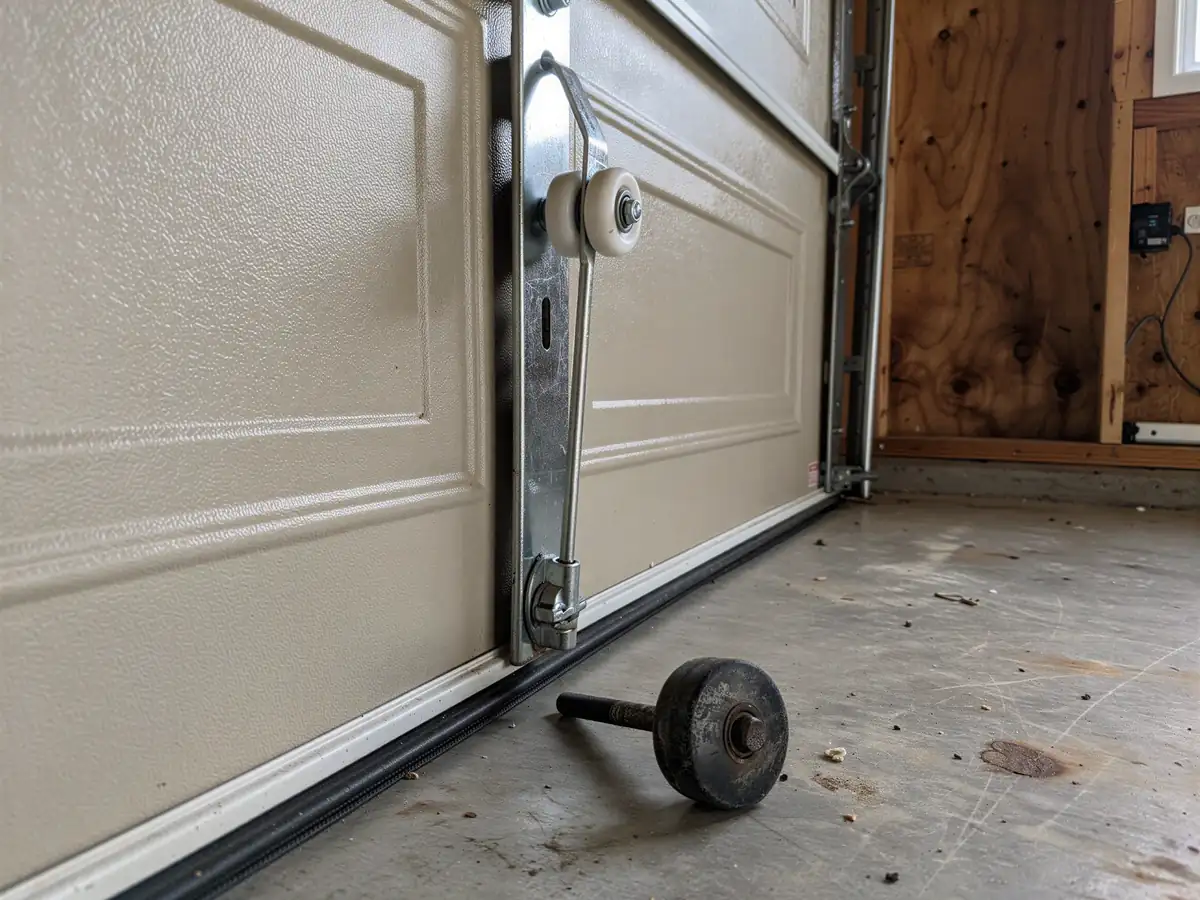
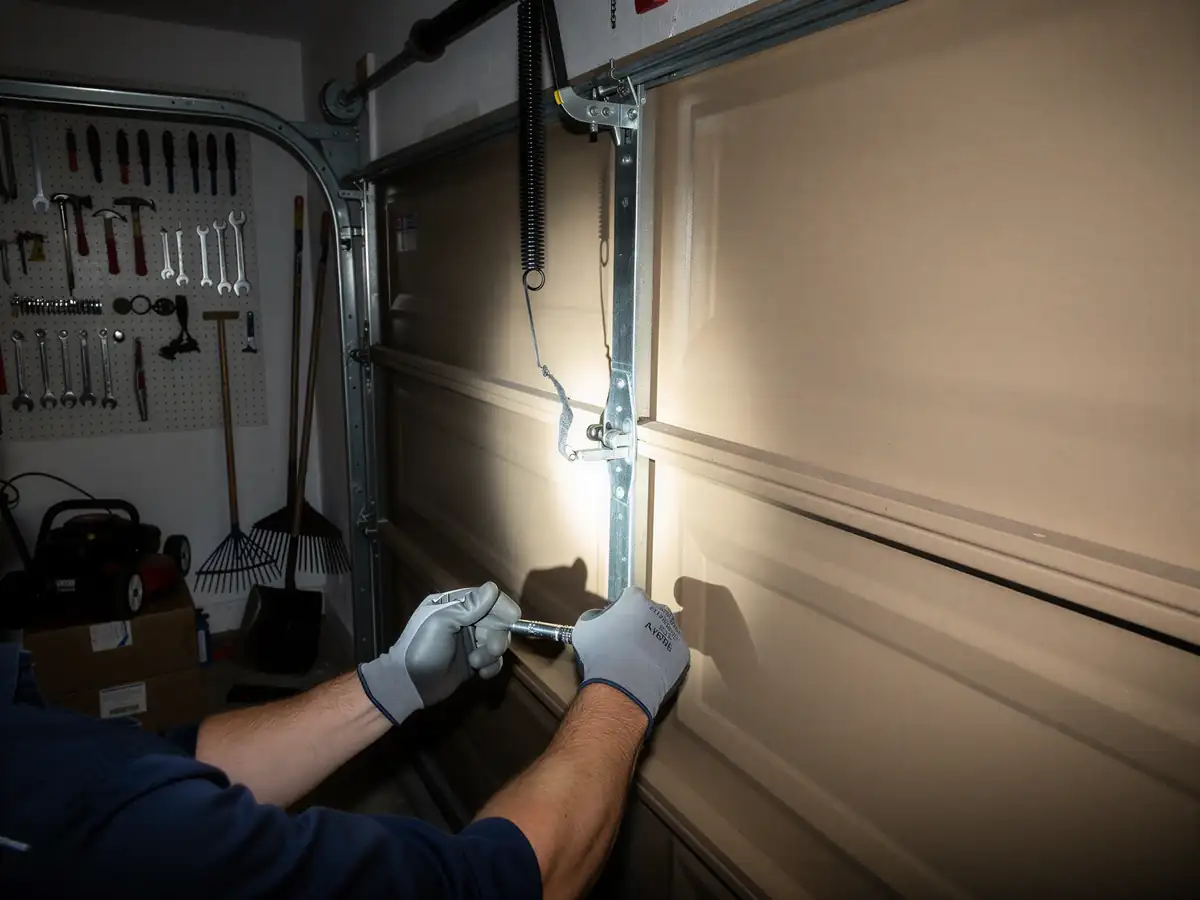
The failure that turns a simple spring swap into a longer job is almost always the drum and cable setup underneath it. On a door that's been running since the early seventies, the spring finally lets go, but by then the cable has usually been riding a worn drum groove for years, and replacing the spring alone just hands you the same cable failure a few months later. We see this constantly on this side of the county, where the housing stock lines up with the 1949 to 1993 build range and clusters hardest in the 1960s and 70s. A call that sounded like "one spring" on the phone turns into spring, drum, and cable once the truck is actually in your driveway.
How It Shows Up
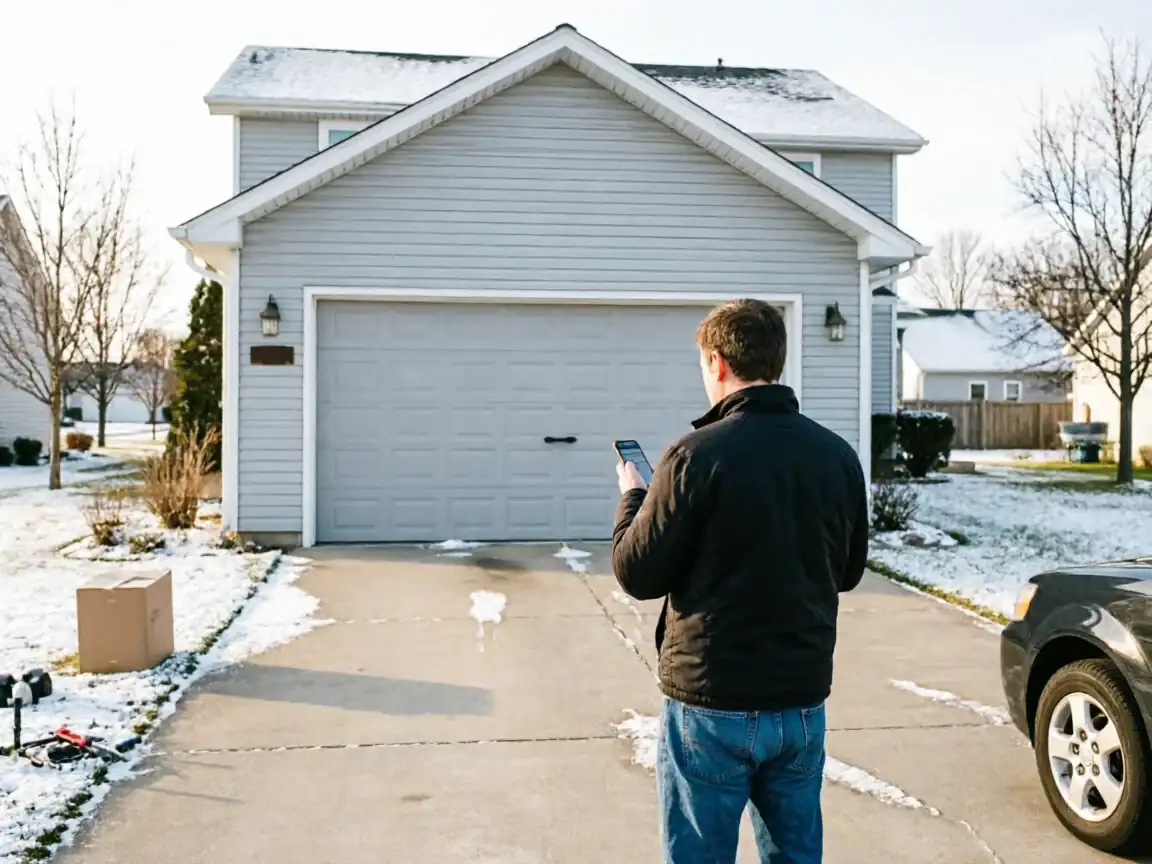
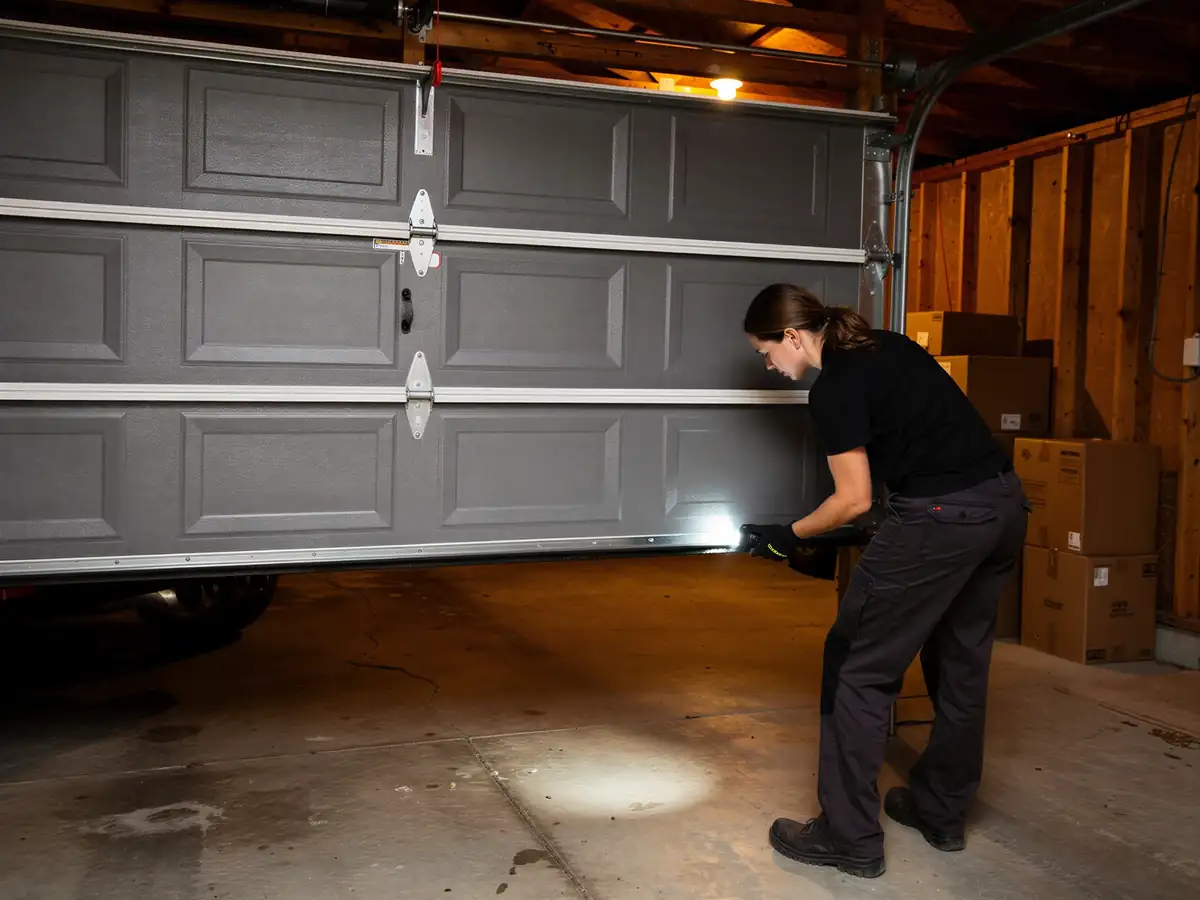
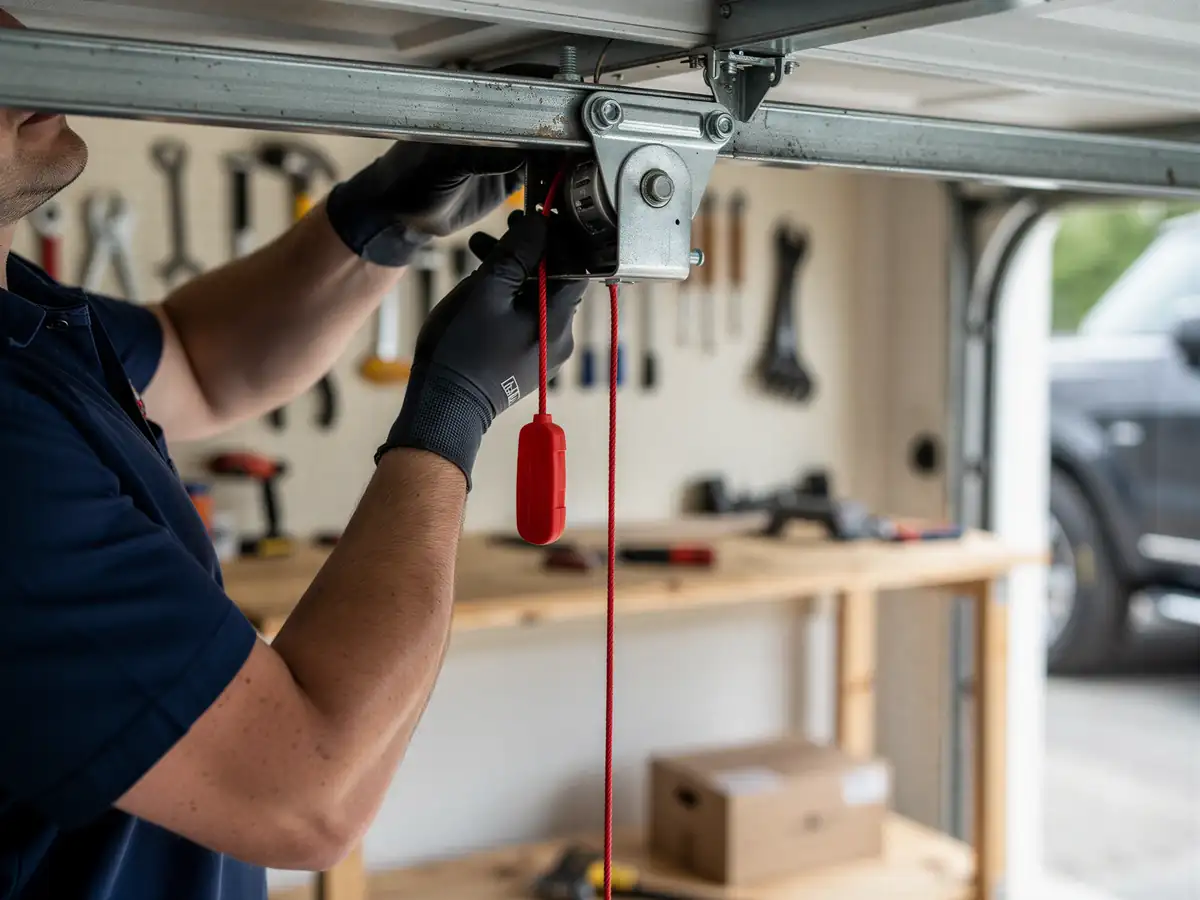
Most emergency calls from this area start the same two ways. First: the door won't move at all, the opener hums or clicks but the carriage doesn't travel, which usually means a broken spring is leaving the opener to lift weight it was never built to lift on its own. Second: the door drops partway and stops, or comes down crooked on one side, which points to a cable that's slipped the drum or frayed through. Less often, you'll hear a loud bang from the garage with no obvious damage - that's the spring letting go on its own, not from use. If the door is still closed and locked when that happens, don't force the opener; it's fighting a losing fight against the full weight of the door.
How We Fix It
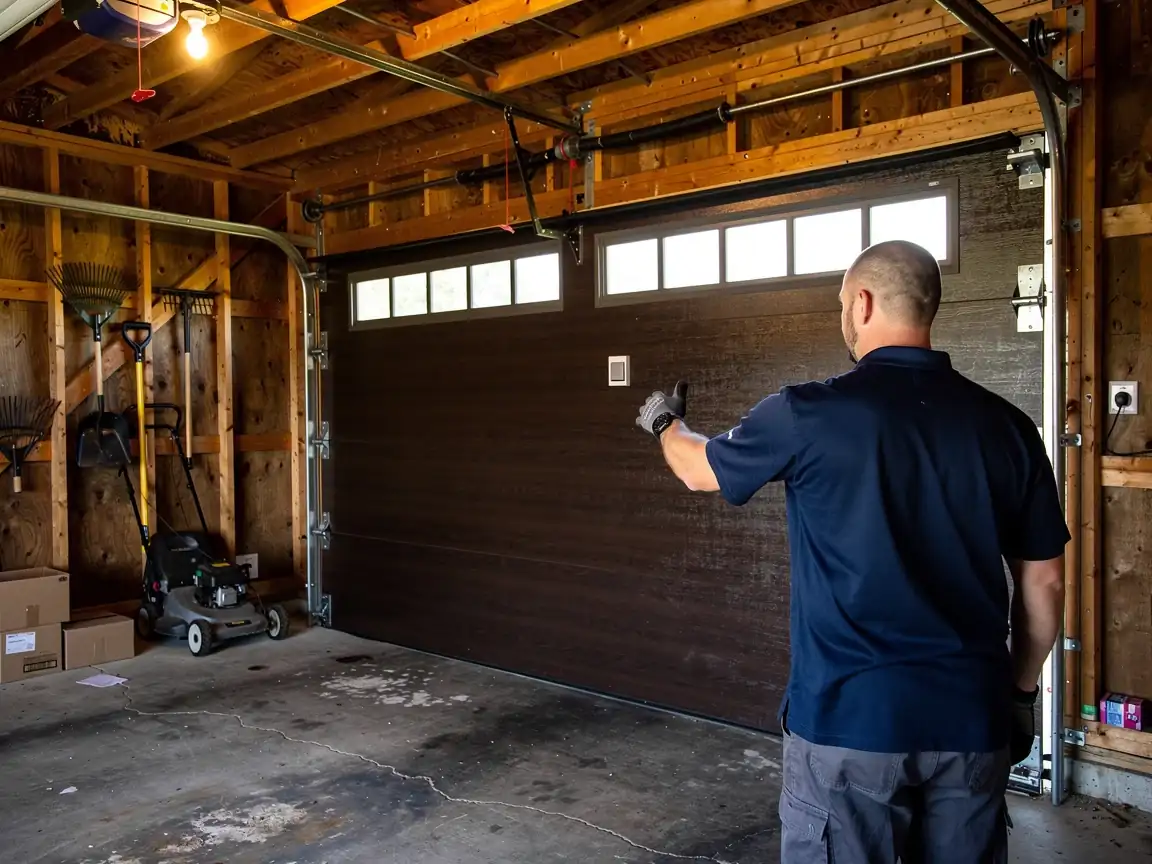
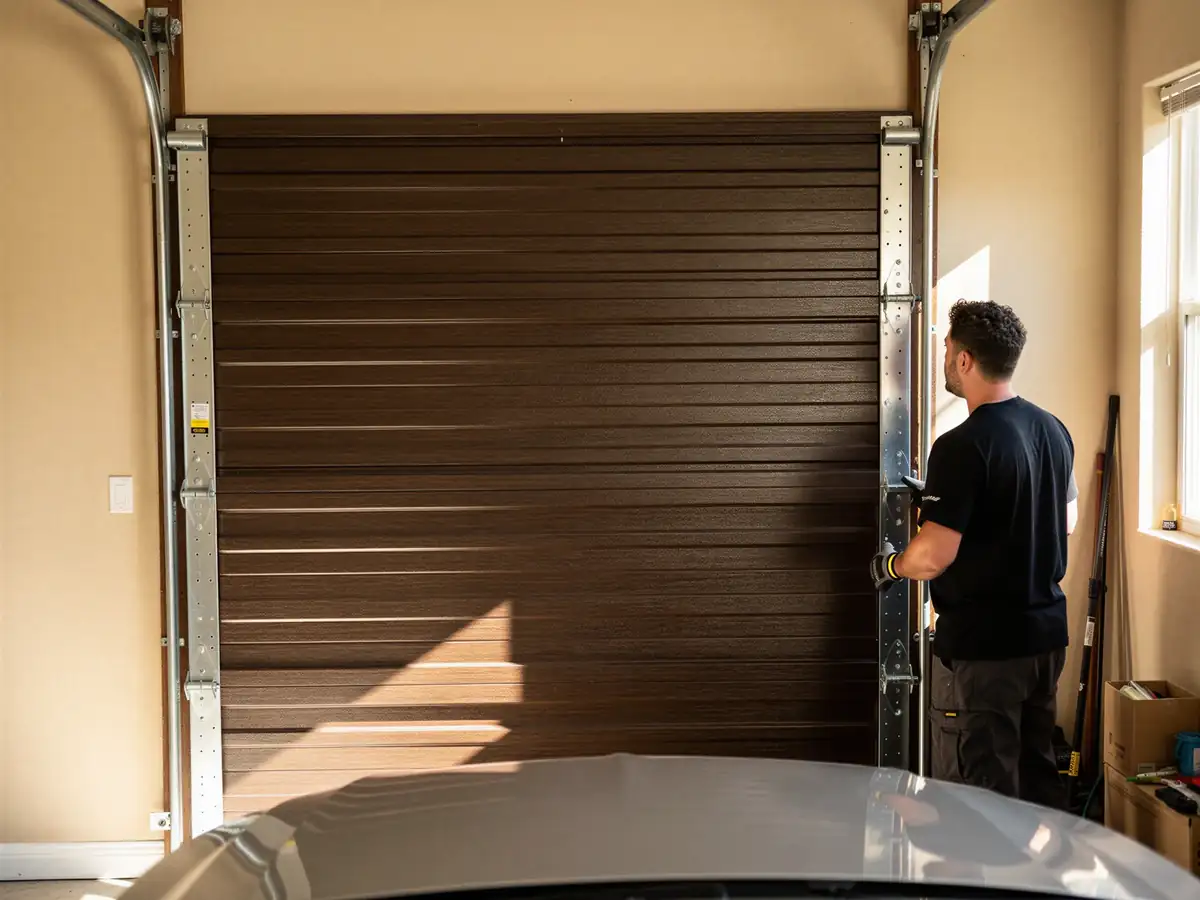
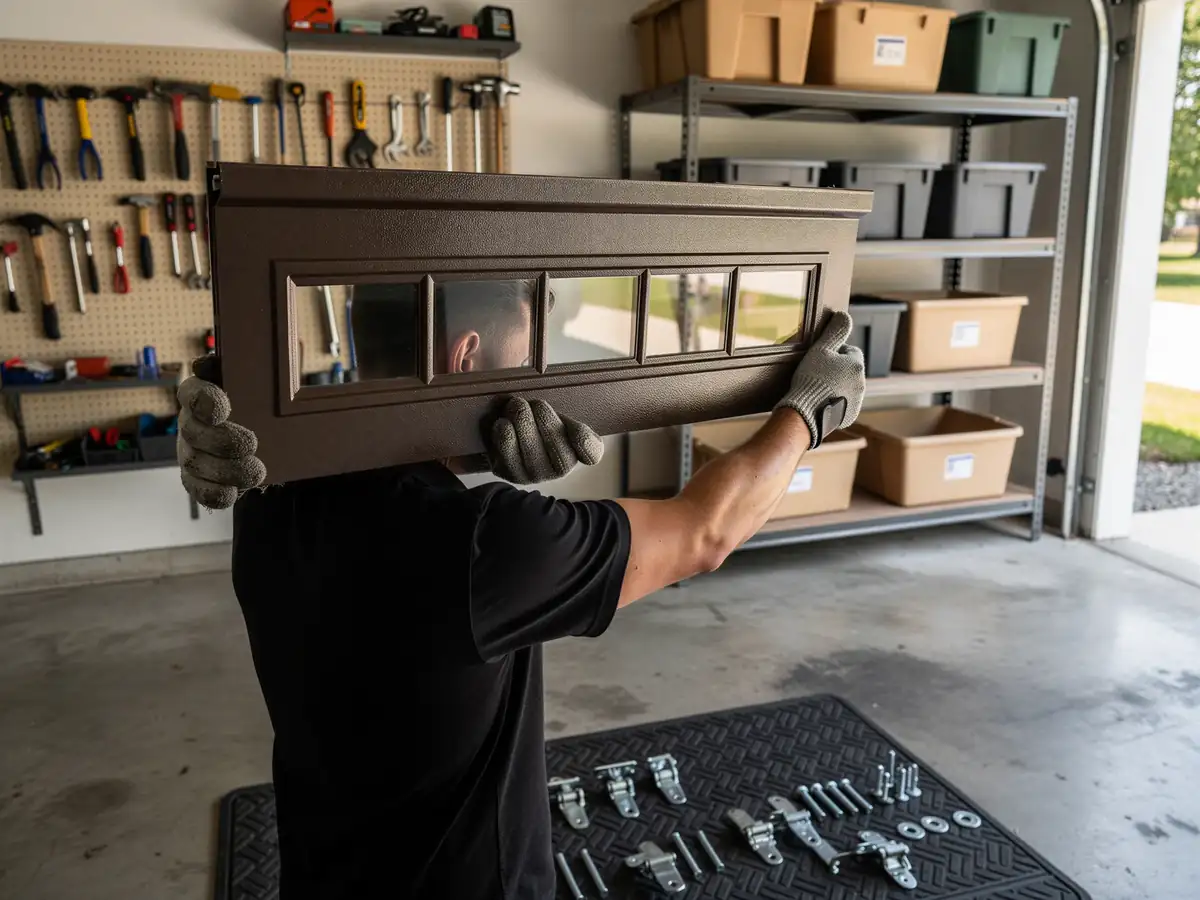
We replace torsion springs in matched pairs, not one at a time, because a mismatched pair just shifts the load imbalance to the side that didn't fail yet - on an older 1971-era door that's already carrying worn rollers and track, that imbalance shows up again fast. If the drum or cable shows wear, we replace those at the same time rather than sending the truck back out in a month. One limit worth saying plainly: if your opener is an original chain-drive unit from that same build era and the gear set is stripped, we'll tell you when replacement is the better call instead of patching a board that's going to fail again within the year. Some parts for openers that old simply aren't worth chasing down.